Low Maintenance Native Plants Colorado for Easy and Sustainable Gardening
Last updated: September 7, 2026
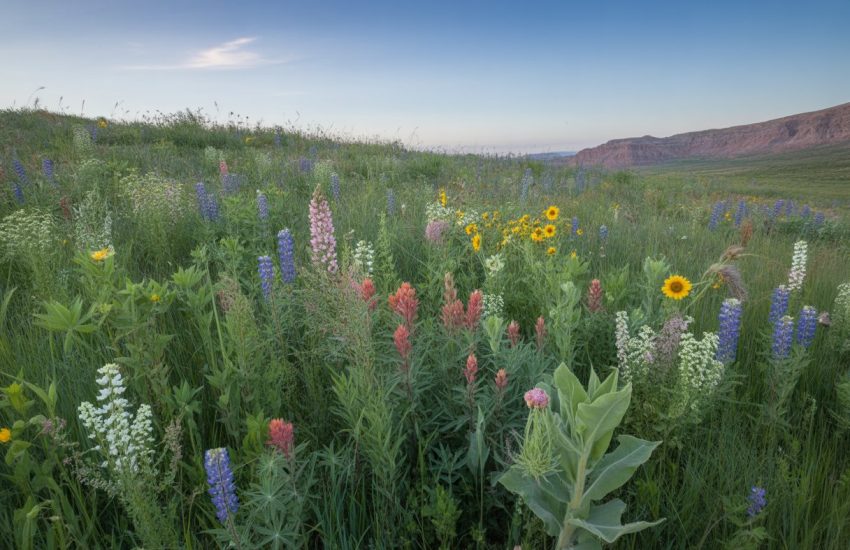
If you’re gardening in Colorado and want to cut down on upkeep without losing any charm, low maintenance native plants are honestly a lifesaver. These plants have adapted to Colorado’s climate, soils, and water quirks over time, so they’re way easier to care for than the usual non-native suspects.
Low maintenance native plants in Colorado need less watering, fertilizing, and pest control, saving you time, money, and probably some frustration.
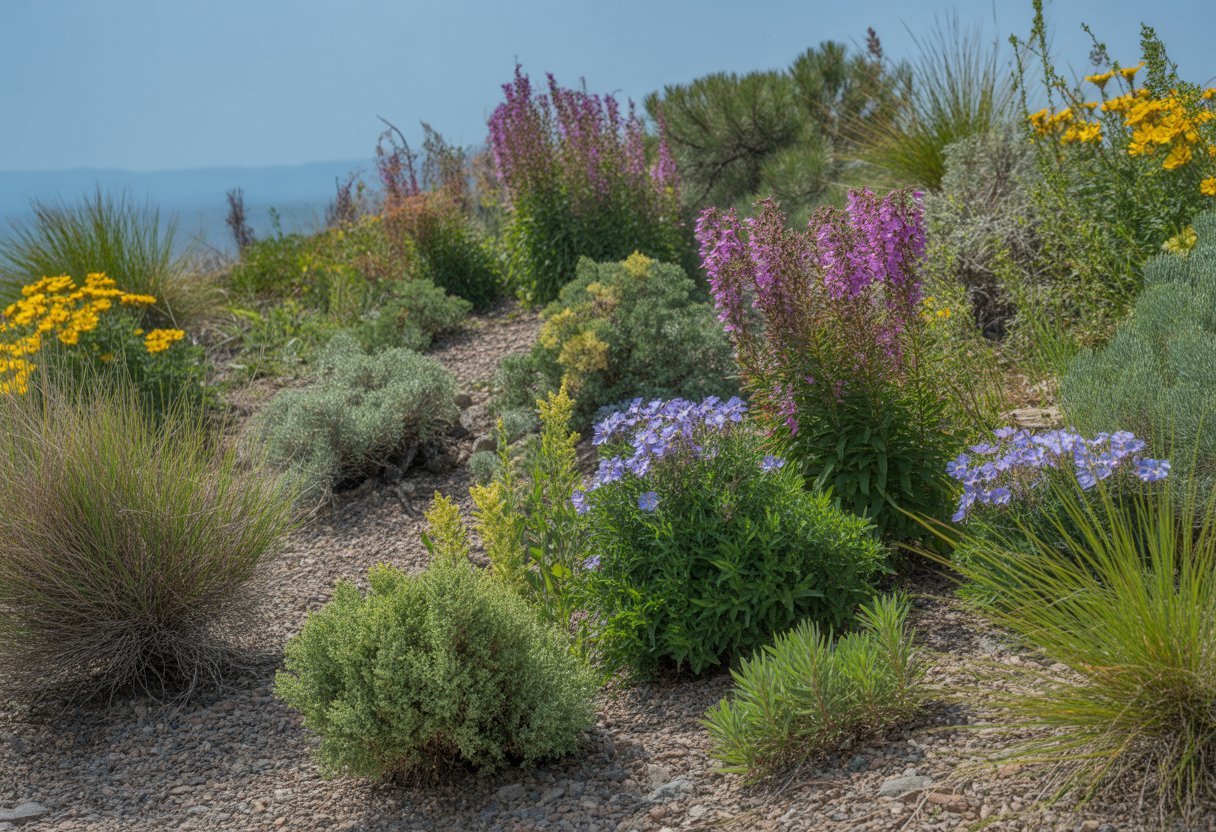
You’ll see native options like Blue Grama Grass, Blanketflower, and Purple Coneflower thriving with barely any fuss. They provide color and texture all year and support local wildlife, which is a nice bonus.
Their resilience helps your garden stand up to Colorado’s wild weather swings. It just makes sense to choose plants that want to live here.
When you pick the right natives, your garden works with the environment instead of against it. That’s less effort for you and a better outcome all around.
Understanding Low Maintenance Native Plants in Colorado
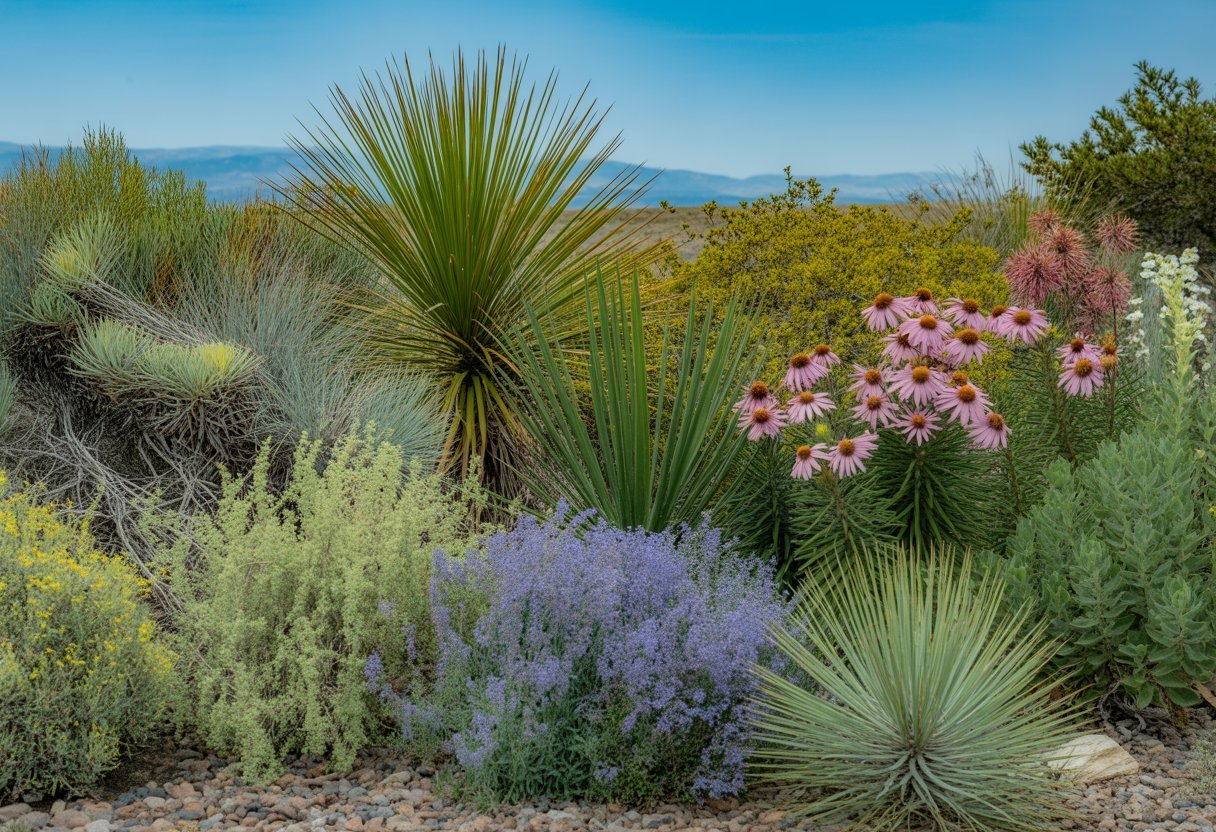
Native plants in Colorado thrive because they’re already tuned in to the local soil, climate, and water situation. They usually need very little care, which makes them perfect for sustainable landscaping that actually helps local biodiversity.
Characteristics of Colorado Native Species
Colorado’s native plants fit right in, whether you’re dealing with dry plains or rocky mountain slopes. They handle drought, poor soils, and wild temperature swings better than most imports.
A lot of them have deep roots for soaking up scarce water and can shrug off local bugs and diseases. You’ll notice many natives grow steadily, not too fast, and follow natural seasonal rhythms.
That means you won’t be out there constantly pruning or replanting. Purple Coneflower and Blue Grama Grass are good examples—they’re fine without fertilizer or extra water.
Their toughness makes them a solid pick for low maintenance gardens.
Benefits of Using Native Plants in Landscaping
When you use Colorado native plants, you’re helping the local ecosystem out. They give pollinators, birds, and other wildlife the food and shelter they need.
You’ll need less irrigation, fewer chemicals, and less maintenance overall. That’s easier on your wallet and the environment.
Many natives also help prevent erosion—pretty handy on Colorado’s slopes. They keep your landscape functional and attractive all year, even when the weather gets weird.
Top Low Maintenance Native Plants for Colorado Gardens
Colorado’s native plants really shine in the state’s dry, sometimes unforgiving climate. They don’t ask for much, but they give a lot—resisting drought, pests, and cold snaps.
You can find a native for almost any garden need, whether you want structure, color, or something that just won’t die on you.
Easy-Care Shrubs and Trees
Serviceberry (Amelanchier alnifolia) is a flexible shrub with white spring flowers and tasty berries. It’s easygoing about soil and needs little water once it settles in.
Mountain Mahogany (Cercocarpus montanus) takes drought and poor soils in stride. Its evergreen leaves and twisted branches look good all year and offer wildlife shelter.
If you’re after something taller, Ponderosa Pine (Pinus ponderosa) fits right into xeric gardens. It barely needs irrigation and helps block wind while supporting local critters.
Rosa woodsii is a tough native rose. It handles dry spells, puts out fragrant blooms, and draws pollinators. You’ll only need to prune it now and then for shape or to clear out dead wood.
Drought-Tolerant Perennials and Ground Covers
Blue Grama Grass (Bouteloua gracilis) forms dense tufts and barely needs water. It’s great for ground cover and helps prevent erosion.
Eriogonum umbellatum (Sulphur buckwheat) has cheerful yellow flowers and keeps pollinators happy. It prefers rocky, well-drained soil and lots of sun.
Oregon Grape (Mahonia repens) stays low and spreads slowly as an evergreen ground cover. It shrugs off drought and deer alike.
Pussytoes (Antennaria spp.) are small, silver-leaved perennials with a soft look. They handle dry soil, stabilize slopes, and, once established, don’t need watering.
Colorful Wildflowers and Seasonal Standouts
Bee Balm (Monarda fistulosa) blooms through summer and brings in bees and hummingbirds. It likes sun, tolerates a bit of shade, and doesn’t need much extra water.
Black-eyed Susan (Rudbeckia hirta) shows off bright yellow flowers for ages. It’s drought-resistant and doesn’t mind poor soil.
Blazing Star (Liatris punctata) sends up tall purple spikes, adding some drama. It’s happy in rocky, dry spots and needs little care.
Rocky Mountain Columbine (Aquilegia caerulea), Colorado’s state flower, prefers partial shade and dry, well-drained soil. Its blue-and-white blooms are delicate but tough.
Plants like Agastache cana and Butterfly weed (Asclepias tuberosa) also do great with little water, bringing color and supporting pollinators in xeric gardens.
Design Strategies for Low Maintenance Native Plant Landscaping
If you want your Colorado native garden to actually work, you’ll need to pay attention to soil conditions, materials, and some wildlife-friendly touches. The right prep, mulch, and borders make a huge difference.
Adding habitat features doesn’t hurt either—it all adds up to a sustainable, low-maintenance space.
Soil Preparation and Amendments
Colorado soils can be heavy on clay or pretty alkaline, which doesn’t always help native plants. Loosening the soil deep down lets roots spread and water soak in, so you won’t need to water as much later.
A bit of compost helps balance out poor soils, but don’t go overboard. Too much organic matter can actually make things harder for natives by favoring weeds or non-native plants.
Plant seedlings after you’ve prepped the soil so they can get established fast. Skip the heavy fertilizers—natives are used to lean conditions, and too much can mess them up.
Mulch, Borders, and Focal Points
Mulch keeps soil moist, blocks weeds, and helps even out temperature swings. Organic mulches like shredded bark break down slowly and feed the soil over time while saving water.
Borders matter more than you might think. They define spaces, keep grass from creeping in, and give your garden some structure. Stone, metal, or even a line of native shrubs can do the trick.
Focal points—a standout shrub or a cool rock arrangement—give your garden personality and help guide foot traffic. They can also create little wildlife havens if you plan them right.
Creating Wildlife Habitat and Attracting Pollinators
Native plants that offer seeds, berries, or nectar pull in wildlife all year. Rocky Mountain beeplant and purple coneflower, for example, are a feast for pollinators.
Add a birdbath or an insect hotel and you’ll see even more visitors. Clumping different species together gives animals shelter and food in one spot.
This approach means you can skip most pesticides and extra watering, which fits perfectly with the low-maintenance vibe and helps out Colorado’s native critters.
Sustainable Maintenance Practices and Resources
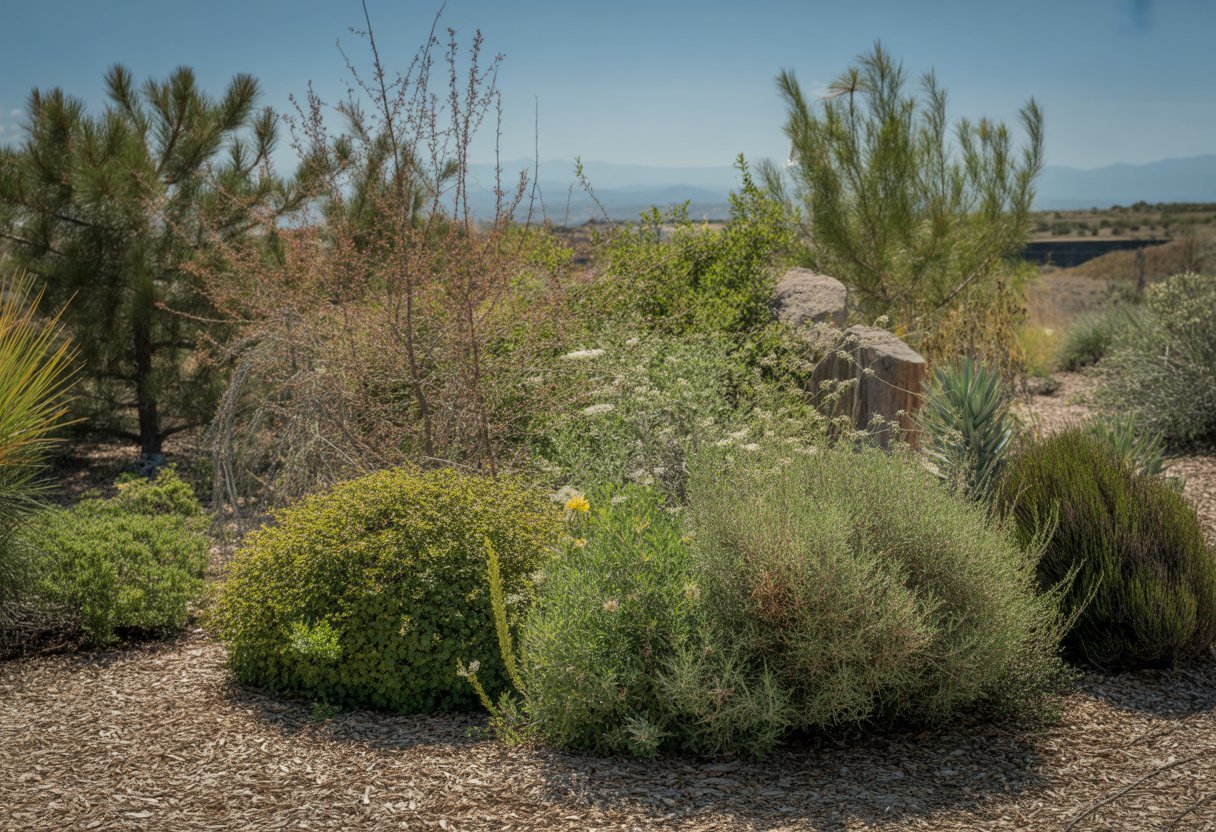
Native plants in Colorado do best when you use water carefully, stay on top of weeds, and tap into local expertise. These habits help you save resources and protect the state’s unique ecosystems.
Supplemental Watering and Efficient Irrigation
Native plants need a little extra water when they’re young or during long dry spells. Once they’re established, though, they can usually handle drought.
Deep, infrequent watering works better than frequent, shallow drinks. Drip irrigation or soaker hoses get water right to the roots, cutting down on waste.
Colorado Springs Utilities and Denver Botanic Gardens recommend watering early in the morning or late in the evening to keep evaporation low. Rain sensors and timers help you adjust automatically after a storm.
Most Colorado natives get by with only seasonal irrigation once they’re settled. As they mature, cut back on watering to avoid root rot.
Preventing Invasive and Noxious Weeds
Keeping invasive and noxious weeds out is huge for native gardens. If you spot them early and get rid of them, you stop them from stealing water and nutrients.
Hand-pulling and mowing work for small patches. For bigger problems, you can use targeted herbicides—just follow Colorado’s guidelines to avoid harming your natives.
Regular monitoring and removing seed heads keep weeds from spreading. Colorado’s noxious weed list includes troublemakers like Russian olive and knapweed, which can take over fast.
Healthy native plant cover and mulch go a long way toward keeping weeds out naturally.
Recommended Regional Guides and Organizations
Resources like Denver Botanic Gardens have some pretty detailed guides on native plants and sustainable landscaping, all tuned for Colorado’s unique climate. You’ll find irrigation tips, advice on pest management, and plant selection ideas that actually work around here.
Colorado Springs Utilities jumps in with water conservation programs and even offers incentives if you install an efficient irrigation system. Sometimes, they team up with folks in New Mexico and Utah to tackle big issues like drought and invasive weeds.
Professional organizations and extension services put out workshops and plenty of online materials. If you check out these sources, you’ll have a much easier time keeping your native landscape healthy and low-maintenance, all while helping out local wildlife and saving water.