Lawn Reduction Strategies for Homeowners: Effective Methods to Minimize Yard Maintenance
Last updated: August 19, 2026
A lot of homeowners want to shrink their lawns these days, hoping to cut back on time, water, and money spent on yard work. Lawn reduction usually means swapping grass for low-maintenance plants, adding hardscapes, or setting up mulched beds. These moves really do help with watering and mowing less.
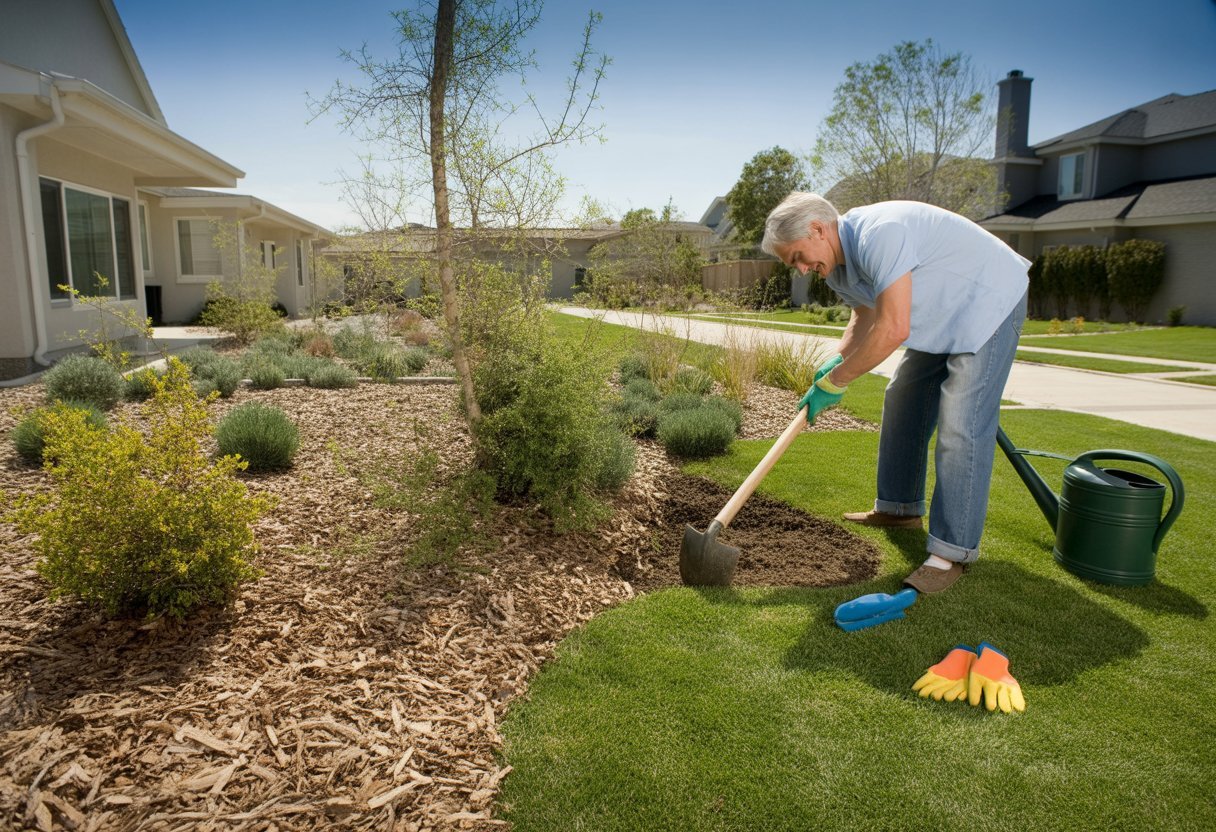
By making the lawn smaller, people can build outdoor spaces that are both sustainable and still look good. Choosing native plants or drought-tolerant landscaping bumps up biodiversity and lessens environmental impact.
Knowing a few practical lawn reduction tricks helps homeowners decide what’ll work for their yard and lifestyle. It’s all about finding that sweet spot between function and eco-friendly choices.
Understanding Lawn Reduction and Its Benefits
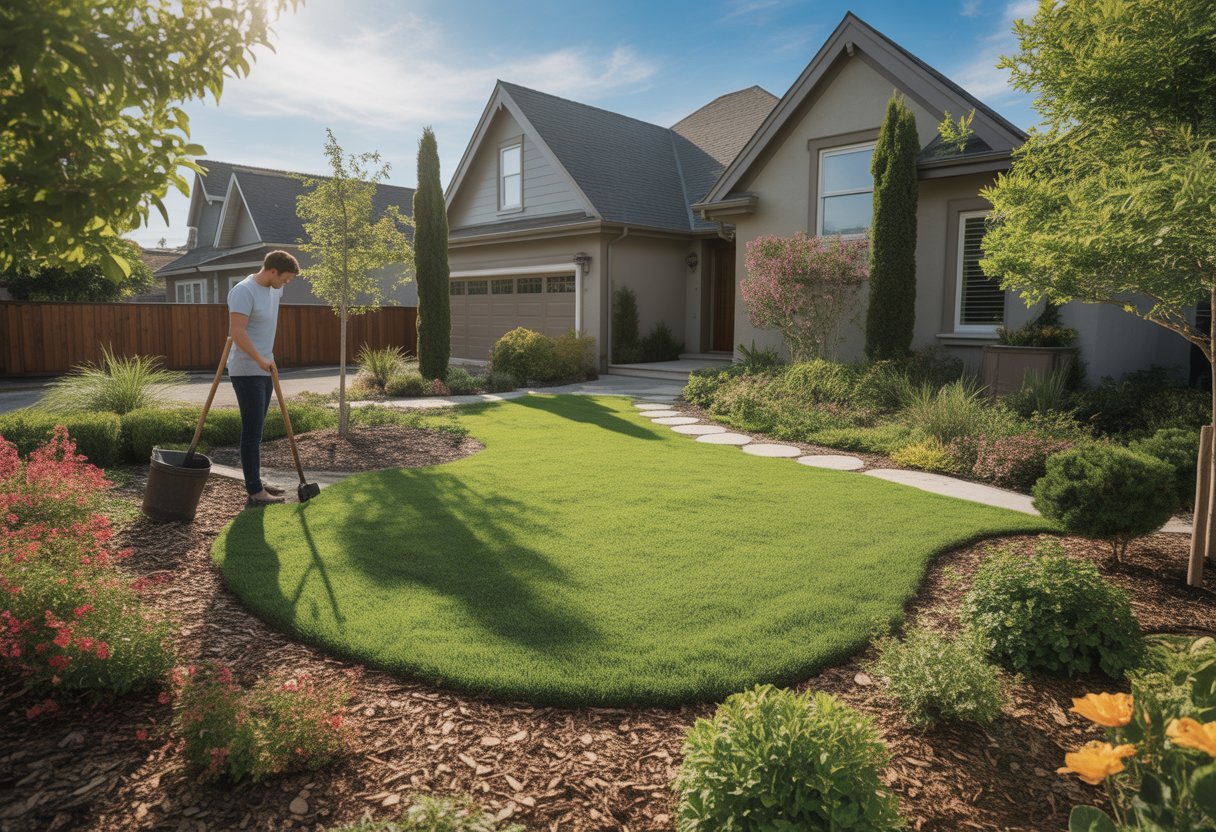
Lawn reduction means swapping out traditional turf for other landscaping options. This change tackles common lawn headaches and makes better use of outdoor space.
The Drawbacks of Traditional Lawns
Traditional lawns need a lot of mowing, watering, fertilizing, and, yeah, pesticides. That’s a lot of time and money.
Overwatering wastes water and actually hurts lawn health, especially where drought hits hard. Chemicals can mess with soil quality and drive away local wildlife.
Lawns don’t give much habitat variety, so pollinators and helpful bugs just don’t stick around. Plus, a plain grass yard isn’t as tough against pests or weather as a more diverse landscape.
Environmental and Maintenance Advantages
Cutting back on lawn size means you’ll use way less water, which is a big deal if your area has water restrictions. Less fertilizer and pesticide use is good news for soil and water.
Mowing less often means burning less fuel and making fewer emissions. That’s a win for the planet, right?
Native plants or mulch beds boost biodiversity by giving insects and small animals a home. They also help the soil by cycling nutrients naturally and stopping erosion.
Assessing Your Outdoor Space
Take a good look at sun, soil, and how healthy your plants are before you start shrinking your lawn. These details matter for picking the right plants or ground covers.
If some parts of your lawn grow poorly or get trampled, those might be the best spots to swap out the grass. Protecting these areas can improve the yard overall.
Try mapping out play zones, gardens, or seating areas. This helps keep things practical and balanced after you reduce the lawn.
Selecting the Right Alternatives and Preparing Your Lawn
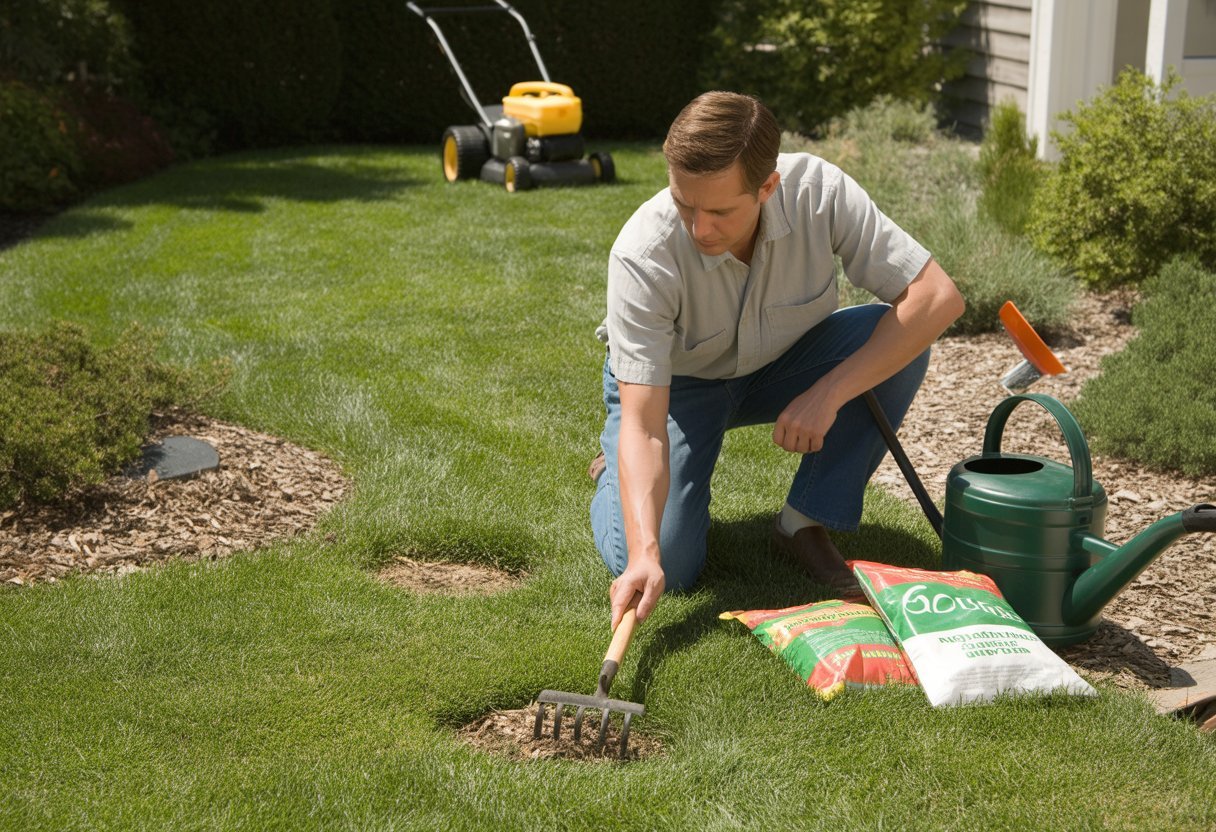
Before downsizing the lawn, it makes sense to think about climate, soil, and how much upkeep you want. Picking grass types that fit your area, adding native plants, and prepping the soil all help create a lasting, easy-care landscape.
Choosing Low-Maintenance Grass Types
Picking grass that suits your local climate means less watering and mowing. Cool-season grasses like fescue, Kentucky bluegrass, and ryegrass work well up north, needing less water in spring and fall, though they can struggle in hot summers.
Down south, Bermuda grass, zoysia, and St. Augustine handle heat and drought but go brown when it’s cold. No grass is perfect everywhere.
Think about shade, soil, and how much foot traffic your lawn gets. Sometimes, mixing different grasses makes the whole yard tougher.
Incorporating Native Plants and Groundcovers
Swapping parts of your lawn for native plants can save water and help local wildlife. Native species need less fertilizer and pest control since they’re already adapted.
Groundcovers like creeping thyme, sedum, or pachysandra fill in space, choke out weeds, and need little mowing. Some even handle a bit of foot traffic.
Native plants also help keep soil in place and attract good bugs. If you’re not sure what works, try asking your local extension office.
Soil Testing and Preparation
It’s smart to run a soil test before planting anything new. You’ll get info on pH, nutrients, and soil texture, so you know what fixes to make.
Aerate compacted spots and use lime or sulfur if you need to adjust pH. Mixing in compost or other organic matter helps water soak in and roots grow deeper.
Good drainage is important to avoid waterlogging or erosion. Prepping the soil right pays off later with less watering and fuss.
Mulching and Composting Techniques
Mulch keeps soil moist, blocks weeds, and keeps roots cool. Organic mulches like bark or leaf mold break down and feed the soil over time.
Composting yard waste gives you rich material to mix into your soil. It boosts fertility and helps good microbes thrive.
Don’t pile mulch up against plant stems—it can cause rot. Refresh the mulch now and then to keep the benefits going and save yourself some work.
Sustainable Lawn Care Practices for Reduced Lawns
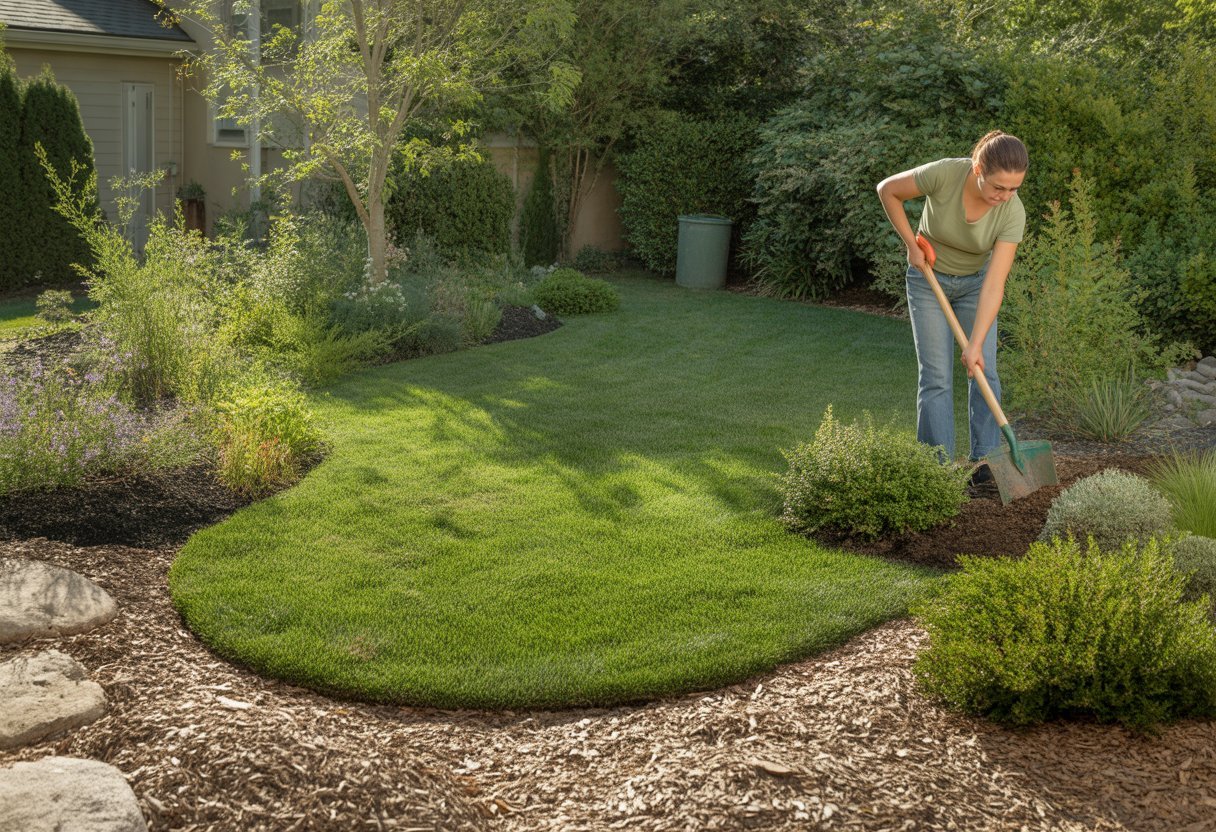
Taking care of a smaller lawn means tweaking how you mow, water, and feed it. Adjusting your routine helps save water, build better soil, and keep the grass strong.
Mowing Tips and Height Adjustments
Mowing matters, even with less grass. Keeping grass at 3 to 4 inches tall helps roots grow deep and shields the soil from heat.
Sharp mower blades make cleaner cuts and reduce disease risk. It’s worth sharpening them now and then.
Try not to mow wet grass—it tears and gets messy. Only cut off about a third of the grass height each time to avoid stressing it.
Efficient Watering Techniques
With a smaller lawn, you can be smarter about watering. Deep, occasional watering trains roots to go deeper.
Aim for about an inch of water per week, counting rainfall. Water early in the morning to beat evaporation.
Drip irrigation or soaker hoses put water right where it’s needed. Mulching around the edges helps keep moisture in, too.
Nutrient Management and Fertilization
Feeding your lawn keeps it green, but don’t overdo it. Organic fertilizers release nutrients slowly and build better soil.
Test your soil to see what it really needs—guessing can lead to over-fertilizing. Nitrogen is important, but too much is a problem.
Mixing in compost or mulch helps the lawn hold onto nutrients, so you can use less fertilizer overall.
Long-Term Maintenance and Pest Management
Keeping a reduced lawn in good shape means staying on top of weeds, pests, and whatever the seasons throw at you. The goal is to balance chemical and organic fixes so the grass stays healthy and the environment doesn’t take a hit.
Weed Control Solutions
Weeds like crabgrass don’t give up easily. Spot-treat with organic herbicides or pull them by hand to avoid blanket chemical use.
Mowing at the right height helps keep weeds from seeding. Pre-emergent herbicides in early spring can stop crabgrass before it gets going.
Aerating the soil helps turfgrass outcompete weeds. Overwatering can actually make weeds worse, so keep an eye on how much you irrigate.
Manual weeding works well for small patches. Stay on top of it, and you’ll get fewer weeds without hurting the good bugs.
Integrated Pest Management Strategies
Integrated Pest Management (IPM) is all about knowing your pests and using common sense. Attracting helpful insects and only using chemicals when you have to keeps the balance.
Check your lawn regularly for problems instead of spraying everything just in case. Good practices like fertilizing and aerating make your grass tougher.
When you do need pesticides, spot-treat with the right product. Traps or barriers can help too, and they don’t add chemicals to the yard.
IPM isn’t perfect, but it tries to keep your lawn healthy without causing bigger problems down the road.
Seasonal Care and Overseeding
Seasonal care shifts with your lawn’s needs as the months roll by. In early fall and spring, overseed with turfgrass varieties that suit your climate.
Aerate before overseeding to help seeds connect with the soil and encourage strong roots. Regular soil testing tells you what nutrients your turf actually needs.
Adjust how much you water, depending on the rain—too much or too little stresses the grass and invites disease. Mow a bit higher in the fall to push roots deeper, which can help the lawn handle dry spells.
A little planning goes a long way. Stick with a seasonal routine, and you’ll have fewer weeds and pests to worry about.