When to Plant Columbine in Florida for Optimal Growth and Blooming
Last updated: November 18, 2026
Columbine’s delicate, spurred petals and adaptability make it a favorite among gardeners. In Florida, picking the right planting time is crucial if you want healthy plants and lots of blooms.
The best time to plant columbine in Florida is during the cooler months of fall or early winter, from October through December, when temperatures are mild.
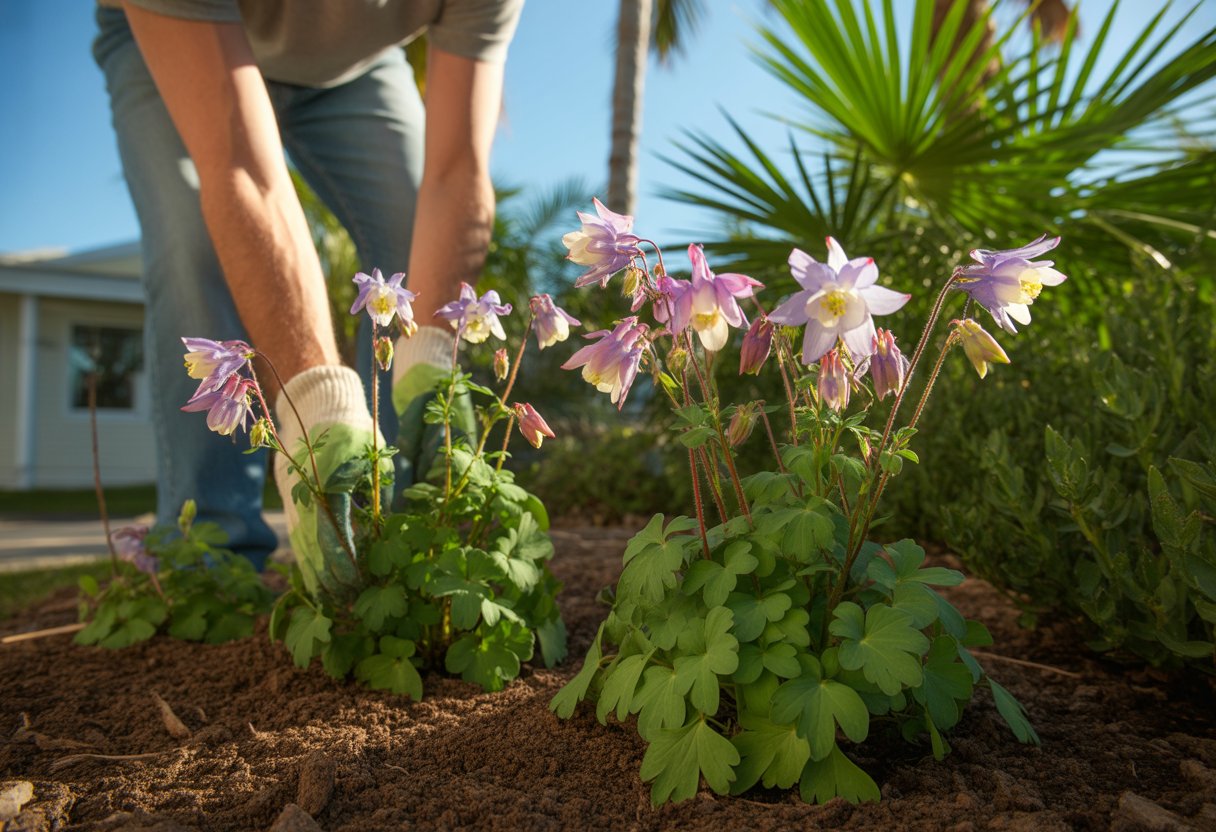
Planting in these months lets the roots settle in before Florida’s heat arrives. Columbine likes well-drained soil and partial shade, and honestly, that’s just easier to maintain when it’s not scorching outside.
If you plant at the right time, you’re setting your columbine up to thrive in Florida’s tricky climate.
Understanding Columbine: Characteristics and Growing Preferences
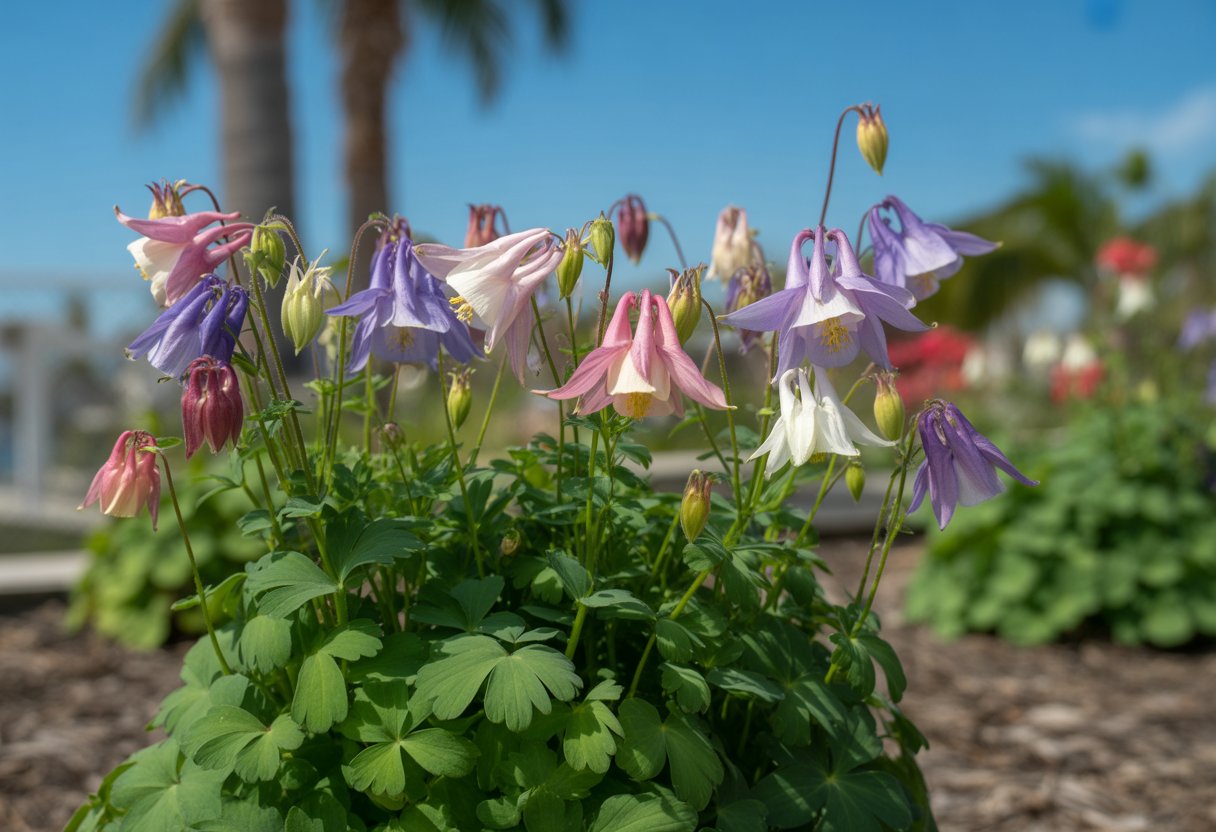
Columbine stands out as a wildflower thanks to its unique look and flexible growing habits. It’s pretty adaptable, but you’ll still want to pay attention to where and when you plant it.
Botanical Features of Aquilegia canadensis
Aquilegia canadensis, or columbine, is native to North America. It usually grows about 1 to 3 feet tall, sporting blue-green, ferny leaves.
Its bell-shaped flowers dangle downward and show off five spurred petals in shades from red to yellow. Hummingbirds and pollinators can’t resist them, thanks to the nectar.
Columbine grows a taproot and prefers soil that drains well, even if it’s a bit rocky or sandy. It usually blooms late spring into early summer, then sets seed pods and self-sows for the next season.
Columbine as a Perennial Wildflower
Aquilegia canadensis comes back every year from its roots, so you don’t need to replant. It’s hardy in USDA zones 3 through 9, so it handles a range of North American climates.
You’ll find it fits right in along woodland borders, in naturalized gardens, or tucked into shady rock gardens. Once it’s established, it can handle some dry spells, though it does better with steady moisture while growing.
Columbine spreads by seed at a moderate pace, making it a low-maintenance pick for gardeners wanting to boost native plant diversity and support wildlife.
Sun and Shade Requirements
Columbine handles full sun to light shade, but in Florida, it appreciates a break from the afternoon heat. Partial shade during the hottest hours keeps the leaves from scorching.
Try to plant it where it’ll get morning sun and afternoon shade, or under taller trees with dappled light. That helps keep the soil moist and can stretch out the bloom time.
Too much direct sun can stress the plants and cut down on flowers, but too much shade leads to lanky growth and fewer blooms. It’s a balancing act, honestly.
Best Time to Plant Columbine in Florida
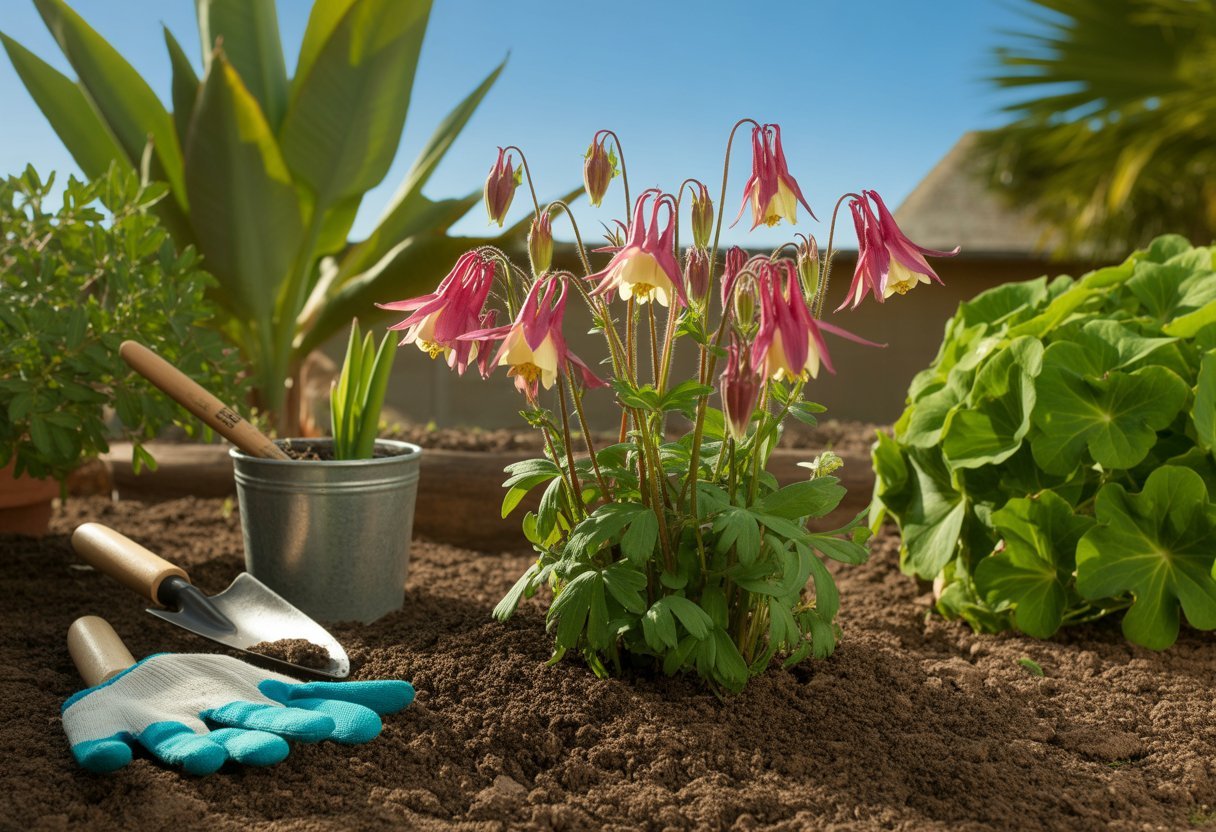
Timing matters a lot when planting columbine in Florida. If you want good blooms and healthy plants, you’ll need to pay attention to the weather and your region.
Recommended Planting Months
You’ll get the best results planting columbine in Florida from late fall to early spring. Most folks aim for November to February.
Cooler weather during these months gives seeds and transplants a chance to settle in before the summer heat hits. If you wait until after March, you risk heat stress and weaker plants.
Early planting builds a stronger root system, which usually means better blooms in spring. Seedlings started in this window should flower by late spring or early summer, dodging the worst of the heat.
Climate Considerations
Florida’s warm, humid climate isn’t exactly columbine’s favorite, since it likes things a bit cooler. It can handle a little cold, but long stretches of heat are tough on it.
If you can, plant where there’s some afternoon shade to help with heat. Humidity can also encourage fungal diseases, so leave space between plants and make sure there’s good airflow.
Watch your watering—too much or too little can cause problems, especially during Florida’s unpredictable rainy and dry spells.
Regional Differences Across Florida
In North Florida, milder winters mean you can plant as early as October and up through February. The cooler nights help a lot.
Central Florida gardeners should stick to November through January to dodge those random warm spells that pop up late in winter. Down in South Florida, you’re really limited to winter—December and January are safest, since summer heat and humidity arrive early.
Every part of Florida has its quirks, so keep an eye on the forecast and adjust your planting window if you need to.
Steps for Successful Planting and Care
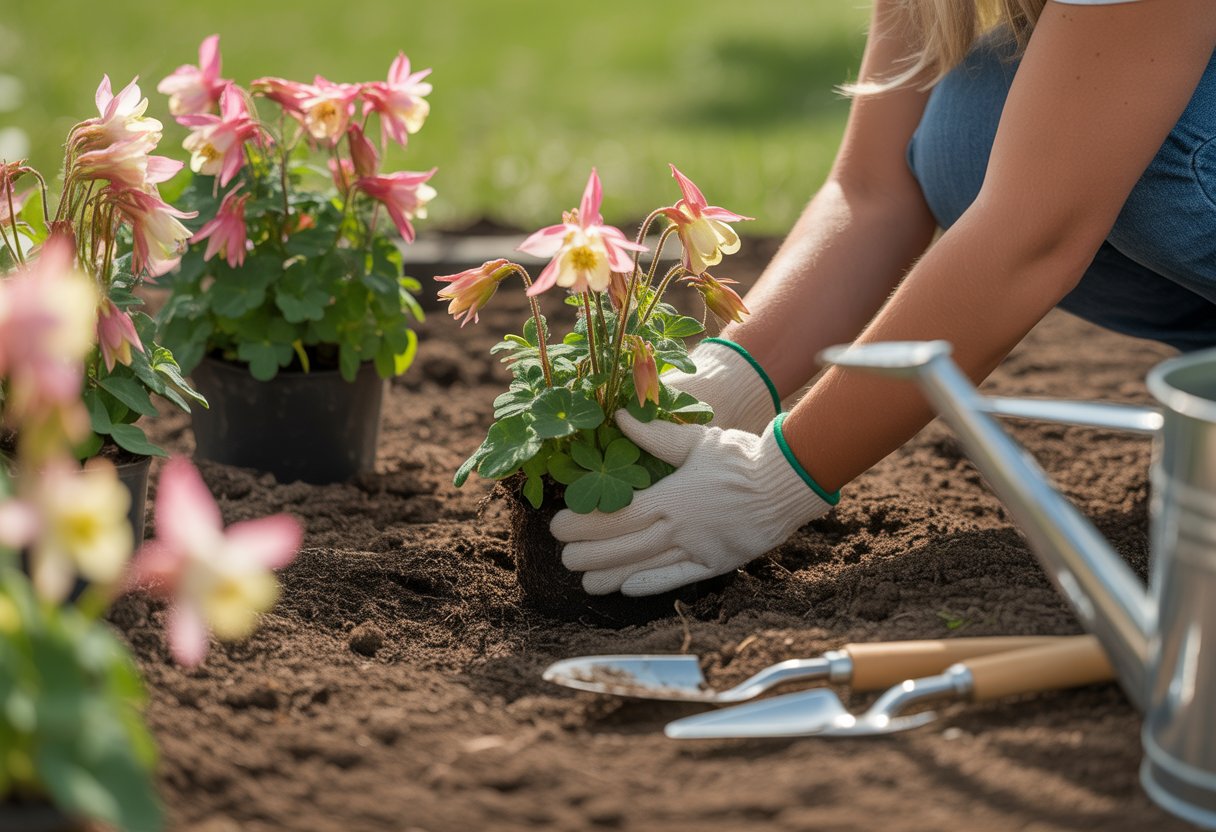
Getting columbine off to a good start takes a little planning. From picking seeds to transplanting and helping them grow, every step counts.
Seed Selection and Preparation
Columbine seeds are tiny and black, so they’re easy to lose track of. Fresh seeds usually sprout better.
Chill the seeds in the fridge for 2-4 weeks before planting—this mimics winter and helps them wake up. After chilling, just sprinkle them on the soil surface; they need light to germinate, so don’t bury them.
Gently moisten the soil after sowing. A spray bottle works well to avoid washing the seeds away. Keep the soil consistently damp during germination.
Soil, Moisture, and Sunlight Needs
Columbines like soil that drains well and has a bit of organic matter. Mixing in compost helps with both texture and nutrients.
Pick a spot that gets at least 4-6 hours of sun daily. Some shade is fine, but more sun usually means more flowers.
Keep the soil moist but not soggy. Overwatering can rot the roots. Mulch helps hold moisture and keeps the soil temperature steady.
Transplanting Seedlings
Wait until seedlings have their first true leaves and are about 2-3 inches tall before transplanting. Be gentle—lift by the leaves or root ball, not the stem.
Space them about a foot apart so they have room to grow. Transplant later in the day or when it’s cloudy to minimize shock.
Water right after planting and keep the soil moist until they settle in.
Encouraging Healthy Growth
Once columbine gets established, it doesn’t need a ton of attention. Snip off spent flowers to encourage more blooms.
During dry spells, water regularly, but don’t overdo it—too much water can bring on fungal problems. A balanced, slow-release fertilizer in spring is usually enough.
Watch for pests like aphids. If you spot them, deal with them quickly to keep your plants healthy.
Wildlife Attraction and Blooming Benefits
Columbines offer more than just good looks—they support local wildlife and help boost garden biodiversity. Their bright flowers draw in pollinators, and the nectar is a big deal for these visitors.
Supporting Pollinators: Butterflies and Hummingbirds
Columbines are a magnet for butterflies and hummingbirds. The long spurs on the flowers make it easy for hummingbirds to sip nectar with their long beaks.
Butterflies, including swallowtails, love the flowers for both nectar and as a landing spot. This interaction means better pollination and healthier ecosystems.
Adding columbines to your Florida garden gives pollinators a much-needed food source, especially in seasons when other flowers aren’t blooming much.
Nectar-Rich Flowers and Their Role
Columbine nectar is packed with sugar, making it a favorite energy source for hummingbirds and insects. The steady supply draws pollinators back again and again.
Nectar production peaks while the plant is blooming, so it fills food gaps when other flowers are scarce. Since the nectar sits deep in the flower spurs, only certain pollinators can reach it, which makes for some pretty cool plant-animal partnerships.
Prolonging the Columbine Blooming Season
Florida’s mild climate lets columbines bloom from early spring all the way into late summer. The exact timing depends a lot on when you plant them and how much attention you give.
Because of this, wildlife gets a longer window to sip nectar. It’s pretty great for the bees, butterflies, and whoever else decides to drop by.
If you stagger your plantings or pick varieties with different bloom times, you can stretch out the nectar season even more. Some gardeners swear by this approach for keeping pollinators happy across several months.
Try deadheading the spent flowers regularly. That simple habit keeps fresh blooms coming, so butterflies and hummingbirds always have something to snack on.