Best Pollinator Plants for New York to Boost Garden Biodiversity and Support Local Wildlife
Last updated: September 15, 2026
Pollinators like bees, butterflies, and hummingbirds keep New York’s ecosystems and gardens alive and buzzing. Picking the right plants supports these vital species and keeps your outdoor spaces vibrant.
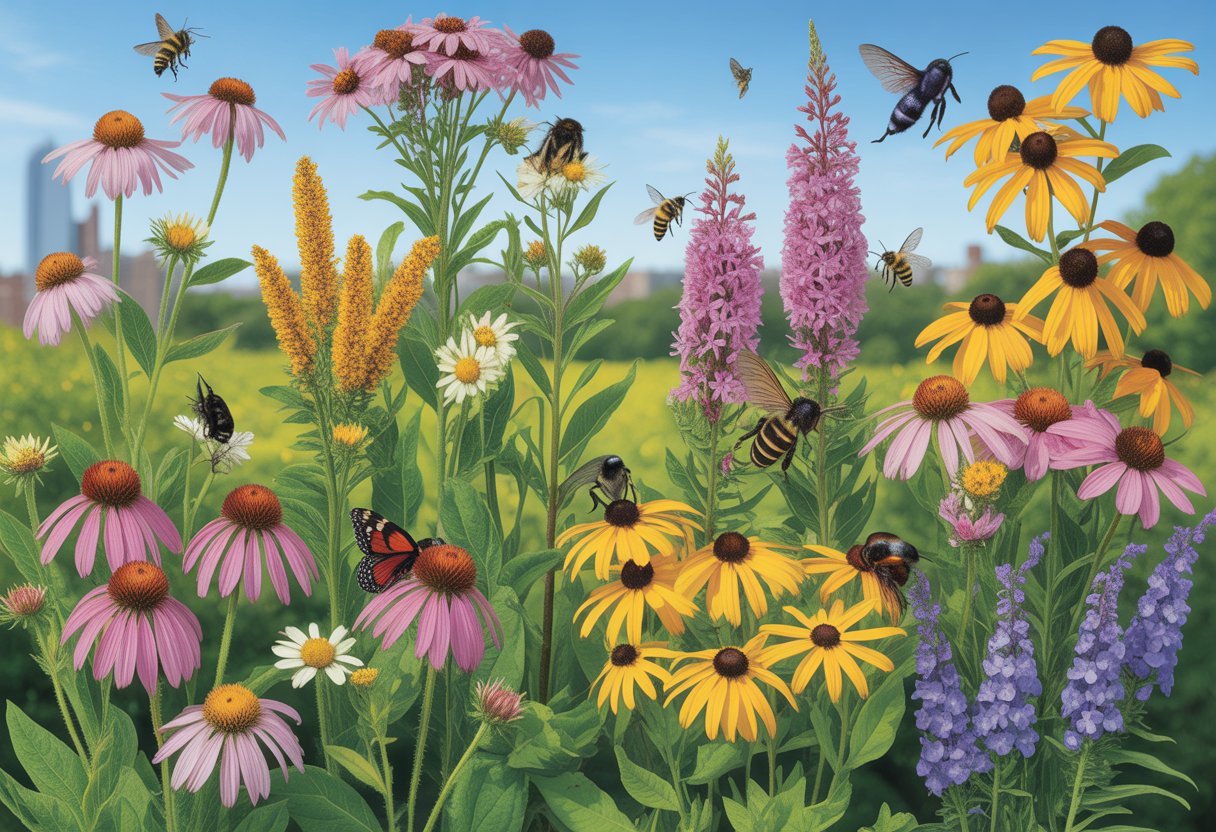
Some of the best pollinator plants for New York are native species like milkweed, purple coneflower, and bee balm. These plants attract and sustain local pollinators all season long.
They’re adapted to the region’s climate and soil, so they really thrive here. By mixing flowers that bloom at different times, you can keep food available for pollinators from spring through fall.
Understanding Pollinators and Pollination in New York
New York’s got a surprising variety of pollinators, and they play a huge role in local biodiversity. These creatures face environmental challenges that affect their numbers and the services they provide.
Key Pollinator Species
Over 400 native bee species buzz around New York, including Andrena and Lasioglossum. Bumble bees do a lot of the heavy lifting as native pollinators.
Honeybees, even though they’re not native, help out in agriculture. Butterflies, like the monarch butterfly, and moths also pitch in, especially in places like the Adirondacks.
Hummingbirds join the party in gardens and wild habitats. Native bees and bumble bees really shine because they pollinate so many different native plants.
Monarchs need specific host plants and help pollinate wildflowers as they migrate.
Role of Pollinators in Local Ecosystems
Pollinators keep New York’s ecosystems balanced and support wildlife all around us. Their work helps flowering plants reproduce, forming the base of food webs.
Many native plants depend on native bees and butterflies to make seeds and fruit, which feed birds, mammals, and insects. Biodiversity gets a real boost from healthy pollinator populations.
In the Adirondacks, pollinators help both forest understory plants and open meadow wildflowers. Agricultural crops need pollinators for fruit and seed, which matters for the local economy.
Pollination Challenges in New York
Pollinators in New York have a tough time with habitat loss from expanding cities and farms. Pesticides hit native bee species hard, cutting down their numbers and diversity.
Climate change messes with flowering seasons, so sometimes pollinators and plants just don’t sync up. Invasive plants compete with native ones, making it harder for pollinators to find food.
Pathogens hit honeybees and bumble bees, too, making pollination less efficient. Planting native species and protecting habitats are some of the main ways people try to help.
Top Native Plants for Attracting Pollinators
Native plants offer the nectar and pollen that local pollinators need. Picking species that fit New York’s climate just works better for attracting bees, butterflies, hummingbirds, and moths.
Best Plants for Bees
Bees love the nectar from native species like Solidago nemoralis (gray goldenrod) and stiff goldenrod. These bloom in late summer and fall.
Goldenrods from the asteraceae family provide plenty of pollen, which both honeybees and solitary native bees need. Clover grows well in open spots and gives bees a high-quality nectar boost early in the season.
Pickerelweed, which hangs out near wet areas, adds more nectar options for bees in midsummer. Mixing these natives means bees get food all season and stay healthy.
Flowers for Butterflies and Monarchs
Monarch butterflies must have milkweed for their larvae. Other native flowers, though, feed the adults.
Butterfly bush gets used a lot, but honestly, it’s non-native and can be invasive. Native asters and goldenrods do a better job for monarchs and other butterflies.
Asters bloom late, offering nectar when most flowers are done. Gray goldenrod draws in many butterfly species, and columbine gives early-season blooms for both larvae and nectar lovers.
If you want to help butterflies, focus on these natives and skip the invasives.
Supporting Hummingbirds and Moths
Hummingbirds go for tubular, bright native flowers like columbine, which bloom in spring. Their long bills are perfect for those deep nectaries.
If you want hummingbirds around all season, plant nectar sources that flower one after another from spring to fall. Moths—especially the night-flying kind—like native night-blooming flowers.
Some asters and pickerelweed help moths, though not as much research exists here. Planting a range of native plants with different bloom times keeps both day and night pollinators coming back.
Seasonal Blooming Guides
Columbine kicks off the nectar feast in early spring for pollinators waking up. Clover and pickerelweed keep the buffet going in midsummer, especially in damp spots.
Late summer and fall belong to asteraceae like gray goldenrod and stiff goldenrod. These bloom when everything else is winding down, giving pollinators a last big meal.
Choosing plants based on when they bloom means pollinators never run out of food during New York’s growing season.
Conservation Strategies and Reducing Threats
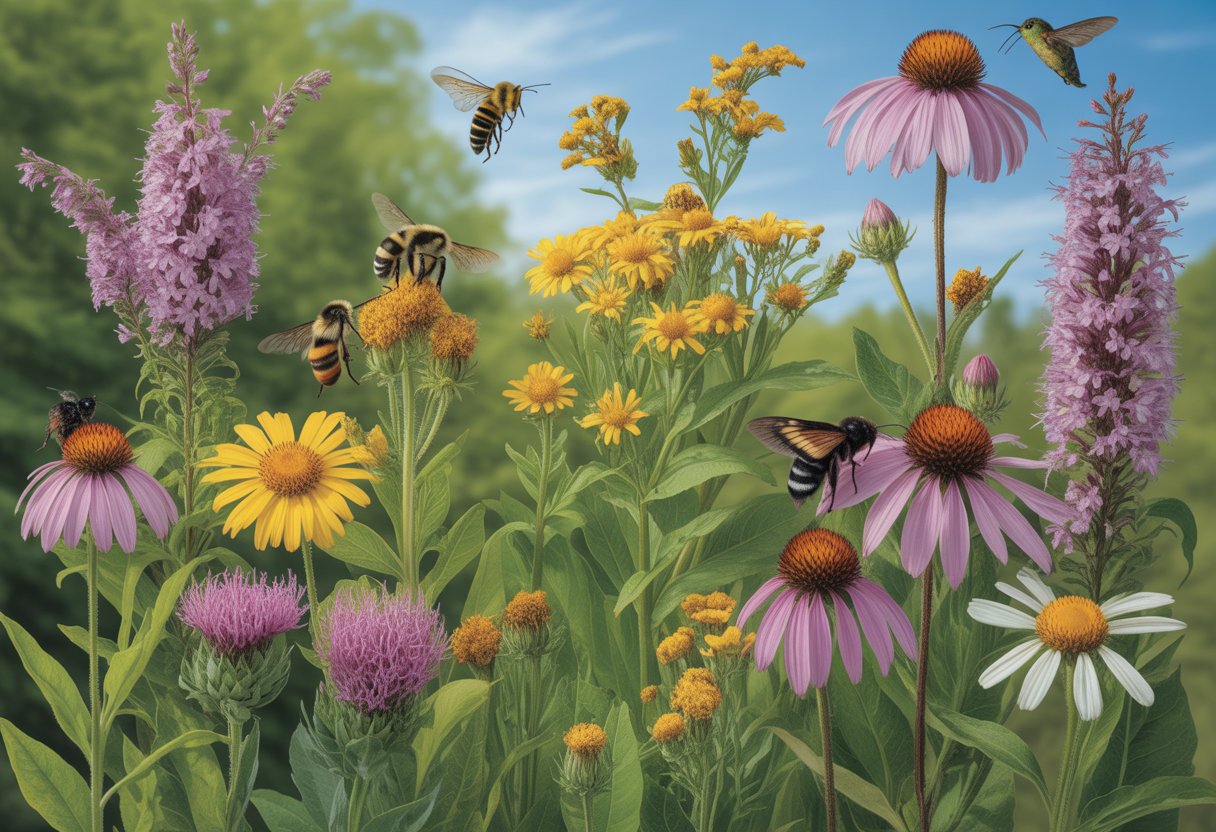
Conserving pollinators takes some targeted effort. Protecting native species, cutting back on harmful practices, and creating diverse environments all help keep native bees and other pollinators healthy.
Protecting Native Pollinators
Southeastern blueberry bees, carpenter bees, and sweat bees need undisturbed habitats. Bare soil, dead wood, and hollow stems make perfect nesting spots for them.
Preserving natural areas and avoiding unnecessary land disruption are key. Keeping an eye on pollinator populations helps spot any declines.
Supporting native bee species through conservation programs eases the pressure on honey bees and bumblebees. Honestly, understanding what native pollinators need just makes everything run smoother for ecosystems and crops.
Minimizing Pesticide Use
Pesticides, especially neonicotinoids, really mess with pollinators by contaminating nectar, pollen, and soil. Cutting back on pesticide use lowers the risk for wild and managed pollinators.
Integrated Pest Management (IPM) focuses on using pesticides only when absolutely needed, picking less toxic options, and treating plants when bees aren’t active. Skipping broad-spectrum insecticides protects all kinds of pollinators and wildlife.
Gardeners and farmers who use fewer chemicals end up supporting pollinator health and biodiversity—maybe without even realizing it.
Cultivating Diverse Habitats
Diverse floral resources throughout the growing season give pollinators a steady food source. Planting a mix of native species covers the nutritional needs for all sorts of pollinators.
Add wildflowers, shrubs, and native grasses to create habitats for southeastern blueberry bees, carpenter bees, and bumblebees. When you keep habitat corridors, you help pollinators move through fragmented areas.
Honestly, this kind of diversity just feels right. It might be the best bet for keeping pollinator communities resilient as the environment shifts and cities keep expanding.
 Looking for a nursery that carries native plants in New York?
Browse our native plant nursery directory: New York