Sun-loving perennials for Texas: Best Choices for Year-Round Beauty
Last updated: September 15, 2026
Texas gardens really call for plants that can handle relentless sun and, honestly, some pretty dry stretches. Sun-loving perennials fit the bill since they come back every year and rarely ask for much fuss.
Choosing perennials like Black-eyed Susan, Lantana, and Mexican bush sage means you’ll get resilient, vibrant blooms that don’t wilt in the Texas heat.
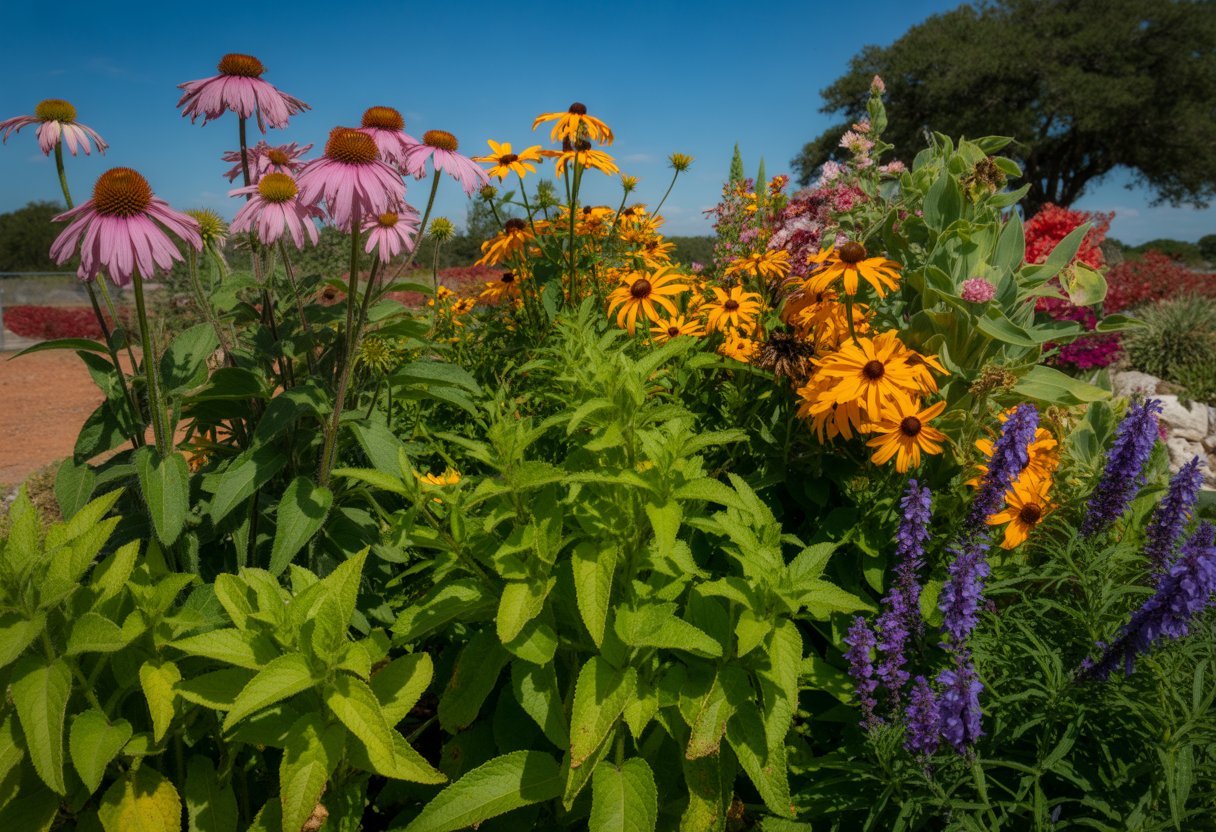
These plants shrug off high temperatures, draw in pollinators, and splash color around for months on end. Pick the right ones and you’ll have a low-maintenance landscape that laughs at Texas’ wild weather.
Knowing which perennials will actually make it is half the battle. It’s all about lasting beauty and, let’s be honest, not having to replant every spring.
Choosing the Best Sun-Loving Perennials for Texas
Picking perennials for Texas isn’t just about grabbing what looks nice at the nursery. You’ve got to consider the state’s wild climate swings and what each plant can handle.
Look at your region’s weather, then dig into the traits each plant brings to the table. That’s how you end up with a garden that doesn’t quit when the heat is on.
Understanding Texas Climate and Hardiness Zones
Texas sprawls across USDA zones 6 through 10, so temperatures jump all over the place depending on where you live. Central and South Texas usually get mild winters, but the occasional freeze sneaks in.
North Texas? Expect colder winters and a few more frosty mornings. The state also throws in droughts, heatwaves, and those sudden cold snaps that catch you off guard.
You’ll want perennials that can deal with the typical lows and highs of your zone. For example, zone 8 plants can struggle if you try them in a zone 6 garden.
Sun-loving types built for long, hot summers and dry spells usually do best across most Texas yards.
Key Traits of Texas-Adapted Perennials
Texas-adapted perennials often dig deep with their roots, tapping water that other plants can’t reach. Many have thick or waxy leaves, or even fuzzy surfaces to hang onto moisture.
They keep blooming even when it’s sweltering. These plants also stand up to local bugs and diseases better than most.
Hardy perennials bounce back after heavy rain or a Texas thunderstorm, while annuals sometimes just give up. If you want a reliable garden, stick to species that check these boxes.
Top Sun-Loving Perennial Flowers for Texas Landscapes
Texas landscapes need plants that can take full sun and still look good. Some species just handle the heat, drought, and bugs better than others.
Let’s check out a few that really stand out.
Standout Species: Lantana, Coneflower, and Coreopsis
Lantana brings bold clusters of flowers in reds, oranges, and yellows. It thrives in full sun and doesn’t mind dry spells at all.
Plus, it’s a butterfly magnet—who doesn’t love that extra bit of life in the garden?
Coneflowers (Echinacea) show off big, daisy-like blooms that don’t wilt when the heat cranks up. They’ll bloom from summer into fall, even when the soil isn’t great.
Bees buzz around them, so you’re helping pollinators too.
Coreopsis lights up the garden with bright yellow flowers all summer. It handles sun and dry soil with no complaints and asks for almost no extra care.
The long bloom time keeps your beds lively when the sun beats down.
Blanket Flower, Gaillardia, and Yarrow for Vibrant Beds
Blanket flower (Gaillardia) bursts out with red and yellow blooms that love Texas sun. It’s drought-tolerant and keeps going from early summer into autumn.
The plant’s bushy habit builds dense, colorful beds without much work.
Yarrow stands out with its flat-topped clusters in white, yellow, or pink. It doesn’t care if the soil’s poor or the weather’s hot.
Yarrow shrugs off pests and dry spells, so you can count on it when other plants fade.
Gaillardia, basically blanket flower’s cousin, comes in lots of shapes and colors. It blooms nonstop and draws in butterflies, adding a wild touch to your garden.
It’s pretty adaptable to different soils, which is always a plus.
Rudbeckia and Other Sun-Tolerant Blooms
Rudbeckia, or Black-eyed Susan, is a go-to for anyone wanting a tough, sun-loving perennial. Its yellow petals and dark centers brighten up beds from summer into fall.
It prefers full sun and well-drained soil, but it’s not too picky.
Other options like salvia and verbena also handle Texas conditions well. Still, Rudbeckia’s easy-going nature and long bloom season make it a favorite for both native and ornamental gardens.
These species mix heat and drought tolerance with long flowering, so your landscape looks good and supports pollinators too.
Best Drought-Tolerant Choices: Succulents, Agaves, and More
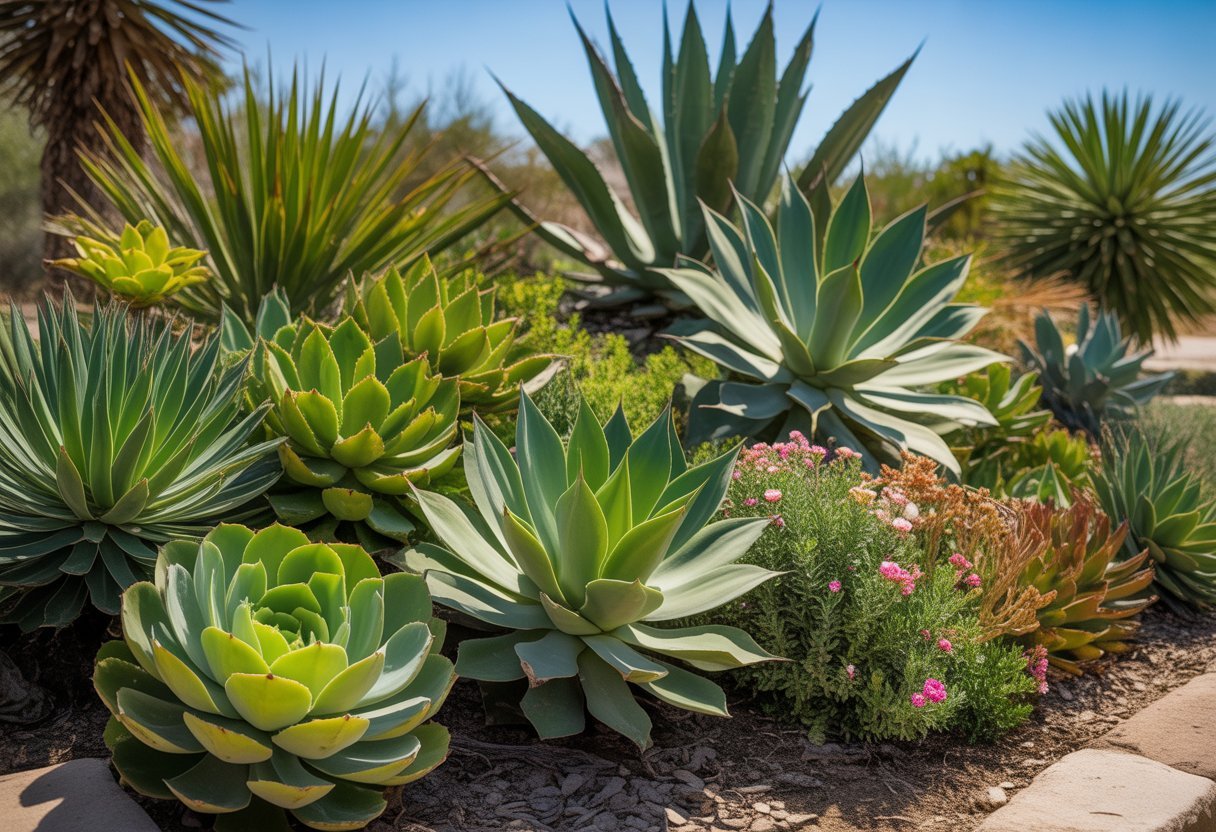
Texas heat can really test your plants, so it’s smart to pick those that need less water and can handle whatever the sky throws at them. The right choices mean less work and a garden that still looks alive in the dry months.
Low-Water Options: Succulents and Agaves
Succulents like sedums and aeoniums stash water in their leaves, so they’re perfect for low-water beds. They don’t mind waiting for rain and love well-drained soil.
Agaves are another solid pick—super tough and built for sun and heat. Species like Agave americana survive crazy temperatures and barely need water after they settle in.
With those spiky leaves, pests usually steer clear.
You don’t have to fuss with feeding or fertilizing much, either. Planting in rocky or sandy soil helps them drain fast, which is key when Texas gets one of those summer downpours.
Sun-Loving Annuals to Complement Perennials
Annuals such as petunias, zinnias, and marigolds bring seasonal color to the mix. They can handle the sun if you water them now and then.
Petunias love full sun but appreciate a little afternoon shade when it’s scorching. Zinnias and marigolds take the heat and attract pollinators, giving your garden a boost.
Mixing annuals near succulents and agaves softens the look and adds some fun, temporary color—without making you drag out the hose every day.
Planting, Care, and Seasonal Tips for Texas Gardens
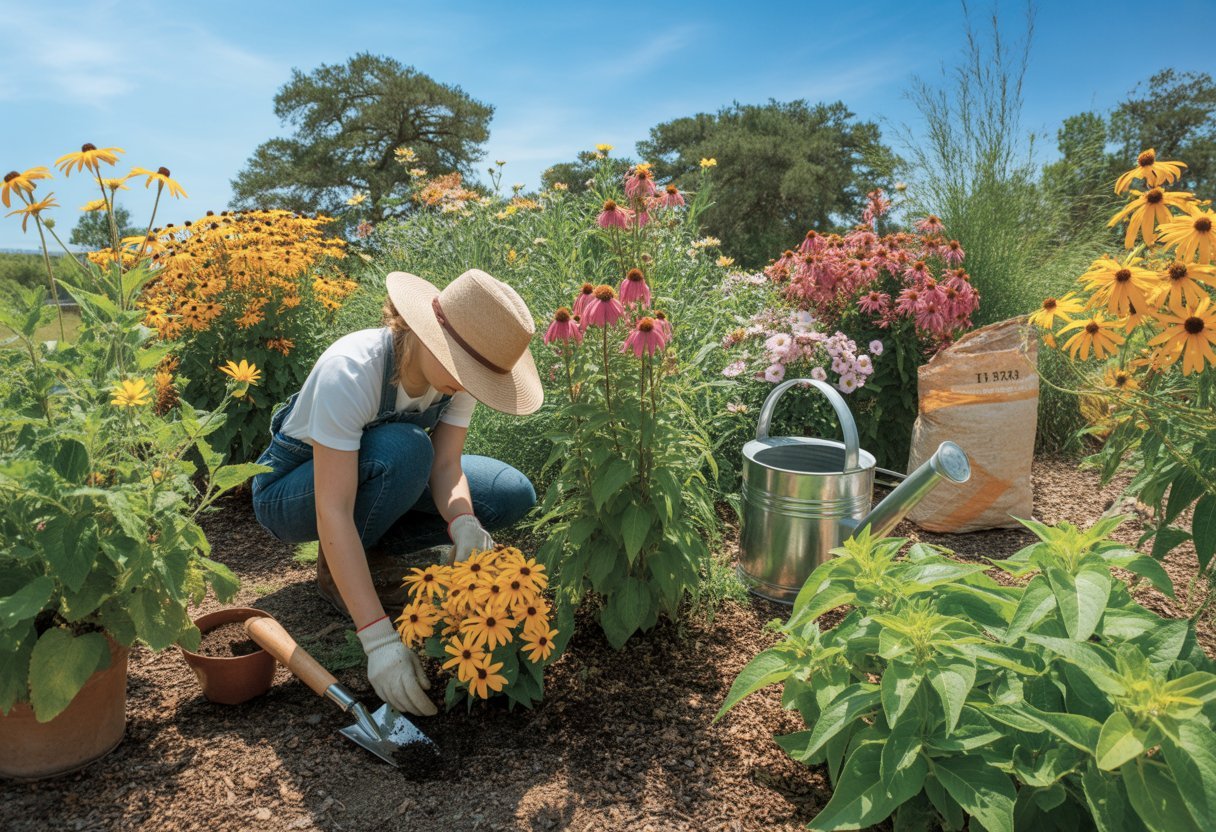
Managing sun-loving perennials in Texas means paying attention to soil, watering, and timing. The state’s mild winters and blazing summers keep you on your toes.
Throwing in a few peppers with your blooms? Why not—makes good use of space.
Planting and Maintenance Strategies for Perennials
Perennials do best in well-drained soil with a bit of compost or other organic matter mixed in. Wait until after the last frost to plant, since Texas winters can still surprise you.
Give each plant enough space to grow—crowding leads to disease. Water deeply but not too often, letting the top inch of soil dry out between waterings.
A mulch layer (2-3 inches) helps lock in moisture and keeps roots cool. Go for a balanced, slow-release fertilizer in early spring and again mid-summer.
Deadhead spent blooms to keep things tidy and encourage more flowers. Cut perennials back in late winter or early spring to set the stage for new growth.
Keep an eye out for pests like aphids and spider mites—if you spot them, act fast.
Maximizing Blooms Through the Seasons
Mix up your planting with early, mid, and late-season perennials. Black-eyed Susan and coneflowers shine in summer, while salvia and gaillardia keep the show going into fall.
When the heat gets brutal, water a bit more often. Sometimes, a temporary shade cloth can help protect your more delicate plants.
Snip off seed heads after blooms fade to push the plant toward new growth. A light shot of fertilizer during peak bloom can stretch out the flowering season, too.
Supplementary Edibles: Including Peppers in Sunny Beds
Peppers really love the Texas sun. They get along well with a lot of perennials, needing similar care.
Make sure the soil drains well and water them regularly. Just don’t let the roots sit in soggy soil, or you’ll risk rot.
Try planting peppers in the spaces between your perennials. This way, you use every bit of bed space, and the plants don’t end up fighting for room.
Peppers and perennials share similar needs for heat and nutrients. If you keep the soil healthy, both will do better.
Pick peppers often to keep the plants producing more fruit. Some varieties can even survive mild Texas winters if you cover them with mulch or give them a little protection.