Protecting Seedlings from Pests: Essential Strategies for Healthy Growth
Last updated: August 27, 2026
Protecting seedlings from pests is a must for gardeners who want healthy, thriving plants. Young plants just don’t stand a chance if pests go unchecked—they can wipe out a garden before you know it.
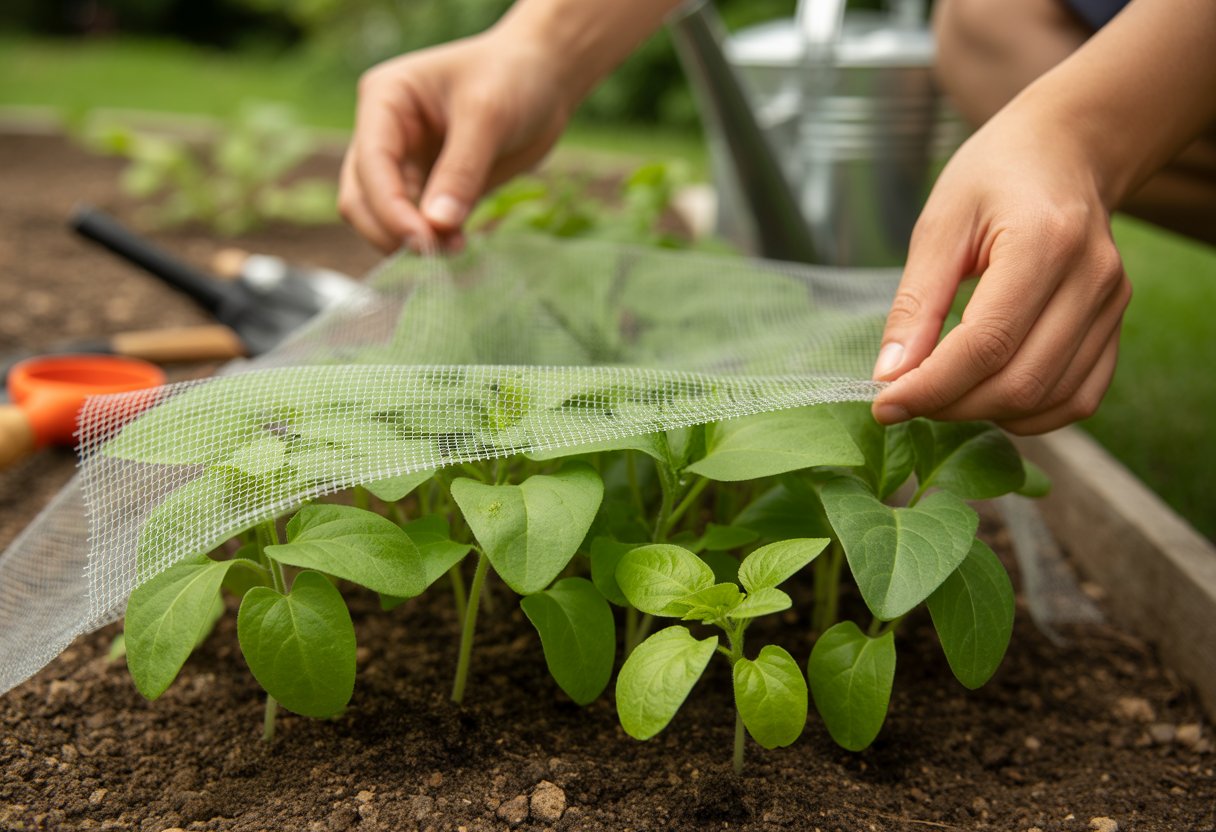
The best way to keep seedlings safe? Start with early detection, use physical barriers, and pick safe pest control options that fit your garden. Gardeners who get this right usually see less damage and better survival rates.
Common Pests Affecting Seedlings
Seedlings attract all sorts of insects and pests that chew up leaves, stems, and roots. If you know what you’re looking at, you’re way ahead in stopping damage before it gets out of hand.
Identifying Seedling Pests
Spotting trouble early makes a big difference. Watch for tiny holes, sticky stuff, yellow spots, or leaves that look limp.
Check the undersides of leaves and poke around the soil surface often. Some signs to look for:
- Chewed leaves or stems
- Sticky honeydew from sap-feeders
- Webbing or little silk threads
Different pests leave their own calling cards. Once you know the marks, you can act fast and use the right fix.
Specific Threats: Aphids, Slugs, and Caterpillars
Aphids love to cluster on soft, new growth, sucking sap and leaving behind honeydew. Mold can follow, and these guys multiply like crazy.
Slugs come out at night, munching leaves and leaving shiny trails behind. They’re drawn to damp spots and usually go for seedlings right at the soil line.
Caterpillars chomp big chunks out of leaves and can strip a plant bare before you know it. You’ll usually spot them during the day, and their little droppings are a giveaway.
You’ve got to act early with these pests or your seedlings won’t stand a chance.
Less Common Insect Problems: Whiteflies, Spider Mites, and Mealybugs
Whiteflies are tiny and white, and they’ll scatter if you disturb the plant. They suck sap too, causing yellowing and weakening seedlings.
Spider mites spin fine webs on leaves and poke holes in leaf cells, which leaves a speckled mess. Hot, dry weather makes them worse.
Mealybugs look like little white cotton balls and hang out on stems or where leaves meet. They suck juice out of plants and can spread disease.
They may not be as common, but when they show up, they can get out of control fast if you’re not watching.
Preventative Pest Control Methods for Healthy Seedlings
Prevention is really about keeping seedlings strong and using physical barriers to keep bugs out. If you stick to good habits and use protective covers, you can avoid most pest problems without reaching for chemicals.
Cultural Practices and Crop Rotation
Healthy soil means healthy seedlings, and pests just don’t like strong plants. Compost does wonders—add it to boost nutrients and build up soil structure.
Rotating crops every season breaks up pest cycles. Don’t plant broccoli, cabbage, cauliflower, or Brussels sprouts in the same spot year after year.
Clear out old plant debris to take away hiding spots for pests. Check your seedlings often so you can jump on problems before they get big.
Physical Barriers: Floating Row Covers, Cloches, and Cold Frames
Floating row covers are a gardener’s best friend. They’re light, let in sun and rain, but keep out bugs like aphids and cabbage worms.
Cloches—those dome-shaped covers—work great for single plants. Made of glass or plastic, they keep out pests and protect from chilly nights, perfect for early seedlings.
Cold frames are bigger and sturdier, with clear panels that trap warmth. They keep pests off and help seedlings get a head start when the weather’s rough.
Organic and Natural Pest Management Strategies
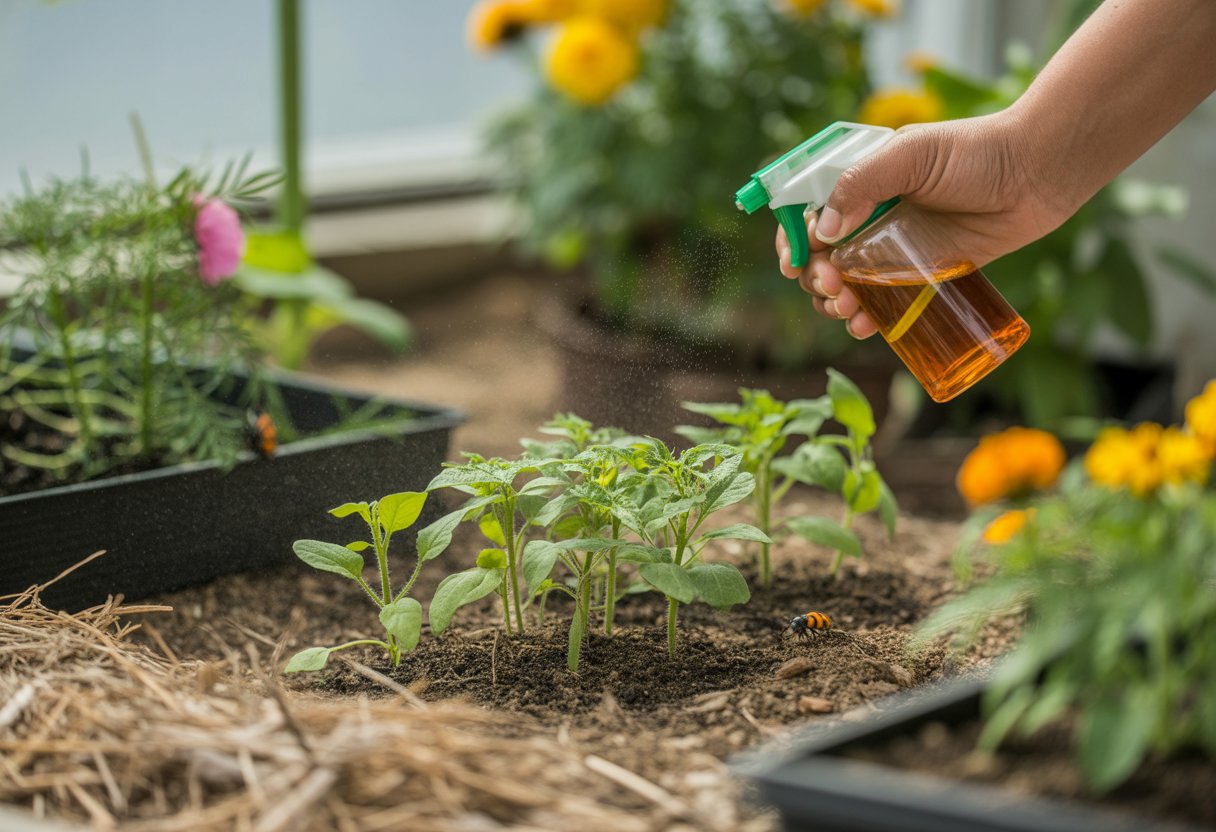
Going natural keeps your garden organic and cuts down on chemicals. There’s actually a lot you can do—think beneficial insects, plant-based sprays, and clever plant pairings.
Beneficial Insects: Ladybugs and Lacewings
Ladybugs and lacewings are like tiny garden bodyguards. They eat aphids, mites, and lots of other bad bugs.
Ladybugs can gobble up dozens of soft-bodied pests every day. Lacewing larvae—sometimes called aphid lions—are serious predators too.
You can buy these insects online or attract them by growing flowers like dill or fennel. Give them a good environment and they’ll stick around to help.
Biological and Organic Solutions: Neem, Insecticidal Soap, and Garlic
Neem oil messes with pest hormones and keeps them from feeding. It works on aphids, whiteflies, and fungus gnats, and if you use it right, it won’t hurt the good bugs.
Insecticidal soap breaks down the outer layer of soft-bodied insects. You have to spray it right on the bugs, and you’ll need to repeat every week or so.
Garlic sprays are surprisingly effective. The sulfur compounds keep a lot of pests away—just spritz it on the seedlings and reapply as needed.
Pick what works for your garden and pest problems. Sometimes it’s a bit of trial and error.
Companion Planting for Pest Control
Companion planting is a bit of garden strategy—some plants just help each other out. Marigolds give off a smell that keeps nematodes and aphids away, while basil helps repel flies and mosquitoes.
Chives and onions have strong scents that confuse pests and cut down on infestations. Flowering plants draw in ladybugs and lacewings by offering up pollen and nectar.
Mixing these plants together gives you a natural pest shield. It’s a simple way to support organic gardening and keep seedlings healthier.
Maintaining Seedling Health and Monitoring Pests
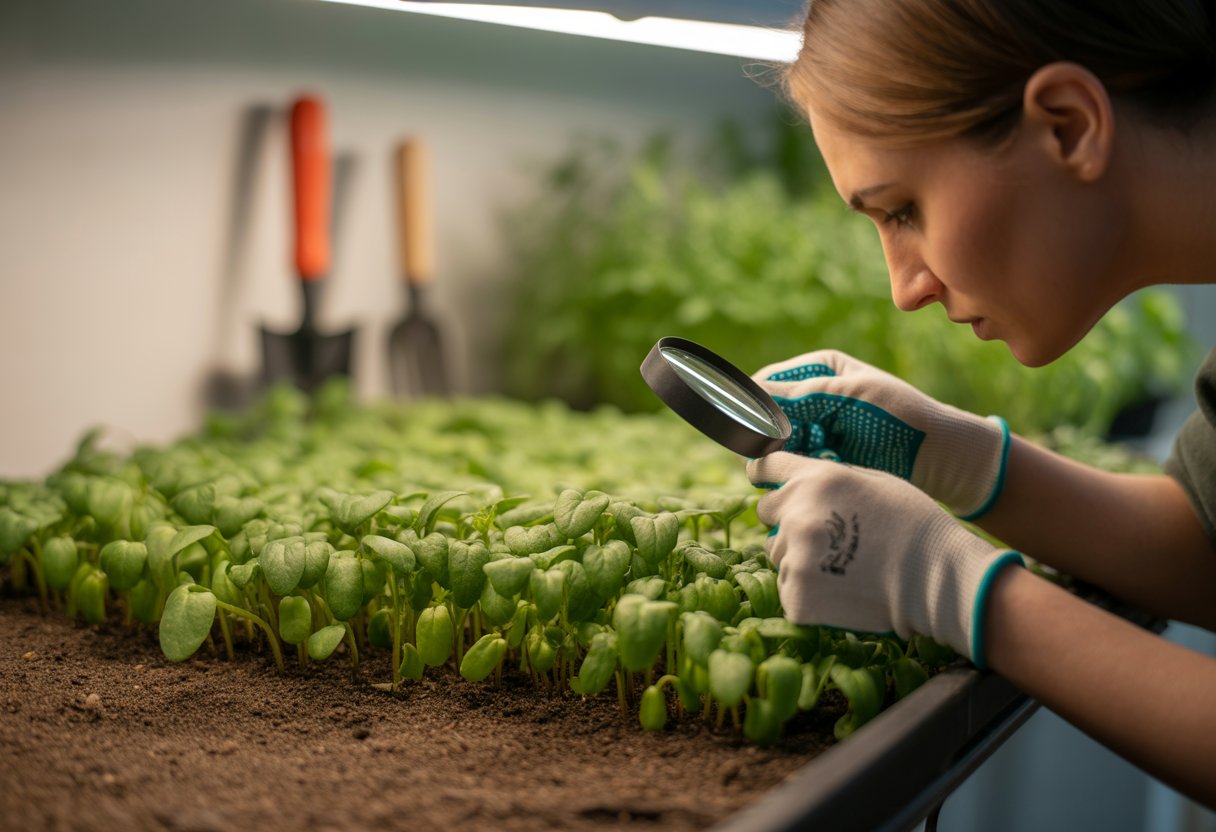
Healthy seedlings handle pests and diseases way better. If you watch them closely and act fast, you’ll keep your garden in good shape.
Regular Inspections and Early Intervention
Check your seedlings every day, especially when they’re just sprouting. Look for wilting stems or little holes—signs of cutworms or wireworms.
Flip over leaves and look around the soil for larvae or eggs. If you spot pests early, you can treat just the trouble spots and skip the heavy-duty sprays.
Slip a collar around seedling stems to block cutworms. If you see damaged leaves, pick them off, or move infested seedlings away from the rest.
Jumping on problems right away usually means less damage and a quicker rebound for your plants.
Balancing Pest Control With Protecting Pollinators
Let’s be real—using pest control that wipes out beneficial insects just isn’t a good idea, especially outside where bees and other pollinators are buzzing around.
Try selective treatments like insecticidal soaps or neem oil. These tend to target pests while leaving pollinators alone. If you’re going this route, spray early in the morning or later in the evening when pollinators aren’t as busy.
Companion planting with pest-repellent species helps cut down on pests naturally. Plus, it supports pollinator-friendly environments.
Keeping a diverse garden ecosystem isn’t just good for your seedlings—it helps pollinators stick around, too.