
Best Ladybugs for Aphid Control: Natural Solutions for Your Garden
We independently select all products and services. If you click through links we provide, Plant Native may earn a commission with no extra cost to you. As an Amazon Associate I earn from qualifying purchases.
Last updated: August 17, 2026
More:
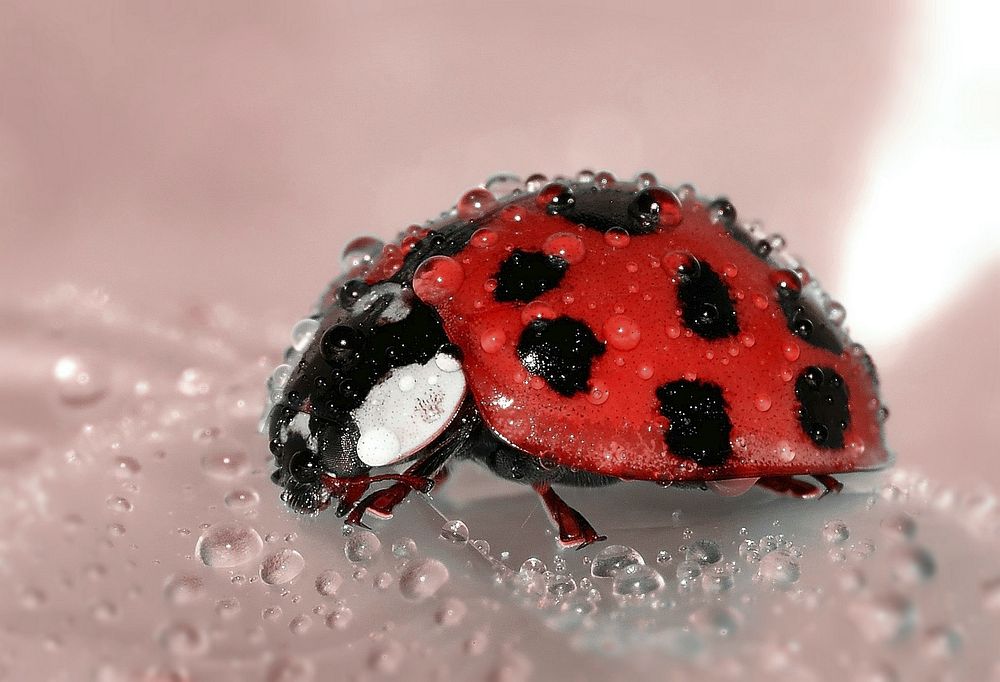
View public domain image source here
Ladybugs are a popular choice for gardeners looking for natural pest control solutions. These small, colorful insects are known for their voracious appetite for aphids, a common garden pest that can damage plants and crops. However, not all ladybugs are created equal when it comes to aphid control. In this article, we’ll explore the best ladybugs for aphid control and what to look for when purchasing them.
When it comes to ladybugs, there are several different species available for purchase. While all ladybugs are beneficial for controlling garden pests, some species are more effective at controlling aphids than others. The two most commonly used species for aphid control are the Hippodamia convergens and the Coleomegilla maculata.
Hippodamia convergens, also known as the convergent lady beetle, is a small, red and black ladybug that is native to North America. This species is widely used for aphid control because of its large appetite and ability to reproduce quickly. Coleomegilla maculata, or the spotted lady beetle, is another popular choice for aphid control. This species is slightly larger than the convergent lady beetle and has a black body with two red spots on each wing cover.
When purchasing ladybugs for aphid control, it’s important to pay attention to the species being sold. Some companies may sell mixed species or different species that are not as effective at controlling aphids. It’s also important to purchase ladybugs from a reputable source to ensure they are healthy and free from disease.
In the next section, we’ll dive deeper into the specific characteristics of the best ladybugs for aphid control and what to look for when making a purchase.
Best Ladybugs for Aphid Control
We know how frustrating it can be to have an aphid infestation in your garden. These tiny pests can quickly take over and damage your plants. Luckily, ladybugs are a natural and effective solution for controlling aphids. In this article, we’ve rounded up the best ladybugs for aphid control to help you choose the right option for your garden. Our list includes ladybugs that are easy to release, have a high survival rate, and are trusted by gardeners across the country.
Our top pick
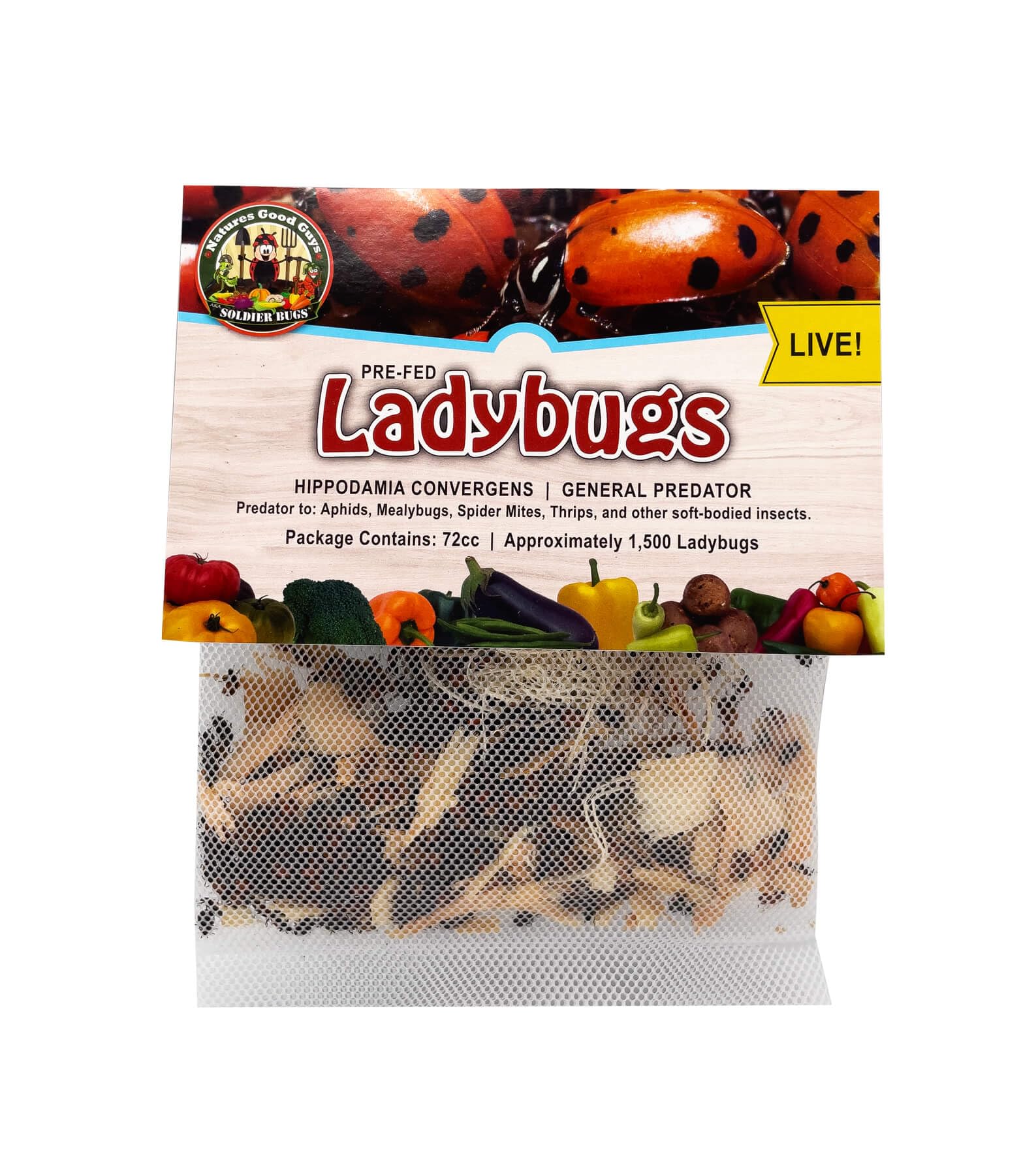
- The ladybugs are natural predators that feed on a variety of slow-moving insects, making them perfect for organic gardening.
- The package includes a Ladybug educational sheet with Release Tips, Release Rates, Ladybug Fun Facts, and FAQs.
- The mesh bag of live adult ladybugs comes with a live delivery guarantee.
Cons
- The live ladybugs need to be stored in a regular household refrigerator for one to two weeks max, which may be inconvenient for some.
- The release of the ladybugs needs to be done at dusk, after spraying some plants with water, which may not fit everyone’s schedule.
- The amount of ladybugs needed to cover an area may vary, and heavy infestations may require a large amount of ladybugs.
We had a great experience using the NATURES GOOD GUYS Ladybugs to control aphids in our garden. We followed the release tips and release rates provided in the educational sheet and noticed a significant decrease in the aphid population in our garden. When you weigh all the factors, this one rises above the rest.
Best for gardens
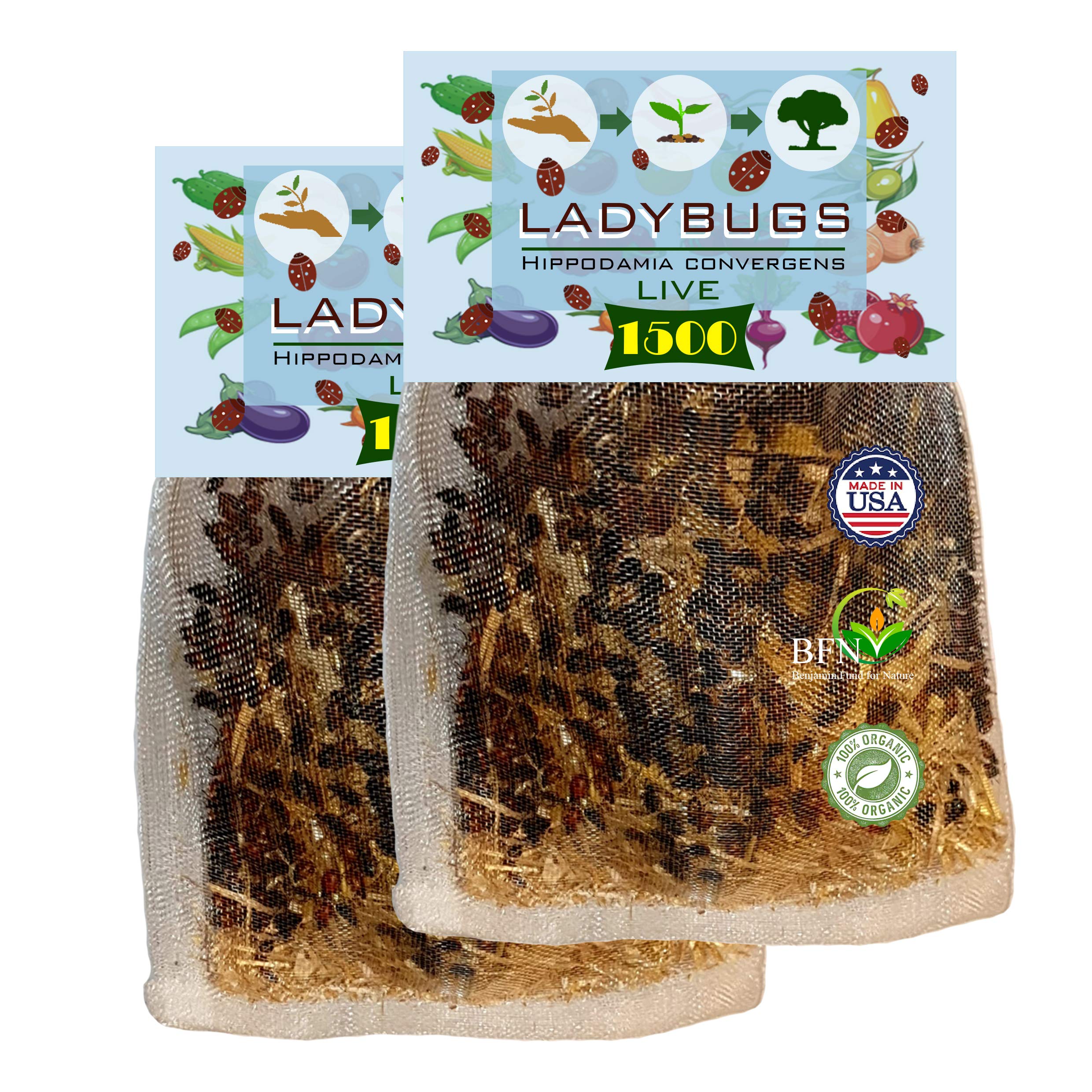
- Ladybugs are a natural predator of aphids and other slow-moving bugs, making them an eco-friendly solution to pest control.
- These ladybugs come in a quantity of 3000, which is enough to cover 2000 sq. ft. of garden.
- Ladybugs can be stored in the refrigerator for up to 3 weeks, allowing you to release them as needed.
Cons
- Some customers have reported receiving dead ladybugs upon delivery.
- Ladybugs should be released after sunset, which may not be convenient for all gardeners.
- While ladybugs are effective at controlling aphids, they may not be as effective at controlling other types of pests.
After releasing them at the base of our plants, we noticed a significant decrease in the number of aphids on our plants within a few days. Overall, we highly recommend Clark&Co Organic Ladybugs for anyone looking for a natural way to control aphids in their garden. For this particular need, it’s the clear frontrunner.
Best cotton option

- The ladybugs are general predators that feed on a variety of slow-moving insects including Aphids, Moth eggs, Mites, Scales, Thrips, Leaf Hoppers, Mealybugs, Chinch Bugs, Asparagus Beetle larvae, Whitefly, and others.
- The package includes a Ladybug educational sheet with Release Tips, Release Rates, Ladybug Fun Facts, and FAQ’s.
- The ladybugs are shipped in mesh bags or natural, unbleached, reusable cotton bags.
Cons
- The ladybugs need to be stored in a regular household refrigerator for one to two weeks max.
- The release process requires some effort, and you need to release them at dusk around the base of plants, after spraying plants with water, so they can drink.
- The ladybugs may not stay in your garden and may fly away after a few days.
We followed the instructions on the Ladybug educational sheet and released them near infestations in small amounts over a two-week period. We were happy with the results, and our garden was aphid-free. It’s a well-earned pick that lives up to the promise.
Best iron option
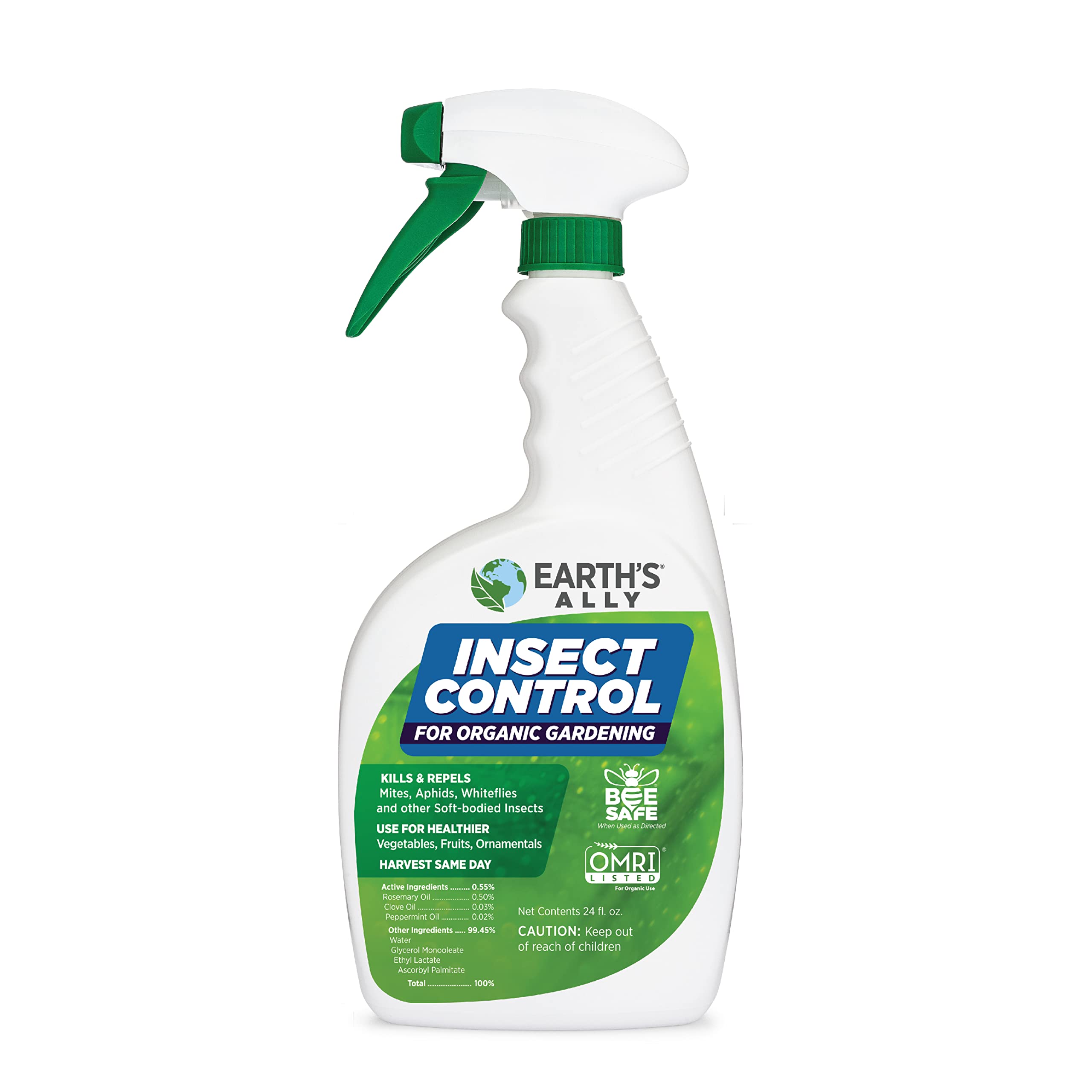
- Knockdowns and repels common soft-bodied insects, including spider mites, aphids, whiteflies, mealybugs, leaf rollers, and scale.
- Safe for people, pets, and the environment.
- Can be safely sprayed on herbs and vegetables up until the day of harvest.
Cons
- May take a while to work.
- Not as effective as expected for some pests.
- May require multiple applications.
We recently used Earth’s Ally Insect Control for Plants on our vegetable garden and indoor plants. We noticed a reduction in the number of aphids and spider mites after a few days of use. For this particular need, it’s the clear frontrunner.
Best for kids
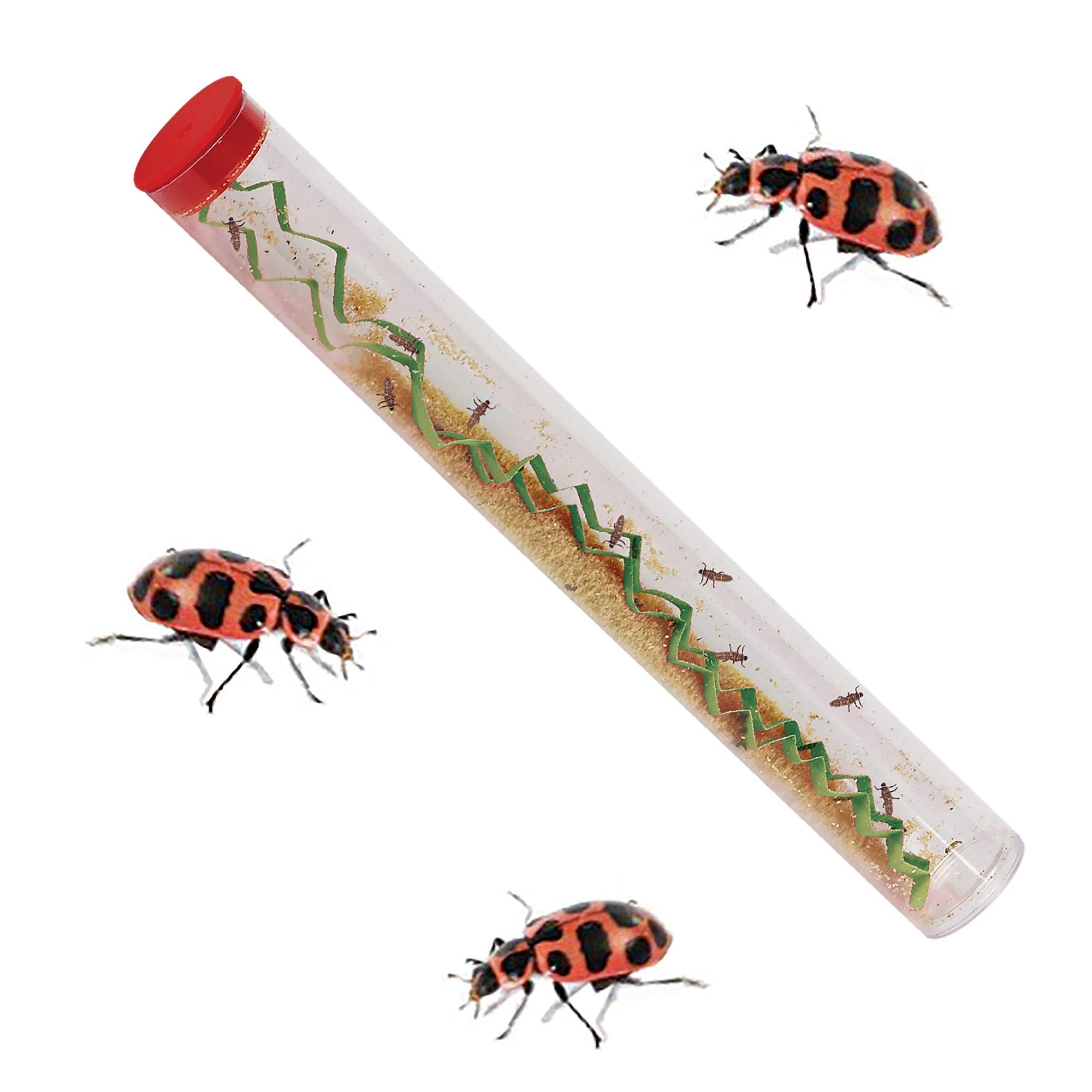
- Raising ladybugs is a fun and educational activity for kids and adults alike.
- The tube contains 10-13 ladybug larvae with all the food they need to grow into adult ladybugs, so you don’t have to worry about feeding them.
- The Ladybug Quick Guide and helpful tips included in the package make it easy to raise your own ladybugs successfully.
Cons
- Insect Lore guarantees that 5 out of 10-15 ladybug larvae will become ladybugs, so there’s a chance that some of them won’t make it.
- You need to have an Original Ladybug Land Habitat to house your baby ladybugs, which is not included in the package.
- You need to release the ladybugs when the daytime temperature is 55 degrees Fahrenheit or above, so you might need to wait for the right weather conditions.
We highly recommend this product for anyone looking for a natural and effective solution to aphid control. We were able to watch the larvae grow and transform into adult ladybugs, which was a fascinating experience. It’s a family-friendly pick that parents will genuinely appreciate.
Most powerful option
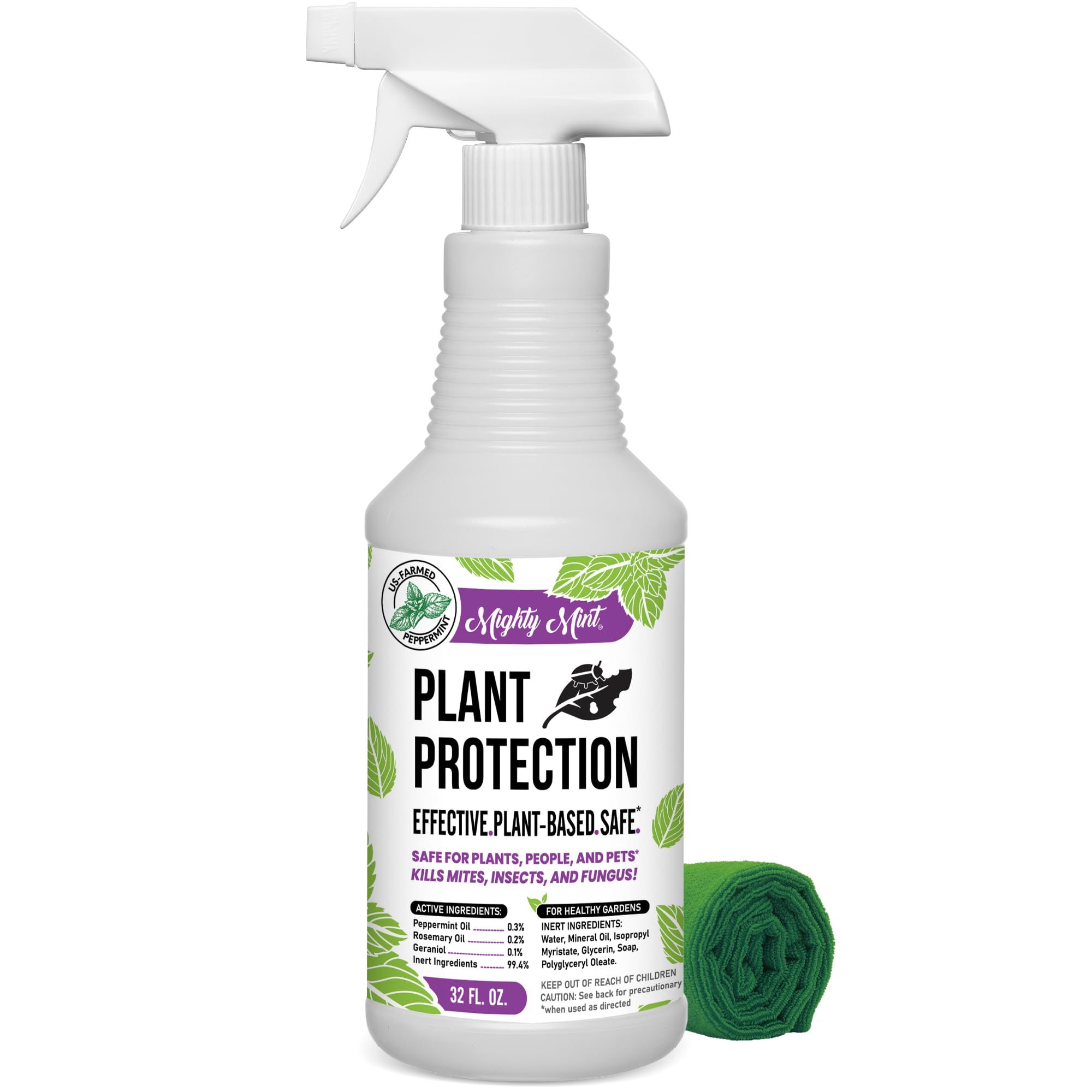
- Easy application and clean up
- Safe to use around people and pets, when used as directed
- Powerful, plant-based ingredients
Cons
- May cause wilting in some indoor plants
- May leak during delivery
- May require multiple applications for severe infestations
However, we did notice that some of our plants wilted after using the spray, so it’s important to follow the directions carefully and test a small area before treating the whole plant. Overall, we recommend Mighty Mint 32 oz Peppermint Plant Protection Spray – Kit for anyone looking for a safe and effective way to control plant pests. For this particular need, it’s the clear frontrunner.
Best rain option
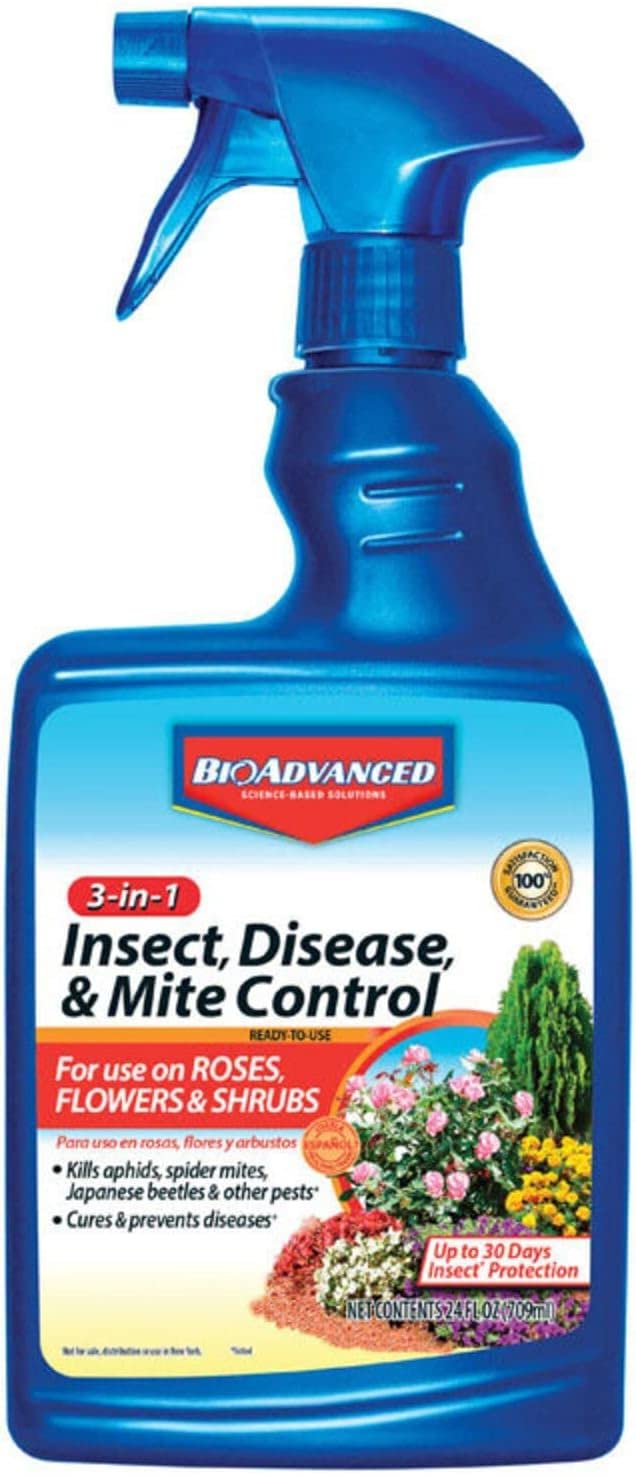
- The 3-in-1 formula provides insect, disease, and mite control for use on roses, flowers, shrubs, and trees.
- The rainproof protection lasts up to 30 days, providing long-lasting protection for your plants.
- The ready-to-use spray applicator is easy to use.
Cons
- The sprayer for this product is cheap and may fail before the entire container is used up.
- The systemic nature of the product means that it can take some time to see results.
- Not for sale in NY, CT, MD & VT.
We’ve used this product on our own plants and have found that it provides effective protection against a range of pests and diseases. Overall, we would recommend the BioAdvanced 3-In-1 Insect, Disease and Mite Control to anyone looking for a product that can provide triple protection for their plants. It delivers exactly where it counts most.
Best wide option
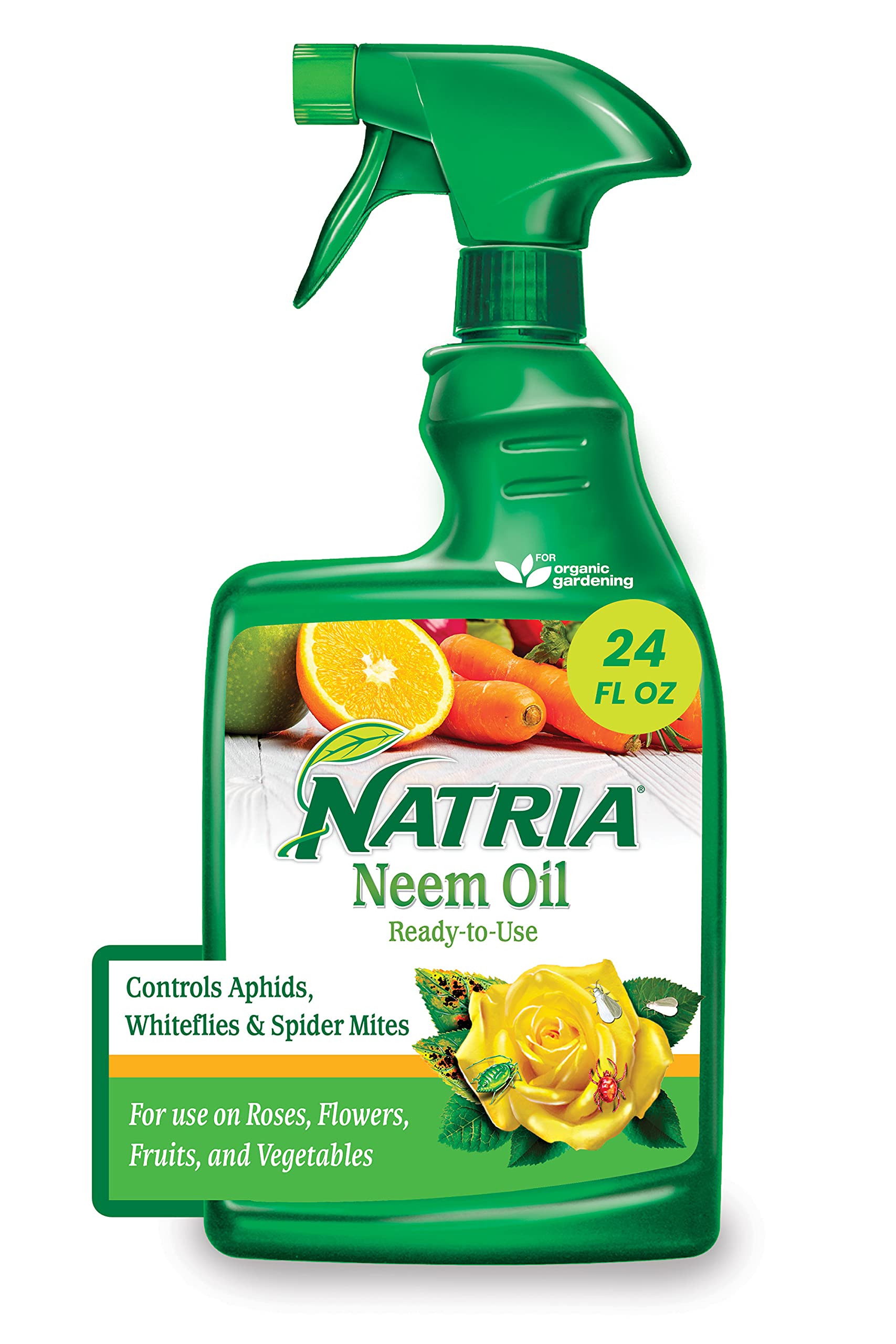
- The neem oil spray is easy to use with a ready-to-use bottle for quick and easy application.
- It is a multi-purpose plant spray that can be used as a fungicide, insecticide, and miticide.
- The neem oil spray is effective in controlling a wide range of pests and diseases, including aphids, spider mites, whiteflies, and blackspot.
Cons
- The spray has a strong odor that may be unpleasant to some users.
- The neem oil spray may leave an oily residue on the plants.
- It may take several applications to completely control severe infestations.
If you’re looking for an organic solution to control pests and diseases on your plants, the Natria Neem Oil Spray is a great option. This will depend on the size of your garden or the area you need to cover. It delivers exactly where it counts most.
Buying Guide
When looking for ladybugs to control aphids, it is important to consider a few key factors to ensure that you get the best product for your needs. Here are some things to keep in mind:
Quantity
One of the most important factors to consider when buying ladybugs is the quantity you will need. This will depend on the size of your garden or the area you need to cover. Ladybugs are sold in various quantities, ranging from a few hundred to several thousand. Be sure to purchase enough to effectively control the aphid population in your garden.
Quality
The quality of the ladybugs is also important. Look for ladybugs that are healthy and active, with bright colors and no signs of damage or disease. Avoid purchasing ladybugs that appear lethargic or sickly, as these may not be effective at controlling aphids.
Release Method
Consider how you will release the ladybugs into your garden. Ladybugs can be released by hand or through the use of a release container. If you have a large area to cover, a release container may be more efficient. However, if you have a small garden, releasing ladybugs by hand may be more practical.
Price
Price is always a consideration when making a purchase. Ladybugs are sold at varying prices depending on the quantity and quality. Be sure to compare prices from different suppliers to ensure you are getting a fair price.
Compatibility
It is important to make sure that ladybugs are compatible with the plants in your garden. While ladybugs are generally safe for most plants, there are some plants that may be sensitive to ladybug secretions. Consult with a gardening expert or do your own research to ensure that ladybugs are safe for your plants.
By considering these factors, you can ensure that you get the best ladybugs for aphid control in your garden.
Frequently Asked Questions
What are the benefits and drawbacks of using ladybugs for aphid control?
Ladybugs are a natural and effective way to control aphids without the use of harmful chemicals. They are also relatively easy to obtain and release. However, ladybugs may not be able to completely eliminate an aphid infestation and may require multiple releases. Additionally, ladybugs may not be effective in cooler temperatures or if there is not enough food for them to sustain themselves.
How can one effectively release ladybugs to combat aphids?
To effectively release ladybugs, it is important to release them in the early morning or late evening when temperatures are cooler and aphids are more active. Ladybugs should be released near the infested plants and should be spread out evenly. It is also important to provide a source of water and food for the ladybugs, such as sugar water or honey.
Which species of ladybugs are most effective at eating aphids?
The most effective species of ladybugs for eating aphids are the convergent lady beetle and the seven-spotted lady beetle. These species are commonly available for purchase and are known to have a voracious appetite for aphids.
How does one properly store ladybugs before releasing them for aphid control?
Ladybugs should be stored in a cool place, such as a refrigerator, before releasing them for aphid control. It is important to keep them in a container with air holes and a source of moisture, such as a damp paper towel. Ladybugs should be released within a few days of purchase to ensure their effectiveness.
What is the optimal temperature and time of year to release ladybugs for controlling aphids?
The optimal temperature for releasing ladybugs is between 60-80°F. Ladybugs are most active during the spring and summer months, making these the best times to release them for aphid control.
Are there any non-chemical methods to handle aphids that won’t harm beneficial ladybugs?
There are several non-chemical methods to handle aphids that won’t harm beneficial ladybugs. These include using a strong stream of water to knock aphids off plants, planting companion plants that repel aphids, and introducing natural predators such as lacewings or parasitic wasps. Additionally, practicing good garden hygiene by removing dead plant material and regularly cleaning garden tools can help prevent aphid infestations.

That’s wonderful, Carol! Getting the next generation into gardening is one of the best things we can do. Starting small is smart — a few easy wins early on builds confidence and excitement. Sunflowers and cherry tomatoes are great starters if you’re looking for quick, rewarding results. Happy gardening to the whole family!
I’ve heard you need to be careful about spacing. How far apart should I plant these?