Black Cottonwood (Populus trichocarpa)
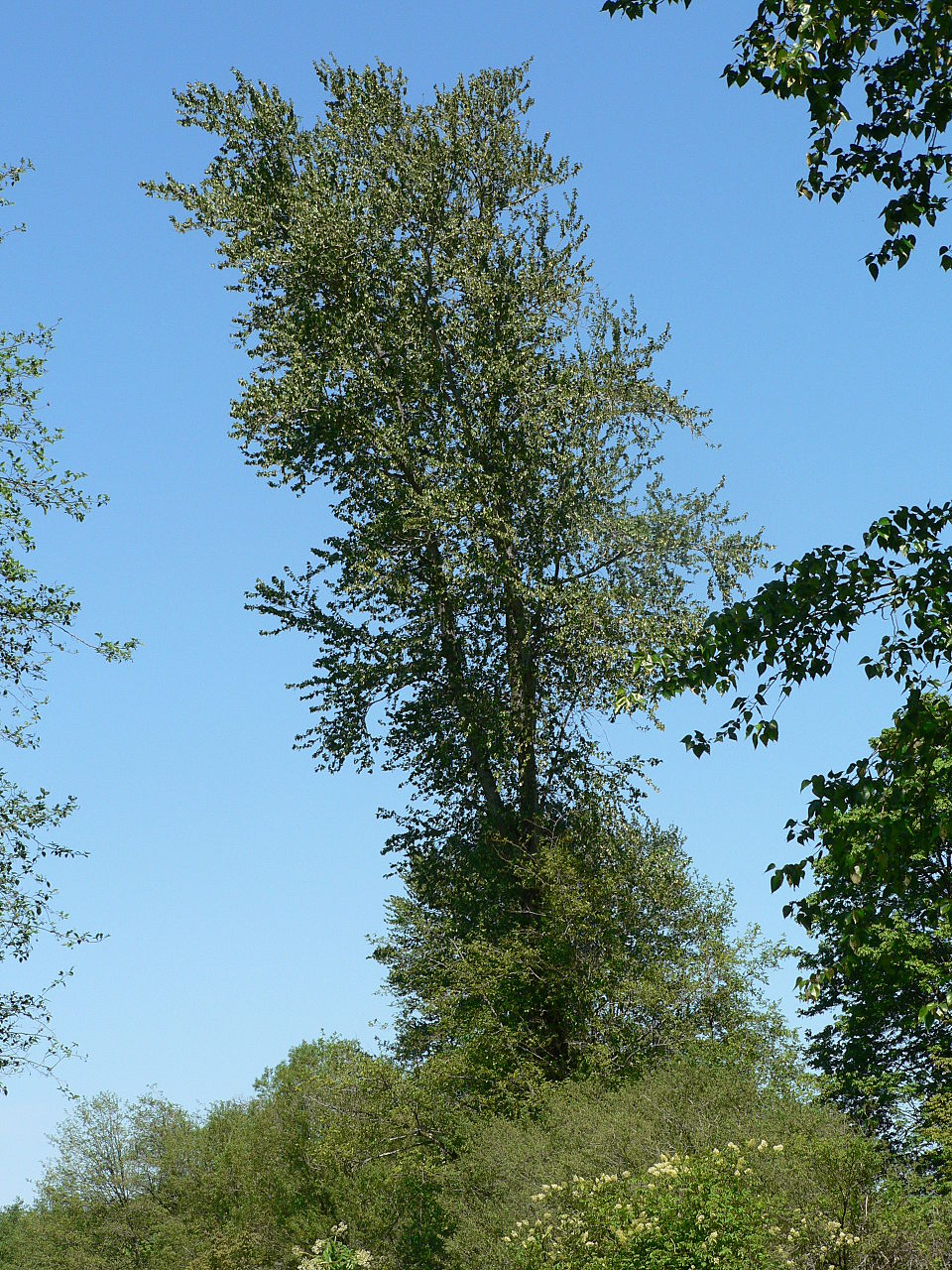
Populus trichocarpa, commonly known as Black Cottonwood, is the largest deciduous tree native to the Pacific Northwest, standing as a true giant of riparian ecosystems throughout western North America. This magnificent poplar species creates towering cathedral-like groves along rivers and streams from Alaska to California, providing critical habitat for countless species while showcasing some of the most spectacular fall color displays in western North America. Black Cottonwood serves as a keystone species in riparian forests, its massive size and rapid growth making it one of the most important trees for both ecological function and carbon sequestration in Pacific Coast watersheds. The species demonstrates remarkable adaptability, thriving from sea-level river valleys to mountain streams at elevations up to 9,000 feet.
Quick Facts
| Scientific Name | Populus trichocarpa |
| Plant Type | Deciduous tree |
| Height | 100-200+ feet (30-60+ m) |
| Sun Exposure | Full Sun |
| Water Needs | High |
| Soil Type | Moist, rich, alluvial soils |
| Soil pH | 6.0-8.0 (neutral to slightly alkaline) |
| Bloom Time | March-May |
| Flower Color | Catkins (wind-pollinated) |
| USDA Hardiness Zones | 3-9 |
Native Range
Black Cottonwood (Populus trichocarpa) is native to western North America, where it plays a vital ecological role in Pacific Northwest ecosystems. The species demonstrates remarkable adaptability across diverse habitats, from coastal regions to mountain slopes, reflecting millions of years of evolution in this unique biogeographic region.
Throughout its natural range, Black Cottonwood contributes to the complex web of relationships that define Pacific Northwest flora. The species has co-evolved with local wildlife, soil communities, and climate patterns, making it an essential component of healthy native plant communities. Understanding its natural distribution helps inform appropriate placement in restoration projects and native gardens.
📋 Regional plant lists featuring Black Cottonwood: Western Oregon & Western Washington
Identification
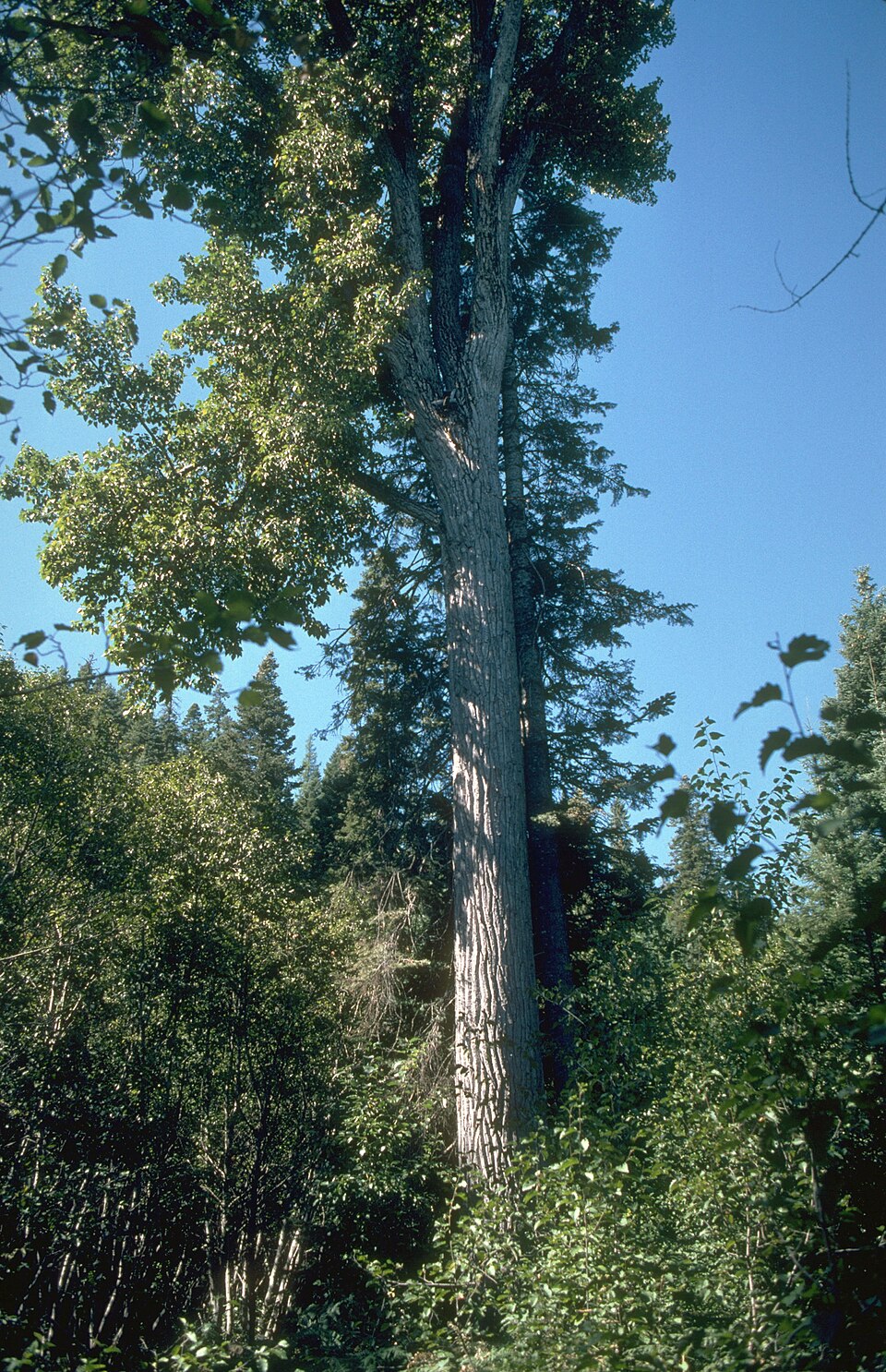
Black Cottonwood is unmistakable due to its massive size and distinctive characteristics. Mature trees typically reach 100-150 feet in height, with exceptional specimens exceeding 200 feet, making them among the tallest trees in the Pacific Northwest. The trunk can reach 6-8 feet in diameter, with deeply furrowed, dark gray bark that becomes increasingly pronounced with age. The leaves are large, typically 4-6 inches long, with a distinctive triangular to oval shape. They are dark green above and pale green to white below, creating a striking two-toned effect when moved by wind. The leaf margins are finely serrated, and the leaves are attached to flattened petioles that cause them to flutter in even light breezes.
Seasonal Changes
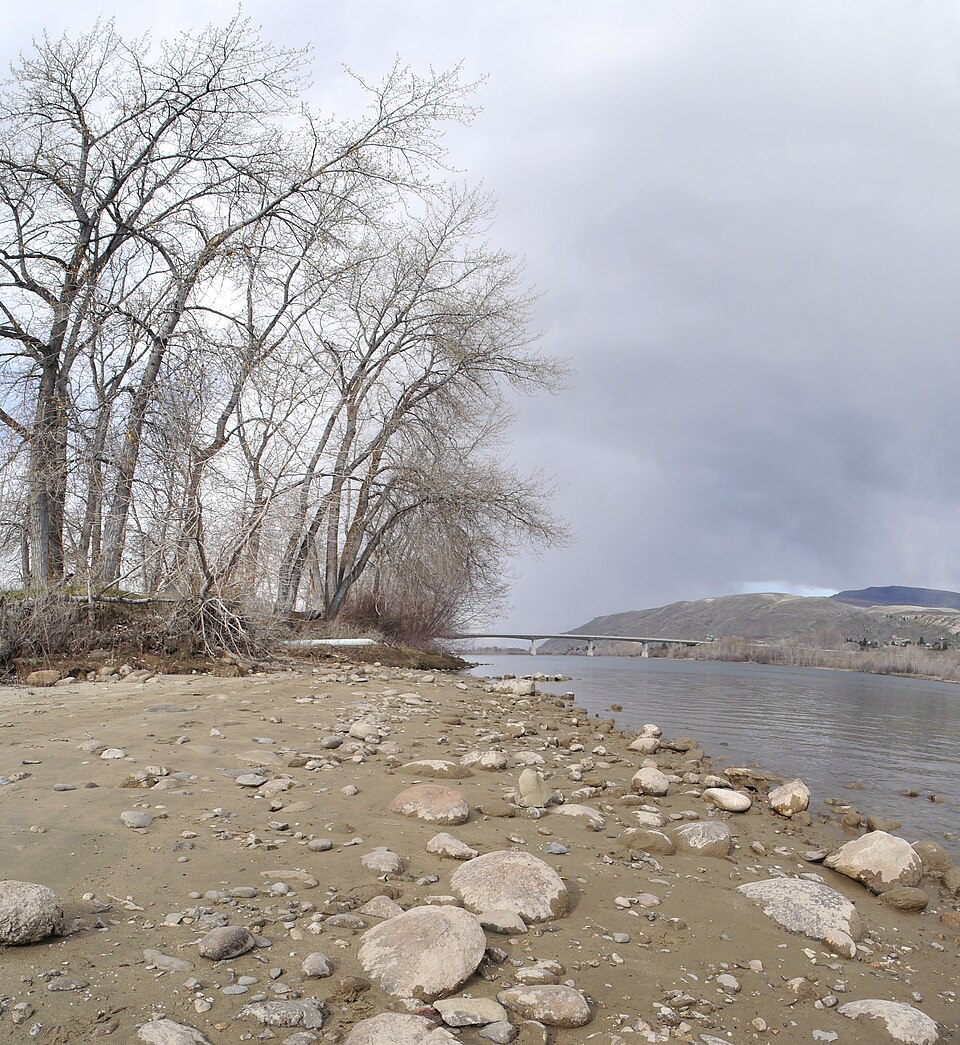
In spring, Black Cottonwood produces long, pendulous catkins before the leaves emerge. Male and female flowers are on separate trees, with male catkins typically being more prominent. The fall color display is truly spectacular, with leaves turning brilliant golden-yellow that can be seen from miles away. The tree is deciduous, dropping its leaves in late fall to reveal the impressive winter silhouette of massive trunk and branches.
Growing & Care Guide
Black Cottonwood is a resilient native species that, when planted in appropriate conditions, requires minimal maintenance while providing maximum ecological benefit. Understanding its natural habitat preferences is key to successful cultivation in both restoration projects and home landscapes.
Light
Like most Pacific Northwest natives, Black Cottonwood has adapted to the region’s unique light conditions. In its natural habitat, light availability varies seasonally and by location, and the species demonstrates remarkable flexibility in accommodating different light levels. For optimal growth in cultivated settings, provide conditions that mimic its natural preferences.
Soil & Water
Black Cottonwood thrives in well-drained soils that retain moisture during the dry summer months typical of the Pacific Northwest. The species has evolved with the region’s Mediterranean climate pattern of wet winters and dry summers, developing strategies to cope with both seasonal extremes. Soil pH preferences align with typical Pacific Northwest conditions, generally ranging from slightly acidic to neutral.
Planting Tips
For best establishment, plant Black Cottonwood during the cool, wet months when natural rainfall provides consistent moisture for root development. Fall planting (October through November) is typically ideal, as it allows the root system to establish during winter before facing summer drought stress. Choose sites that replicate the species’ natural growing conditions as closely as possible.
Black Cottonwood demonstrates the remarkable adaptability that characterizes Pacific Northwest flora. Over millions of years, species like Populus trichocarpa have evolved specific strategies for thriving in the region’s unique climate patterns, developing characteristics that allow them to make the most of wet winters and navigate dry summers with remarkable efficiency.
The ecological relationships surrounding Black Cottonwood illustrate the complex interconnections that define healthy Pacific Northwest ecosystems. From soil microorganisms to large mammals, countless species depend on the resources and habitat structure provided by native plants like Populus trichocarpa. These relationships have developed over thousands of years, creating intricate webs of interdependence that support regional biodiversity.
Understanding Black Cottonwood’s role in natural succession helps explain its value in restoration and landscaping applications. As ecosystems recover from disturbance or as gardens mature, different species play important roles at different stages. Black Cottonwood contributes to community development in ways that support both immediate ecosystem function and long-term ecological resilience.
Climate change adaptation strategies increasingly recognize the importance of native species like Black Cottonwood in building landscape resilience. Plants that have evolved locally possess genetic diversity and physiological adaptations that help them respond to environmental variability. By incorporating native species into both natural and designed landscapes, we support ecosystems’ capacity to adapt to changing conditions.
Pruning & Maintenance
Black Cottonwood generally requires minimal pruning when grown in appropriate conditions. Any necessary maintenance should be timed to avoid disrupting wildlife use patterns and to minimize stress on the plant. Remove only dead, damaged, or diseased growth, and maintain the plant’s natural form whenever possible.
Landscape Uses
In designed landscapes, Black Cottonwood serves multiple functions:
- Native gardens: Provides authentic Pacific Northwest character and supports local ecosystems
- Wildlife habitat: Offers food and shelter for native birds, beneficial insects, and other wildlife
- Erosion control: Root systems help stabilize slopes and prevent soil erosion
- Restoration projects: Essential for rebuilding degraded native plant communities
- Educational landscapes: Demonstrates regional flora and ecological relationships
Wildlife & Ecological Value
Black Cottonwood serves as a cornerstone species in Pacific Northwest ecosystems, supporting a diverse array of wildlife throughout the year and playing crucial roles in maintaining ecological health and biodiversity.
For Birds
Native birds have co-evolved with Black Cottonwood over thousands of years, developing intricate relationships that demonstrate the interconnectedness of Pacific Northwest ecosystems. The plant provides essential resources including food, nesting sites, and protective cover. Multiple bird species rely on Black Cottonwood during different life stages and seasons, from breeding through overwintering.
For Mammals
Pacific Northwest mammals, from small rodents to large ungulates, interact with Black Cottonwood in complex ways that highlight its ecological importance. The species provides browse, shelter, and other resources that support mammalian diversity across multiple habitat types. These relationships have shaped both the plant’s characteristics and the behavioral patterns of associated wildlife.
For Pollinators
Native bees, beneficial insects, and other pollinators depend on Black Cottonwood for crucial resources, particularly during times when few other plants are flowering. The plant’s blooming period fills important gaps in the seasonal availability of nectar and pollen, supporting pollinator communities that are essential for ecosystem function and the reproduction of other native plants.
Ecosystem Role
Beyond its direct relationships with wildlife, Black Cottonwood contributes to fundamental ecosystem processes including soil development, nutrient cycling, and habitat structure creation. The species helps maintain the complex below-ground networks of fungi and microorganisms that support forest health, while also influencing local hydrology and microclimate conditions that benefit entire plant communities.
Cultural & Historical Uses
Black Cottonwood (Populus trichocarpa) holds a significant place in the cultural heritage of Pacific Northwest Indigenous peoples, who developed sophisticated knowledge systems around the region’s native flora over thousands of years. This deep understanding encompassed not only practical applications but also the spiritual and ecological relationships that define healthy landscapes.
Indigenous nations including the Coast Salish, Chinook, and other tribal groups incorporated Black Cottonwood into their traditional ecological practices, recognizing its value for various purposes while maintaining sustainable harvesting practices that ensured the species’ continued abundance. Traditional knowledge holders understood the plant’s role in supporting wildlife, maintaining soil health, and contributing to the overall resilience of native plant communities.
Historical records from early European explorers and settlers document the widespread use of Black Cottonwood by Indigenous peoples, though much traditional knowledge was lost or suppressed during the colonial period. Today, there is growing recognition of the value of traditional ecological knowledge, and efforts to restore both native plant communities and Indigenous cultural practices often work hand in hand.
In contemporary times, Black Cottonwood continues to play important cultural roles in Pacific Northwest communities. The species is increasingly valued for ecological restoration, native landscaping, and environmental education. Its use in restoration projects helps reconnect communities with their natural heritage while providing tangible benefits for local ecosystems and wildlife populations.
Frequently Asked Questions
How fast does Black Cottonwood grow?
Black Cottonwood exhibits a moderate to fast growth rate under favorable conditions, typically establishing well within the first few growing seasons. Growth rate varies significantly based on site conditions, with optimal growth occurring in locations that closely mimic the plant’s natural habitat preferences. In suitable conditions with adequate moisture and appropriate light levels, you can expect steady annual growth.
Is Black Cottonwood deer resistant?
Like most Pacific Northwest natives, Black Cottonwood may be browsed by deer and elk, particularly in areas with high wildlife pressure or limited alternative food sources. However, as a native species that co-evolved with these herbivores, it typically recovers well from browsing damage. In areas with consistently heavy deer pressure, young plants may benefit from temporary protection during establishment.
What wildlife does Black Cottonwood support?
Black Cottonwood provides valuable habitat and food resources for a wide variety of Pacific Northwest wildlife, including native birds, beneficial insects, small mammals, and pollinators. The plant’s role in supporting biodiversity makes it an excellent choice for wildlife gardens, restoration projects, and any landscape designed to provide ecosystem services.
When is the best time to plant Black Cottonwood?
In the Pacific Northwest, fall planting (September through November) is typically most successful for native plants, as it allows root system establishment during the mild, wet winter months. Spring planting (March through May) can also be successful, though plants may require supplemental watering during their first summer dry season.
Where can I buy Black Cottonwood?
Black Cottonwood is available from native plant nurseries throughout Oregon and Washington. When possible, seek out locally-sourced stock grown from regional seed sources, as these plants will be better adapted to your specific area’s climate, soil conditions, and wildlife communities. Many restoration supply nurseries also carry the species for larger-scale projects.

Looking for a nursery that carries Black Cottonwood?
Browse our native plant nursery directory: Oregon · Washington