Tickseed (Coreopsis spp.)
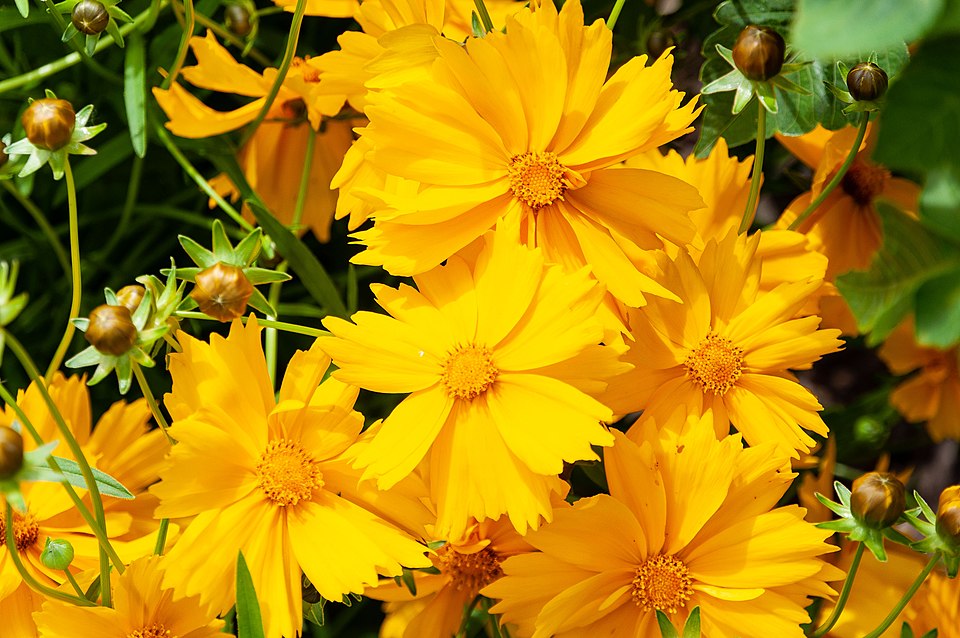
Coreopsis spp., commonly known as Tickseed, is a beloved genus of cheerful, bright yellow (and sometimes bicolored) native wildflowers and shrublets that rank among the most adaptable, floriferous, and wildlife-friendly plants in eastern and central North America. The genus includes more than 35 native North American species ranging from annual and perennial wildflowers to small subshrubs, distributed across grasslands, open woodlands, roadsides, and disturbed areas throughout the continent. In Kentucky and Tennessee, several Tickseed species are native, with the most common including Lanceleaf Tickseed (C. lanceolata), Large-flowered Tickseed (C. grandiflora), Tall Tickseed (C. tripteris), and the distinctive Whorled Tickseed (C. major).
The common name “Tickseed” refers to the plant’s seed shape — the flat, winged or notched achenes resemble tiny ticks or wood bugs. But the name fails to capture anything of the plant’s genuine beauty: these are sun-loving wildflowers with pure golden-yellow ray flowers surrounding dark central disks, blooming for weeks or months during the summer when gardens most need color. They are among the easiest native wildflowers to grow, tolerating drought, poor soils, and neglect while producing a continuous, cheerful flower display that rivals any cultivated annual or perennial.
Beyond their obvious ornamental value, native Coreopsis species are important ecological plants supporting native bees, butterflies, and birds. As a genus native to North America for millions of years, they have co-evolved with local pollinators and wildlife in ways that non-native ornamental plants simply cannot replicate. The Tennessee state wildflower — the Coreopsis — reflects the special place this genus holds in the botanical and cultural heritage of the region.
Identification
Native Tickseed species vary considerably in size, leaf shape, and flowering characteristics, but they share the family traits of the Asteraceae: composite flower heads with ray and disk flowers, and the distinctive ticklike seeds. The most common Kentucky and Tennessee species are described below.
Lanceleaf Tickseed (Coreopsis lanceolata)
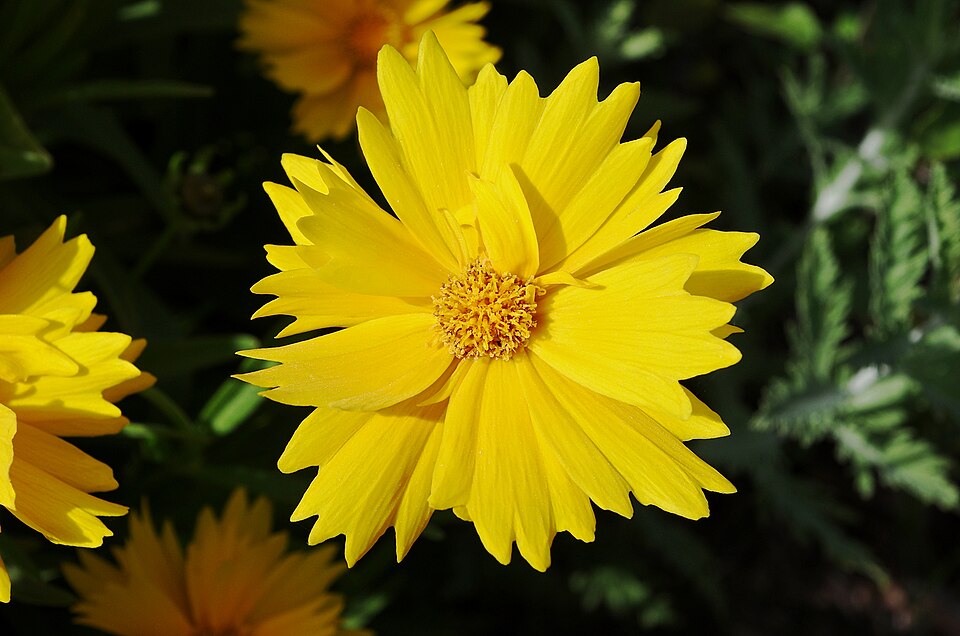
One of the most common and widely cultivated native species, Lanceleaf Tickseed is a basal-rosette-forming perennial reaching 1 to 2 feet tall. Basal leaves are mostly simple and spatula-shaped; stem leaves are few and often deeply lobed. Flower heads are 1½ to 2 inches across with 8 golden-yellow ray flowers, often with slightly toothed tips, surrounding a yellow disk. Blooms May–July. Excellent for dry to average soils in full sun. Forms clumping colonies over time.
Tall Tickseed (Coreopsis tripteris)
The giant of the genus, Tall Tickseed can reach 3 to 8 feet, creating dramatic summer presence at the back of borders. Leaves are trifoliate or simple, opposite, deep green. Flower heads are smaller (about 1 inch across) but produced in profuse branching clusters from July through September. Tolerates moderate shade and moisture. Spreads vigorously by seeds and rhizomes — best in naturalistic settings or where spread is welcome.
Whorled Tickseed (Coreopsis major)
A distinctive Appalachian and Piedmont species with whorled (actually opposite deeply divided) leaves that give the plant an unusual, feathery textured appearance. Grows 1 to 3 feet tall, producing 1½-inch yellow flowers from June through August. Native to the rocky, dry forests and forest edges of eastern Kentucky and Tennessee’s eastern mountains and ridge country.
Quick Facts
| Scientific Name | Coreopsis spp. (multiple native species) |
| Family | Asteraceae (Daisy / Composite) |
| Plant Type | Herbaceous Perennial (most species); Annual (a few) |
| Mature Height | Variable by species: 1–8 ft |
| Sun Exposure | Full Sun to Part Shade |
| Water Needs | Low to Moderate (Drought Tolerant) |
| Bloom Time | May – October (varies by species) |
| Flower Color | Bright golden-yellow; some with reddish-brown centers |
| Tennessee State Wildflower | Yes — Coreopsis is the official state wildflower of Tennessee |
| Deer Resistant | Generally yes |
| USDA Hardiness Zones | 4–9 (varies by species) |
Native Range
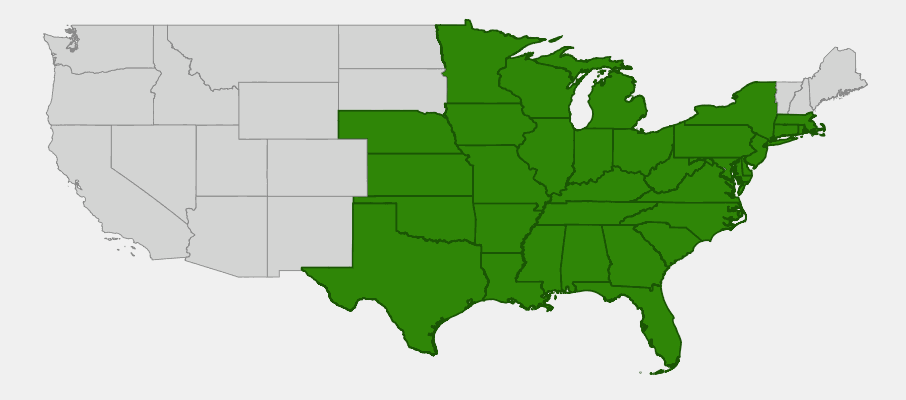
Coreopsis is a primarily North American genus with native species found from Canada through the United States into Central America. In the continental United States, native Tickseed species collectively cover virtually the entire country, with the greatest species diversity in the southeastern states. The genus has been so successful that Coreopsis species collectively rank as among the most ecologically adaptable and widespread native wildflowers in eastern North America.
In Kentucky and Tennessee specifically, multiple native Coreopsis species occur naturally in prairies, open rocky woodlands, cedar glades, old fields, roadsides, and forest margins throughout both states. The widespread distribution and adaptability of the genus reflects millions of years of co-evolution with diverse eastern North American habitats — from the thin-soiled limestone cedar glades of the Central Basin of Tennessee to the rich bottomland meadows of the Bluegrass region of Kentucky.
Tennessee has honored this deep botanical heritage by designating Coreopsis as the official state wildflower — recognizing both the genus’s extraordinary beauty and its fundamental importance to the state’s native plant heritage. This designation has helped elevate awareness of native Tickseed among Tennessee gardeners and has spurred expanded availability at native plant nurseries throughout the region.
📋 Regional plant lists featuring Tickseed: Kentucky & Tennessee
Growing & Care Guide
Native Tickseed species are among the easiest and most rewarding native wildflowers for Kentucky and Tennessee gardens. Their combination of summer-long bloom, drought tolerance, and low maintenance makes them essential plants for sunny borders, meadow gardens, and pollinator plantings.
Light
Most native Coreopsis species perform best in full sun to light shade. Lanceleaf Tickseed and other low-growing species require full sun for best performance — in too much shade, they become leggy and produce few flowers. Tall Tickseed (C. tripteris) tolerates moderate shade better than most species and can be grown successfully in dappled light at woodland edges. For maximum flower production, choose the sunniest location available.
Soil & Water
Native Coreopsis are notably drought-tolerant and prefer well-drained to dry soils — they perform poorly in constantly wet or waterlogged conditions. Average to lean soils produce the best plants; rich, fertile soils tend to produce excessive foliage at the expense of flowers and can cause floppy, weak stems. Good drainage is the primary soil requirement. Once established, most species require little to no supplemental irrigation during normal rainfall years. Sandy, rocky, or clay soils are all fine with reasonable drainage.
Planting Tips
Plant in spring or fall in a full-sun location with well-drained soil. Space most species 18–24 inches apart to allow for spreading. Tickseed transplants easily from containers. For meadow gardens, direct seeding in fall (winter stratification) produces reliable germination the following spring. Combining multiple native Coreopsis species with staggered bloom times (C. lanceolata in May–July; C. tripteris in July–September) can provide color from late spring through early fall.
Pruning & Maintenance
Deadheading spent flowers extends the bloom period and keeps plants tidy. Allow some seed heads to mature for self-seeding and bird food. After the first frost, leave seed heads standing through winter for goldfinches and other seed-eating birds. Cut plants back to a few inches from the ground in late winter or early spring. Every 2–3 years, divide overcrowded clumps in spring to maintain vigor and flowering. The plants are generally pest- and disease-free.
Landscape Uses
- Sunny perennial borders — reliable, long-blooming color from June through September
- Prairie and meadow gardens — naturalizes beautifully in meadow seed mixes
- Pollinator gardens — excellent bee and butterfly plant
- Rock gardens — low-growing species thrive in hot, dry rock garden conditions
- Cut flower gardens — the cheerful, long-stemmed flowers are excellent for cutting
- Roadside and naturalization plantings — tough and self-seeding in appropriate conditions
Wildlife & Ecological Value
Native Tickseed species are exceptional wildlife plants, supporting a diverse community of native bees, butterflies, and birds across the growing season.
For Birds
The abundant, small seed heads of Coreopsis are eagerly consumed by seed-eating birds, particularly American Goldfinches, House Finches, Indigo Buntings, and various sparrows. Goldfinches are particularly fond of Tickseed seeds and will cling to the seed heads throughout fall and winter, providing delightful wildlife viewing. The late-season seed heads provide critical winter food for resident birds before the next growing season begins.
For Mammals
White-tailed deer generally avoid Coreopsis, making these plants practical for gardens with deer pressure. Small mammals including chipmunks and mice may gather seeds, contributing to dispersal. The low-growing species provide minimal cover for larger mammals but are useful as ground-layer plants in wildlife garden designs.
For Pollinators
Coreopsis species support an extraordinary diversity of native bees — more than 40 native bee species have been recorded visiting North American Coreopsis. Several specialist bees, including Calliopsis mining bees, are oligolectic on Coreopsis (meaning they primarily or exclusively collect pollen from this genus). Bumble bees, sweat bees, large leaf-cutting bees, and many other native species visit the flowers for nectar and pollen. Butterflies including skippers, fritillaries, sulphurs, and swallowtails are also frequent visitors.
Ecosystem Role
Native Coreopsis species are keystone plants in open grassland and prairie ecosystems. Their abundant, accessible pollen and nectar support the diverse bee communities that drive pollination of the entire plant community. As plants that thrive in disturbed and open habitats, they play an important successional role, rapidly colonizing open areas and providing food and habitat structure while taller plants establish. The Tennessee state wildflower designation reflects the cultural and ecological importance of this genus to the region’s biodiversity heritage.
Cultural & Historical Uses
Native Coreopsis species have a modest but interesting history of human use in North America. The Cherokee and other southeastern nations used various Coreopsis species medicinally — teas brewed from the roots were used as emetics and for treating conditions including diarrhea. The vivid yellow dye extracted from the flowers of some species, particularly Plains Coreopsis (C. tinctoria), was used by various Indigenous peoples to produce yellow, orange, and red dyes for textiles and body decoration. The Zuni people of the Southwest used Coreopsis flowers for dyeing.
European settlers found little direct food or medicinal use for native Tickseed species, though they quickly recognized their ornamental value. Coreopsis lanceolata was among the first North American wildflowers to be collected and sent to European botanical gardens, where it became a popular ornamental. By the 18th century, it was widely cultivated in English cottage gardens, and Coreopsis remains popular in European gardens to this day — a testament to the genuinely outstanding ornamental quality of these native North American flowers.
The designation of Coreopsis as the state wildflower of Tennessee (enacted in 1990) reflects both the genus’s genuine abundance and beauty in the state and the growing recognition of native plants as symbols of regional botanical heritage. Today, native Tickseed species are featured prominently in highway beautification plantings, native plant restoration projects, and gardening programs throughout Tennessee and Kentucky, fulfilling both aesthetic and ecological functions in the landscape.
Frequently Asked Questions
Is Coreopsis the state flower of Tennessee?
Coreopsis is the official state wildflower of Tennessee, designated in 1990. This honors the genus’s abundance and beauty throughout the state. The Tennessee state cultivated flower is the Iris, but Coreopsis holds the special distinction of being the native wildflower representative. This recognition has helped promote native Coreopsis in Tennessee gardens and restoration plantings.
Which Coreopsis species should I plant in Kentucky or Tennessee?
For most gardens, Lanceleaf Tickseed (C. lanceolata) and Large-flowered Tickseed (C. grandiflora) are the most reliable, long-blooming choices for full-sun, well-drained sites. For taller, more dramatic presence, Tall Tickseed (C. tripteris) is excellent and tolerates moderate shade. For naturalistic meadow plantings, Thread-leaf Tickseed (C. verticillata) offers fine-textured foliage and a long bloom season. Ask local native plant nurseries which species are locally appropriate.
Why do Coreopsis plants get leggy and fall over?
Legginess is usually caused by: (1) Too much shade — Coreopsis needs full sun for compact, upright growth. (2) Overly rich soil — excess fertility produces lush, weak-stemmed growth. (3) Overwatering. For naturally compact plants, provide full sun, lean to average soil with good drainage, and avoid high-nitrogen fertilizers. Cutting plants back by one-third after the first major flush of bloom also helps prevent floppiness and stimulates a second wave of flowers.
Can Coreopsis grow in clay soil?
Most species prefer well-drained conditions, but several — including Tall Tickseed (C. tripteris) — are reasonably tolerant of moderately heavy clay soils provided drainage is not completely blocked. Improve clay soils by adding organic matter and consider raised beds for species requiring sharp drainage. Avoid planting in areas that hold standing water after rain.
Are cultivated Coreopsis (like ‘Moonbeam’ or ‘Zagreb’) as good as species plants for wildlife?
Native species are significantly more valuable for native wildlife than cultivated varieties. Wild-type Coreopsis species produce more accessible pollen and nectar than many cultivars, and their seeds are more reliably consumed by birds. That said, cultivars of native species (as opposed to hybrids between species) still provide some wildlife value. For maximum ecological benefit, choose locally-sourced native species plants. For purely ornamental purposes in mixed borders, cultivars are fine companions.