Shortleaf Pine (Pinus echinata)
Pinus echinata, commonly known as Shortleaf Pine, is one of the most widely distributed and ecologically important native pines of the eastern United States. Ranging from New York south to Florida and west to Texas and Kansas, it holds the distinction of having the widest natural range of any pine species in the eastern US — larger even than Loblolly Pine (Pinus taeda) or Longleaf Pine (Pinus palustris). Its common name refers to the relatively short needles (2½ to 5 inches) compared to other southern pines, and its scientific name echinata means “prickly,” referring to the small, sharp prickles on the cone scales.
Shortleaf Pine is a tree of remarkable ecological adaptability, growing on dry, poor, sandy or rocky upland soils where few other pines or hardwoods thrive. Its ability to resprout vigorously from the root collar after fire — an unusual trait for pines, more commonly associated with hardwoods — made it a dominant species in the fire-maintained pine savannas, pine-oak woodlands, and mixed pine forests that once covered vast areas of the eastern US interior. This resprouting ability allows young Shortleaf Pine to recover quickly from fire, giving it a competitive advantage over fire-sensitive hardwoods in pyrogenic landscapes.
Unfortunately, Shortleaf Pine has experienced dramatic population declines across much of its range over the past century, driven by fire suppression, timber harvesting practices that favored faster-growing Loblolly Pine, and development. Where Shortleaf Pine was once dominant, it has been replaced by Loblolly Pine in many areas through both natural succession (without fire) and intentional timber planting. Conservation organizations, state agencies, and federal land managers throughout the Southeast and Mid-Atlantic are now actively working to restore Shortleaf Pine communities through prescribed burning, targeted harvesting, and native seed-source reforestation. In the landscape, Shortleaf Pine offers excellent wildlife value and is a superb choice for dry, challenging sites where other trees struggle.
Identification
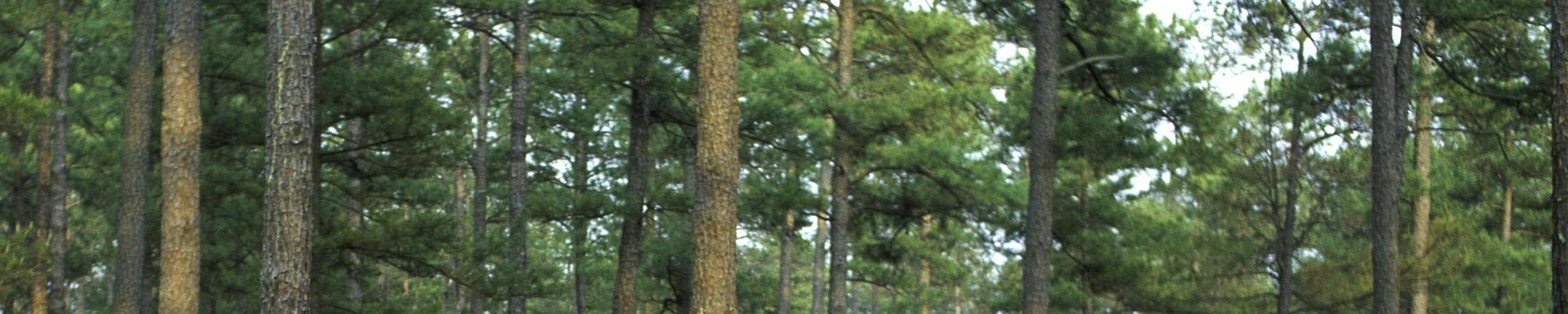
Shortleaf Pine is a medium to large evergreen conifer, typically reaching 50 to 100 feet at maturity, with a straight, moderately tapered trunk and an open, irregular crown that becomes more rounded and flat-topped with age. The bark, needles, and cones together provide a reliable identification set that distinguishes Shortleaf Pine from other native pines within its range.
Bark
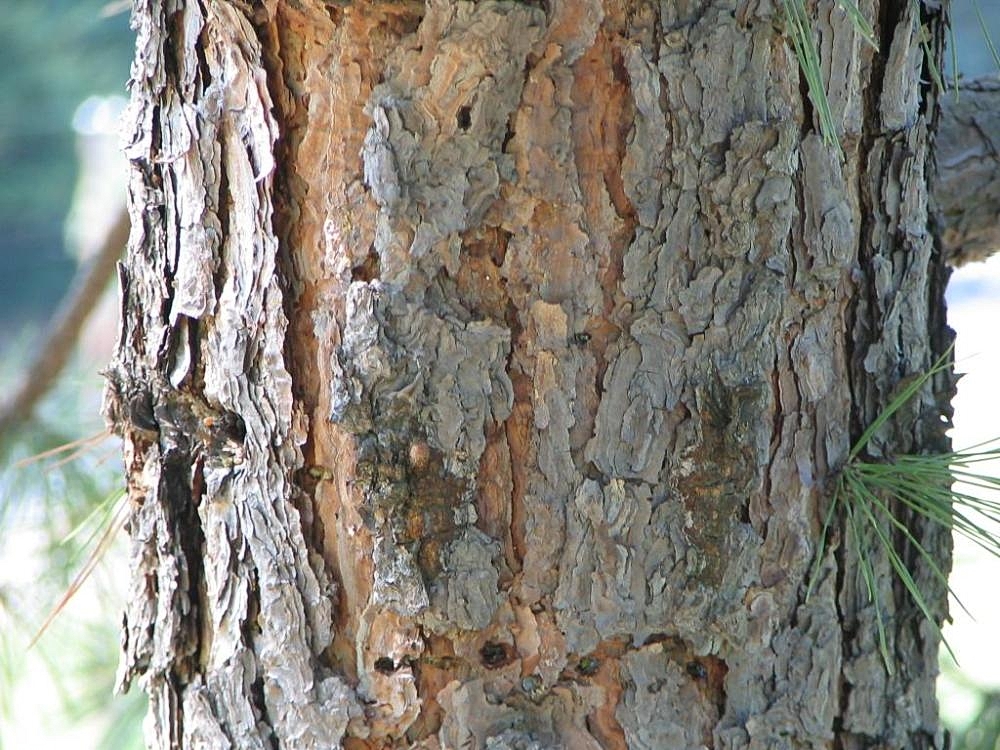
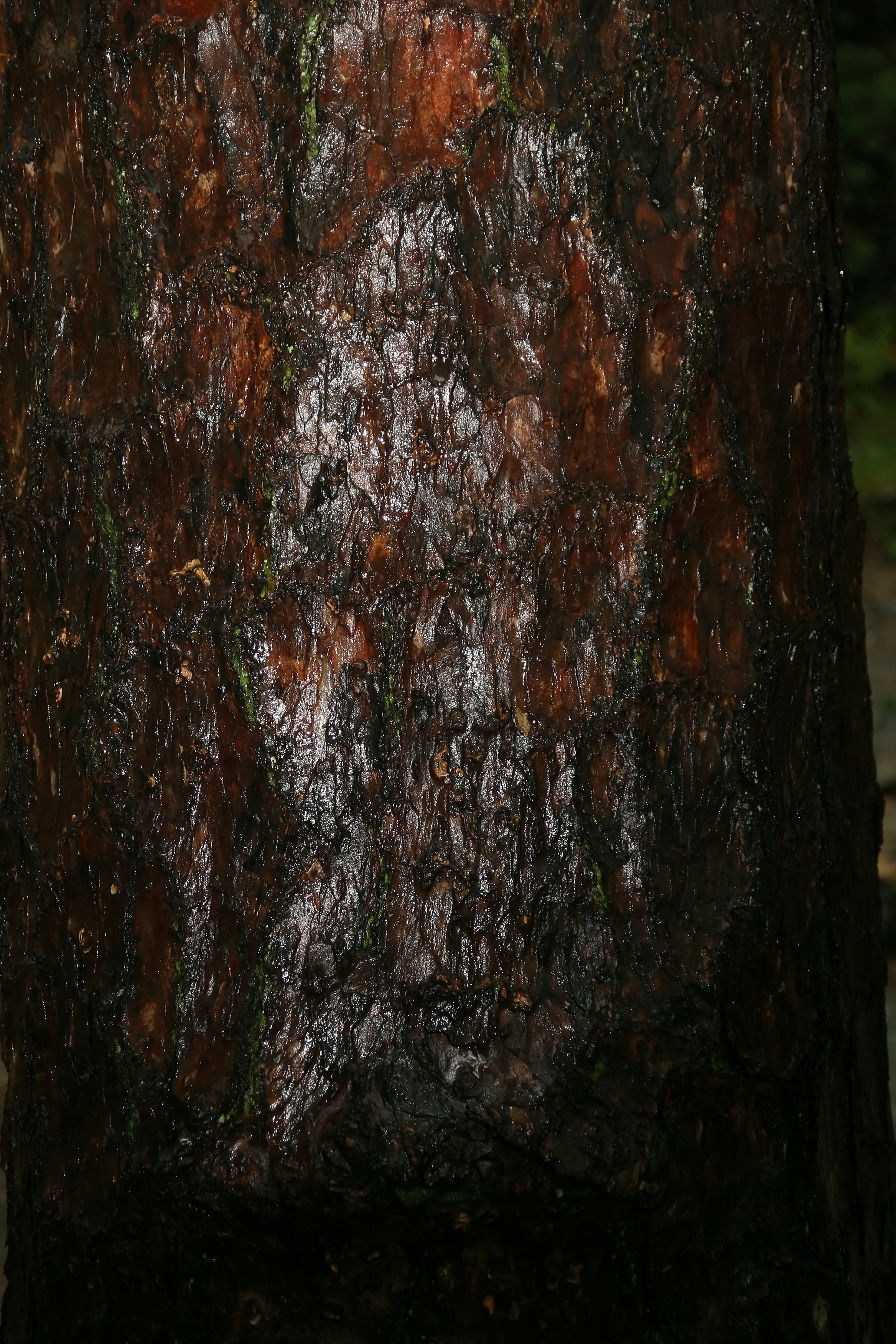
The bark is one of the most reliable identification features. On mature Shortleaf Pines, the bark is reddish-brown to grayish-brown, deeply divided into irregular, plate-like scales with an orange or salmon-colored inner layer visible in the cracks between plates. This distinctive orange-pink inner bark color, visible when the outer scales are lifted, differentiates Shortleaf Pine from Loblolly and Virginia Pine, whose inner bark is more yellowish. Young trees have smoother, darker bark that gradually develops the plated pattern with age.
Needles
The needles are the source of the common name — they are relatively short compared to other southern pines, typically 2½ to 5 inches long, and are held in bundles of 2 (sometimes with some bundles of 3 mixed in on the same branch — this mixed-bundle trait is unique to Shortleaf Pine among eastern species and is a reliable field identification character). The needles are slender, slightly twisted, dark blue-green to blue-green, and held somewhat loosely on the branches, giving the tree a slightly open, airy appearance compared to the dense, bushy foliage of Loblolly Pine. A small whorl of short leaves surrounds the base of each needle bundle.
Cones
The cones are small to medium — typically 1½ to 2½ inches long — oval to oblong, and remain on the tree for several years after maturing. Each cone scale bears a small, sharp prickle (the characteristic referenced by the scientific name echinata). The cones are tan to light brown at maturity and are held singly or in small clusters on the branches. Seeds are small, winged, and wind-dispersed. Old, dark, persistent cones often remain attached to branches for 3 to 4 years, a characteristic feature visible on many Shortleaf Pines in the landscape.
Quick Facts
| Scientific Name | Pinus echinata |
| Family | Pinaceae (Pine) |
| Plant Type | Evergreen Conifer (Tree) |
| Mature Height | 50–100 ft |
| Sun Exposure | Full Sun to Part Shade |
| Water Needs | Low (Drought Tolerant) |
| Needle Length | 2½–5 in; bundles of 2 (sometimes 3) |
| Cone Size | 1½–2½ in; oval with small prickles |
| Bark | Reddish-brown plates; orange-pink inner bark |
| Foliage Color | Dark blue-green; evergreen |
| Wildlife Value | High — seeds eaten by numerous bird species |
| USDA Hardiness Zones | 6–9 |
Native Range
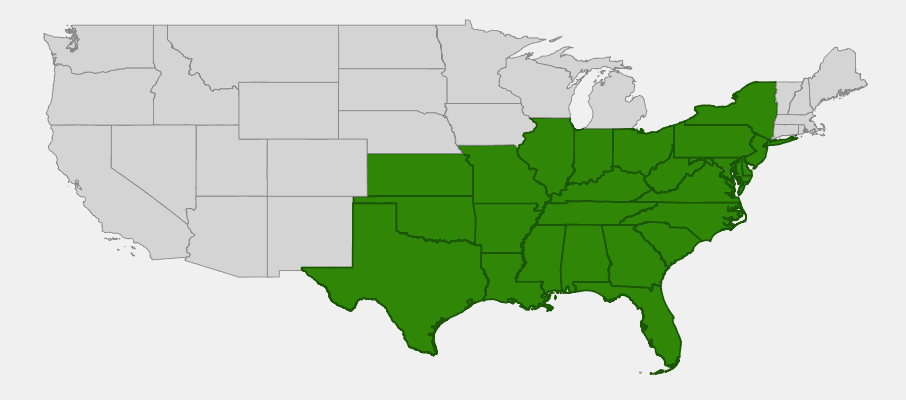
Shortleaf Pine has the largest native range of any eastern US pine species, extending from southwestern New York and northern New Jersey south through the Appalachian highlands to Georgia and Alabama, across the Coastal Plain to Florida and the Gulf Coast to eastern Texas, and northwest through the Interior Highlands of Arkansas and Missouri to the edge of the Great Plains in Kansas and Oklahoma. This vast range encompasses a remarkable diversity of physiographic settings, from the sandy Coastal Plain soils of the Atlantic seaboard to the rocky Ozark Plateau and the Ouachita Mountains of Arkansas.
Within this range, Shortleaf Pine is most characteristic of dry, infertile, well-drained upland sites — sandy ridges, rocky slopes, and clay uplands that are too dry and nutrient-poor for more productive hardwoods. The species is rarely found on rich, moist bottomland soils, where it is outcompeted by faster-growing hardwoods and Loblolly Pine. Its greatest ecological dominance occurs on the xeric (dry) uplands of the Piedmont and Appalachian foothills, particularly in the ridge-and-valley topography of Virginia, West Virginia, Maryland, and the Carolinas, where it once covered vast areas of pine-oak woodland.
In Maryland, Virginia, and West Virginia, Shortleaf Pine is an important native component of the Piedmont and Ridge and Valley physiographic provinces, occurring on dry sandstone ridges, quartzite slopes, and acidic clay uplands. It is also found in the sandy uplands of the Coastal Plain in Maryland and Virginia, though Loblolly Pine now dominates most of these sites. Historic records and old land surveys document Shortleaf Pine as once far more widespread in these states than it is today, due to decades of fire suppression and timber management practices favoring Loblolly Pine.
📋 Regional plant lists featuring Shortleaf Pine: Maryland, Virginia & West Virginia
Growing & Care Guide
Shortleaf Pine is an excellent choice for dry, challenging landscape sites where other trees struggle. Its drought tolerance, adaptability to poor soils, and remarkable fire resilience make it a durable and low-maintenance tree once established. The main requirements are full sun, excellent drainage, and patience — Shortleaf Pine grows more slowly than Loblolly Pine but develops a stronger, more wind-resistant tree structure.
Light
Shortleaf Pine is a sun-loving tree that grows best in full sun. Young seedlings tolerate light shade but quickly become etiolated and decline in shade. In the landscape, plant in the sunniest position available — open lawn areas, south-facing slopes, and exposed ridges are ideal. The tree’s characteristic open, picturesque crown develops best in full sun exposure. Unlike shade-tolerant hardwoods, Shortleaf Pine will not recover from extended shading by competing trees and must be sited in open conditions from the start.
Soil & Water
The most important soil requirement for Shortleaf Pine is excellent drainage. It grows on sandy soils, rocky slopes, clay uplands, and gravelly ridges — virtually any well-drained substrate. Wet, poorly drained soils should be avoided entirely, as they promote root rot and Phytophthora diseases. Shortleaf Pine is remarkably drought-tolerant once established (typically after 2 to 3 growing seasons), making it ideal for dry, hot sites in the Mid-Atlantic region. It grows in acidic to slightly acidic soils (pH 4.5–6.5) and does not require any fertilization in most landscape situations — indeed, overly rich soils can make it more susceptible to pests and reduce its characteristic drought tolerance.
Planting Tips
Plant Shortleaf Pine as a container-grown or balled-and-burlapped specimen in early spring or fall. Water regularly for the first two growing seasons to promote root establishment; after that, supplemental watering is rarely needed except during extended drought. Space trees 15 to 25 feet apart for eventual canopy closure, or 30 to 40 feet apart for open, widely spaced individual specimens that showcase the characteristic picturesque crown form. Do not plant in low spots or areas with poor drainage, and avoid planting in compacted urban soils without significant soil improvement.
Pruning & Maintenance
Shortleaf Pine requires minimal pruning. Remove dead or damaged branches in late winter. Lower branches naturally self-prune as the tree matures, revealing the characteristic clean trunk. Avoid excessive pruning of living branches, which can stress the tree and create entry points for fungal pathogens. Shortleaf Pine is generally resistant to most serious pests and diseases, though it can be attacked by pine beetles (Dendroctonus species) when weakened by drought, root damage, or other stresses. Maintaining tree health through appropriate siting is the best prevention.
Landscape Uses
- Dry upland landscapes — ideal for sandy, rocky, or dry clay soils where other trees fail
- Native pine-oak woodland garden — a keystone species for recreating Appalachian upland forest
- Wildlife habitat garden — outstanding seed production for birds; cavity tree for woodpeckers
- Slope and erosion control — deep taproots anchor slopes and control erosion
- Screen and windbreak — evergreen foliage provides year-round privacy and wind protection
- Carbon sequestration — large, long-lived trees sequester significant carbon over time
- Fire-adapted landscape — an outstanding choice for fire-wise landscaping in dry upland areas
Wildlife & Ecological Value
Shortleaf Pine is a keystone species in pine-oak woodland ecosystems, providing essential food, cover, and nesting habitat for an extraordinarily diverse community of birds, mammals, reptiles, and invertebrates. Its ecological value extends across seasons and life stages.
For Birds
The seeds of Shortleaf Pine are eaten by numerous bird species, including Red-cockaded Woodpecker (a federally endangered species that depends on mature Shortleaf and Longleaf Pine stands for nesting), Brown-headed Nuthatch, Pine Warbler, Eastern Towhee, Dark-eyed Junco, White-throated Sparrow, Field Sparrow, and various finches. The tree’s bark harbors abundant insect larvae that are heavily exploited by woodpeckers — Downy, Hairy, Red-bellied, Red-headed, and Pileated Woodpeckers all forage on Shortleaf Pine bark and heartwood. The open, needle-carpeted floor of Shortleaf Pine woodlands provides foraging habitat for Wild Turkey, Ruffed Grouse, and Eastern Towhee.
For Mammals
Squirrels (Gray, Fox, and Southern Flying Squirrel) consume Shortleaf Pine seeds extensively, caching them for winter use and inadvertently planting new trees through forgotten caches. White-tailed deer browse the young growth and seek shelter in pine stands during winter. Black Bears use large Shortleaf Pines as “sign trees,” regularly returning to scratch and mark the bark. The open pine woodland structure supports populations of Eastern Box Turtle, Five-lined Skink, and various snake species that depend on the warm, sunny openings and structural complexity of pine-oak habitats.
For Pollinators & Insects
Though not a direct nectar source, Shortleaf Pine is critically important for specialized pine-dependent insects, including numerous moth and butterfly caterpillars that feed on pine foliage. The Pine Elfin butterfly (Callophrys niphon) uses Shortleaf Pine as a larval host plant, and various pine sawfly species, pine moths, and bark beetles play important roles in pine woodland nutrient cycling. The large, structurally complex trees provide bark crevices, dead wood, and hollow cavities that support hundreds of invertebrate species.
Ecosystem Role
Shortleaf Pine is a foundation species for dry upland ecosystems across the eastern United States. Its capacity to resprout after fire maintains open, fire-adapted woodland communities that support exceptional biodiversity, including many specialist species that cannot survive in closed-canopy forest. The thick, fire-resistant bark of mature Shortleaf Pines insulates the living cambium from surface fires, allowing individual trees to survive repeated burning. The needle litter creates a distinctive acidic soil chemistry that supports an understory community of blueberries, Little Bluestem grass, and other fire-adapted native plants with exceptionally high wildlife value.
Cultural & Historical Uses
Shortleaf Pine has played an enormous role in the economic and cultural history of the eastern United States, serving as one of the primary commercial timber trees of the South and Appalachian region for over two centuries. Known historically as “Southern Yellow Pine” along with its fellow southern pines (Loblolly, Longleaf, and Slash), Shortleaf Pine timber was a primary building material for homes, barns, ships, railroad ties, and countless other structures throughout the 18th and 19th centuries. The longleaf-shortleaf pine forests of the Southeast were among the most extensively harvested forest ecosystems in North American history, with an estimated 90% of the original old-growth shortleaf pine forest being logged by the early 20th century.
For Indigenous peoples of the southern Appalachians and Southeast, Shortleaf Pine provided a variety of valuable resources. The inner bark (cambium layer) was consumed as emergency food or as a starchy additive to other foods — it was scraped from the tree in early spring when sap was flowing and was sometimes dried and ground into flour. The resinous pitch of all southern pines, including Shortleaf, was an important waterproofing material used to caulk canoes and baskets, to make torches, and as an adhesive. Pine pitch was also used topically in traditional medicine to treat skin conditions, infected wounds, and as a drawing agent for splinters. The long, straight poles of young Shortleaf Pine were used for lodge poles, tool handles, and structural framing.
In the 20th century, Shortleaf Pine became a subject of significant conservation concern as its populations declined dramatically across its range. Conservation organizations including the Shortleaf Pine Initiative — a collaborative effort involving federal and state agencies, industry groups, and conservation organizations — have worked to restore Shortleaf Pine ecosystems across the southern US through prescribed fire, reforestation, and habitat management. Today, Shortleaf Pine is recognized as a conservation priority species whose restoration supports not only the tree itself but the entire community of associated species that depend on fire-maintained pine woodlands.
Frequently Asked Questions
How is Shortleaf Pine different from Loblolly Pine?
Shortleaf Pine (Pinus echinata) and Loblolly Pine (Pinus taeda) are the two most common native pines in much of the Mid-Atlantic. Key differences: Shortleaf has shorter needles (2½–5 in) in bundles of 2 (sometimes 3), while Loblolly has longer needles (6–9 in) always in bundles of 3. Shortleaf cones are smaller (1½–2½ in) than Loblolly cones (3–5 in). Shortleaf grows on drier, poorer soils; Loblolly prefers moister, more fertile sites. Shortleaf has orange-pink inner bark; Loblolly has yellowish inner bark.
Can Shortleaf Pine resprout after fire?
Yes — and this is one of the most remarkable traits of Shortleaf Pine. Young Shortleaf Pines (up to about 6 inches in basal diameter) can resprout vigorously from their root collar after being top-killed by fire — a response similar to hardwood sprouting. This adaptation is rare among pines and gives Shortleaf Pine a significant survival advantage in fire-maintained landscapes. Larger, older trees are protected by their thick, fire-resistant bark.
How fast does Shortleaf Pine grow?
Shortleaf Pine is a moderate grower — typically adding 12 to 18 inches in height per year under favorable conditions. This is slower than Loblolly Pine, which can grow 3 to 4 feet per year on good sites. The trade-off is a stronger, more tapered trunk, more stress-resistant wood, and superior longevity — Shortleaf Pine commonly lives 200 to 300 years, with some specimens exceeding 400 years.
Is Shortleaf Pine good for wildlife?
Exceptionally so. Shortleaf Pine supports an enormous diversity of wildlife, from the federally endangered Red-cockaded Woodpecker (which requires mature shortleaf or longleaf pine forests) to dozens of common bird species that consume the seeds. The open, fire-maintained pine woodland communities that Shortleaf Pine creates are among the most biodiverse forest habitats in the eastern United States.
What is the Shortleaf Pine Initiative?
The Shortleaf Pine Initiative is a collaborative conservation effort involving more than 50 federal and state agencies, conservation groups, and industry partners, working together to restore Shortleaf Pine across its native range. The initiative’s goal is to restore one million acres of Shortleaf Pine forest through prescribed burning, reforestation with local-seed-source trees, and habitat management. More information is available through the Shortleaf Pine Initiative website.

Looking for a nursery that carries Shortleaf Pine?
Browse our native plant nursery directory: Maryland · Virginia · West Virginia