Yellow Native Azalea (Rhododendron austrinum)
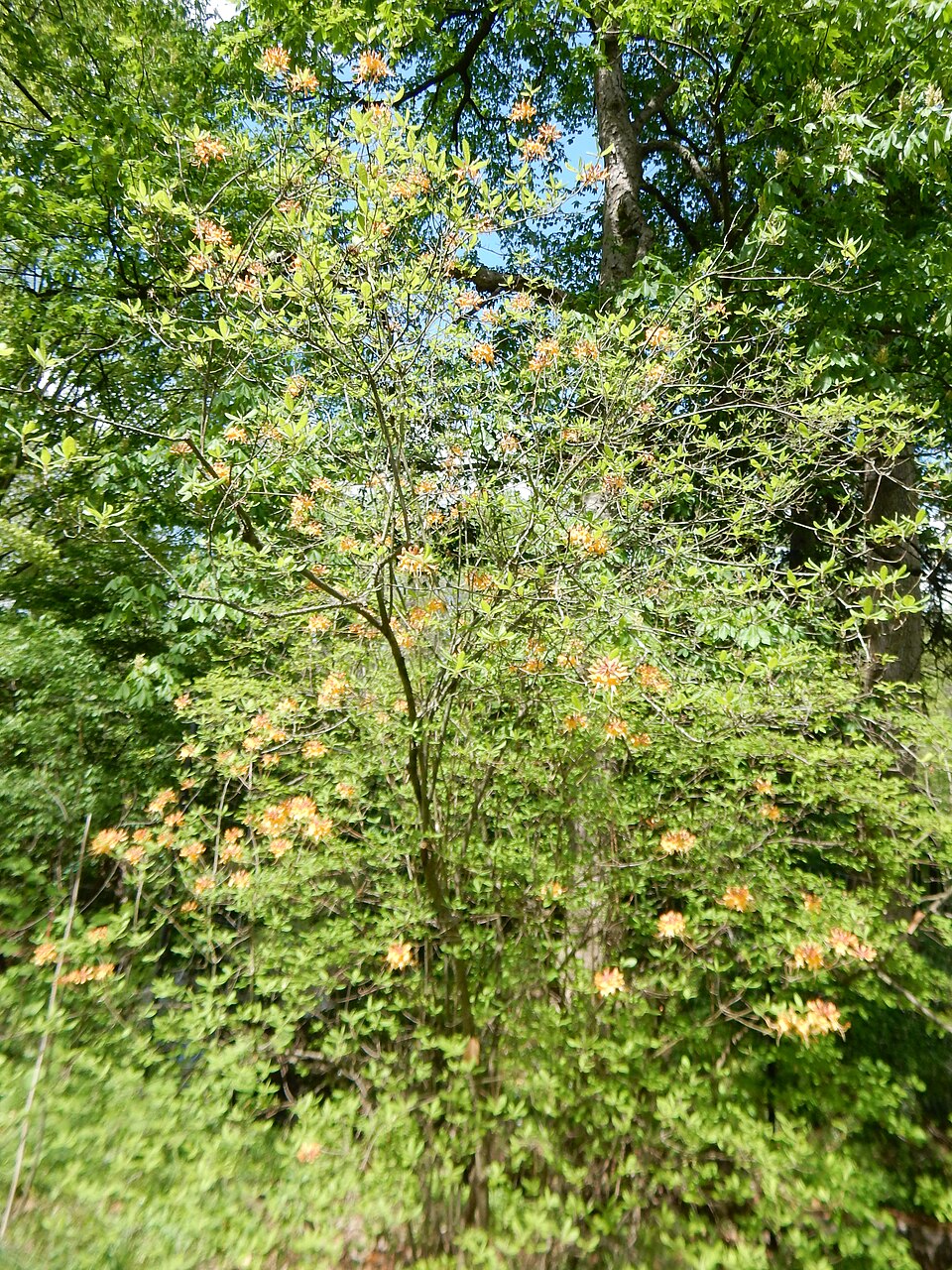
Rhododendron austrinum, commonly known as Yellow Native Azalea, Florida Flame Azalea, or Florida Azalea, is one of the most spectacular native azaleas in North America — a deciduous shrub of the Deep South that produces breathtaking clusters of rich yellow, golden, or orange tubular flowers for three full weeks in April and May. This member of the Ericaceae (heath) family is native to a limited range in the Florida panhandle, southern Georgia, Alabama, and Mississippi, but it has become one of the most sought-after native azaleas in cultivation throughout USDA Zones 6–9.
The flowers are the defining feature of this plant: large, showy, intensely fragrant clusters of 12–18 tubular flowers in shades ranging from pale yellow through golden-yellow to bright orange, often with a prominent orange or yellow blotch. The long, exserted stamens add to the elegance of the display. Flowers appear before or with the emerging new leaves, maximizing their visual impact. The fragrance is sweet and strong — particularly noticeable on warm afternoons — and carries a considerable distance, making this plant notable even before it is seen. Flowers are critical nectar and pollen resources for Ruby-throated Hummingbirds and large native bees in early spring.
Beyond its floral spectacle, Yellow Native Azalea is a refined and adaptable landscape shrub. Growing 8 to 12 feet tall, it fits well in foundation plantings, shrub borders, and woodland garden designs. In fall, the foliage turns attractive shades of orange and red before dropping. The plant is adapted to the acidic, well-drained to moderately moist soils typical of southeastern pine woodlands and ravine forests, and it performs well in partial shade to filtered sunlight — conditions that protect the flowers from premature fading while providing the moisture retention that Ericaceous plants prefer.
Identification
Yellow Native Azalea is a deciduous shrub typically reaching 8 to 12 feet tall, with an upright to broadly rounded form. It branches irregularly, with stems tending to grow in tiers, creating a layered appearance that is attractive even when not in flower. The bark on older stems is gray-brown and slightly scaly. Young growth emerges with a fine pubescence (hairiness) that is visible on close inspection.
Bark & Stems
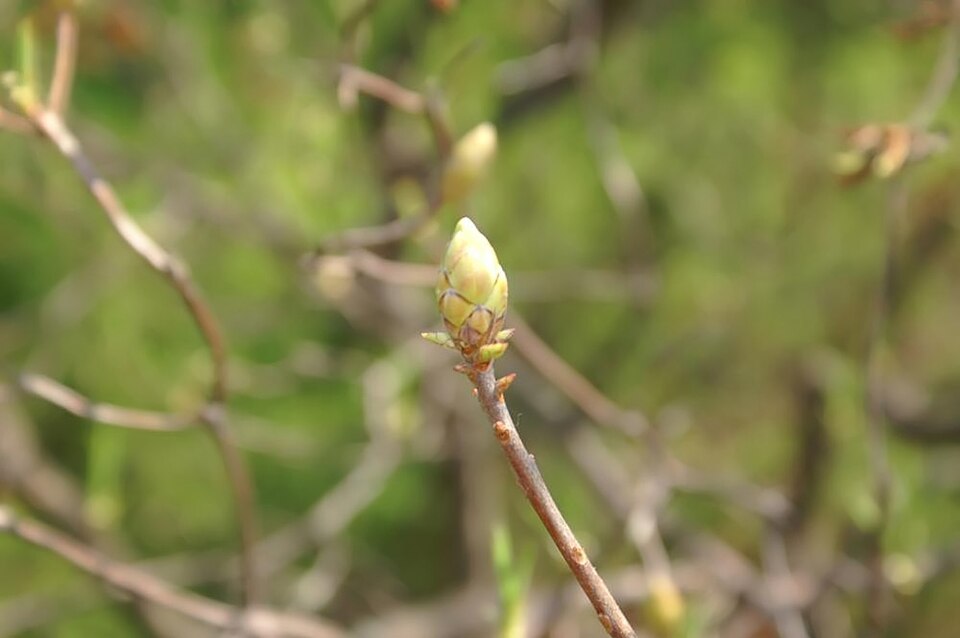
Older stems develop gray-brown, slightly scaly bark typical of the deciduous azalea group. Young twigs are typically grayish to brownish, slightly hairy, and slender. The bud scales visible on terminal buds in winter are an important identification feature: in R. austrinum, the flower buds are surrounded by persistent scales that are more or less sticky (viscid) and ciliate (fringed with fine hairs). This distinguishes it from other yellow-flowered azaleas in the region.
Leaves
The leaves are alternate, simple, deciduous, and 2 to 4 inches long, oblong to obovate (broader near the tip), with a rounded to slightly pointed apex. Both surfaces are hairy, particularly when young; the upper surface becomes less hairy with age. Leaf margins are entire or very finely ciliate. In autumn, foliage turns orange to red before dropping — providing an attractive, though brief, fall color display.
Flowers
The flowers are produced in terminal clusters (trusses) of 12–18 individual blooms before or concurrent with the emerging leaves. Each flower is a narrow tube, 1 to 1.5 inches long, flaring at the tip into five spreading to reflexed lobes. Color ranges from pale yellow through golden-yellow to orange or orange-yellow; many plants show an orange or yellow blotch on the upper petal. The five (occasionally six) stamens are long and exserted, extending well beyond the flower tube. The style extends even beyond the stamens, giving the flower its characteristic spidery elegance. Flowers are intensely fragrant — a sweet, honey-like scent that is one of the most distinctive fragrances in the native spring woodland.
Quick Facts
| Scientific Name | Rhododendron austrinum |
| Family | Ericaceae (Heath) |
| Plant Type | Deciduous Shrub |
| Mature Height | 12 ft |
| Sun Exposure | Part Shade to Full Shade |
| Water Needs | Low to Moderate |
| Bloom Time | April – May |
| Flower Color | Golden yellow to orange |
| USDA Hardiness Zones | 6–9 |
Native Range
Yellow Native Azalea has a relatively restricted native range confined to the Florida panhandle and the adjacent coastal plain of Georgia, Alabama, and Mississippi. It is most abundant in the Florida panhandle — the “Banana Belt” of Florida where the climate is warm enough for subtropical species yet cold enough for deciduous azaleas to thrive. Populations also occur in the lower Piedmont and upper Coastal Plain of Georgia, southernmost Alabama, and southern Mississippi.
In its natural habitat, Rhododendron austrinum grows in the understory of open longleaf pine forests and on the slopes and upper edges of ravine forests — habitats characterized by acidic, well-drained to moderately moist, sandy soils. It often grows in association with American beech (Fagus grandifolia), Florida yew (Taxus floridana), other native azaleas, mountain laurel, and the rich herbaceous flora of the Appalachian-Gulf Coast disjunct plant community. In the longleaf pine flatwoods, it grows alongside wiregrass (Aristida stricta), gopher apple (Licania michauxii), and other characteristic species of this fire-maintained ecosystem.
The species’ restricted natural range makes it somewhat rare in the wild, and populations in some areas have been reduced by habitat loss and collection. However, it is now widely propagated by native plant nurseries throughout the Southeast and is successfully cultivated far beyond its natural range — performing well throughout Zones 6–9 in gardens with appropriate soil and light conditions. Its horticultural success has fortunately reduced pressure on wild populations.
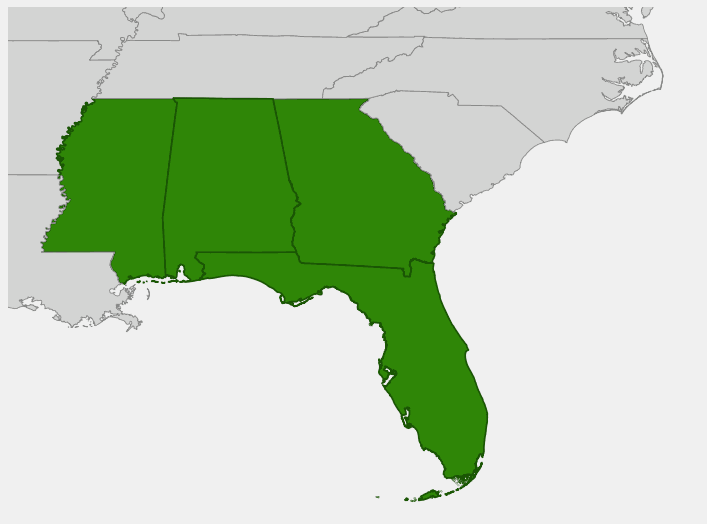
📋 Regional plant lists featuring Yellow Native Azalea: Alabama, Georgia & Mississippi
Growing & Care Guide
Yellow Native Azalea is a highly rewarding garden plant for southeastern gardeners who provide it with well-drained, acidic soil and partial shade. It is more adaptable than many gardeners realize — performing successfully throughout Zones 6–9 in appropriate conditions.
Light
Yellow Native Azalea grows best in partial shade — the dappled light of an open deciduous woodland canopy is ideal. It tolerates more sun than evergreen azaleas, particularly in the northern parts of its cultivated range, but in the deep South, afternoon shade is important for protecting the flowers and maintaining plant health. Morning sun with afternoon shade is often ideal. Deep shade significantly reduces flowering. Open woodland settings with high, thin shade from deciduous trees tend to produce the most attractive plants.
Soil & Water
Well-drained, acidic soil with good organic matter content is essential. Yellow Native Azalea, like all ericaceous plants, requires a soil pH of 4.5–6.0. It performs best in sandy to sandy-loam soils amended with composted pine bark or leaf mold. It does not tolerate wet, heavy clay or alkaline soils. Once established, it has low to moderate water needs — it is more drought-tolerant than many azaleas, reflecting its adaptation to the well-drained sandy soils of the longleaf pine woodland. Regular, deep watering during establishment is important; once established, natural rainfall is usually sufficient except during extended droughts.
Planting Tips
Plant in fall for best establishment. Prepare the soil thoroughly before planting, amending with composted pine bark, leaf mold, or aged compost to improve drainage and acidity. Plant at the correct depth — azalea roots are shallow, and planting too deep is a common cause of failure. Mulch 2–3 inches deep with pine bark, pine straw, or shredded leaves, keeping mulch away from the stem base. Space plants 6–8 feet apart to allow for mature spread. Companion plants for a natural effect include native ferns, trilliums, mountain laurel, and Indian Pink.
Pruning & Maintenance
Prune lightly immediately after flowering — this is the critical timing window, as Yellow Native Azalea sets its flower buds for next year during summer. Pruning in fall or winter removes the flower buds and eliminates next year’s bloom. Light shaping after flowering encourages branching and maintains size. Avoid heavy pruning, which weakens the plant. Yellow Native Azalea is generally resistant to pests and diseases when grown in appropriate conditions; lacebug can occasionally be a problem on plants in too much sun.
Landscape Uses
- Woodland garden specimen — spectacular in spring flower beneath deciduous trees
- Mixed shrub borders combining with evergreen native shrubs for year-round interest
- Hummingbird and pollinator gardens — exceptional early-season food source
- Foundation planting on the north or east side of buildings
- Native azalea collections — pairs beautifully with other deciduous native azaleas
- Naturalistic woodland edge plantings in appropriate acidic soil sites
Wildlife & Ecological Value
Yellow Native Azalea provides exceptional ecological value, particularly for early-season pollinators and hummingbirds, while also supporting the broader woodland food web throughout the year.
For Birds
Ruby-throated Hummingbirds are the primary bird visitors, attracted by the abundant nectar in the tubular flowers. Hummingbirds returning from Central America in early spring often arrive precisely as Rhododendron austrinum comes into bloom — the plant is a critical refueling resource for northbound migrants. Insectivorous birds also benefit from the insect community the plant supports, particularly the caterpillars of specialist moths and butterflies in the Ericaceae family.
For Pollinators
The large, fragrant flowers are visited by bumblebees (especially queen bumblebees in early spring), large carpenter bees, and various long-tongued native bees. The exserted stamens ensure that visiting bees contact both the stigma and anthers, facilitating pollination. Swallowtail butterflies also visit the flowers for nectar. Yellow Native Azalea’s bloom time — early to mid-spring — makes it a crucial early-season resource for large native bees that need abundant pollen and nectar for colony establishment after winter.
For Mammals
White-tailed deer will browse Yellow Native Azalea, and all parts of the plant are toxic to livestock. However, deer browsing in the wild is typically modest, and the plant tolerates light browsing. All parts of the plant are toxic to dogs and cats as well — plant in areas inaccessible to pets. Squirrels and chipmunks may occasionally disturb the root zone.
Ecosystem Role
In the longleaf pine woodland ecosystem — one of the most biodiverse and threatened ecosystems in North America — Yellow Native Azalea is a characteristic component of the shrub layer that persists under frequent prescribed fire. Like most plants of the longleaf pine understory, it resprouts vigorously from the root crown after fire, contributing to the rapid restoration of the shrub layer after burns. Its spring nectar is an important resource for the diverse bee community of the longleaf ecosystem, and its shallow root system contributes to the complex mycorrhizal networks that support the broader plant community.
Cultural & Historical Uses
Native azaleas of the Southeast — including Yellow Native Azalea — were recognized by Indigenous peoples of the region for their beauty and notable toxicity. The entire plant is poisonous, containing grayanotoxins (formerly called andromedotoxins) that affect the heart, blood pressure, and nervous system. Indigenous peoples were aware of this toxicity and used preparations from related azalea species carefully and selectively in medicinal contexts — primarily as external applications and in very small amounts for specific conditions.
European botanists and naturalists of the colonial era were struck by the beauty of North American azaleas, and specimens of several species — though not specifically R. austrinum, which was described scientifically somewhat later — were sent to Europe as early as the 18th century. The taxonomist William Aiton formally described Rhododendron austrinum (the species name means “southern”) in the early 19th century, recognizing it as a distinct southern species. By the late 19th and 20th centuries, the horticultural value of native deciduous azaleas was being more widely recognized, and R. austrinum became an important parent in the breeding of hybrid “Ghent azaleas” and other deciduous azalea hybrids that combine the orange-yellow color range of the American species with the larger flower size and hardiness of European and Asian relatives.
Today, Yellow Native Azalea is one of the most prized plants in the growing native plant gardening movement in the Southeast. Specialty native plant nurseries cultivate it for sale, and plant societies including the Azalea Society of America and the American Rhododendron Society have promoted the conservation and cultivation of native azaleas including R. austrinum. The plant’s exceptional beauty, fragrance, wildlife value, and status as a rare native species make it a conservation ambassador — a plant that connects gardeners to the wild landscapes of the Deep South and inspires appreciation for the endangered ecosystems that produced it.
Frequently Asked Questions
Is Yellow Native Azalea the same as Florida Flame Azalea?
Yes — “Florida Flame Azalea” and “Florida Azalea” are common names used for Rhododendron austrinum. “Yellow Native Azalea” is used to distinguish it as a native species from non-native deciduous azaleas available in the nursery trade.
What is the difference between Yellow Native Azalea and Flame Azalea (Rhododendron calendulaceum)?
Flame Azalea is a different species native to the Appalachian mountains, with a more northern range. It also has yellow to orange flowers but tends toward deeper orange-red shades. Yellow Native Azalea is lower coastal-plain native with paler yellow to golden tones and grows in warmer, flatter terrain. Both are excellent garden plants; Yellow Native Azalea is better adapted to the lowland Southeast.
Is Yellow Native Azalea toxic?
Yes — all parts of the plant contain grayanotoxins (andromedotoxins) that are toxic to humans, dogs, cats, and livestock. Do not consume any part of the plant. This toxicity also contributes to its deer resistance, though deer may still browse it in stressed conditions.
How long does the bloom period last?
Yellow Native Azalea typically blooms for 2–3 weeks in April and May, with the exact timing varying by location and the weather. In warm springs, bloom may be earlier and shorter; in cool springs, it lasts longer. The fragrance is often detectable before the plant is visible — plant near pathways or outdoor living areas to maximize enjoyment of the scent.
Can I grow Yellow Native Azalea outside its native range?
Yes — it performs well throughout USDA Zones 6–9 in appropriate acidic soil with partial shade. Many gardeners in the Carolinas, Tennessee, and even Virginia grow it successfully. The main requirement is acidic soil; in alkaline areas, it will fail without significant soil modification. It is increasingly available from native plant nurseries throughout the Southeast.

Looking for a nursery that carries Yellow Native Azalea?
Browse our native plant nursery directory: Alabama · Georgia · Mississippi