Lemonade Berry (Rhus integrifolia)
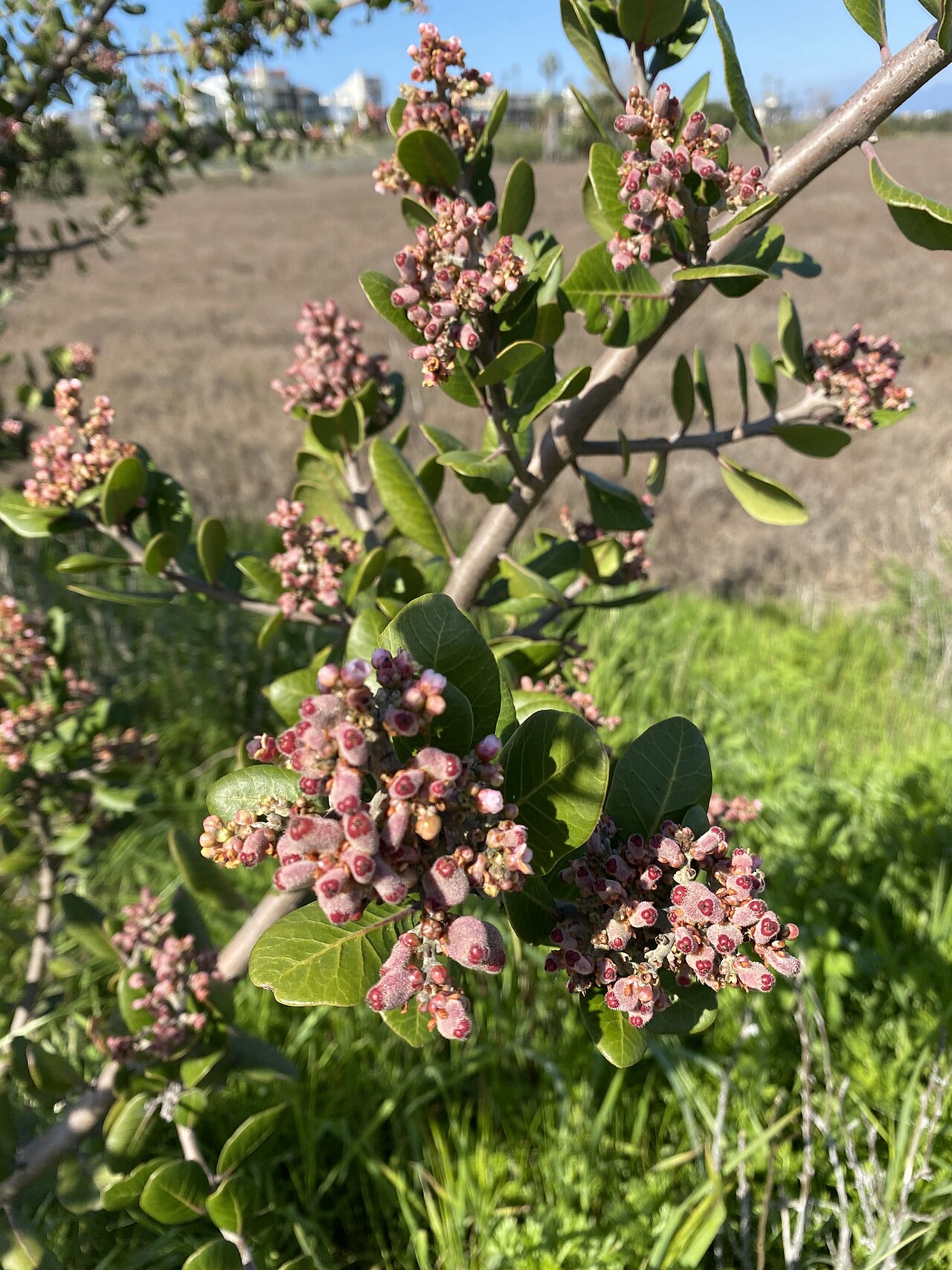
Rhus integrifolia, commonly known as lemonade berry or lemonade sumac, is a tough, handsome evergreen shrub to small tree native to the coastal bluffs and canyons of Southern California. A member of the sumac family (Anacardiaceae), it takes its common name from its sticky, tart red fruits, which Indigenous peoples and early settlers soaked in water to make a refreshing, lemonade-like drink. Few native shrubs are as dependable along the Southern California coast, where salt spray, wind, and long dry summers defeat many other plants.
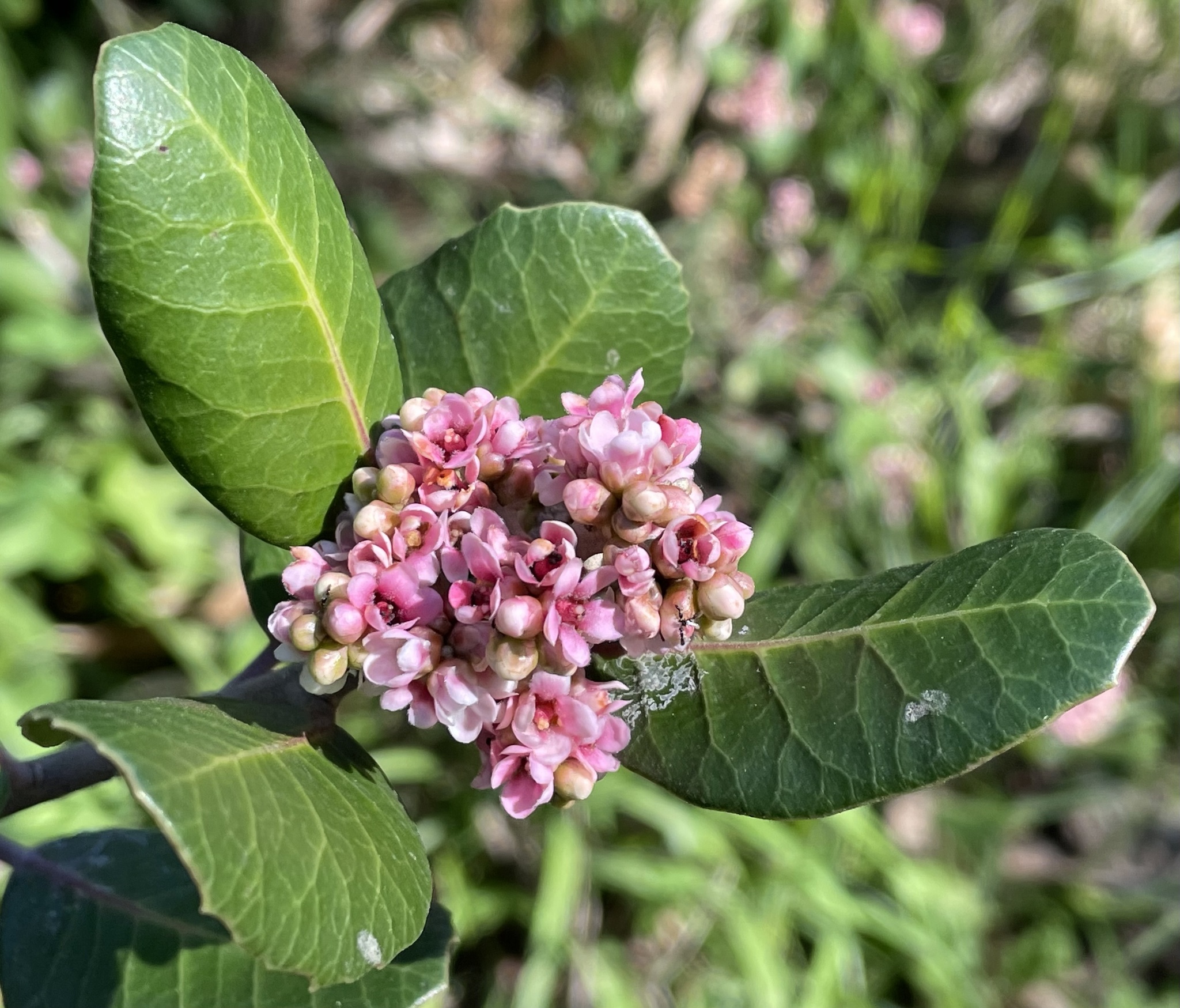
Lemonade berry forms a dense, rounded mass of thick, leathery, glossy leaves that stay deep green year-round, making it a valuable structural plant in gardens as well as wild landscapes. Clusters of small white to pink flowers appear in late winter and early spring, followed by flattened, sticky, reddish fruits that ripen through summer. The shrub is a backbone species of coastal sage scrub and coastal bluff scrub plant communities from Santa Barbara County to San Diego County.
For gardeners along the Southern California coast, lemonade berry is about as low-maintenance as native shrubs get. It tolerates poor soil, salt air, wind, and extended drought once established, and it asks for almost nothing beyond good drainage and an occasional light shaping. It is equally at home as a clipped hedge, an informal screen, or left to grow into its natural rounded form as a small evergreen tree.
Identification
Lemonade berry is a large, rounded evergreen shrub or small tree, typically 6 to 15 feet tall and wide, though old specimens on favorable sites can reach 20 feet or more. It often has a dense, broad crown and can be grown as a single or multi-trunked small tree with light pruning.
Bark & Stems
Young stems are reddish and often covered in a fine, sticky resin. As the plant matures, the bark becomes gray-brown and slightly furrowed. The resinous coating on new growth is characteristic of the sumac genus and gives bruised stems and leaves a slightly citrus-resinous scent.
Leaves
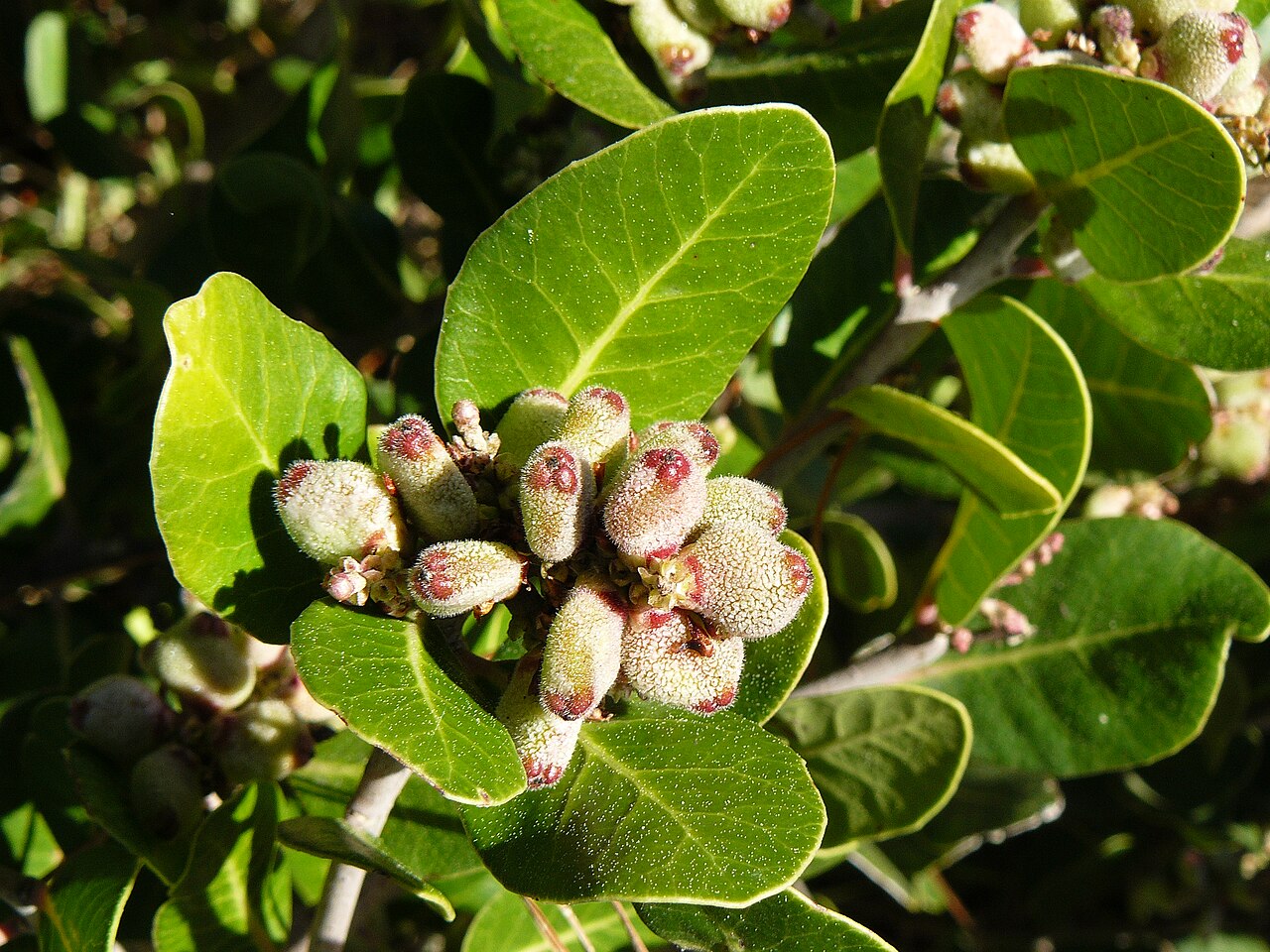
The leaves are simple (not compound, despite the genus’s many trifoliate relatives), thick and leathery, oval to elliptic, 1 to 3 inches long, with a smooth or slightly toothed margin that often curls under. They are glossy dark green above and paler below, folded slightly along the midrib, an adaptation that helps the plant conserve water through hot, dry summers.
Flowers
Small, five-petaled flowers in shades of white to pale pink are borne in dense, rounded clusters at the branch tips from February through April. Individual flowers are tiny, but the clusters are conspicuous and provide an important early-season nectar source when few other coastal shrubs are in bloom.
Fruit & Seeds
The fruit is a small, flattened, sticky drupe about ¼ inch across, covered in fine reddish hairs and a tart, resinous coating rich in malic acid, which gives it the lemony flavor behind the plant’s common name. Fruits ripen from late spring into summer and persist on the shrub, where they are an important food source for birds.
Quick Facts
| Scientific Name | Rhus integrifolia |
| Family | Anacardiaceae (Sumac) |
| Plant Type | Evergreen Shrub / Small Tree |
| Mature Height | 6–15 ft (to 20 ft on favorable sites) |
| Mature Spread | 8–15 ft |
| Growth Rate | Moderate |
| Sun Exposure | Full Sun to Part Shade |
| Water Needs | Low; drought tolerant once established |
| Soil Type | Well-drained; tolerates poor, rocky or sandy soils |
| Soil pH | 6.0–8.0 (adaptable) |
| Bloom Time | February – April |
| Flower Color | White to pale pink |
| Fall Color | None (evergreen) |
| Fruit | Sticky reddish drupes, late spring–summer |
| Deer Resistant | Yes |
| USDA Hardiness Zones | 9–11 |
Native Range
Lemonade berry is native to the coastal strip of Southern California, from Santa Barbara County south through the Transverse and Peninsular ranges and the South Coast to San Diego County, including the Channel Islands. Its range continues into northern Baja California, Mexico. Within California it is largely restricted to areas with strong maritime influence; it does not occur naturally in the state’s interior valleys or deserts.
The species is a defining member of coastal sage scrub and coastal bluff scrub plant communities, where it grows on dry slopes, canyon walls, and exposed coastal bluffs within reach of ocean influence. It tolerates salt spray, wind, and shallow or rocky soils better than most native shrubs, which is why it is so often the dominant shrub on exposed coastal headlands throughout its range.
Lemonade berry is widely planted well beyond its native range in Southern California gardens and is sometimes used in revegetation projects outside its historic distribution; gardeners farther north or inland should recognize it as a Southern California coastal native rather than a plant native to their immediate area.
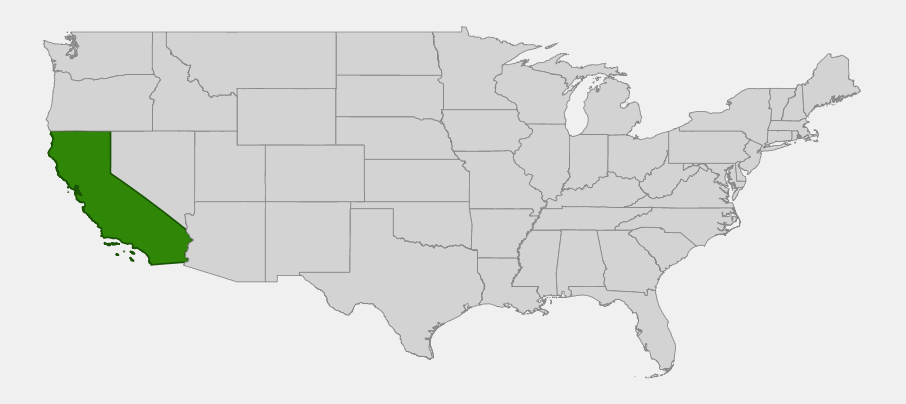
📋 Regional plant lists featuring Lemonade Berry: California and Nevada
Growing & Care Guide
Lemonade berry is among the most forgiving native shrubs available to Southern California gardeners, combining drought tolerance, wind and salt resistance, and a dense, attractive evergreen form that needs very little from the gardener once established.
Light
Lemonade berry grows best in full sun, which produces the densest foliage and heaviest flowering and fruiting. It tolerates part shade, especially in hot inland gardens, but may become looser and more open in low-light conditions.
Soil & Water
This shrub is remarkably adaptable to soil type, thriving in rocky, sandy, or clay soils as long as drainage is adequate. Water regularly during the first one to two years to establish a deep root system, then reduce irrigation substantially; established plants are highly drought tolerant and often need no supplemental water in coastal gardens beyond normal rainfall. Overwatering mature plants, especially in summer, can invite root rot.
Planting Tips
Plant from containers in fall or early winter so roots can establish during the rainy season before summer heat arrives. Space plants 8 to 12 feet apart for a natural screen, or closer if planning to maintain a clipped hedge. Lemonade berry tolerates coastal wind and salt spray well, making it an excellent choice for exposed bluff-top or beachfront plantings where few other shrubs thrive.
Pruning & Maintenance
Lemonade berry takes well to shaping and can be pruned into a formal hedge, trained as a small single-trunked tree, or left to grow into its natural rounded mound. Prune after flowering to avoid removing the flower buds, and thin congested interior growth occasionally to improve air circulation. The plant is generally pest- and disease-resistant and needs minimal ongoing maintenance.
Landscape Uses
Lemonade berry’s versatility makes it valuable across many garden settings:
- Coastal gardens that need wind- and salt-tolerant evergreen structure
- Hedges and screens, clipped or informal
- Erosion control on slopes and coastal bluffs
- Wildlife gardens, for its nectar, fruit, and nesting cover
- Low-water and fire-wise landscaping in Southern California
- Trained as a small specimen tree with selective pruning
Wildlife & Ecological Value
As one of the dominant shrubs of Southern California’s coastal scrub, lemonade berry supports a disproportionate share of the wildlife that depends on this increasingly fragmented habitat type.
For Pollinators
The dense clusters of small flowers bloom in late winter and early spring, when few other coastal shrubs are flowering, making lemonade berry an important early-season nectar source for native bees and other pollinating insects at a critical time in their annual cycle.
For Birds
The sticky red fruits are eaten by a wide range of birds, including mockingbirds, towhees, and various thrushes, and the dense evergreen canopy provides valuable year-round cover and nesting sites in a landscape where tall, dense shrubs are increasingly scarce.
For Mammals
Coyotes and other mammals consume the fruit and help disperse the seeds, while the dense branching structure offers shelter for small mammals navigating open coastal scrub habitat.
Ecosystem Role
Lemonade berry’s deep, extensive root system helps stabilize the steep, erosion-prone coastal bluffs and canyon slopes it favors, an increasingly important function as Southern California’s coastline faces pressure from both development and storm erosion. As a long-lived, structurally dominant shrub, it also helps define the character of coastal sage scrub plant communities that support numerous other native species.
Cultural & Historical Uses
Lemonade berry has a well-documented history of use by the Indigenous peoples of coastal Southern California, including the Chumash, Tongva, and Kumeyaay, among others, who gathered the ripe, sticky fruits and soaked them in water to produce a tart, cooling drink, the origin of the plant’s common name. The fruit’s natural acidity, from malic acid on the fruit surface, gave the drink a flavor often compared to lemonade or pink lemonade.
Beyond the fruit drink, the wood and branches of lemonade berry have historically been put to small practical uses, such as tool handles and construction of simple implements, reflecting the plant’s abundance and accessibility along the coast where many Indigenous communities were concentrated.
In more recent history, lemonade berry became a staple of Southern California native plant horticulture as interest in drought-tolerant, regionally appropriate landscaping grew through the twentieth century. It remains one of the most widely recommended native shrubs for coastal gardens, parks, and highway plantings throughout its range, valued as much today for its low water needs and resilience as it once was for its fruit.
Frequently Asked Questions
Can you eat lemonade berry fruit?
Yes, the ripe fruit has a long history of use for a tart, lemonade-like drink made by soaking the berries in water and straining out the solids. The fruit itself is sticky and resinous and is not typically eaten out of hand.
Is lemonade berry the same as poison oak?
No, though both belong to the Anacardiaceae (sumac) family. Lemonade berry has simple, oval, leathery leaves, unlike poison oak’s three-part leaflets, and does not cause the allergic skin reaction associated with poison oak.
How much water does lemonade berry need?
Very little once established. Water regularly for the first one to two years, then taper off; mature plants in coastal Southern California typically need no supplemental irrigation beyond normal seasonal rainfall.
Can lemonade berry be grown as a hedge?
Yes, it responds well to clipping and is a popular choice for evergreen hedges and screens in Southern California, tolerating regular shaping without losing vigor.
Is lemonade berry native outside California?
No. Its natural range is limited to coastal Southern California and the northern tip of Baja California, Mexico; it is not native to any other U.S. state, including Nevada.

Looking for a nursery that carries Lemonade Berry?
Browse our native plant nursery directory: California