Composting Tips for Tennessee Gardeners: Expert Strategies for Healthy Soil and Thriving Plants
Last updated: November 23, 2026
Tennessee gardeners hoping to boost their soil and cut down on waste can really get a lot out of composting. The trick is figuring out how to balance green and brown materials while keeping the right moisture levels—especially with Tennessee’s unpredictable weather.
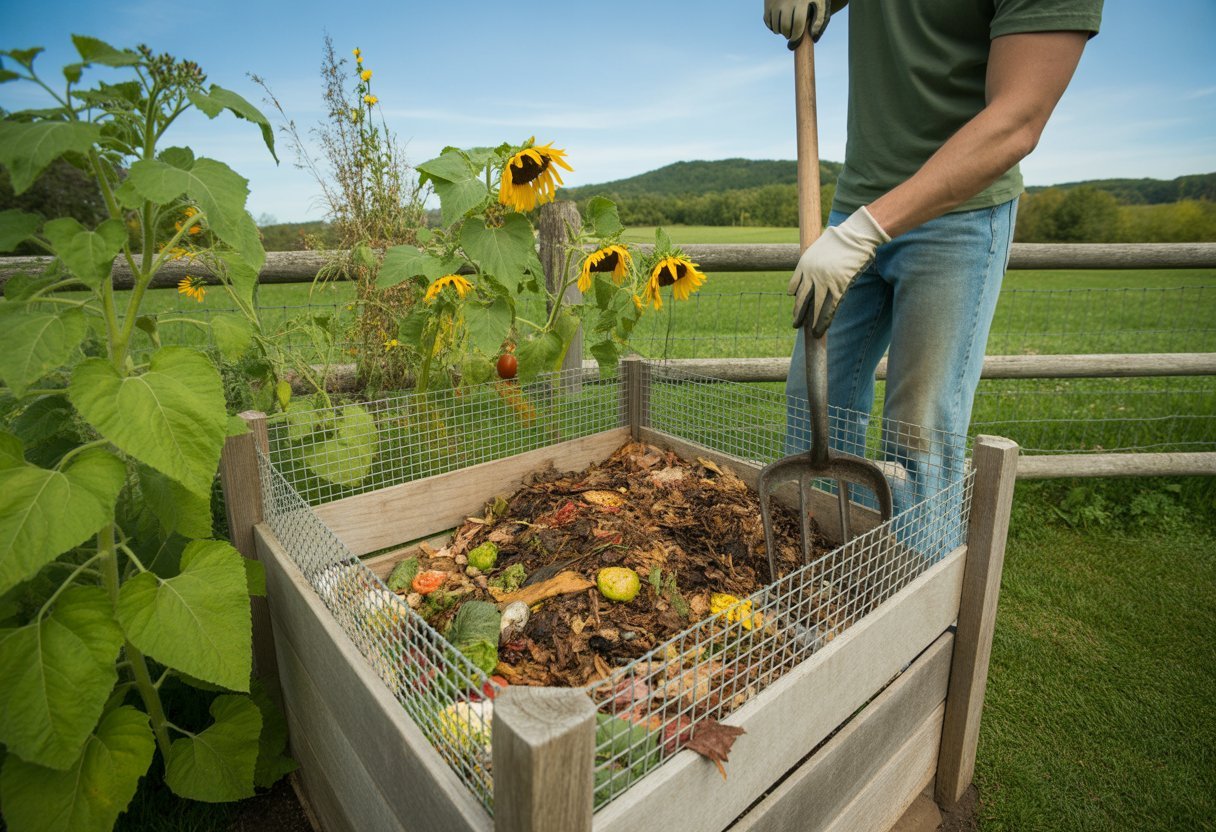
Composting in Tennessee works best when you mix kitchen scraps, yard waste, and whatever organic materials you can find locally. Turning and checking the pile often encourages it to break down and become that nutrient-rich compost your plants crave.
You’ll also want to pay attention to the seasons. Tennessee’s hot summers and humidity can mess with your compost, so adapting your habits matters if you want better soil quality and sustainable gardening all year.
Getting Started With Composting in Tennessee
Think about your local climate, what materials you have on hand, and the space you’ve got before you start composting in Tennessee. Picking the right equipment, knowing what to toss in, and placing your compost pile in a smart spot can really speed things up and give you better compost for your garden beds.
Choosing the Right Compost Bin
Pick a compost bin that fits your yard and the kind of waste you’ll use. In Tennessee’s sticky summers, bins with decent airflow help prevent soggy, smelly piles.
Here are a few common bin types:
- Plastic bins: Tough and good at holding heat, these work well for food scraps and yard clippings.
- Wire mesh bins: They let in lots of air but can dry out fast if it’s really hot.
- Tumbling bins: Super convenient for turning compost, and they tend to break stuff down a bit faster.
A bin around 3x3x3 feet is a good size—big enough to work but not overwhelming. Make sure you can get to it easily so you’re not tempted to ignore it.
Selecting Composting Materials
You’ll want a good mix of “greens” and “browns.”
Greens (nitrogen-rich):
- Vegetable and fruit peels
- Fresh grass clippings
- Coffee grounds
Browns (carbon-rich):
- Dry leaves
- Straw or mulch
- Shredded paper
If you’ve got a pile of leaves in the fall or lawn clippings in spring, use them! Skip the meat, dairy, and anything greasy—they just attract critters and slow things down. Try to keep about twice as many browns as greens for a pile that stays hot but not soggy.
Optimal Location and Setup
Where you put your compost really matters. Aim for partial shade so it doesn’t dry out too fast in the summer.
Set the bin on bare ground or grass so worms and other helpers can get in and do their thing. Keep it close to your garden beds if you can—makes hauling finished compost a breeze.
You’ll want water nearby to keep the pile damp (but not swampy). Every week or two, grab a pitchfork and give it a good turn to keep air moving and the breakdown going strong.
Soil Health and Nutrient Management
Keeping soil healthy in Tennessee means watching nutrients, organic matter, and how the soil feels in your hands. Good composting helps cycle nutrients and keeps your soil in top shape, especially when you adjust for local quirks.
Conducting a Soil Test
Grab a soil test kit before you add compost or fertilizer. You’ll learn your soil’s pH, how much organic matter is there, and what nutrients you might be missing.
Tennessee soils usually fall between 5.5 and 7.0 on the pH scale—so, a little acidic to almost neutral. Testing points out if you’re short on nitrogen, phosphorus, or potassium.
Figuring out what your soil lacks helps you avoid overdoing it with compost or organic fertilizers. Local extension offices usually offer reliable tests that won’t break the bank.
Checking your soil every couple of years keeps things balanced and your topsoil in good shape.
Balancing Organic Matter and Nutrients
Mixing in compost full of organic matter really boosts how your soil holds nutrients and supports all those busy microbes. Compost—sometimes called “black gold”—feeds soil life and releases nutrients slowly.
Shoot for a carbon-to-nitrogen (C) ratio close to 25:1 or 30:1. That means blending green stuff (like veggie scraps) with browns (like dried leaves).
Too much nitrogen can wash away, and not enough organic matter leaves your soil tired. Combining compost with organic fertilizers gives your plants what they need without overloading the environment.
Improving Soil Structure
Compost does wonders for soil structure. It helps clump soil particles together, which lets roots breathe and water drain.
If you’re stuck with Tennessee clay, compost makes it less compact and more crumbly. That means fewer puddles and easier digging.
Adding compost regularly keeps your soil loose and healthy, making it easier for plants to soak up nutrients and grow strong.
Seasonal Composting Strategies for Tennessee Gardeners
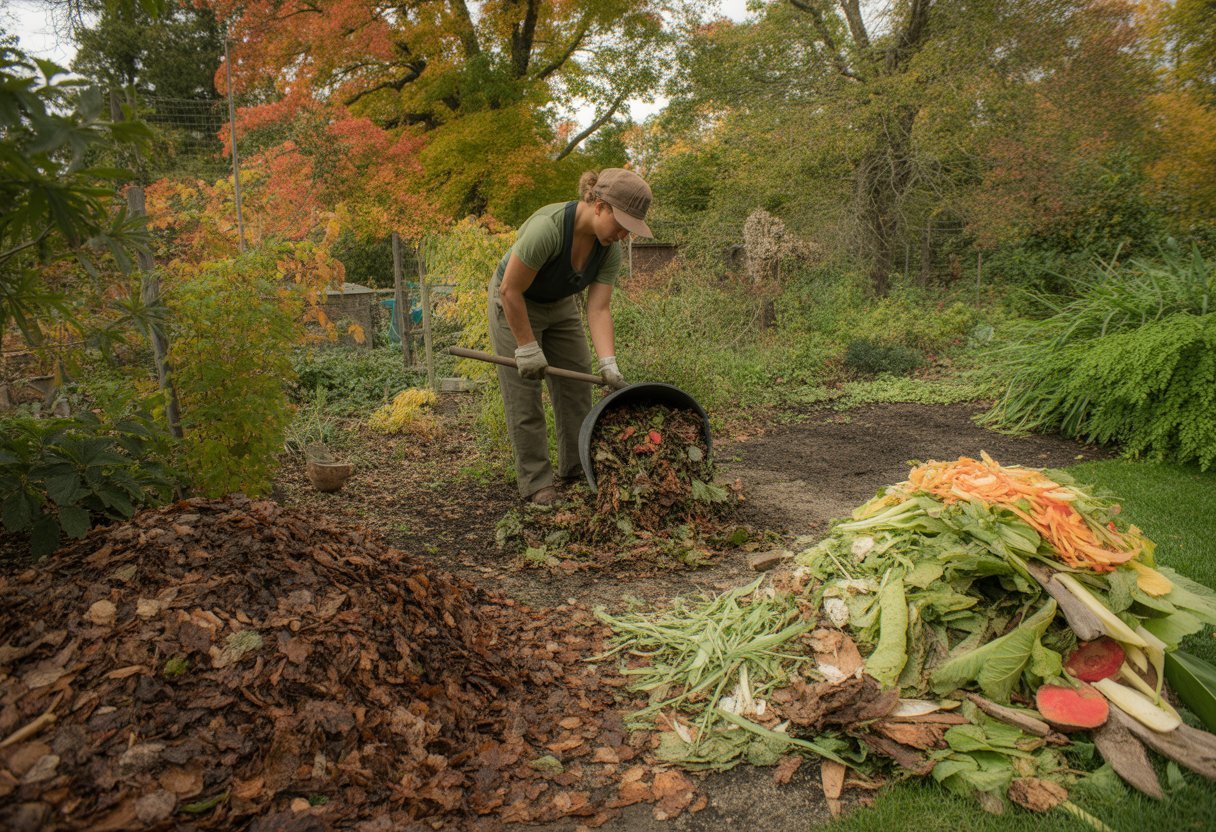
Composting in Tennessee isn’t a “set it and forget it” deal. You’ll need to tweak your approach as the weather changes if you want your pile to keep breaking down and feeding your garden.
Managing Compost Piles Through the Seasons
Summers here get hot, and compost piles can dry out fast. Water the pile enough to keep it damp—aim for about 40-60% moisture.
Turning the pile every couple of weeks helps mix in air and keeps things moving. When fall hits, you’ll have plenty of leaves and yard waste.
Layer those with your green scraps to keep the carbon and nitrogen balanced. Shred big stuff so it doesn’t block airflow.
Winter slows everything down, but you can still compost. Cover or insulate your bin to hold in heat, and don’t bother turning it as often when it’s freezing.
Keep an eye on moisture, though—dry piles won’t break down, even in winter.
Utilizing Cover Crops and Mulch
Try planting cover crops like clover or rye in your raised beds in fall or early spring. They protect your soil and add organic matter when you turn them under.
Mulching with shredded leaves or grass clippings in summer and fall keeps moisture in and weeds out. As mulch breaks down, it adds nutrients right where your plants need them.
Combining cover crops and mulch with composting helps your soil stay healthy no matter what Tennessee’s weather throws at you.
Advanced Tips for Sustainable Tennessee Gardens
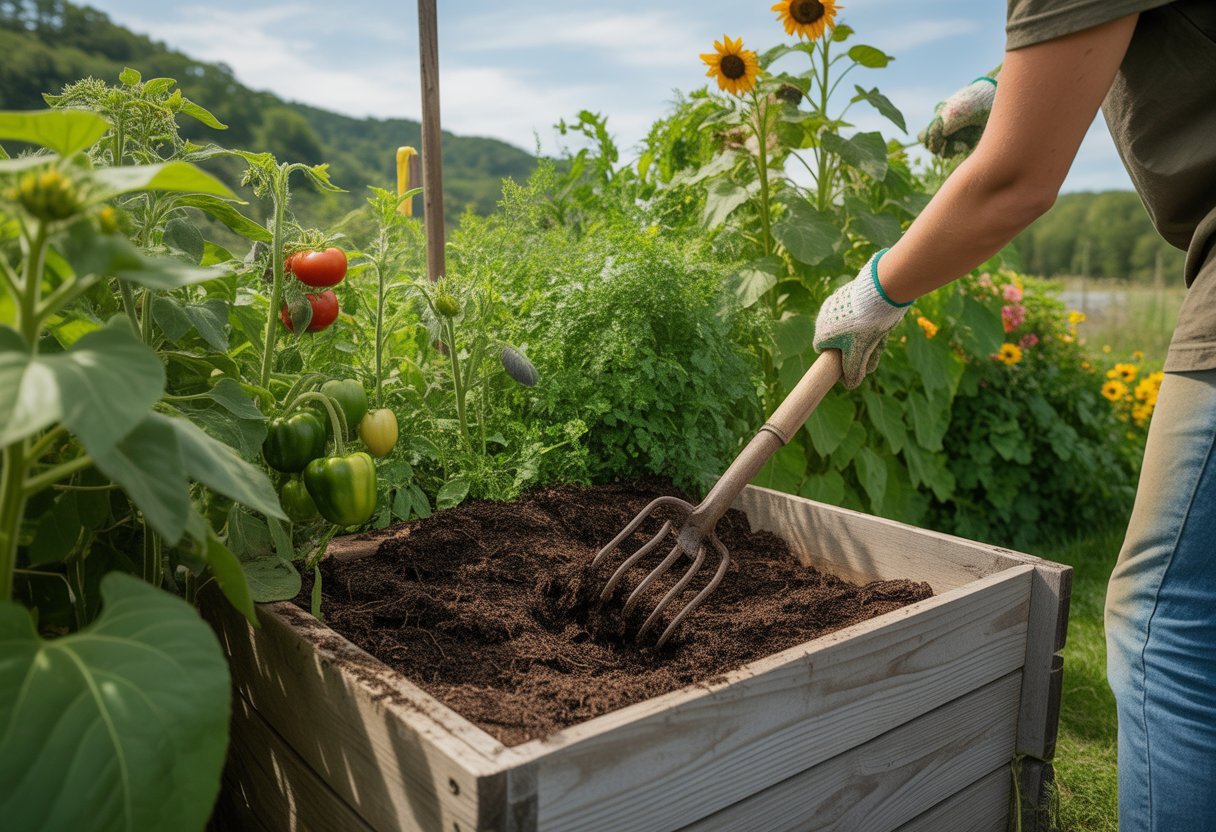
If you want your Tennessee garden to thrive long-term, composting can make a huge difference. It not only boosts soil health but also helps out the good bugs.
Supporting Pollinators and Biodiversity
Attracting pollinators—bees, butterflies, you name it—means planting native wildflowers and skipping the pesticides. Pick flowers that bloom at different times so there’s always something for them to snack on.
Mulch with organic stuff like shredded leaves or straw to keep soil moist and give helpful insects a home. Compost feeds your plants without leaving behind chemicals that could hurt pollinators.
Herbicides? Best to avoid them, especially near pollinator plants. If weeds are a problem, try pulling them by hand or piling on more mulch.
Setting aside a little space just for pollinators can make your whole garden more resilient—and honestly, it’s nice to see those butterflies flitting around.
Avoiding Common Composting Mistakes
Keeping a good balance of “greens” (nitrogen-rich stuff like veggie scraps) and “browns” (carbon sources, think dry leaves) really helps things break down fast. In Tennessee’s humid climate, I’d suggest turning your compost often—otherwise, you’ll probably end up with too much moisture and some pretty funky smells.
Skip adding meat, dairy, or diseased plants. Those can draw in pests and might even spread disease. I usually keep my compost pile away from my veggie beds, just to play it safe and avoid any contamination.
Herbicide residues in yard waste can stick around in compost and end up hurting your plants. So, don’t toss in treated grass clippings or weedy plants that might’ve been sprayed. If you’re not sure, testing your finished compost before spreading it everywhere could save you a headache later.