
Benefits of Planting Native Wisteria for Sustainable Gardening and Ecosystem Support
Last updated: September 17, 2026
Native wisteria’s got a lot going for it, honestly. It brings real value to gardens and landscapes, especially if you care about the bigger picture.
It draws in native pollinators and gives wildlife habitat, which is a win for local ecosystems. This helps keep biodiversity alive and generally boosts environmental health.
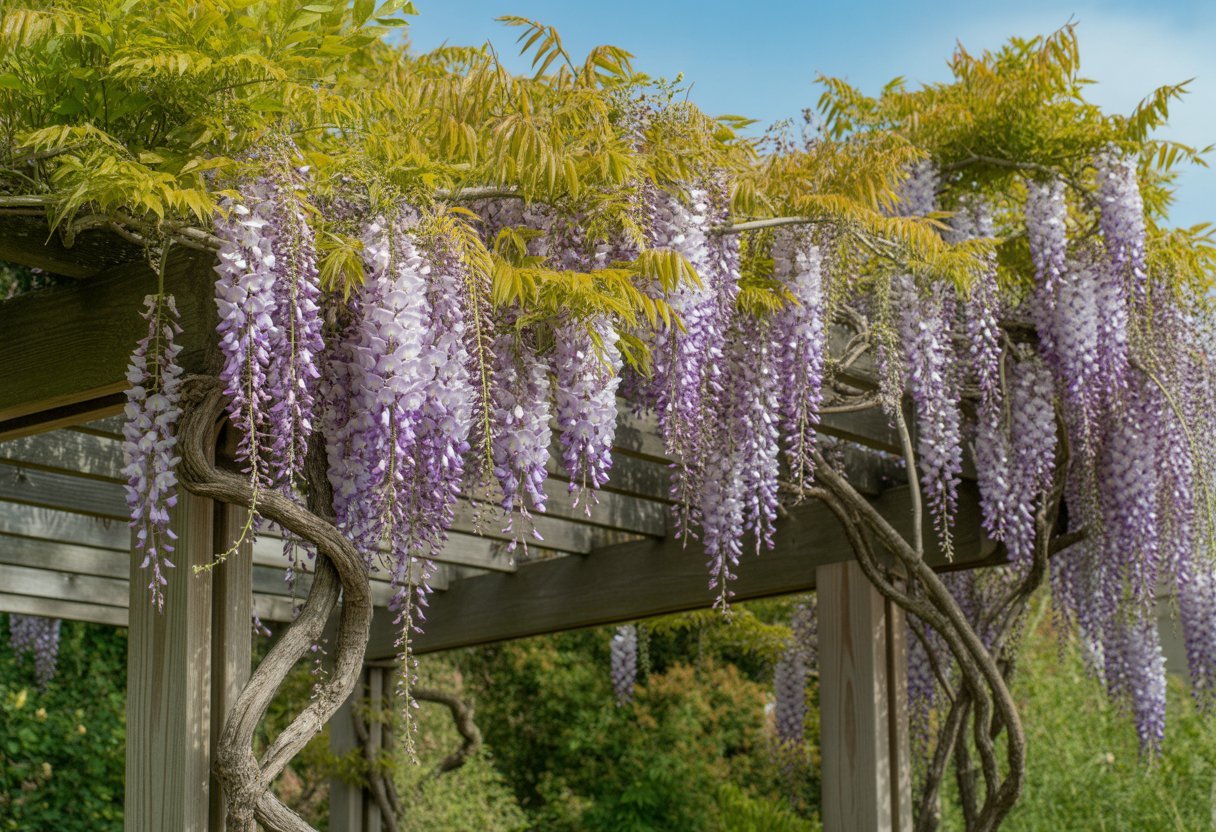
One of the best things about native wisteria? It thrives in local conditions and really doesn’t ask for much. You won’t need to dump a bunch of water, fertilizer, or chemicals on it.
Its resilience just makes it a practical, eco-friendly pick when you put it next to non-native options. Plus, you get these gorgeous, fragrant flowers that light up any outdoor space.
They look good, they smell good, and they’re good for the environment. It’s hard not to see the appeal.
Ecological Advantages of Native Wisteria
Native wisteria doesn’t just sit pretty—it genuinely helps local ecosystems. It interacts with native species in ways invasive plants just can’t.
It supports balanced habitats and doesn’t throw things out of whack. That’s a big deal if you care about keeping things in check.
Supporting Local Wildlife
American wisteria (Wisteria frutescens) puts out blooms that are basically a buffet for native bees and pollinators. When these flowers show up, they give insects the nectar they need during the busiest parts of their year.
This extra food helps pollinators do their job, which means better pollination for other nearby plants. Birds and mammals—especially the locals—end up with more insects to eat.
Unlike the non-native wisterias, the native ones support a wider mix of insects that are adapted to local plants. That’s a boost for biodiversity, especially for critters that need native plants for their whole life cycle.
You’ll find them woven into the food web, making breeding sites and shelter for a bunch of species. It’s a small change with a ripple effect.
Limiting Invasive Species Impact
Native wisteria doesn’t have the same aggressive streak as Chinese wisteria (Wisteria sinensis), which can take over and smother other plants. By choosing native wisteria, gardeners help slow the spread of invasive vines that mess up local habitats.
Since native wisteria grows in a more controlled way, it keeps landscapes stable. You won’t see it running wild and pushing out other plants.
This predictability helps protect native plant communities and keeps natural habitats intact. Over time, that really matters.
Ornamental and Aesthetic Benefits
Native wisteria brings something special to gardens, visually speaking. It’s not just about the blooms—it’s the way it grows, too.
You get lush, living canopies and a splash of color that’s hard to ignore. It’s a plant that adds character, not just filler.
Seasonal Blooms and Visual Appeal
Native wisteria throws out cascades of fragrant flowers in colors like amethyst falls purple, soft pink, or sometimes white. The exact shade depends on the species.
Most of the action happens in spring, but you’ll sometimes catch blooms into early summer. Those hanging clusters can stretch up to a foot long, creating a dramatic display.
Pollinators like bees and butterflies can’t resist them. The scent is subtle but lovely, making time in the garden a bit more enjoyable.
Enhancing Garden Structures
Wisteria vines have a knack for climbing and covering things like arbors, pergolas, and fences. They quickly turn plain structures into leafy hideaways.
The vines wrap tightly around supports, adding height and softening harsh lines. You do need to keep an eye on them—pruning is a must—but with a little effort, they hold their shape and look great with almost any garden style.
A simple pergola can become a real showpiece when native wisteria’s in bloom. Those flower-laden branches drape overhead, making outdoor spaces feel more inviting without a major overhaul.
Cultivation and Practical Value
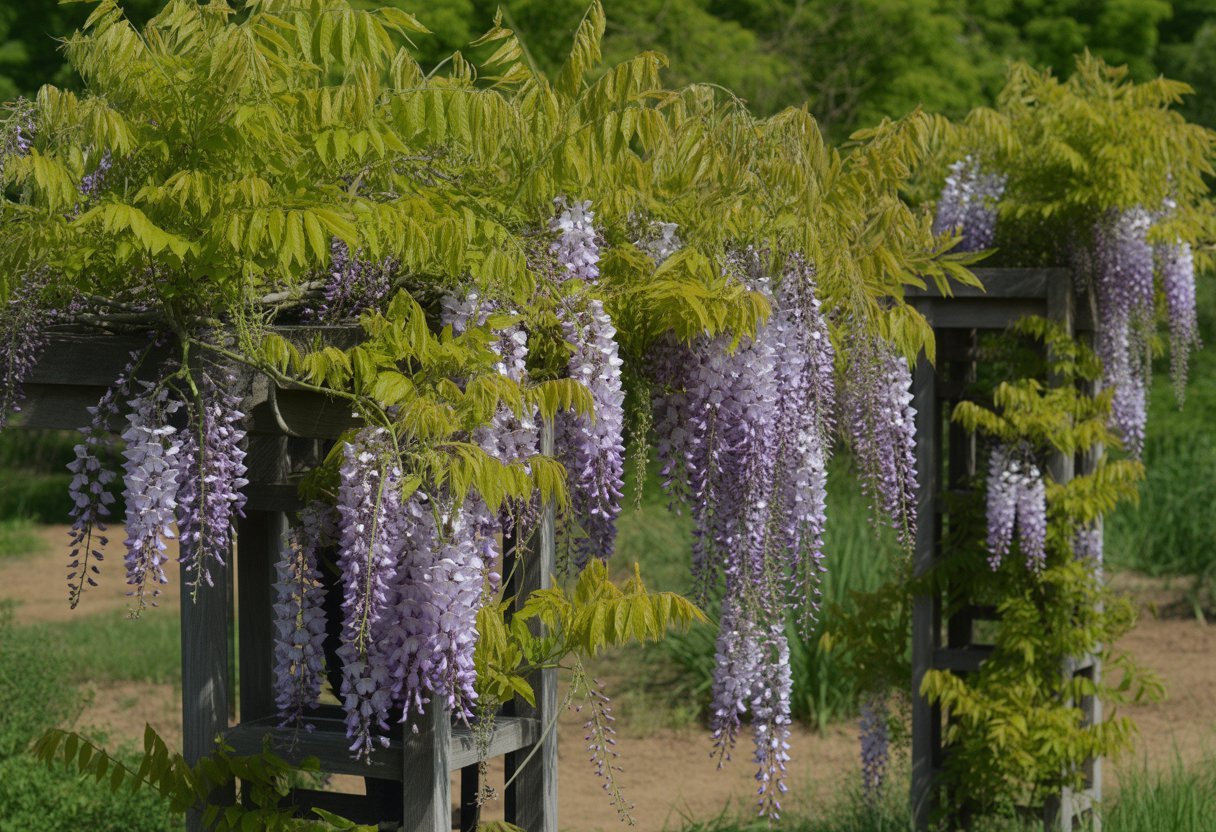
Gardeners and landscapers get a lot of mileage out of native wisteria. It’s adaptable, tough, and doesn’t need a ton of fuss.
The main work is pruning and keeping an eye on soil conditions. And yeah, knowing a bit about toxicity keeps things safe for pets and kids.
Adaptability to Growing Conditions
Native wisteria likes well-drained soils that stay moist but can handle some dry spells. It does best in full sun to partial shade—the more sun, the more flowers, usually.
You’ll see the best results in USDA hardiness zones 5 through 9, but with some care, it can stretch a bit outside that range. The vine is versatile, climbing fences, trellises, or even walls, and it uses twining stems that won’t tear things up.
Its leaves handle a range of light levels, so urban gardens or wilder spots both work. Just avoid soggy soils, since root rot is no fun for anyone.
Ease of Maintenance and Longevity
Native wisteria sticks around for decades if you treat it right. Give it a good pruning each year—late winter or early spring is best—to keep it in check and encourage more blooms.
Skip the heavy fertilizer if your soil’s already decent. Because it’s adapted to the local climate, it usually outlasts non-native varieties and bounces back from tough weather.
With some basic care, native wisteria keeps adding beauty and shade for years. It’s hard not to appreciate a plant that just gets better with time.
Safety and Toxicity Considerations
Native wisteria packs some poisonous compounds in its seeds and pods. If humans or pets eat them, they might experience mild to moderate toxicity.
The leaves and flowers generally aren’t much of a problem during normal handling. Still, it’s smart to keep children and animals away from those tempting seed pods.
Pruning the vine can irritate sensitive skin for some people, so tossing on a pair of gloves isn’t a bad idea. Native wisteria tends to be safer than a lot of exotic ornamental vines, but it pays to remember which parts are toxic.
Good info here.