Best 5 Avocado Trees To Grow In Houston Texas
Last updated: August 28, 2026
⚡ Quick Facts: Growing Avocados in Houston
- Houston zone: 9a — excellent for cold-hardy avocado varieties
- Best bet: Mexican avocado varieties and their hybrids handle Houston’s occasional freezes
- Critical threat: Hard freezes below 22°F (which Houston gets every few years) can kill even cold-hardy avocados
- Time to fruit: 3–5 years from a grafted tree; 7–10 years from seed
- Pollination: A single tree produces fruit, but two trees (one Type A + one Type B) significantly increases yield
- Drainage is critical — avocados are highly susceptible to root rot in waterlogged soil
The best avocado tree for Houston Texas is a Mexican variety, which has better cold-hardiness. While it is not common to grow avocado trees in the South, they can be grown in the coldest areas of the country, including northern and eastern parts of Texas.
Once established, these avocados should require little maintenance after the first few years. To plant, dig a hole that is deep enough to accommodate the root ball of the tree.
The best avocado tree for Houston Texas is a Mexican variety. This variety is hardy and thrives in the southern United States.
In fact, it was developed by Bill Schneider, who started Devine Avocados in San Antonio. His company produces two varieties of Mexican avocados, Opal and Wilma.
These trees have thin, glossy black skins and a delicate flavor. You can also get a 2 to 3-foot-tall ‘Bacon‘ avocado tree from Nature Hills.
If you’re looking for a tree that will survive the cold Houston climate, you should consider a Mexican avocado tree. Although these trees can’t withstand outdoor freezing, they will perform well in south Texas.
They grow up to 15 feet tall and have a good yield. They are also relatively hardy trees, and can live for 30 years if properly cared for. It is important to keep avocados in a sunny area to ensure they produce fruit.
The Lila is one of the best avocado trees for Houston Texas. This avocado grows very fast and is dense. In Central Texas, Lila is around twelve to fourteen feet tall.
To protect it from the hot, dry climate, it should be grown on high ground. It requires good drainage and ample water to stay healthy and thrive. The Mexican avocado tree requires full sun and is best planted on a raised bed.
The Lila avocado is a good choice for a Houston garden. Its dark purple skin is perfect for cooking. It is a great choice for the Houston climate.
The Lila is the best avocado tree for Houston, Texas. You can grow it anywhere in your yard, provided that it has good drainage and enough room. However, it is important to plant it in a sunny location because it will need protection in colder climates.
You can grow avocado trees in Houston. The best avocado tree for Houston is a hardy tropical tree that will thrive in a sunny location.
They can grow to over 12 feet tall and will need plenty of water. You can choose from Mexican, Guatemalan, or West Indian varieties. The Great, Fantastic, and Joey are the three most common types. The Mexican variety is the best choice for Central Texas.
Cold Hardy Avocado Tree
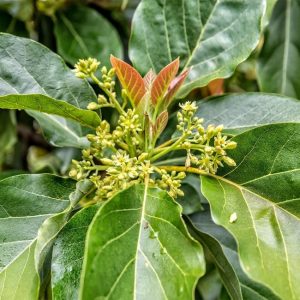
There is nothing better than home-grown avocados, no matter where you live. With the Cold Hardy Avocado Tree, getting your hand on some delicious fruit has never been easier.
Trees of this species are strong in the cold and can withstand temperatures as low as 20 degrees in order to live up to their name.
During the winter, you can easily plant your Avocado Tree in a container and bring it inside where it will continue to grow.
If you choose to plant seeds, you will reap an abundant yield of fruit, year after year, and more quickly than if you were to plant seeds.
Since the Cold Hardy Avocado grows fast, you are going to be able to enjoy your avocados in as soon as three years as opposed to the 10 years or longer it takes to produce fruit from seedlings.
Condo™ Avocado Tree
The reason for this is because you just need a sunny window to harvest your own avocados, which are grown in your backyard.
The avocado only begins to fruit when it reaches a height of three feet – no indoor avocado will give you fruit until it reaches three feet in height.
Despite its small size, this plant is capable of producing a surprisingly large amount of fruit that will continue to increase as it reaches maturity.
In addition, it is a delicious superfood that is rich in nutrients and buttery smooth.
It is possible to enjoy your avocados straight from the tree or you can incorporate them into a variety of dishes.
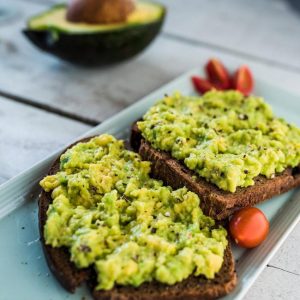
Eat avocado on toast, make healthy smoothies, or prepare amazing fresh guacamole with your avocados.
Bacon Avocado Tree
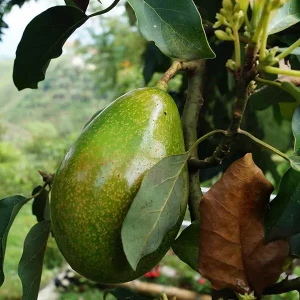 Bacon Avocado Trees (Persea americana ‘Bacon’) are quite prolific in the winter when temperature is severe, when large number of avocados are produced.
It is the first variety of the season to enter the seasons after the earlier varieties begin to go dormant for the year.
In addition to its lovely upright stature and spreading habit, this tree is a charming addition to your lawn.
With the glossy and verdant dark green leaves attached to the plants, your yard will look like it is situated in a tropical forest.
It is believed that the oval fruits produced by the Bacon Avocado reach their ripening stage in late fall and early spring.
The smooth, green skin of the fish stands out quite a bit against its creamy flesh.
Donnie Avocado Tree
Slimmer in shape, the slimmer fruit is dark green with pale green flesh, it has a mild taste which is not overpowering. Ideal for using both fresh and cooked in any of your favorite recipes!
Make your own creamy savory fruit salad by substituting mayonnaise and dressings for this delicious creamy savory fruit.
In addition to ripening very early in the season, these are also self-fertile, but for larger crops, plant this type ‘A’ avocado tree with a type ‘B’ tree for a steady supply of fruit that continues to grow all year round!
The Donnie Avocado Tree (Persea americana ‘Doni’) will provide you and your landscape with a wide variety of benefits!
You will enjoy the delicious, healthy fruit and the exotic shade of the Donnie Avocado Tree! With homegrown fruit right outside your door, you will adore the freshness and convenience it brings!
Monroe Avocado Tree
The Monroe Avocado Tree (Persea americana ‘Monroe’) is a handsome, tasty and healthy avocado tree that can be found growing in Florida.
It has proven to be particularly hardy to cold temperatures compared to other varieties. Monroe will produce glossy, dark green to nearly black fruit in late spring, thus making him an ideal type B pollinator for your avocado grove.
Spring is the time to witness a display of light-green flowers that appear in umbels loaded with star-shaped blossoms.
Often seen at the ends of the branches, these give way to the fruit that is so iconic to the species. Although your tree may be smothered in blossoms, only a few of these blossoms will actually be pollinated by bees and other beneficial pollinators.
It is believed that avocado fruit ripens on the tree late in the season, usually towards the end of the winter. This fruit has a classic appearance with its dark green, rough-skinned exterior and creamy, green interior with a tan seed that makes it a tasty addition to breakfast toasts, smoothies, and savory dishes!
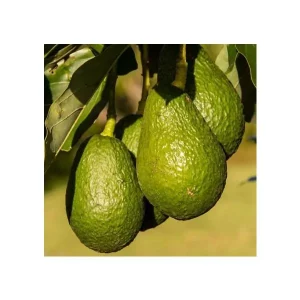
A good example of this is the Hass, which produces outstanding fruit.
The nectarine is loved for the green skin, large, oval fruits with a pebbly texture, which give a pleasing appearance when arranged against a lush, glossy background.
Hass Avocados, with their creamy but slightly nutty flavor, have become today’s standard against which all Avocados are compared.
It is guaranteed that this fruit will delight your palate and add a delightful flavour to a variety of dishes such as salads and desserts.
Take a bite out of the latest trend… an avocado toast! You can sprinkle coarsely ground pepper on top, spray it with Lemon juice and drizzle it with some extra virgin olive oil.
This dish is very tasty and contains a lot of monounsaturated fats as well as fiber, so it is very healthy. Are you thinking about trying out the popular Keto diet? Instead of eating bread, try low-carb bread. In either case, you will be eating a healthy diet.

Looking for a nursery that carries native fruit trees in Texas?
Browse our native plant nursery directory: Texas
Choosing the Right Avocado for Houston
The key to growing avocados successfully in Houston is choosing cold-hardy varieties developed from Mexican (Persea drymifolia) genetics. These handle temperatures down to the mid-20s°F — low enough to survive most Houston winters, though severe freezes in February (like those in 2021) can kill even well-established trees.
Top Cold-Hardy Avocado Varieties for Houston
- Lula — one of the most cold-hardy cultivars, survives brief dips to 22°F; large, pear-shaped fruits with excellent flavor; ripens fall/winter
- Gainesville — bred at University of Florida specifically for Gulf Coast conditions; medium fruit, good cold hardiness, ripens fall
- Brazos Belle — Texas-developed variety specifically bred for cold hardiness in the state; excellent choice for Houston area
- Joey — compact dwarf variety, excellent cold hardiness, produces consistently despite Houston’s weather variability
- Mexicola — small fruits with thin, edible skin; exceptional cold hardiness (to 18°F); prolific producer but fruit size is smaller than Hass
Understanding Avocado Flowering Types
Avocado flowers are unique — each flower is female (receptive to pollen) at one time of day and male (releasing pollen) at another. This prevents self-pollination. Trees are classified as:
- Type A — female in morning, male in afternoon (Hass, Gwen, Pinkerton)
- Type B — female in afternoon, male in morning (Fuerte, Zutano, Bacon)
Planting one Type A and one Type B together creates a continuous cycle where one tree is always releasing pollen when the other is receptive. You’ll get fruit from a single tree, but yield can triple with a cross-pollination partner.
Planting and Care Guide for Houston Avocados
Soil Preparation
Houston’s heavy clay soils are the #1 challenge for avocado growers. Avocados need excellent drainage — roots sitting in waterlogged clay will develop Phytophthora root rot within weeks. Solutions:
- Raised beds: Build a raised bed 18–24 inches high with a mix of native soil, compost, and coarse sand
- Sloped planting: Plant on a slope where water naturally drains away
- Mound planting: Create a 12–18 inch mound of improved soil and plant on top, allowing roots to grow down into improved drainage
Freeze Protection
Even cold-hardy varieties need protection during Houston’s occasional hard freezes:
- Cover trees with frost cloth (not plastic) when temps below 28°F are forecast
- String Christmas lights through the canopy for additional warmth
- Mulch heavily (4–6 inches) around the base to protect roots
- Young trees under 3 years old are most vulnerable and need the most protection
- After a freeze, wait before pruning — dead-looking branches may still be viable; wait 6–8 weeks for new growth to reveal what’s truly dead
For more fruit tree options suited to the Texas Gulf Coast climate, see our guides on plum trees in Texas and cherry trees in Texas.
Frequently Asked Questions
Can you really grow avocados in Houston?
Yes — Houston’s Zone 9a climate makes it possible, with the right variety and freeze protection strategy. Many Houston gardeners successfully harvest avocados every year. The main challenges are periodic hard freezes (the 2021 freeze was particularly devastating) and the city’s heavy clay soils. Use cold-hardy Mexican varieties, plant in raised beds or on mounds for drainage, and have frost cloth ready every winter.
How long does it take an avocado tree to fruit in Houston?
A grafted tree purchased from a nursery typically begins producing fruit in 3–5 years under good conditions. Trees grown from seed (“pits”) take 7–10+ years and may not produce the same quality fruit as the parent. Grafted trees are strongly recommended for Houston home gardens where every growing season matters.
What killed my avocado tree after a Houston winter?
Two likely culprits: (1) A hard freeze killed the tree above ground — if the roots survived, it may resprout from the base; (2) Root rot from waterlogged soil, which is often made worse by the wet conditions following a freeze. Check the roots — healthy roots are white/cream colored; rotting roots are brown, mushy, and smell unpleasant. If roots are healthy but top is dead, the tree may recover with patient pruning of dead wood.