
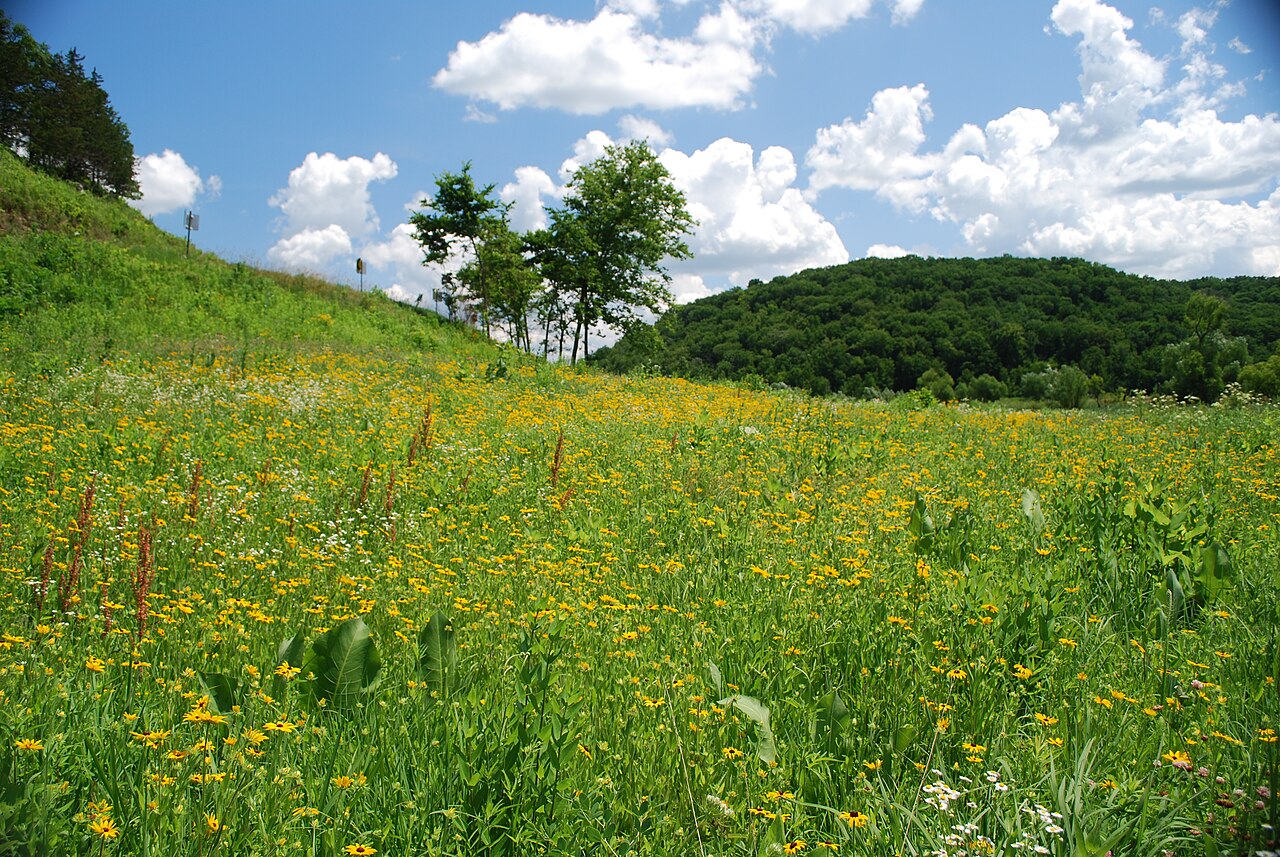
A restored prairie full of black-eyed Susans. Large areas like this are usually seeded, because buying plants for every square foot costs far more. Photo:
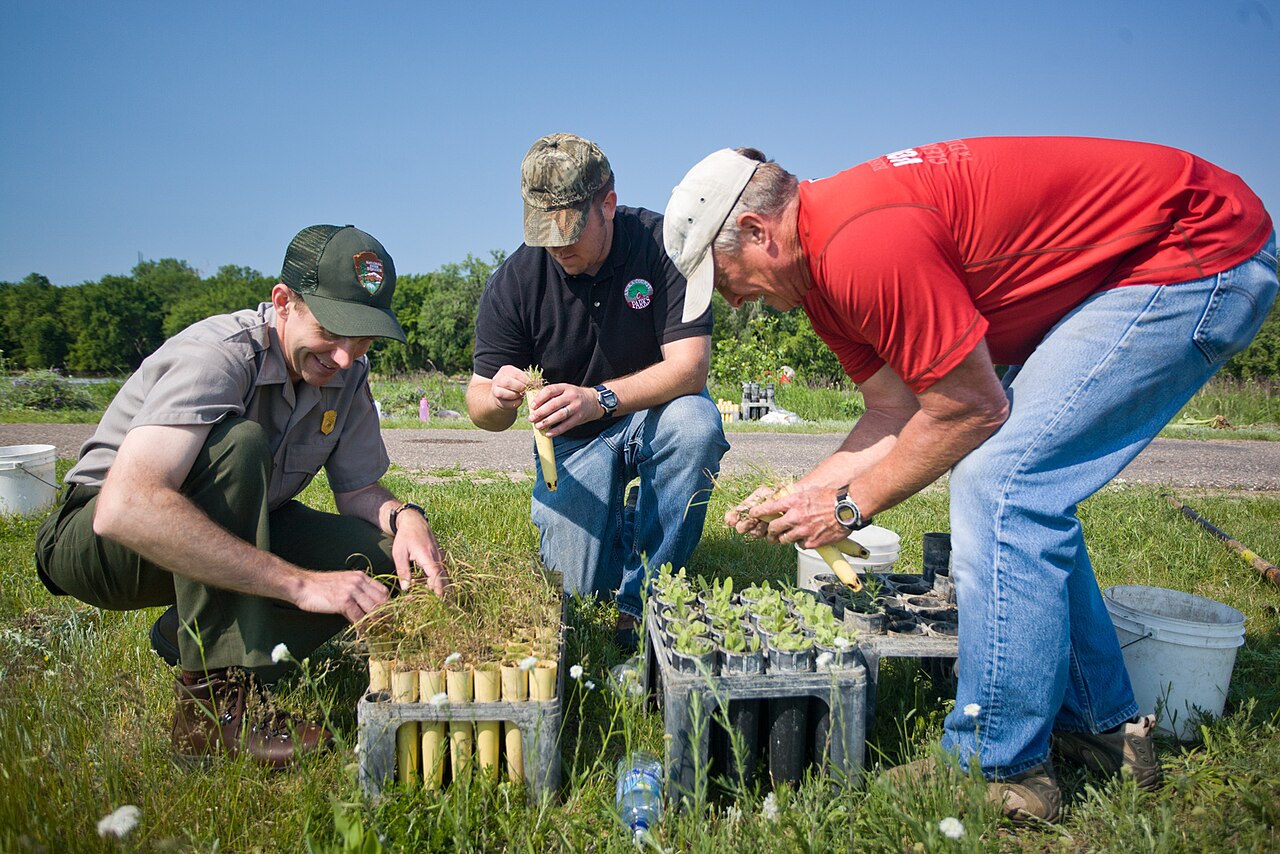
Volunteers sorting plug trays before planting. Plugs cost more per square foot than seed, but each one is a plant you can see and weed
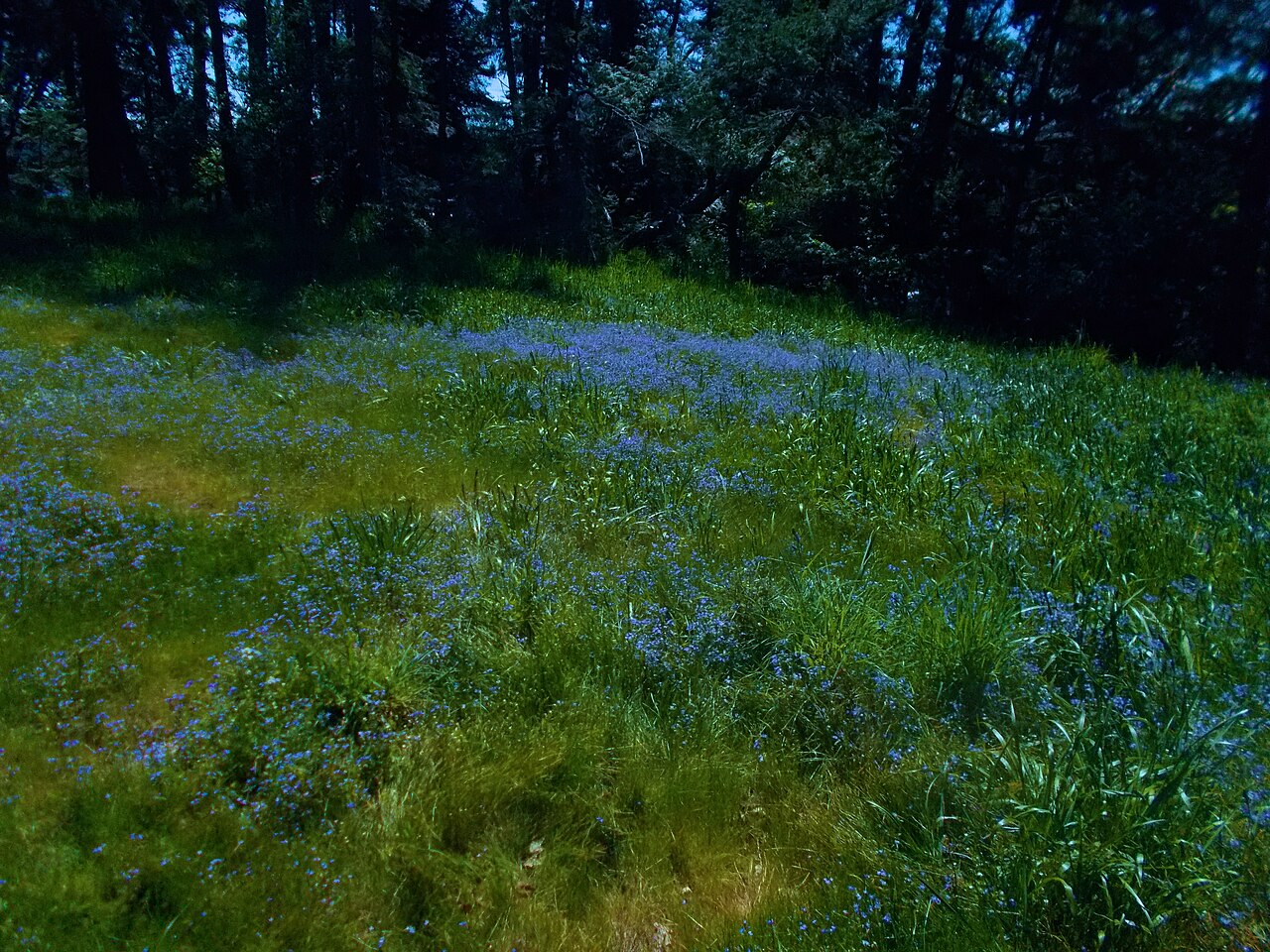
A camas meadow in May on Galiano Island, British Columbia: soaked in spring, dry by late summer. Photo: Arrecifazo, Wikimedia Commons (CC BY-SA 4.0) West
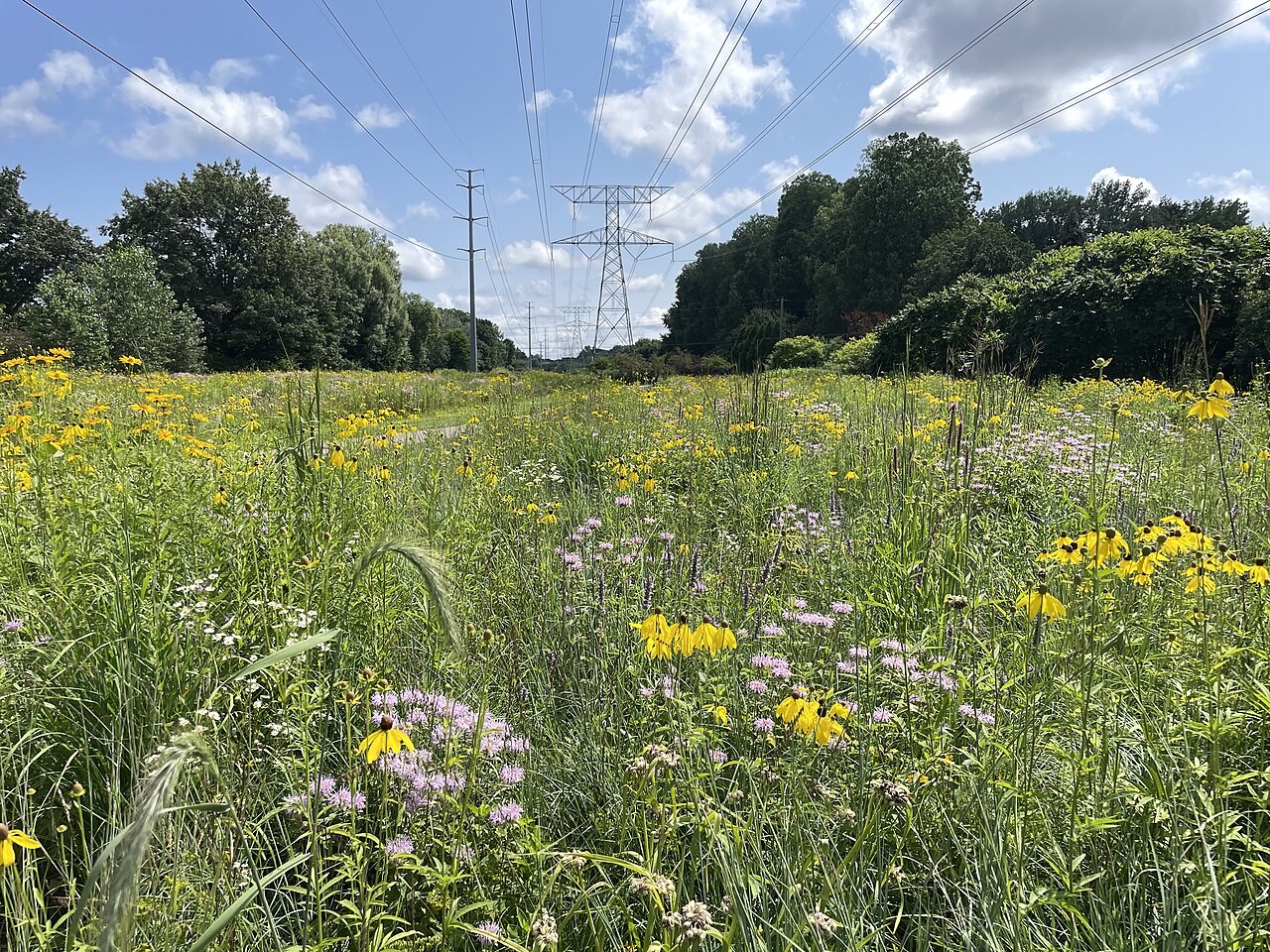
A native planting in full summer bloom. Most new plantings take about three seasons to look like this. Photo: U.S. Fish and Wildlife Service –
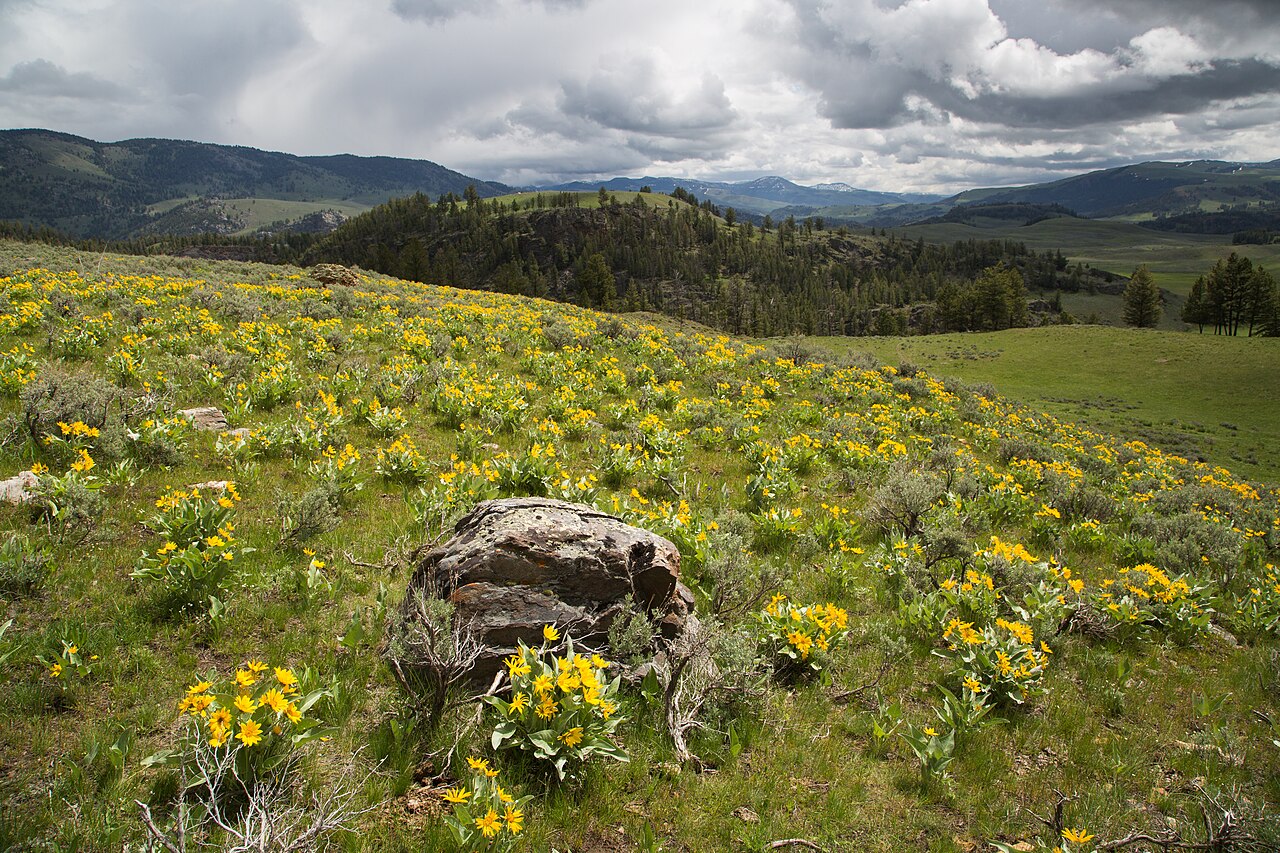
Arrowleaf balsamroot on an open foothill slope, one of several distinct plant communities stacked up the mountains of the Interior Northwest. Photo: Neal Herbert (NPS),
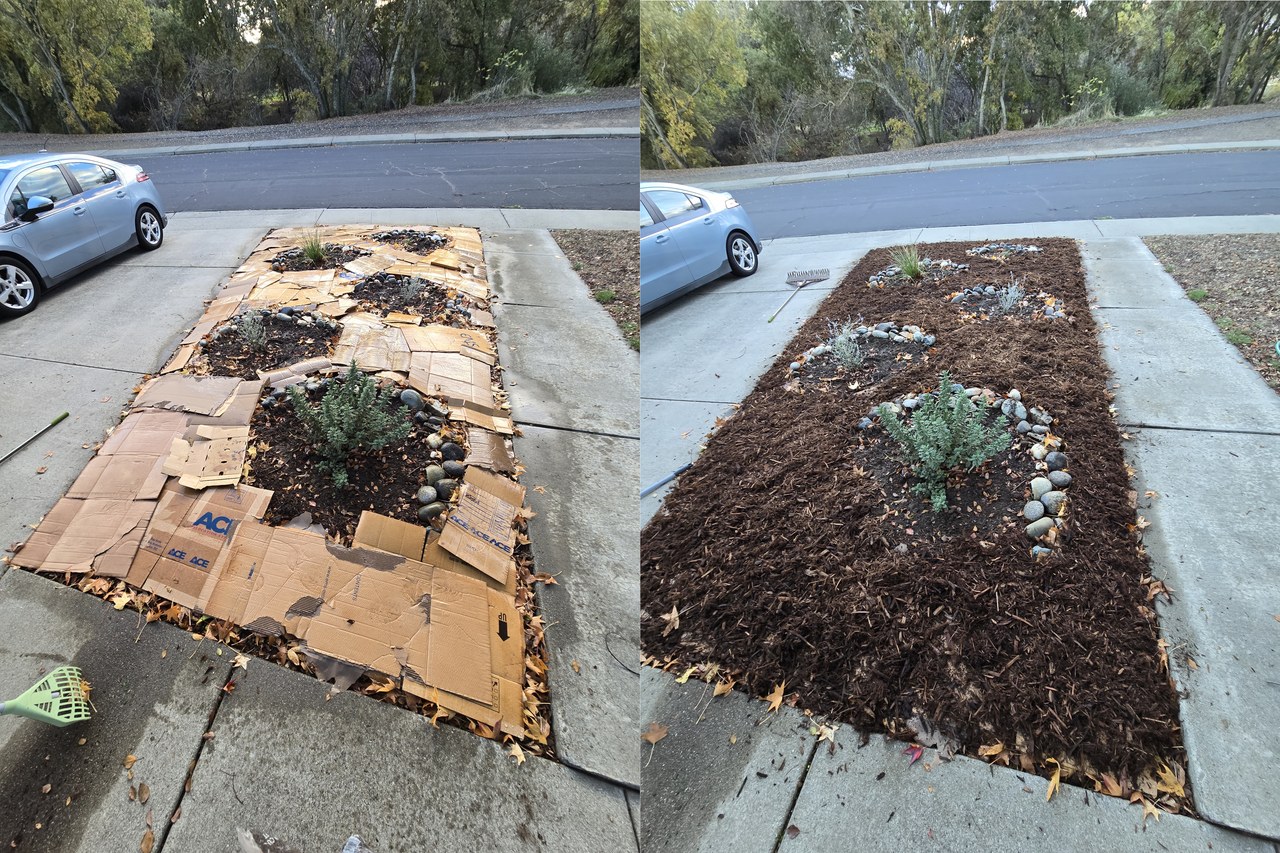
Cardboard laid around new plants (left) and the same strip once covered with wood mulch (right). Planting straight into the sheet mulch is one of
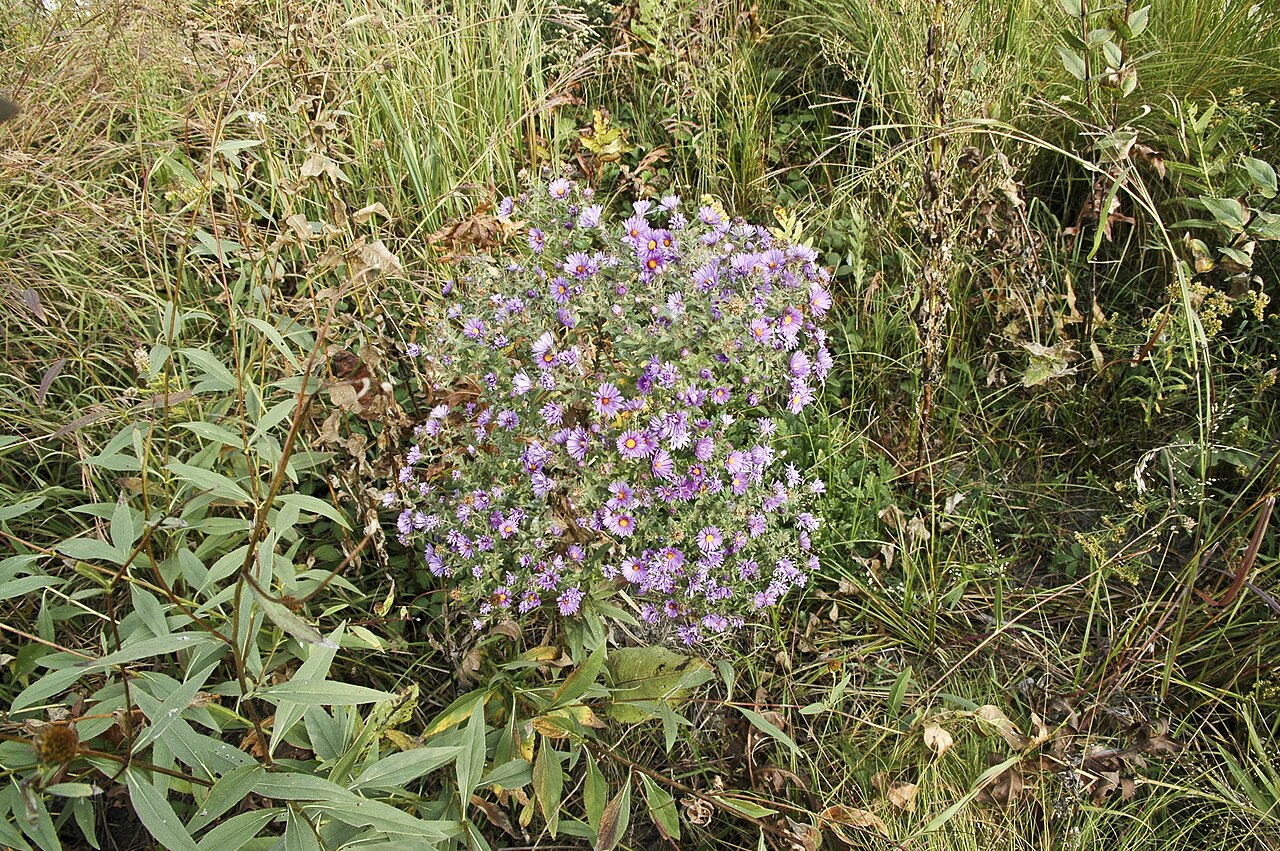
New England aster blooming among prairie grasses in late September at the James Woodworth Prairie Preserve near Chicago. Photo: Frank Mayfield, Wikimedia Commons (CC BY-SA
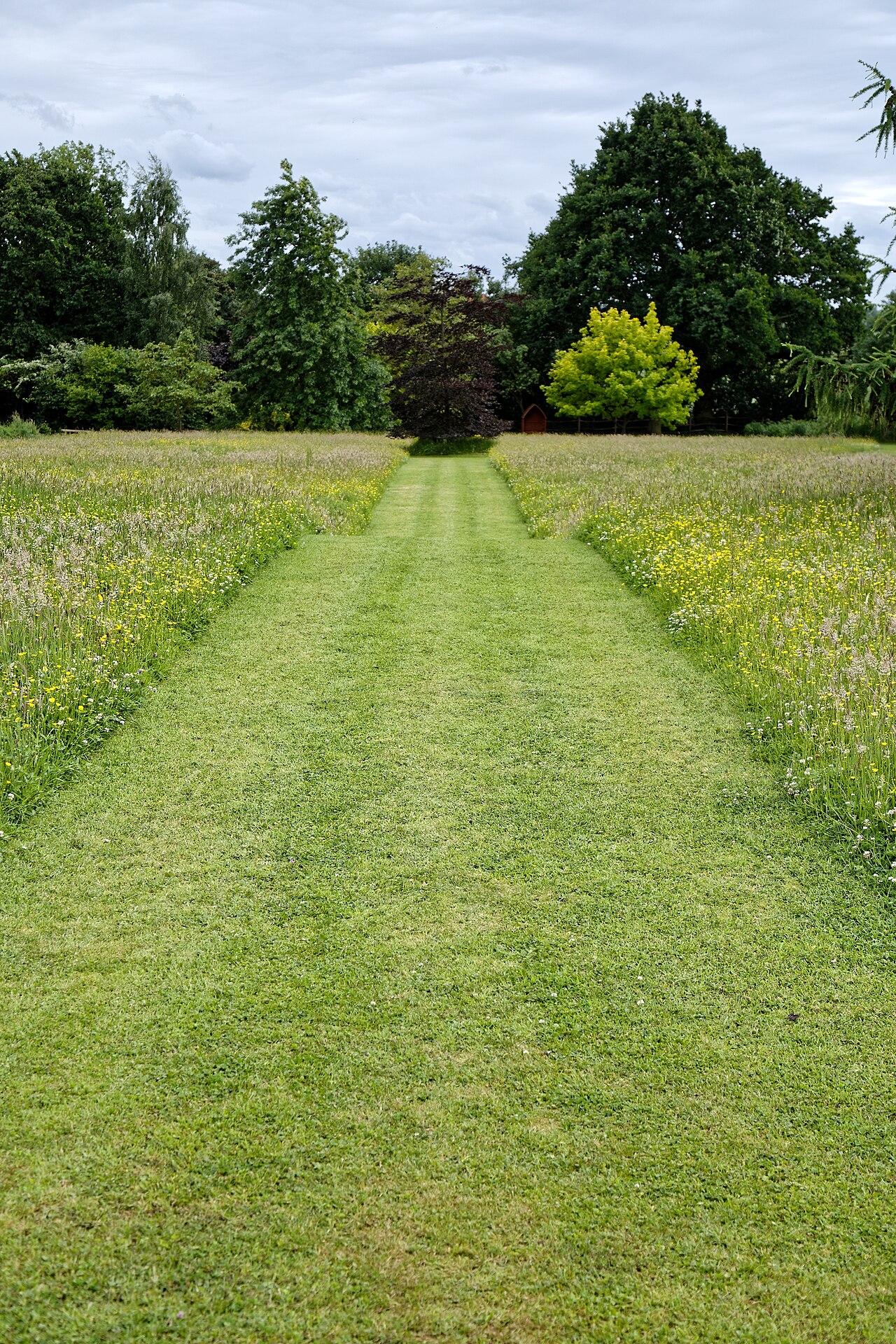
A mown path wide enough for two people runs through a garden meadow. Paths like this are planned before planting, not cut in later. Photo:
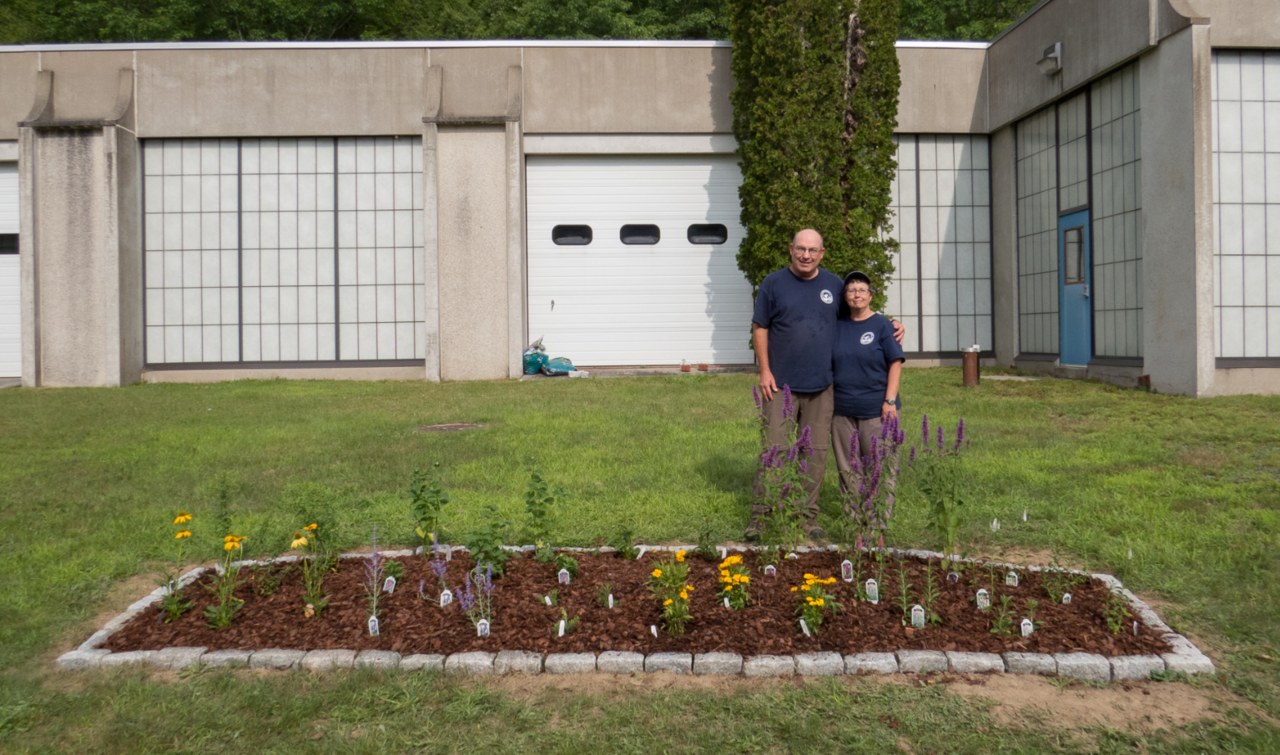
A small bed cut cleanly out of mown lawn is easier to finish, weed and judge than a half-cleared yard. Photo: Fred Yost/USFWS, Wikimedia Commons
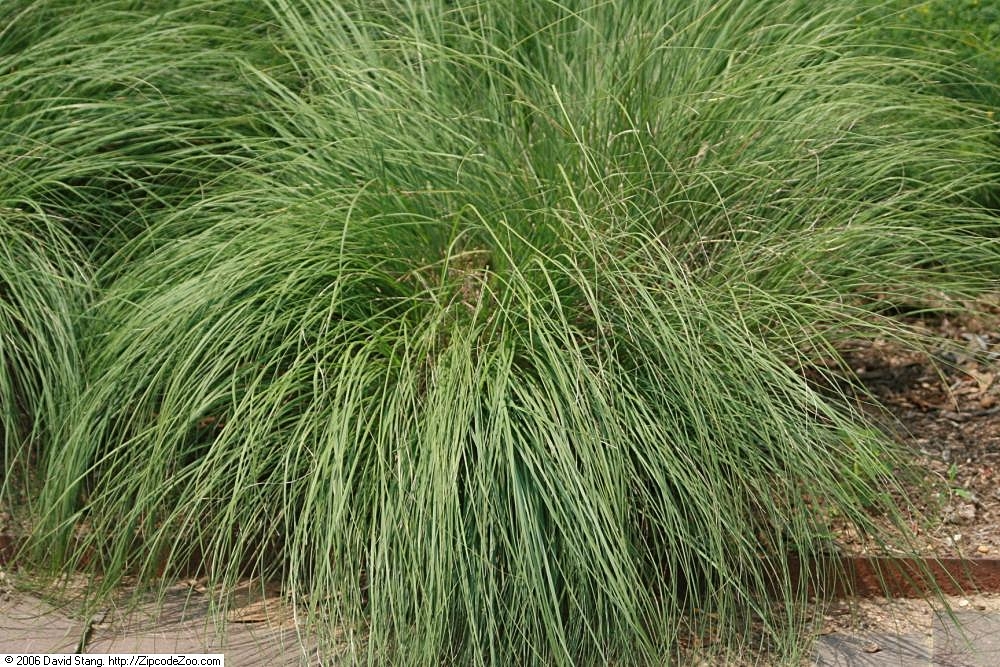
Prairie dropseed holds a neat, rounded shape that still reads clearly from the street in winter. Photo: David J. Stang, Wikimedia Commons (CC BY-SA 4.0)
View More