
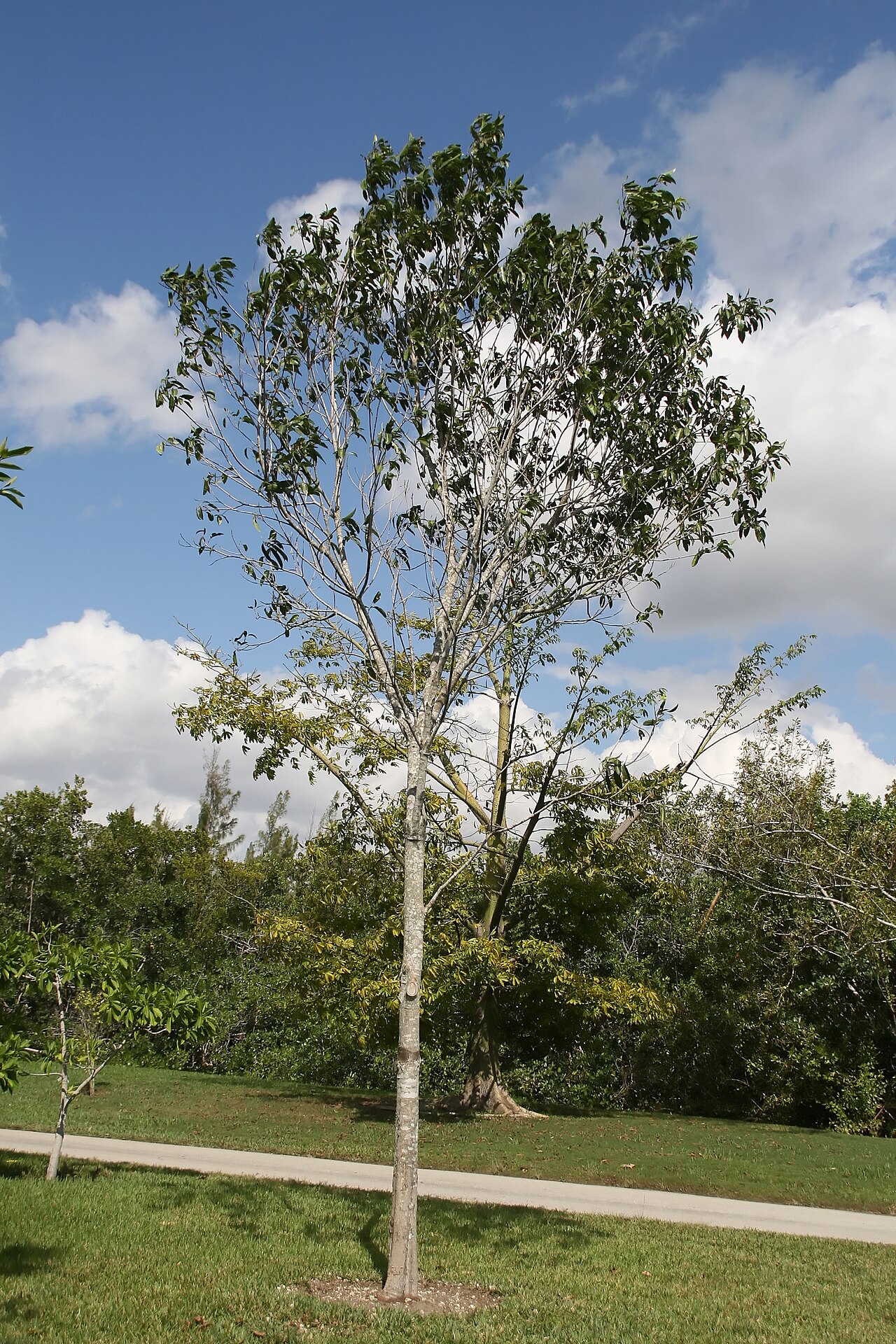
A young mastic tree showing its characteristic pale, mottled bark and dense, glossy crown. Photo: Wikimedia Commons contributor (CC BY-SA 4.0) Sideroxylon foetidissimum, commonly called
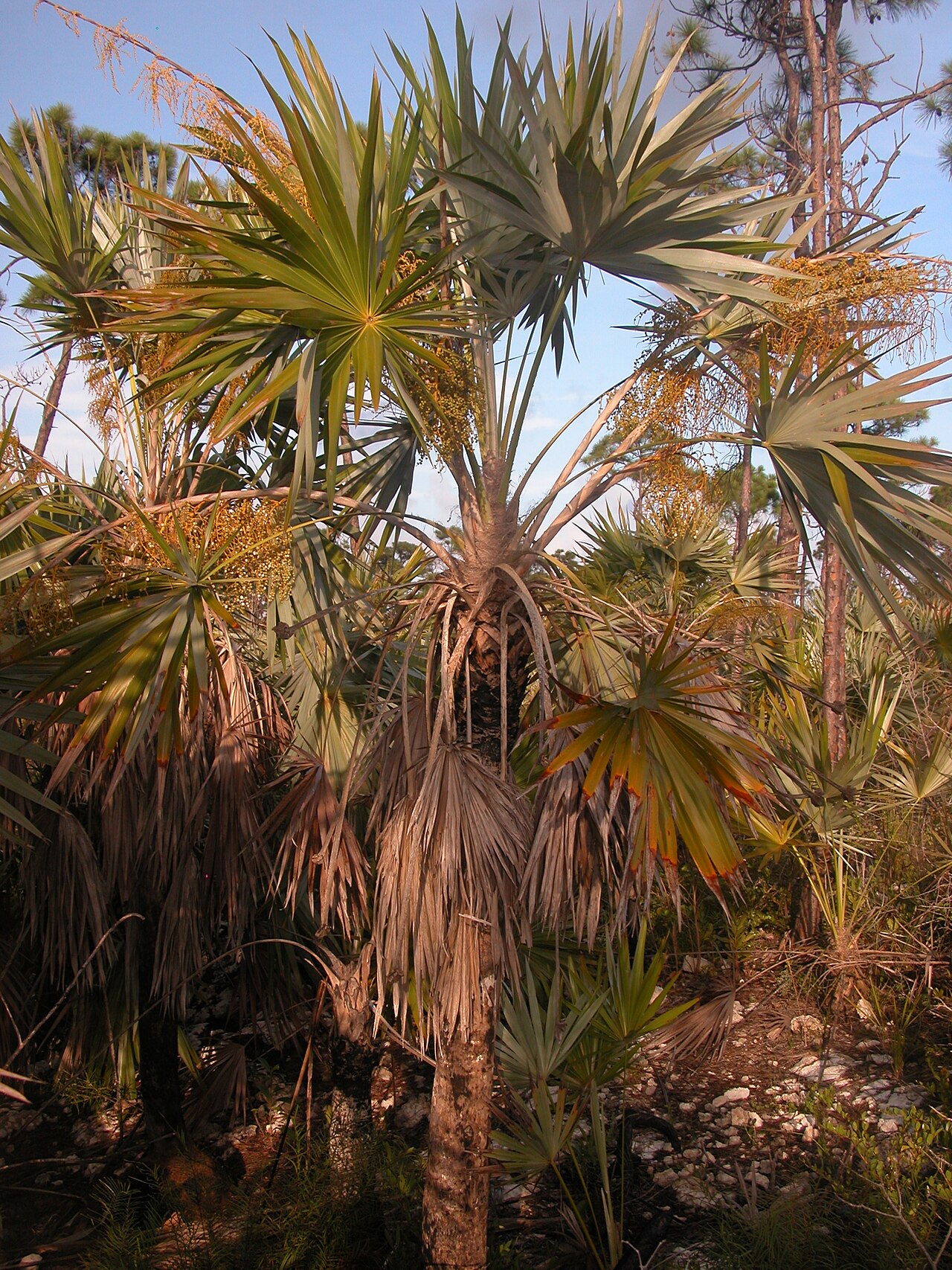
A Key thatch palm fruiting in its native pine rockland habitat, its fan leaves silvery on the underside. Photo: Carl E. Lewis, Wikimedia Commons (CC
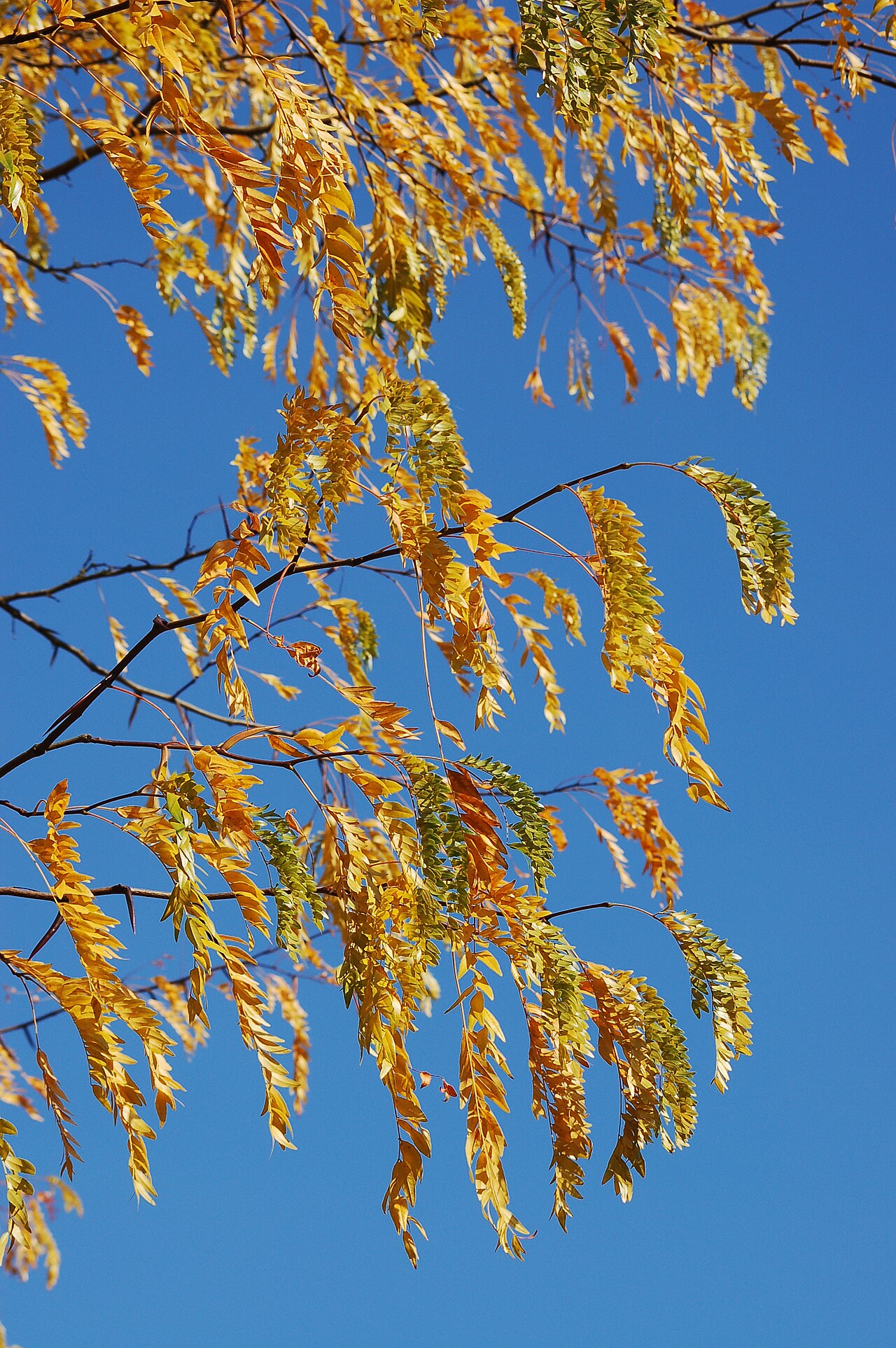
Water Locust branch in autumn color, showing the pinnately compound leaves and a trunk thorn. Photo: Rob Young / Wikimedia Commons (CC BY 2.0) Gleditsia
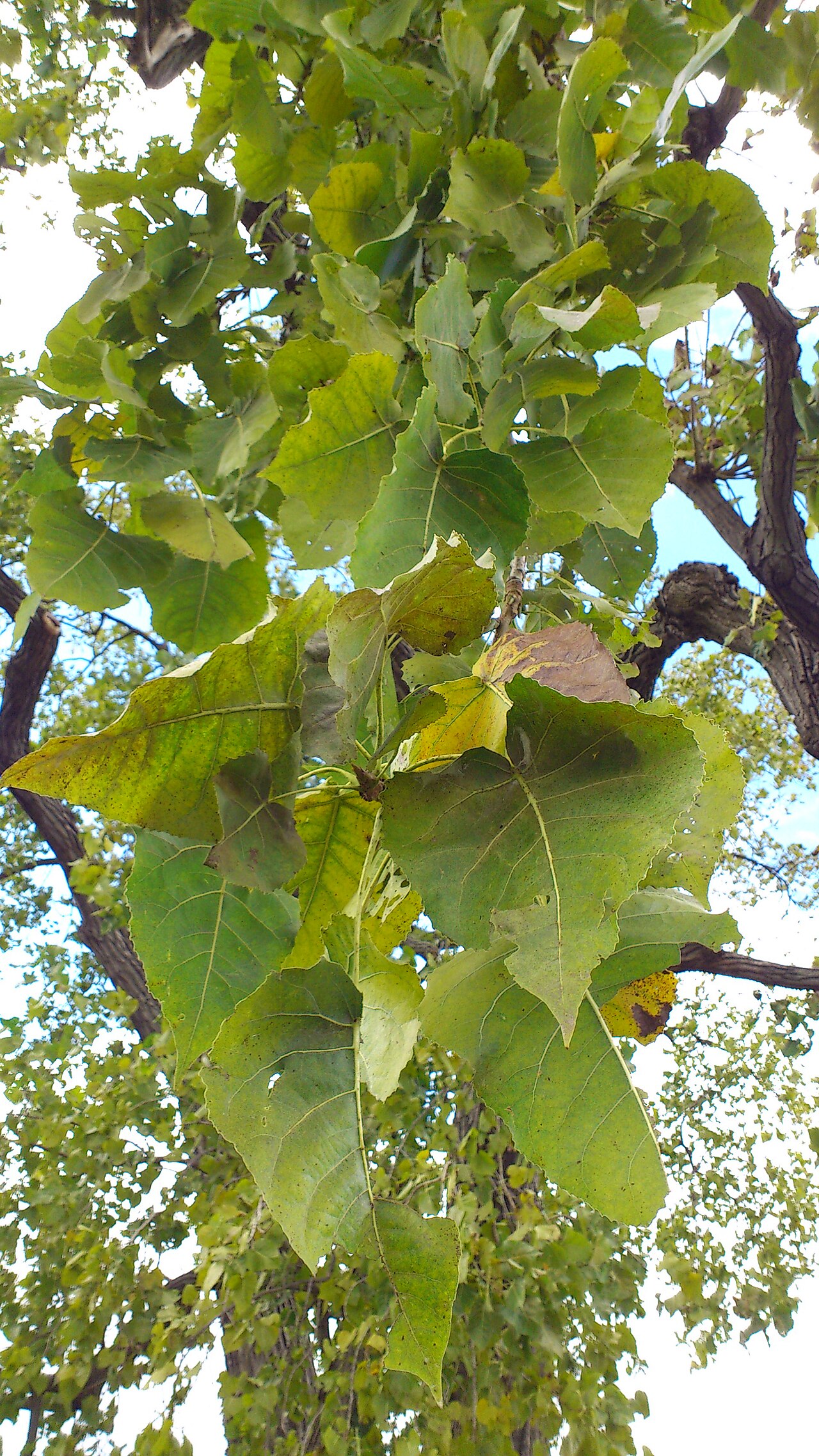
Swamp Cottonwood foliage, East Potomac Park, Washington, D.C. Photo: Wikimedia Commons (CC BY 2.0) Populus heterophylla, commonly called Swamp Cottonwood or downy poplar, is an
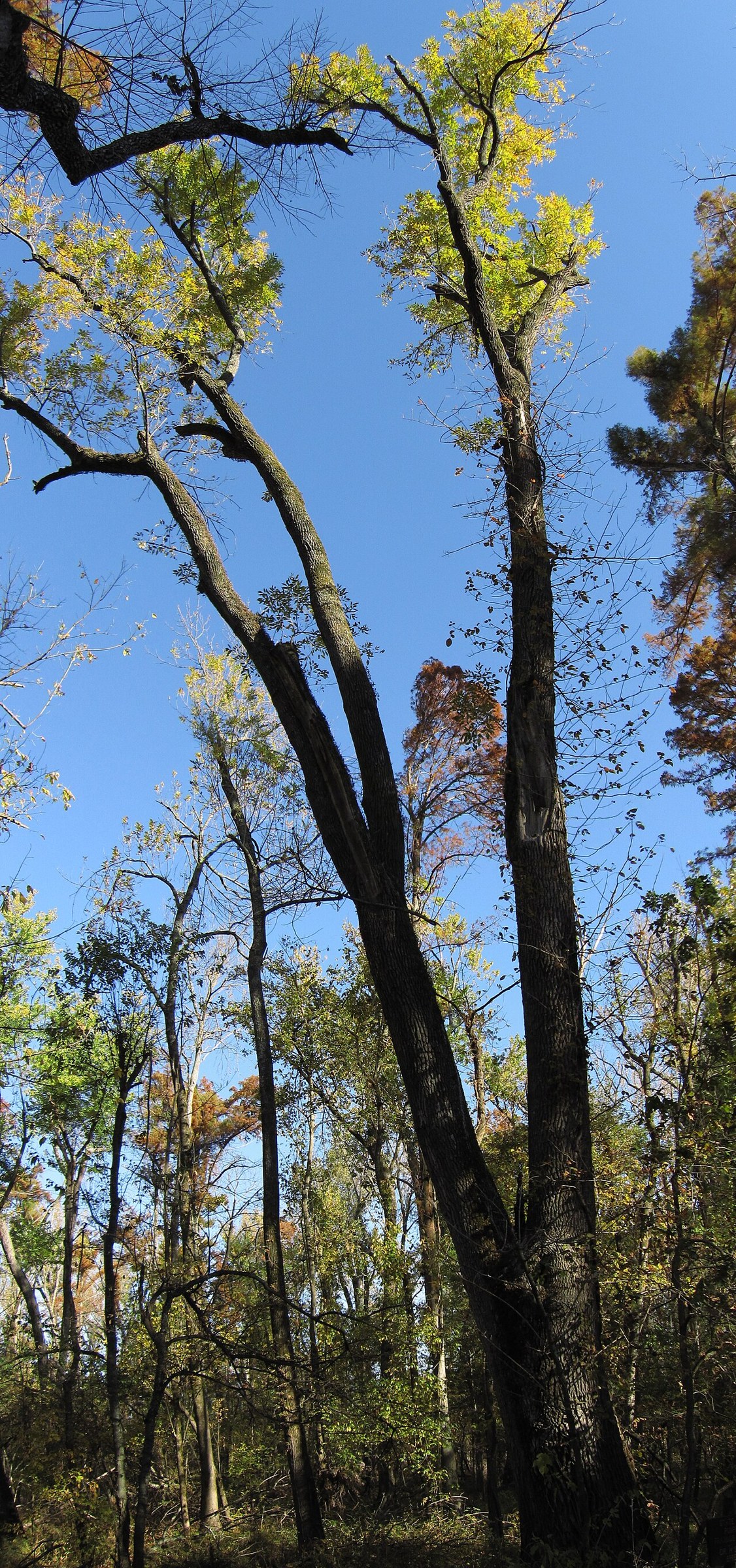
A champion-sized Pumpkin Ash at Big Oak Tree State Park, Missouri. Photo: Wikimedia Commons (CC BY 2.0) Fraxinus profunda, commonly known as Pumpkin Ash, is
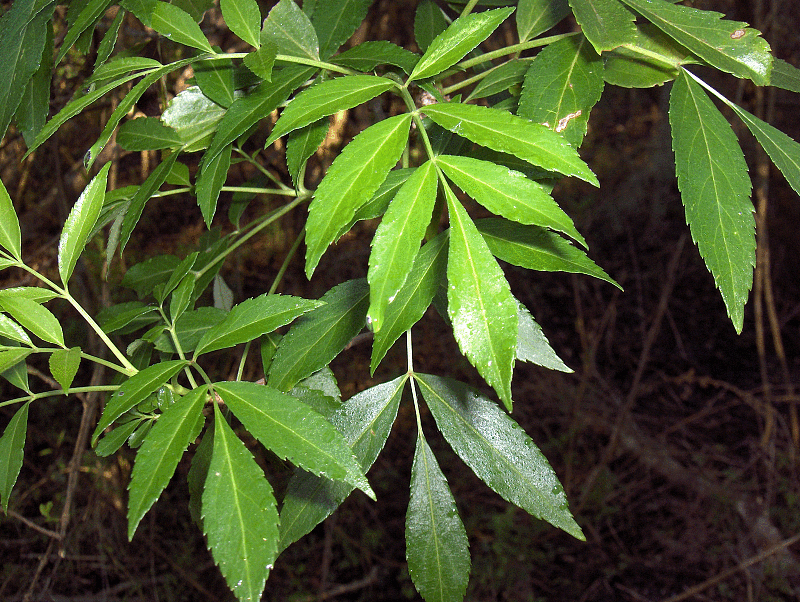
Carolina Ash foliage, Florida. Photo: homeredwa / Wikimedia Commons (CC BY 2.0) Fraxinus caroliniana, commonly called Carolina Ash (also Pop Ash, Water Ash, or Swamp
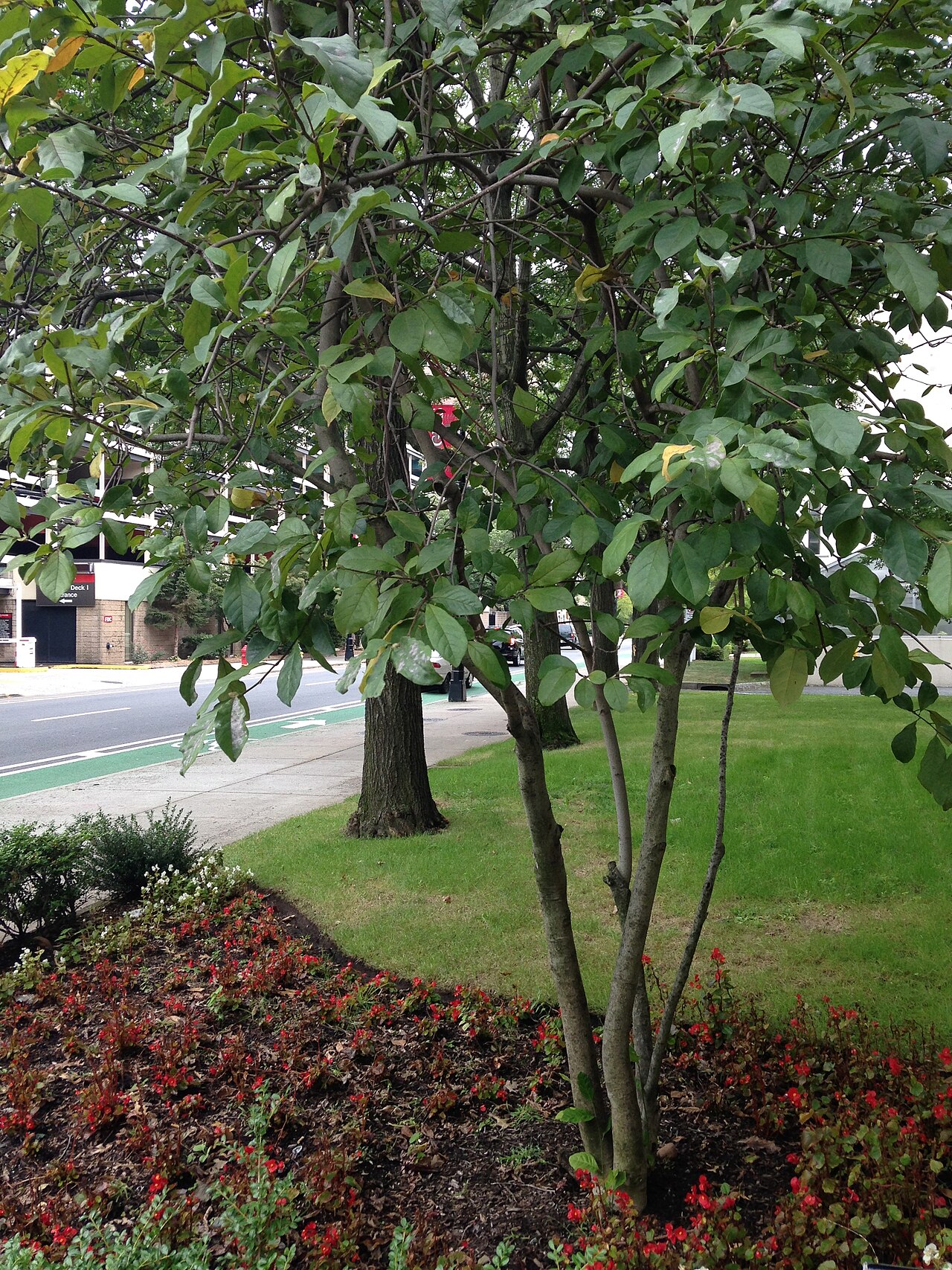
Buckthorn Bumelia’s typical multi-trunked, rounded growth habit. Photo: Wikimedia Commons (CC BY-SA 3.0) Sideroxylon lycioides (long known as Bumelia lycioides), commonly called Buckthorn Bumelia or
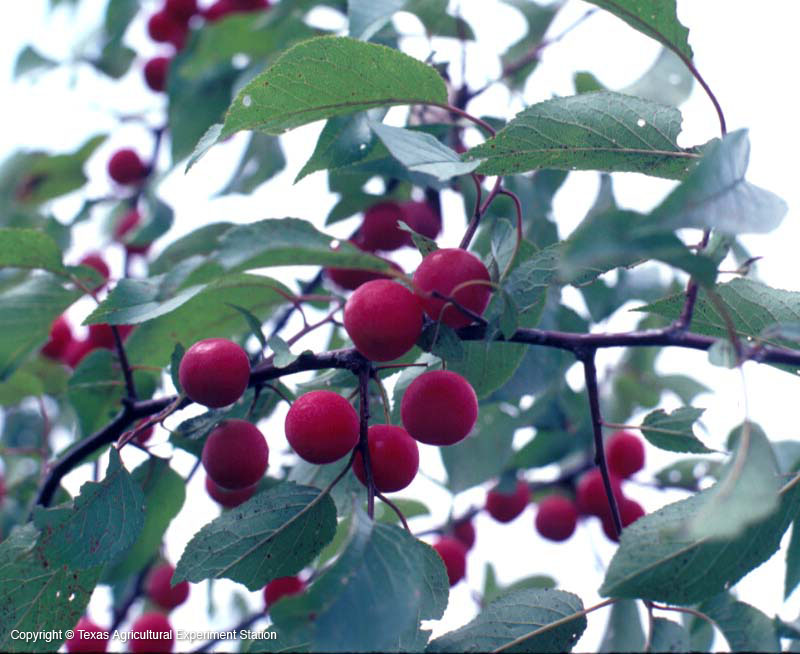
Wild Goose Plum branch heavy with ripening red fruit. Photo: Texas Agricultural Experiment Station / Wikimedia Commons (CC BY-SA 3.0) Prunus munsoniana, commonly called Wild

Water Elm typically grows as a small, often multi-trunked tree with a dense, rounded crown. Photo: Slarson789 / Wikimedia Commons (CC BY-SA 3.0) Planera aquatica,
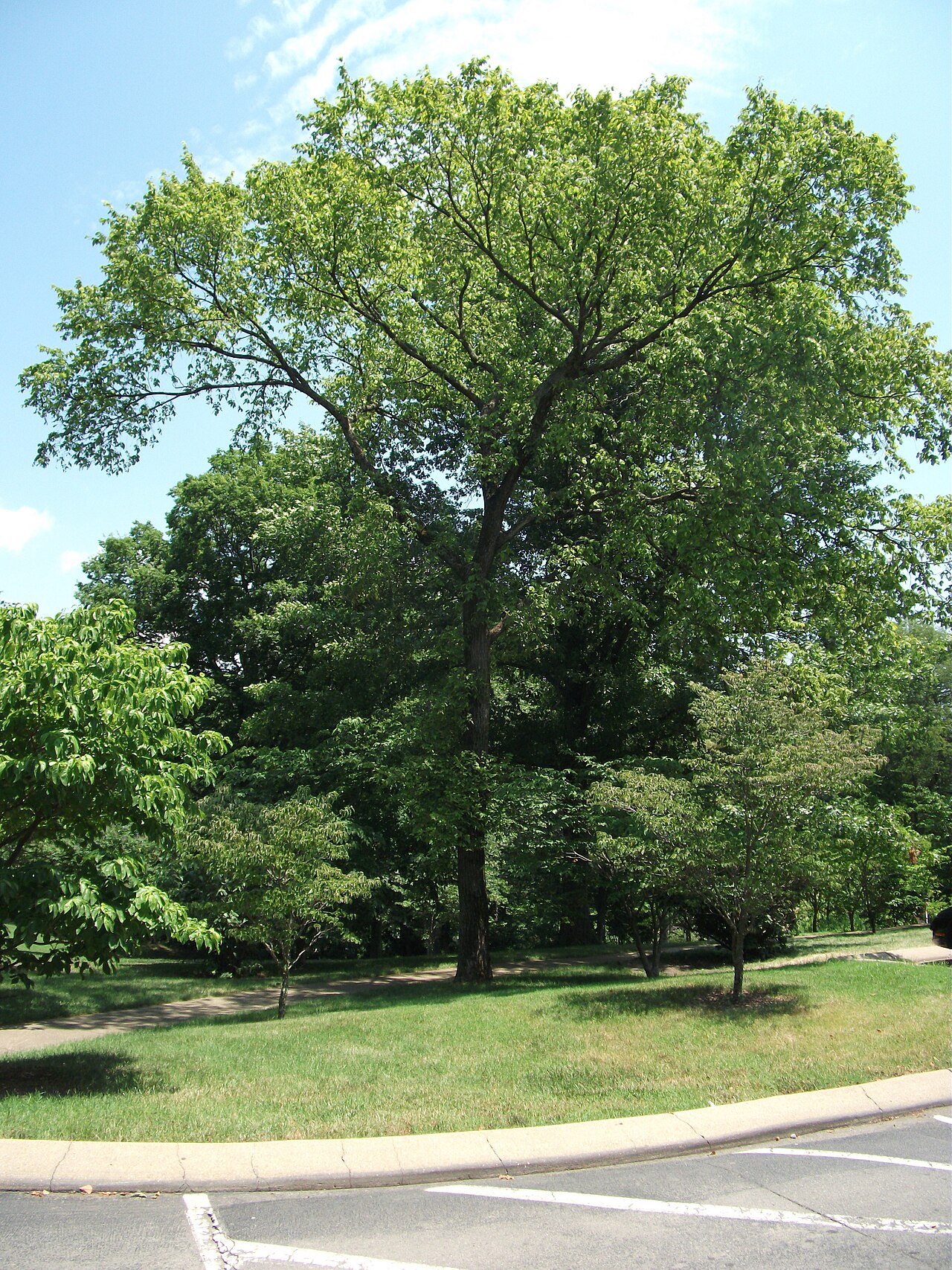
A mature September Elm showing its broad, rounded crown. Photo: K6tmk6 / Wikimedia Commons (Public domain) Ulmus serotina, commonly called September Elm or Red Elm,
View More