
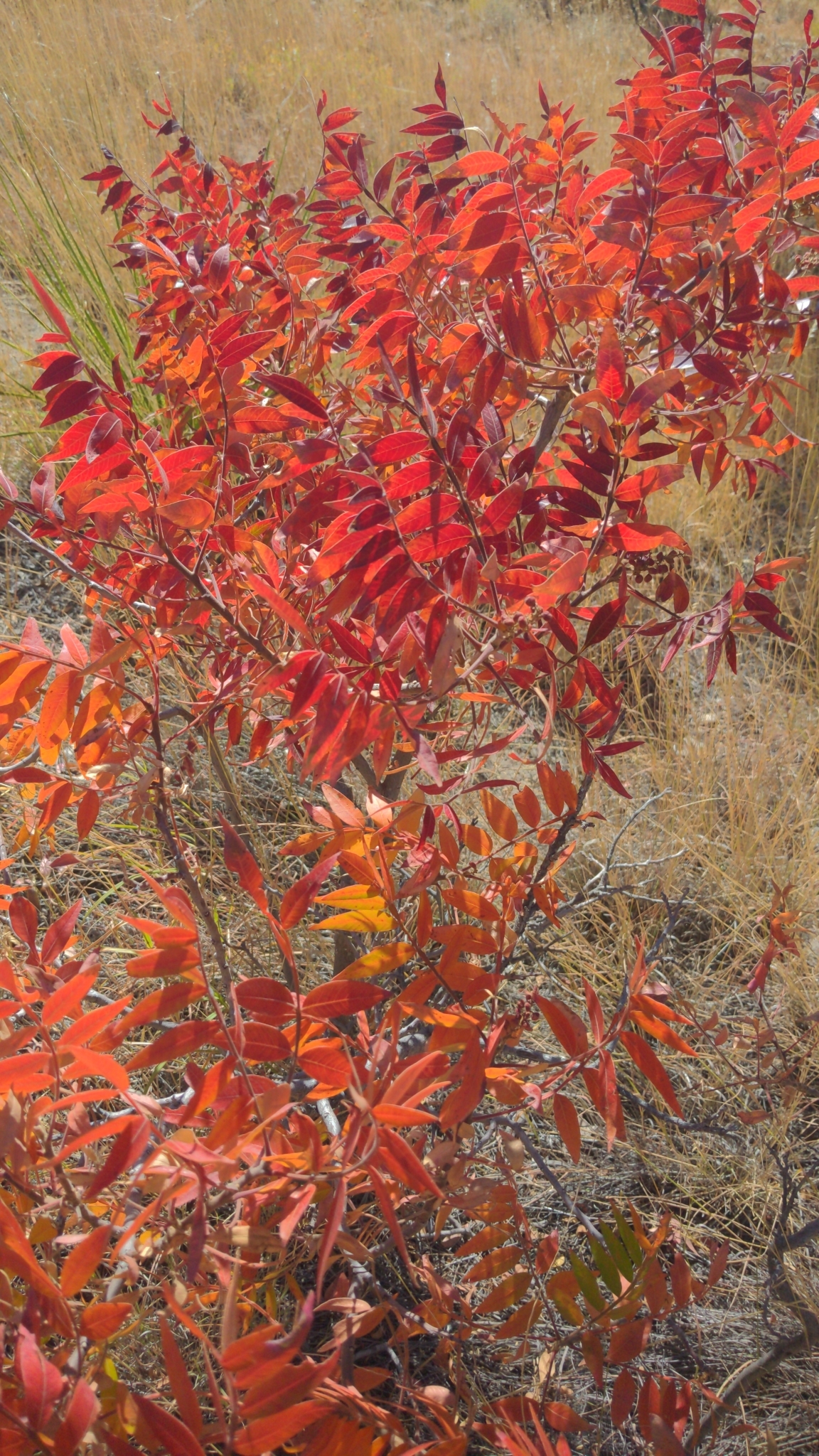
Prairie flameleaf sumac lights up limestone hillsides with scarlet and orange foliage every autumn. Photo: Mike Tilley, Wikimedia Commons (CC BY 4.0) Rhus lanceolata, commonly
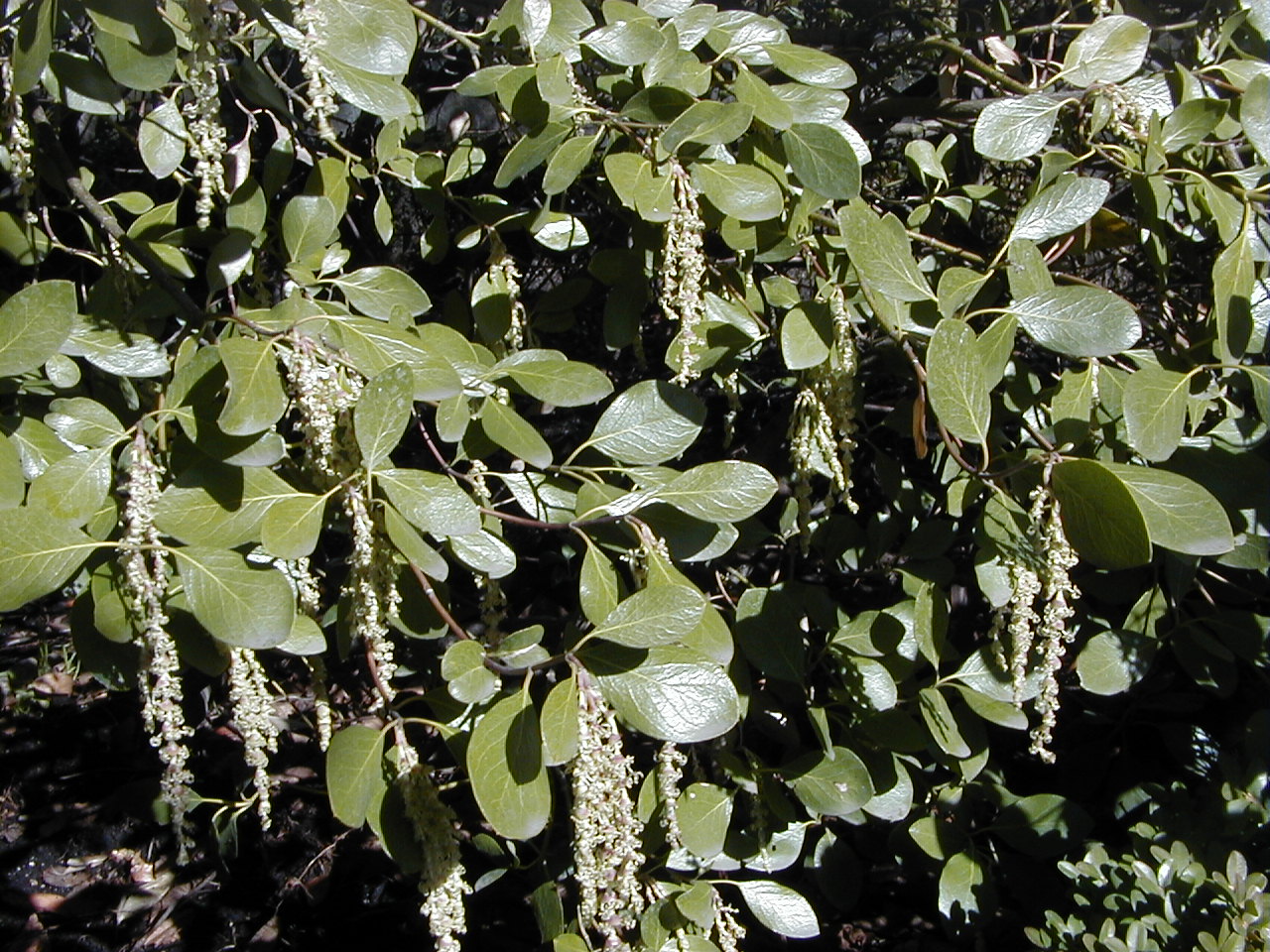
Fremont silktassel’s drooping, silky catkins give the plant both its common name and its winter interest. Photo: A. Barra, Wikimedia Commons (CC BY 3.0) Garrya
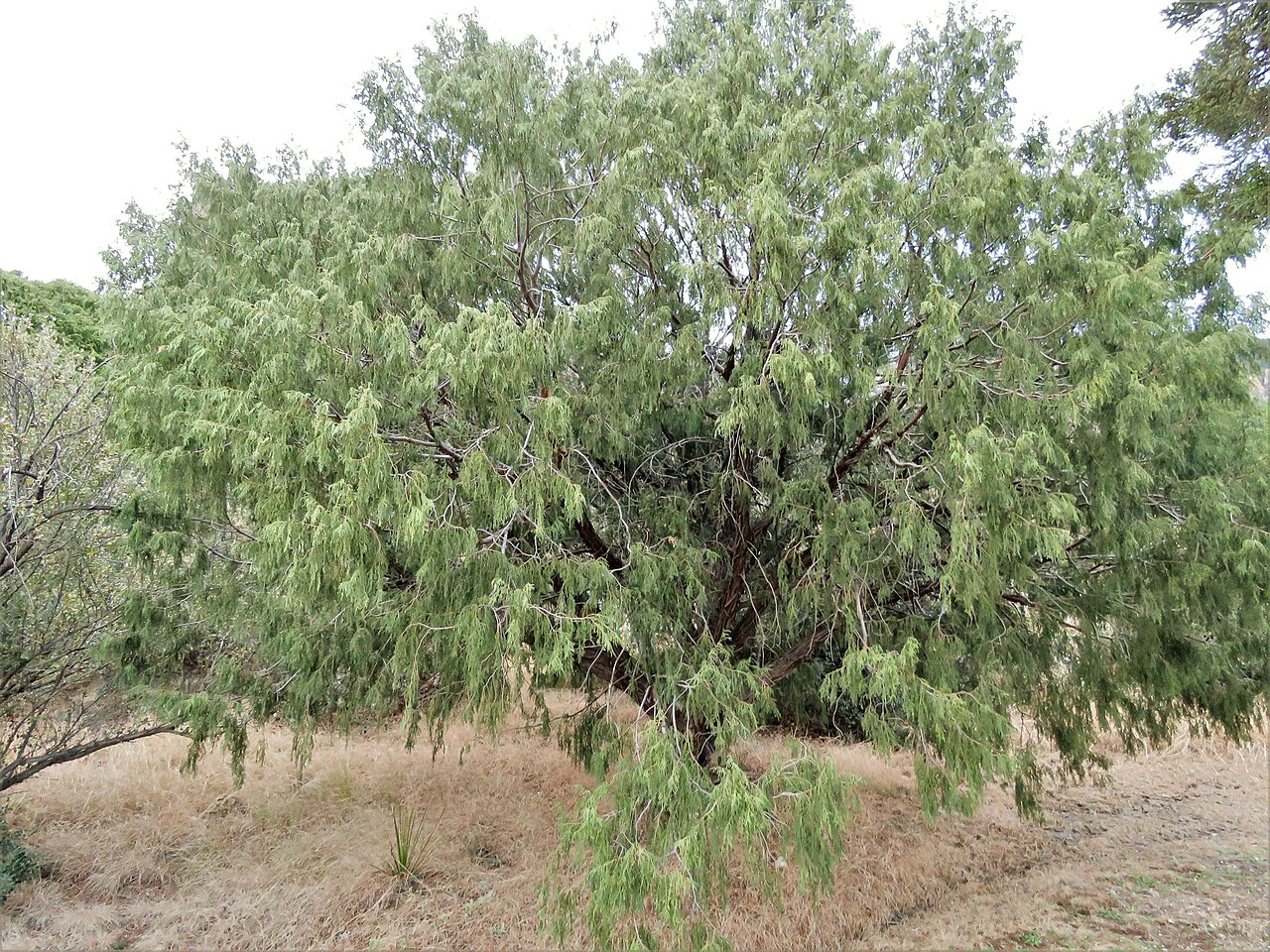
A mature drooping juniper showing the strongly weeping branch habit found in no other North American juniper. Photo: annikaml, Wikimedia Commons (CC BY 4.0) Juniperus
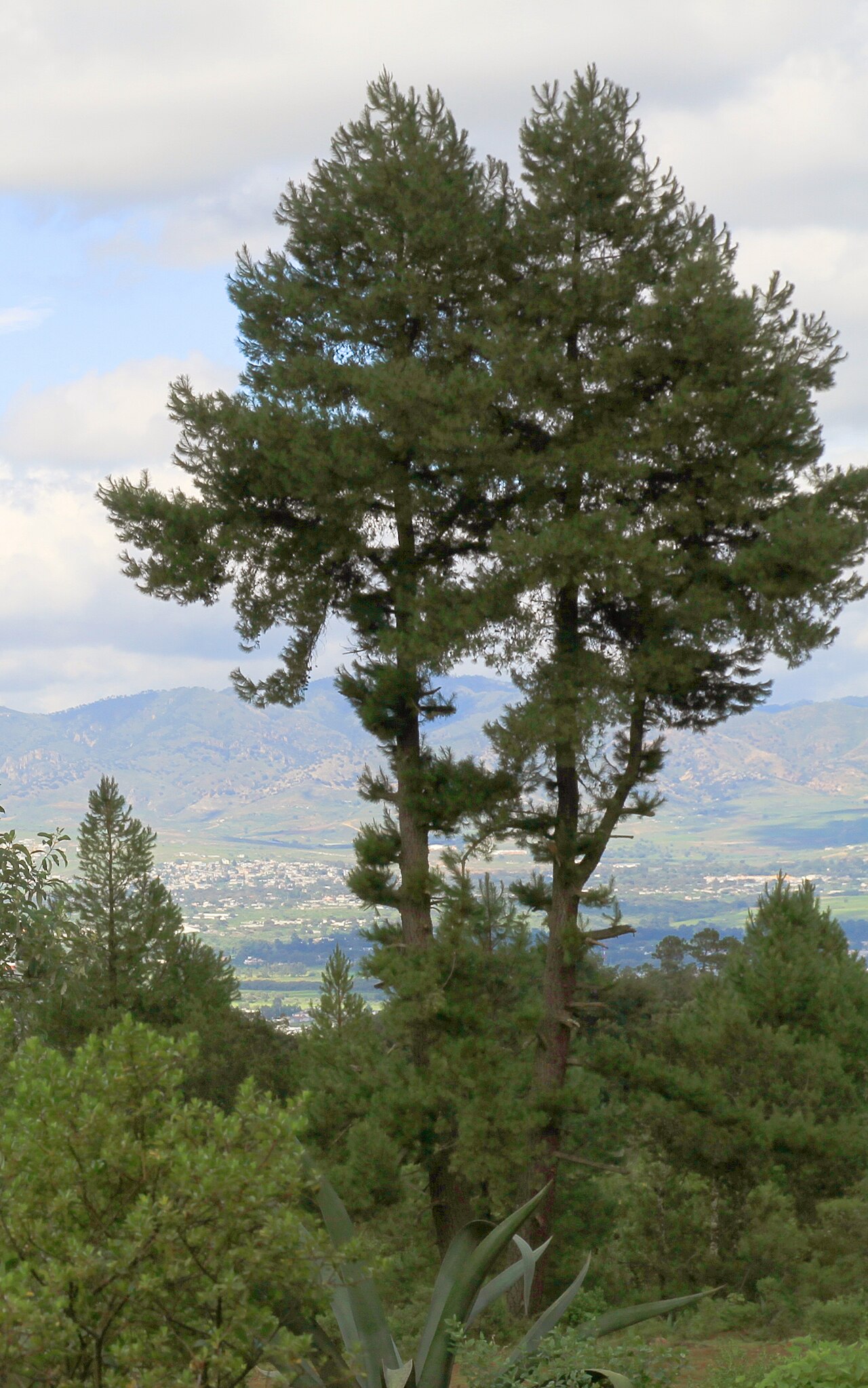
A mature Chihuahua pine with its characteristic open, twin-leadered crown. Photo: Wikimedia Commons (CC BY 3.0) Pinus leiophylla, commonly known as Chihuahua Pine or smooth-leaf
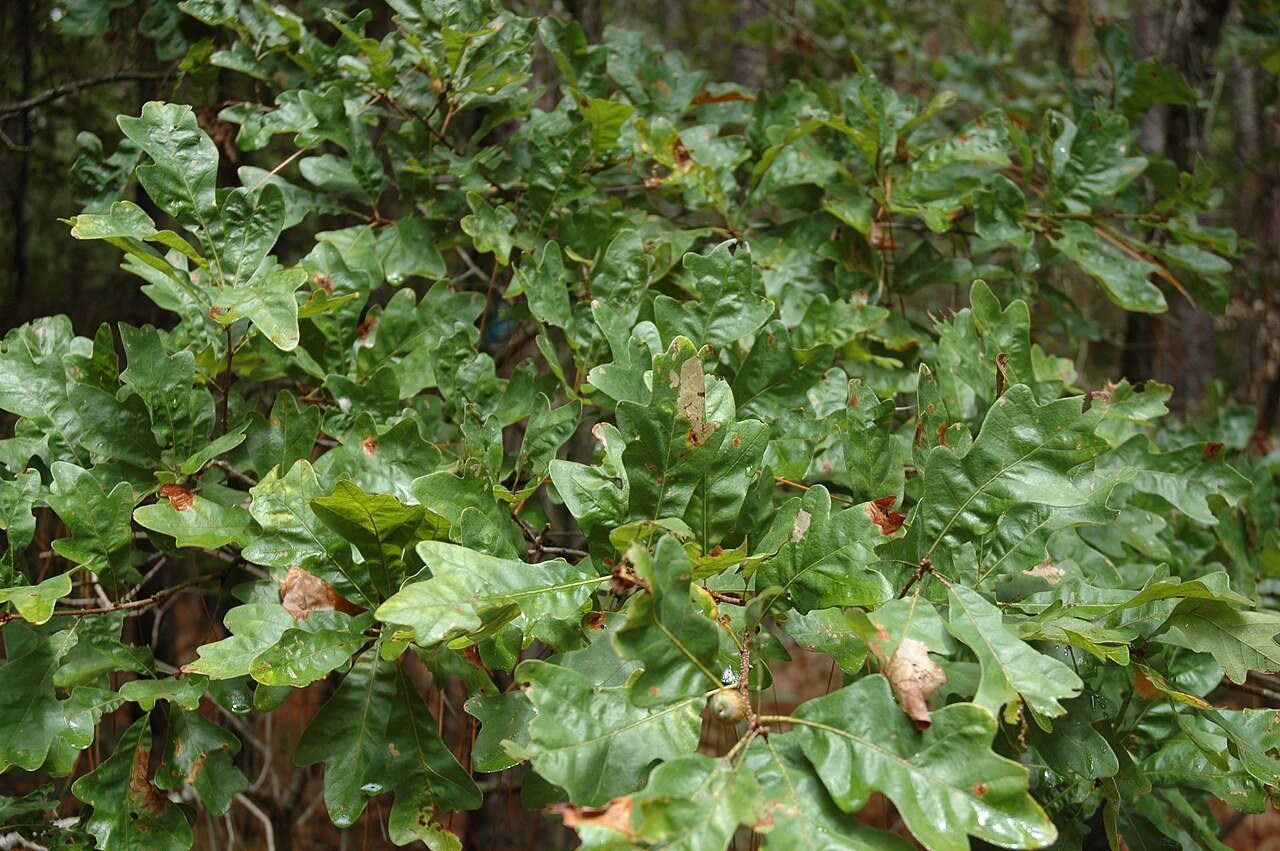
Sand Post Oak’s glossy, cross-shaped leaves, photographed in South Carolina. Photo: Bruce Kirchoff, Wikimedia Commons (CC BY 2.0) Quercus margarettae (also spelled Q. margaretta), commonly
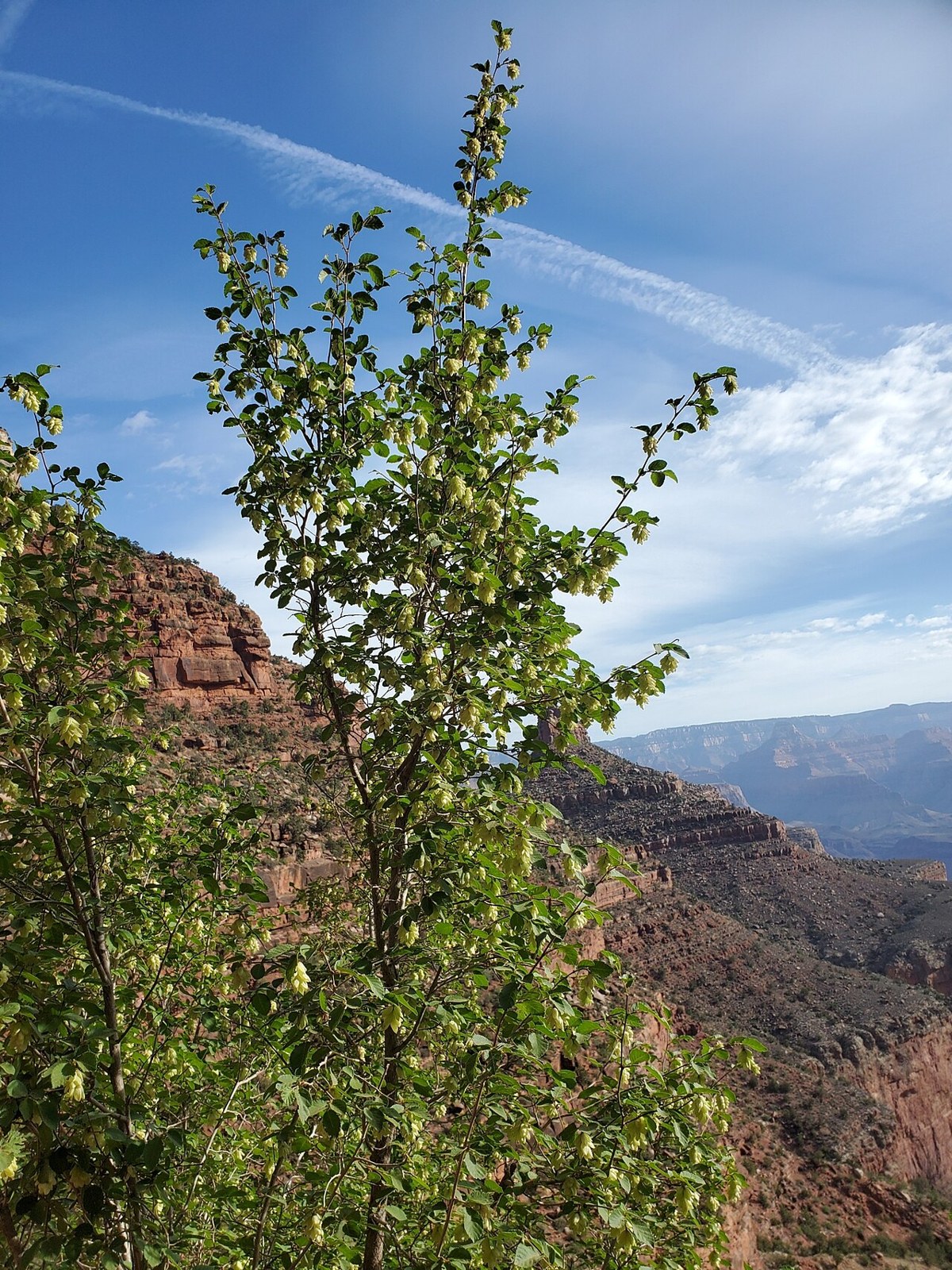
Knowlton Hophornbeam growing on a sunny canyon rim in the Grand Canyon, one of its classic habitats. Photo: Rosie Yacoub, iNaturalist/Wikimedia Commons (CC BY 4.0)
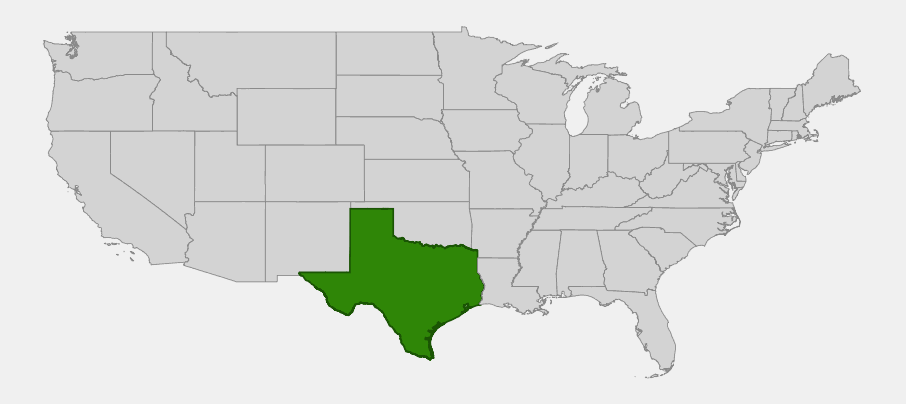
Quercus graciliformis, known as the Chisos Oak or Slender Oak, is one of the rarest trees native to the United States. It exists nowhere in
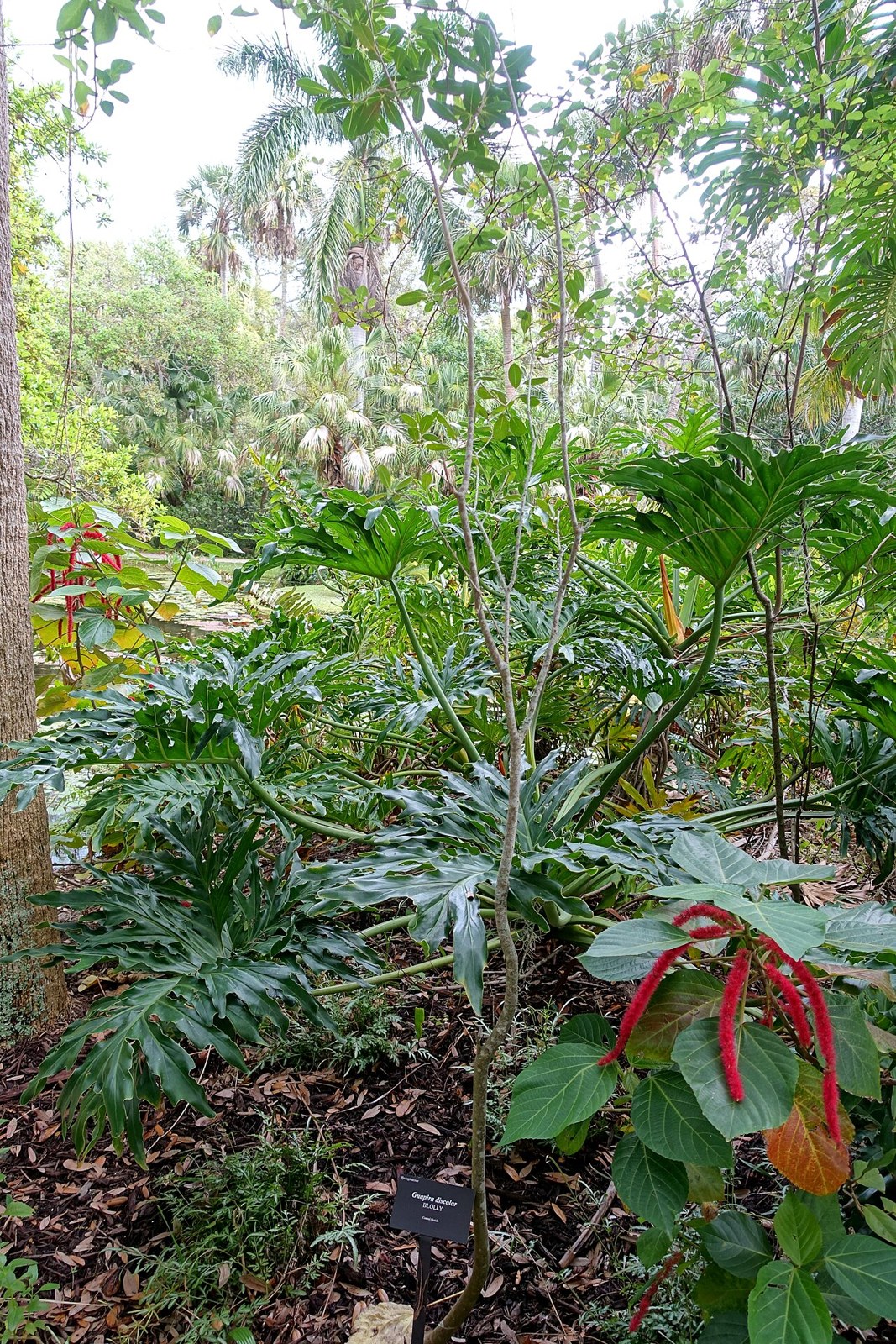
Blolly growing as a slender understory tree among other hammock species. Photo: Daderot, Wikimedia Commons (CC0) Guapira discolor, commonly called Blolly (also known as Beeftree,
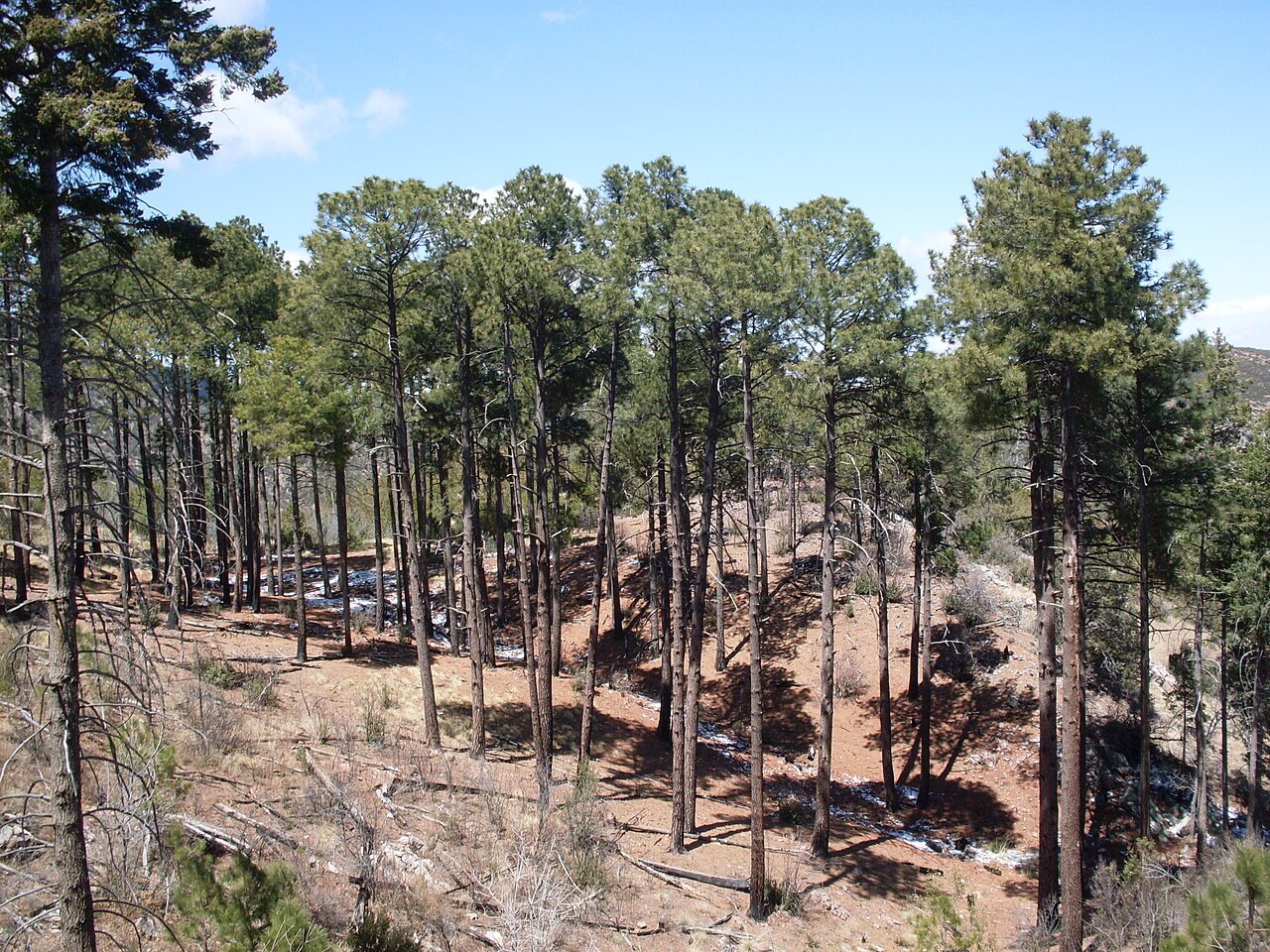
Mature Apache Pine forming an open forest stand in the Huachuca Mountains, Arizona. Photo: smalltownguy22, Wikimedia Commons (CC BY 2.0) Pinus engelmannii, commonly called Apache
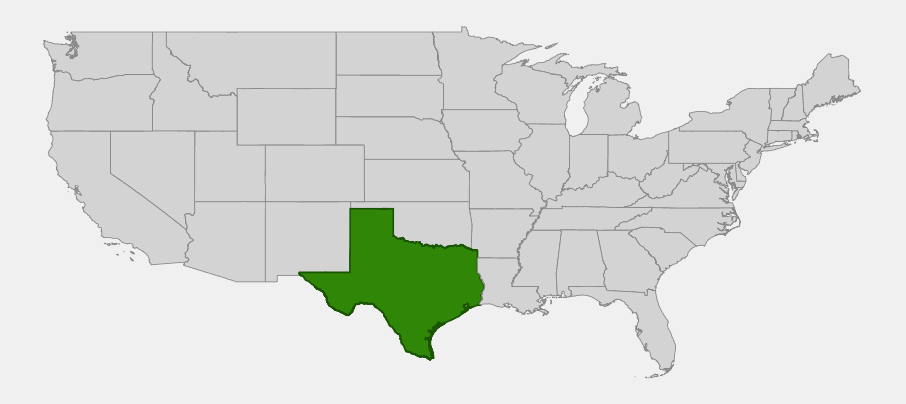
Crataegus tracyi, commonly known as Tracy Hawthorn or Tracy’s Hawthorn, is a thorny native shrub or small tree found only in a few rugged corners
View More