
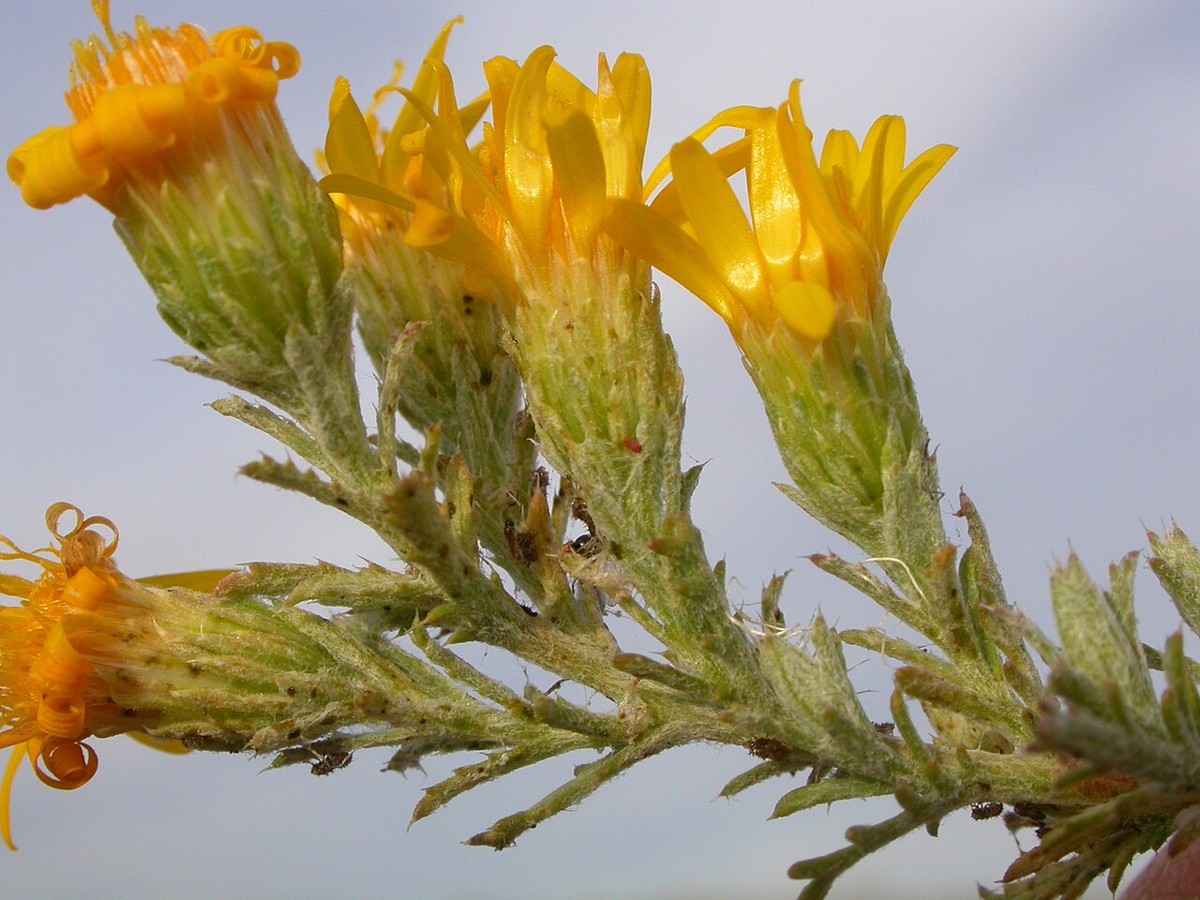
Lacy Tansyaster flowering in an undisturbed sagebrush site. Photo: Matt Lavin / Wikimedia Commons (CC BY-SA 2.0) Machaeranthera pinnatifida, commonly known as Lacy Tansyaster, Spiny
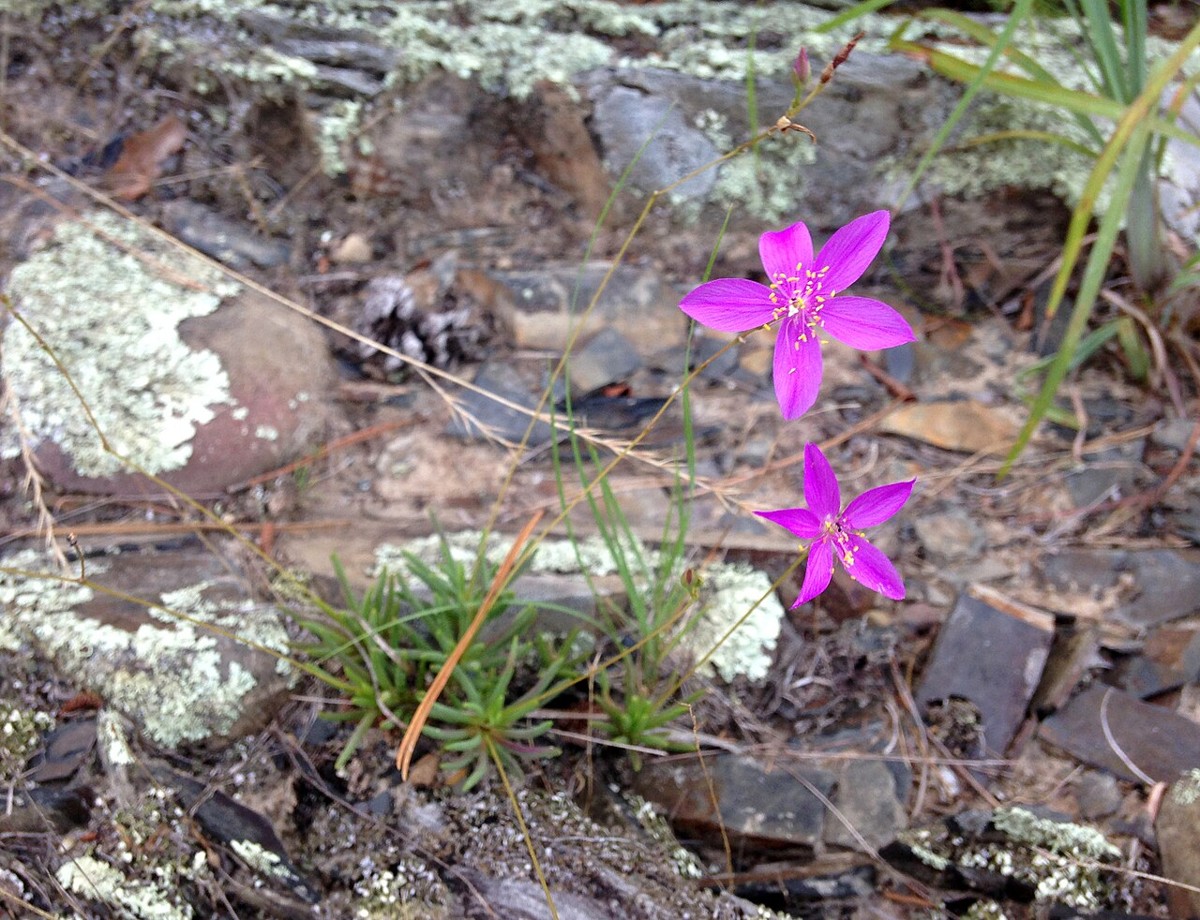
Fameflower blooming from a crack in a rock outcrop in McCurtain County, Oklahoma. Photo: Mason Brock / Wikimedia Commons (Public domain) Phemeranthus calycinus (formerly classified
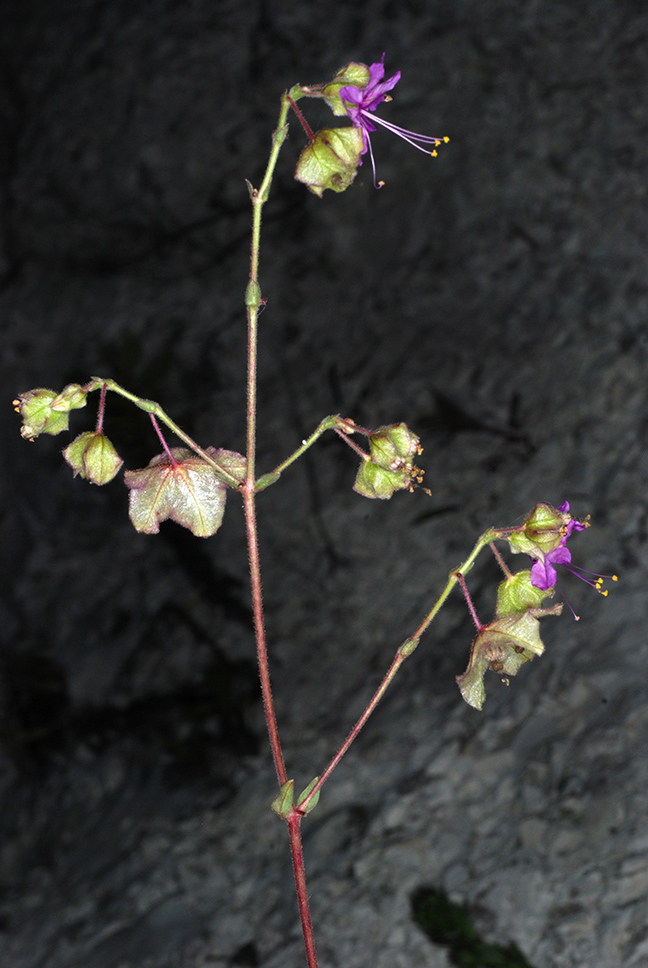
A flowering branch of White Four O’Clock, showing the bract-cupped flower clusters typical of the genus. Photo: Douglas Goldman, Wikimedia Commons (CC BY-SA 4.0) Mirabilis
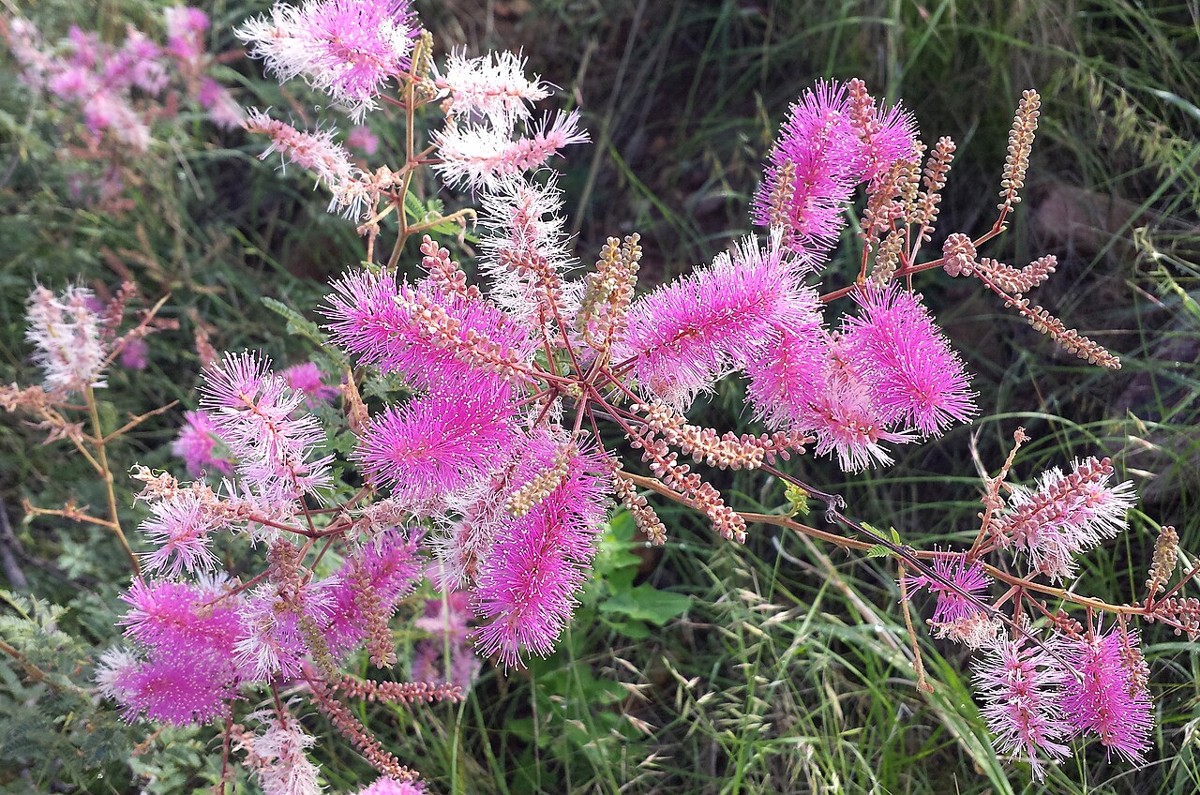
Velvetpod Mimosa in full bloom near Patagonia, Arizona, with its characteristic pink-to-white puffball flower spikes. Photo: Alan Schmierer, Wikimedia Commons (CC0) Mimosa dysocarpa, known as
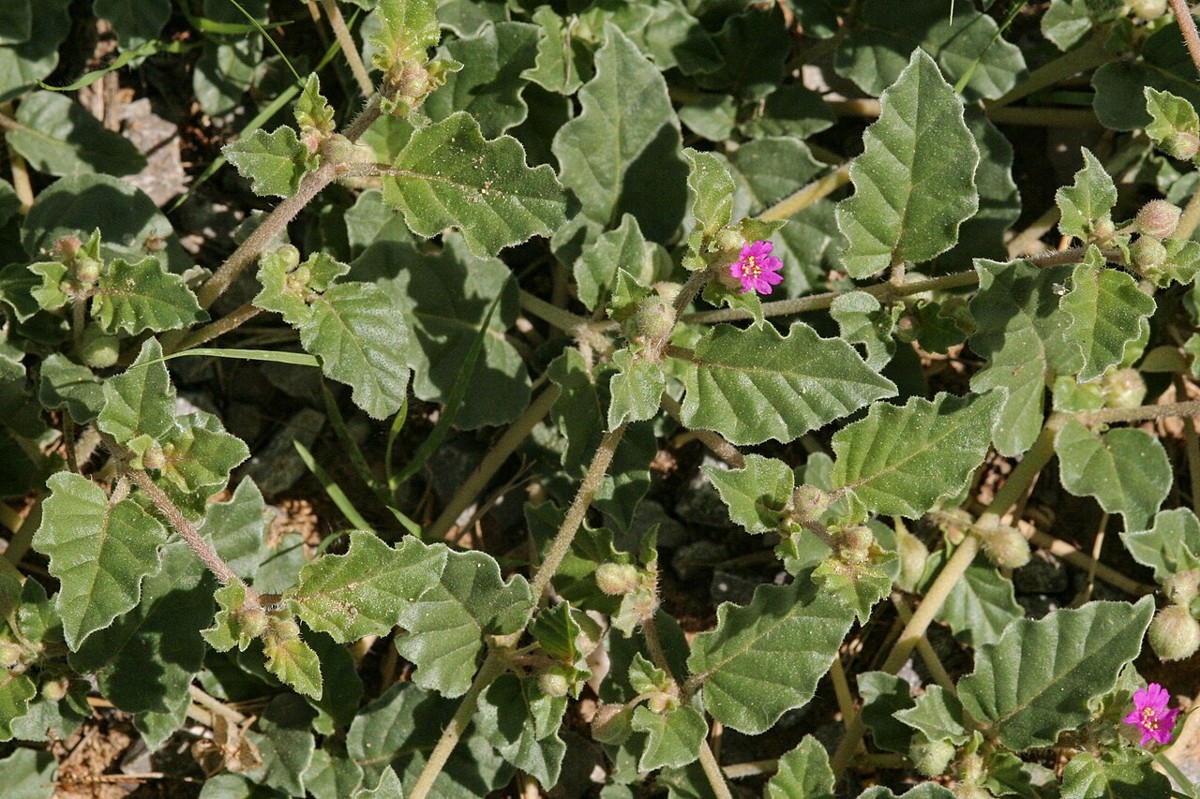
Trailing Four O’Clock forms a low, spreading mat across open desert ground. Photo: aspidoscelis, Wikimedia Commons (CC0) Allionia incarnata, known as Trailing Four O’Clock or
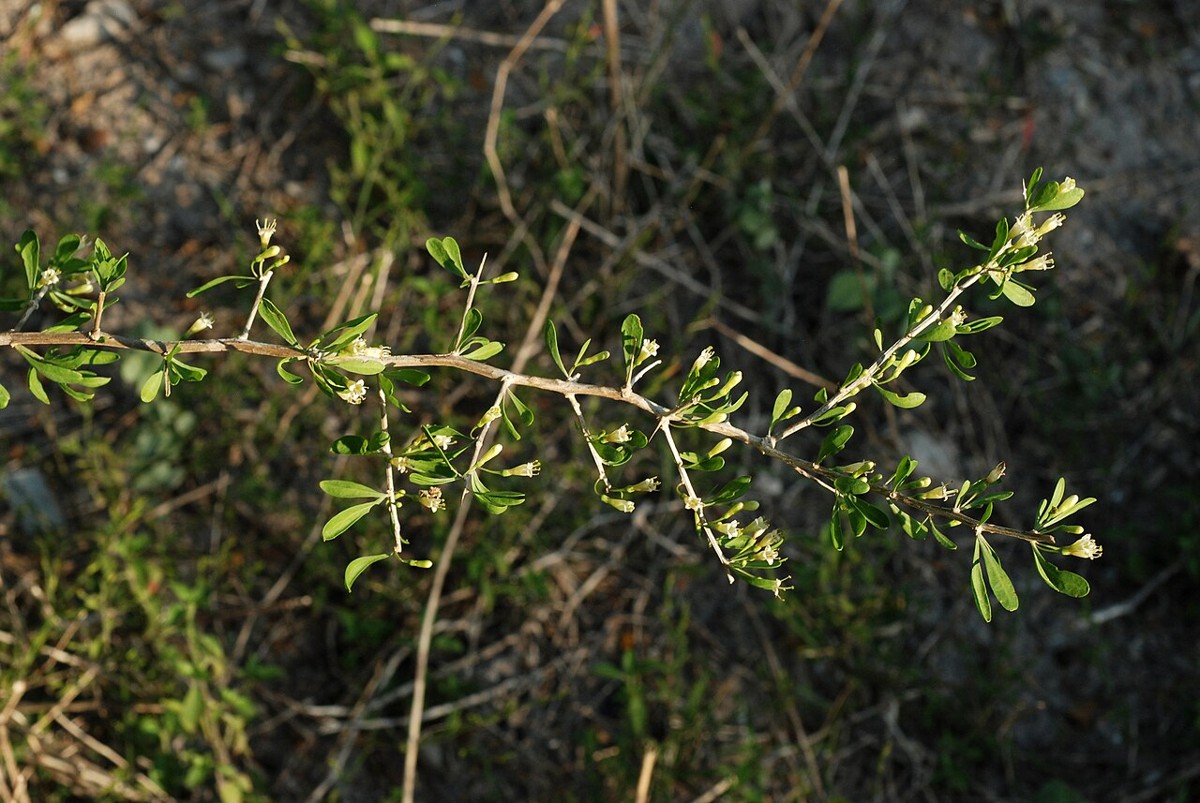
Wolfberry’s slender, sparingly thorny branches carry small spatulate leaves and tiny tubular flowers. Photo: Douglas Goldman / Wikimedia Commons (CC BY-SA 4.0) Lycium berlandieri, commonly
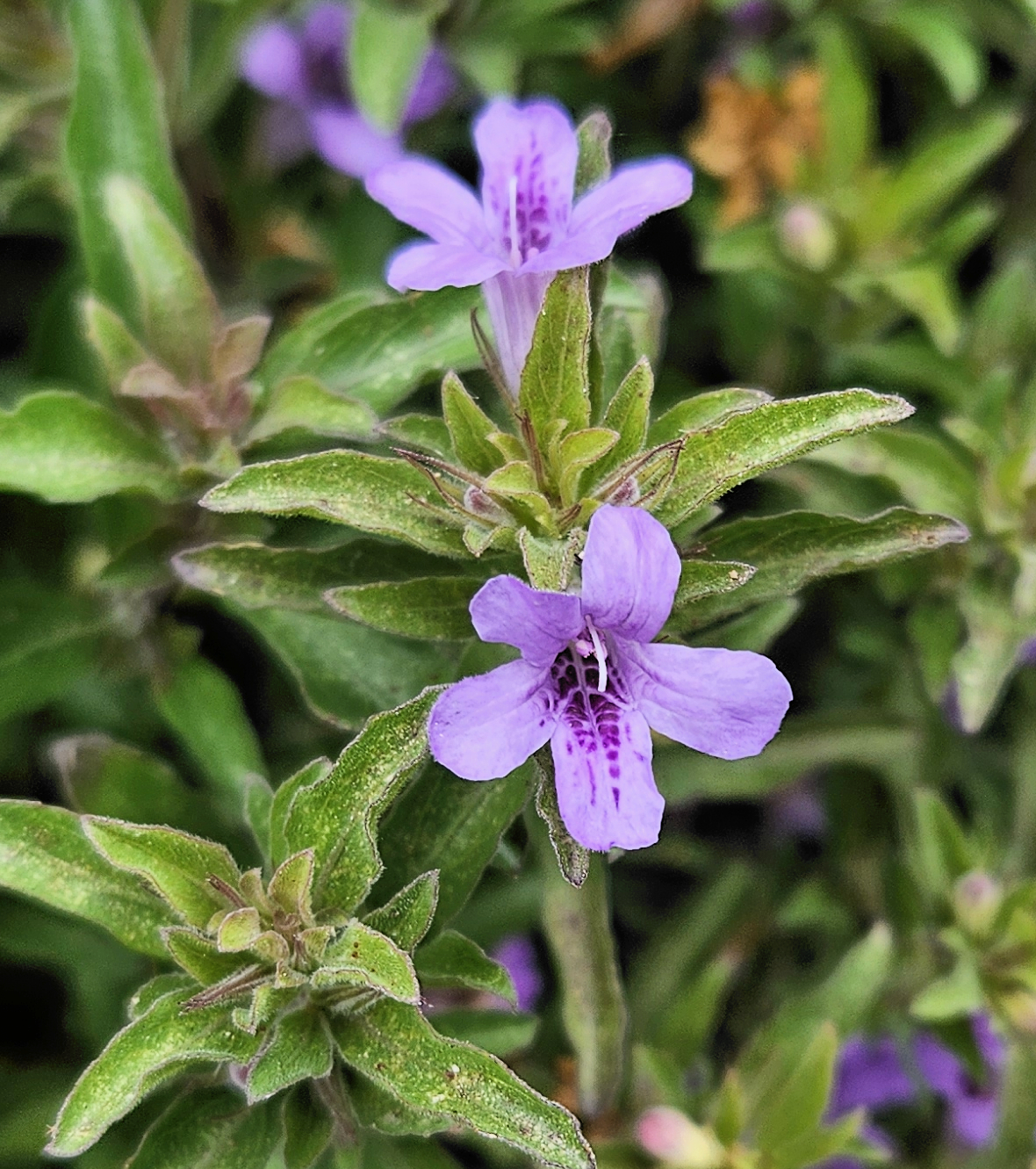
Polkadot Plant’s lavender, two-lipped flowers carry distinctive purple throat markings. Photo: Eric Polk / Wikimedia Commons (CC BY-SA 4.0) Dyschoriste linearis, commonly called Polkadot Plant
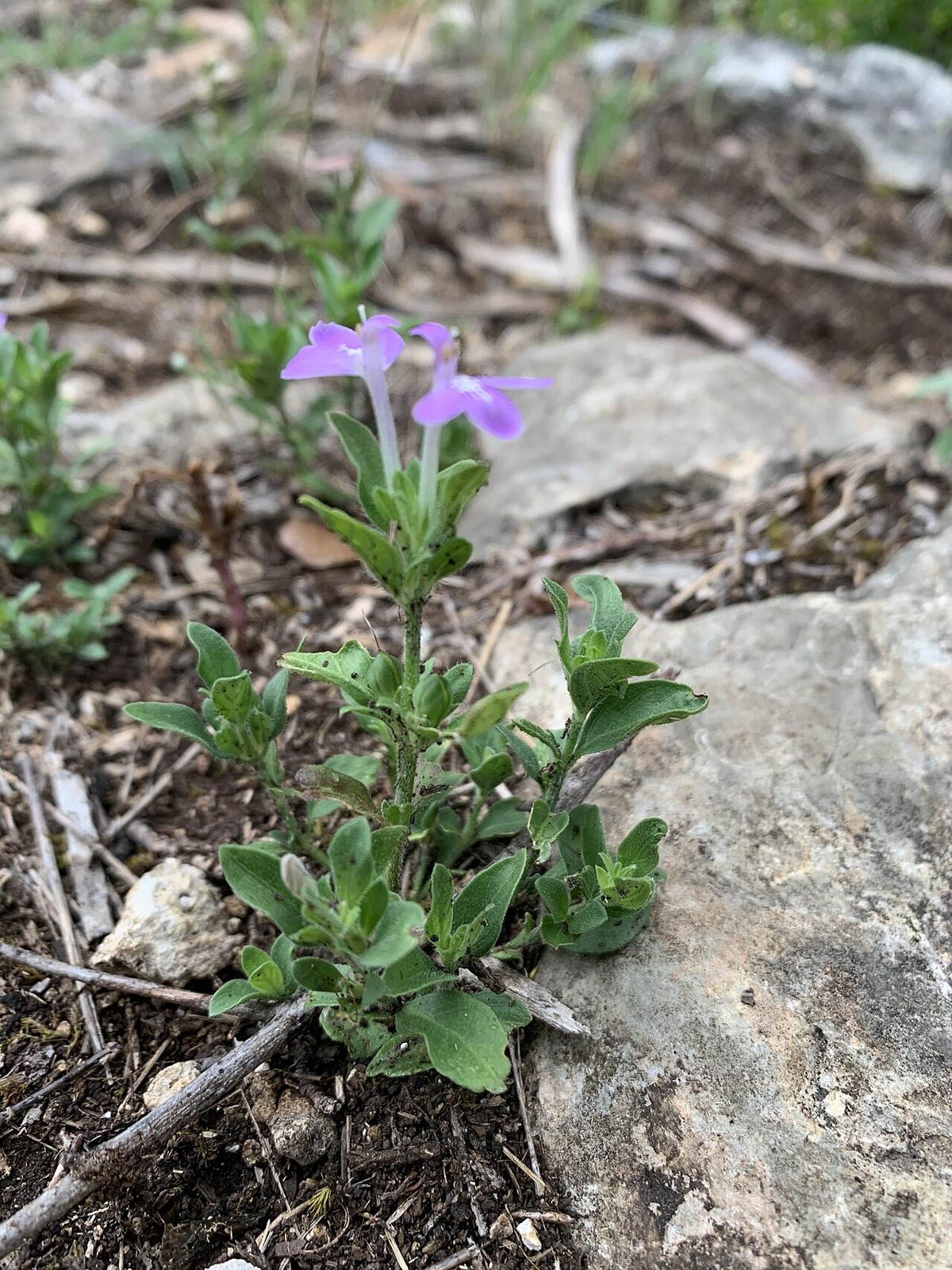
Hairy Tubetongue tucked into a limestone rock crevice, its slender purple flowers rising above a low mat of foliage. Photo: iNaturalist user seekingtrees / Wikimedia
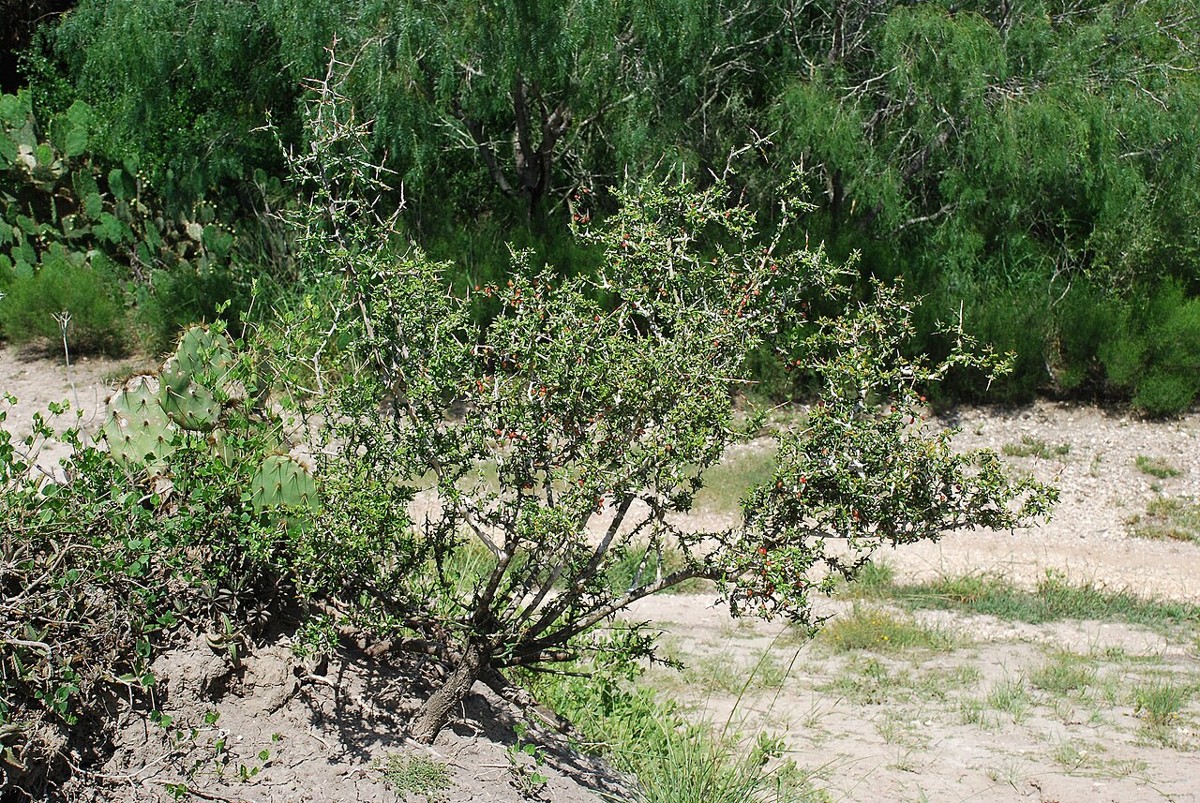
A mature Goatbush grows in typical South Texas thornscrub beside prickly pear and mesquite. Photo: Wikimedia Commons (CC BY-SA 4.0) Castela erecta, commonly called Goatbush
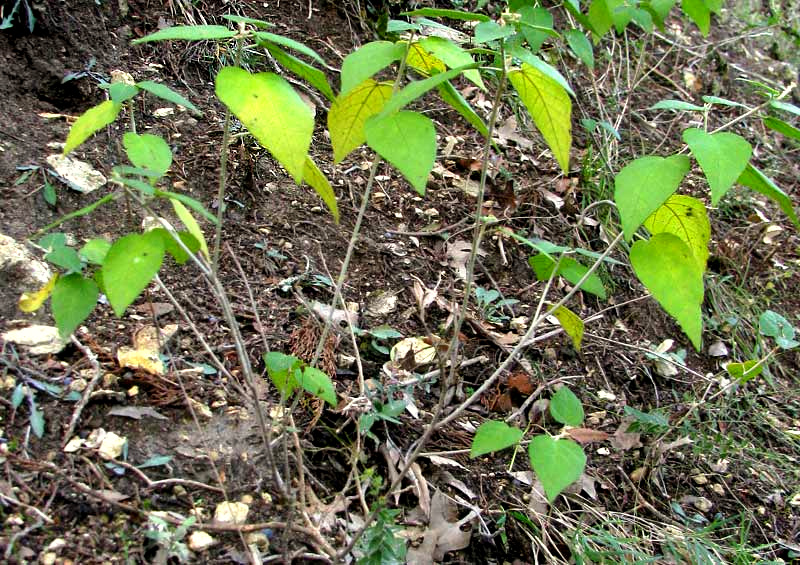
A young Bush Croton growing on a rocky limestone slope, its heart-shaped leaves still bright green. Photo: Gaiacoyote / Wikimedia Commons (CC0) Croton fruticulosus, commonly
View More