Plants That Look Like Clover: Identifying Similar Species
Last updated: September 16, 2026
Clovers are a common sight in gardens and lawns, but did you know that there are other plants that closely resemble clovers? These plants are often mistaken for clovers due to their similar leaf shape and size. Identifying these clover lookalikes can be challenging, but it’s important to know the differences in order to properly care for your garden and avoid unwanted weeds.
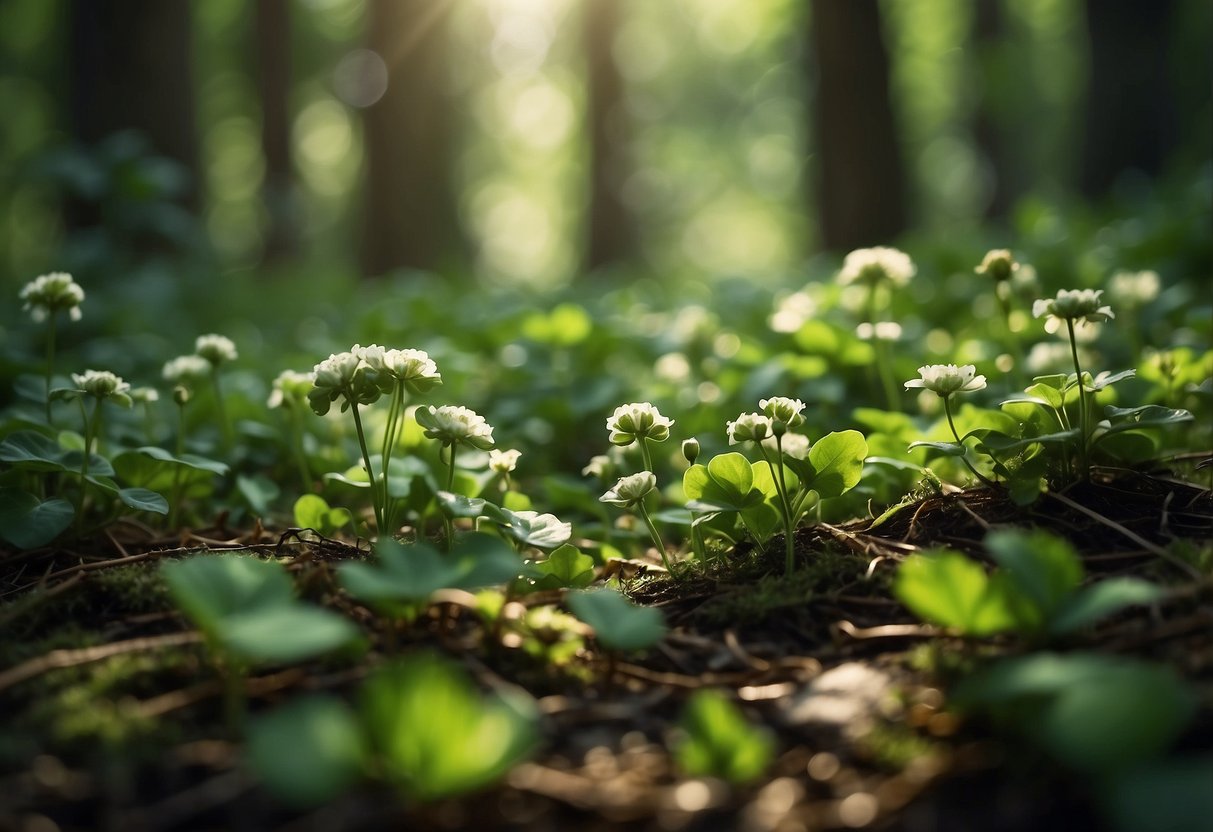
One of the most well-known plants that look like clovers is the shamrock. Shamrocks are often associated with St. Patrick’s Day and are a symbol of Ireland. They have three heart-shaped leaves that are similar in shape to clover leaves. However, shamrocks are a different plant species than clovers and require different growing conditions.
Other clover lookalikes include wood sorrel, black medic, and spotted deadnettle. Wood sorrel, also known as oxalis, has delicate clover-like leaves that are arranged in a rosette pattern. Black medic has leaves that are similar in shape to clovers, but with small yellow flowers. Spotted deadnettle has leaves that are similar in shape to clovers, but with purple flowers. Knowing how to identify these plants can help you maintain a healthy garden and avoid unwanted weeds.
Identifying Clover and Its Lookalikes

Characteristics of True Clovers
Clovers are members of the legume family and are known for their nitrogen-fixing abilities. They have trifoliate leaves, which means each leaf is divided into three leaflets. The leaves are typically heart-shaped and have a smooth texture. The flowers of clovers are small and usually white or pink in color. The most common types of clovers are white clover (Trifolium repense) and red clover (Trifolium pratense). Four-leaf clovers are a variation of the white clover and are considered lucky by many people.
Common Clover Mimics in Gardens and Meadows
Gardeners and homeowners often mistake other plants for clovers due to their similar appearance. Some common clover mimics include wood sorrel (Oxalis), black medic (Medicago lupulina), hop clover (Trifolium dubium), and lesser trefoil (Trifolium dubium). These plants have trifoliate leaves and small flowers that resemble clovers. However, they can be distinguished from true clovers by their unique characteristics.
Distinguishing Features of Clover Lookalikes
Wood sorrel (Oxalis) is a common clover mimic that has heart-shaped leaves and sour-tasting foliage due to the presence of oxalic acid. Black medic (Medicago lupulina) is a sprawling plant found in dry grasslands and has yellow flowers. Hop clover (Trifolium dubium) is a low-growing plant with oval-shaped leaves and yellow flowers. Lesser trefoil (Trifolium dubium) has trifoliate leaves and pink flowers. Spotted deadnettle (Lamium maculatum) and winged clover (Trifolium hybridum) are other clover-like plants that have unique characteristics that set them apart from true clovers.
In conclusion, identifying clovers and their lookalikes can be challenging, but by examining their distinguishing features, it is possible to differentiate between them. Gardeners and homeowners should be aware of the common clover mimics in gardens and meadows to avoid confusion.
Cultivation and Uses of Clover and Similar Plants
Growing Conditions and Plant Care
Clover and similar plants are relatively easy to grow and care for, making them popular choices for gardeners and farmers. They thrive in a variety of conditions, including full sun, partial shade, and even shade. They prefer well-draining soil and regular watering, but can also tolerate drought conditions.
Clover plants are known for their nitrogen-fixing abilities, which means they can convert atmospheric nitrogen into a form that is usable by plants. This makes them an excellent choice for green manure, cover crops, and as a source of nitrogen for other plants.
Environmental Benefits and Gardening Applications
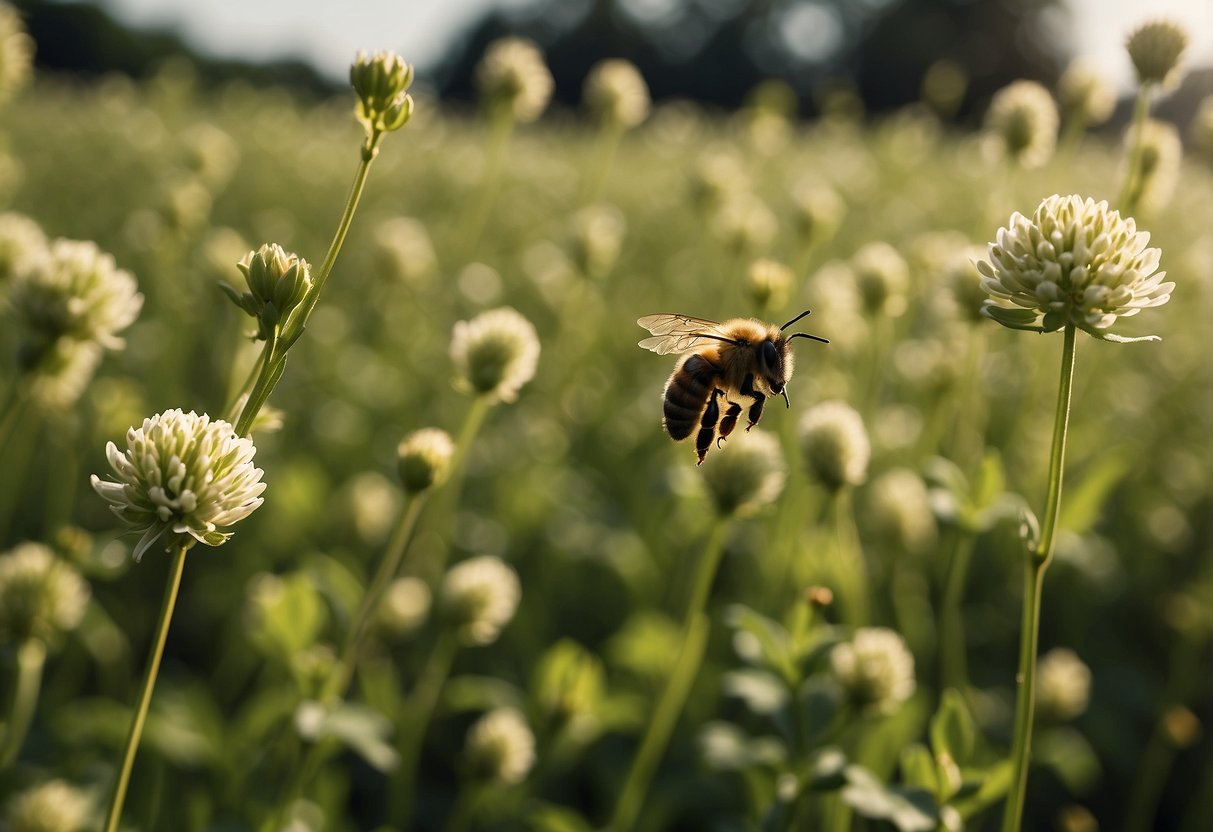
Clover and similar plants have a variety of environmental benefits. They are excellent pollinator plants, attracting bees and other beneficial insects to the garden. They also help to prevent soil erosion and improve soil health by adding organic matter and nitrogen to the soil.
In addition to their environmental benefits, clover and similar plants have a variety of gardening applications. They can be used as a cover crop to protect soil from erosion, as a companion plant to deter pests, and as a source of food for livestock.
Symbolism and Cultural Significance
Clover and similar plants have a rich cultural significance. The four-leaf clover is a symbol of good luck and is often associated with St. Patrick’s Day and Irish culture. The shamrock plant, also known as the purple shamrock or Oxalis regnellii, is a symbol of the Holy Trinity in Christianity.
In addition to their cultural significance, clover and similar plants have culinary uses. Clover leaves can be eaten raw in salads or cooked as a vegetable. The tubers of the Oxalis regnellii, also known as the iron cross, are edible and have a tangy flavor.
Overall, clover and similar plants are versatile and easy-to-grow plants with a variety of uses and benefits. Whether you are a gardener, farmer, or simply looking for a symbol of good luck, clover and similar plants are a great choice. If you have any questions about growing or caring for these plants, consult with a local plant expert or gardening resource.