
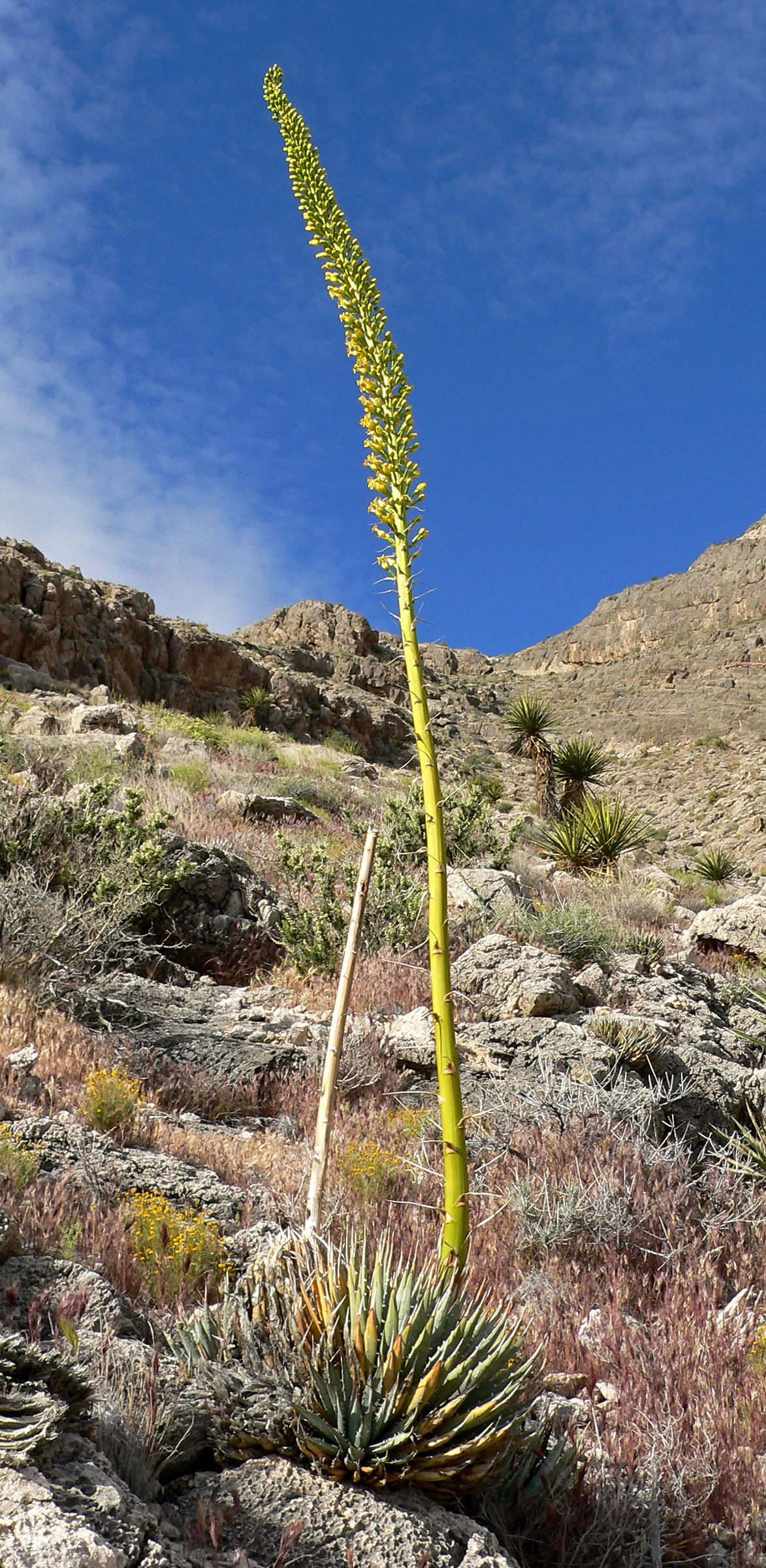
Utah agave sending up its single flowering stalk above a rocky slope near Red Rock Canyon, Nevada. Photo: Stan Shebs / Wikimedia Commons (CC BY-SA
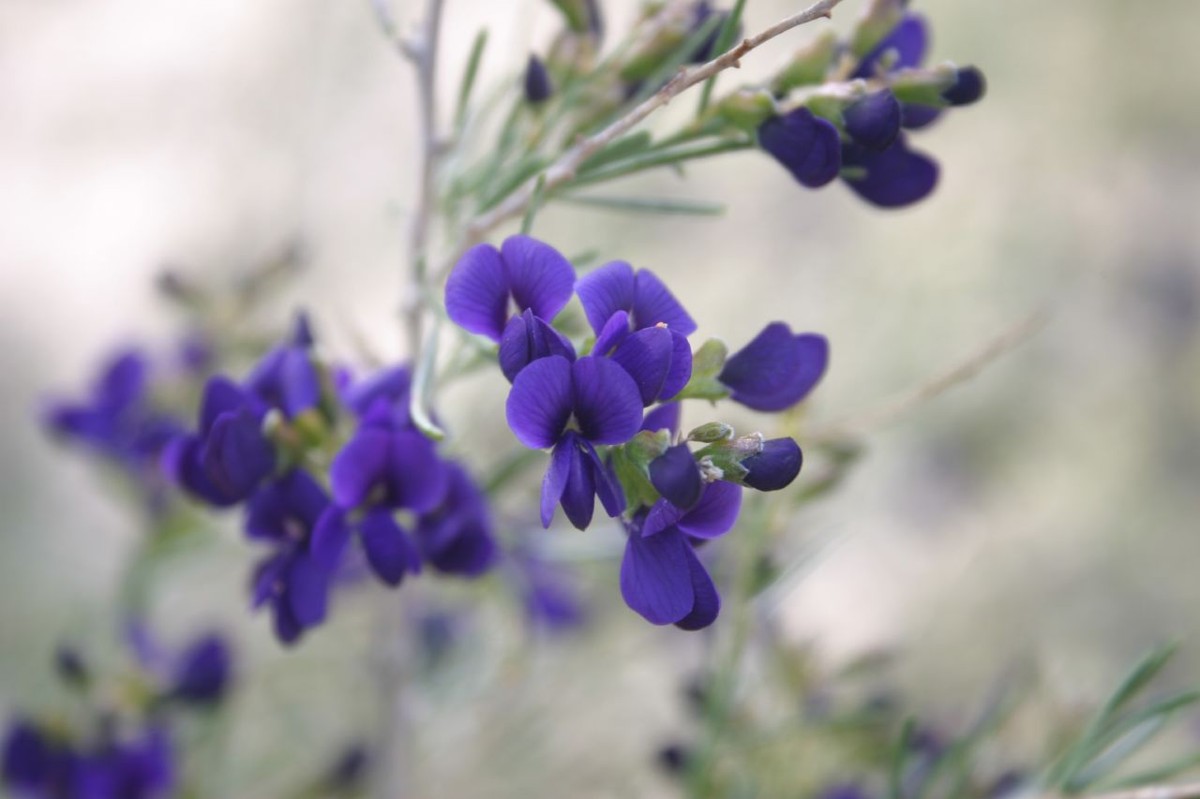
Indigo bush forms a dense, intricately branched gray-green shrub, here photographed leafless along a desert wash in southern California. Photo: Wikimedia Commons (CC BY-SA 2.0)
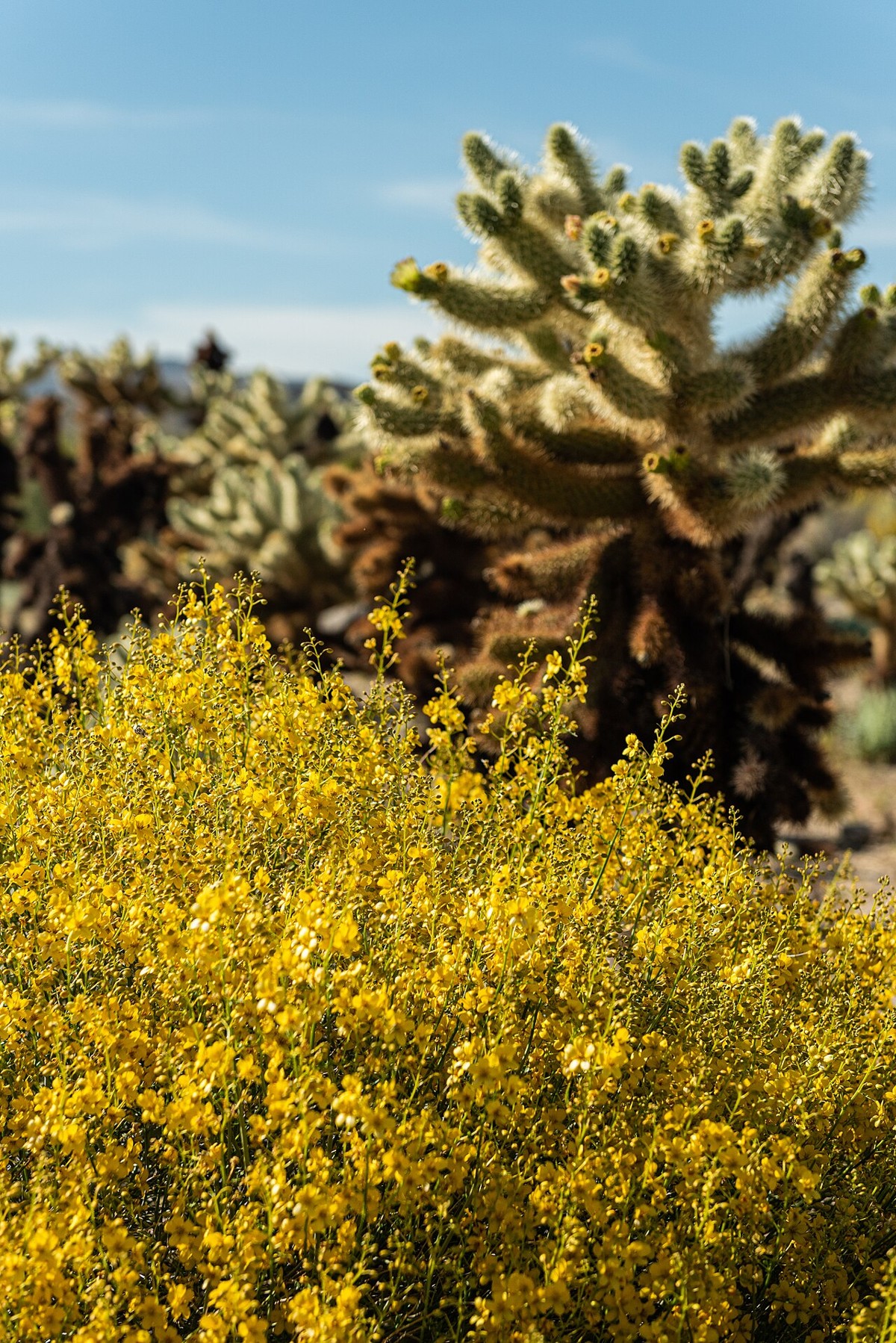
Desert senna in full spring bloom, growing among cholla cactus in Joshua Tree National Park, California. Photo: NPS / Alessandra Puig-Santana (public domain) Senna armata,
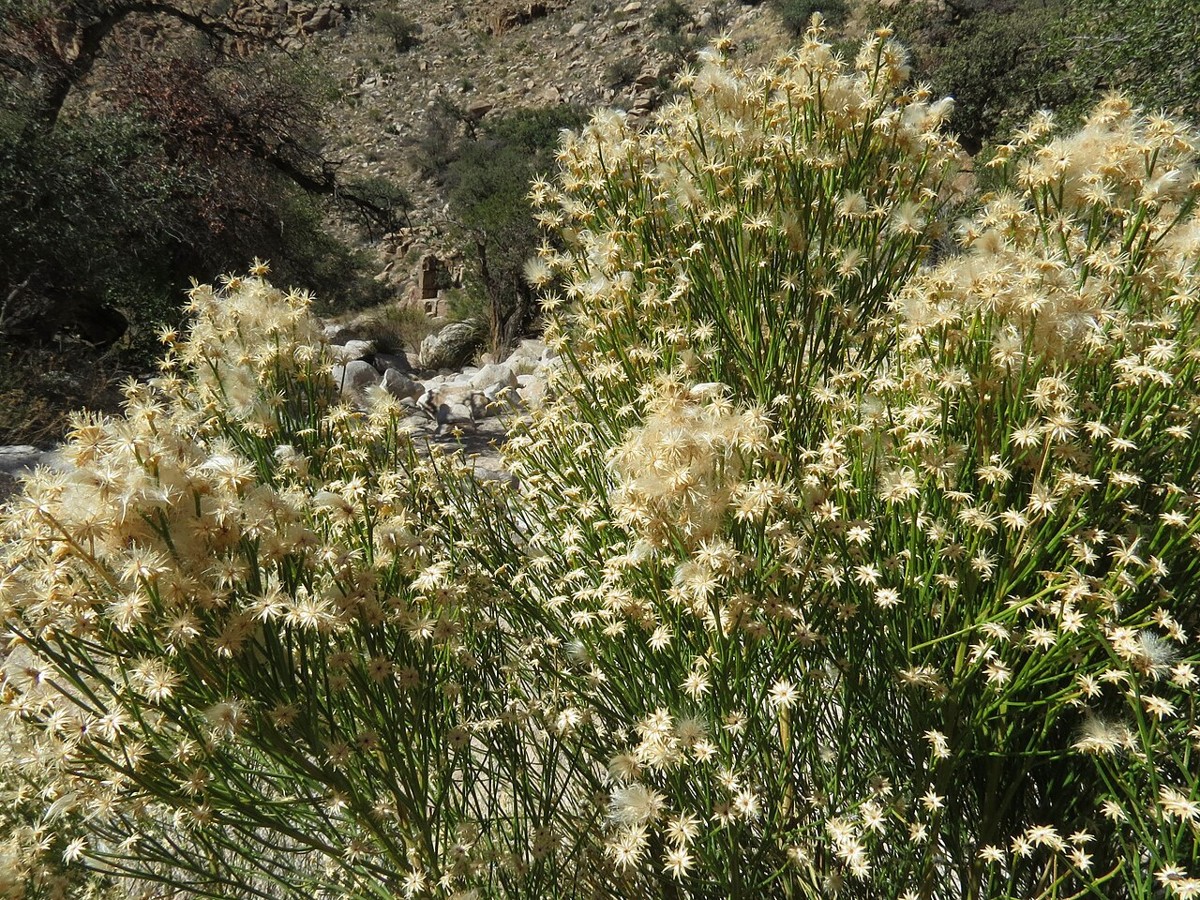
Desert broom at its fluffy, cotton-like seed stage in late fall, Molino Basin, Santa Catalina Mountains, Arizona. Photo: treegrow / Wikimedia Commons (CC BY 2.0)
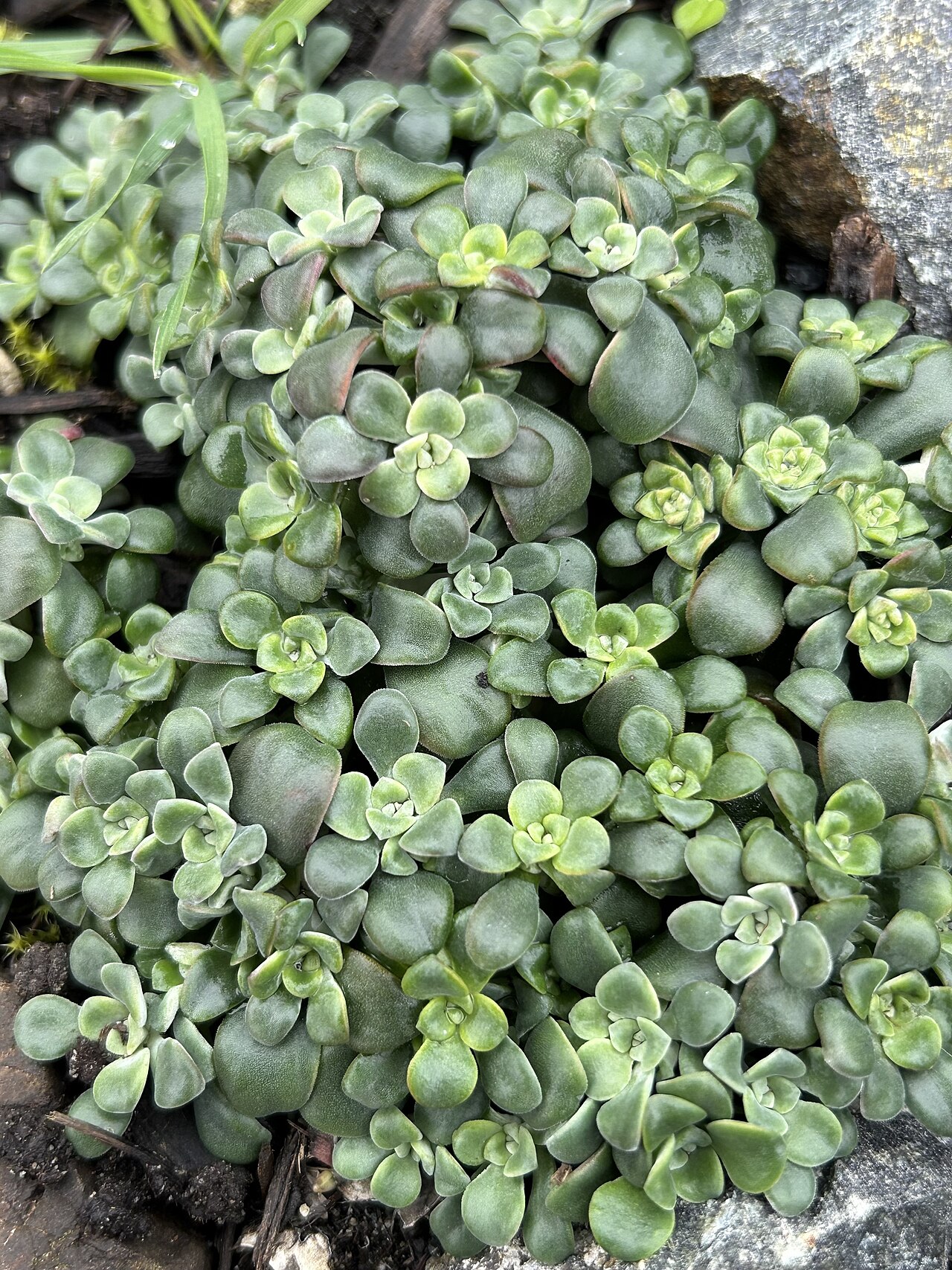
A dense mat of Pacific stonecrop rosettes in winter color. Photo: Broadwaymoon22 / Wikimedia Commons (CC BY-SA 4.0) Sedum spathulifolium, commonly called Pacific stonecrop or
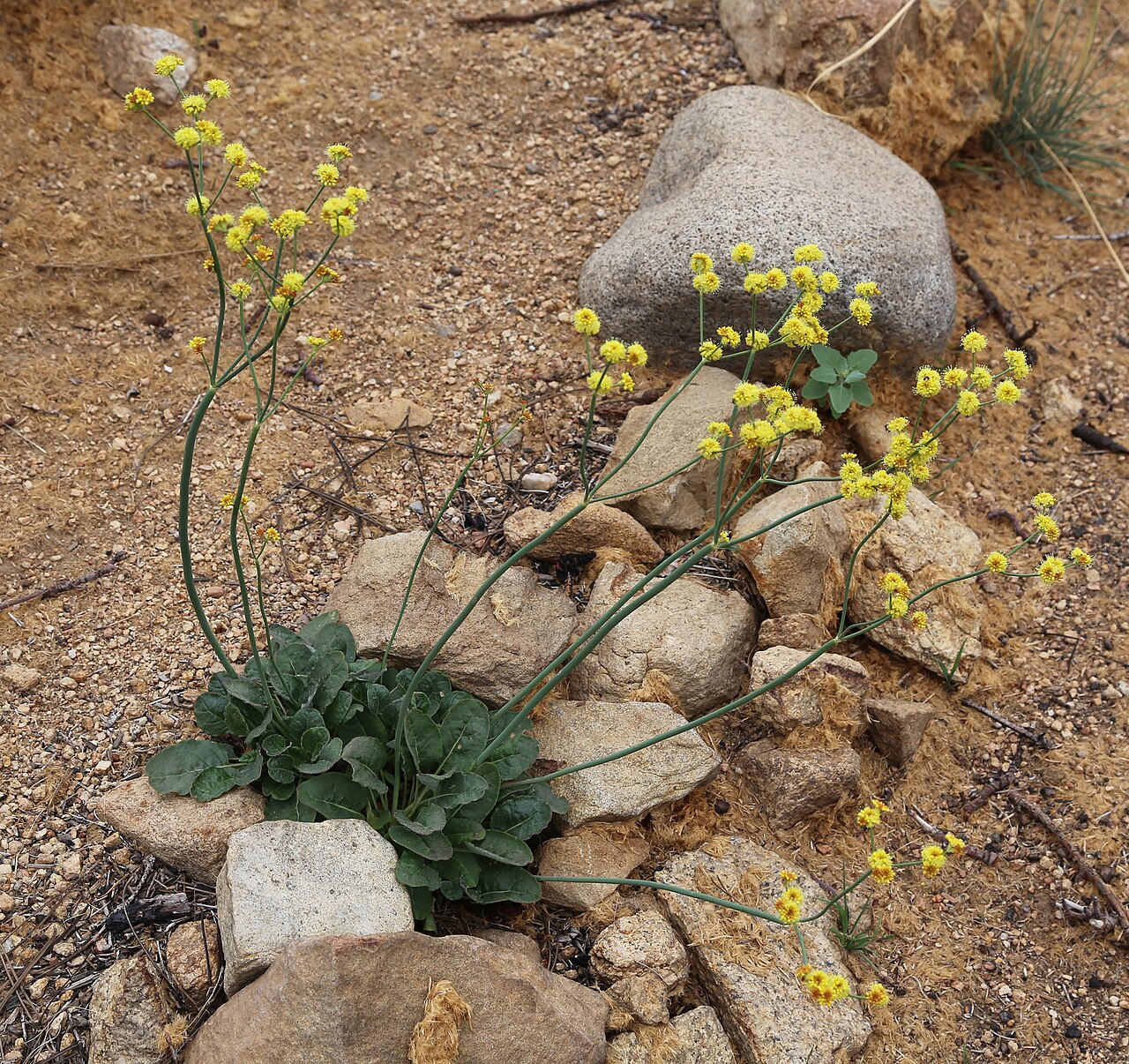
A naked buckwheat plant showing its basal leaf rosette and tall, wiry, leafless flowering stems. Photo: Wikimedia Commons (CC BY 4.0) Eriogonum nudum, commonly called
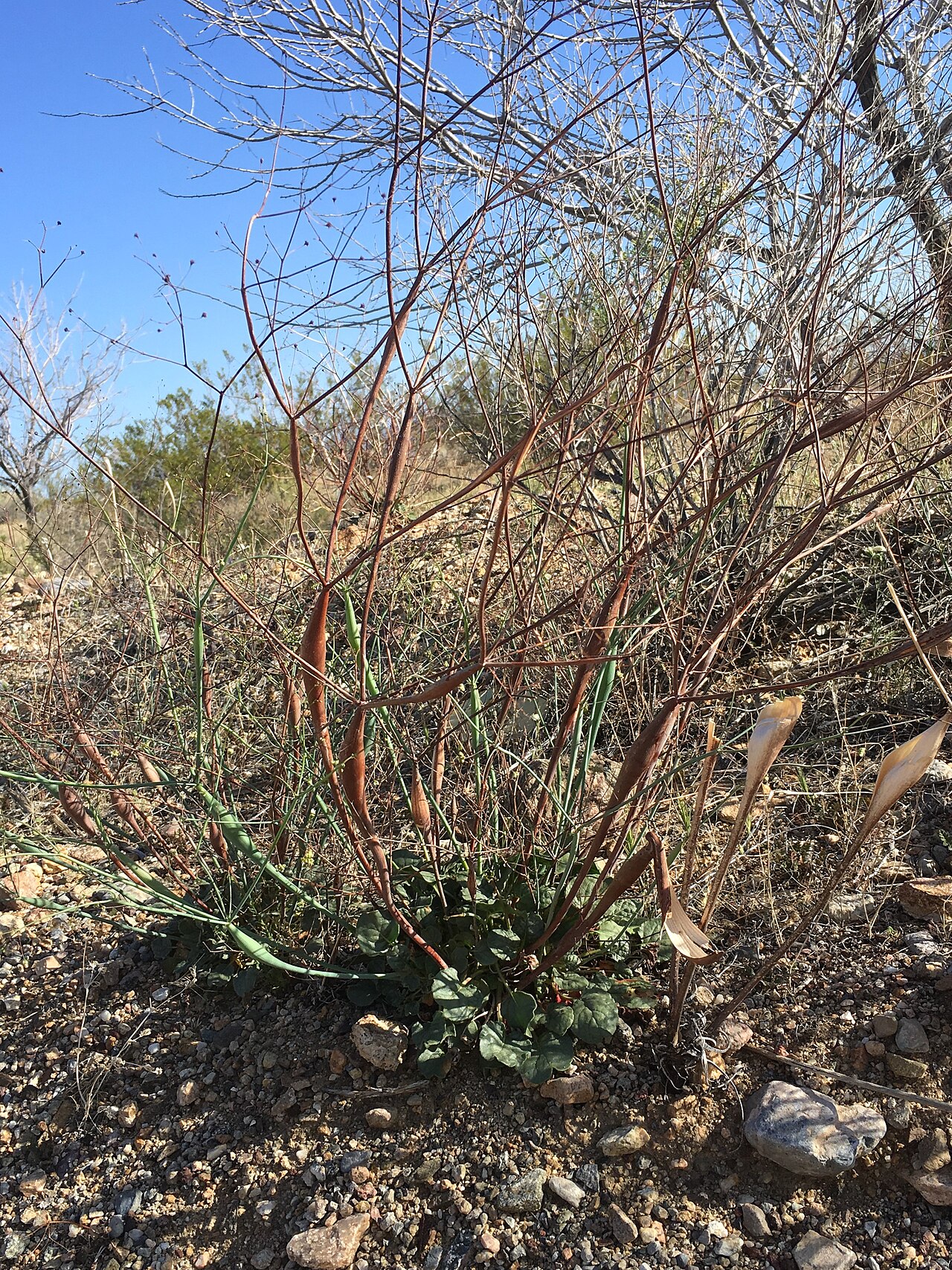
Desert trumpet’s signature swollen stems, the feature that gives the plant its common name. Photo: Agnieszka Kwiecień, Nova / Wikimedia Commons (CC BY-SA 4.0) Eriogonum
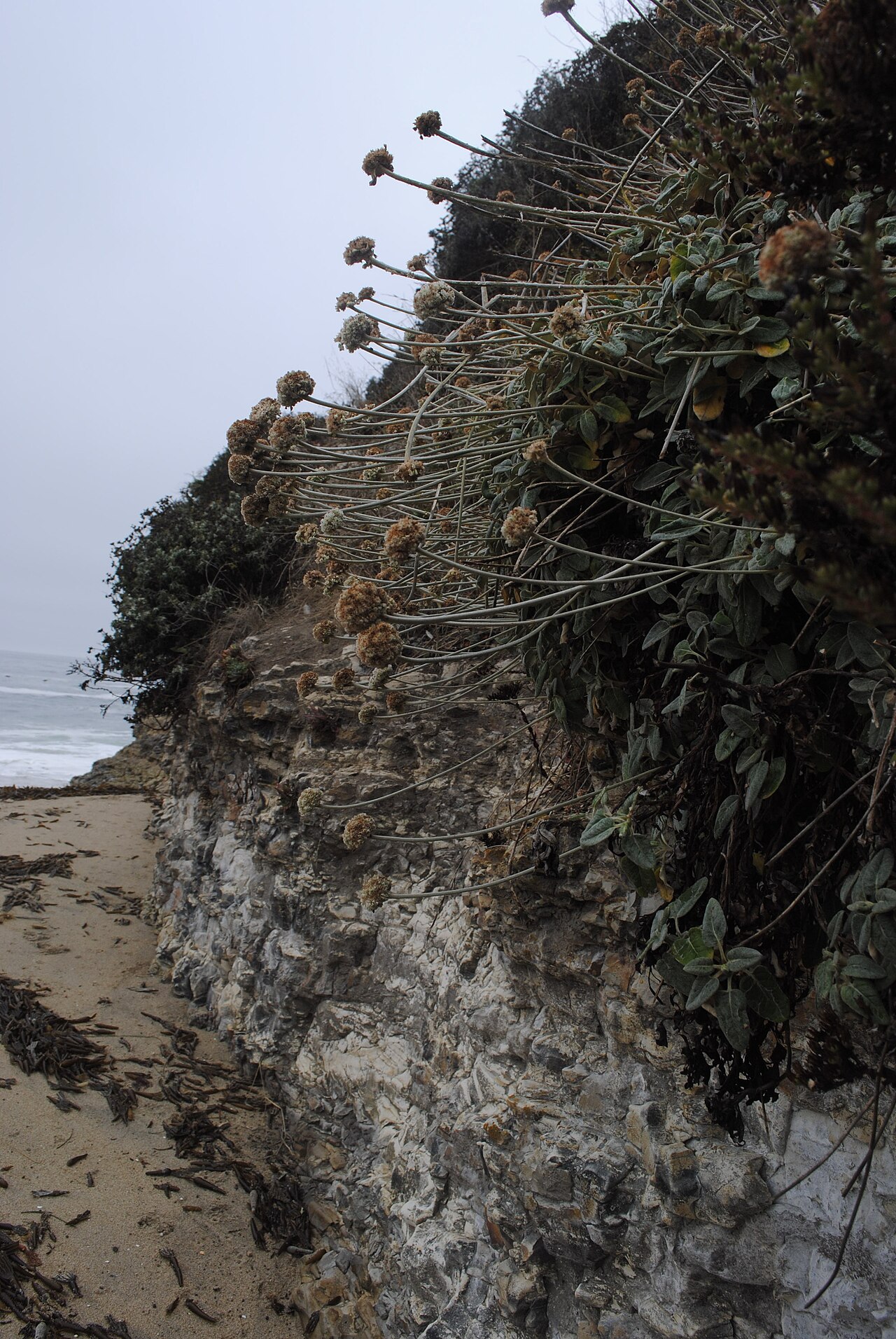
Coast buckwheat colonizing a sea bluff, its sturdy stems arching out over bare rock. Photo: oliveoligarchy / Wikimedia Commons (CC BY 2.0) Eriogonum latifolium, known
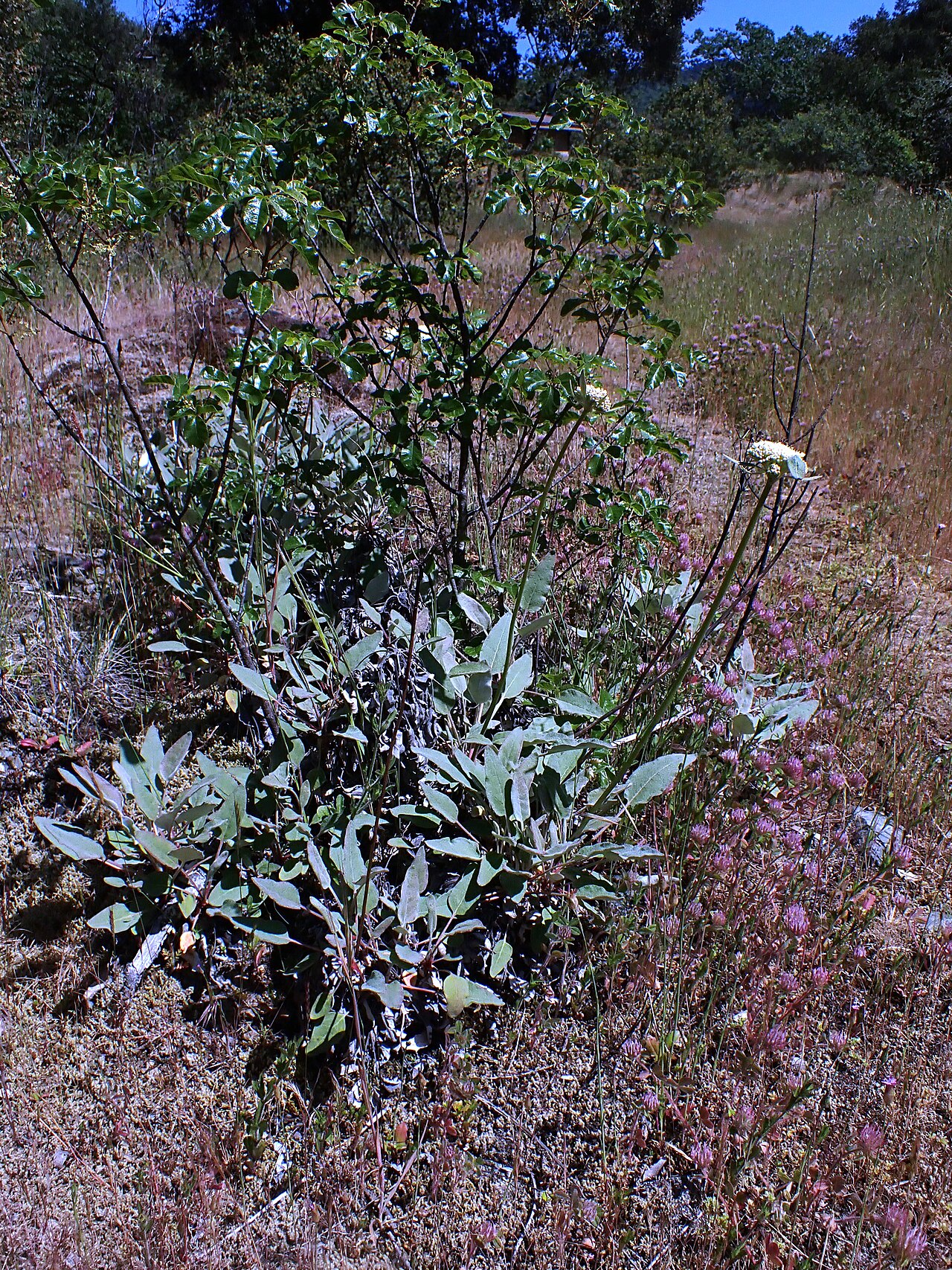
Arrowleaf buckwheat’s gray-green, arrow-shaped basal leaves and tall flowering stalks, growing wild in Klamath National Forest, California. Photo: Kollibri1969 / Wikimedia Commons (CC BY 4.0)
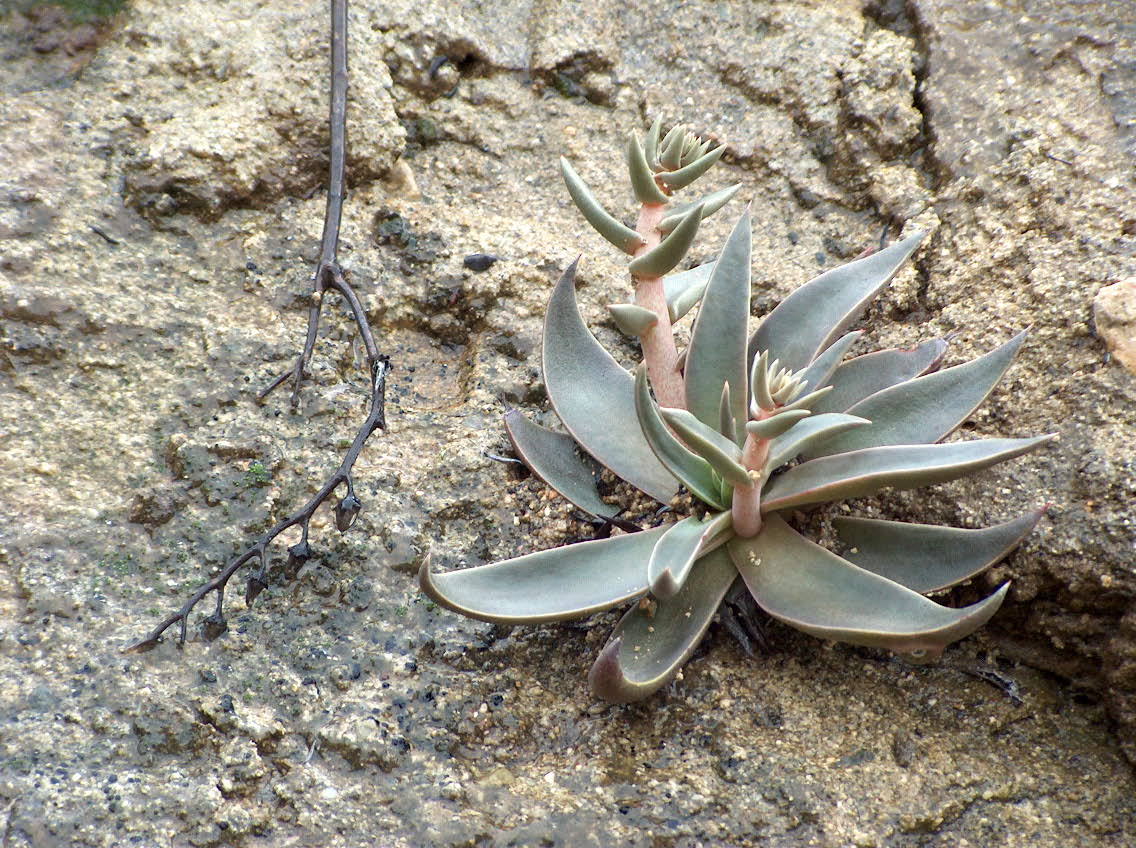
Lanceleaf liveforever’s narrow, upward-curving leaves distinguish it from broader-leaved Dudleya relatives. Photo: Joe Decruyenaere / Wikimedia Commons (CC BY-SA 2.0) Dudleya lanceolata, commonly called lanceleaf
View More