
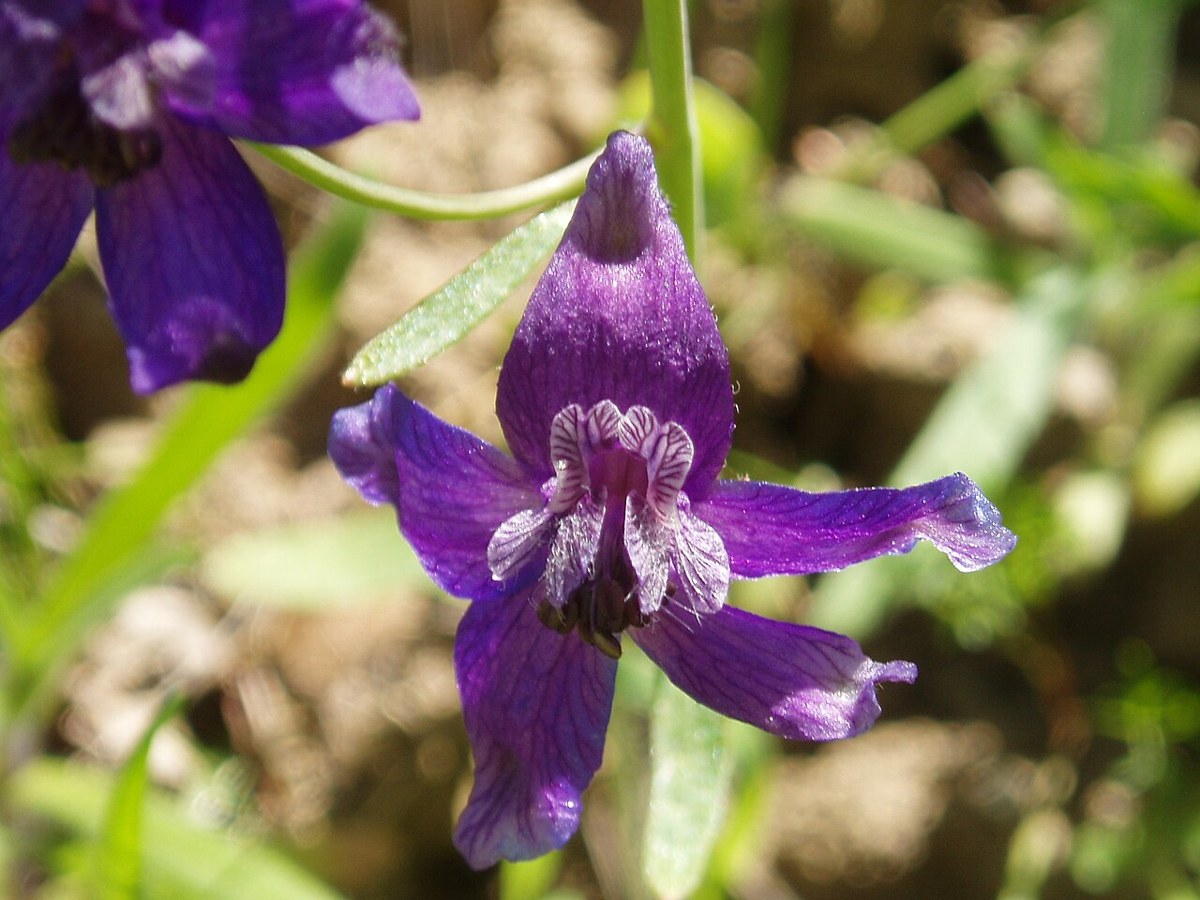
Royal larkspur in bloom at Morgan Territory Regional Preserve, Contra Costa County. Photo: Tom Hilton / Wikimedia Commons (CC BY 2.0) Delphinium variegatum, commonly known
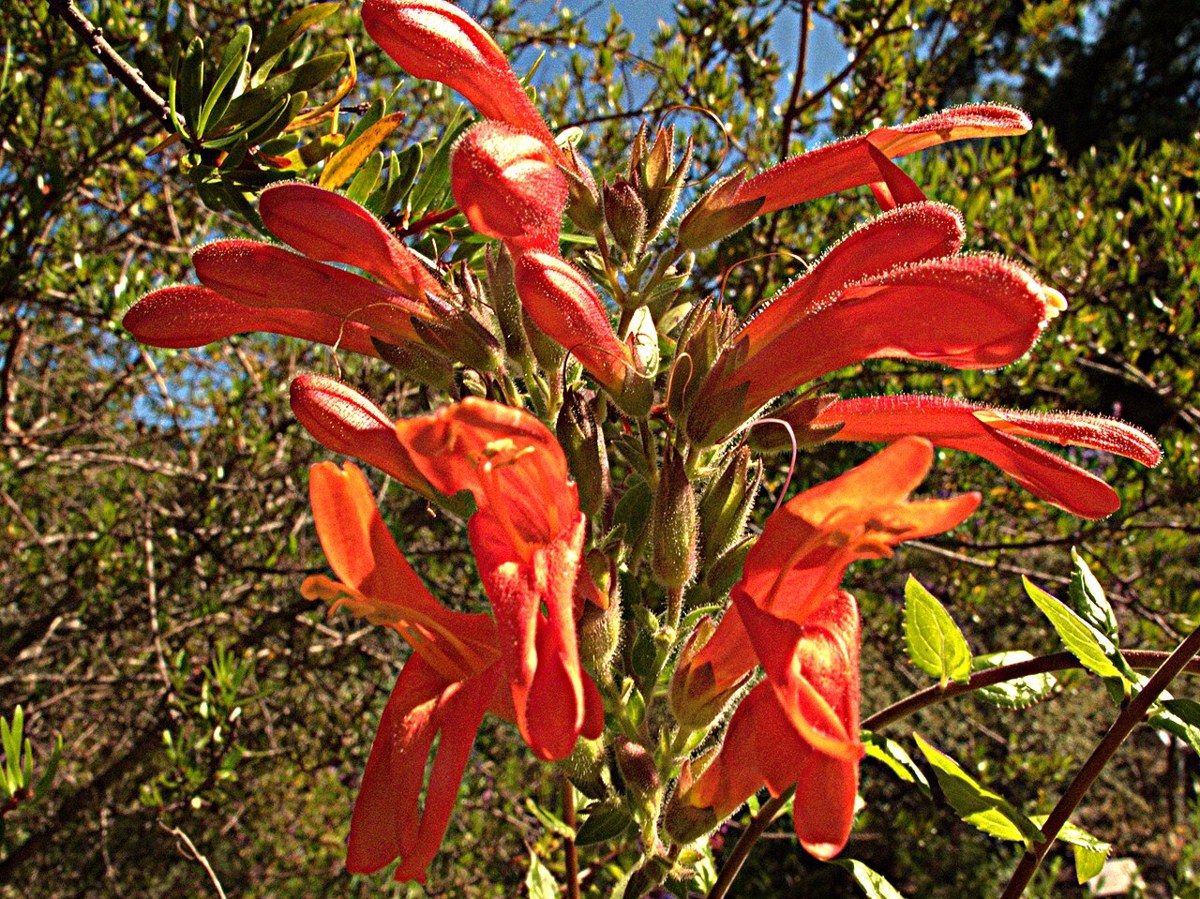
Heart-leaved penstemon scrambling through chaparral, its red tubular flowers held above the foliage. Photo: John Rusk / Wikimedia Commons (CC BY 2.0) Keckiella cordifolia, commonly
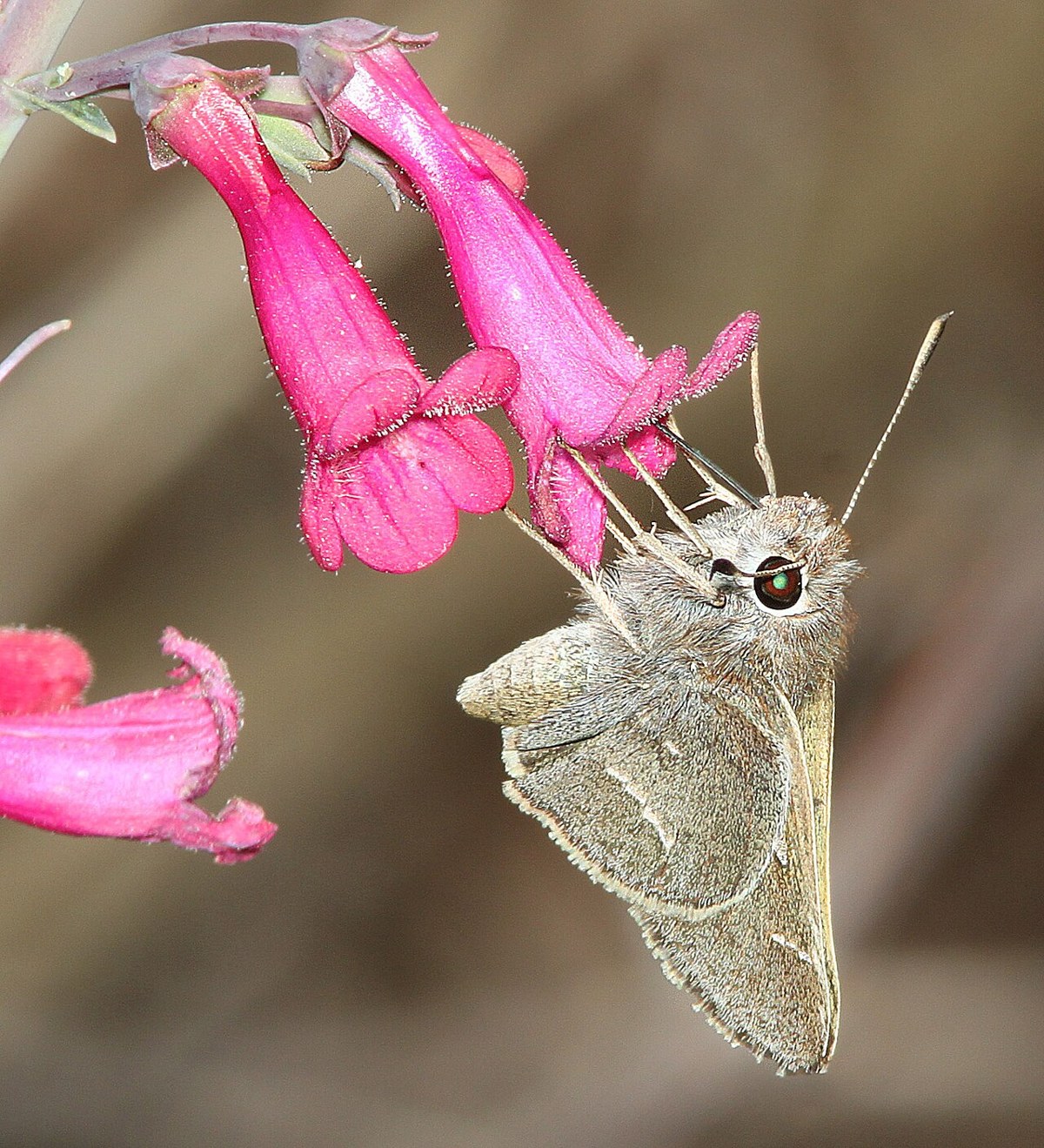
Desert beardtongue in bloom in Arizona, visited here by a hairstreak butterfly. Photo: Alan Schmierer / Wikimedia Commons (public domain, CC0) Penstemon pseudospectabilis, commonly called
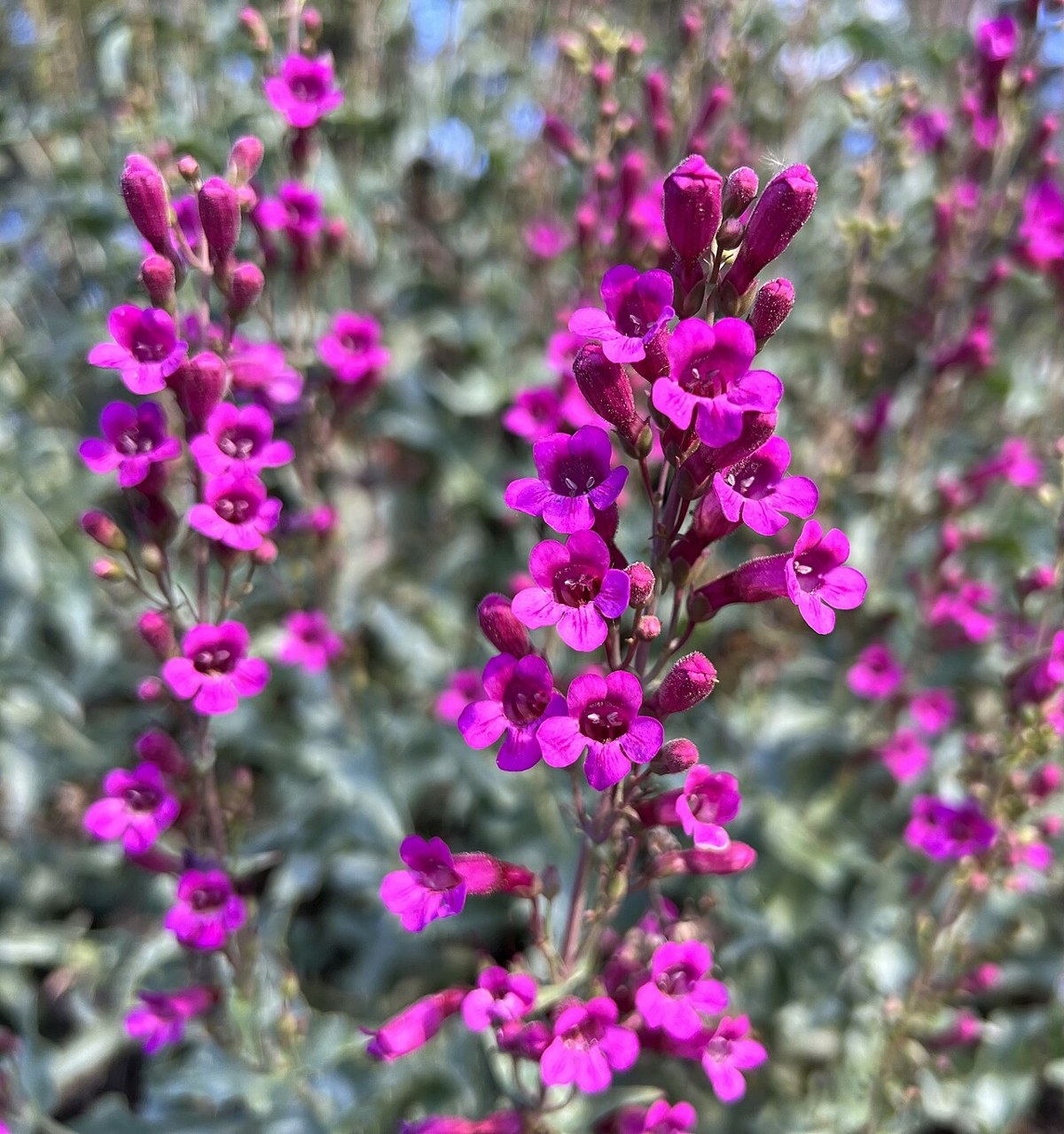
Cleveland’s penstemon in bloom, its magenta flower spikes rising above gray-green foliage. Photo: nmoorhatch / Wikimedia Commons (CC BY 4.0) Penstemon clevelandii, known as Cleveland’s
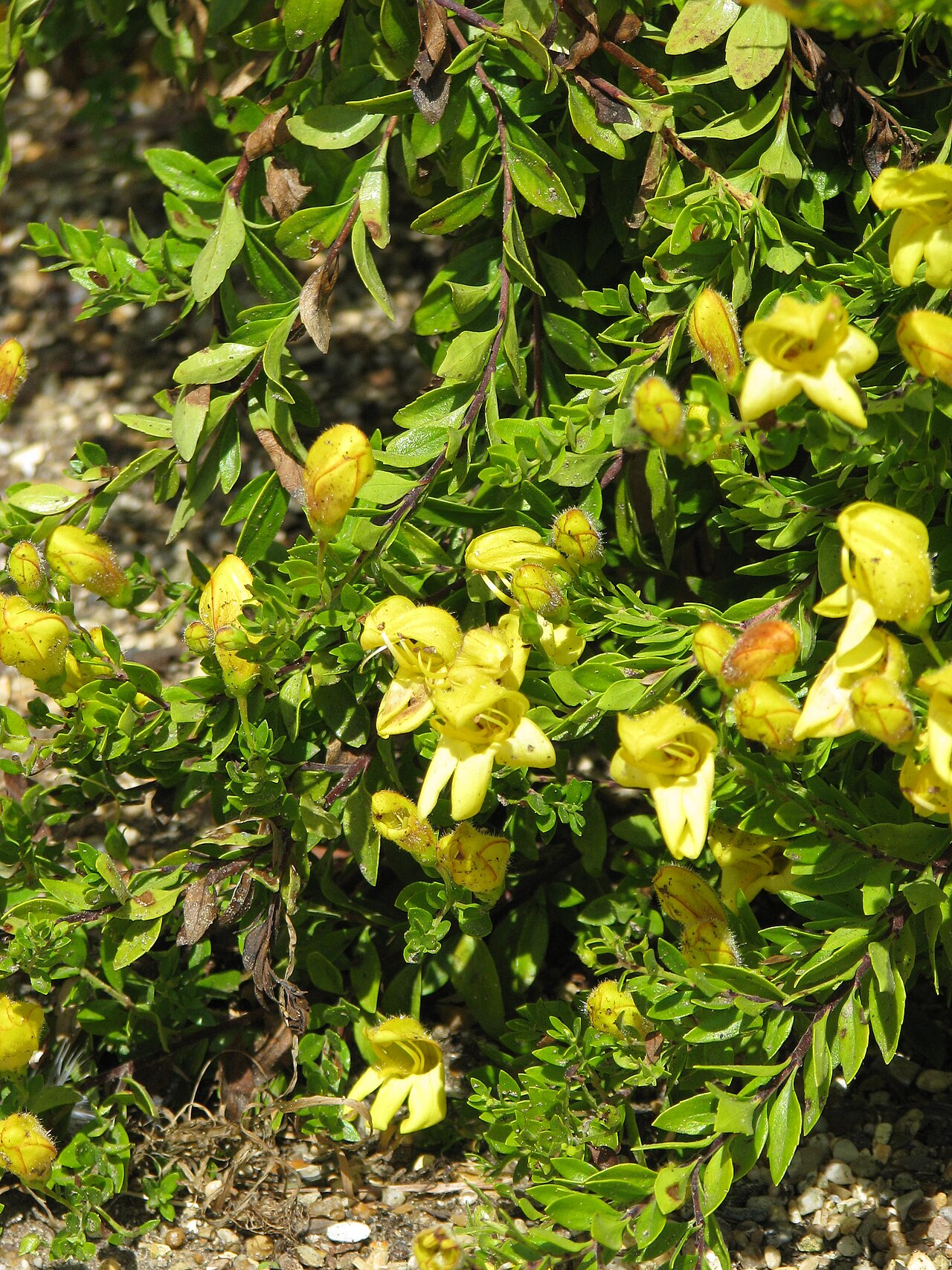
Yellow bush penstemon in full bloom, its arching stems lined with bright yellow, snapdragon-like flowers. Photo: peganum / Wikimedia Commons (CC BY-SA 2.0) Keckiella antirrhinoides,
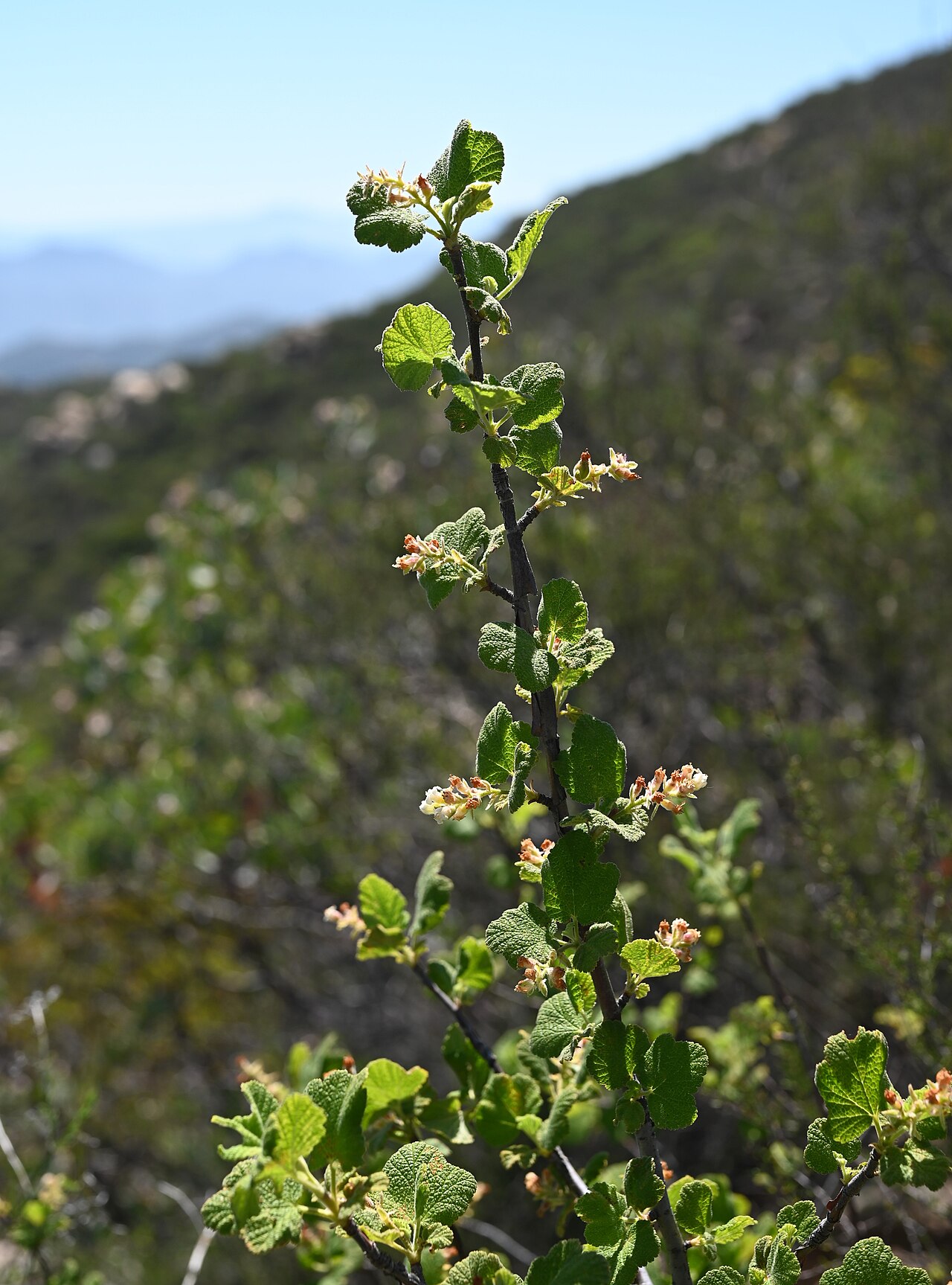
White-flowered currant blooming on a Southern California chaparral slope, its cream flowers appearing on tall, upright canes. Photo: Krzysztof Ziarnek, Kenraiz / Wikimedia Commons (CC
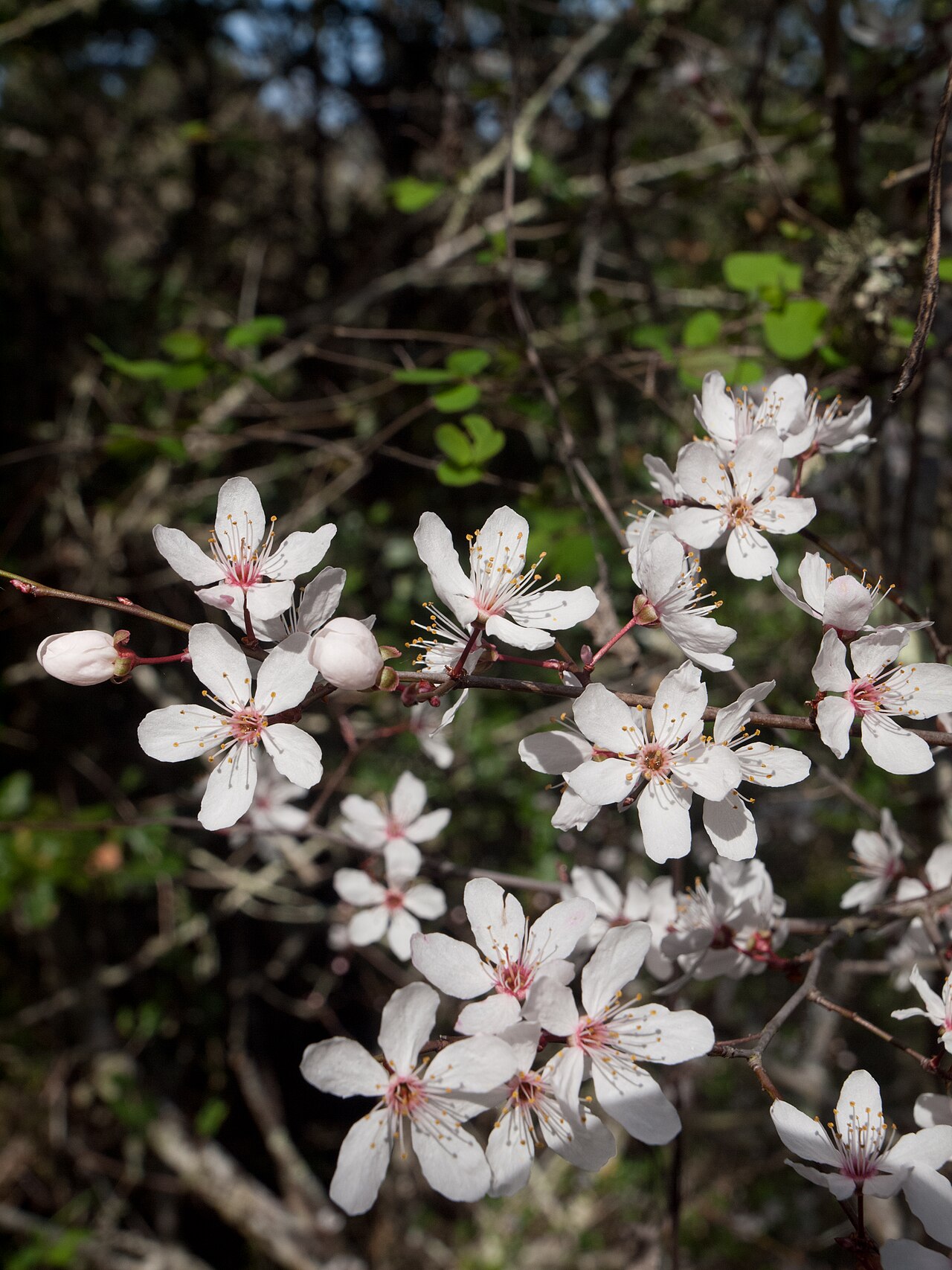
Sierra plum in full spring bloom, its thorny branches covered in fragrant white flowers before the leaves fully expand. Photo: Franco Folini / Wikimedia Commons
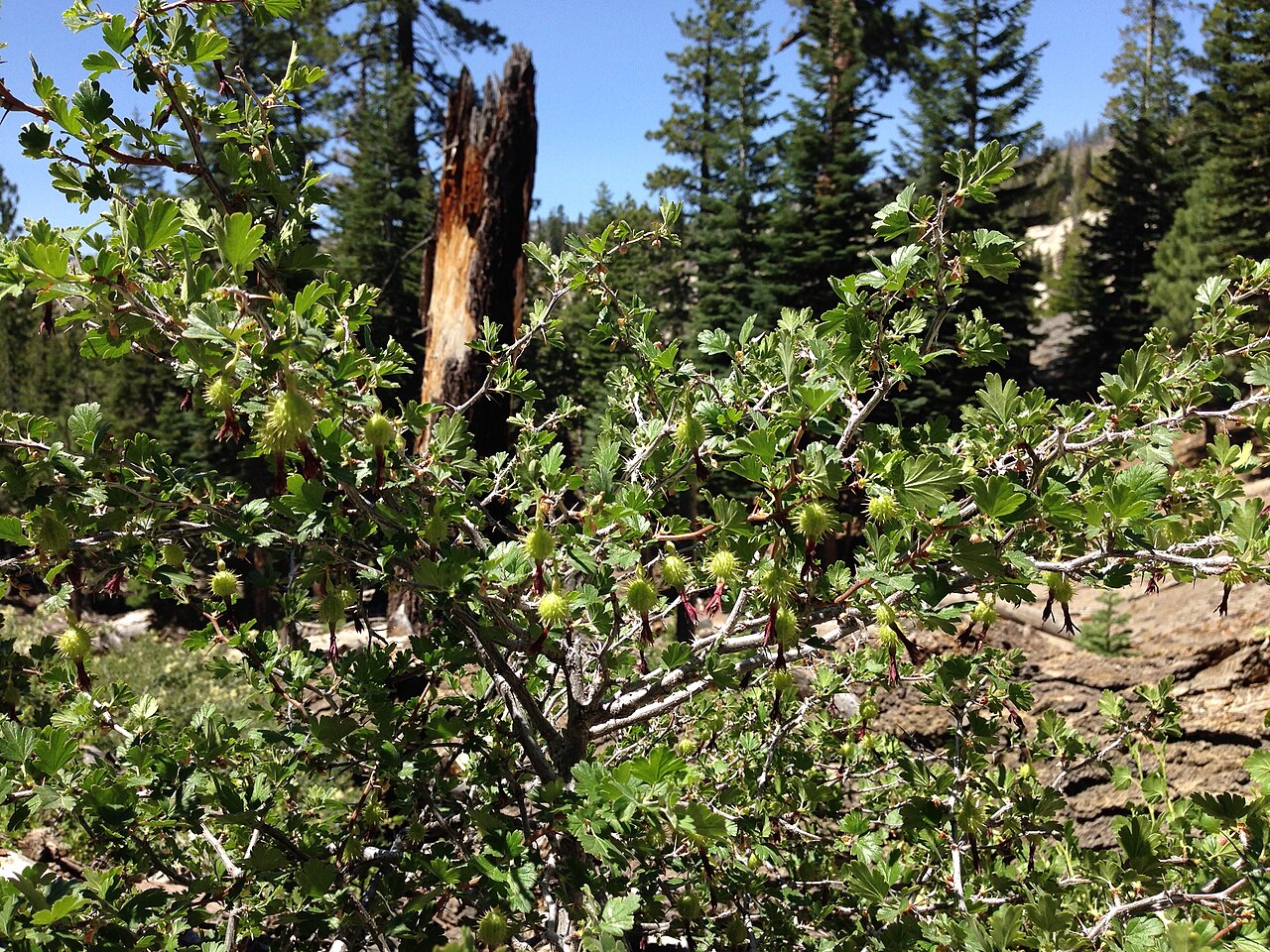
Sierra gooseberry growing in its natural montane conifer forest habitat, with developing spiny fruit along its spreading branches. Photo: Akos Kokai / Wikimedia Commons (CC
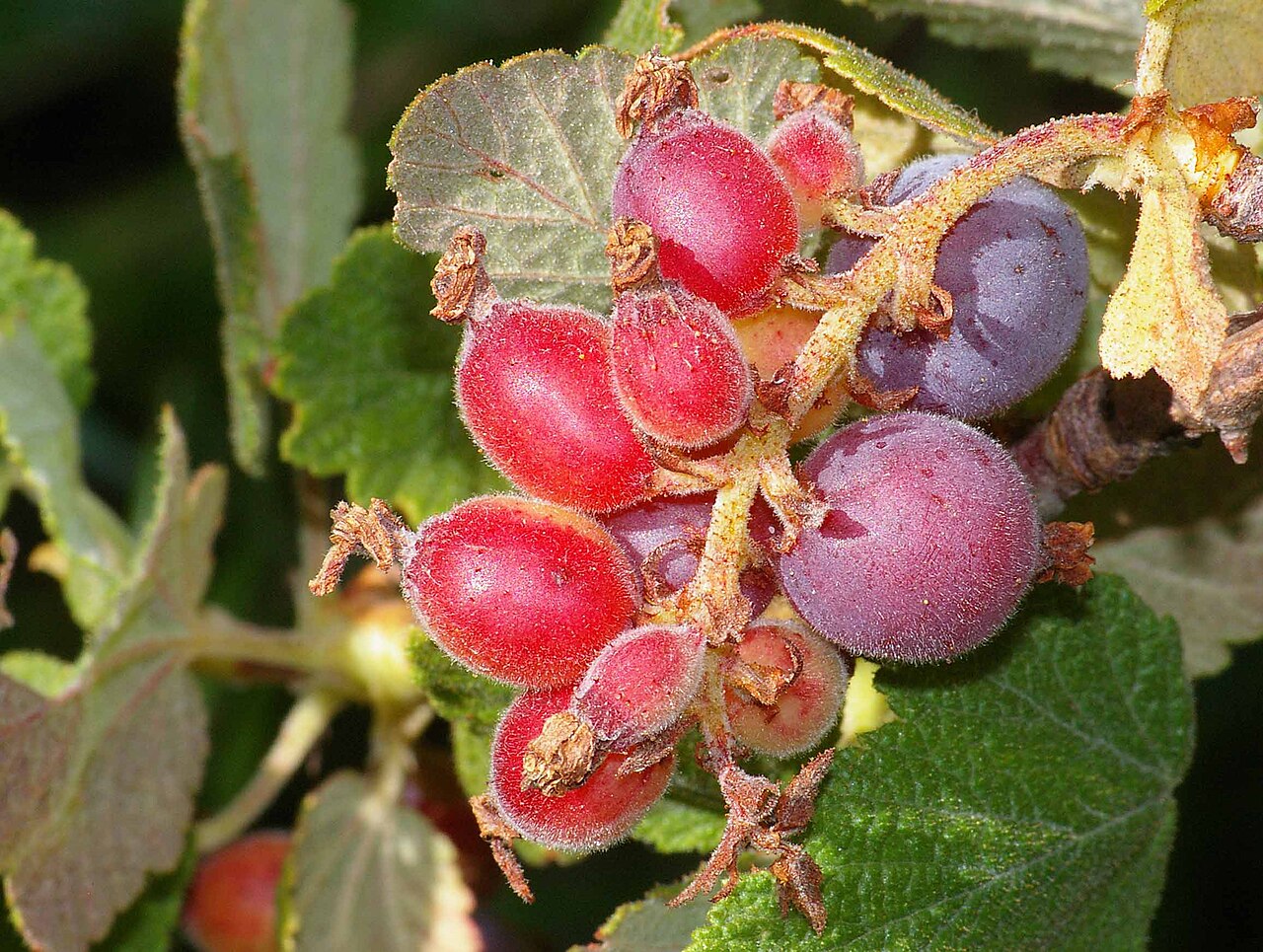
Chaparral currant in full winter bloom, its arching branches draped in pink flower clusters. Photo: Alan Schmierer / Wikimedia Commons (CC0) Ribes malvaceum, commonly known
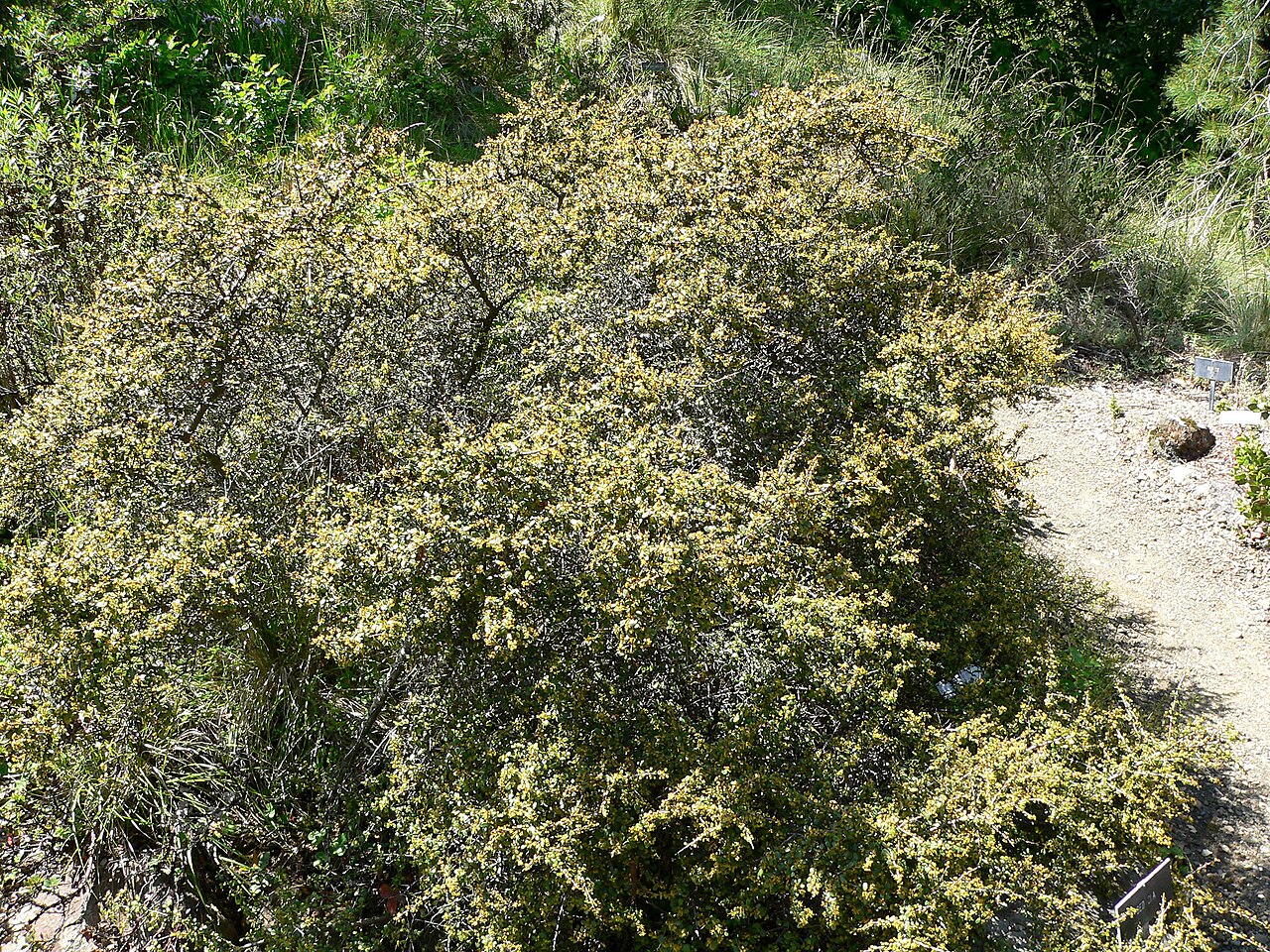
The dense, rounded habit of spiny redberry, here grown as a specimen shrub. Photo: Stan Shebs, Wikimedia Commons (CC BY-SA 3.0) Rhamnus crocea, commonly called
View More