
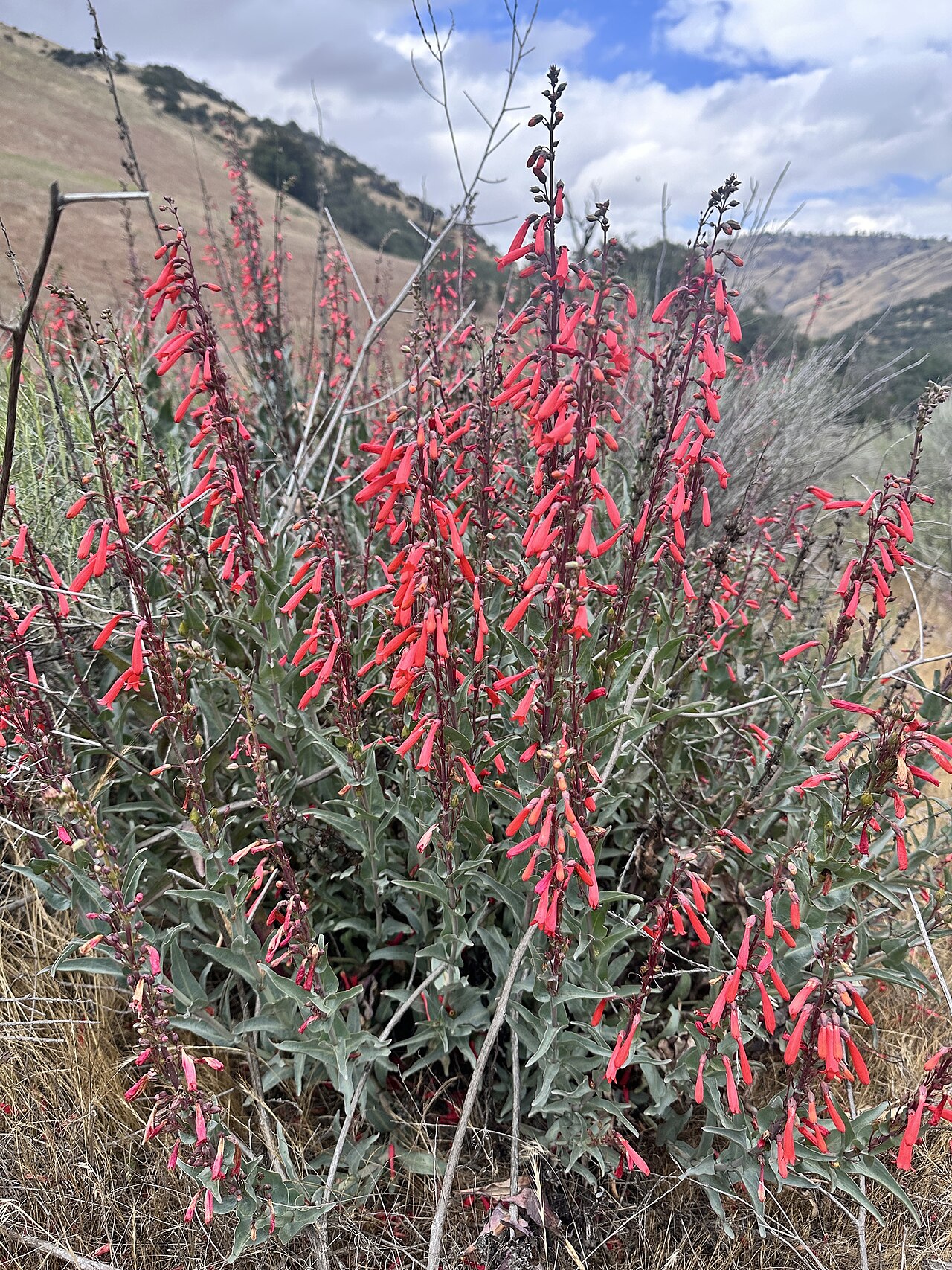
A scarlet bugler clump in full spring bloom on a California foothill slope. Photo: Leah Gardner, iNaturalist, via Wikimedia Commons (CC0) Penstemon centranthifolius, commonly called
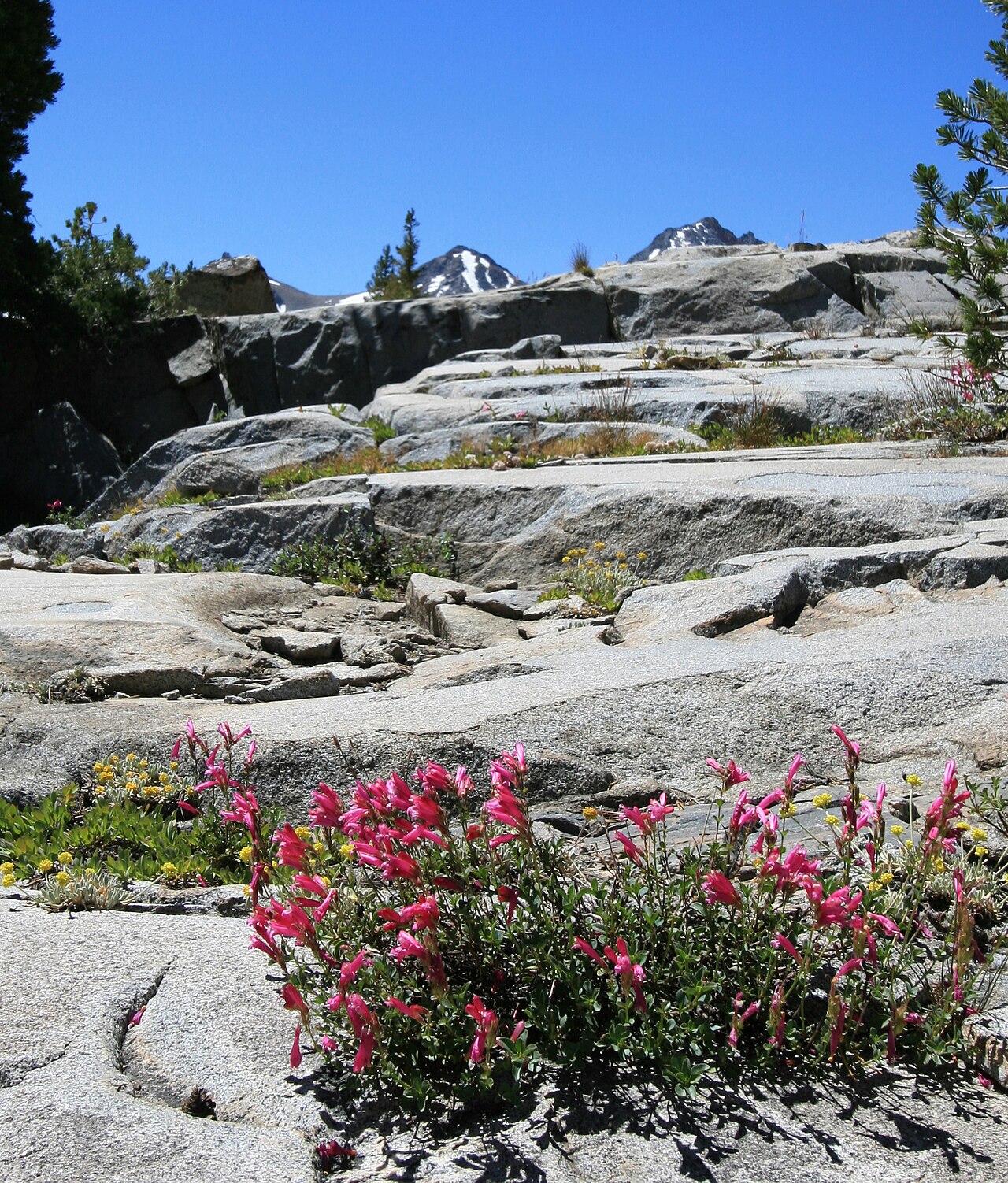
Mountain pride rooted in a granite crack near Donahue Pass, Ansel Adams Wilderness. Photo: Dcrjsr, via Wikimedia Commons (CC BY 3.0) Penstemon newberryi, commonly called
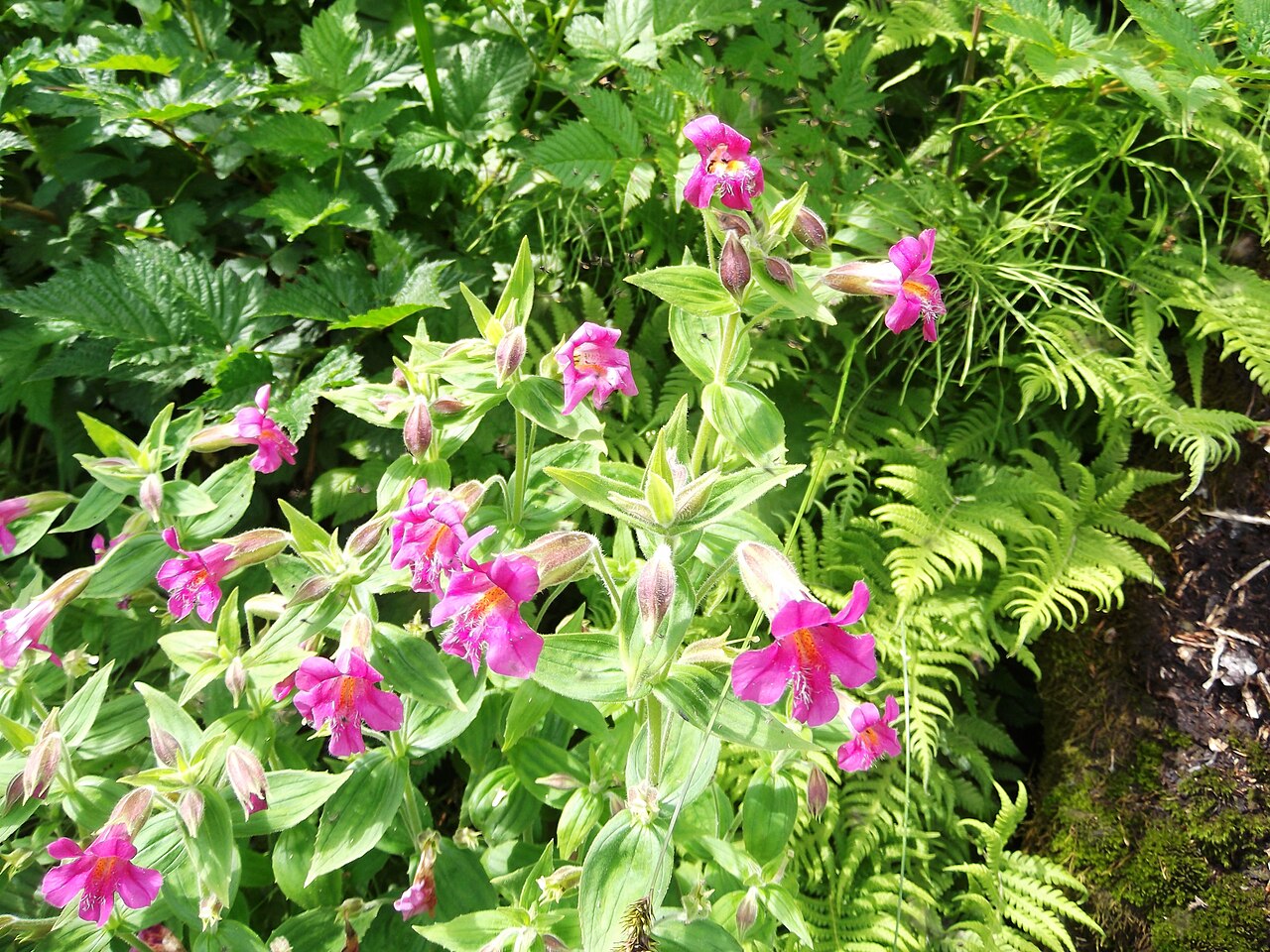
Lewis monkeyflower blooming beside a mountain stream near Lake 22, Washington. Photo: brewbooks, via Wikimedia Commons (CC BY-SA 2.0) Erythranthe lewisii (long known as Mimulus
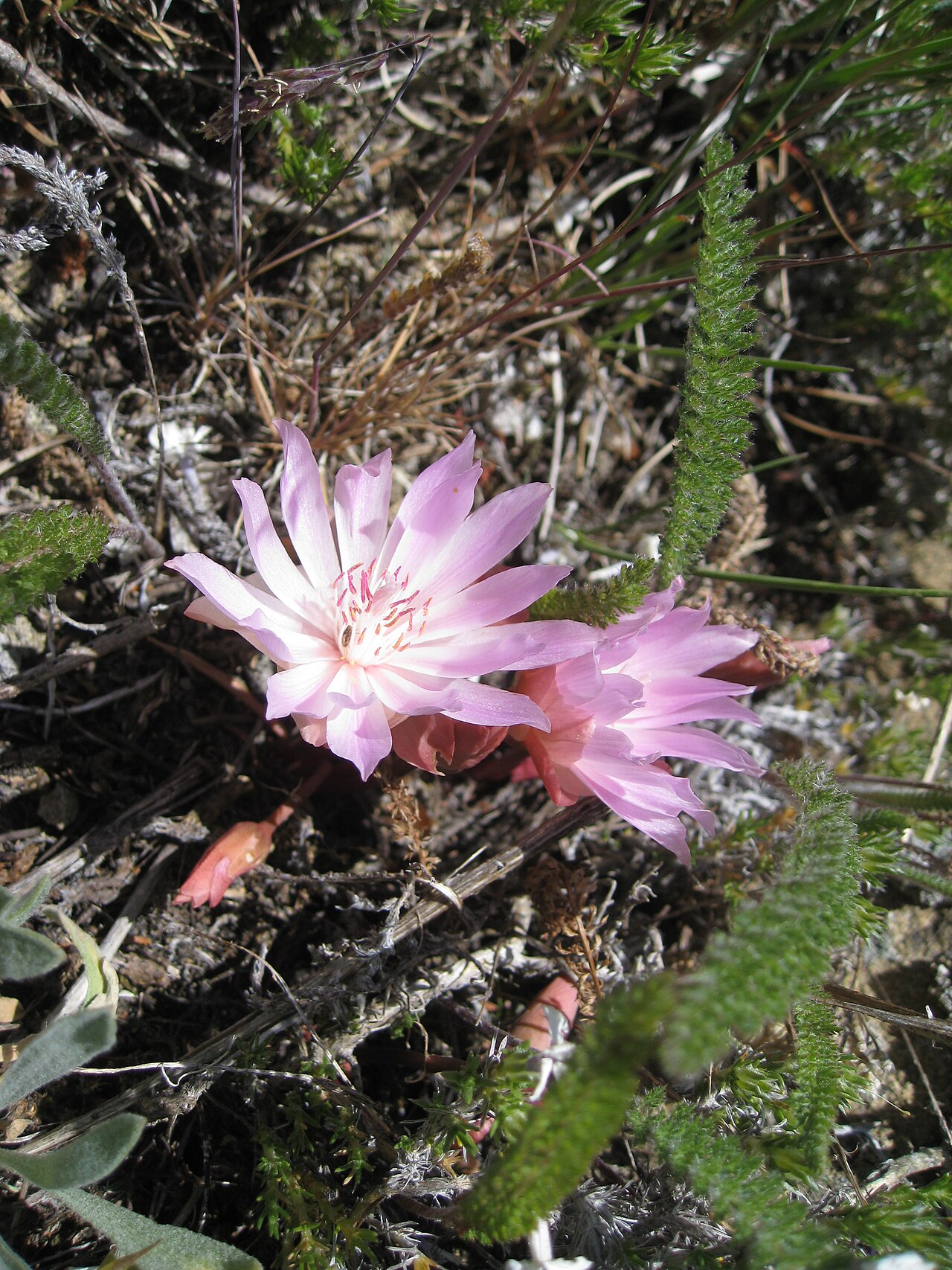
Bitterroot blooming from bare, rocky ground on Tronsen Ridge, Washington. Photo: brewbooks, via Wikimedia Commons (CC BY-SA 2.0) Lewisia rediviva, commonly called Bitterroot, is a
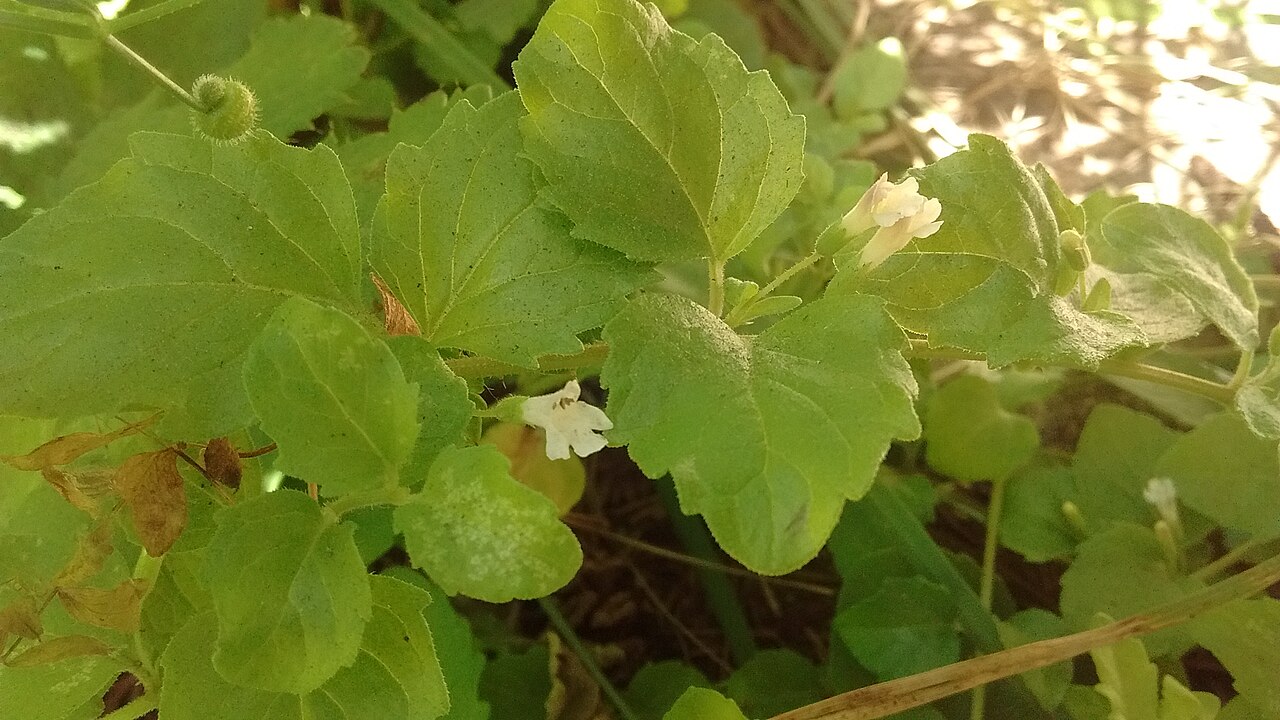
Yerba buena’s trailing stems and small white flowers carpet the shaded forest floor wherever it grows wild. Photo: Alan Schmierer, via Wikimedia Commons (public domain)
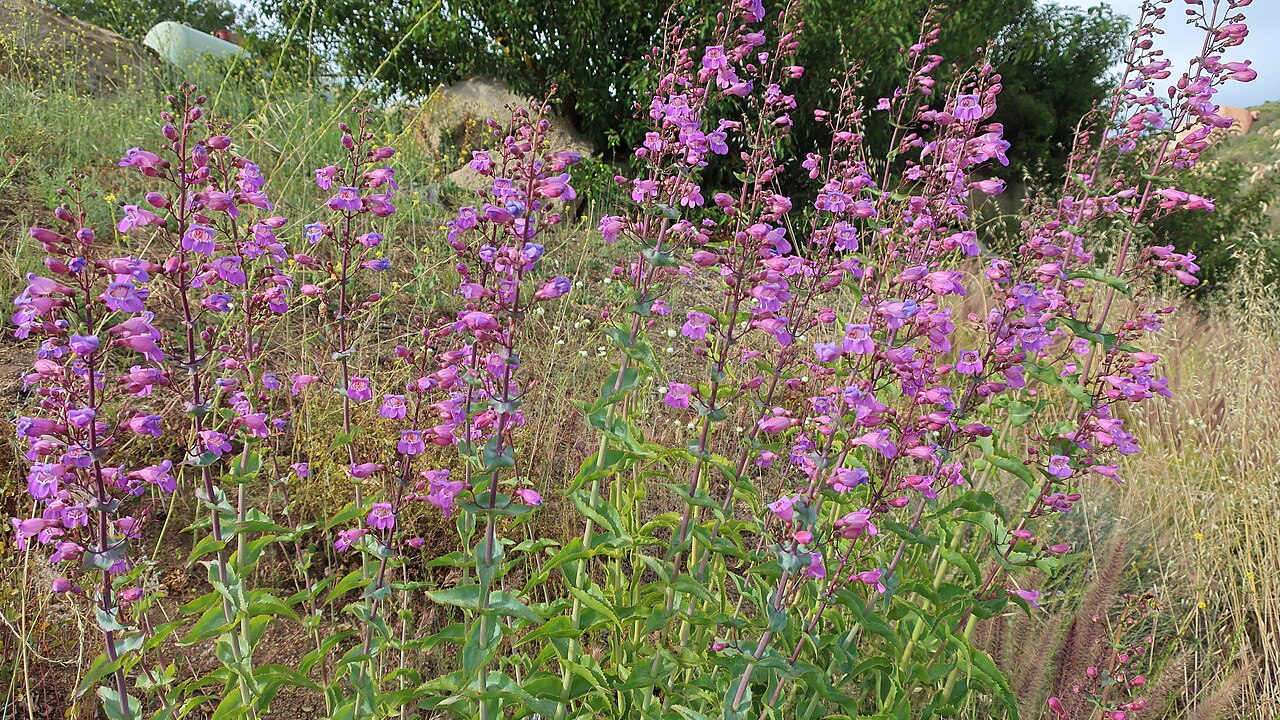
Showy penstemon in full spring bloom along a Southern California hillside trail. Photo: cultivar413, via Wikimedia Commons (CC BY 2.0) Penstemon spectabilis, commonly called showy
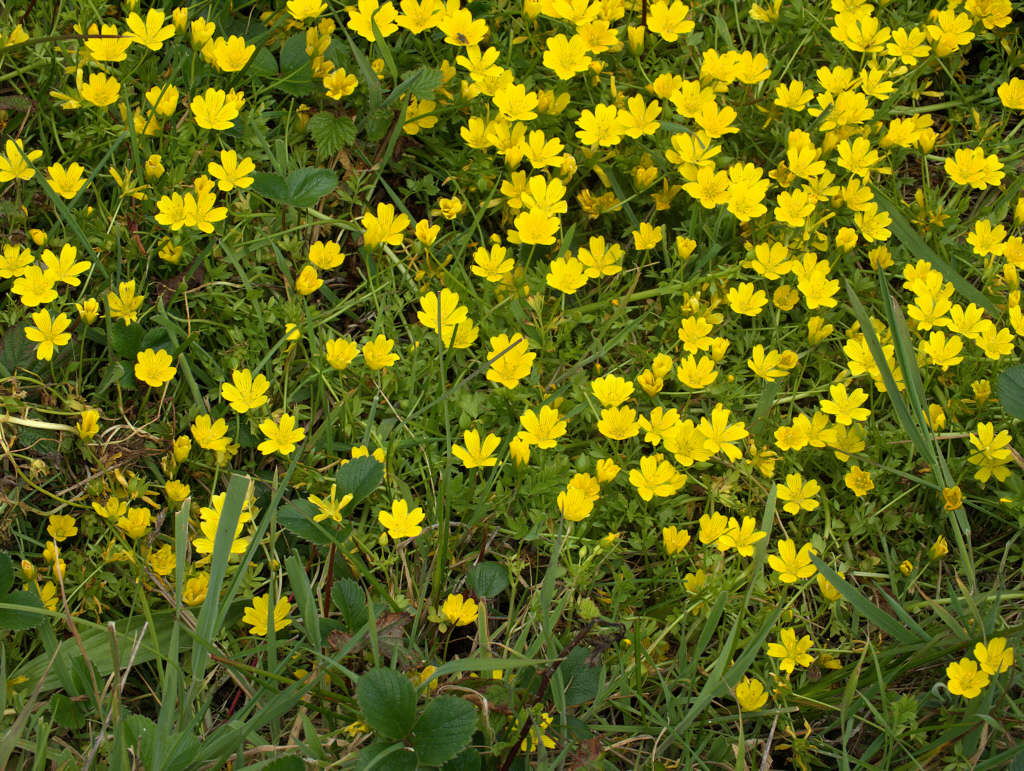
A wild population of meadowfoam (here the golden-flowered ssp. sulphurea) carpeting a coastal meadow at Point Reyes, California. Photo: John Rusk, via Wikimedia Commons (CC
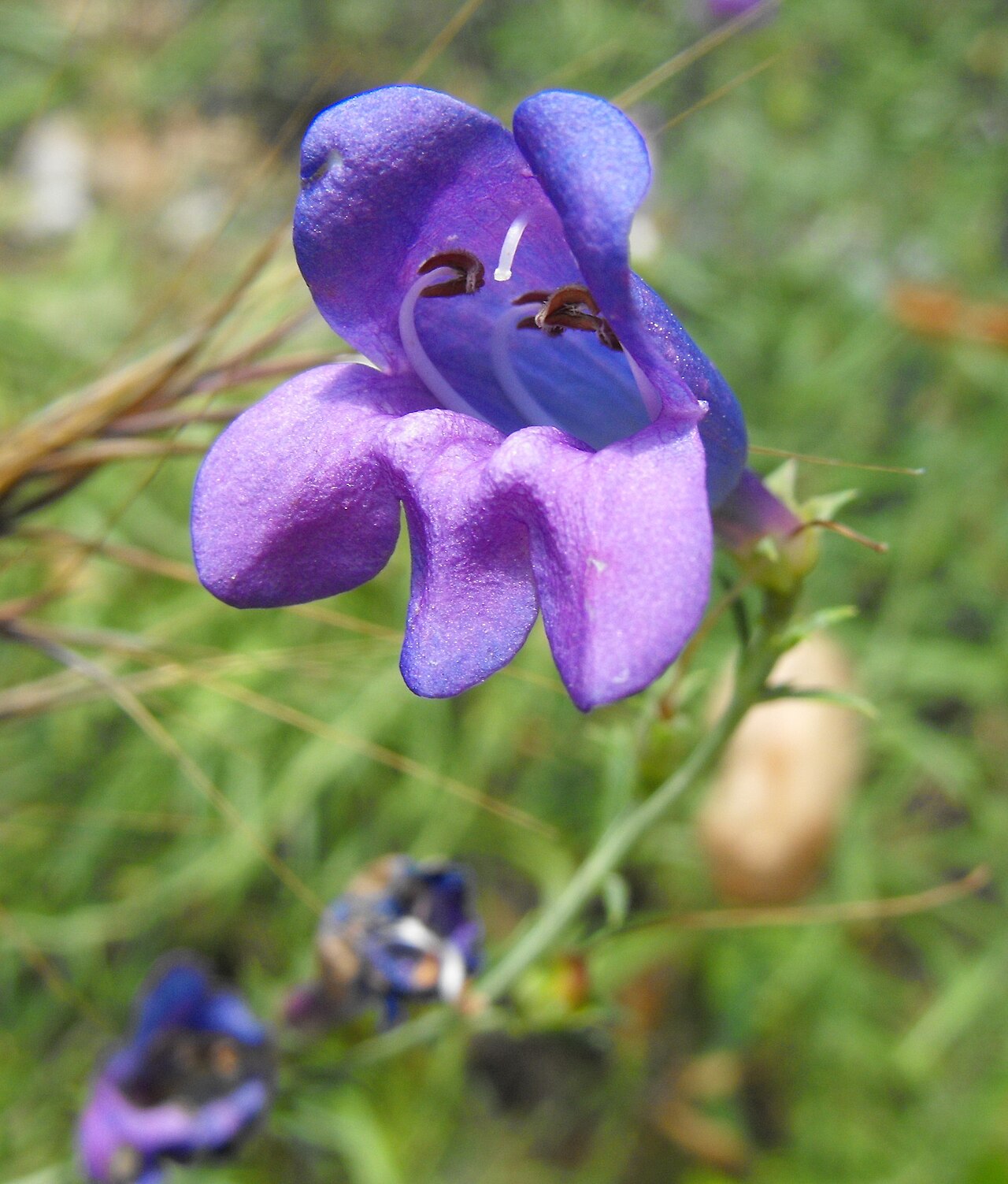
The striking blue-to-violet flowers of foothill penstemon, one of the most vividly colored wildflowers of the California foothills. Photo: Stickpen, via Wikimedia Commons (public domain)
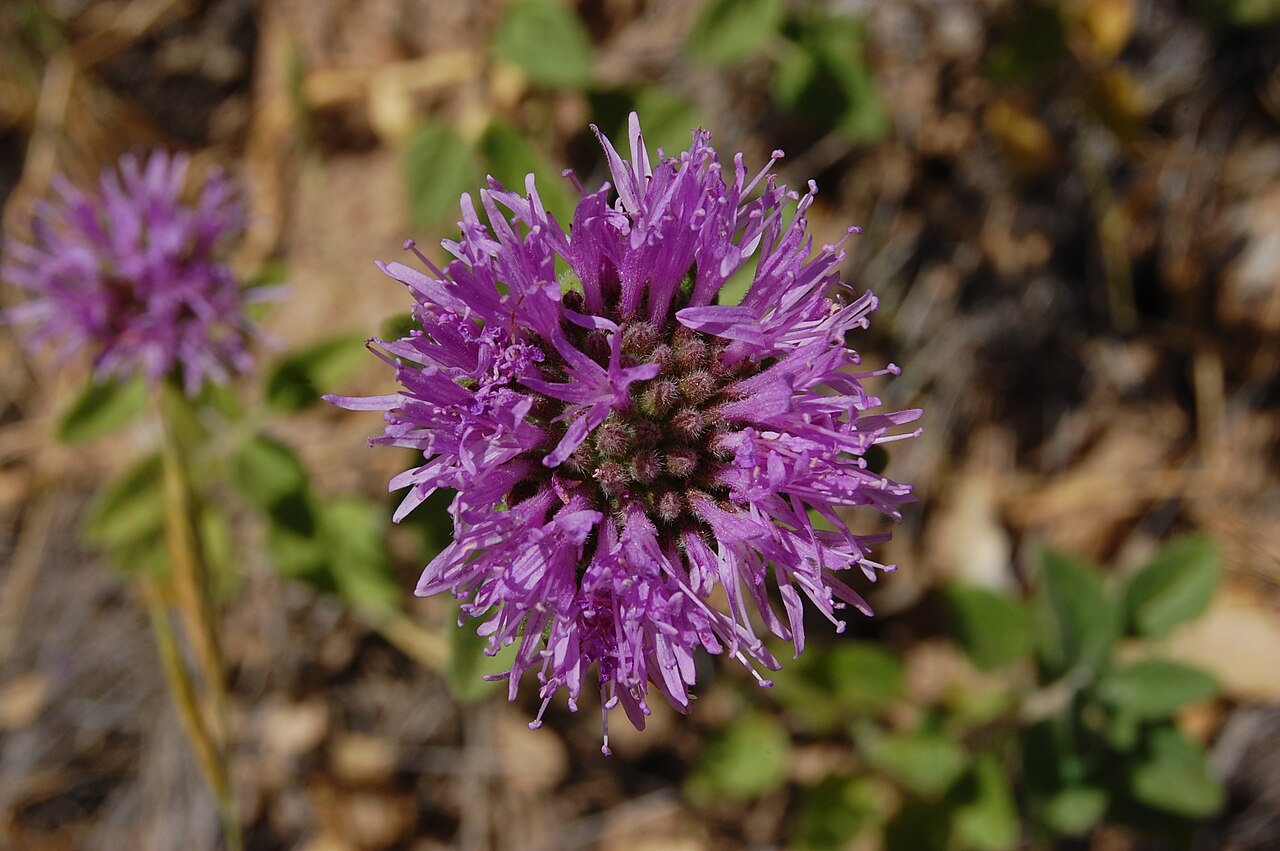
The dense, pincushion-like flower head of coyote mint, photographed in the wild. Photo: Eugene Zelenko, via Wikimedia Commons (CC BY-SA 4.0) Monardella villosa, commonly called
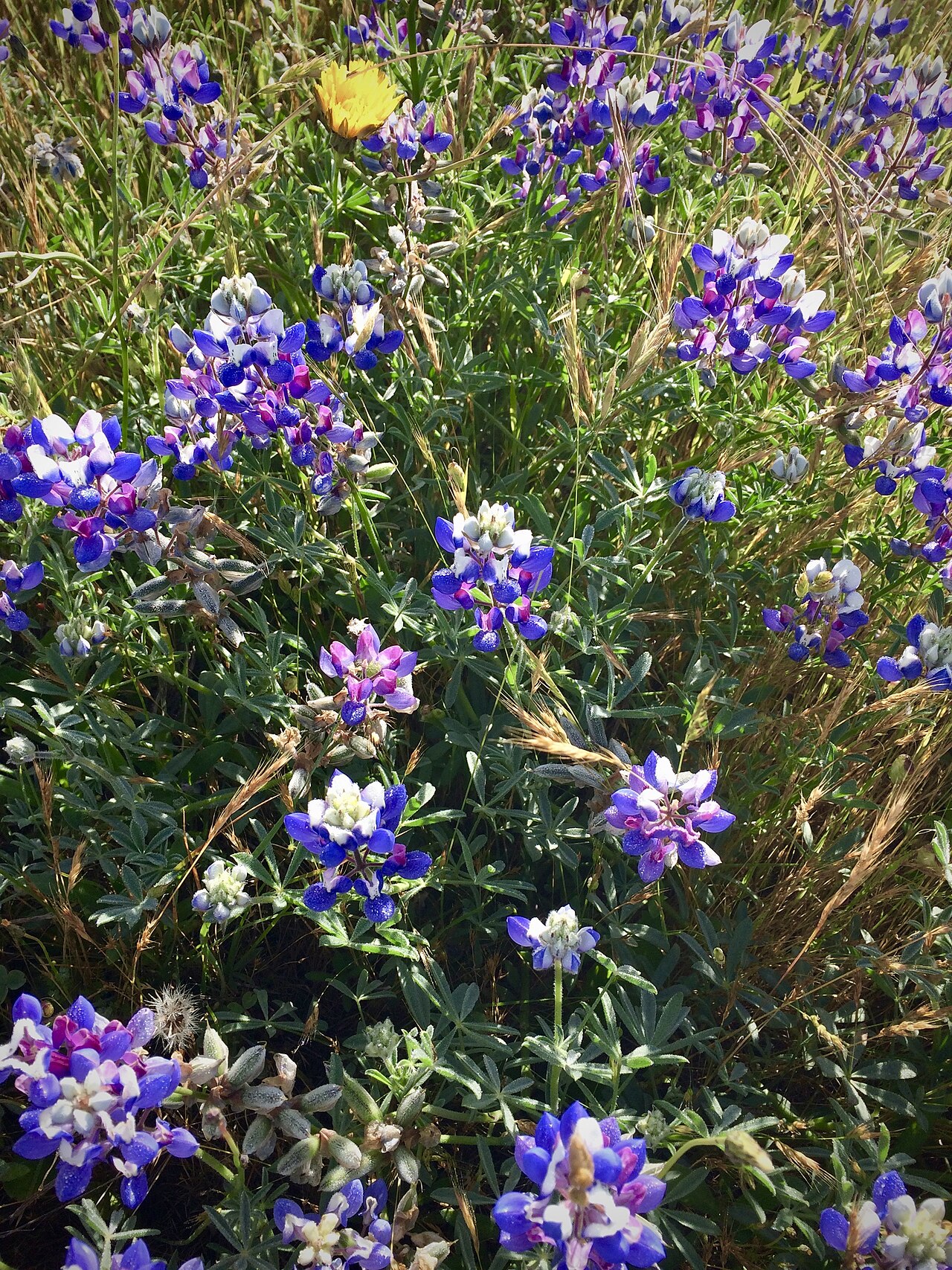
Sky lupine blooming along CA-1 near Cambria, California. Photo: Peter D. Tillman (CC BY-SA 2.0), via Wikimedia Commons Lupinus nanus, commonly called sky lupine (also
View More