
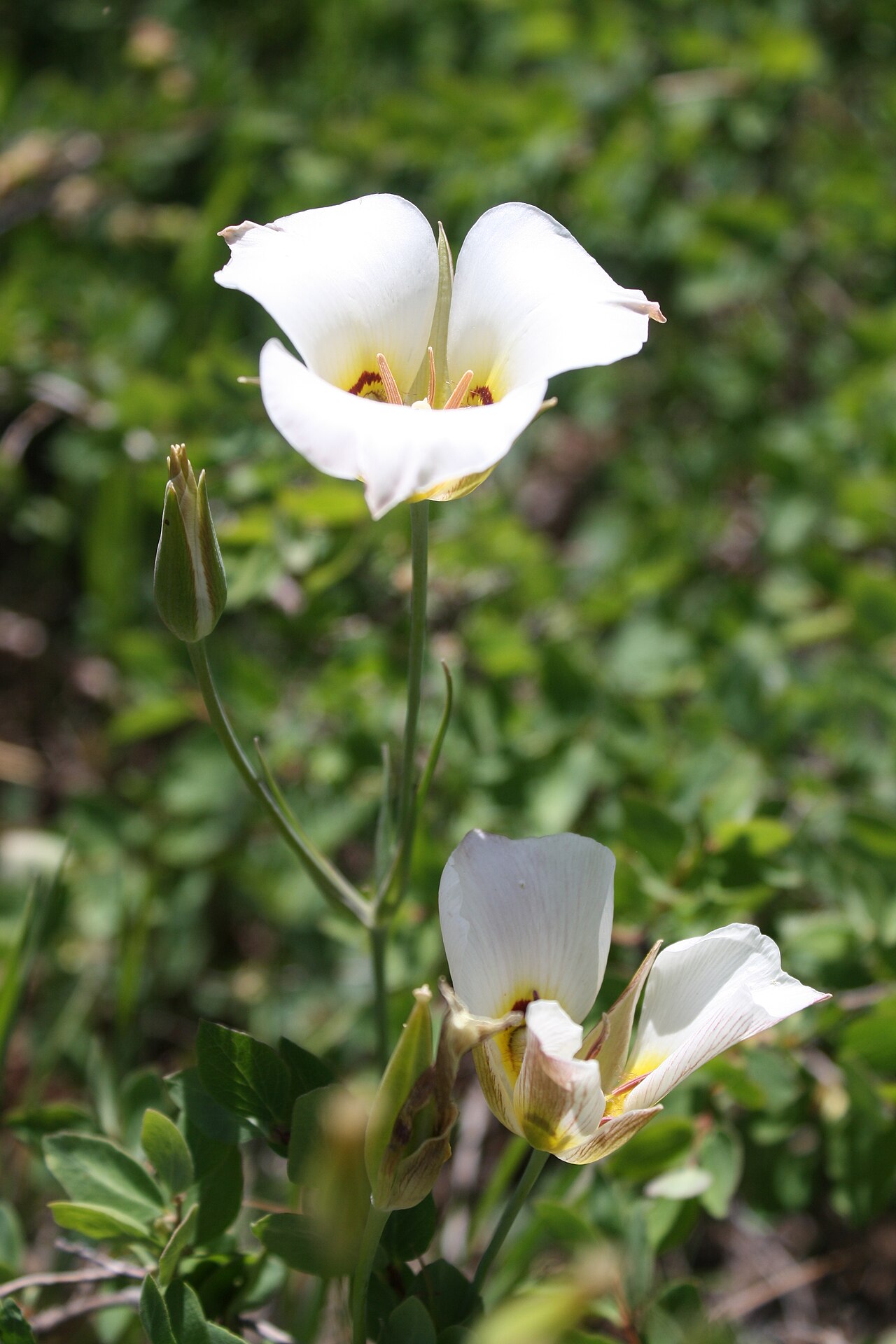
A sego lily blooming near Kolob Canyons, Utah, showing its slender stem and two nodding, cup-shaped flowers. Photo: Wikimedia Commons (CC BY-SA 3.0) Calochortus nuttallii,
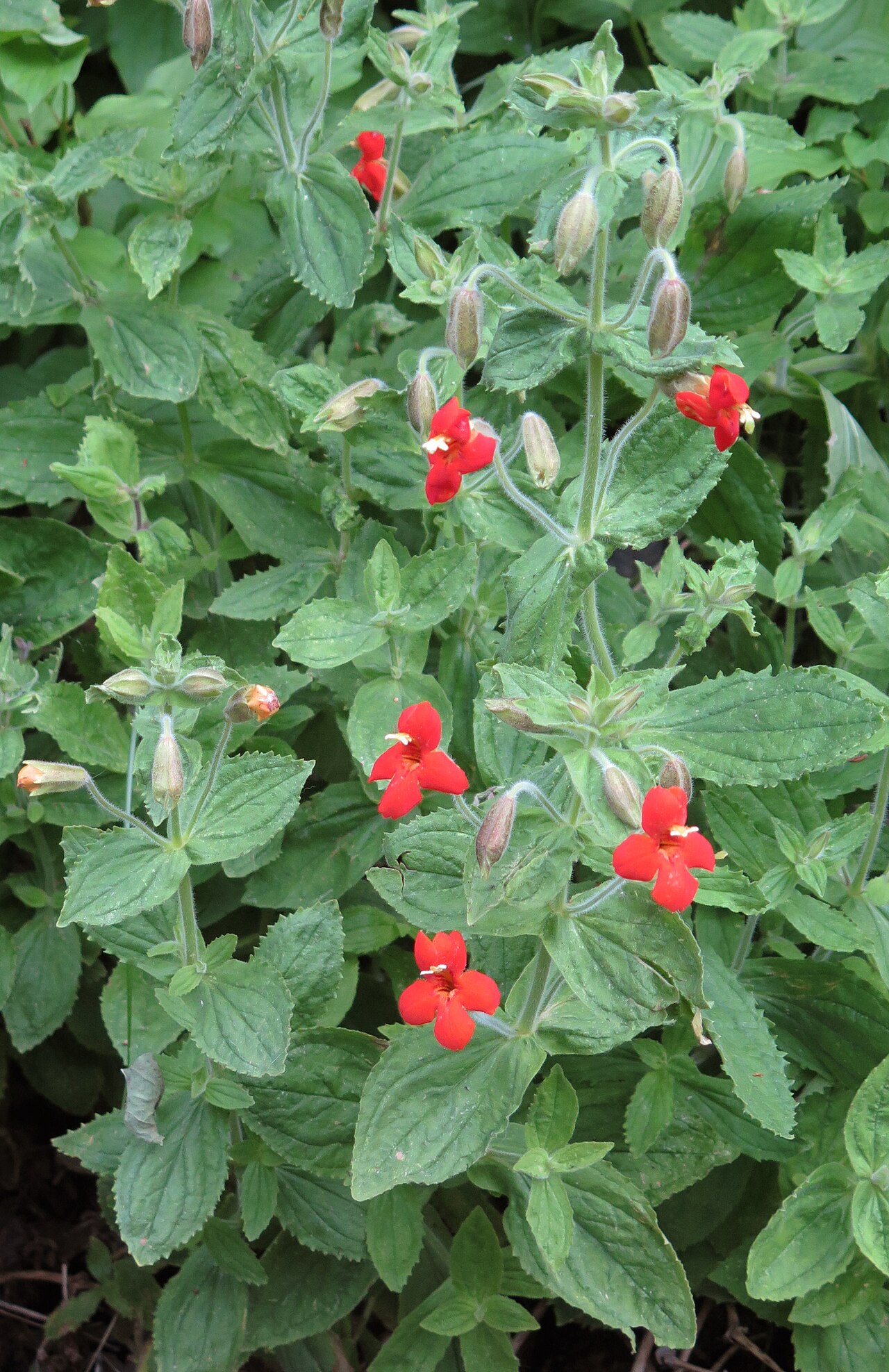
A scarlet monkeyflower clump in bloom, showing its sprawling habit and abundant red flowers. Photo: Dcrjsr / Wikimedia Commons (CC BY 4.0) Erythranthe cardinalis (long
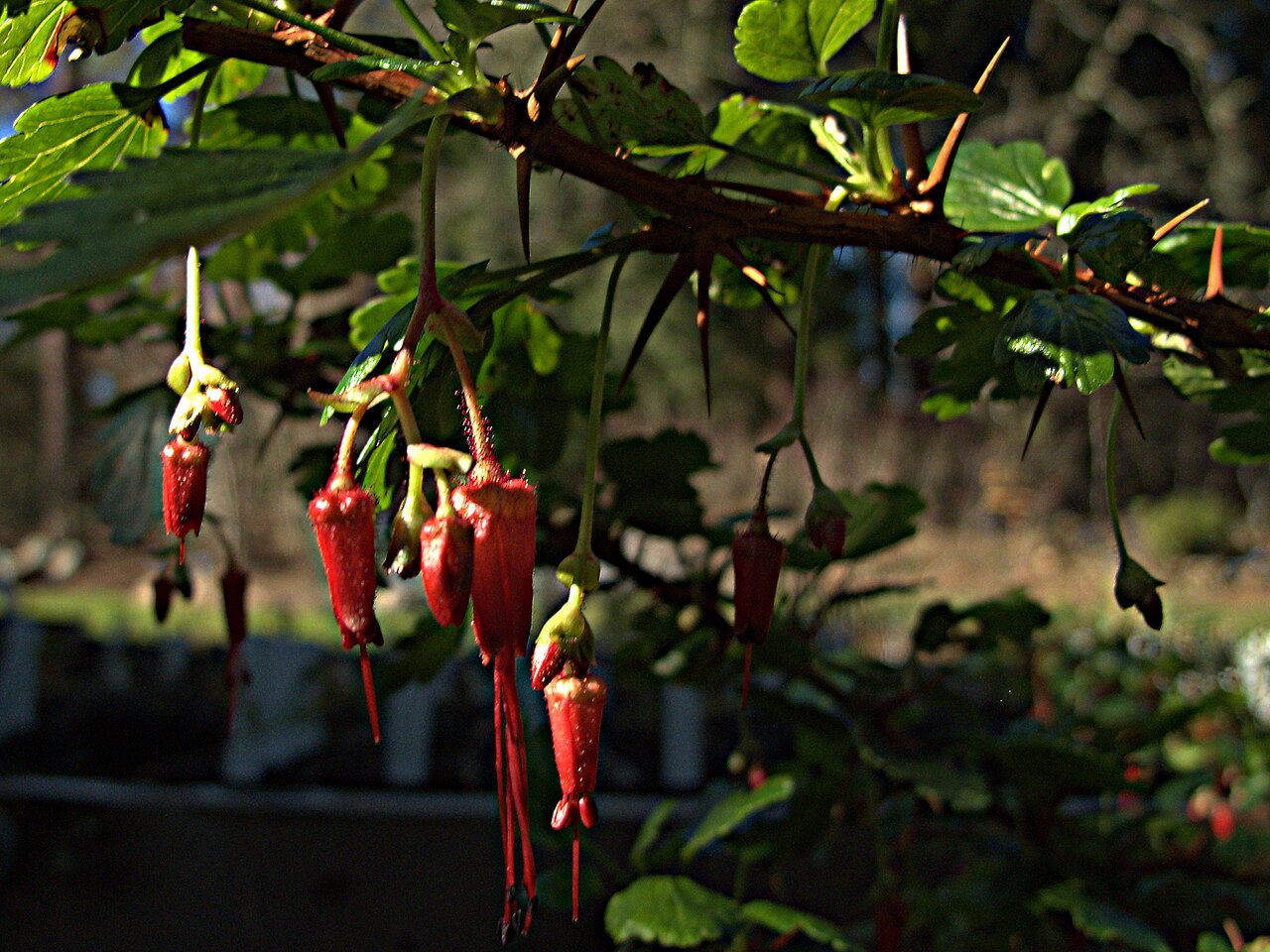
An arching, thorny fuchsia-flowered gooseberry branch hung with crimson, fuchsia-like flowers. Photo: John Rusk / Wikimedia Commons (CC BY 2.0) Ribes speciosum, commonly called fuchsia-flowered
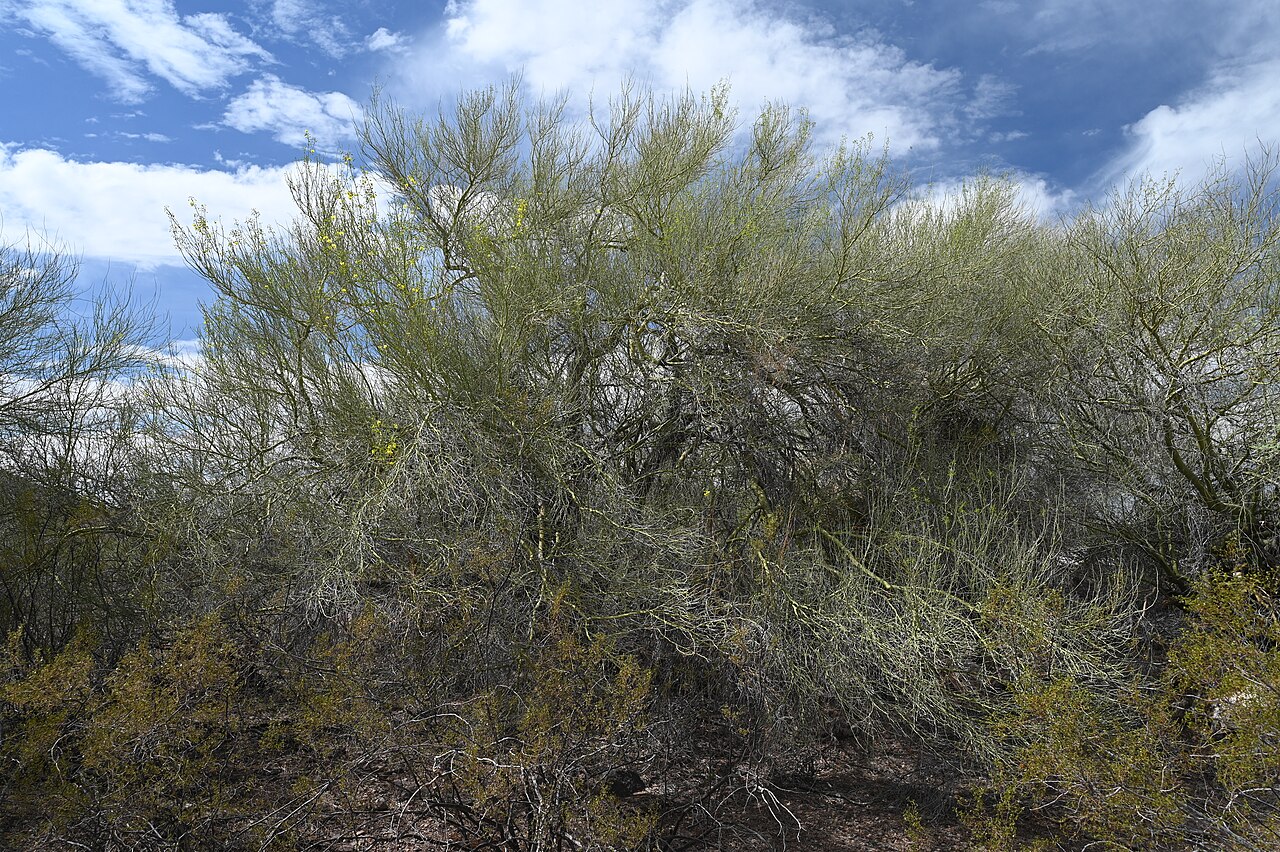
A mature blue palo verde in Organ Pipe Cactus Wilderness, Arizona, showing its smooth blue-green trunk and open, wash-hugging canopy. Photo: Krzysztof Ziarnek, Kenraiz /
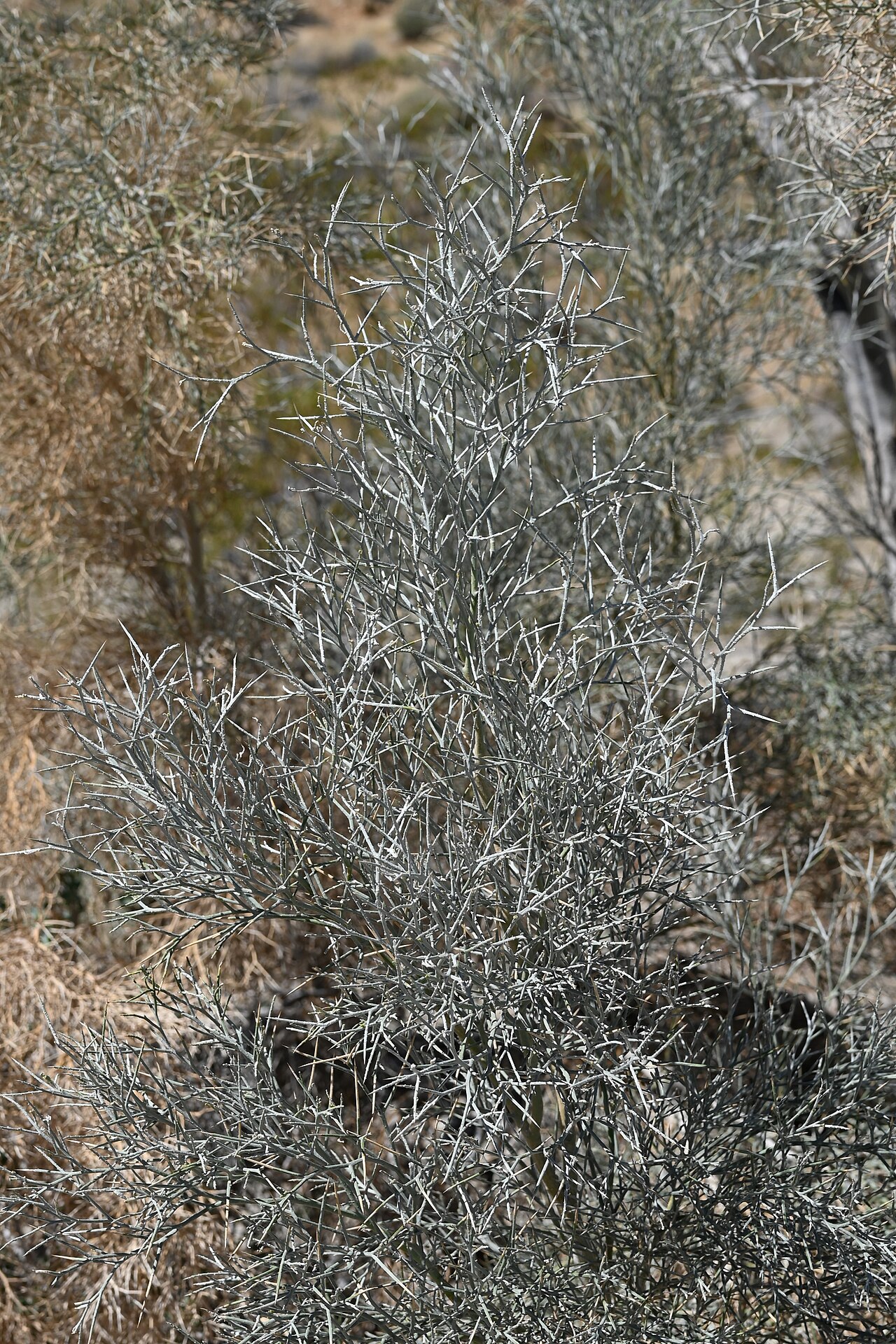
Smoke tree’s dense, silvery-gray branching gives it a smoke-like haze from a distance. Photo: Krzysztof Ziarnek, Kenraiz / Wikimedia Commons (CC BY-SA 4.0) Psorothamnus spinosus,
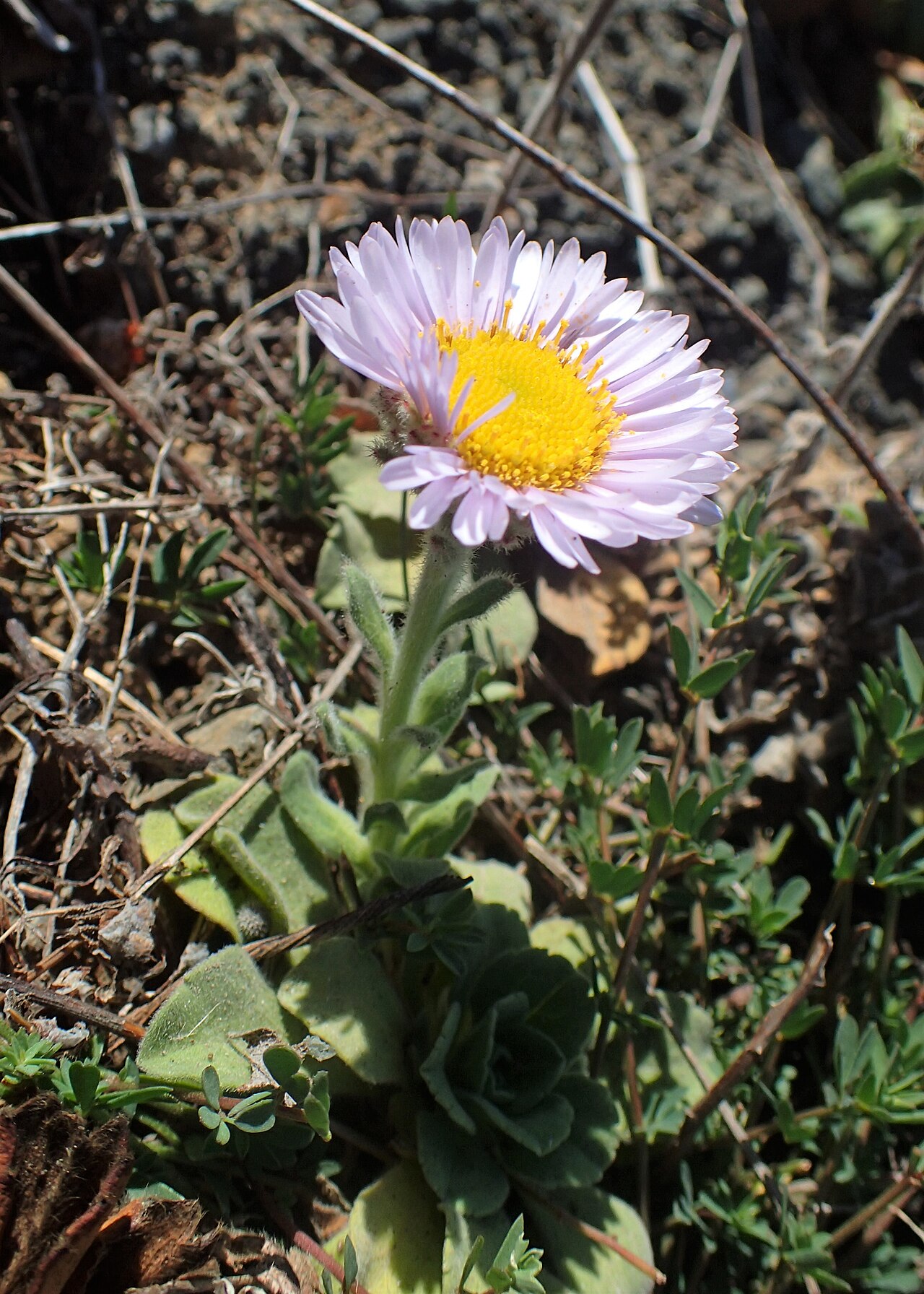
Seaside daisy forming a tidy mounding clump on a rocky Pacific bluff. Photo: Kenraiz / Wikimedia Commons (CC BY-SA 4.0) Erigeron glaucus, commonly called seaside
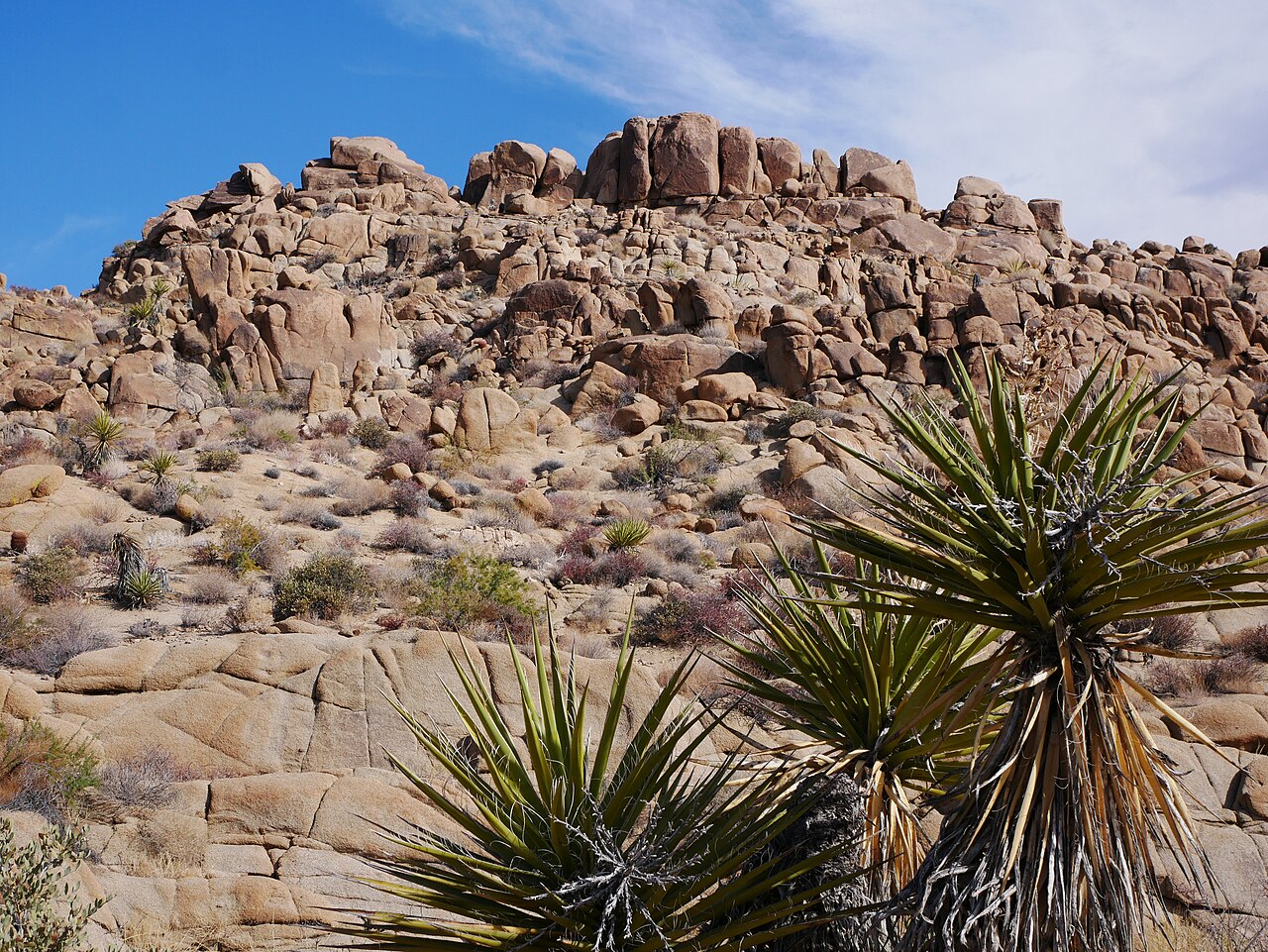
Mojave yucca forming bold, spiky rosettes against desert rock. Photo: Thayne Tuason / Wikimedia Commons (CC BY-SA 4.0) Yucca schidigera, known as Mojave yucca, is
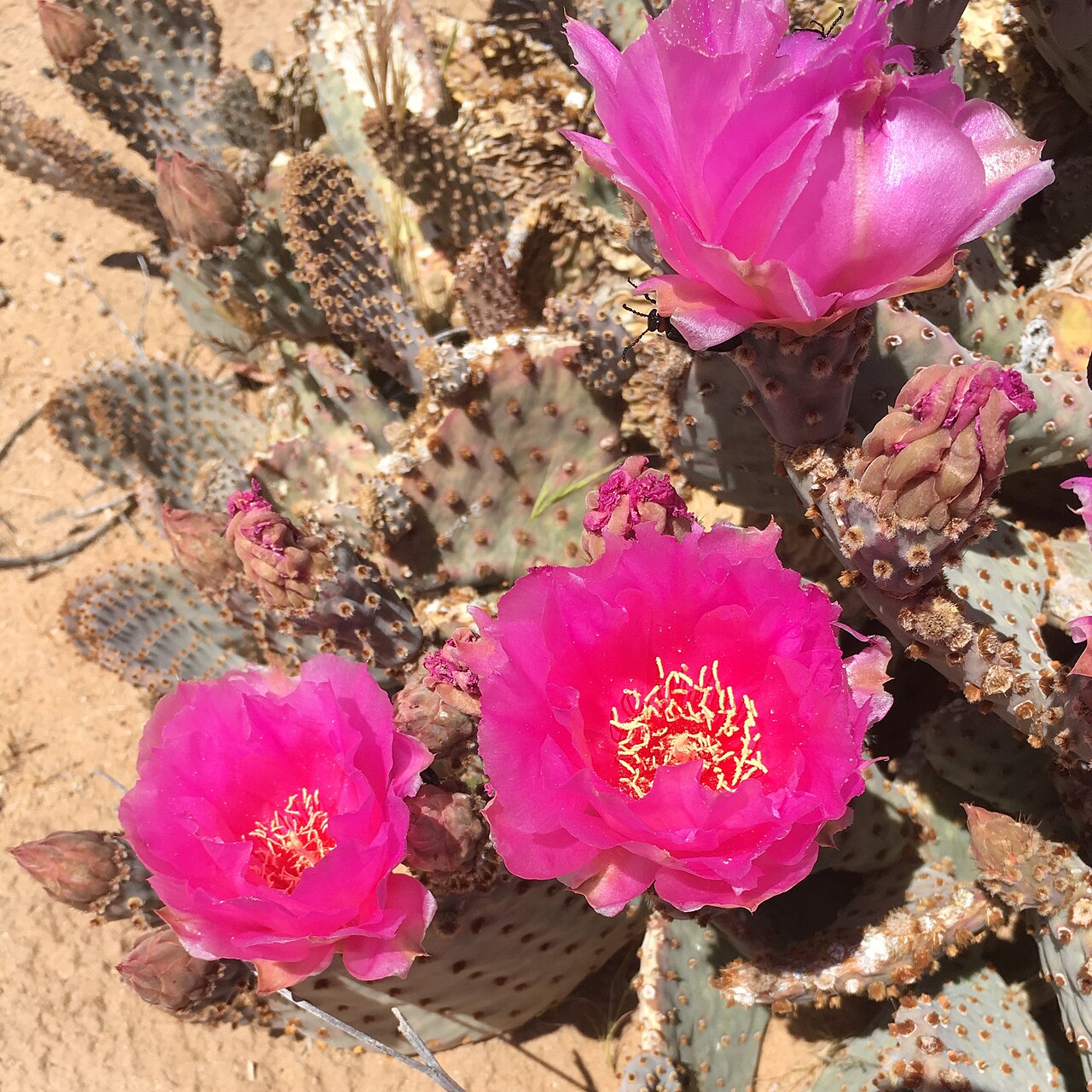
Beavertail cactus in spring bloom, its magenta flowers opening atop flattened, beaver-tail-shaped pads. Photo: Agnieszka Kwiecień, Nova / Wikimedia Commons (CC BY-SA 4.0) Opuntia basilaris,
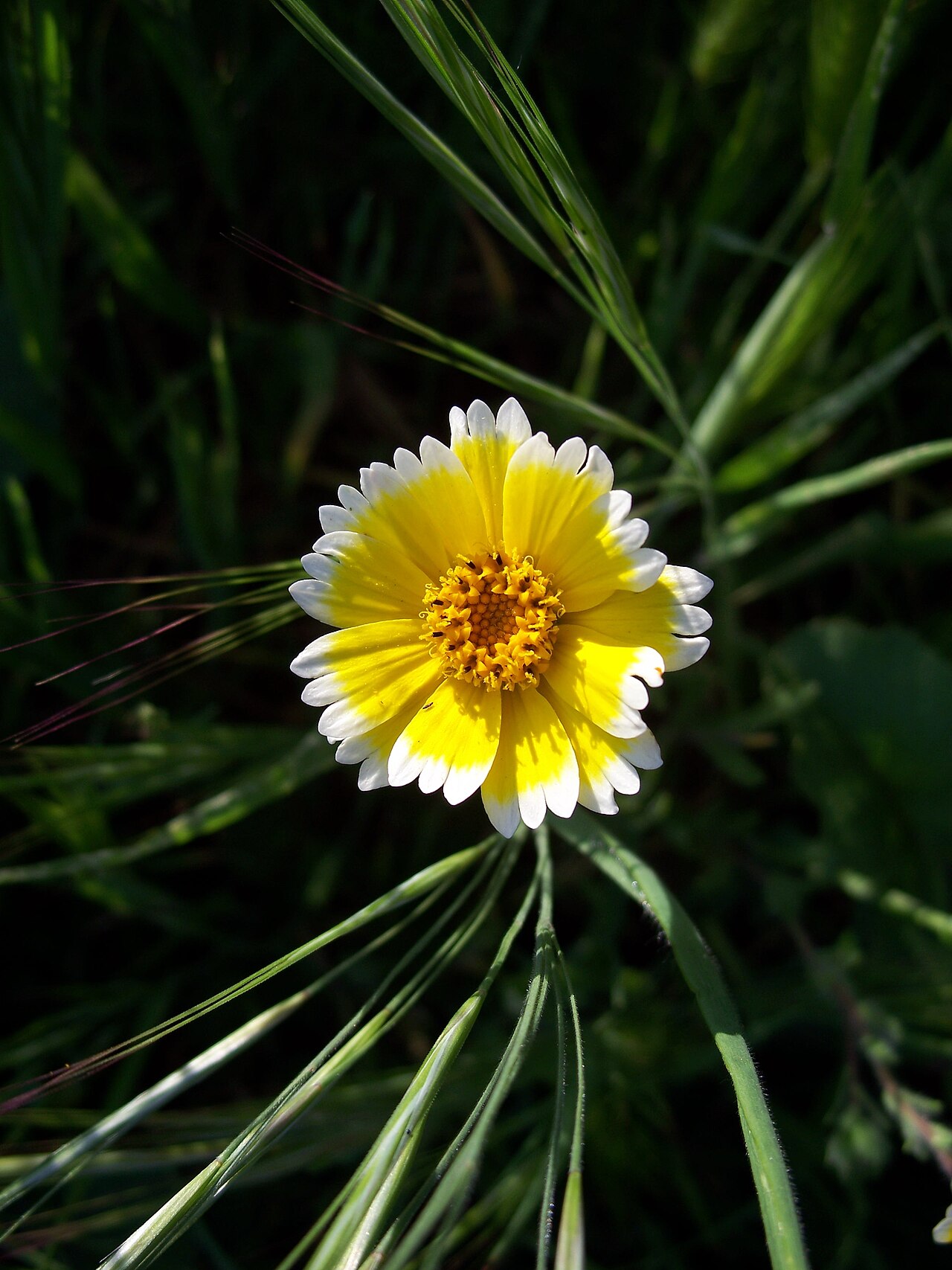
Tidy tips in bloom, Santa Clara County, California. Photo: Eugene Zelenko / Wikimedia Commons (CC BY-SA 4.0) Layia platyglossa, commonly called tidy tips or coastal
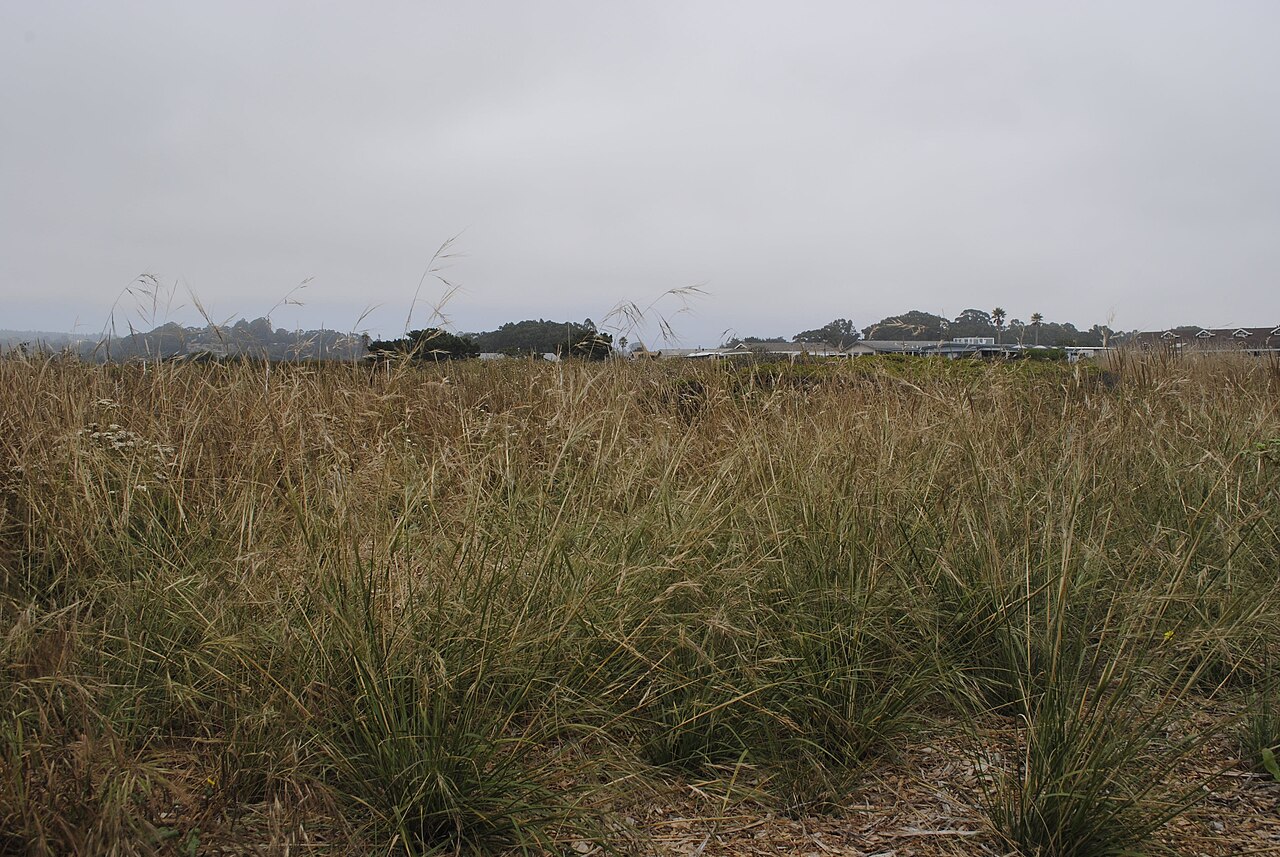
Purple needlegrass tussocks in restored coastal prairie, Younger Lagoon Reserve. Photo: oliveoligarchy / Wikimedia Commons (CC BY 2.0) Nassella pulchra (formerly classified as Stipa pulchra),
View More