
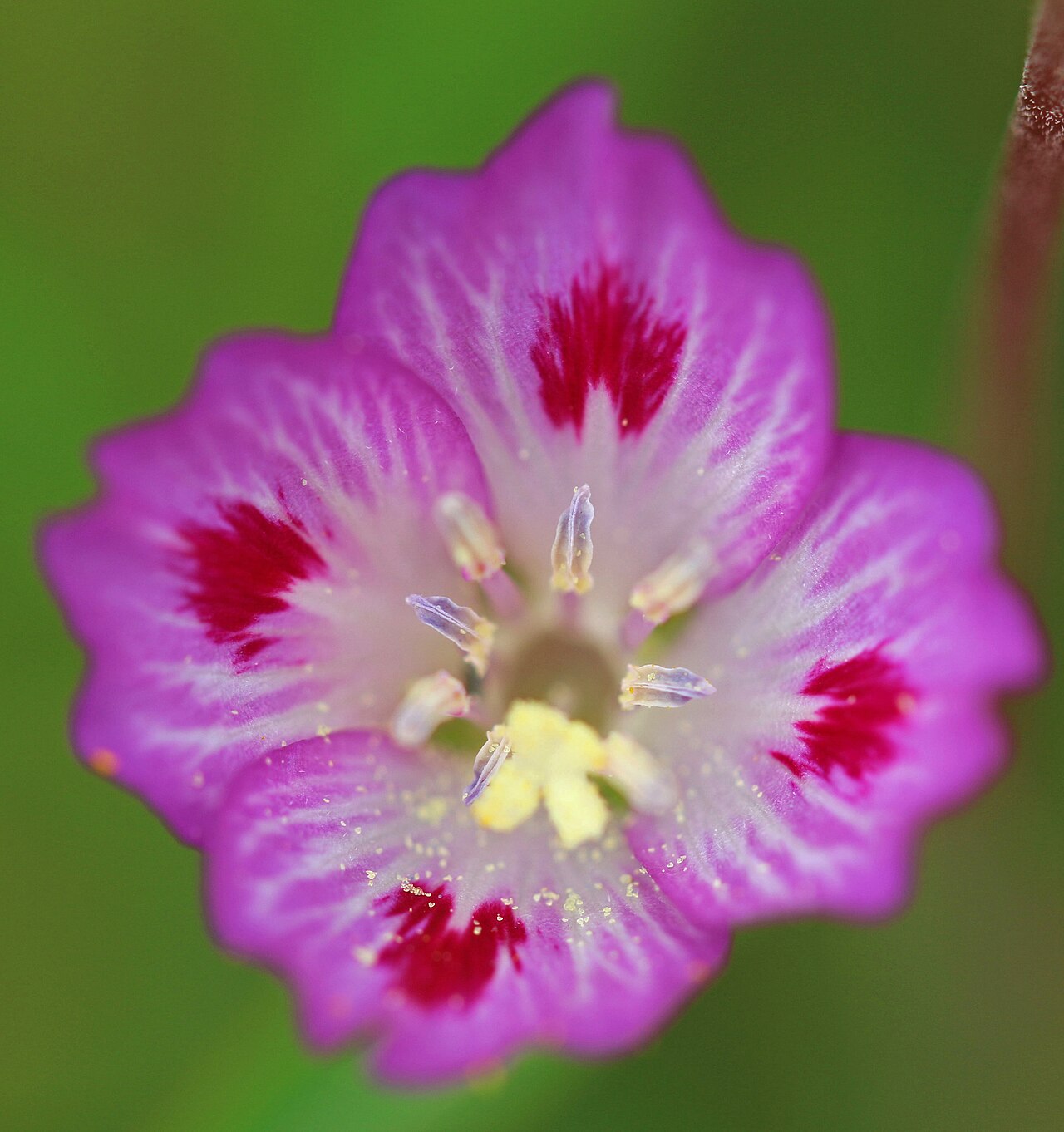
Farewell-to-spring in bloom. Photo: Peter Pearsall / U.S. Fish and Wildlife Service (Public Domain) Clarkia amoena, widely known as farewell-to-spring and sometimes sold under the
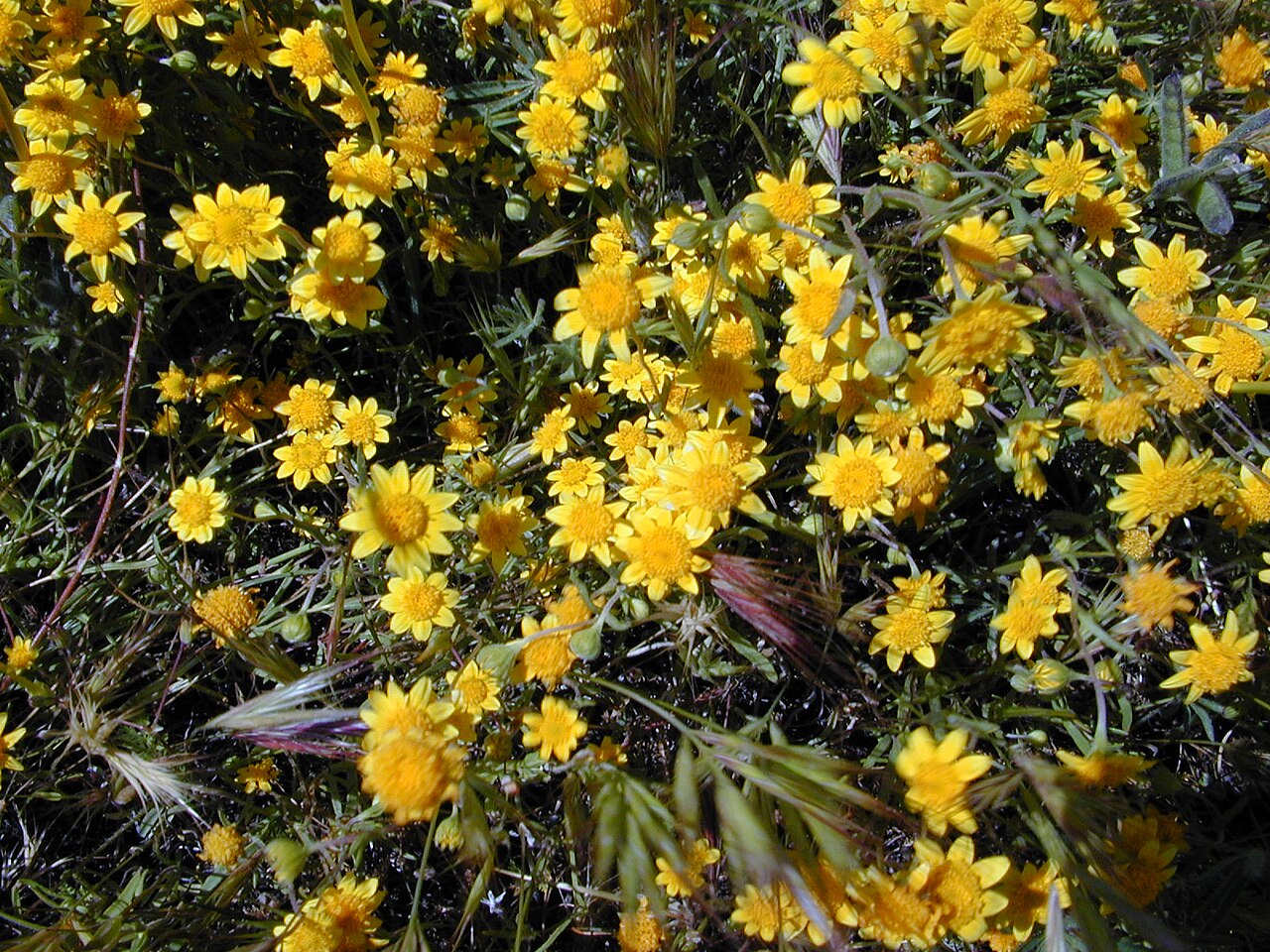
A field of California goldfields in bloom, Antelope Valley. Photo: Dawn Endico / Wikimedia Commons (CC BY-SA 2.0) Lasthenia californica, known as California goldfields, is
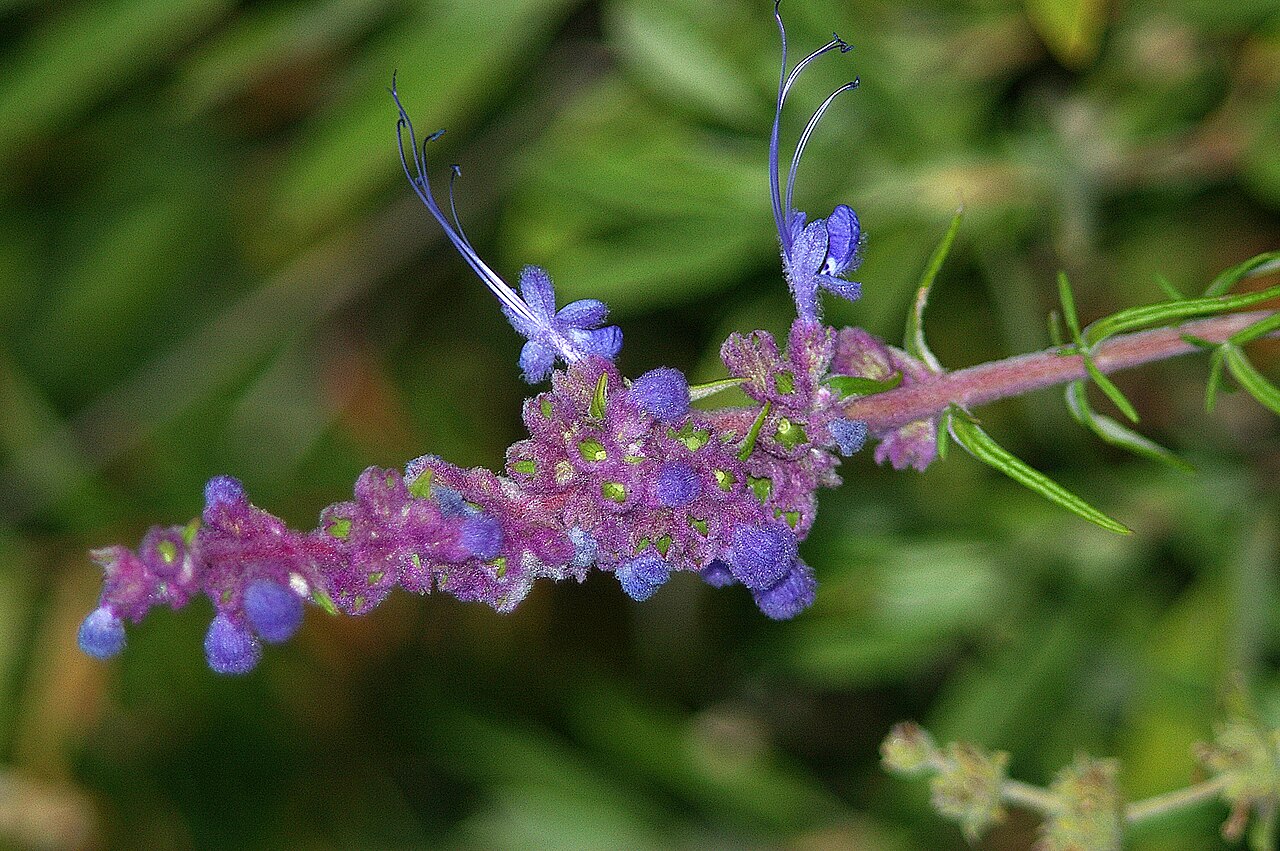
A woolly blue curls flower spike in wild chaparral near Cuesta Ridge, San Luis Obispo County. Photo: Alan Schmierer, via Wikimedia Commons (CC0) Trichostema lanatum,
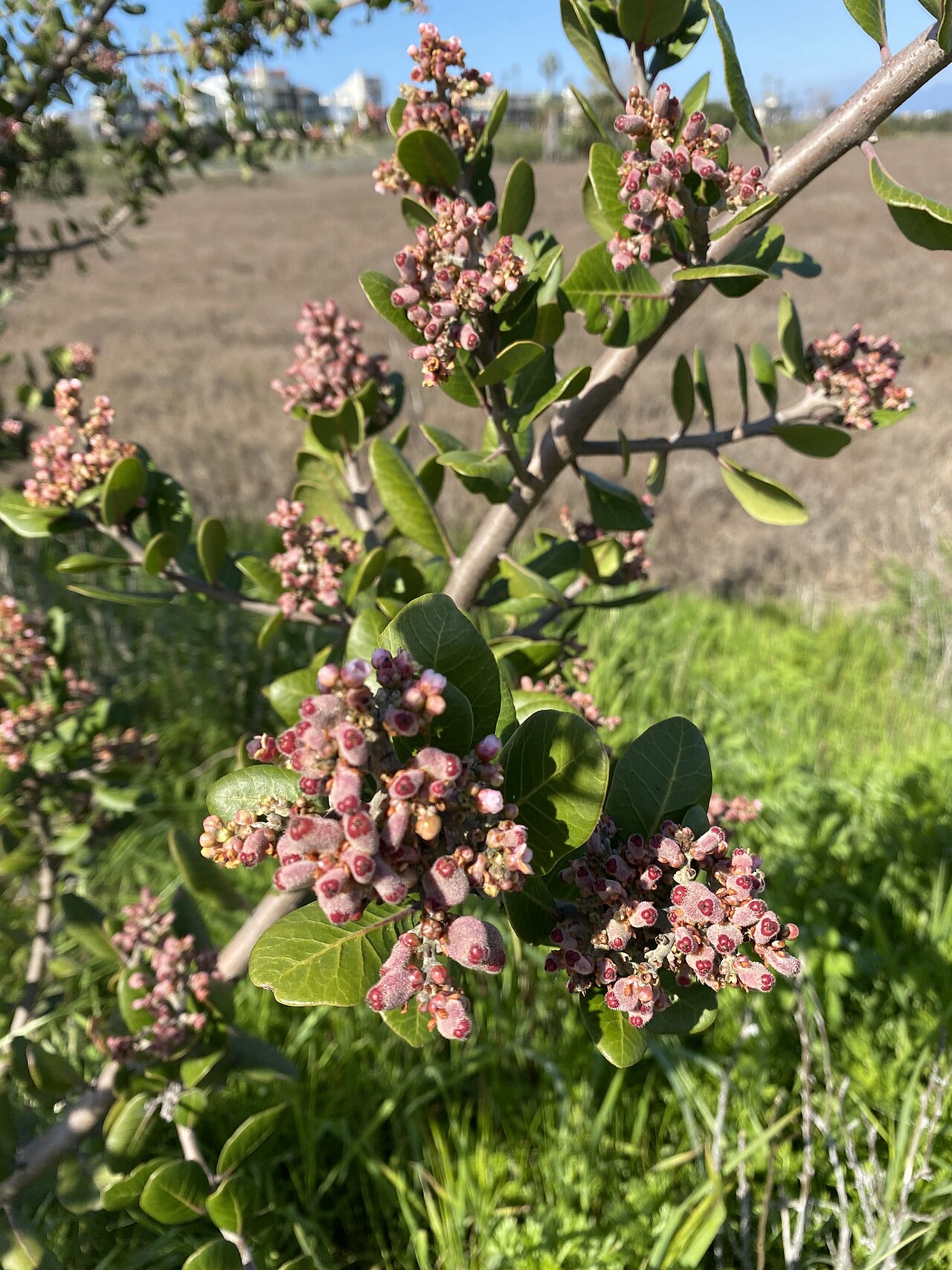
Lemonade berry in coastal scrub habitat, with its glossy leaves and clustered pink flower buds. Photo: Jengod, via Wikimedia Commons (CC BY-SA 4.0) Rhus integrifolia,
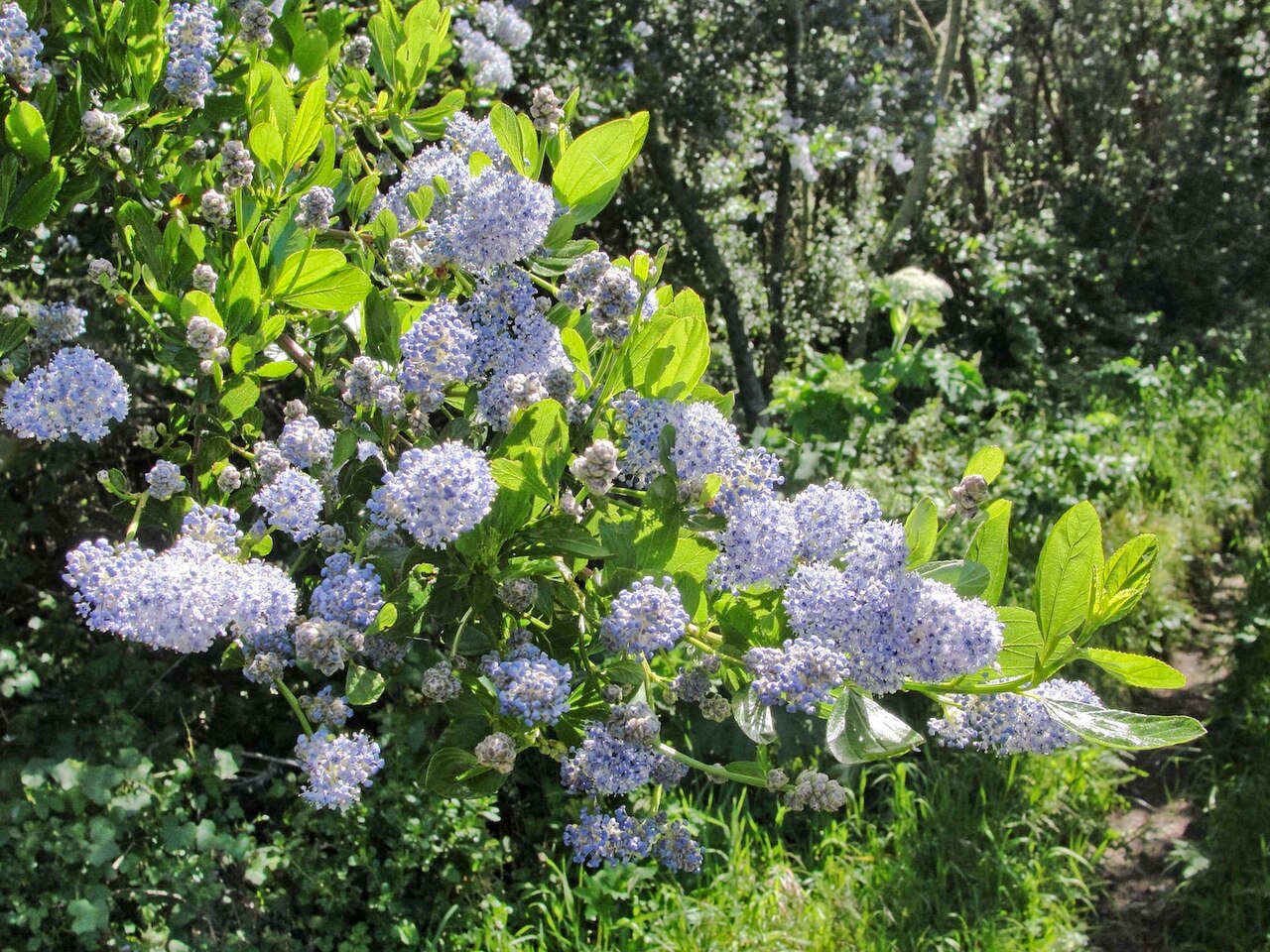
Blueblossom in full spring bloom along the Point Reyes Fire Lane Trail. Photo: Miguel Vieira, via Wikimedia Commons (CC BY 2.0) Ceanothus thyrsiflorus, commonly known
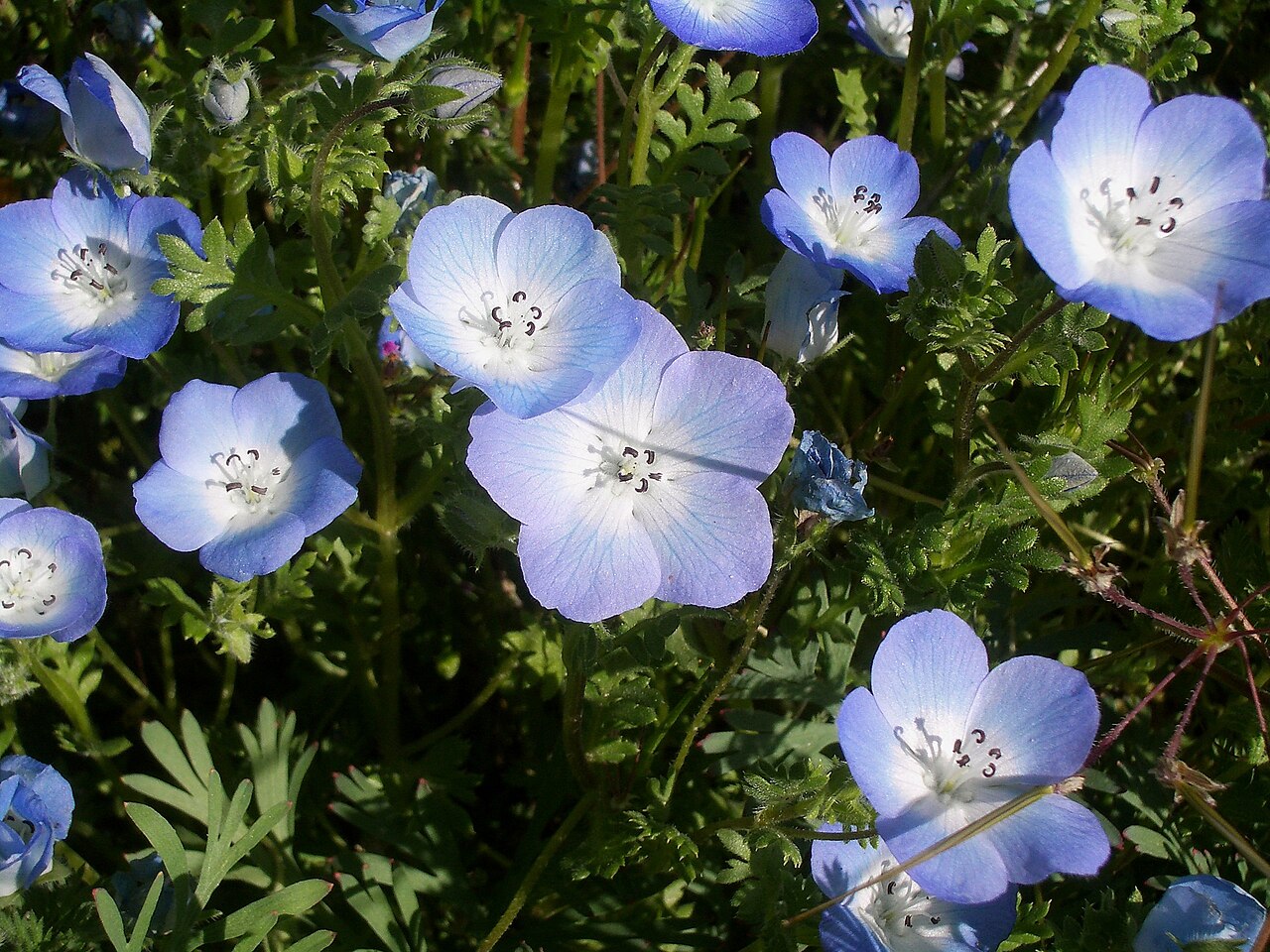
A spring carpet of baby blue eyes, one of California’s most familiar wildflowers. Photo: Cliff Hutson, via Wikimedia Commons (CC BY 2.5) Nemophila menziesii, widely
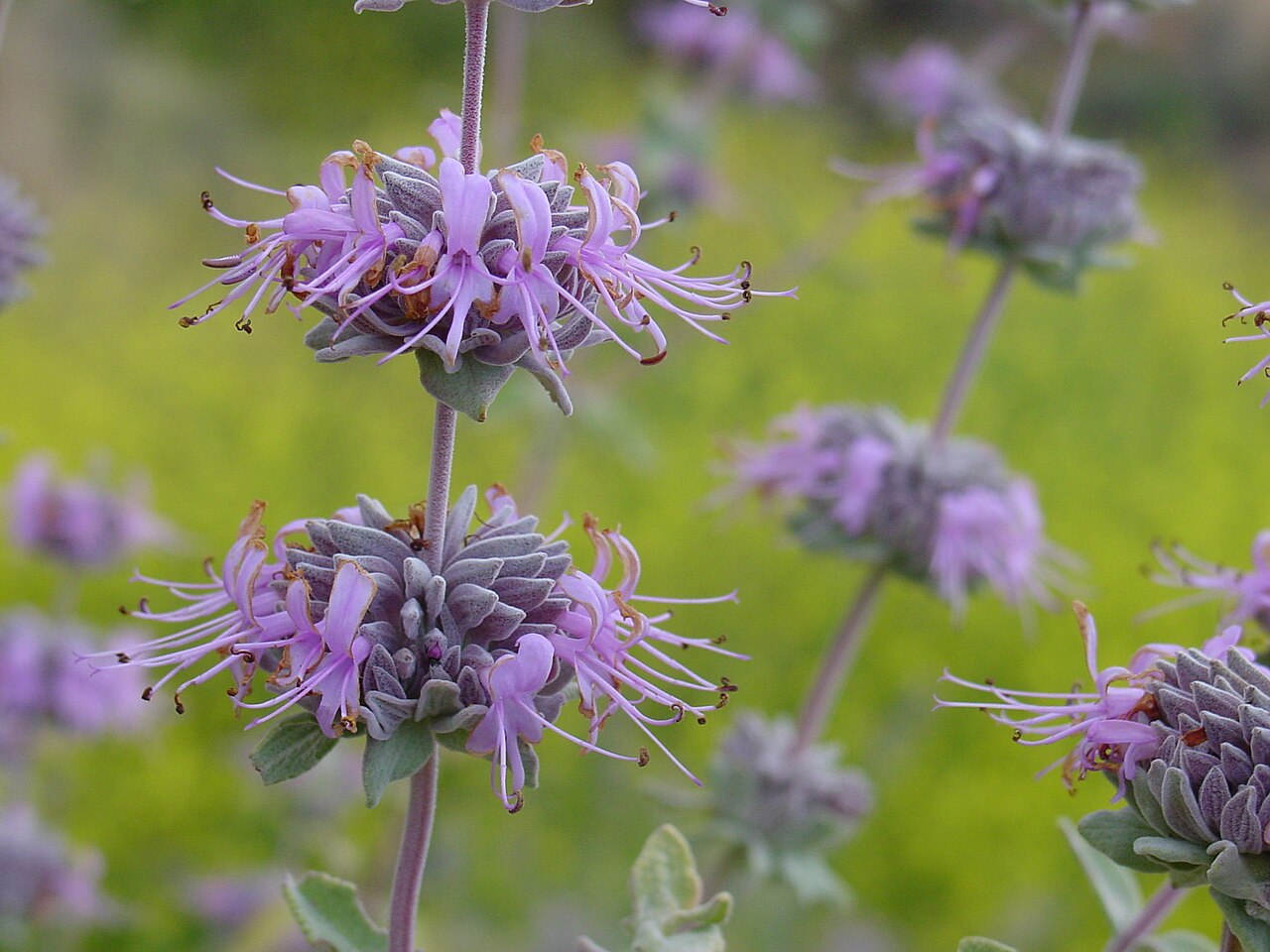
Purple sage in full bloom, its whorled flower clusters stacked along tall silvery stems. Photo: Wikimedia Commons (CC BY-SA 2.5) Salvia leucophylla, known as purple
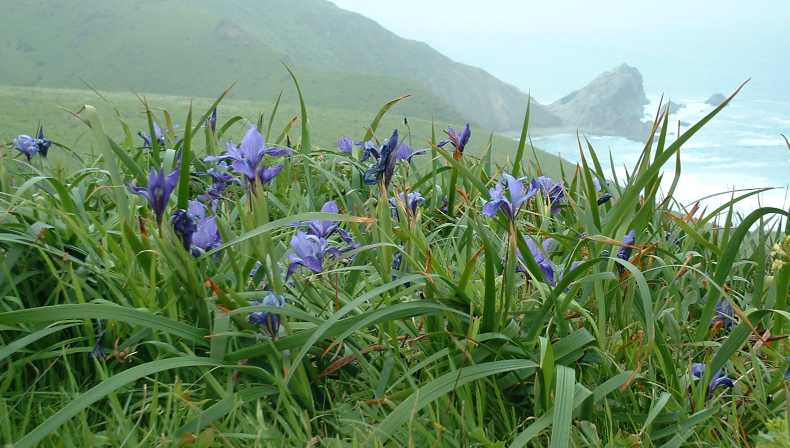
Douglas iris in its classic coastal grassland habitat, Point Reyes, California. Photo: Wikimedia Commons (Public domain) Iris douglasiana, the Douglas iris, is the big, showy,
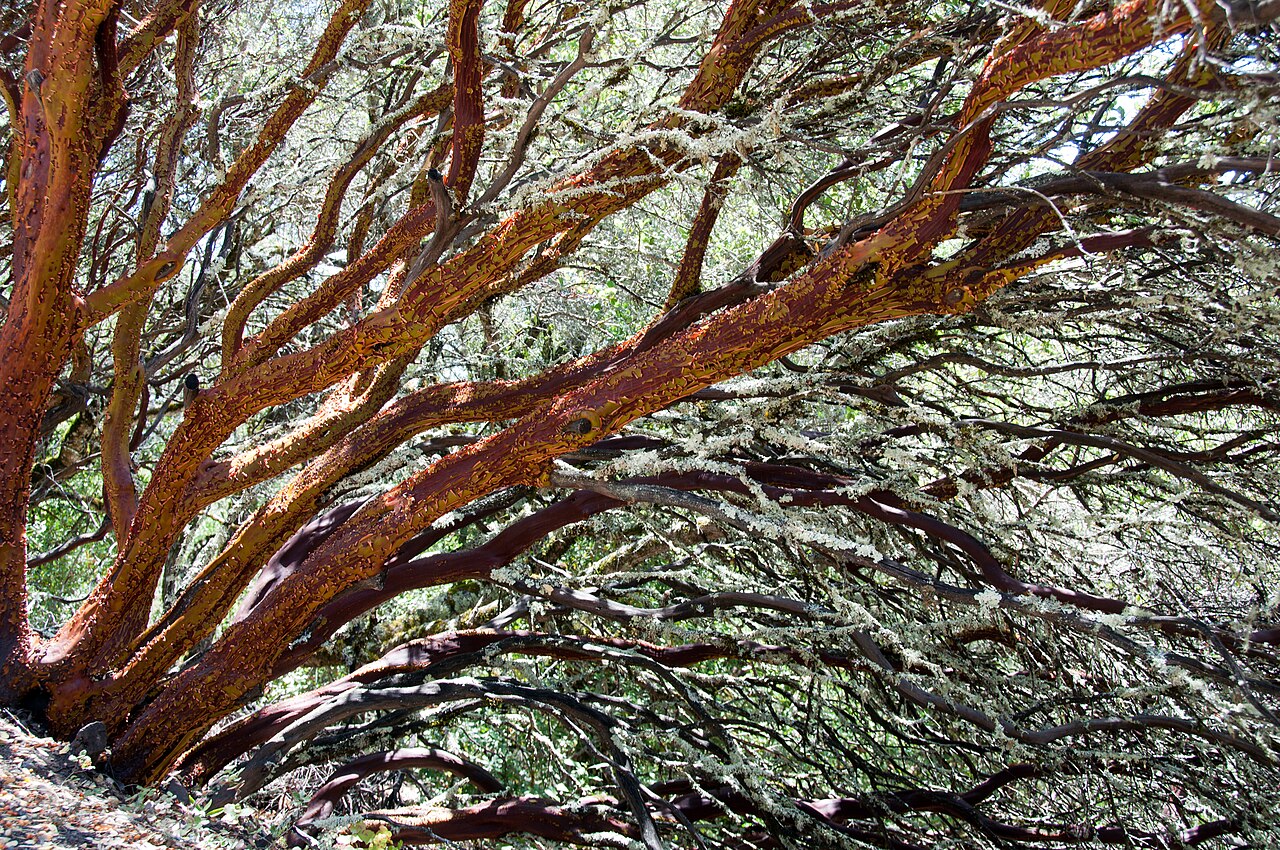
A mature common manzanita in full bloom, its canopy massed with urn-shaped flowers above the trademark red bark. Photo: Wikimedia Commons (CC BY-SA 3.0) Arctostaphylos
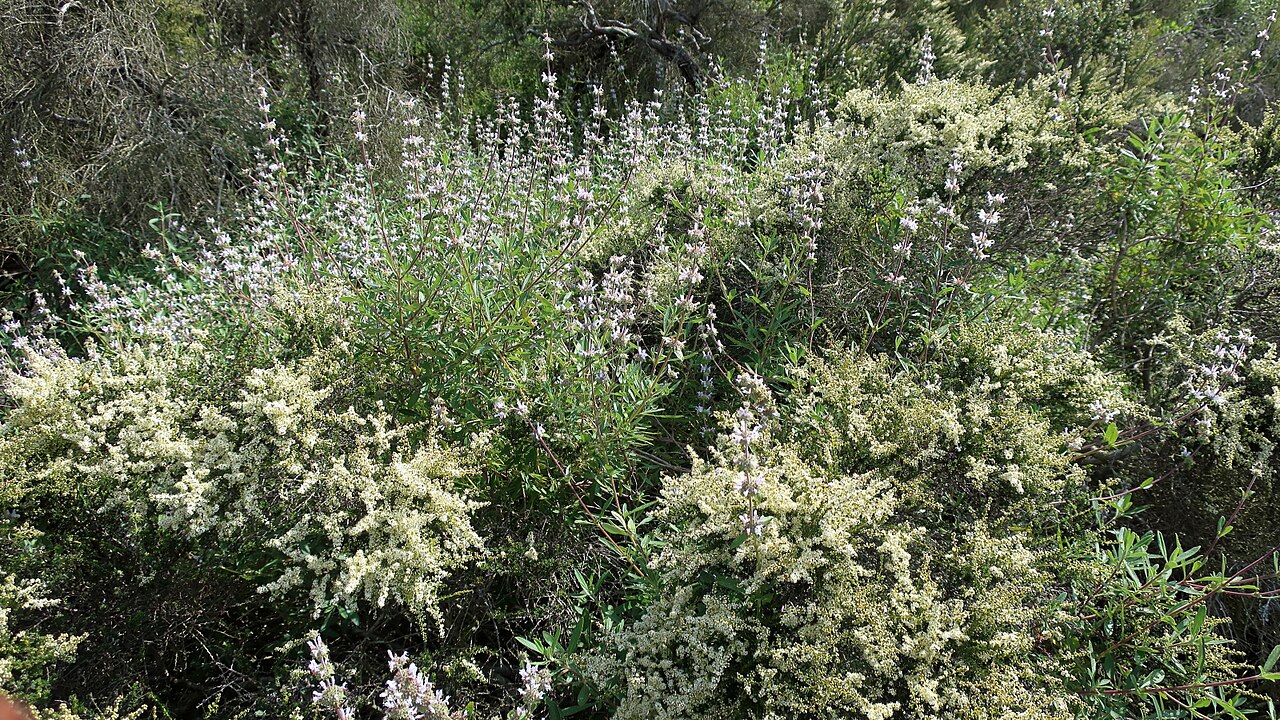
Black sage in full spring bloom, its pale flower spikes rising above dark, resinous foliage. Photo: Wikimedia Commons (CC BY 2.0) Salvia mellifera, commonly known
View More