
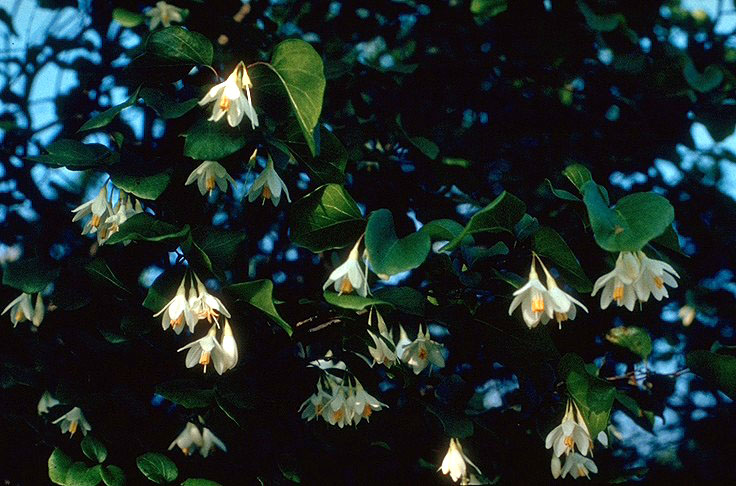
Sycamore-leaf snowbell in full spring bloom, its pendant white flowers hanging beneath broad green leaves. Photo: Public domain, via Wikimedia Commons Styrax platanifolius, commonly called
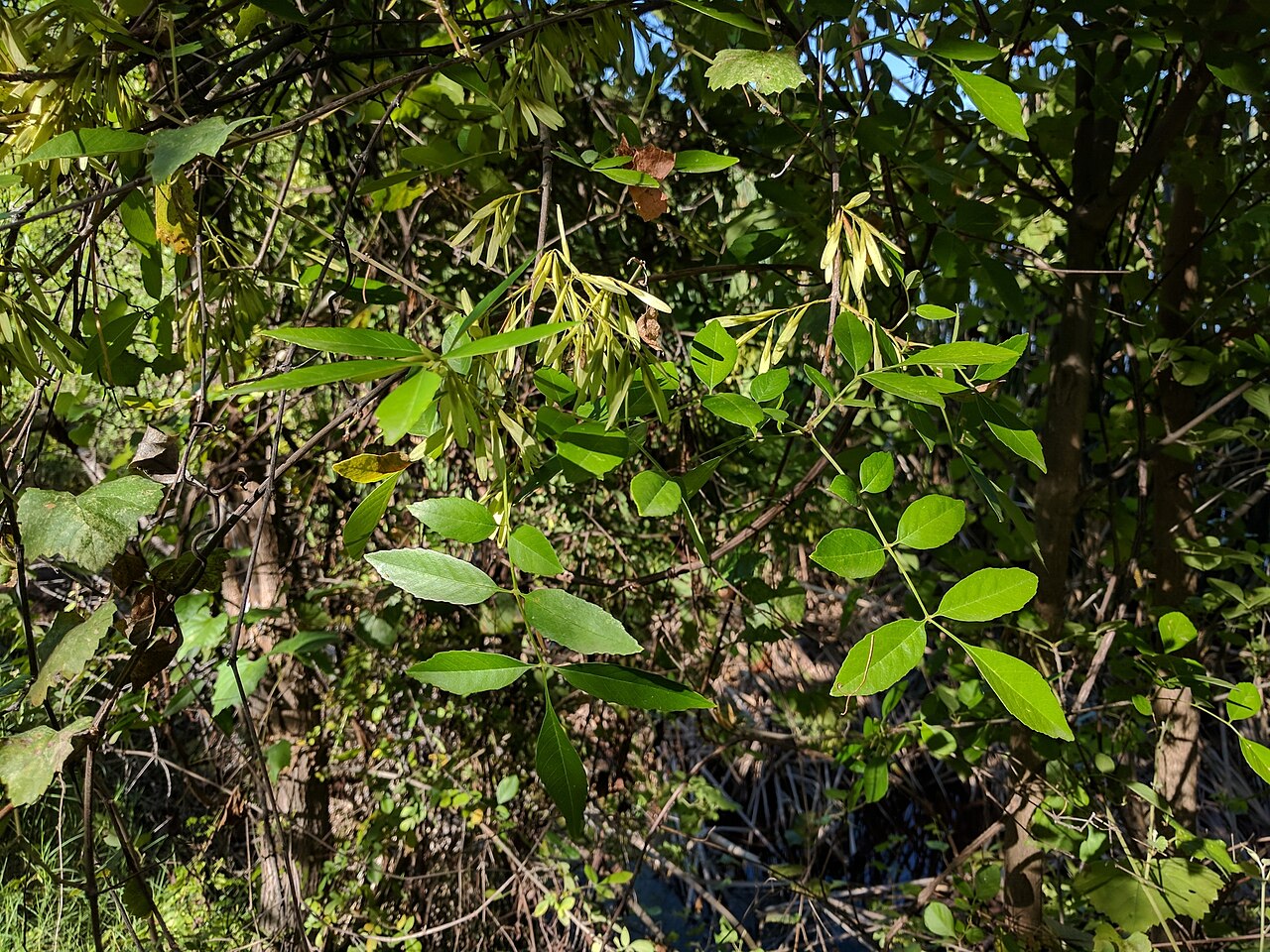
Goodding’s ash foliage and ripening samaras in a sky-island canyon of southeastern Arizona. Photo: Ken-ichi Ueda, via iNaturalist/Wikimedia Commons (CC BY 4.0) Fraxinus gooddingii, Goodding’s
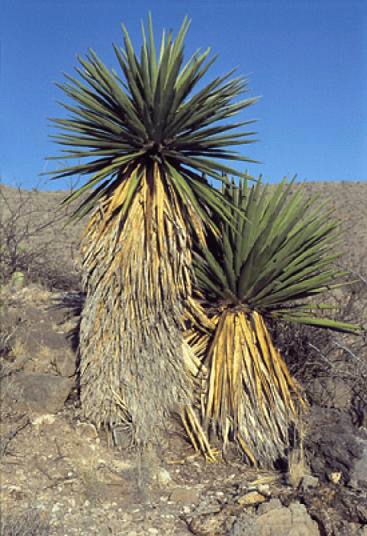
Young Faxon yuccas on a rocky Chihuahuan Desert hillside in the Big Bend region of Texas, their old dried leaves still skirting the trunks. Photo:
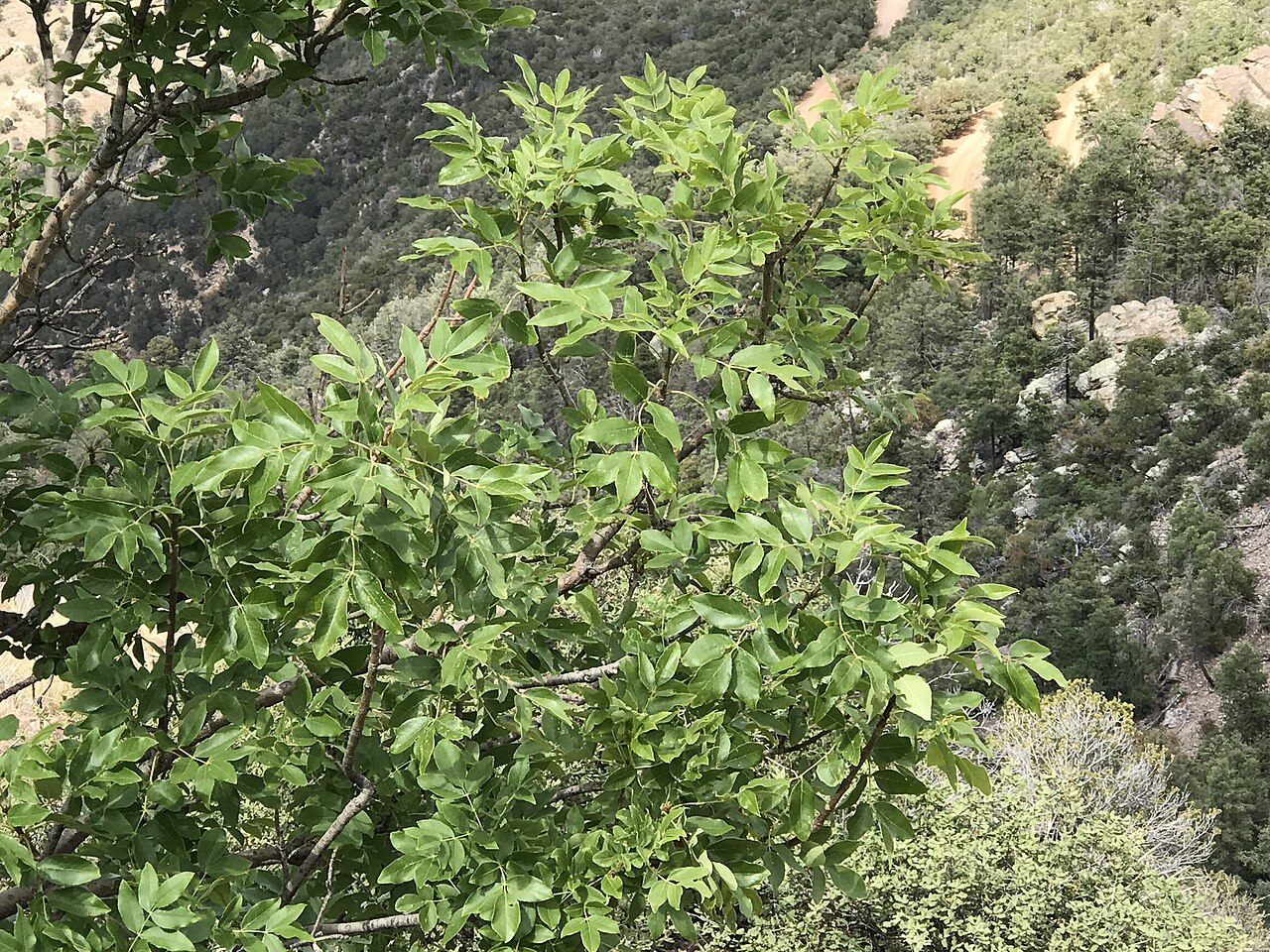
Chihuahuan ash foliage catching afternoon light in a sky-island canyon of the Chihuahuan Desert borderlands. Photo: C.K. Kelly, via Wikimedia Commons (CC BY 4.0) Fraxinus
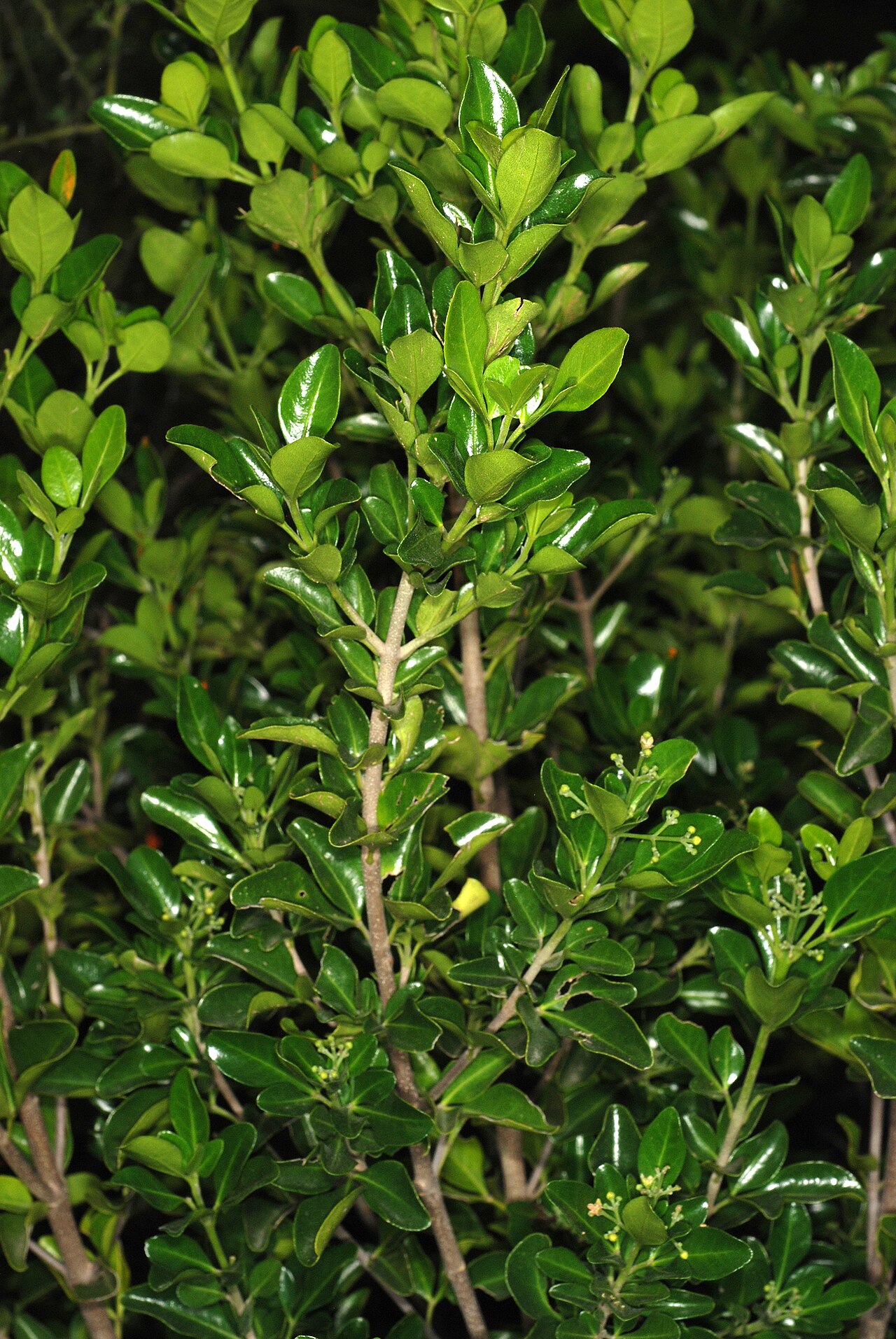
Barreta forms a dense, glossy-leaved thicket in the Tamaulipan thornscrub of deep South Texas. Photo: Douglas Goldman, via Wikimedia Commons (CC BY-SA 4.0) Helietta parvifolia,
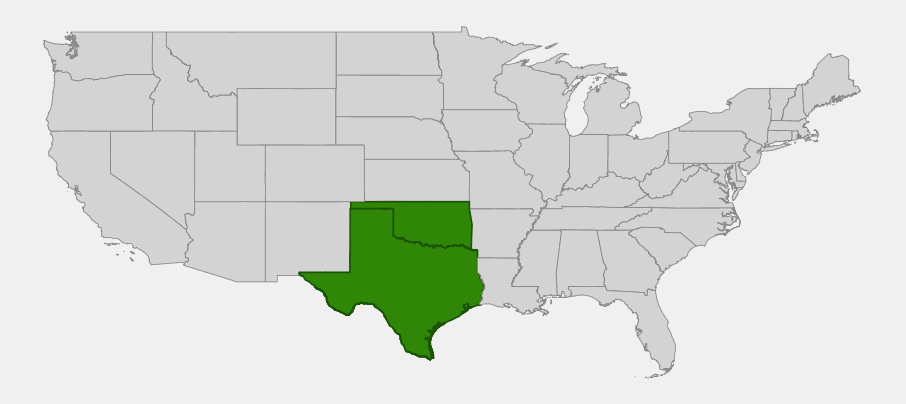
Zanthoxylum hirsutum, commonly called Texas Hercules’ Club, Texas Prickly-ash, Tickletongue, Tingletongue, or Toothache Tree, is a small, thorny, aromatic shrub-tree native to the limestone hills
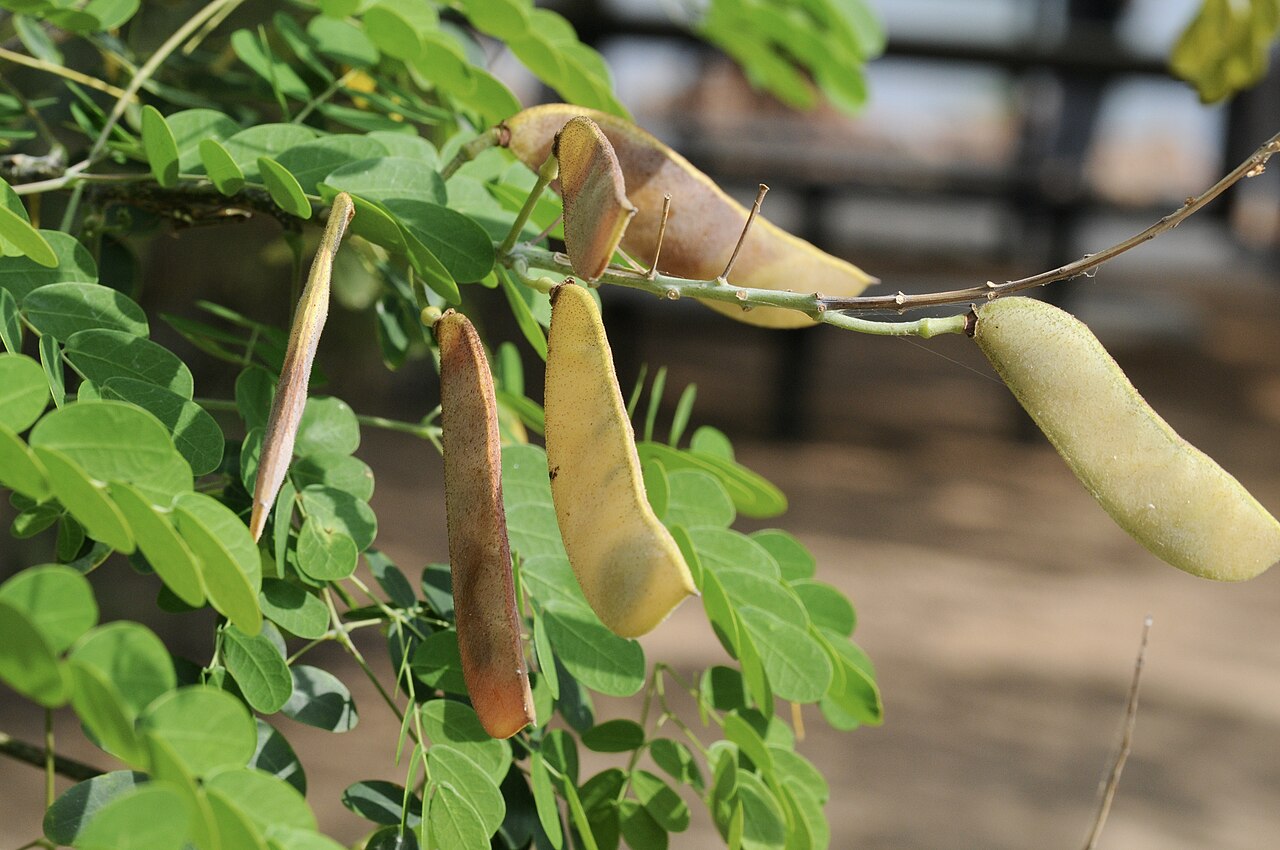
Mexican holdback’s fine, fern-textured foliage and dehiscent seedpods. Photo: Wikimedia Commons (CC0) Erythrostemon mexicanus — long known in gardens as Caesalpinia mexicana and still sold
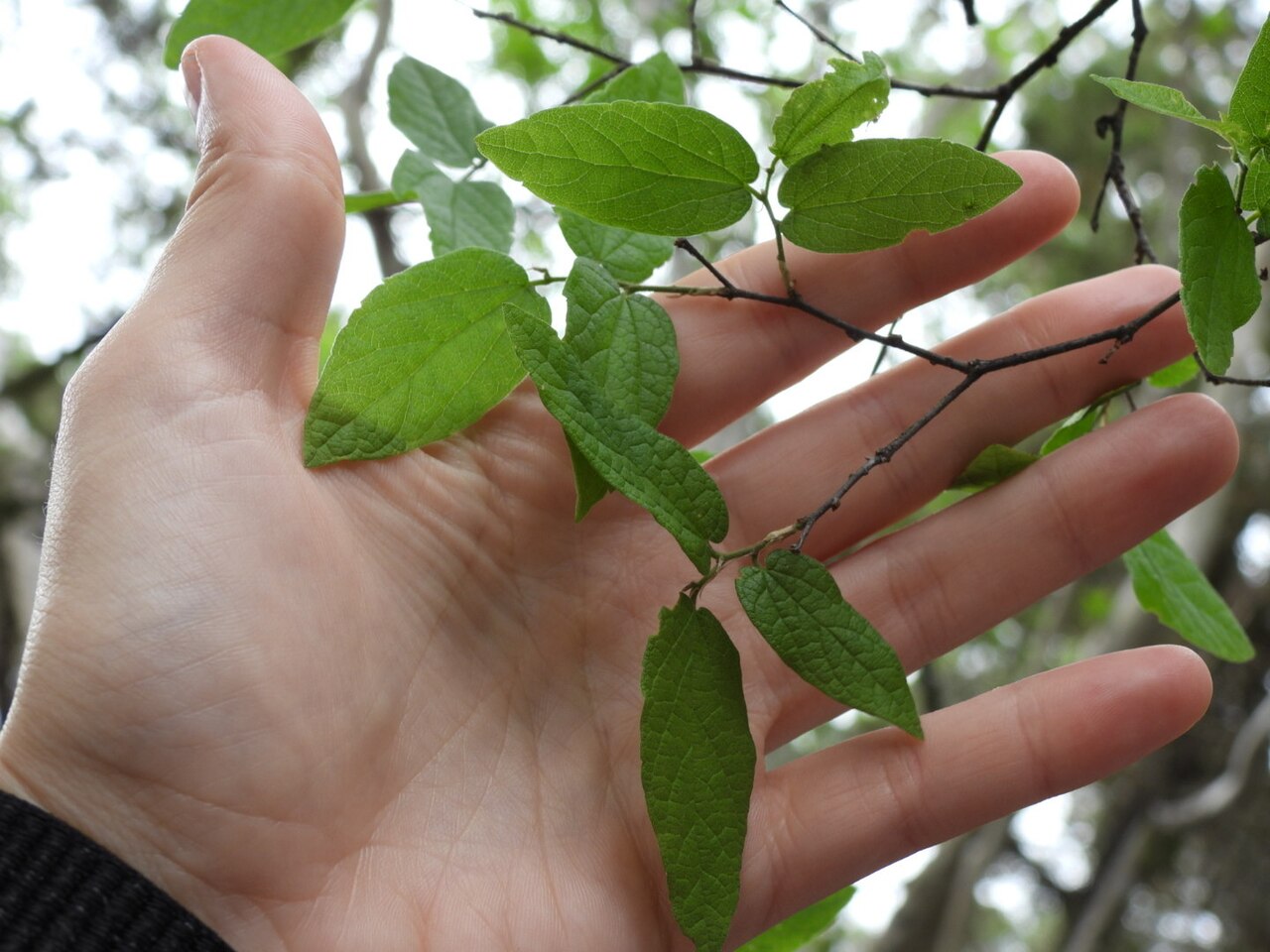
Lindheimer hackberry branch showing its small, thick, rounded leaves, photographed in Bexar County, Texas. Photo: Wendy A, iNaturalist / Wikimedia Commons (CC0) Celtis lindheimeri, known
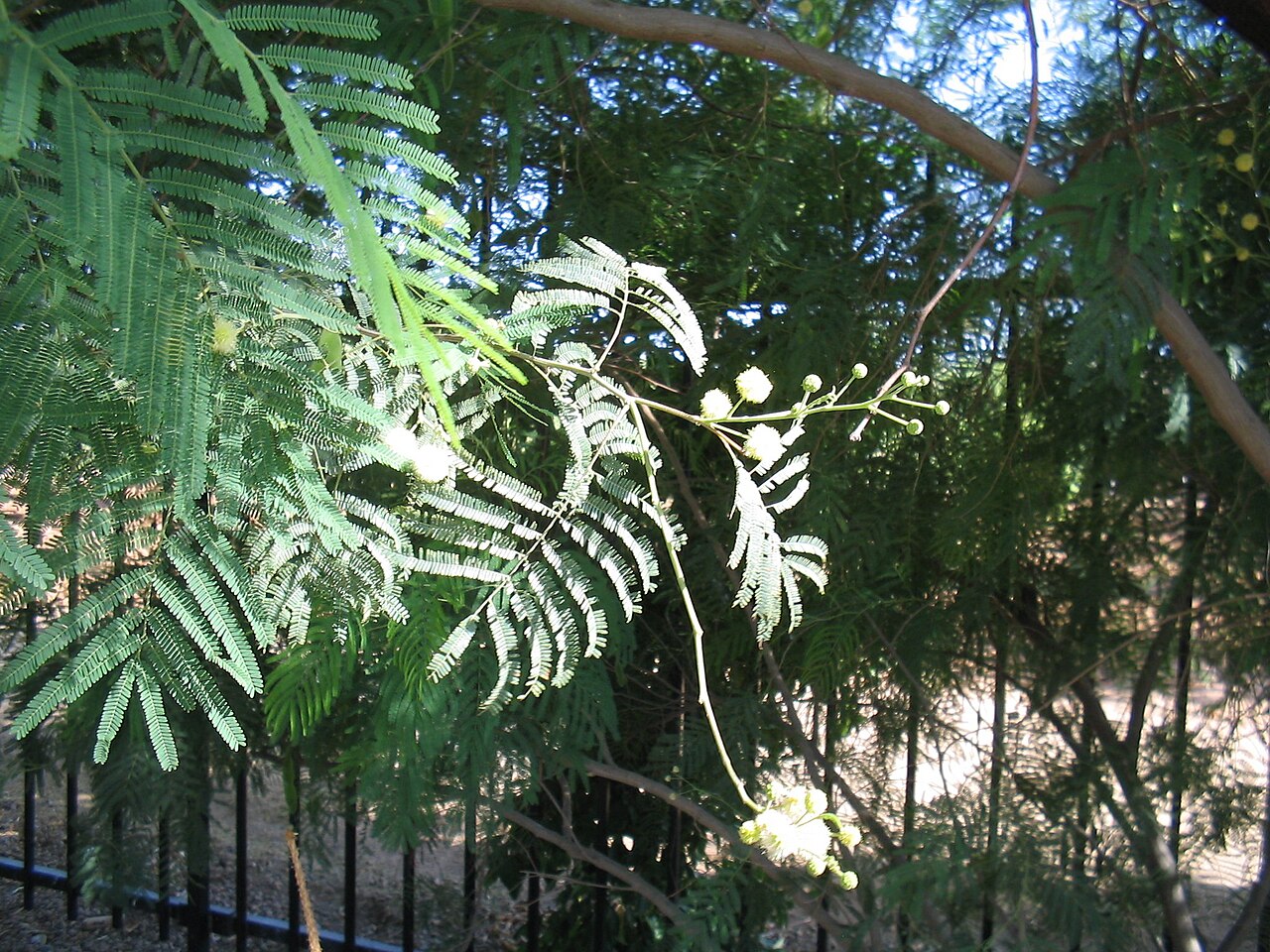
Guajillo’s lacy, fern-textured foliage and fragrant cream puffball flowers. Photo: Don Carlson, Wikimedia Commons (CC BY-SA 3.0) Senegalia berlandieri — long familiar to Texans as
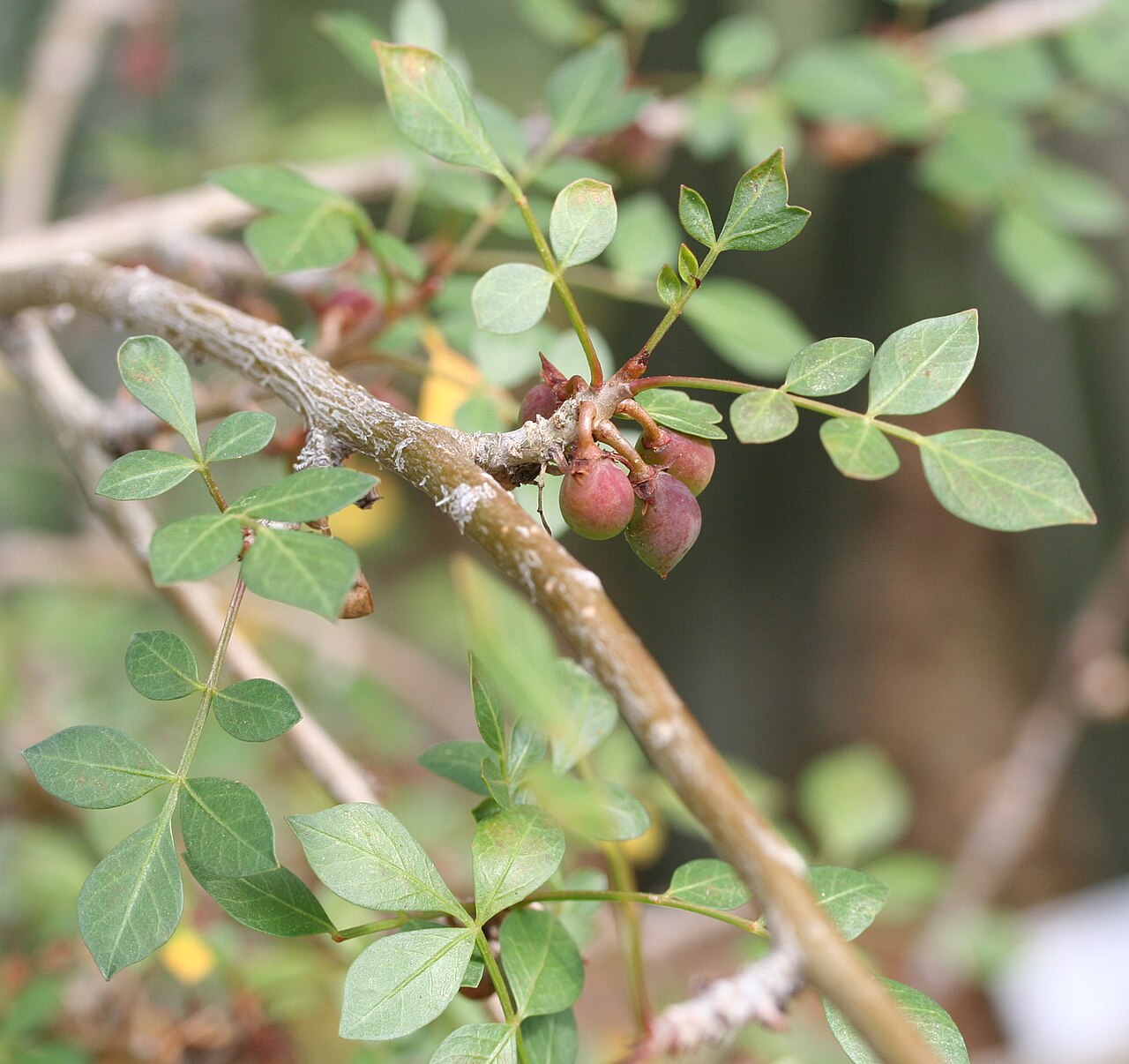
Fragrant bursera’s small compound leaves and reddish fruit capsules. Photo: Wikimedia Commons (CC BY-SA 3.0) Bursera fagaroides, known as Fragrant Bursera, torchwood copal, palo mulato,
View More