
Drought Tolerant Native Plants Nevada for Sustainable Landscaping and Water Conservation
Last updated: August 22, 2026
Nevada’s arid climate really puts plants to the test. Only those that can survive with minimal water make it here.
Native drought-tolerant plants have adapted over time to Nevada’s harsh conditions. They don’t just survive—they thrive.
These plants cut down on the need for extra watering, which is a big win for sustainable landscaping in Nevada.

Many native species, like desert marigold and creosote bush, use water efficiently and handle extreme temperatures. When gardeners pick these plants, they support local ecosystems and save water.
People who choose native drought-tolerant options end up with resilient, practical outdoor spaces. It’s a smart move for anyone tired of fighting nature.
Why Choose Drought-Tolerant Native Plants in Nevada
Drought-tolerant native plants make water conservation way easier. They also help local wildlife stick around, and honestly, they just fit Nevada’s climate.
These plants come with natural adaptations that lower maintenance and support the Great Basin’s unique ecosystems. Can’t argue with that.
Benefits for Water Conservation
Native drought-tolerant plants in Nevada barely need irrigation compared to non-natives. Because they’ve evolved deep roots, they find water even after the briefest rainfall.
Picking these plants means you water less—crucial during those relentless Nevada droughts. This isn’t just good for you; it helps cities save water, especially where demand is sky-high.
Their root networks also keep soil in place, fighting erosion. That means the land holds onto moisture better, so you water even less.
Support for Wildlife and Pollinators
Nevada’s native plants give local wildlife and pollinators—bees, butterflies, birds—a real shot at survival. Their flowering times sync up with native pollinators’ lifecycles, so pollination actually happens.
These plants also shelter and give breeding spots to species that belong here. Biodiversity sticks around, and so do the food webs that rely on it.
Landscapes full of native plants buzz with life you just won’t see in areas overrun by non-natives. Pollinator populations get a boost, which is huge for wild plants and crops alike.
Adaptation to Nevada’s Climate
Nevada’s weather? Low rain, blazing sun, wild temperature swings. Drought-tolerant natives have waxy leaves, deep roots, and smaller leaf areas to deal with all that.
They survive long dry stretches without much help. Heatwaves don’t faze them like they do imported plants.
Since they’re built for the Great Basin, these plants barely need fertilizer or pesticides. That means less chemical runoff and a more sustainable landscape for the long haul.
Recommended Drought-Tolerant Native Plant Species
If you want your Nevada garden to last, pick plants built for low water and high heat. Plenty of natives fit the bill, from perennials and shrubs to grasses and trees.
They’re tough, but they still look good. Here are some favorites.
Flowering Perennials for Nevada Gardens
Perennials like aster and beardtongue (Penstemon) don’t just survive—they put on a show with vivid blooms and need little irrigation. California fuchsia (Zauschneria) draws in pollinators and shrugs off dry soil.
Catmint (Nepeta) handles poor soils and keeps blooming. Lavender stands up to drought and smells fantastic.
Mixing these gives you color and sustainability without the constant watering.
Drought-Tolerant Native Shrubs
Shrubs like white sage and toyon handle Nevada’s dryness and add structure year-round. Coffeeberry feeds wildlife and survives tough conditions.
Western redbud brings early spring color and doesn’t mind low water. Heteromeles arbutifolia adds charm with its white flowers and red berries.
Throw in sagebrush and mountain mahogany for extra drought resistance and habitat.
Ornamental Grasses and Groundcovers
Ornamental grasses, especially junipers, offer evergreen cover and need hardly any water once they’re settled. They help stop soil erosion and add texture.
Groundcovers with deep roots—think native grasses and low growers—lock in soil moisture and fill those awkward gaps. Less water, less fuss.
Trees and Larger Shrubs Adapted to Arid Conditions
Mountain mahogany is a go-to for shade and drought tolerance. Its roots dig deep for water.
Western redbud works as a small tree and shows off with its blossoms. Larger shrubs like heteromeles arbutifolia and toyon look good and handle heat.
Thick leaves mean less water loss, so they’re perfect for Nevada. Planting these helps stabilize your landscape and saves resources.
Best Practices for Gardening with Native Plants

If you want native plants to thrive, pay attention to where you put them, the soil, how you water, and how you help them reproduce. A little planning goes a long way in Nevada’s dry climate.
Site Selection and Soil Preparation
Pick spots that match what these plants expect in the wild. Most Nevada natives want full sun or at least some.
Don’t plant them where water pools—they like well-drained soils. Test your soil’s pH and texture before planting.
If the soil’s sandy or poor, mix in compost to help it hold nutrients and moisture. Skip heavy tilling—keeping the soil structure helps the good microbes do their thing.
Mulching and Organic Matter Management
Mulch is your friend here. It keeps soil moist and cool, which is pretty much essential in Nevada.
Use organic mulch—bark, wood chips, leaf litter. As it breaks down, it feeds your soil.
Spread it two to three inches thick, but don’t pile it against stems. Top it up as needed.
Add compost once or twice a year for even better soil. That helps roots grow deep and strong, making drought less of a problem.
Transplanting and Watering Techniques
Move native plants in early spring or fall when it’s cooler. Be gentle with the roots and plant them at the same depth they grew before.
Water deeply but not too often. Let the soil dry out between waterings.
Cut back on irrigation as the plants settle in—this pushes roots deeper and boosts drought tolerance. Overwatering? That’s a fast track to root rot.
Encouraging Seed Production and Propagation
Let flowers go to seed if you want more natives. Deadhead some blooms to keep things tidy, but leave others to finish.
Collect seeds in late summer or fall. Store them somewhere cool and dry until you’re ready to plant.
Try direct seeding or use cuttings for tricky species. These methods help you build a self-sustaining, diverse landscape that can handle Nevada’s climate.
Expanding Habitat and Landscape Uses

Drought-tolerant native plants in Nevada do more than just save water. They feed pollinators and fit right into bigger managed spaces, like ranches.
Native Plants for Supporting Hummingbirds and Beneficial Insects
Plants like Penstemon and Salvia burst with nectar, drawing in hummingbirds during the hottest, driest months. They’re a lifeline when water is scarce.
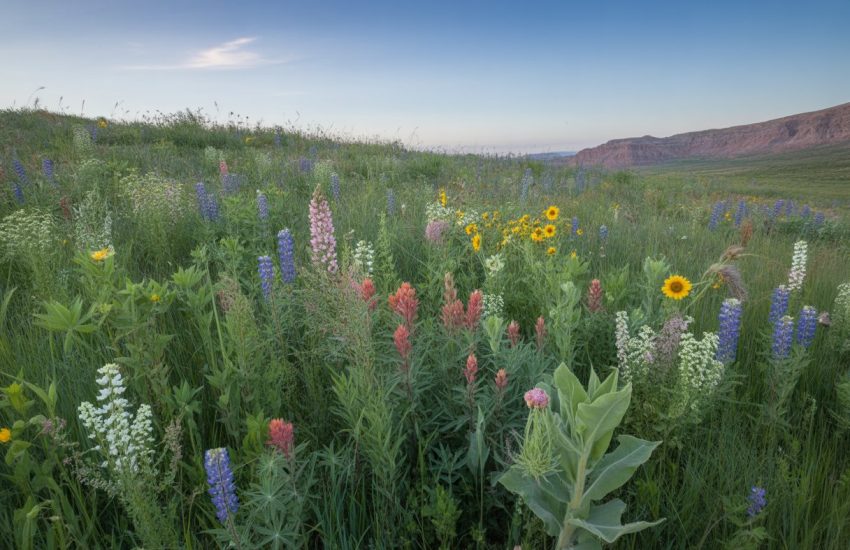
Native wildflowers—Lupinus, Eriogonum—host beneficial insects like bees and predatory wasps. These bugs help keep pests in check and boost biodiversity.
Plant a mix of flowering natives for a steady food supply all season. You’ll see more pollinators and create mini-habitats, even in city yards.
Integrating Drought-Tolerant Plants into Ranches and Larger Landscapes
Ranches can really benefit from native, drought-resistant plants. They help cut down on watering and boost soil health.
Build Your Nevada Native Garden
Start with a backbone of native shrubs like sagebrush, rabbitbrush, and desert willow, then layer in flowering perennials for seasonal color. Water deeply at planting, taper off over the first year, and let Nevada’s native plants do what they do best — thrive on neglect.
Buy from a nursery that specializes in Great Basin and Mojave natives. Find a native plant nursery near you.
Keep reading:
Third year gardening and I’m finally starting to get the hang of it. Articles like this help.
Thanks carolyn41! Let us know how it goes. -Plant Native Team