Herb Gardening Tips for Illinois: Essential Strategies for Successful Growing
Last updated: August 19, 2026
Growing herbs in Illinois means you need to get familiar with the state’s climate and soil. The key to successful herb gardening here is choosing hardy varieties and planting after the last spring frost, usually in late spring.
Proper sunlight, well-drained soil, and regular watering really matter, too. You can’t just plant and forget—herbs need some attention.
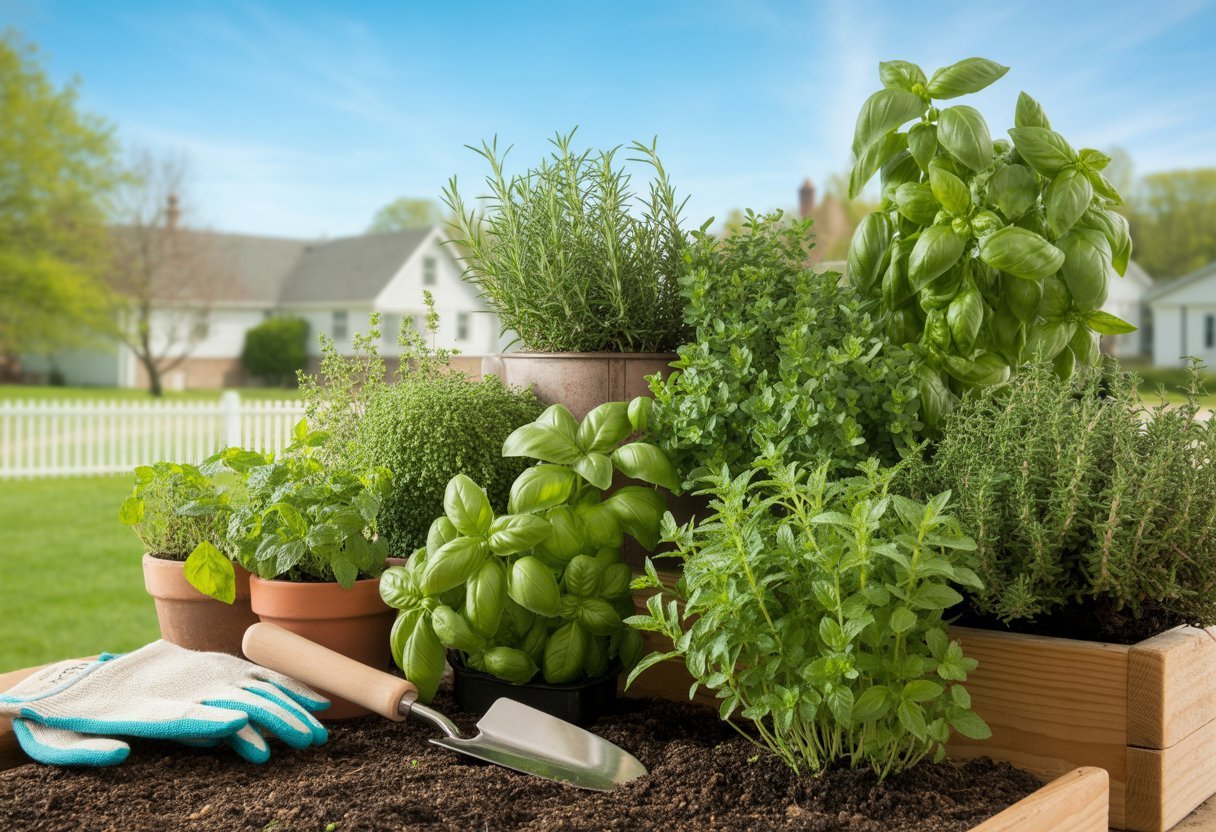
If you’re gardening in Illinois, focus on herbs like basil, oregano, thyme, and mint. These tend to handle the local weather pretty well.
Adapting your care routine as the Midwest seasons shift helps keep your plants happy and productive.
Getting Started With Herb Gardening in Illinois
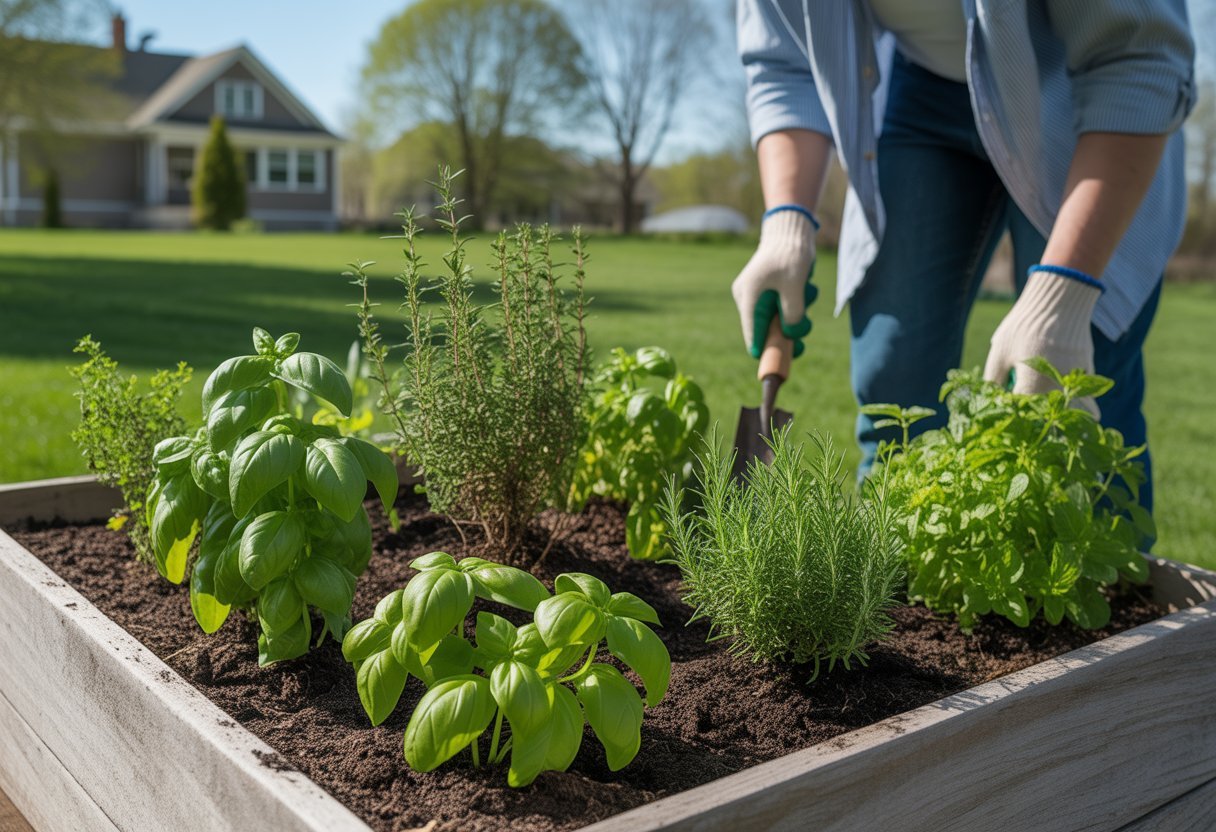
Starting an herb garden in Illinois isn’t complicated, but you’ll want to pay attention to climate, soil, and which plants you pick. Knowing this stuff makes it way easier to grow healthy herbs, whether you’re into annuals, perennials, or native varieties.
Understanding Illinois’ Climate and Growing Season
Illinois has a temperate climate—cold winters, hot summers. The growing season usually runs about 150 to 180 days, from late April to early October.
Frost risk usually disappears after mid-May, so that’s when it’s safe to plant tender herbs. Hardy perennials can tough out Illinois winters, but they’ll need some mulch for protection.
Sunlight shifts as the seasons change. Aim for at least 6 hours of sun a day for most herbs.
Some native herbs don’t mind a bit of shade, which can open up more options for where you plant them.
Choosing the Right Location and Soil Preparation
Herbs hate soggy feet, so well-drained soil is a must. Sandy loam or loamy soil with plenty of organic matter works best.
Mix in compost to boost fertility and improve the soil texture. Good air flow helps keep fungal diseases down, so don’t cram your herbs together.
Raised beds or containers can save the day if your yard has heavy clay or poor drainage. Check the soil pH—most herbs like it slightly acidic to neutral (pH 6.0–7.0).
If you need to, add lime to adjust the pH. Mulch around your herbs to lock in moisture and block weeds.
Selecting Herbs: Annuals, Perennials, and Native Plants
Annual herbs like basil and cilantro grow fast in Illinois summers but only last one season. You’ll have to replant them each year.
Perennials—think thyme, oregano, and chives—come back every year if you protect them with mulch. These are great if you want a garden that sticks around.
Native Illinois herbs such as blue vervain and wild bergamot already know how to handle local bugs and weather. They’re low-maintenance and help out with local biodiversity.
| Type | Examples | Notes |
|---|---|---|
| Annuals | Basil, Cilantro | Fast growth, replant yearly |
| Perennials | Thyme, Oregano, Chives | Winter-hardy with mulch |
| Native | Blue Vervain, Wild Bergamot | Adapted to local climate |
Top Herbs to Grow and How to Care for Them
If you know what each herb needs, you’ll do just fine growing a mix in Illinois. Some herbs are tougher and love the local weather; others like Mediterranean types need more pampering.
Popular Culinary Herbs for Illinois Gardens
Basil, parsley, chives, dill, and cilantro all thrive during Illinois’ warm months. They want well-draining soil and at least 6 hours of sunlight.
Basil and cilantro get bushier if you pinch them back regularly. Mint and lemon balm spread like crazy, so you’ll want to keep them in check or in containers.
Chives handle cold winters with barely any fuss. Dill does best if you sow seeds right after the last frost and give it full sun.
If you harvest herbs often, you’ll get more fresh growth and better flavor. Letting them flower usually means fewer leaves and weaker taste.
Tips for Growing Mediterranean and Tender Herbs
Mediterranean herbs—rosemary, thyme, oregano, and lavender—crave well-drained soil and loads of sunlight. Rosemary doesn’t like the cold, so mulch it heavily or bring it inside for winter.
Tarragon and lemon verbena prefer a bit of shade during hot summers and soil that stays moist but not soggy. Growing them in containers can make life easier when it comes to temperature and soil control.
Don’t overwater, especially with rosemary and lavender. Root rot is a real risk. Prune these herbs regularly so they keep their shape and stay healthy.
Caring for Perennial and Woody Herbs
Woody herbs like sage, rosemary, and thyme can stick around for years if you treat them right. Sage loves full sun and good drainage.
Prune it in early spring to spark new growth. Every few years, divide perennials like parsley and mint so they don’t get overcrowded.
If you keep rosemary in a pot, move it indoors before winter hits. Water consistently when it’s dry and toss on some mulch to keep moisture in and weeds out.
Designing and Maintaining a Healthy Herb Garden
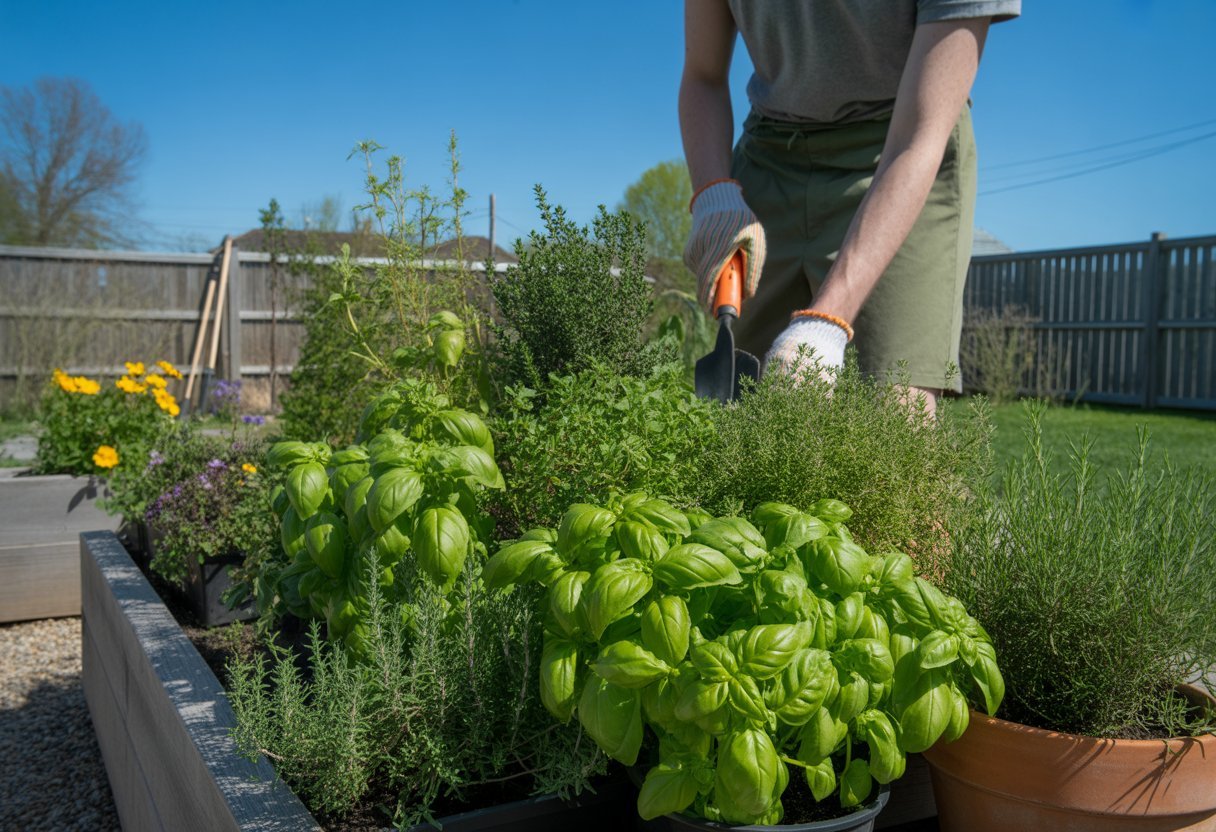
A smartly planned herb garden makes life easier and the plants happier. It can attract pollinators, keep pests in check, and boost your harvest.
Planning for Pollinators and Companion Planting
Pollinators like bees and butterflies are a big deal for herbs. If you plant flowers like clematis nearby, you’ll draw in more pollinators and get better herb yields.
Companion planting isn’t just a buzzword—it really helps. Basil pairs well with tomatoes and peppers, improving flavor and fending off pests.
But don’t put dill near carrots; they don’t get along. Mixing in flowering herbs and plants not only helps pollinators but also makes your garden look fantastic.
Watering, Fertilization, and Organic Pest Management
Herbs want soil that drains well and stays consistently moist, but they hate sitting in water. Water deeply once or twice a week, but adjust if it’s raining a lot or the soil dries out fast.
A balanced organic fertilizer once a month during the growing season is usually enough. Go easy on the fertilizer—too much can dull the flavor of herbs like thyme and rosemary.
Stick with organic pest control. Handpick bugs, use insecticidal soap, or bring in helpful insects like ladybugs. Skip the broad-spectrum pesticides so you don’t hurt your pollinators.
Pruning, Harvesting, and Extending the Herb Harvest
Prune herbs regularly to keep them bushy and strong. Pinching back oregano and mint stops them from flowering and keeps the leaves coming.
Harvest in the morning after the dew dries for the best taste. Use sharp scissors so you don’t damage the plant.
Don’t take more than a third of any plant at once if you want it to bounce back. To stretch your harvest, plant in waves or use containers you can bring inside before the first frost.
Staying on top of maintenance means you’ll have fresh herbs for longer.
Creative Ways to Use and Enjoy Your Illinois Herbs
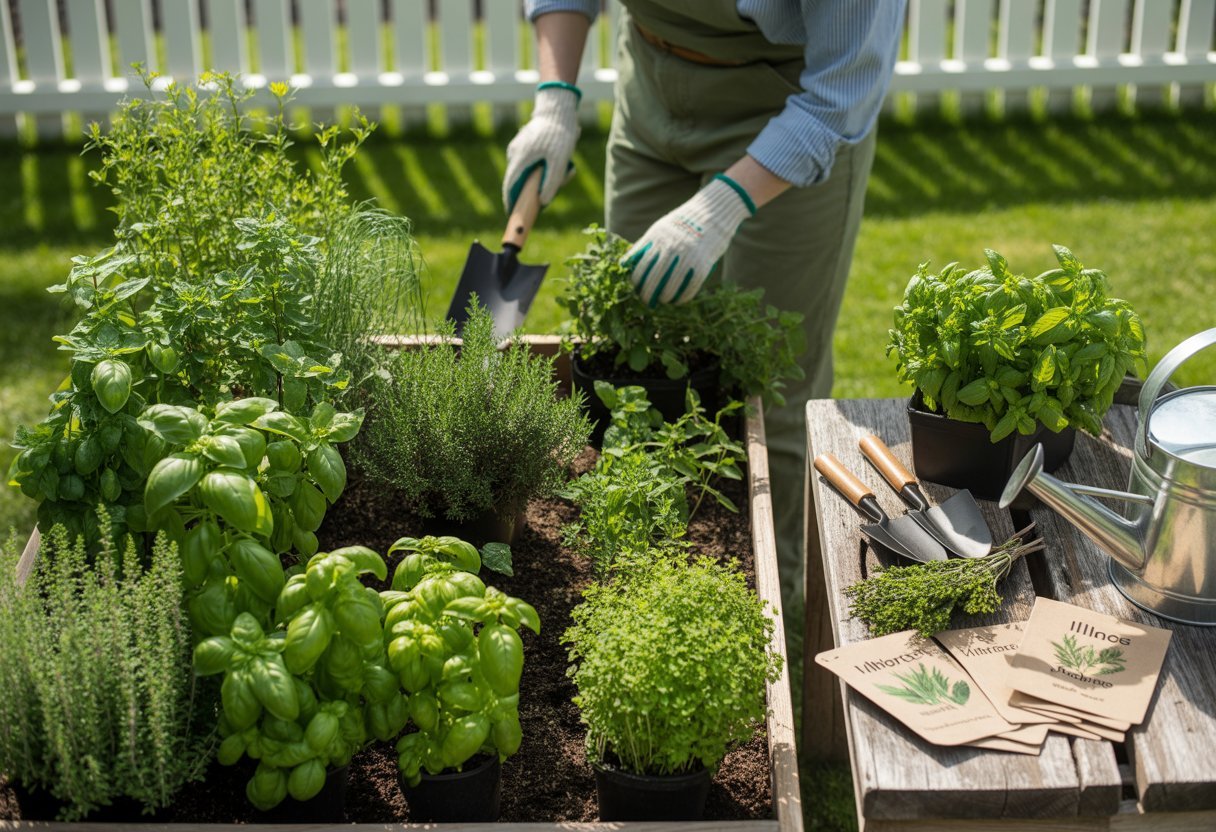
Fresh herbs from your Illinois garden do way more than just look pretty. They’re awesome in the kitchen and can even come in handy for wellness or around the house.
Cooking and Preserving Fresh Herbs
Cooking with fresh herbs like basil, thyme, or oregano brings a pop of flavor to any meal. Toss them in salads, sauces, or marinades, or sprinkle them in at the end of cooking to keep the aroma bright.
Preserving herbs means you get to enjoy them year-round. Drying, freezing, or making herb-infused oils and vinegars are all solid options.
If you want to dry herbs, hang small bunches somewhere dark and dry. For freezing, chop herbs and drop them into ice cube trays with water or olive oil—perfect for tossing into soups or stews later.
Using fresh or preserved herbs is a simple way to boost flavor without piling on salt or fat. That’s a win for healthy cooking, if you ask me.
Herb Uses for Wellness and the Home
Illinois herbs offer all sorts of practical uses for wellness and household care. Plenty of gardeners grow mint or chamomile for natural teas—these can help with digestion or just help you unwind.
Lavender and rosemary are handy too. You can dry them and use them as air fresheners, or tuck them into sachets for closets.
Lemon balm? That one’s great for repelling insects if you plant it near doorways or keep a pot indoors.
If you’re into essential oils, diluted thyme oil works as a mild antiseptic. Still, it’s smart to look up how to use and dilute these oils safely.
Herb gardening in Illinois isn’t just about cooking—it’s got a lot more going for it.