
Herb Gardening Tips for Pennsylvania: Essential Practices for Thriving Herbs
Last updated: September 17, 2026
Herb gardening in Pennsylvania isn’t always straightforward. The climate and soil here throw a few curveballs.
You’ve got to pay attention to the region’s seasonal swings, frost dates, and the quirks of your local soil. If you want thriving herbs, pick varieties that match the temperate climate and prep your soil to keep moisture in but still drain well.
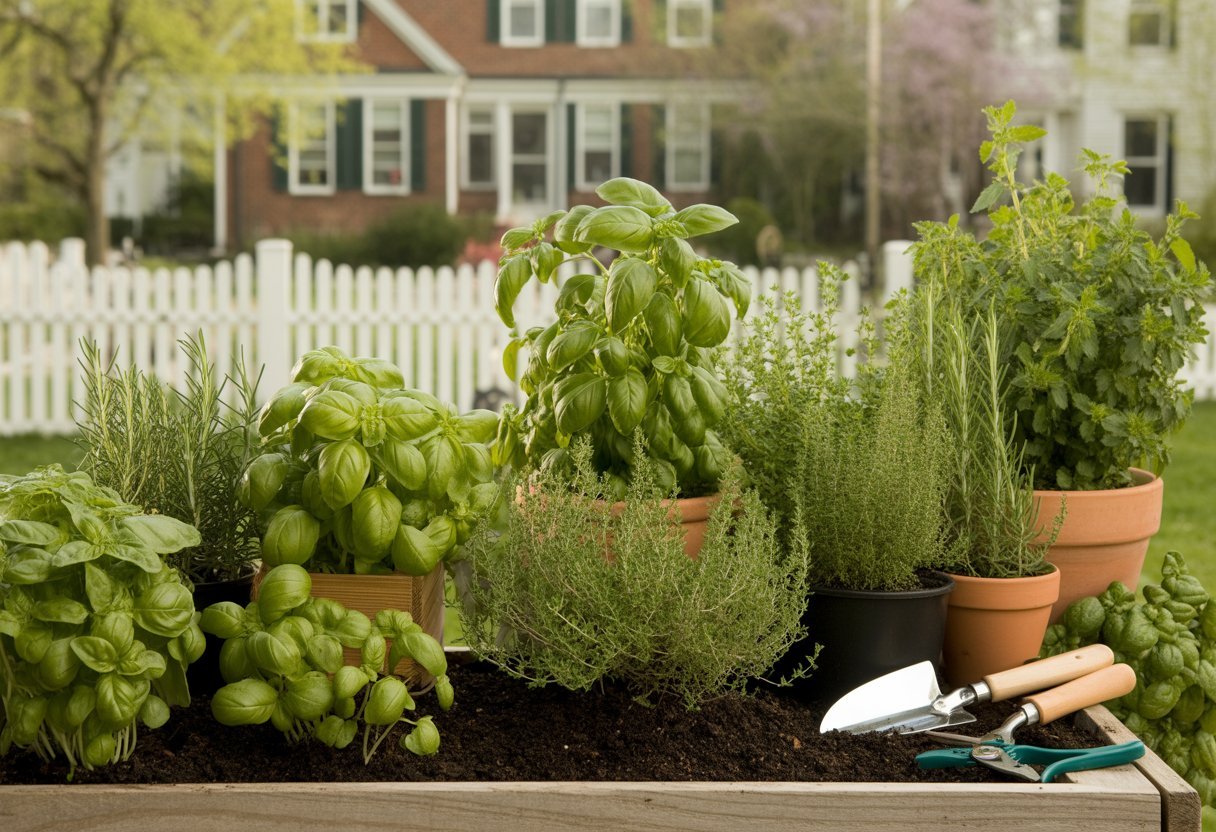
Go for herbs that handle both hot summers and chilly winters—think thyme, mint, and chives. Sunlight and timing your planting make a real difference.
You’ll also want to tweak your care routine as the weather shifts or rain gets weird. It’s all about keeping those herbs healthy and productive.
Essential Herb Gardening Tips for Pennsylvania
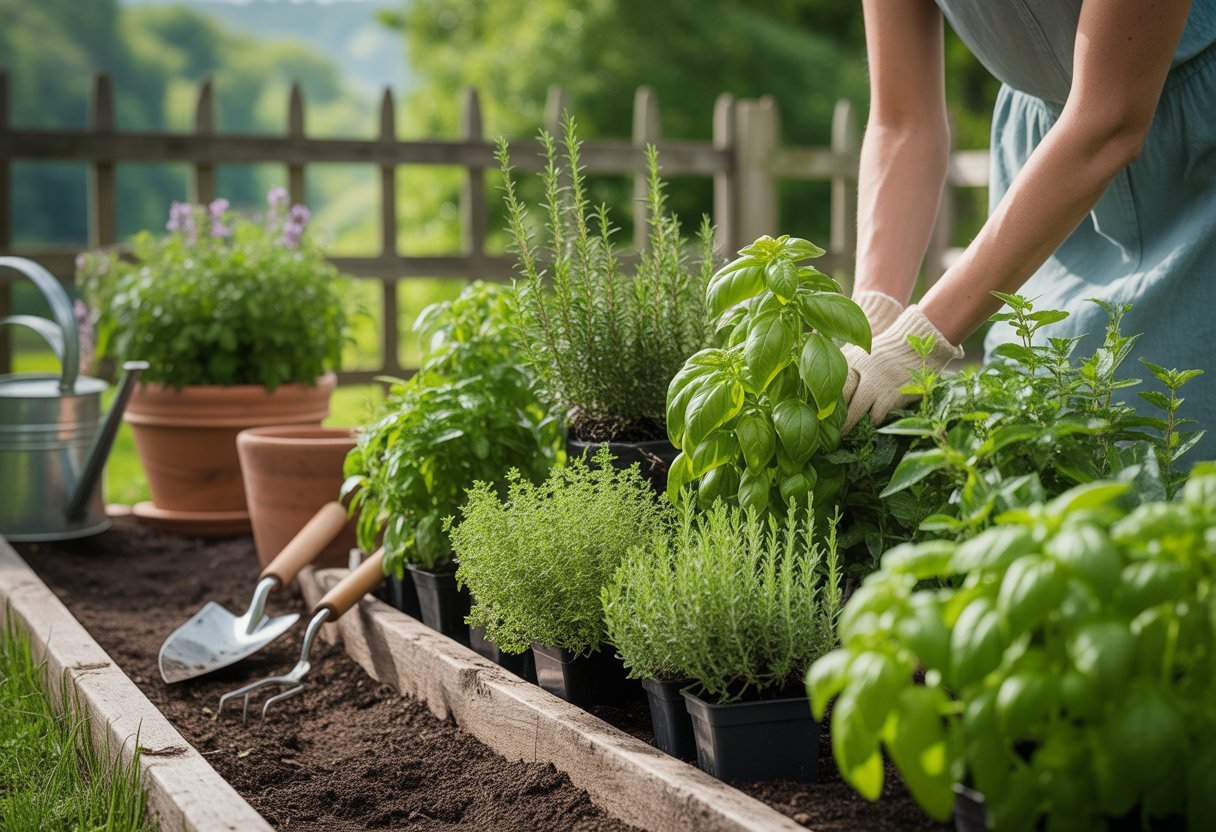
If you want a successful herb garden in Pennsylvania, start by figuring out your climate zone. Then pick a garden spot with the right soil and sunlight.
Getting these basics right makes everything else easier.
Understanding Pennsylvania’s Hardiness Zones
Pennsylvania covers USDA Hardiness Zones 5b through 7a. These zones tell you the lowest winter temps your herbs can handle.
Check your zip code to pin down your zone before you start planting.
Thyme and rosemary do better in warmer spots (zones 6-7). Parsley and chives can tough it out in cooler areas (zones 5-6).
Knowing your zone helps you pick herbs that’ll survive winter. That way, you dodge a lot of heartbreak.
Frost dates shift by zone, too. Most folks in zone 6 plant after mid-April, while those in zone 5 hold off until late May.
If you plan around frost, your young plants stand a better chance.
Choosing the Best Location for Your Herb Garden
Herbs love sun—at least 6 hours a day. South or southwest-facing spots usually deliver in Pennsylvania.
Don’t plant under big trees or anywhere shady.
Soil drainage really matters. Skip any area where water puddles after rain.
Try slightly raised beds or a gentle slope to help water flow away.
Pick a spot close to your house if you can. It makes watering and harvesting way less of a hassle.
Selecting Potting Mix and Soil Amendments
Herbs want well-drained, nutrient-rich soil. Mix in some potting soil and compost to boost organic content and keep things airy.
If your yard’s got heavy clay, you’ll need to fix that.
A solid mix could be:
- 40% potting soil
- 40% compost
- 20% perlite or sand
Add some organic fertilizer when you plant for steady growth. Slow-release kinds are easier to manage.
Aim for a balance—soil should hold moisture but not drown the roots. Test your pH and shoot for 6.0 to 7.0 for most herbs.
Selecting and Planting Herbs for Pennsylvania Climate
Pennsylvania’s cold winters and warm summers mean you’ll need to pick your herbs carefully. Deciding between seeds or starter plants and mixing herbs with veggies can really boost your odds of success.
Top Perennial and Annual Herb Choices
Here, perennials like rosemary, lavender, oregano, chives, and all sorts of mint (peppermint, spearmint, apple mint, chocolate mint, orange mint) do great with a little winter TLC. They’ll come back year after year.
Annuals such as basil and parsley need to be planted fresh each season. Basil likes it hot, so wait until after the last frost. Parsley’s a bit tougher and can handle chilly nights—and sometimes it’ll even re-seed itself.
Give rosemary and lavender full sun and soil that drains fast. Mints are notorious for spreading everywhere, so stick them in pots or contained beds unless you want a mint takeover.
Starting from Seeds or Using Transplants
Starting herbs from seed? Do it indoors about 6-8 weeks before the last frost—late April’s a good target here. Basil and parsley are especially tricky to sow outdoors early.
Transplants from local garden centers save time and headaches, especially for perennials like rosemary and lavender. You get a jump start with established roots.
Wait until the soil’s above 50°F for annuals. If you started seeds inside, harden them off by gradually moving them outdoors for a week before planting.
Companion Planting With Vegetables
Some herbs make great neighbors for veggies like tomatoes—basil can boost flavor and help cut down on aphids.
Oregano and chives help keep bugs away, which benefits nearby plants. Mints attract pollinators, but keep them corralled or they’ll take over.
Don’t plant rosemary too close to thirsty veggies—it likes things on the dry side. Give everything enough space for good airflow, and you’ll dodge a lot of disease issues.
Herb Care, Maintenance, and Harvesting
Keep your Pennsylvania herbs going strong with steady watering, the right feeding, and a few tricks to stretch the season. Healthy soil and smart pruning help herbs keep producing.
Proper Watering and Ensuring Adequate Drainage
Herbs don’t like to dry out, especially during those hot, dry Pennsylvania summers. But too much water leads to root rot.
Make sure pots have drainage holes so water doesn’t pool.
Keep the soil moist but not soggy. Water in the morning so the leaves dry off and you don’t invite fungus.
Raised beds and well-drained soil are a lifesaver for herbs like rosemary and thyme—they hate wet feet.
Feeding and Pruning Techniques
Herbs appreciate a balanced shot of fertilizer during the growing season. Go for an organic one with plenty of nitrogen for leafy growth.
Pruning isn’t just for looks—it makes herbs bushier and stops them from bolting too soon. Pinch back stems every week or so, and pull off any dead or yellow leaves.
If you grow perennial herbs, prune them early in spring to help them bounce back strong.
Extending the Season With Greenhouse Solutions
In Pennsylvania, a greenhouse gives you a way to control the environment and stretch out the growing season for delicate herbs. It shields your plants from frost and lets you start planting before that last stubborn frost finally disappears.
Greenhouses keep temperatures and humidity more stable, so herbs like basil and cilantro can keep going even when it’s chilly. Just don’t forget about ventilation and shading—things can heat up fast in there on sunny days, and nobody wants wilted herbs.
Do deer bother these? That’s my biggest problem — they eat everything.