
Landscaping with Native Beet in Pennsylvania: Enhancing Gardens with Local Flora
Last updated: October 12, 2026
Landscaping with native beets in Pennsylvania just makes sense if you want a garden that’s sustainable and doesn’t demand endless upkeep. These plants handle the local climate and soil without much fuss, so they’re tough choices for building out garden spaces that look good and stay functional.
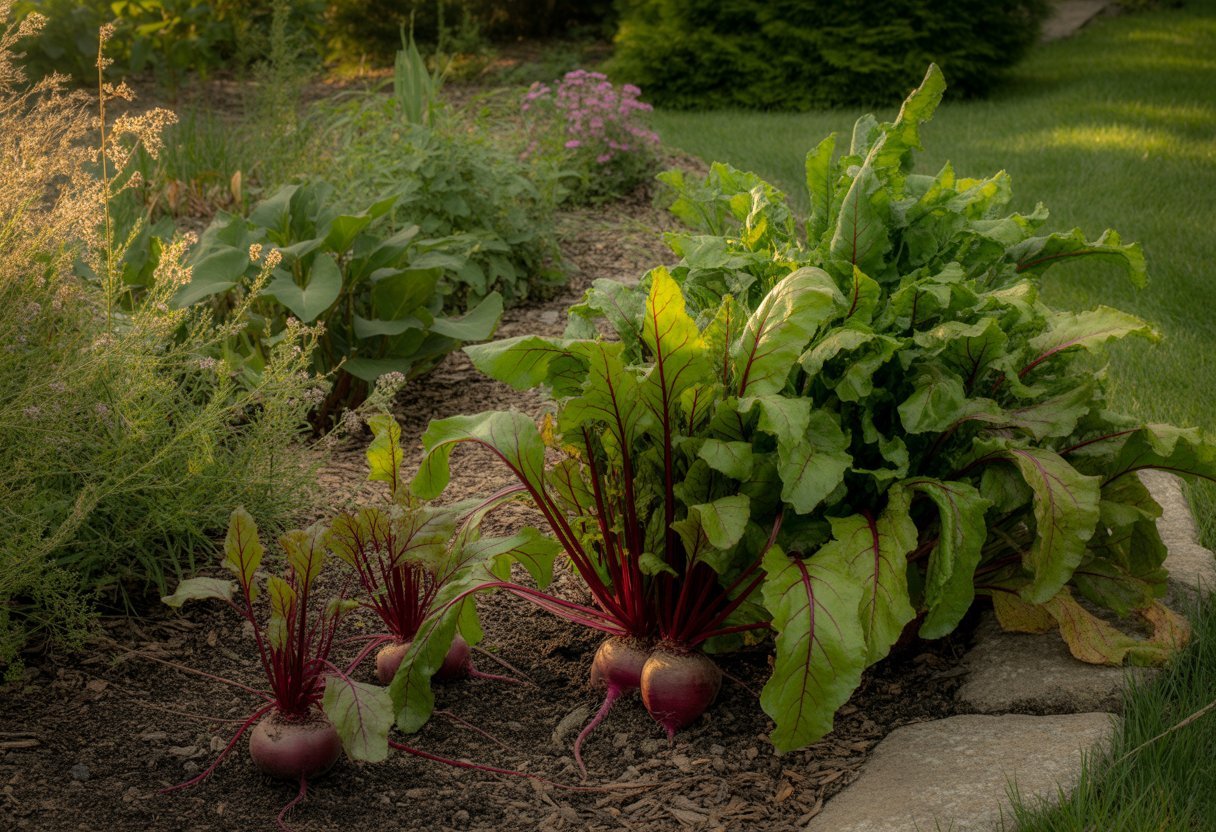
Native beets feed the soil and local wildlife, all while barely needing any extra help. Since they thrive on their own, you can skip most fertilizers and watering, which is a win for anyone trying to garden in an eco-friendly way.
If you want to shake up your garden’s look, native beets add texture and color that stands out. They fit into all sorts of designs—veggie beds, mixed borders, you name it.
Benefits of Landscaping With Native Beet in Pennsylvania
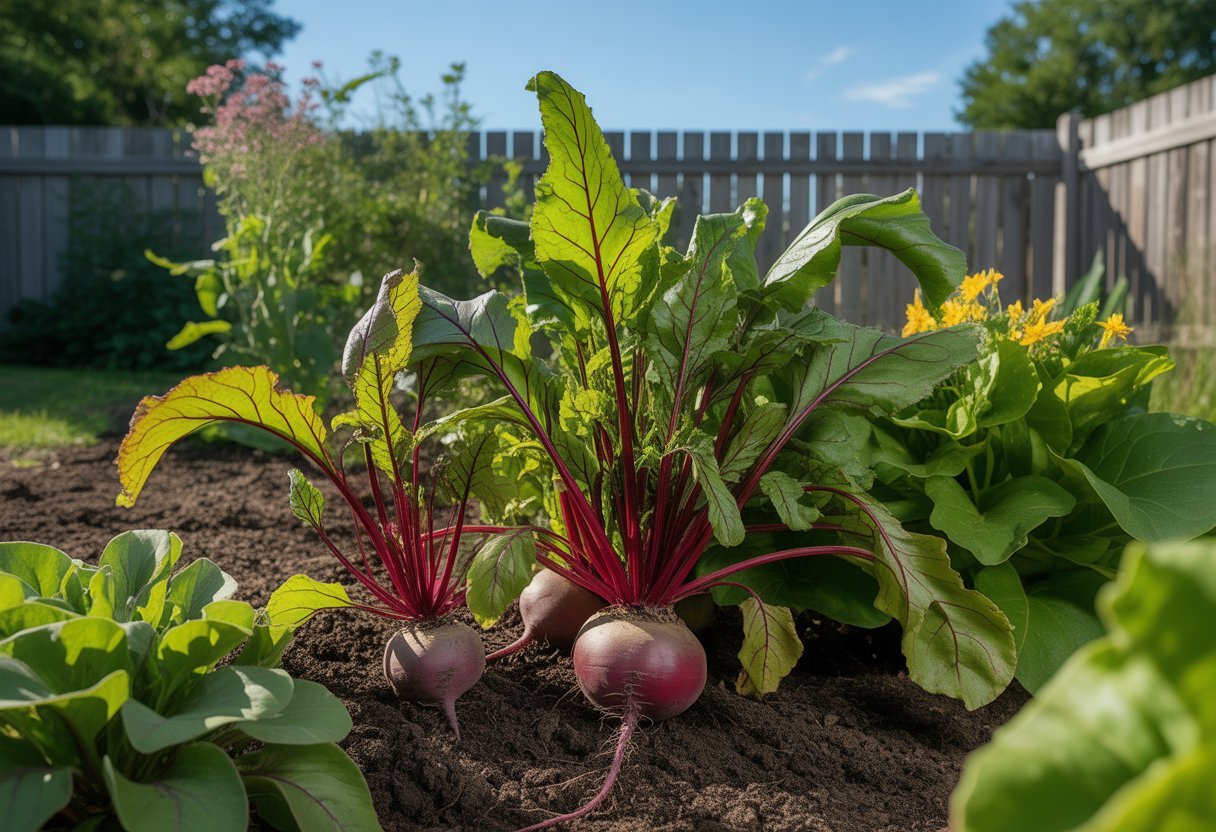
Native beet can boost local ecosystems, help you grow food in a more sustainable way, and create naturalistic garden spaces that don’t need constant attention.
Supporting Ecological Diversity
Bees and butterflies love native beet, and these pollinators already know how to handle Pennsylvania’s weather. When you plant native beet, you help pollinate other local plants and keep the ecological balance in check.
Its roots break up the soil and boost the good microbes, which is key for healthy landscapes.
You don’t need to dump chemicals on native beet beds. These plants already handle local pests and diseases better than most imports. That means you can garden in a way that keeps native plants and animals safer.
Sustainable Kitchen Gardening
Native beet just gets on with it in Pennsylvania’s soil and weather, so it’s a solid pick for kitchen gardens. You won’t have to water it as much as non-native types, and it grows quickly, so you get a steady harvest.
When you grow native beet, you’re adding fresh, nutrient-rich food to your table without much extra cost or chemicals. It’s a small step, but it keeps local food systems stronger and cuts back on reliance on shipped-in crops.
Naturalistic Landscape Advantages
If you like gardens that look a bit wild but still intentional, native beet fits right in. Its leaves and roots bring layers and movement to the space, which works well with Pennsylvania’s woods and meadows.
Since native beet adapts so well, you won’t be replanting or fixing the soil all the time. That’s less work for you and fewer resources used. You get a durable garden that holds up over time without a ton of fuss.
Selecting and Planting Native Beet
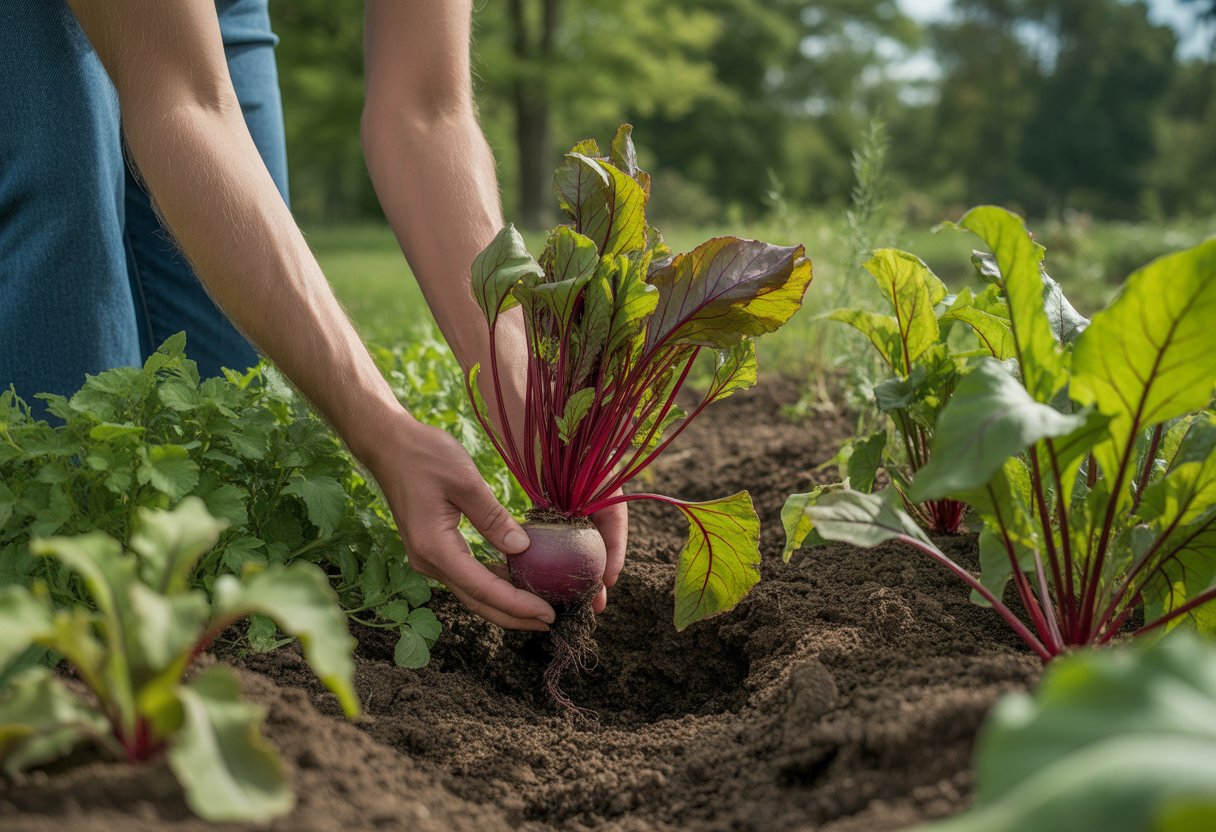
Knowing what native beet varieties need helps you plant them right in Pennsylvania. You can mix them with woodland plants or try container gardening to switch up your home garden’s vibe.
Year-round veggie gardening with native options means you’re not stuck growing just tomatoes or lettuce.
Choosing the Right Variety for Pennsylvania
Pick native beet types that handle Pennsylvania’s ups and downs—Beta vulgaris ssp. maritima (the wild sea beet) is a good bet. These beets shrug off most local bugs and diseases, so you’ll spend less time troubleshooting.
Go for loose, rich soil that drains well. Plant in early spring or late summer to dodge the worst heat. Native beets aren’t picky about sun—they’ll even do okay in partial shade, which is handy in woodsy gardens.
Native Woodland Garden Plant List
Native beets get along with shade fans like Arisaema triphyllum (Jack-in-the-pulpit) and Trillium species. Toss in wildflowers like Echinacea and Rudbeckia to keep pollinators coming.
Wild garlic and native lettuce round out a woodland garden and help keep pests in check. Give beet plants 6-8 inches of space so they can spread out and grow strong.
Small Scale Plantings and Containers
No yard? Native beets actually do well in containers. Use light, well-draining pots and organic potting mix to keep the roots happy.
Aim for 4-6 hours of sunlight a day. Pair them up with radishes or small lettuces in the same container to get the most out of your space. Water regularly and feed with compost tea now and then for healthy growth.
Year-Round Vegetable Gardening
Add native beets to your year-round garden plan and you’ll have fresh veggies nearly all the time. Plant new crops every 4-6 weeks so you don’t run out.
In winter, hardy varieties survive under frost covers or cold frames. Mix them with cold-season crops like radishes and winter lettuces to keep the harvest rolling. Rotate where you plant them each year to keep the soil healthy.
Designing a Pollinator-Friendly Native Beet Garden
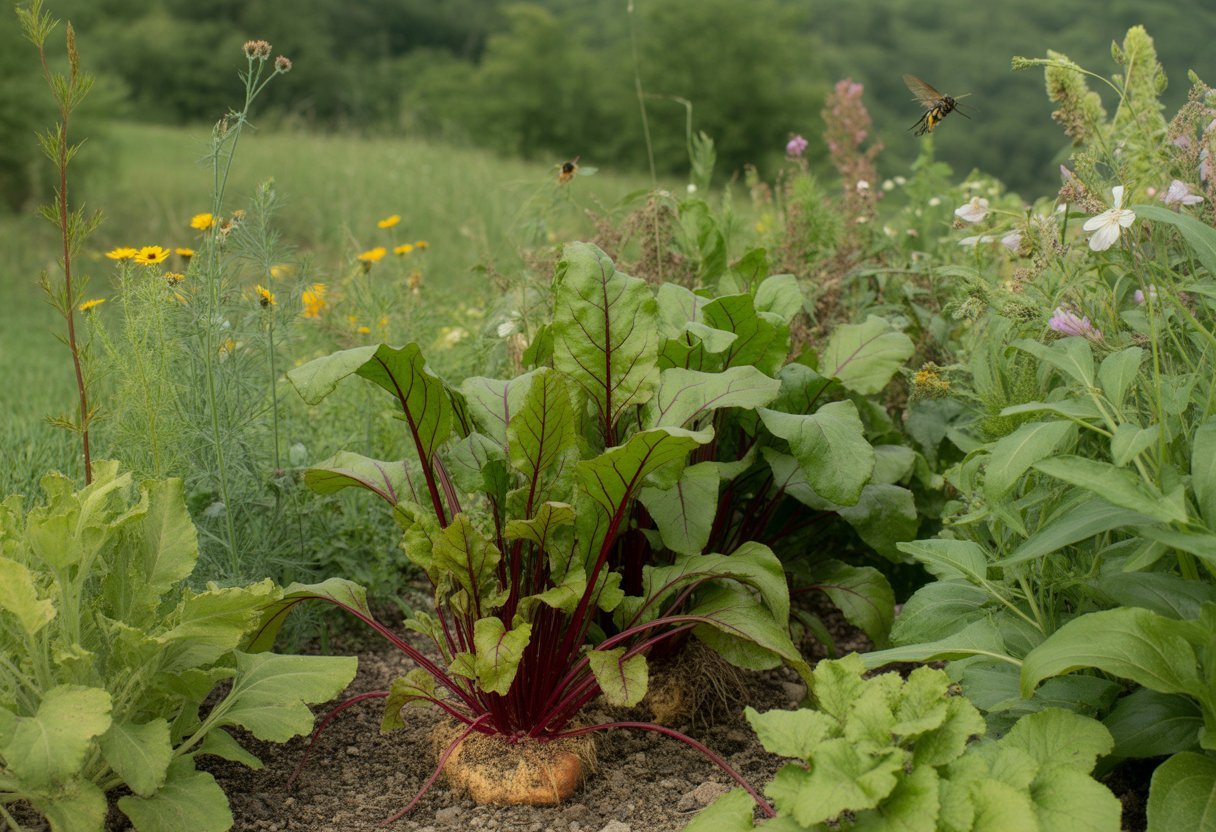
If you want more pollinators in your garden, native beet can help, especially when you plan your plant combos and layout with care. Companion plants and a little attention to local conditions really make a difference.
Planting in communities that mimic nature just feels right and keeps things sustainable.
Attracting Pollinators With Beet and Companion Plants
Native beets don’t offer much nectar, but you can team them up with pollinator magnets like butterfly weed, goldenrod, and native milkweeds. These flowers bring in bees, butterflies, and other helpful bugs.
By using local pollinator plants, you’re giving native pollinators what they actually need. Plant a mix that blooms from early spring to fall for a steady food supply. It’s smart to skip invasive or non-native plants—they can actually drive pollinators away.
Garden Design for Plant Communities
Try grouping plants that naturally hang out together—native beets, local grasses, and wildflowers from Pennsylvania meadows. That way, your garden is more resilient and self-sustaining.
Layering helps: groundcover at the bottom, mid-height like beets and goldenrod, and taller blooms like butterfly weed or asters. Garden bloggers who focus on pollinator spaces often suggest mixing flowering beets with other natives for a garden that’s both pretty and functional.
| Layer | Examples | Benefits |
|---|---|---|
| Groundcover | Native grasses, clover | Soil erosion control, habitat |
| Mid-height | Native beets, goldenrod | Pollinator attraction |
| Tall plants | Butterfly weed, asters | Shelter and additional nectar |
Landscape Considerations for Pennsylvania
Pennsylvania soils are all over the map, but native beets do best in well-drained, moderately fertile spots. Heavy clay or packed earth is a no-go. Most pollinator-friendly natives want full to partial sun, and a bit of shade can help flowers last in the summer.
If you’ve got rocks, logs, or a little water feature, leave them—they make good pollinator homes and watering holes. Think about the seasons, too: cold winters, humid summers. Pick plants that can roll with those punches.
Don’t crowd your plants. Give them space for air to move and to keep disease at bay. If you want to go bigger, tie your garden into the Million Pollinator Garden movement and help out on a regional scale.
Maintenance and Seasonal Care of Native Beet Beds
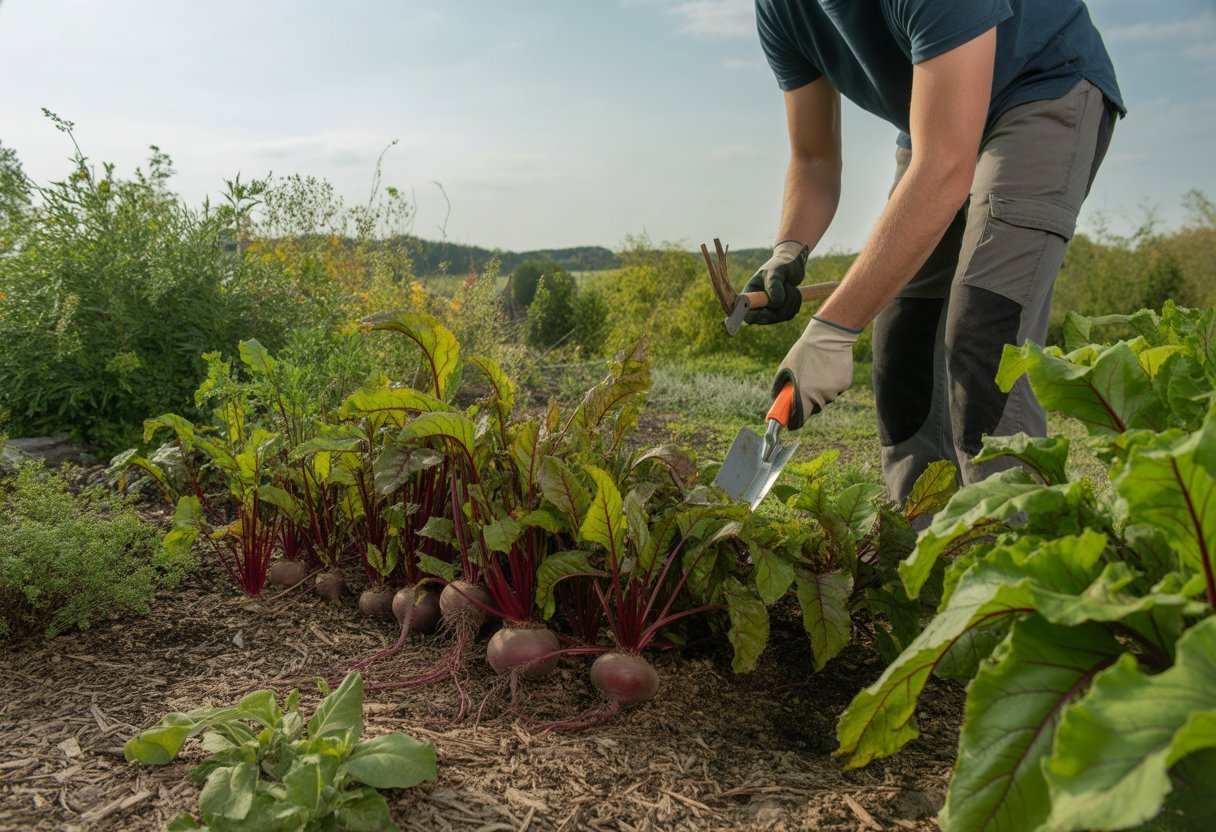
Keeping native beet beds in shape means dealing with leftover plant stuff, mixing up your plant choices, and tweaking your care routine to match the weather. That way, your garden stays healthy all season and even into the off months.
Managing Seed Heads and Leaf Litter
Once beets mature, keep an eye on those seed heads. If you want seeds, let them dry out but protect them from blowing away. If you don’t, just cut them back so you don’t end up with surprise beet patches everywhere.
Use leaf litter as mulch to feed the soil, or clear it out if you’re worried about pests. In winter, leaving some litter acts like a cozy blanket for your plants. Come early spring, clean up the decayed stuff to get ready for new growth.
Incorporating Other Edibles: Garlic and Companion Crops
Garlic and native beets are good neighbors—garlic keeps away pests like beet leaf miners and aphids. Planting them together keeps the bed healthier and means you can skip more chemical sprays.
Spinach and chard also play well with beets, since they like the same soil nutrients and conditions. Rotate these crops each year to keep your soil balanced and avoid disease buildup.
Adapting to Country or Urban Conditions
In country settings, beet beds deal with unpredictable weather and plenty of wildlife. Protective fencing helps keep animals out, while organic mulches can cut down on erosion.
It’s smart to adjust soil amendments to fit the local pH and organic matter. That way, beets get what they need to thrive.
Urban beet beds, on the other hand, usually need more watering. Heat island effects and fast-draining soils dry things out quickly.
Raised beds or containers give you more control over soil and drainage, which is honestly a relief. Urban gardeners should keep an eye out for pollution or runoff—those can sneak in and mess with your soil health.

I’m in New Jersey and the soil here is challenging. Any of these work for clay soil?