Landscaping with Native Cilantro in Alabama: Essential Tips for Thriving Gardens
Last updated: August 26, 2026
Landscaping with native cilantro in Alabama is a smart move for gardeners who want a low-maintenance herb that actually likes the local weather. This plant adapts easily to Alabama’s climate, so you won’t have to fuss over it much, and you’ll get fresh cilantro through most of the year.
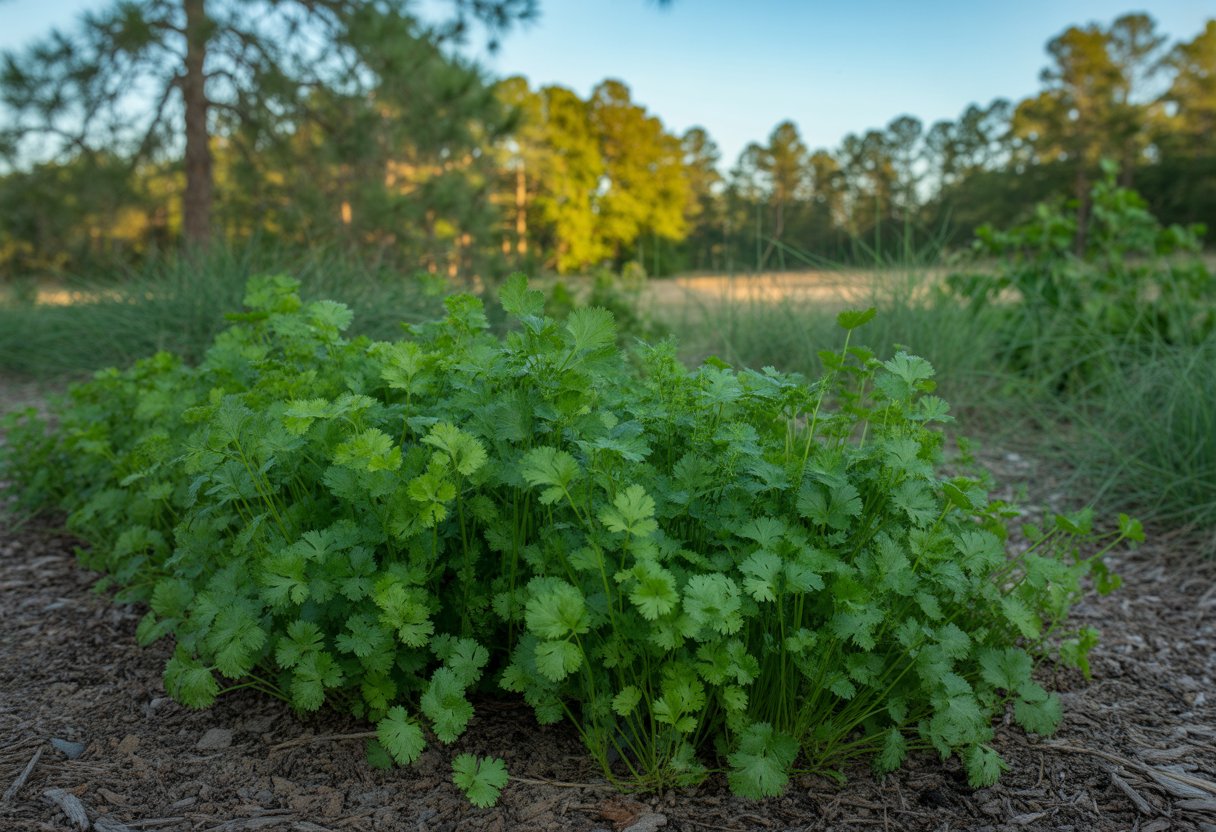
Native cilantro helps local ecosystems and cuts down on water use, making it a genuinely sustainable pick for Alabama landscapes. Plus, it attracts good insects, so it’s not just about flavor.
If you’re thinking about adding native plants, cilantro is flexible and boosts both garden health and usefulness. Knowing how it grows and what it likes can really make a difference.
Benefits Of Landscaping With Native Cilantro In Alabama
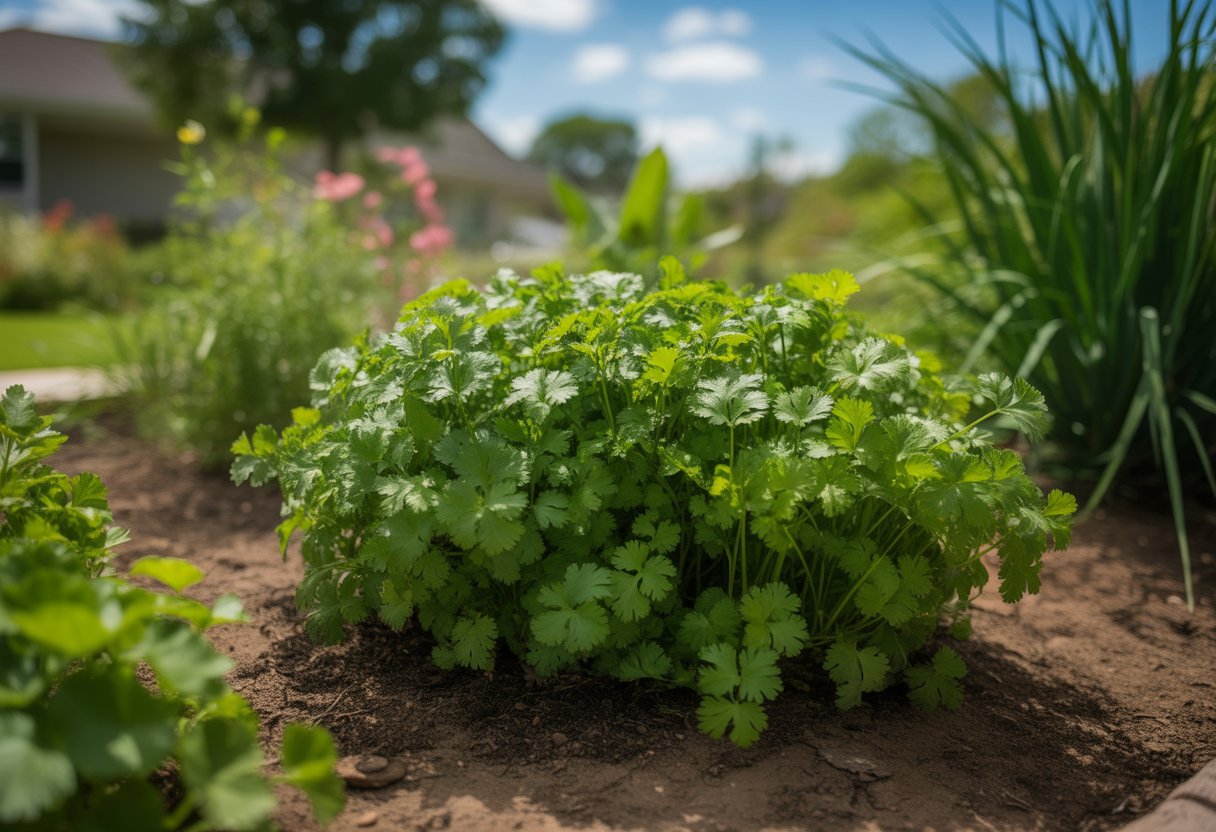
Native cilantro brings a bunch of practical perks to Alabama gardens. It supports the ecosystem, looks good, and helps pollinators stick around.
Ecological Advantages
When you plant native cilantro in Alabama, you’re helping maintain local biodiversity. It needs less water and fertilizer than most non-native herbs, which makes gardening a lot more sustainable.
Since cilantro fits right in with Alabama’s soil and weather, you won’t have to use as many chemicals. That’s better for the environment and keeps the soil healthier.
It also holds its own against invasive species by taking up space and resources before others can move in.
Culinary And Visual Appeal
Native cilantro adds a fresh, unique flavor to your meals. You get a steady supply right from your backyard, so no more last-minute grocery runs for herbs.
Its feathery green leaves bring texture and a pop of color to garden beds. It looks lively without taking over.
You can harvest cilantro several times during the season, so it keeps giving back. It’s both practical and pretty—what’s not to like?
Attracting Pollinators
Cilantro flowers pull in all sorts of pollinators native to Alabama—bees, beneficial insects, you name it. These visitors boost the health and yield of everything else in your garden.
The nectar-filled blooms help local bee populations, which are crucial for the region’s agriculture. Supporting bees means you’re helping the whole ecosystem, not just your own backyard.
By growing native cilantro, you’re basically setting up a pollinator hangout. That leads to better pollination and a more balanced garden.
Selecting And Planting Native Cilantro
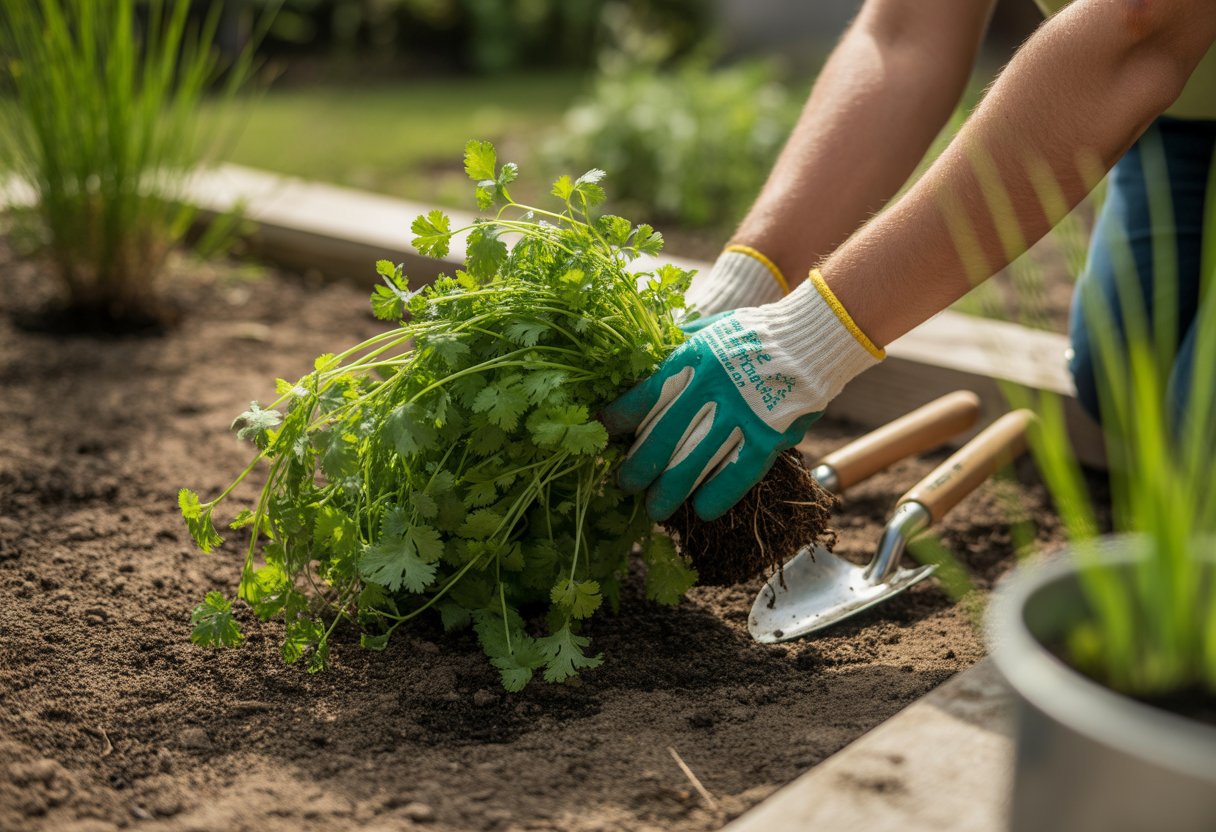
Growing native cilantro in Alabama means picking the right variety, prepping the soil, and planting it well. These steps make a real difference in how your plants turn out, whether you’ve got full sun or just partial shade.
Choosing The Right Variety
Cilantro varieties that are bred for Alabama’s climate tend to shrug off heat and pests. Look for ones labeled for southern or southeastern U.S. zones—they’re made for the humidity and warmth here.
There are perennial options, but they’re a little rare and can be picky about conditions. Most folks stick to annual cilantro for better flavor and faster results.
If you can, choose a type that resists bolting in the heat. Seeds from local or specialty native plant suppliers usually perform better.
Preparing The Soil And Location
Cilantro likes well-draining soil with a pH between 6.2 and 6.8. In Alabama, sandy loam with lots of organic matter is usually perfect. It’s worth testing your soil and tweaking nutrients before planting.
Pick a spot that gets full sun to partial shade. If it gets blazing hot in the afternoon, some shade helps keep the plants from bolting too soon.
Mixing compost into the soil helps hold moisture and boosts nutrients—especially important if your dirt is sandy. Raised beds or mounds can help with drainage and root growth.
Seeding Rate And Propagation
For direct seeding, use around 6 to 8 grams of seed per 10 square feet. That gives you good coverage without crowding things out.
Plant seeds about ¼ inch deep, with rows a foot apart. Cilantro sprouts best when the soil is 60–75°F, which usually means early spring or fall in Alabama.
It’s best to start cilantro from seed since it doesn’t like being moved (that taproot is touchy). If you plant a new batch every couple of weeks, you’ll keep the harvest going. Keep the soil moist while seeds are sprouting for even growth.
Native Cilantro Garden Design And Plant Companions
Designing a garden with native cilantro in Alabama means thinking about where you plant it and what you plant it with. The right companions boost growth, keep pests away, and help the garden stay diverse. Erosion control matters too, especially in cilantro beds with shallow roots.
Incorporating Native Cilantro Into Garden Beds
Cilantro does best in well-draining soil with some sun but can handle a bit of shade. It fits nicely into garden beds alongside plants that like similar conditions.
Space cilantro plants 8 to 12 inches apart for good airflow and less disease. Mixing it with annuals and perennials works great.
Cilantro plays well with tomatoes, okra, and corn, using their shade and support. Pairing it with mallow or sage can attract more pollinators and helpful bugs.
Suitable Companion Plants
Some standout companions for native cilantro are yarrow, sage, and coreopsis. Yarrow brings in good bugs, sage improves soil and scares off pests, and coreopsis adds color without hogging nutrients.
Cosmos and larkspur bring in pollinators and keep the garden lively. These combos help with pest management and keep flowers coming all season. Mixing up root depths and nutrient needs also helps the soil.
| Plant | Benefit | Consideration |
|---|---|---|
| Yarrow | Attracts predatory insects | Needs well-drained soil |
| Sage | Deters pests, boosts soil health | Likes dry conditions |
| Coreopsis | Adds color, attracts pollinators | Needs steady moisture |
| Cosmos | Pollinator magnet | Can spread a bit much |
| Larkspur | Supports good insects | Doesn’t love high heat |
Erosion Control And Maintenance
Cilantro’s roots are shallow, so you’ll want to manage erosion in those beds. If you’re planting on a slope, mulch with shredded leaves or bark to hold soil and keep moisture in.
Plants like yarrow and sage, with deeper roots, help anchor the soil. Water regularly during dry spells, but don’t drown the plants—too much water can rot the roots.
Snip off spent flowers to get more leaves and stop cilantro from reseeding everywhere. Thin out crowded plants for better airflow and fewer problems with disease.
Cultivation Best Practices Across The Southeast
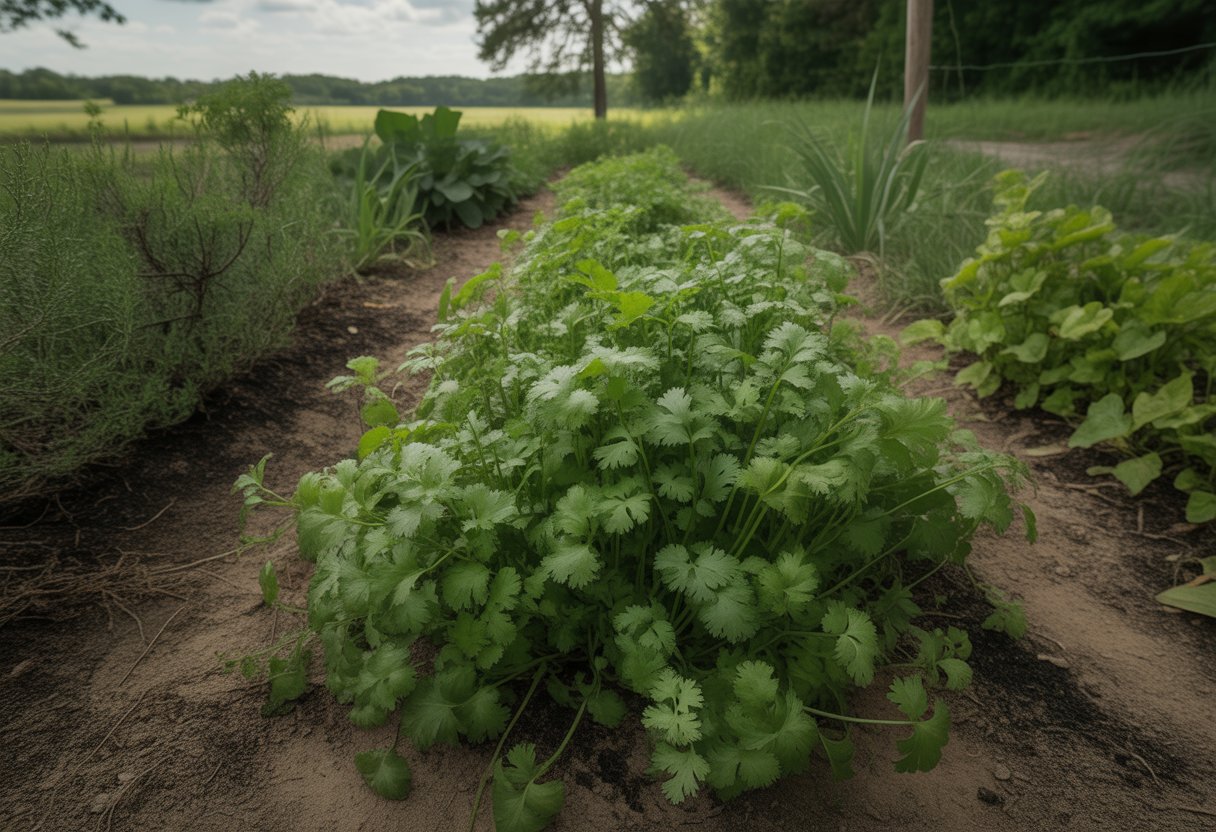
Growing cilantro well means paying attention to the local climate and soil. Adjust your planting times and care to fit Alabama’s unique conditions.
Adapting To Alabama’s Climate
Alabama’s humid subtropical weather means you’ll get the best cilantro if you plant in cooler months—late fall to early spring works best. Hot summers make cilantro bolt fast.
Use well-drained soil with a pH between 6.2 and 6.8. Keep the soil moist, but don’t overdo it—roots will rot if things get soggy.
Mulch helps keep moisture in and weeds down. Aim for about 4 to 6 hours of sunlight daily. If you can shield cilantro from the worst heat, it’ll be much happier.
Insights From Neighboring States
In Texas, growers usually plant cilantro in early spring or fall. They try to dodge the scorching summer heat and sometimes use shaded rows to slow down bolting.
Georgia cultivators pay close attention to soil fertility. They’ll often mix in compost to loosen up the soil for native cilantro.
Both states talk a lot about regular irrigation, but they’re just as quick to warn about drainage. If the soil stays soggy, fungal diseases show up fast.
Crop rotation with legumes is a common trick for keeping soil nitrogen up. These habits, along with Alabama’s timing and moisture tweaks, offer a pretty solid playbook for growing native cilantro in the Southeast.
 Looking for a nursery that carries native plants in Alabama?
Browse our native plant nursery directory: Alabama