Carolina Rose (Rosa carolina)
Rosa carolina, commonly known as Carolina Rose, Pasture Rose, or Low Rose, is a delightful native shrub that brings the classic beauty and fragrance of wild roses to naturalistic gardens and restored landscapes across much of eastern North America. This member of the Rosaceae (Rose) family is distinguished from its exotic cousins by its single, simple pink flowers, modest stature, and exceptional wildlife value, particularly the bright red rose hips that attract birds and provide food through the winter months.
Carolina Rose typically grows 3 to 6 feet tall, forming low colonies through underground rhizomes that create attractive thickets of thorny stems topped with clusters of fragrant pink flowers from late spring through summer. Unlike many cultivated roses, this native species requires no pampering, thriving in challenging conditions including poor soils, drought, and partial shade. The plant’s natural resistance to diseases and pests makes it a low-maintenance alternative to high-maintenance hybrid roses.
The ecological value of Carolina Rose cannot be overstated — the flowers support numerous native bee species and butterflies, while the autumn display of bright red hips provides crucial food for over 40 species of birds during fall and winter migration. The dense, thorny growth habit creates impenetrable nesting sites for birds and shelter for small mammals. For gardeners seeking to create authentic native plant communities that support wildlife while providing months of beautiful blooms and attractive fruit, Carolina Rose represents one of the finest choices among native shrubs.
Identification
Carolina Rose is a deciduous shrub that typically grows 3 to 6 feet tall, though it can occasionally reach 8 feet in ideal conditions. The plant spreads through underground rhizomes to form colonies, creating dense thickets over time.
Stems & Thorns
The stems are green when young, becoming brown to reddish-brown with age. They are armed with pairs of curved thorns (technically prickles) at the base of each leaf, along with smaller bristles scattered along the internodes. The thorns are typically ¼ to ½ inch long, sharp, and hooked backward, making the stems quite formidable. First-year canes often have a reddish tint that adds to the plant’s winter interest.
Leaves
The leaves are alternate and pinnately compound, typically consisting of 5 to 7 (occasionally 9) leaflets arranged along a rachis (central stem). Each leaflet is oval to elliptical, 1 to 2 inches long, with serrated margins and a pointed tip. The upper surface is dark green and somewhat glossy, while the underside is paler and may have fine hairs along the veins.
The leaflets have prominent veining and turn attractive shades of yellow, orange, and red in autumn before dropping. The leaf stems (petioles) are often armed with small prickles and may have small, wing-like stipules at the base.
Flowers
The flowers of Carolina Rose are perhaps its most beloved feature. They are single (5-petaled), typically 2 to 3 inches across, and range in color from pale to deep pink, occasionally almost white. Each flower has numerous bright yellow stamens in the center that contrast beautifully with the pink petals. The flowers have the classic sweet rose fragrance and are borne singly or in small clusters of 2 to 4 at the tips of current year’s growth.
Blooming typically occurs from late May through July, with occasional flowers continuing into August. Unlike many hybrid roses that bloom repeatedly throughout the season, Carolina Rose has one main flowering period, though this can extend over several weeks.
Fruit (Rose Hips)
The fruits, known as rose hips, are among the most ornamental features of Carolina Rose. They develop from the base of the flower (the hypanthium) and ripen from green through orange to bright red by late summer and early fall. The hips are typically ¼ to ½ inch in diameter, round to slightly flattened, and topped with persistent sepals that create a small crown-like structure.
The hips persist well into winter, providing long-lasting color and crucial wildlife food. They contain numerous small, hard seeds surrounded by irritating hairs — the seeds require the acids in birds’ digestive systems to break dormancy, making birds essential for the plant’s reproduction.
Quick Facts
| Scientific Name | Rosa carolina |
| Family | Rosaceae (Rose) |
| Plant Type | Deciduous Shrub |
| Mature Height | 1–3 ft (0.3–1 m), occasionally to 5 ft |
| Sun Exposure | Full Sun to Part Shade |
| Water Needs | Low to Moderate |
| Bloom Time | May – July |
| Flower Color | Pink |
| USDA Hardiness Zones | 4 – 9 |
Native Range
Carolina Rose has a broad but somewhat fragmented native distribution across much of eastern North America. The species is found from southern Maine west to southern Ontario and Minnesota, south to northern Florida and west to eastern Kansas and Texas. Within this large range, the plant shows considerable geographic variation, leading some botanists to recognize several varieties or closely related species.
Throughout its range, Carolina Rose typically inhabits open to partially shaded sites including prairies, old fields, pastures, forest edges, and woodland openings. The plant shows a particular affinity for edge habitats — the transitional zones between forests and open areas where it can receive adequate sunlight while benefiting from some protection from harsh conditions. It is commonly found along roadsides, fence rows, and in areas of natural or human-caused disturbance.
The species demonstrates remarkable adaptability to different soil types and moisture conditions, though it generally prefers well-drained soils and can tolerate both acidic and alkaline conditions. This ecological flexibility has allowed Carolina Rose to persist across its range despite habitat fragmentation and land-use changes.
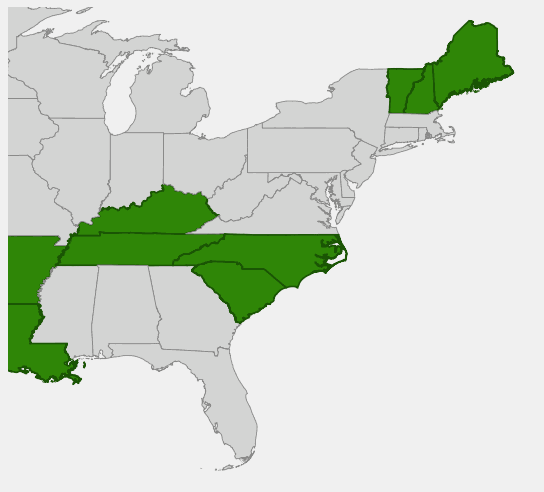
📋 Regional plant lists featuring Carolina Rose: North Carolina & South Carolina
Growing & Care Guide
Carolina Rose is among the easiest native shrubs to grow, requiring minimal care once established and actually thriving under conditions that would stress many other garden plants.
Light
Carolina Rose performs best in full sun, where it produces the most flowers and develops the most compact, attractive form. However, it tolerates partial shade quite well, making it useful for woodland edges and areas that receive morning sun and afternoon shade. In deep shade, the plant becomes leggy and flowers poorly, so some direct sunlight is important for good performance.
Soil & Water
One of Carolina Rose’s greatest assets is its adaptability to a wide range of soil conditions. The plant thrives in everything from sandy, well-drained soils to heavier clay soils, and tolerates both acidic and alkaline pH levels. Poor, infertile soils are not a problem — in fact, the plant often performs better in lean soils than in rich, heavily fertilized conditions.
Carolina Rose is quite drought tolerant once established, making it excellent for xeriscaping and low-water gardens. However, it also tolerates moderate moisture and can handle brief periods of flooding. The key is good drainage — while the plant tolerates wet periods, it should not be planted in permanently waterlogged conditions.
Planting Tips
Plant Carolina Rose in spring or fall when temperatures are moderate. The plant transplants easily from containers and establishes quickly. Space plants 4 to 6 feet apart if creating a hedge or mass planting, keeping in mind that the plants will spread through rhizomes to form colonies over time.
When planting, choose a location where the plant’s spreading habit is desired or can be controlled. The thorny nature of the stems makes Carolina Rose excellent for barrier plantings or areas where you want to discourage human or animal traffic.
Pruning & Maintenance
Carolina Rose requires minimal pruning and is generally healthiest when allowed to grow in its natural form. Remove dead, damaged, or diseased canes in late winter or early spring. If size control is needed, prune immediately after flowering to avoid removing developing hips.
The plant’s spreading habit can be controlled by removing unwanted suckers as they appear. Root barriers can be installed if containment is critical. Unlike hybrid roses, Carolina Rose does not require deadheading — in fact, removing spent flowers prevents the formation of the ornamental and ecologically important hips.
Landscape Uses
Carolina Rose’s combination of beauty, toughness, and wildlife value makes it suitable for many landscape applications:
- Naturalized plantings — perfect for prairie gardens and meadow edges
- Wildlife gardens — provides food and shelter for numerous species
- Erosion control — dense root system stabilizes slopes
- Barrier plantings — thorny growth deters unwanted traffic
- Native plant gardens — authentic component of eastern North American flora
- Low-maintenance landscapes — thrives with minimal care
- Mixed shrub borders — provides seasonal interest and fragrance
Wildlife & Ecological Value
Carolina Rose is exceptional among native shrubs for its wildlife value, supporting numerous species throughout the year and serving as a keystone plant in many ecosystems.
For Birds
The bright red rose hips of Carolina Rose are consumed by over 40 species of birds, making it one of the most important native fruit sources in North America. Major consumers include Northern Cardinals, American Robins, Cedar Waxwings, Eastern Bluebirds, various woodpeckers, and numerous sparrow species. The hips are particularly valuable during fall and winter when other food sources are scarce.
The dense, thorny growth habit provides excellent nesting sites for birds including Brown Thrashers, Northern Mockingbirds, and various warbler species. The impenetrable thickets offer protection from predators and harsh weather, making Carolina Rose colonies important wildlife habitat.
For Pollinators
The flowers of Carolina Rose support a diverse array of native pollinators. Over 30 species of native bees visit the flowers, including leafcutter bees, mason bees, sweat bees, and bumblebees. The large, open flowers with numerous stamens provide both nectar and abundant pollen. Butterflies, particularly smaller species like skippers and hairstreaks, also visit regularly.
The plant is especially valuable for specialist bees that have co-evolved with native roses. Several species of leafcutter bees use rose petals to line their nest chambers, making Carolina Rose an essential component of their reproductive cycle.
For Mammals
White-tailed Deer browse the foliage and twigs of Carolina Rose, though the thorny stems provide some protection. Black Bears consume the rose hips when available, as do various small mammals including chipmunks and ground squirrels. The dense thickets provide cover and denning sites for rabbits, mice, and other small mammals.
For Specialized Insects
Carolina Rose serves as a host plant for several species of moths and butterflies, including the rose chafer beetle and various aphid species that, in turn, support populations of beneficial insects. The plant’s role in supporting these complex food webs makes it valuable far beyond its direct interactions with birds and mammals.
Ecosystem Role
As a colonizing species that thrives in disturbed areas, Carolina Rose plays an important role in ecological succession, helping to stabilize soil and create habitat structure that facilitates the establishment of other native plants. Its extensive root system helps improve soil conditions for associated species.
Cultural & Historical Uses
Carolina Rose has been valued by human cultures across its range for centuries, serving both practical and medicinal purposes while holding special significance in folklore and tradition. Native American tribes throughout the plant’s range made extensive use of Carolina Rose for various purposes. The Cherokee used the root tea as a treatment for stomach problems and the leaf tea for diarrhea. The fruits (rose hips) were consumed fresh or dried for winter use, providing important vitamin C during months when fresh plant foods were scarce.
Many tribes used the inner bark of rose stems as a smoking mixture, often combined with other plants, while the thorns were sometimes used as needles for sewing or as fish hooks. The petals were used to make fragrant waters and were incorporated into various ceremonies and rituals. The Ojibwe called the plant “ogiichidaawigig” meaning “warriors’ flower,” reflecting both its thorny protection and its importance in traditional medicine.
European settlers quickly learned to value Carolina Rose for many of the same purposes as Native Americans. The rose hips became an important source of vitamin C, helping prevent scurvy during long winters when fresh fruits were unavailable. Pioneer women made jellies, preserves, and syrups from the hips, while the petals were used to scent soaps and potpourri.
During both World Wars, rose hips gained renewed importance as a vitamin C source when citrus fruits were scarce or rationed. Victory gardens often included Carolina Rose specifically for hip production, and community organizations organized hip-gathering expeditions. The hips contain 15-20 times more vitamin C than oranges, making them incredibly valuable for maintaining health during difficult times.
In traditional folk medicine, Carolina Rose was used to treat a wide variety of ailments. The root was used for stomach troubles, the leaves for diarrhea and sore throat, and the hips for scurvy and general weakness. Modern herbalists still value rose hips for their high vitamin C content and antioxidant properties, though they should be used with proper knowledge and caution.
Frequently Asked Questions
Will Carolina Rose take over my garden?
Carolina Rose does spread through underground rhizomes to form colonies, but the spread is usually manageable in most garden settings. Unwanted suckers can be removed by cutting them at ground level or digging up sections of rhizome. The plant is excellent for naturalizing areas where some spread is desirable.
Are the thorns dangerous?
Carolina Rose has sharp, curved thorns that can cause puncture wounds, so caution is needed when working around the plant. However, the thorns are not toxic and wounds heal normally with proper care. The thorns are actually beneficial for creating wildlife habitat and barrier plantings.
Can I eat the rose hips?
Yes, Carolina Rose hips are edible and highly nutritious, containing high levels of vitamin C and antioxidants. They can be made into jellies, teas, or eaten fresh, though they are quite tart and seedy. Remove the seeds before eating raw hips, as they can be irritating. Always be certain of plant identification before consuming any wild fruits.
Why doesn’t my Carolina Rose bloom much?
Carolina Rose needs adequate sunlight to bloom well — at least 6 hours of direct sunlight per day is ideal. Plants in too much shade will have poor flowering. Also, avoid high-nitrogen fertilizers which promote leaf growth at the expense of flowers. The plant typically has one main flowering period rather than continuous blooms.
Should I deadhead the flowers?
No, do not deadhead Carolina Rose if you want the ornamental and wildlife-valuable rose hips. The hips are one of the plant’s greatest assets, providing fall and winter color while feeding birds and other wildlife. Let the flowers develop into hips naturally.

Looking for a nursery that carries Carolina Rose?
Browse our native plant nursery directory: North Carolina · South Carolina