
Fireweed (Epilobium angustifolium)
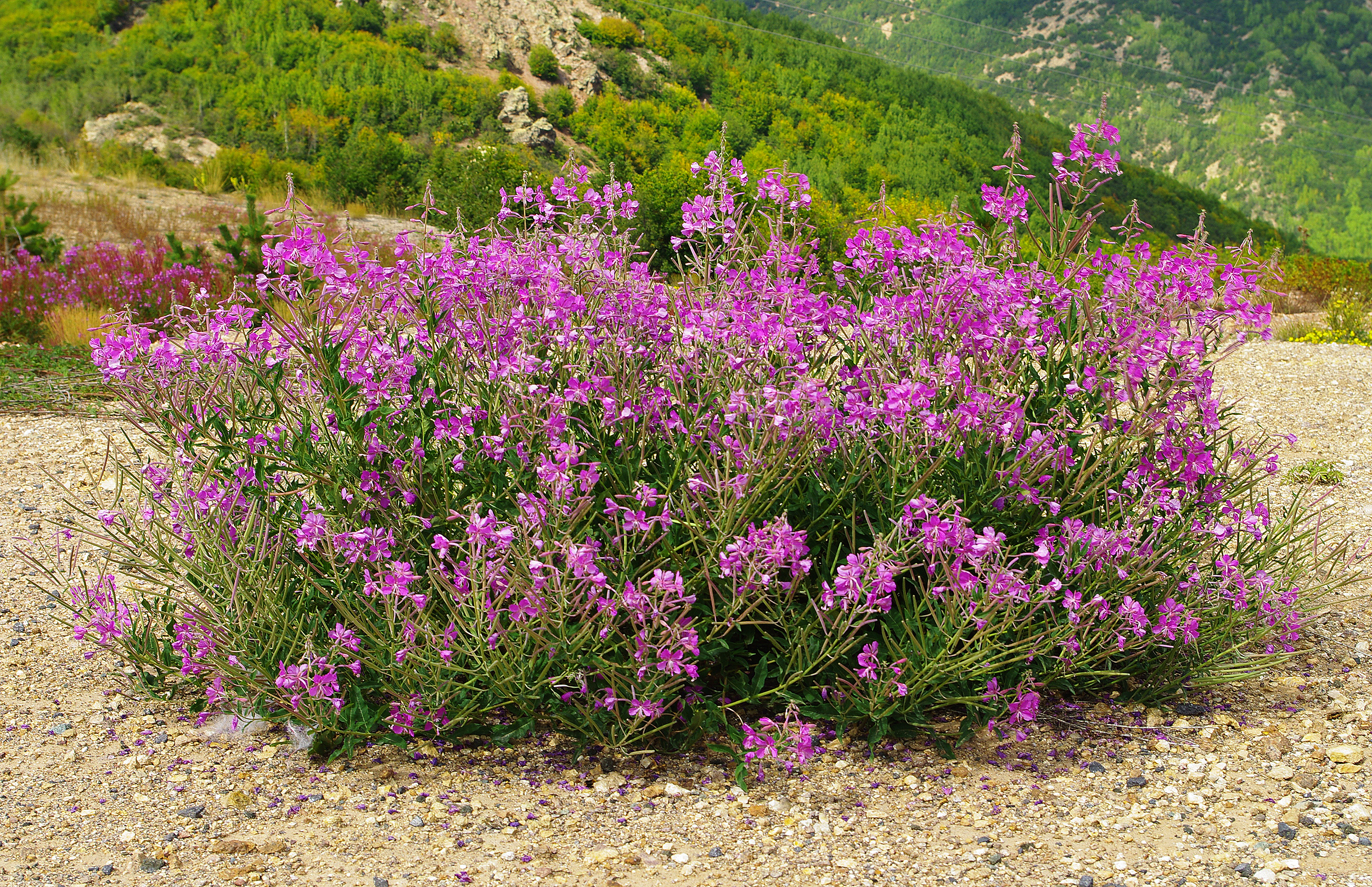
Epilobium angustifolium (syn. Chamaenerion angustifolium), commonly known as Fireweed, is one of North America’s most recognizable and widespread wildflowers, famous for its ability to rapidly colonize areas after fires, clearcuts, and other disturbances. This tall, showy perennial herb belongs to the Onagraceae (evening primrose) family and produces spectacular displays of bright pink to magenta flowers arranged in tall, terminal spikes that can reach 3 to 8 feet in height. The name “fireweed” reflects its remarkable pioneering ability—it’s often the first plant to return after forest fires, transforming burned landscapes into seas of vibrant pink blooms.
Native across much of North America from Alaska to the southern United States, Fireweed thrives in full sun conditions and demonstrates exceptional adaptability to various soil types and moisture levels. Its rapid growth, prolific seed production, and extensive underground rhizome system allow it to quickly establish large colonies that provide crucial soil stabilization and habitat structure in recovering ecosystems. Each plant can produce thousands of seeds equipped with silky white hairs that enable long-distance wind dispersal, sometimes traveling hundreds of miles from the parent plant.
Beyond its ecological importance as a pioneer species, Fireweed holds significant cultural value—it’s the official territorial flower of Yukon, Canada, and has been used traditionally by Indigenous peoples for food, medicine, and fiber. Modern gardeners prize it for pollinator gardens, naturalized areas, and anywhere a dramatic display of native wildflowers is desired. Its long blooming period from midsummer through fall provides sustained nectar sources when many other flowers have finished, making it invaluable for supporting native bee populations and other pollinators.
Identification
Fireweed is a tall, upright perennial herb that grows from 3 to 8 feet in height, occasionally reaching up to 10 feet in ideal conditions. The plant emerges each spring from an extensive underground rhizome system that can spread laterally for several feet, allowing Fireweed to form dense colonies over time. Its growth habit is distinctly vertical, with straight, unbranched stems topped by spectacular flower spikes that make it unmistakable in the landscape.
Stems & Growth Habit
The stems are smooth, round, and typically green to reddish-purple in color, especially toward the base. They are hollow when mature and can be quite robust, easily supporting the weight of the large flower spikes. The stems contain a milky latex that becomes apparent when broken, though this sap is not toxic. Young stems are often reddish and become more green as they mature, creating attractive color gradations along the plant’s height.
Leaves
The leaves are alternate, lance-shaped, and typically 2 to 6 inches long and ½ to 1½ inches wide. They have a distinctive appearance—smooth-edged or with very fine teeth, and featuring prominent parallel veins that run from the midrib toward the leaf margins. The leaves are dark green on top with a lighter, often slightly silvery underside. They attach directly to the stem without petioles (stalks) and have a somewhat succulent texture. As the growing season progresses, the lower leaves often turn brilliant red or purple, adding to the plant’s ornamental value.
Flowers
The flowers are Fireweed’s most striking feature—arranged in tall, terminal racemes that can be 4 to 16 inches long. Individual flowers are about 1 inch across with four rounded petals that range from bright pink to deep magenta, occasionally white in rare forms. The flowers have eight prominent stamens with dark anthers and a distinctive four-lobed stigma. Blooming begins at the bottom of the flower spike and progresses upward over several weeks, extending the display from midsummer well into fall. Each flower produces abundant nectar and is highly attractive to bees, butterflies, and hummingbirds.
Fruit & Seeds
Following pollination, the flowers develop into long, slender seed pods (siliques) that are 2 to 3 inches long and split open along four seams when mature. Each pod contains hundreds of tiny seeds, each equipped with a tuft of long, silky white hairs that enable wind dispersal over vast distances. When the pods open in late summer and fall, the fluffy seeds create a cotton-like appearance that adds another dimension to the plant’s ornamental value. A single mature plant can produce 80,000 or more seeds annually.
Quick Facts
| Scientific Name | Epilobium angustifolium (syn. Chamaenerion angustifolium) |
| Family | Onagraceae (Evening Primrose) |
| Plant Type | Perennial Herb |
| Mature Height | 3–8 ft |
| Sun Exposure | Full Sun |
| Water Needs | Moderate |
| Bloom Time | July – September |
| Flower Color | Pink to Magenta |
| USDA Hardiness Zones | 2–7 |
Native Range
Fireweed has one of the most extensive native ranges of any North American wildflower, stretching from Alaska and northern Canada south through much of the continental United States. This circumboreal species is found across the northern latitudes of North America, Europe, and Asia, demonstrating remarkable adaptability to diverse climate conditions. In North America, it ranges from sea level in coastal areas to elevations above 9,000 feet in mountain regions, thriving in the cool, moist conditions found in northern forests, mountain meadows, and disturbed landscapes.
The species shows particular abundance in the boreal forests of Canada and Alaska, where it plays a crucial role in forest succession following fires, logging, or other disturbances. In the western United States, Fireweed is common throughout the Rocky Mountains, Cascade Range, and Sierra Nevada, often forming spectacular displays in subalpine meadows and clearings. Eastern populations extend through the northern Great Lakes states, New England, and south along the Appalachian Mountains, where it typically occurs at higher elevations in cooler, moister habitats.
Fireweed’s distribution closely follows areas with relatively cool summers and adequate moisture, which explains its abundance in northern latitudes and mountain regions while being less common in hot, dry lowland areas. Climate change has enabled the species to expand its range northward in some areas, while warming temperatures may be limiting its distribution in southern portions of its historical range.
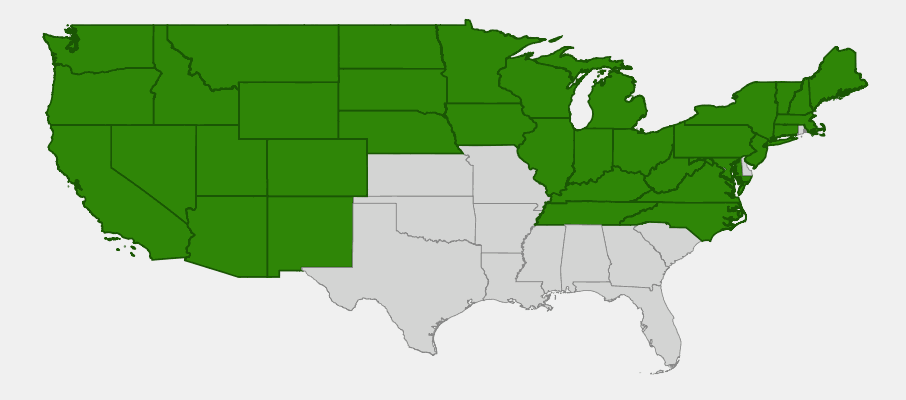
📋 Regional plant lists featuring Fireweed: North Dakota, South Dakota & Western Minnesota
Growing & Care Guide
Fireweed is surprisingly easy to grow in the right conditions and can make a dramatic addition to native plant gardens, naturalized areas, and pollinator gardens. While it has a reputation as an aggressive spreader in disturbed wild areas, it can be successfully managed in garden settings with proper planning and maintenance.
Light
Fireweed requires full sun to perform at its best, producing the tallest stems and most prolific flowering displays when grown in locations receiving at least 6-8 hours of direct sunlight daily. While it can tolerate light shade, plants grown in shadier conditions will be shorter, less floriferous, and more prone to lodging (falling over). In very hot climates, some afternoon shade may be beneficial to prevent stress during extreme heat events.
Soil & Water
One of Fireweed’s greatest strengths is its soil adaptability—it thrives in everything from sandy to clay soils and can tolerate both acidic and alkaline conditions (pH 4.5-8.0). The plant prefers moderately moist soil but demonstrates good drought tolerance once established. It actually performs poorly in consistently wet or poorly drained soils, which can cause root rot. In garden settings, well-drained soil with moderate fertility produces the best results without encouraging excessive spreading.
Planting Tips
Fireweed can be grown from seed or purchased as container plants, though seed-grown plants are often more vigorous. Seeds require cold stratification (30-60 days at 32-40°F) for optimal germination. Direct sow in fall or spring after stratification, barely covering the tiny seeds with soil. Space plants 2-3 feet apart, keeping in mind their spreading tendency. Young plants may take 2-3 years to reach full flowering potential but are worth the wait.
Pruning & Maintenance
Fireweed requires minimal maintenance once established. Deadheading spent flower spikes can prevent excessive self-seeding if desired, though this removes the ornamental value of the fluffy seed heads. Cut stems back to ground level in late fall or early spring. The most important management consideration is controlling spread—dig up unwanted rhizomes each spring to keep plants within bounds. Root barriers can be installed around plantings to prevent spreading into unwanted areas.
Landscape Uses
Fireweed works well in several garden applications:
- Naturalized areas — perfect for meadow gardens and prairie restorations
- Pollinator gardens — exceptional nectar source for bees and butterflies
- Erosion control — excellent for stabilizing slopes and disturbed areas
- Cut flower gardens — dramatic spikes last well in arrangements
- Wildlife habitat — seeds feed birds, flowers attract pollinators
- Back-of-border plantings — provides height and structure
- Cottage gardens — adds wild, natural charm
Wildlife & Ecological Value
Fireweed provides exceptional ecological value throughout its growing season, supporting a diverse array of wildlife from tiny beneficial insects to large mammals. Its role as a pioneer species makes it particularly important in ecosystem recovery and succession processes.
For Pollinators
Fireweed is considered one of the most important nectar sources in northern ecosystems, producing abundant, high-quality nectar throughout its extended blooming period. The flowers attract numerous native bees including bumblebees, leafcutter bees, and sweat bees, as well as hover flies and beneficial wasps. Butterflies, particularly fritillaries and skippers, are frequent visitors, while the plant also attracts day-flying moths. In some regions, Fireweed honey is a prized local product due to the plant’s prolific nectar production.
For Birds
The abundant seeds provide important food sources for numerous songbirds, including American Goldfinches, Purple Finches, Pine Siskins, and various sparrow species. The fluffy seed material is also collected by birds for nest construction. Hummingbirds occasionally visit the flowers for nectar, particularly in areas where other nectar sources are limited. The tall flower spikes serve as perching sites for small birds hunting insects.
For Mammals
Various mammals browse Fireweed foliage, including deer, elk, moose, and livestock, though it’s generally not a preferred food source. Bears occasionally eat the young shoots and leaves. Small mammals like voles and mice may eat the seeds, while larger herbivores sometimes consume entire plants during periods when other forage is scarce. The dense colonies provide cover for small mammals in areas recovering from disturbance.
Ecosystem Role
As a pioneer species, Fireweed plays a crucial role in ecosystem recovery following disturbances. Its extensive root system helps stabilize soil and prevent erosion, while its rapid growth provides quick ground cover that protects the soil surface. The plant’s ability to thrive in poor, disturbed soils helps begin the process of soil improvement that enables other species to eventually establish. In forest succession, Fireweed colonies often provide the initial habitat structure that allows tree seedlings to establish and grow.
Cultural & Historical Uses
Fireweed holds deep cultural significance throughout its range, with a particularly rich history of use among Indigenous peoples of North America. The plant’s common name reflects its most famous characteristic—its ability to rapidly colonize areas after fires—but its cultural importance extends far beyond this ecological role. Many northern Indigenous groups, including the Inuit, First Nations, and Alaska Native peoples, have traditionally used virtually every part of the plant for food, medicine, and practical purposes.
The young shoots and leaves have been harvested as a nutritious spring vegetable, rich in vitamins A and C. The inner pith of young stems can be eaten raw or cooked and has a sweet, cucumber-like flavor. Perhaps most famously, the flowers and young leaves have been used to make herbal teas, with Indigenous peoples drying the leaves through careful fermentation processes to create teas with complex, pleasant flavors. This traditional preparation method has been adopted by modern herbalists and continues to be practiced in northern communities today.
Medicinally, Fireweed has been used to treat a wide variety of ailments including digestive issues, respiratory problems, and skin conditions. Various parts of the plant contain compounds with anti-inflammatory and antimicrobial properties, leading to their use in traditional poultices and tinctures. The silky seed hairs were traditionally used as tinder for starting fires and were also woven into textiles or used to stuff pillows and mattresses, earning the plant alternative names like “cotton grass” in some regions.
In modern times, Fireweed has gained recognition as a commercial crop in some northern regions, particularly for honey production and herbal tea manufacture. It serves as the territorial flower of Yukon, Canada, and appears on the provincial flag and coat of arms. The plant has also become a symbol of resilience and renewal, appearing in literature and art as a representation of nature’s ability to recover from devastation.
Frequently Asked Questions
Will Fireweed take over my garden?
Fireweed can spread via underground rhizomes, but it’s manageable in garden settings with proper planning. Plant it in areas where spreading is desired, install root barriers if necessary, and remove unwanted shoots each spring. In most garden conditions, it’s less aggressive than in its natural disturbed habitats.
Can I grow Fireweed from seed?
Yes, but the seeds require cold stratification (30-60 days in the refrigerator) for best germination. Alternatively, direct sow seeds in fall for natural winter stratification. Seeds are very fine and should barely be covered with soil. Germination rates can be variable, so sow generously.
Why is my Fireweed not flowering well?
Insufficient sunlight is the most common cause of poor flowering. Fireweed needs full sun (6+ hours daily) for best bloom production. Overly rich soil can also cause excessive vegetative growth at the expense of flowers. Young plants may take 2-3 years to reach full flowering potential.
Is Fireweed deer resistant?
Fireweed is occasionally browsed by deer but is generally not a preferred food source. In areas with heavy deer pressure, some browsing may occur, particularly on young plants, but established colonies usually persist. The plant’s ability to regrow from rhizomes helps it recover from browsing damage.
Can I make tea from my garden-grown Fireweed?
Yes, but proper identification is crucial, and traditional fermentation methods should be learned from reliable sources. Harvest young leaves in early summer before flowering for the best flavor. Be aware that some people may have allergic reactions, so try small amounts initially. Consider consulting with herbalists familiar with safe preparation methods.

Looking for a nursery that carries Fireweed?
Browse our native plant nursery directory: North Dakota · South Dakota · Minnesota