
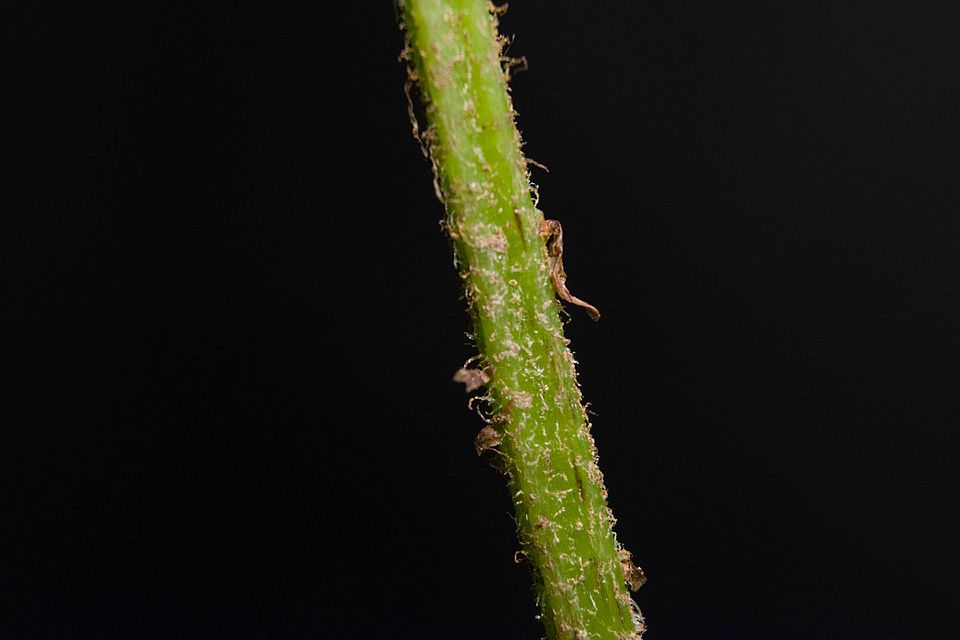
Silvery Spleenwort growing in its natural woodland habitat, showing characteristic silvery sori on frond undersides. Photo: Wikimedia Commons (CC BY 4.0) Deparia acrostichoides, commonly known
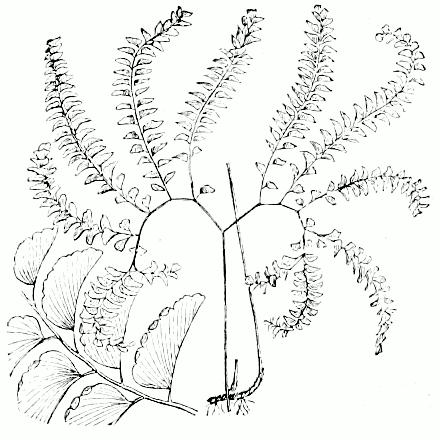
Botanical illustration of Maidenhair Fern showing the characteristic radiating, fan-like frond arrangement on dark, wiry stems. Photo: Wikimedia Commons (Public Domain) Adiantum pedatum, the Northern
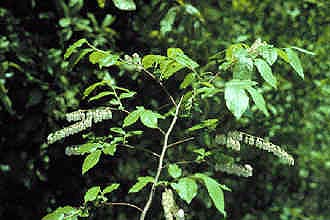
Fetterbush in bloom, showing characteristic racemes of pendant, bell-shaped white flowers. Photo: Wikimedia Commons (Public Domain) Leucothoe racemosa, commonly known as Fetterbush or Swamp Sweetbells,
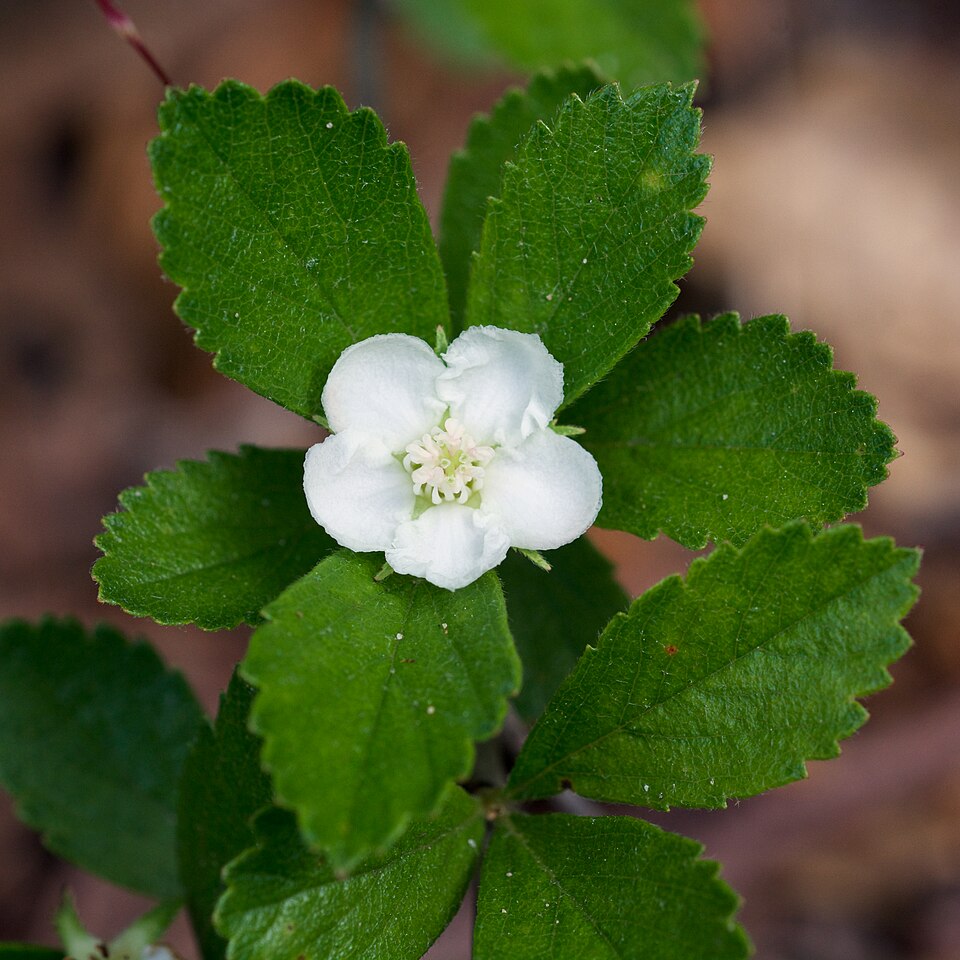
Dwarf Hawthorn showing characteristic thorny branches, small leaves, and spring flowers. Photo: Wikimedia Commons (CC BY-SA 4.0) Crataegus uniflora, commonly known as Dwarf Hawthorn or
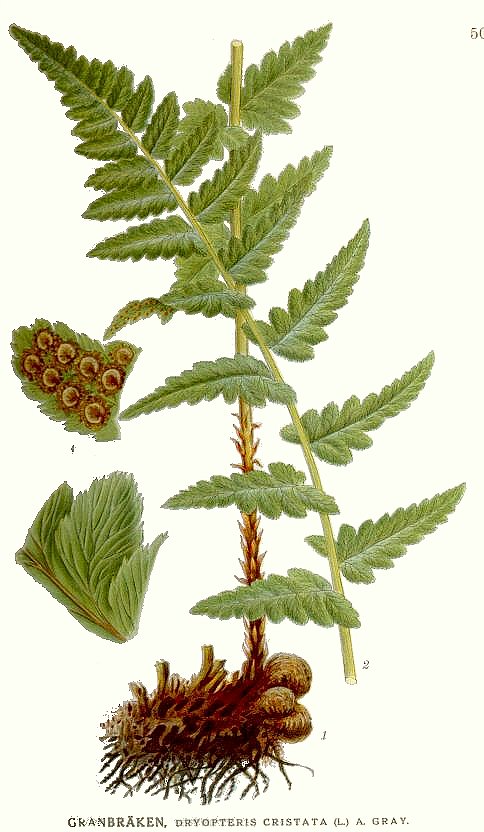
Crested Wood Fern showing its characteristic upright blade with pinnae held perpendicular to the midrib. Photo: Wikimedia Commons (Public Domain) Dryopteris cristata, commonly known as
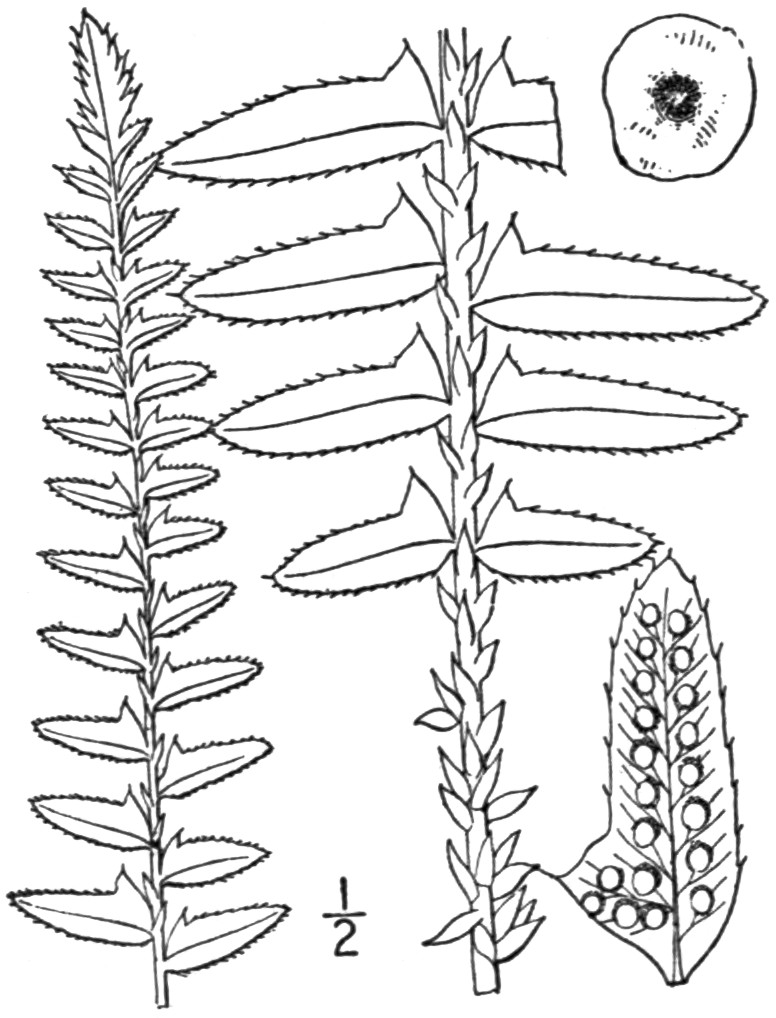
Botanical illustration of Christmas Fern showing characteristic once-pinnate frond and distinctive Christmas-stocking-shaped pinnae. Photo: Wikimedia Commons (Public Domain) Polystichum acrostichoides, commonly known as Christmas Fern,
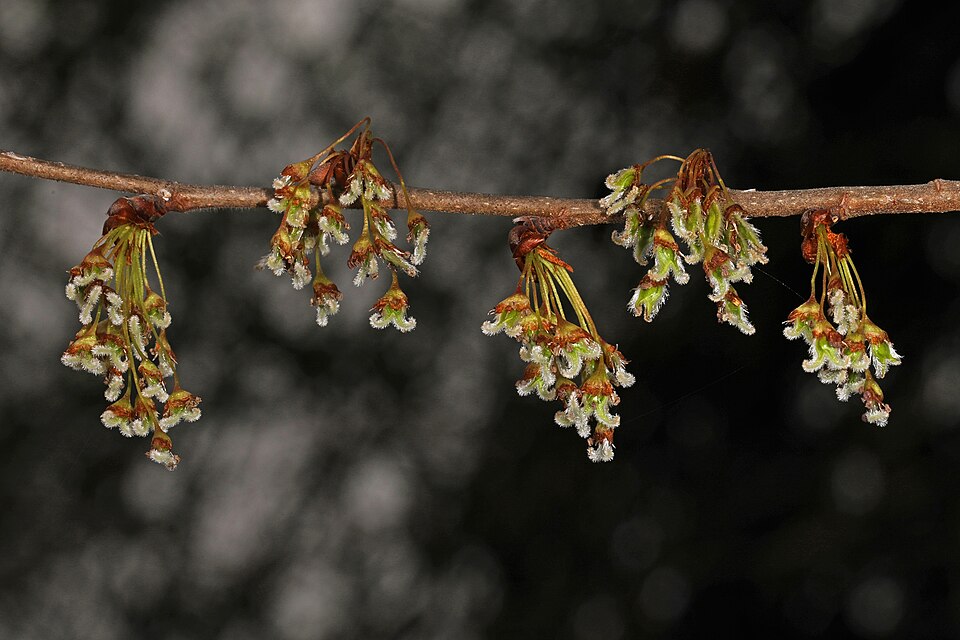
A mature American Elm showing its classic vase-shaped canopy in Occoquan Regional Park, Virginia. Photo: Wikimedia Commons (CC BY 2.0) Ulmus americana, the American Elm,
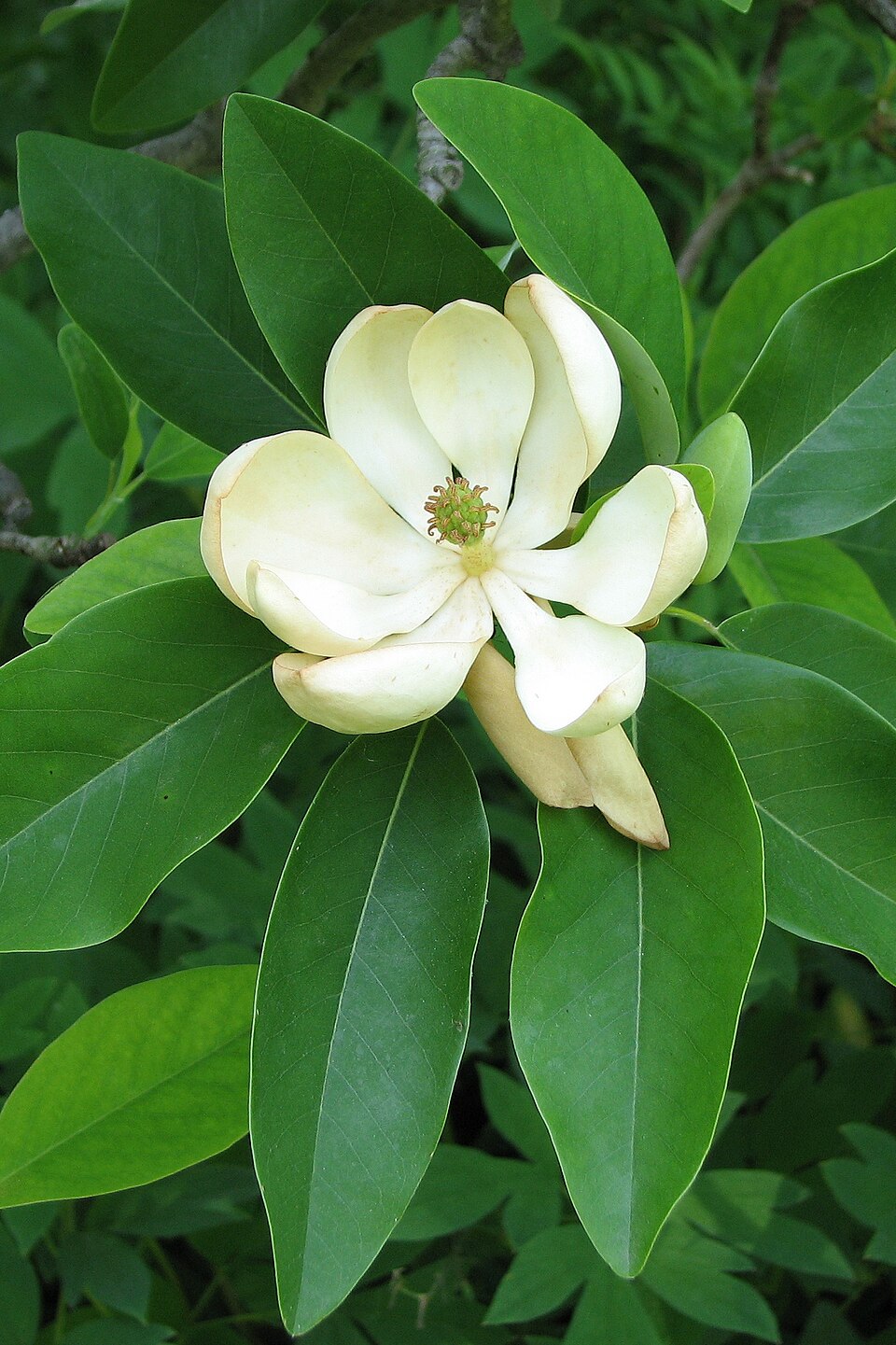
Sweet Bay Magnolia’s exquisite, lemon-scented white flowers bloom from late spring through summer. Photo: Wikimedia Commons (CC BY-SA 3.0) Magnolia virginiana, commonly known as Sweet
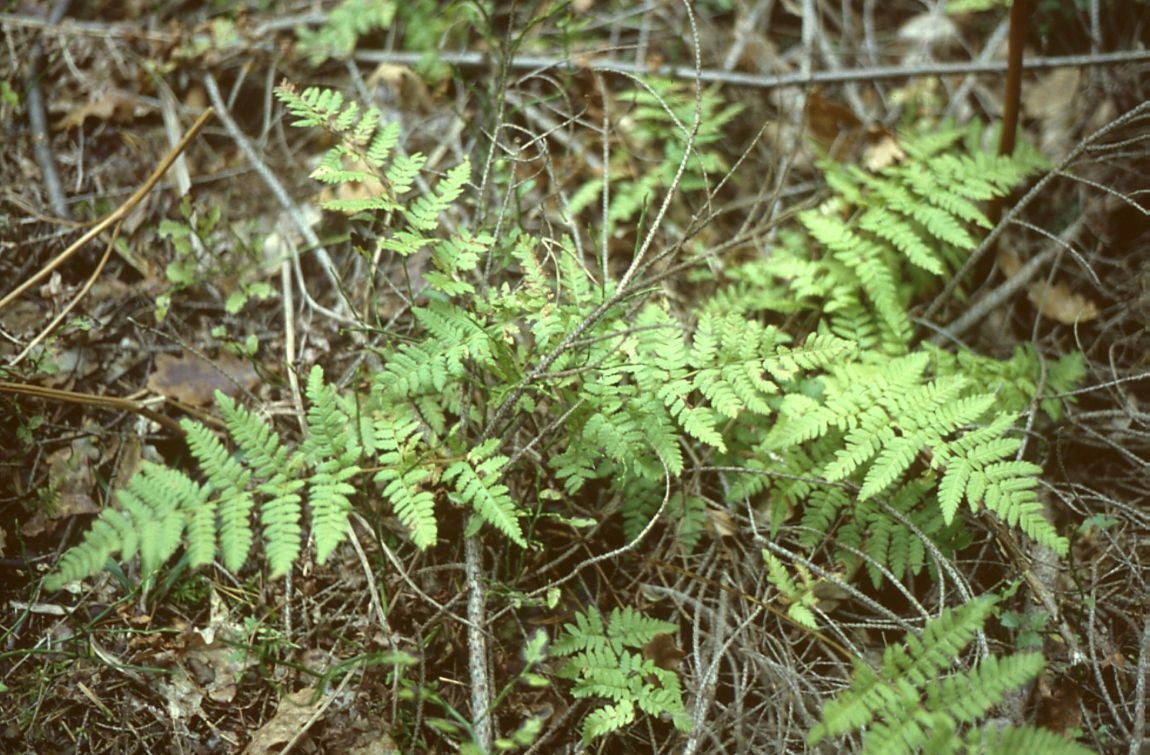
A clump of Spinulose Wood Fern (Dryopteris carthusiana) with lacy, finely divided fronds growing in a shaded woodland. Photo: Franz Xaver (CC BY-SA 3.0), Wikimedia
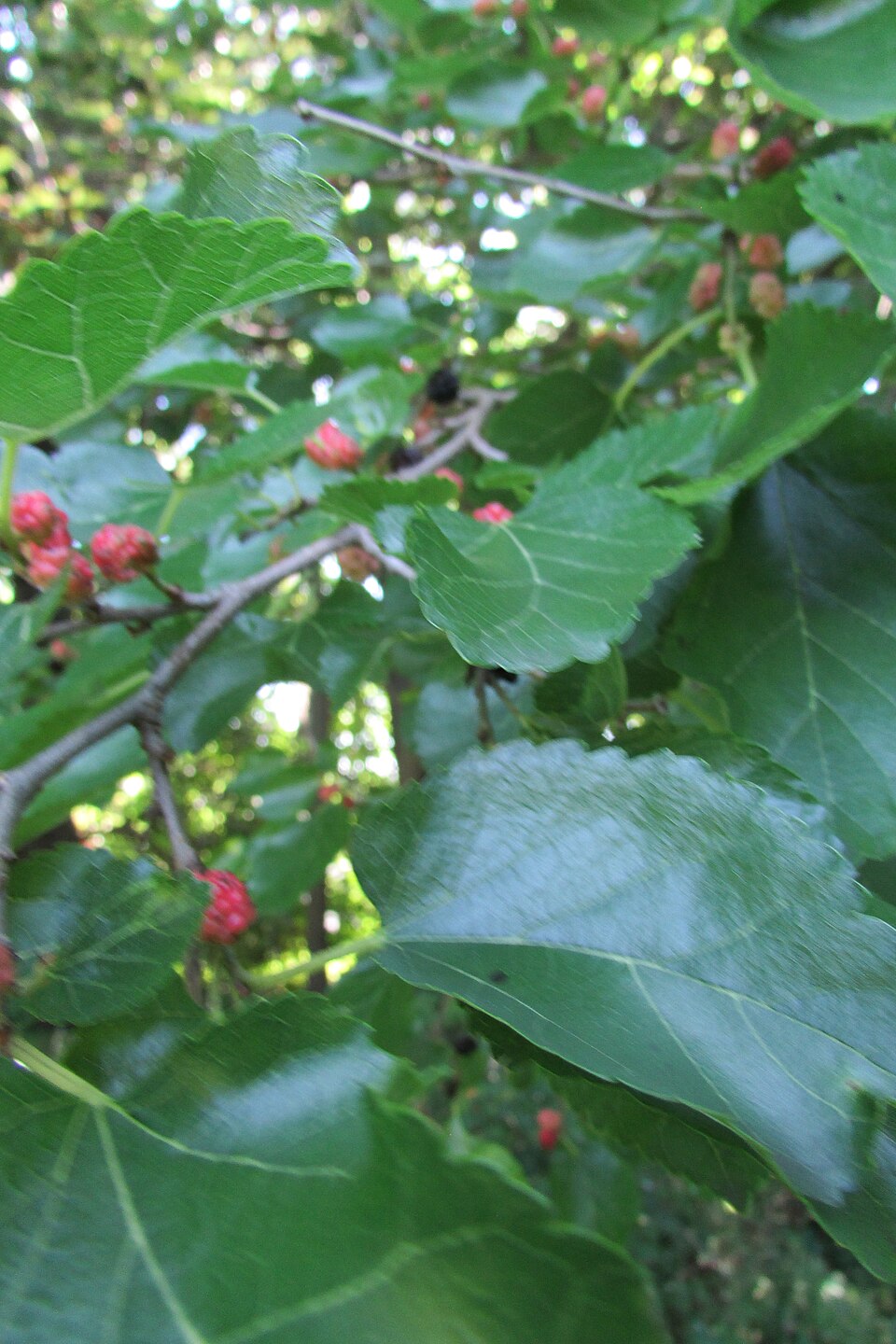
Red Mulberry’s sweet, dark red to purple fruits are among the most wildlife-valuable of any native tree. Photo: Wikimedia Commons (CC BY-SA 4.0) Morus rubra,
View More