
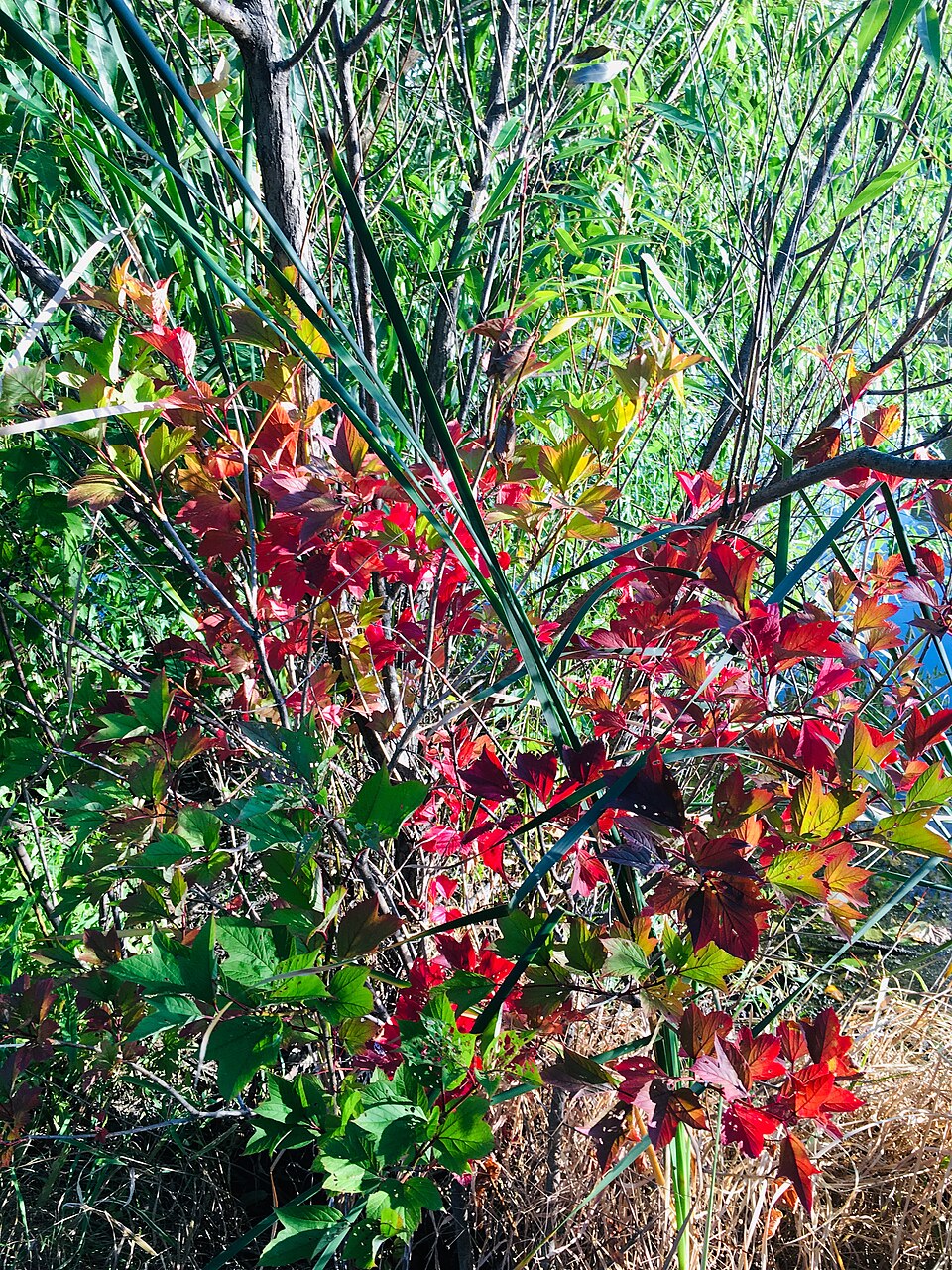
Black Huckleberry shrub with characteristic dark berries and resin-dotted leaves. Photo: Wikimedia Commons (CC BY-SA 4.0) Gaylussacia baccata, commonly known as Black Huckleberry, is a
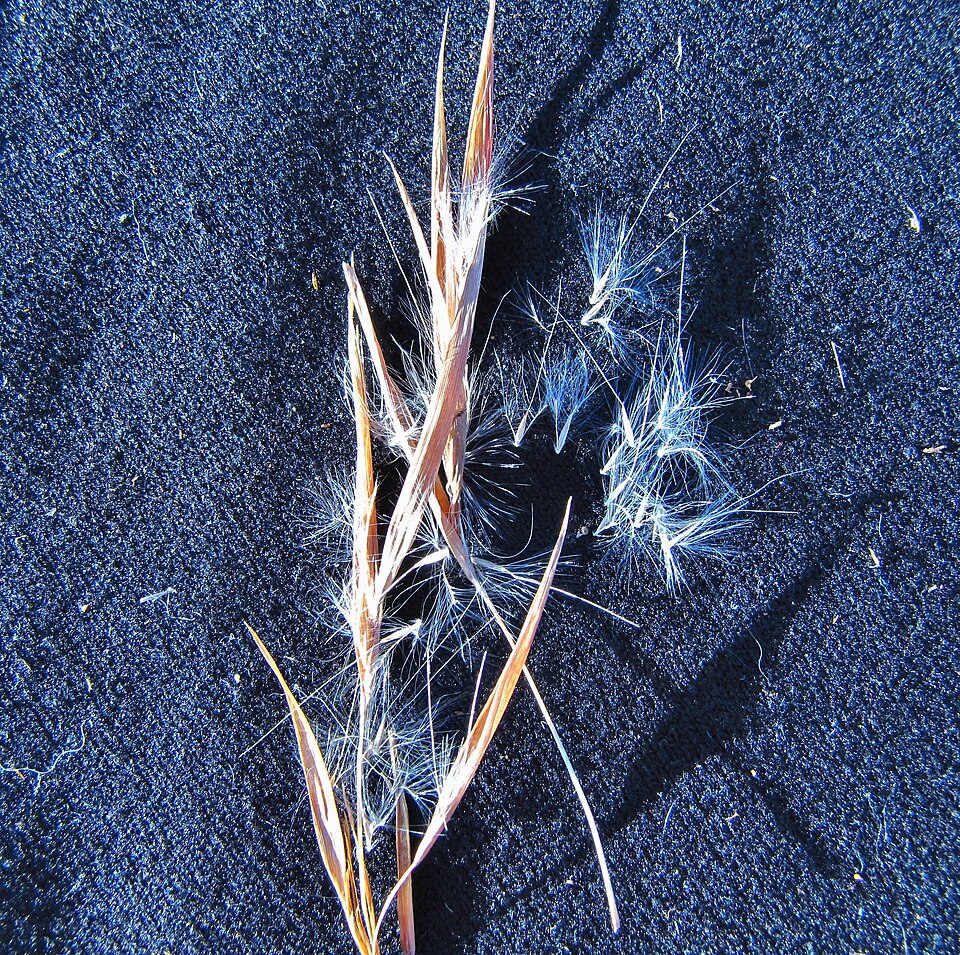
Broomsedge displaying its characteristic tawny-golden autumn color and fluffy seed heads. Photo: Wikimedia Commons (CC0) Andropogon virginicus, commonly known as Broomsedge or Broomsedge Bluestem, is
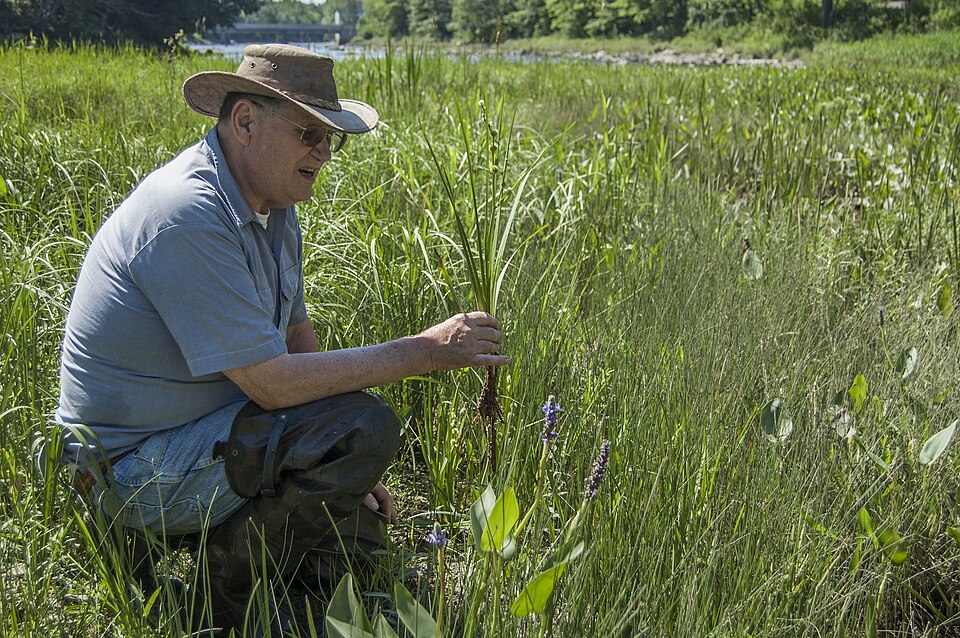
American Burreed growing in shallow water with its characteristic spiky spherical seed heads. Photo: Wikimedia Commons (CC BY-SA 2.0) Sparganium americanum, commonly known as American
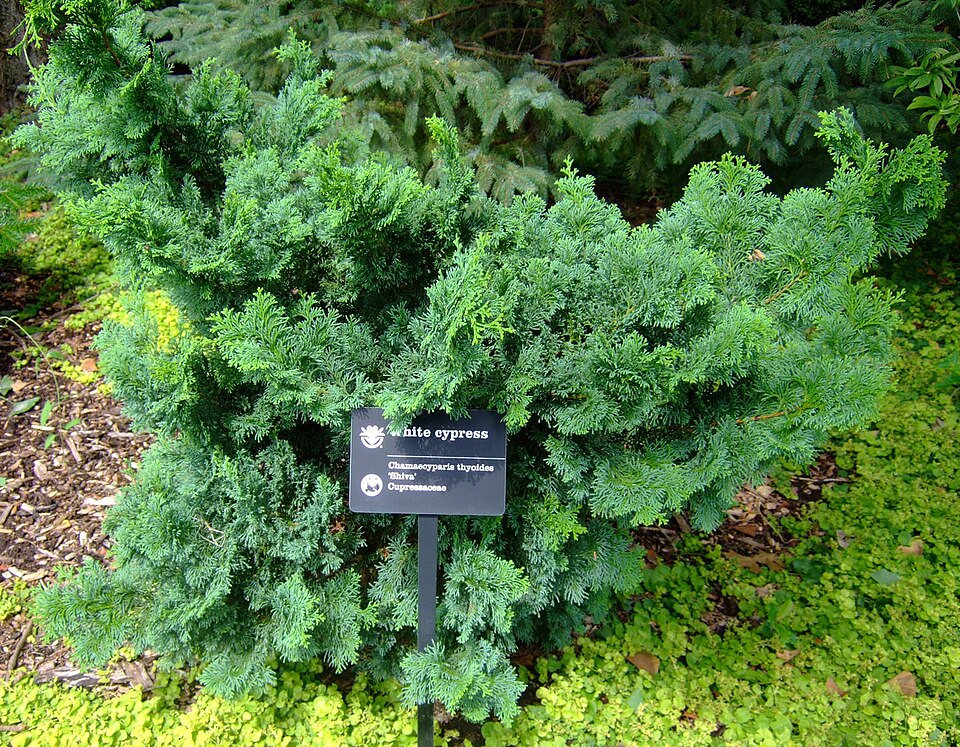
Atlantic White Cedar displaying its characteristic narrow conical form and blue-green foliage. Photo: Wikimedia Commons (CC BY-SA 4.0) Chamaecyparis thyoides, commonly known as Atlantic White
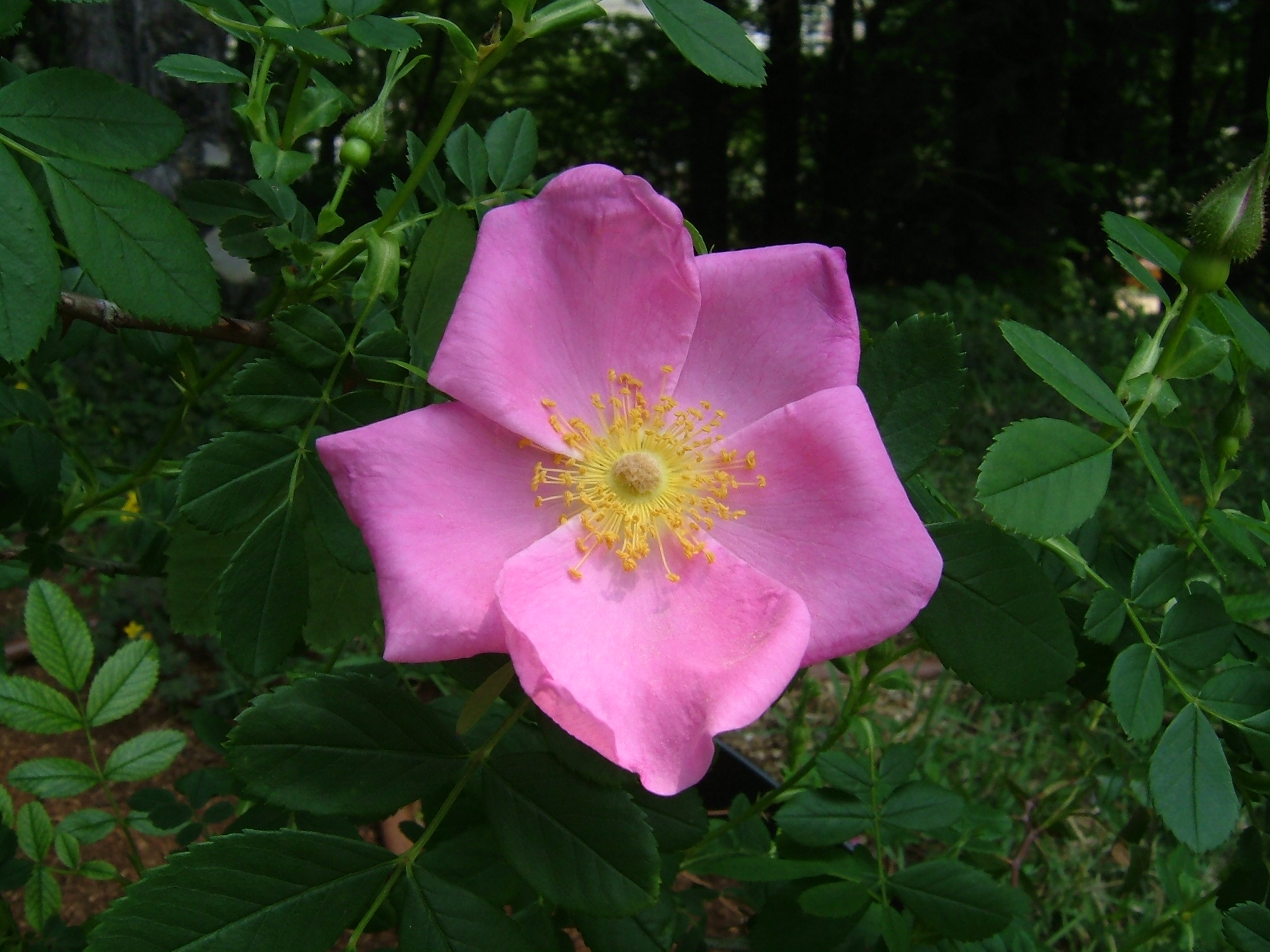
Virginia Rose in full bloom, showing characteristic bright pink five-petaled flowers with prominent yellow stamens. Photo: Wikimedia Commons (CC BY-SA 3.0) Rosa virginiana, commonly known
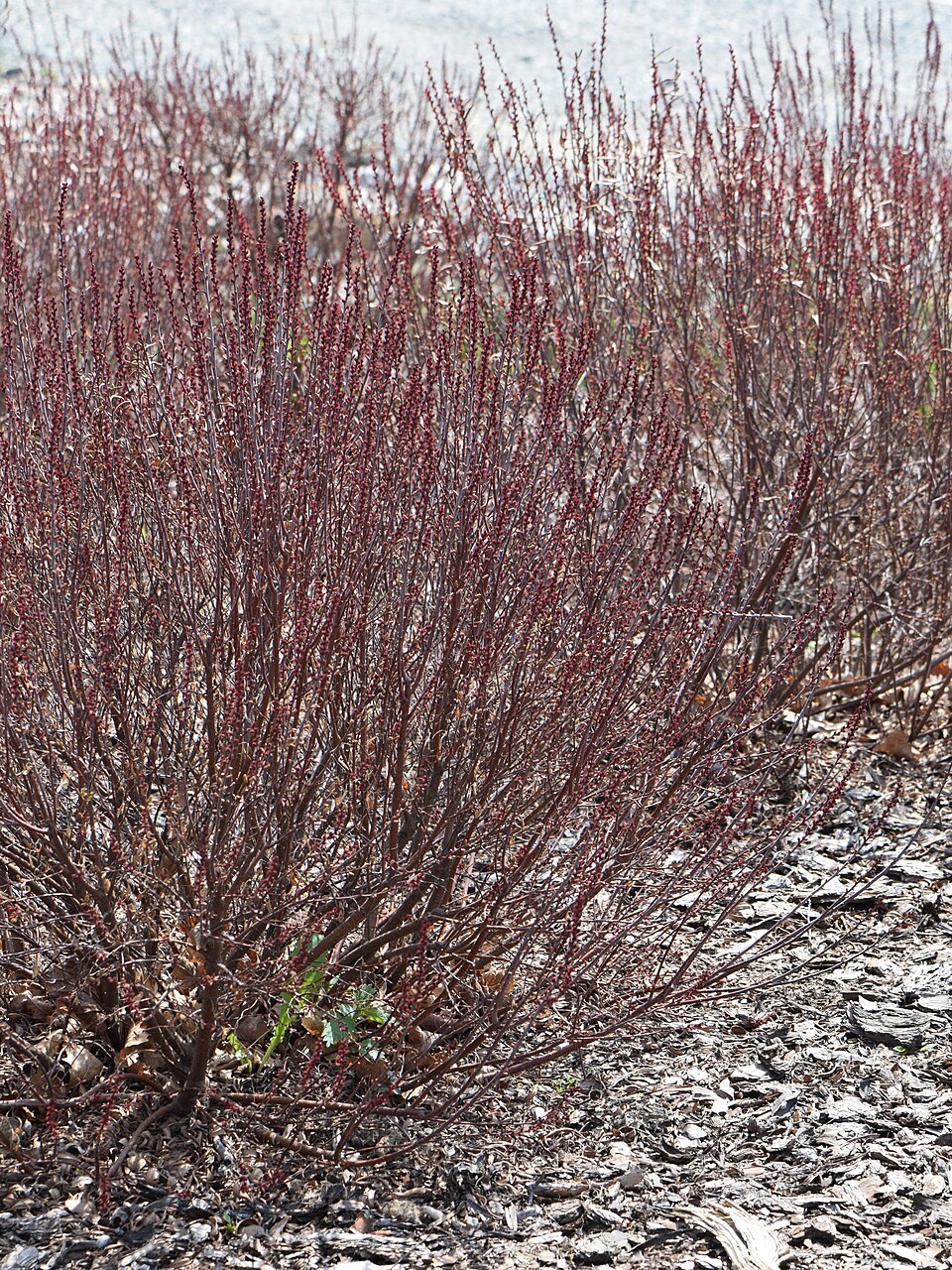
Sweetgale’s aromatic dark green foliage and spring catkins at a wetland edge — a defining shrub of northern bogs and lakeshore heaths. Photo: Wikimedia Commons
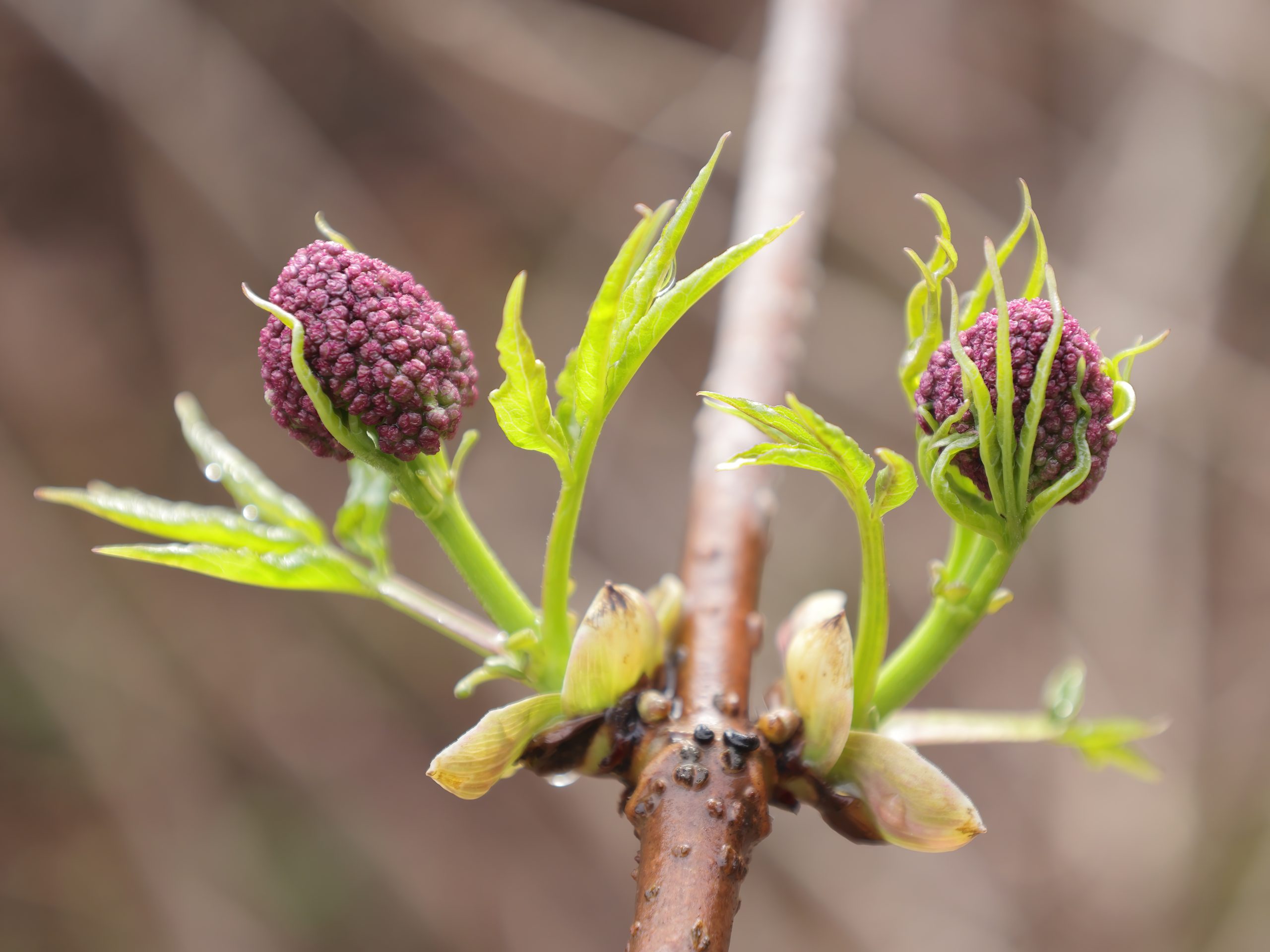
Scarlet Elder’s pyramidal flower clusters appear remarkably early in spring, providing nectar when few other shrubs are blooming. Photo: Wikimedia Commons (CC BY-SA 4.0) Sambucus
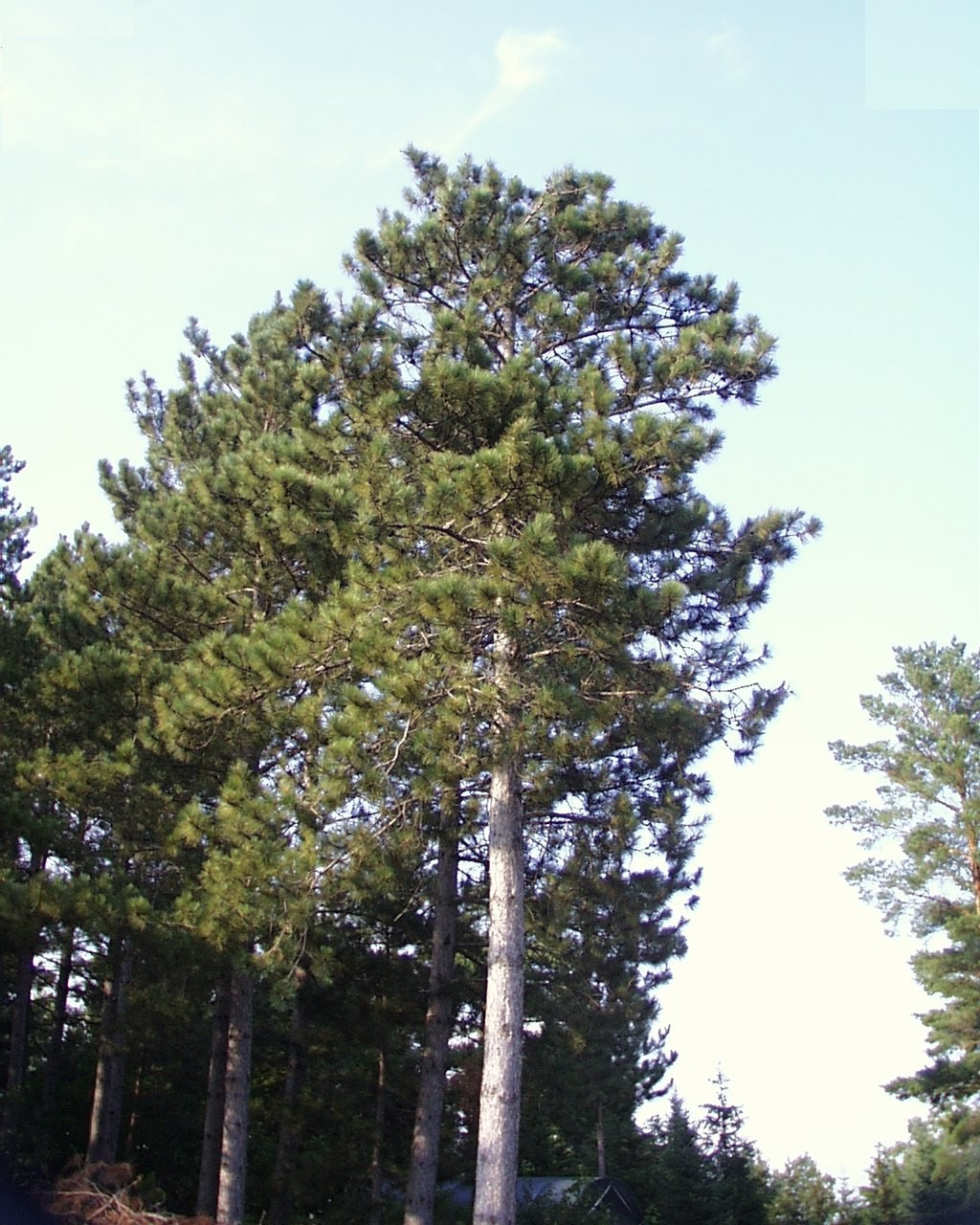
Mature Red Pines display their characteristic reddish-orange plated bark in the upper crown — the feature that gives this northern giant its name. Photo: Wikimedia
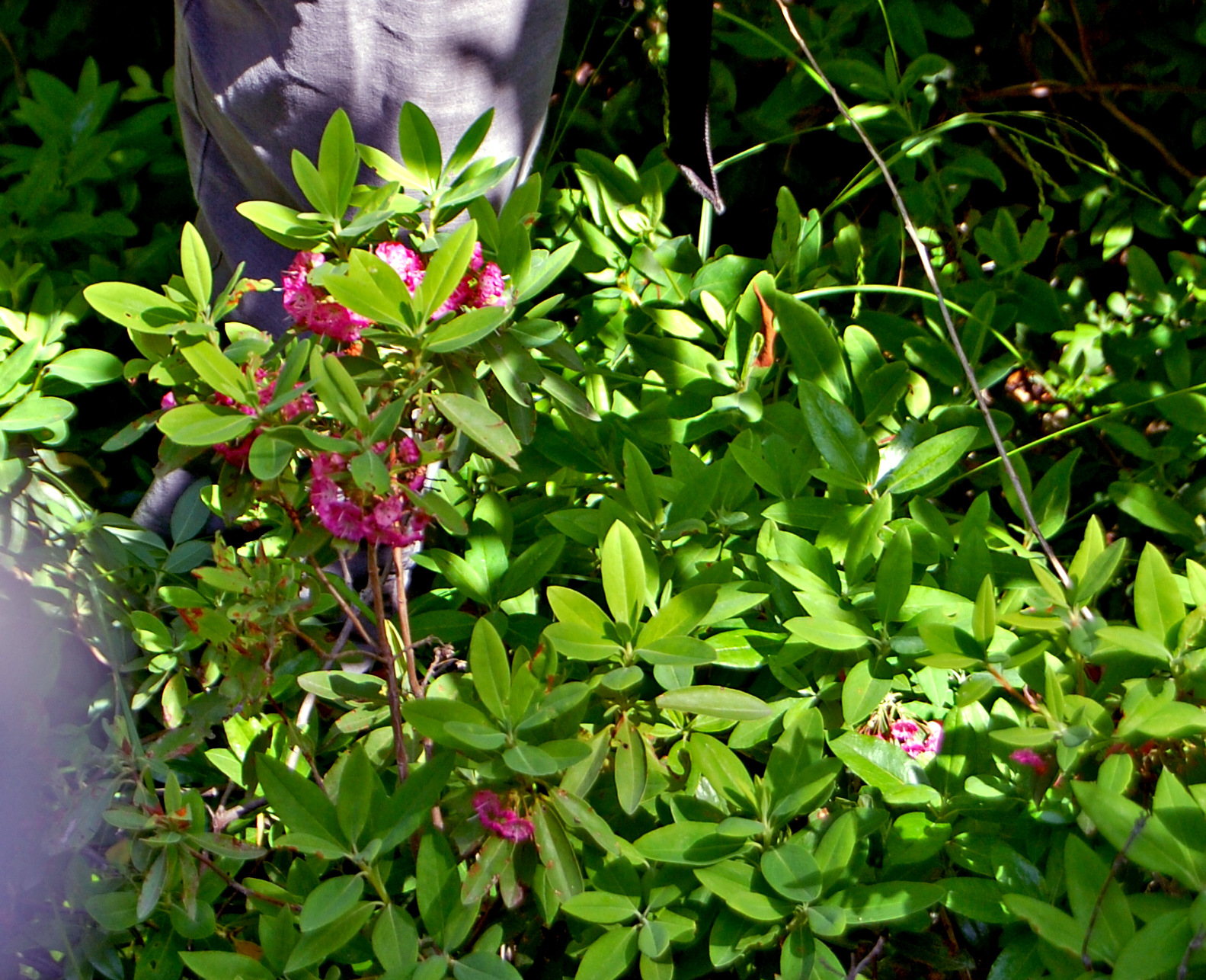
Lambkill’s vivid pink to rosy-red flowers appear in lateral clusters in early summer, making it one of the showiest native shrubs of acidic woodlands. Photo:
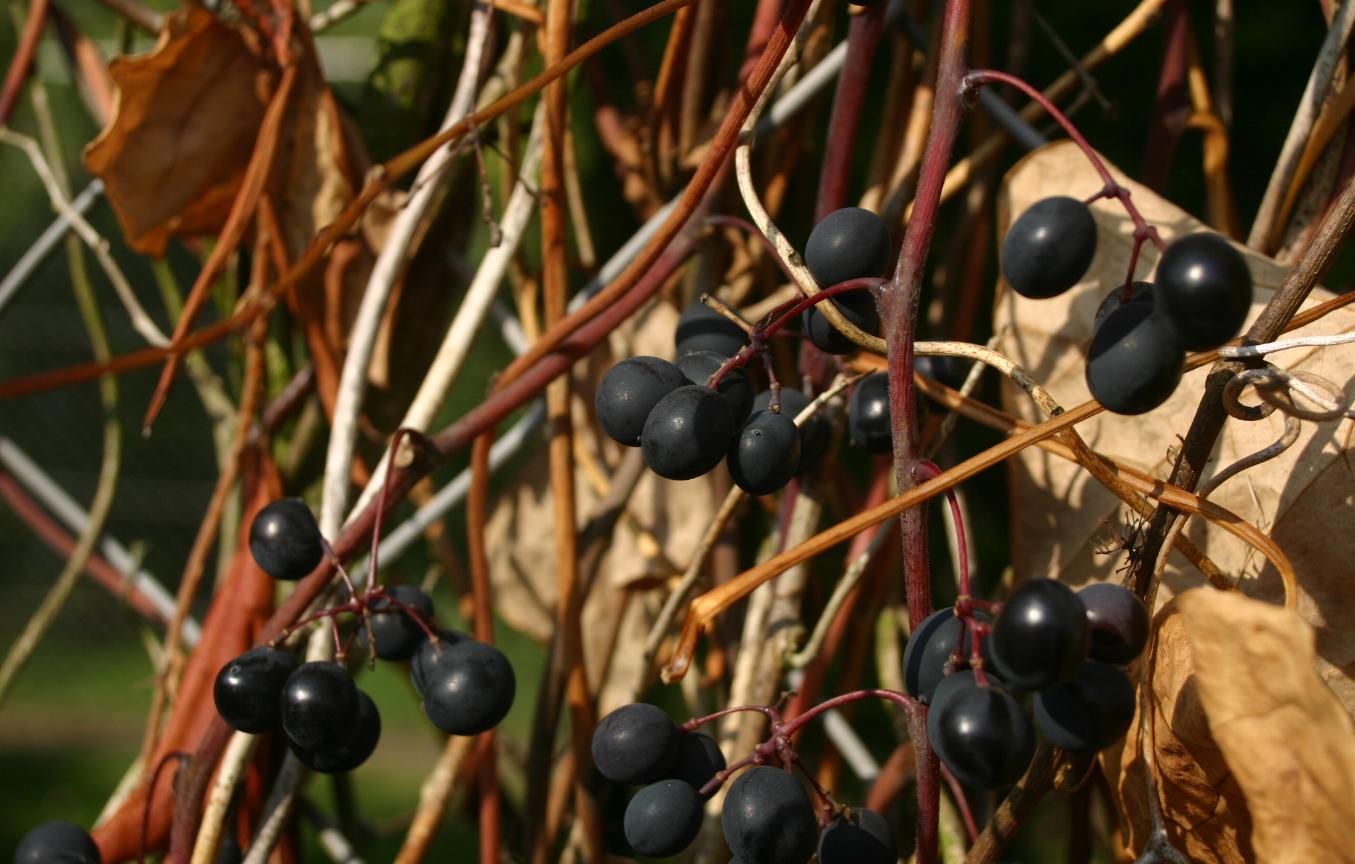
Fox Grape’s distinctive dark, musky fruits ripen in late summer and early fall, beloved by wildlife and the parent of many familiar cultivated grape varieties.
View More