
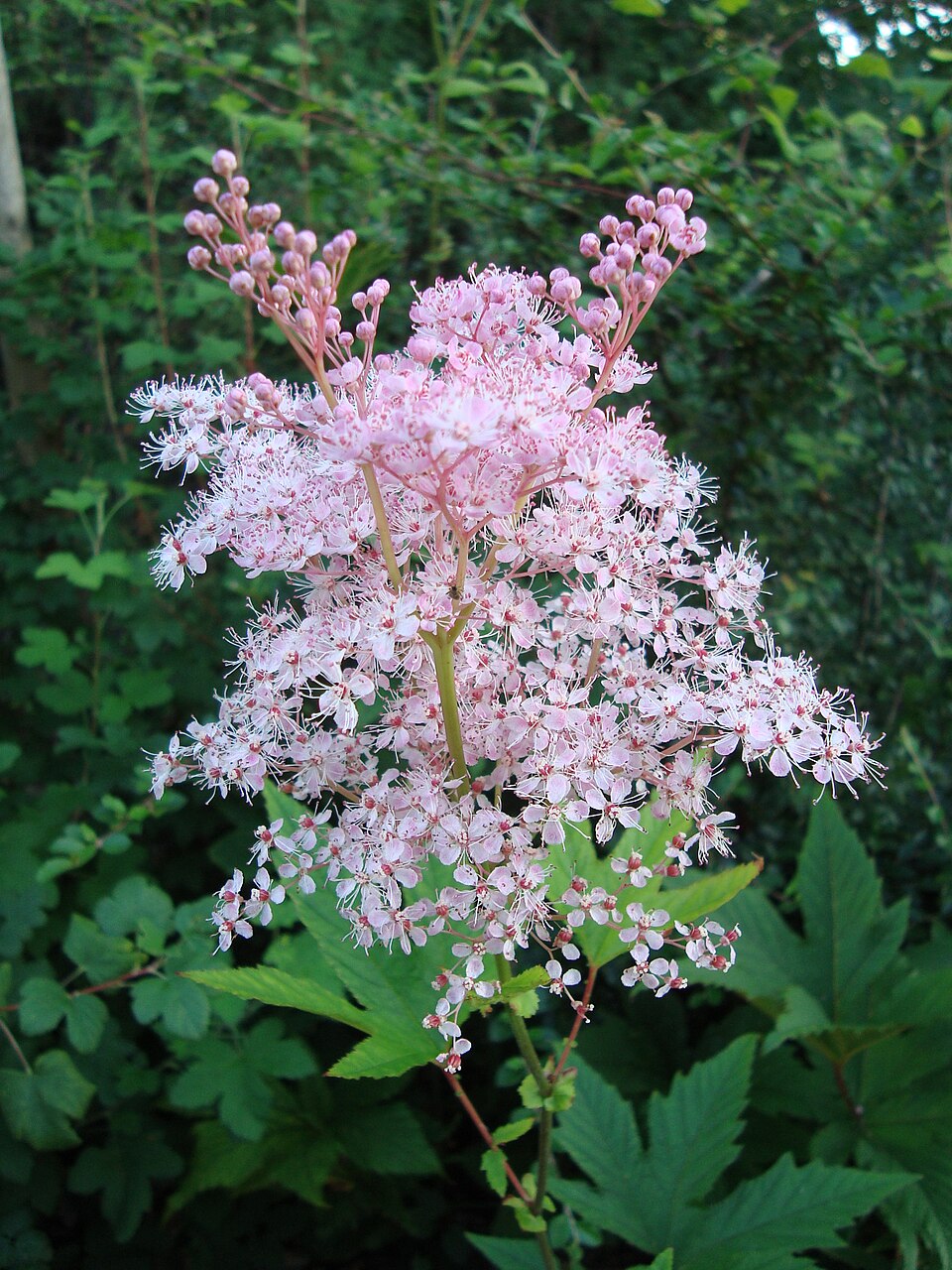
Queen-of-the-Prairie in full bloom — the show-stopping pink plumes can reach 6 feet or more in ideal conditions. Photo: Wikimedia Commons (CC BY 3.0) Filipendula
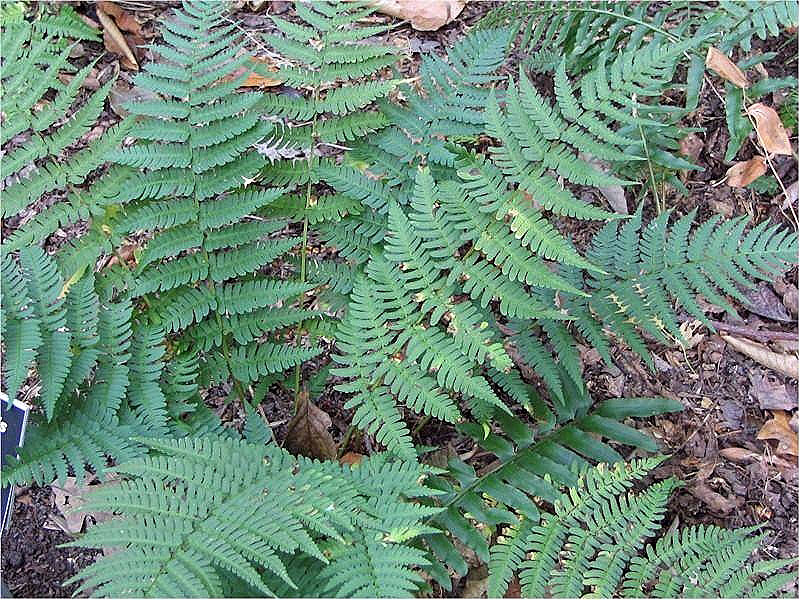
Leatherwood Fern’s thick, lustrous evergreen fronds persist through winter, providing year-round woodland beauty. Photo: Wikimedia Commons (CC BY-SA 4.0) Dryopteris marginalis, commonly known as Leatherwood
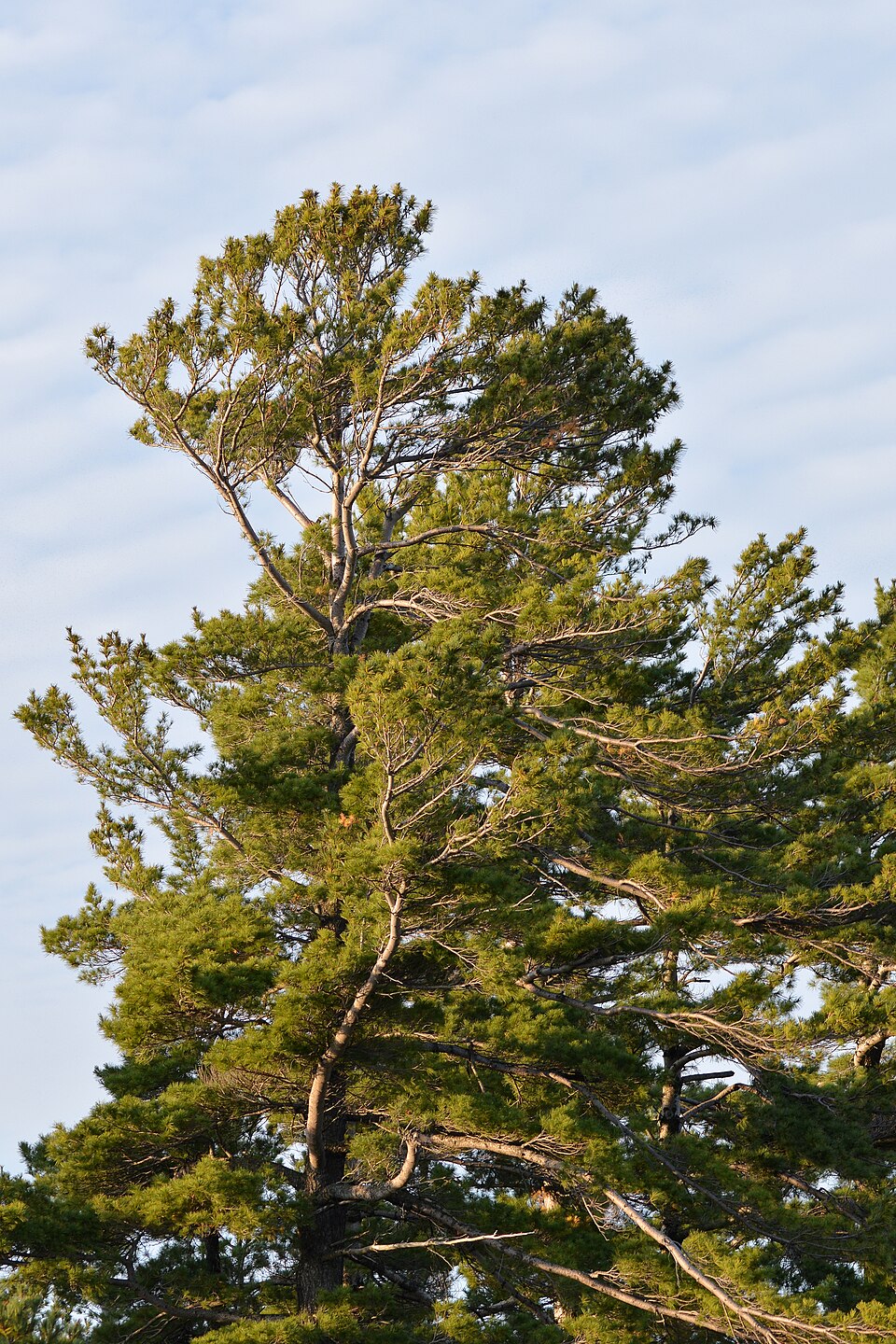
Eastern White Pine — North America’s tallest native pine, with its signature soft bluish-green needles in bundles of five. Photo: Wikimedia Commons (CC BY-SA 4.0)
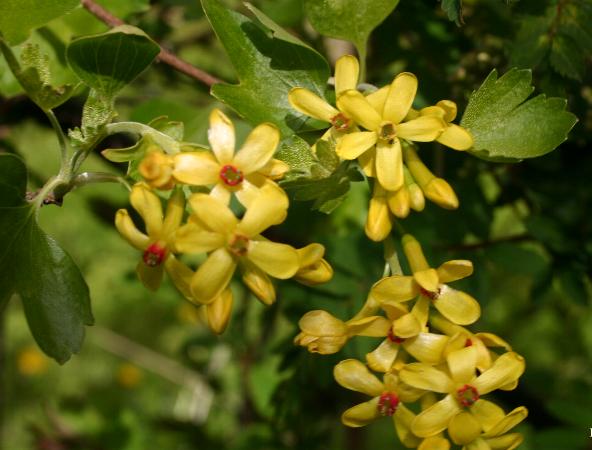
Buffalo Currant in bloom — the intensely clove-scented yellow flowers are one of the most fragrant in the native shrub world. Photo: Wikimedia Commons (CC
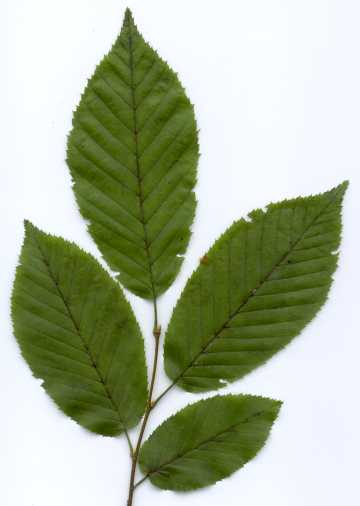
American Hornbeam’s characteristic smooth gray bark and dense, serrated foliage. Photo: Wikimedia Commons (CC BY-SA 3.0) Carpinus caroliniana, commonly known as American Hornbeam, Blue Beech,
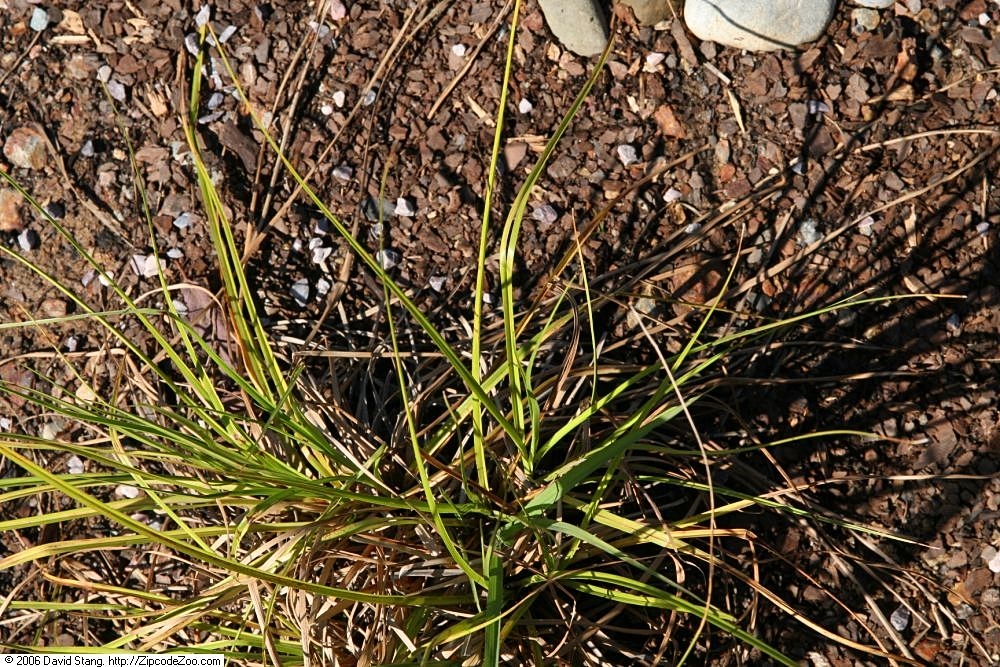
Woolgrass in late summer, displaying its characteristic shaggy, woolly brown seed heads that give this native wetland sedge its evocative name. Photo: Wikimedia Commons (CC
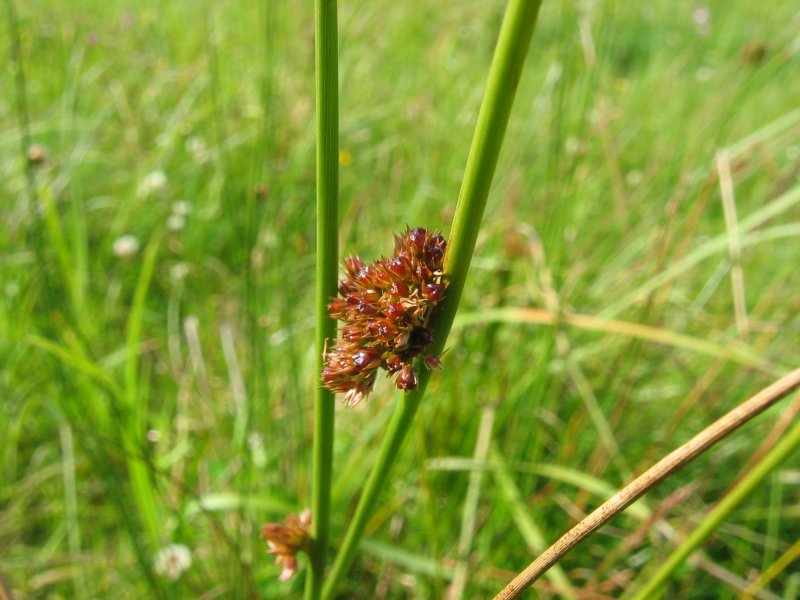
Soft Rush growing in a natural wetland, its smooth, bright green cylindrical stems forming dense, graceful clumps. Photo: Wikimedia Commons (Public Domain) Juncus effusus, known
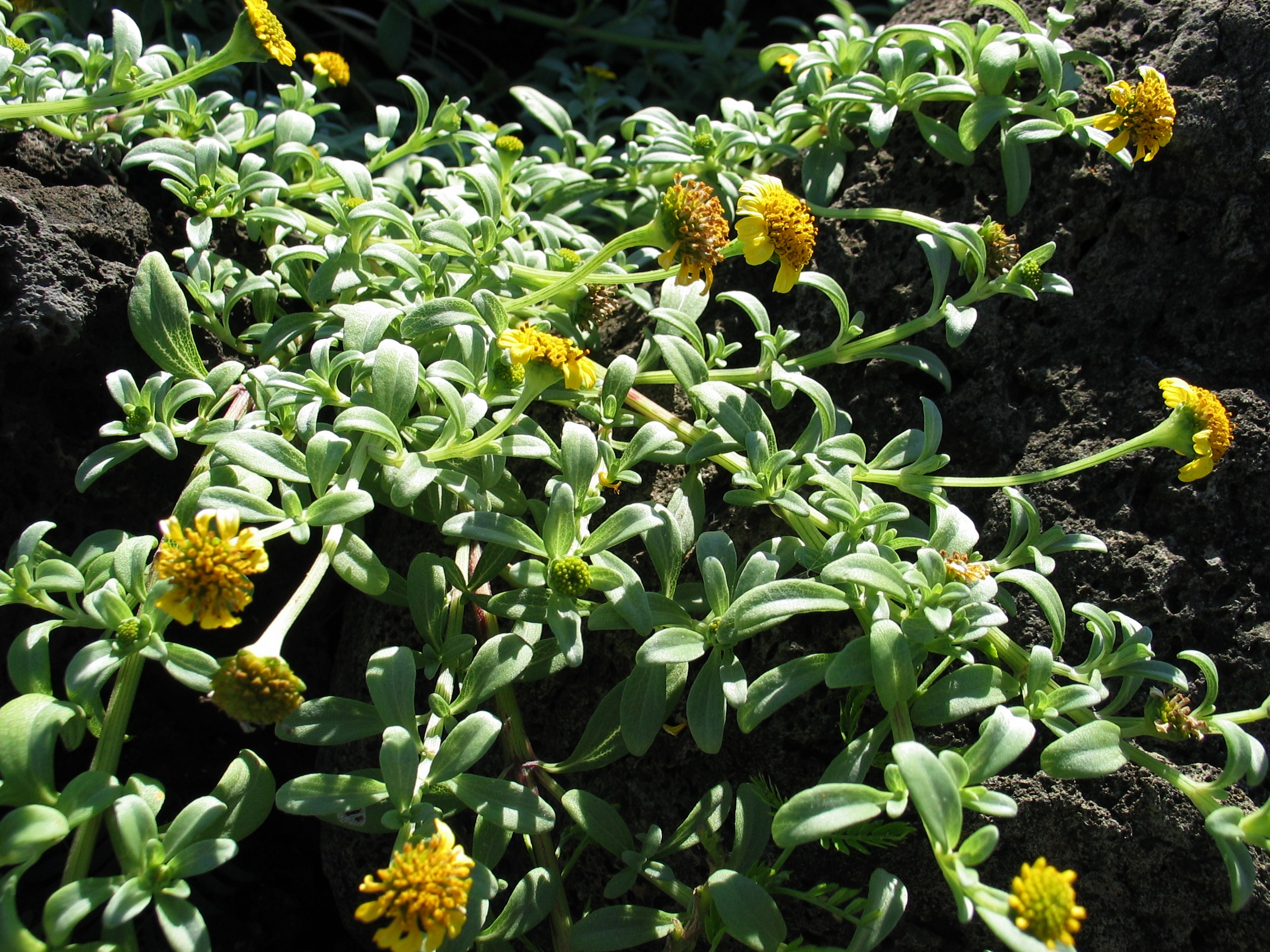
Nehe displaying its characteristic small yellow daisy-like flowers in its native Hawaiian coastal habitat. Photo: Wikimedia Commons (CC BY 2.0) Lipochaeta integrifolia (also known as

Virginia Wild Rye (Elymus virginicus) — a native grass distinguished by its relatively stiff, erect seed spikes. Photo: Wikimedia Commons (CC BY-SA 2.0) Elymus virginicus,
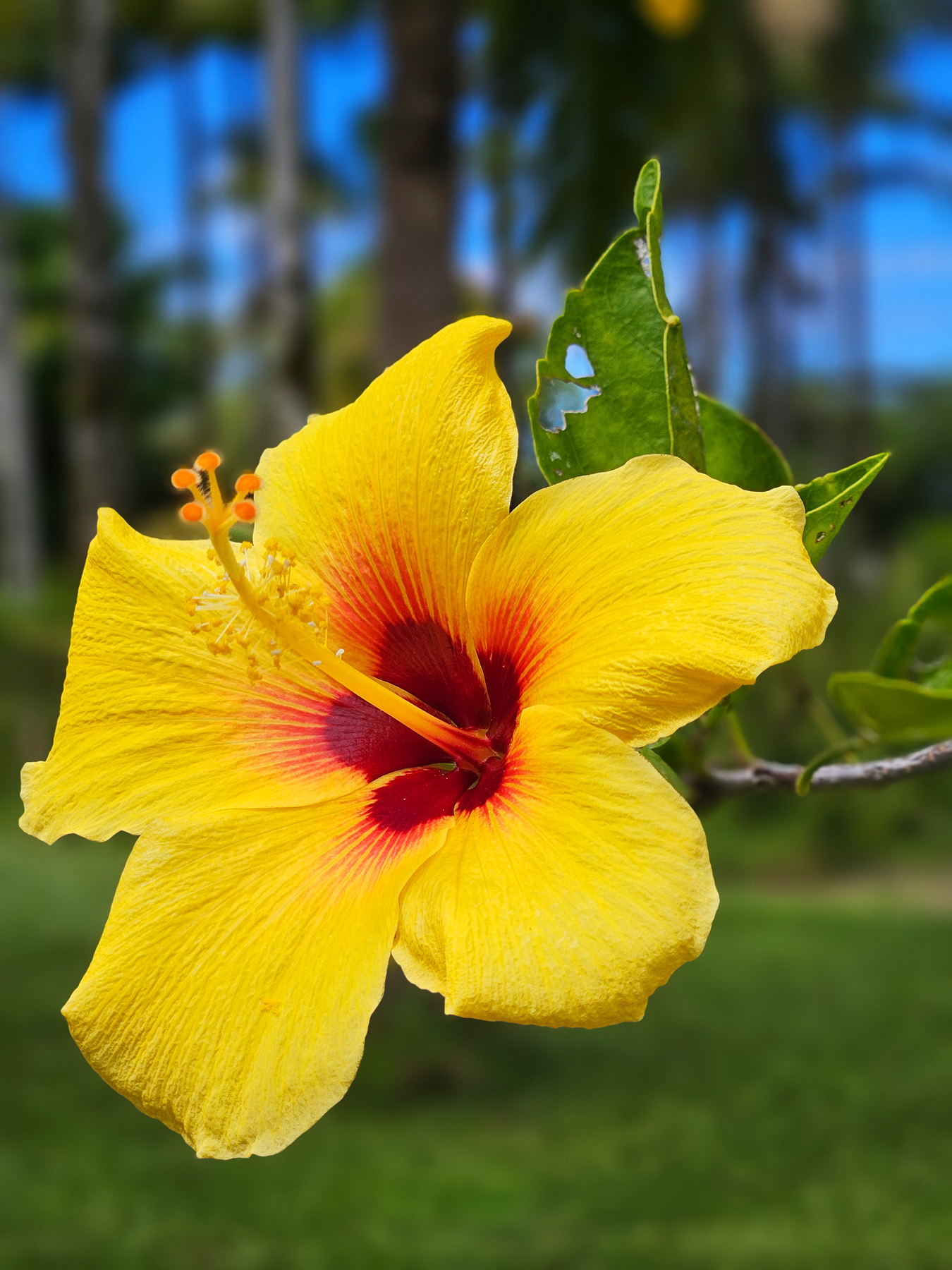
Ma’o Hau Hele — the Hawaiian state flower — bearing its striking golden-yellow blossoms. Photo: Wikimedia Commons (CC BY-SA 4.0) Hibiscus brackenridgei, known in Hawaiian
View More