
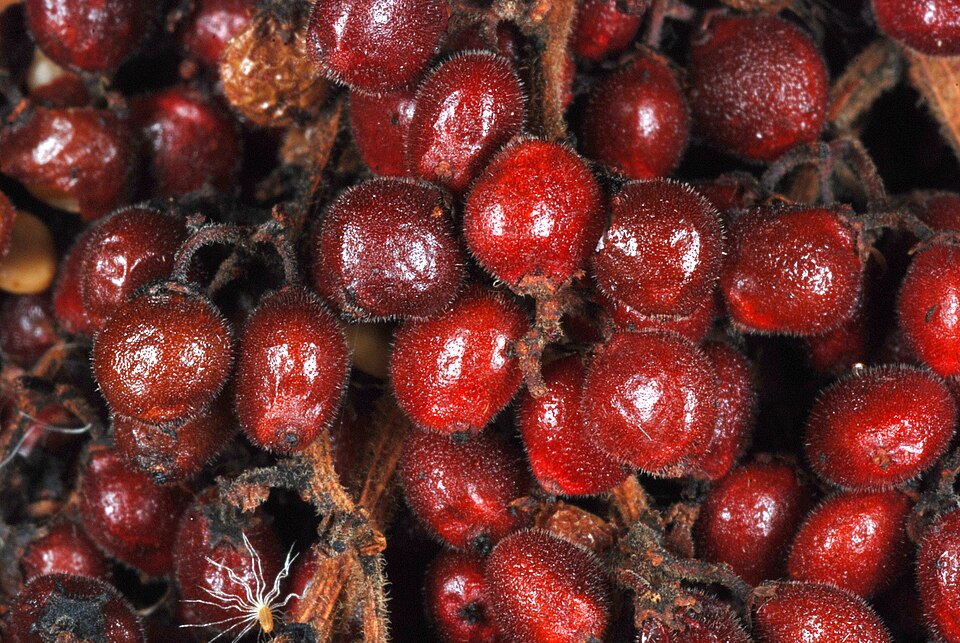
Dwarf-winged Sumac (Winged Sumac) in brilliant autumn foliage, Fairfax County, Virginia. Photo: Wikimedia Commons (CC BY-SA 4.0) Rhus copalina (also spelled Rhus copallinum), commonly called
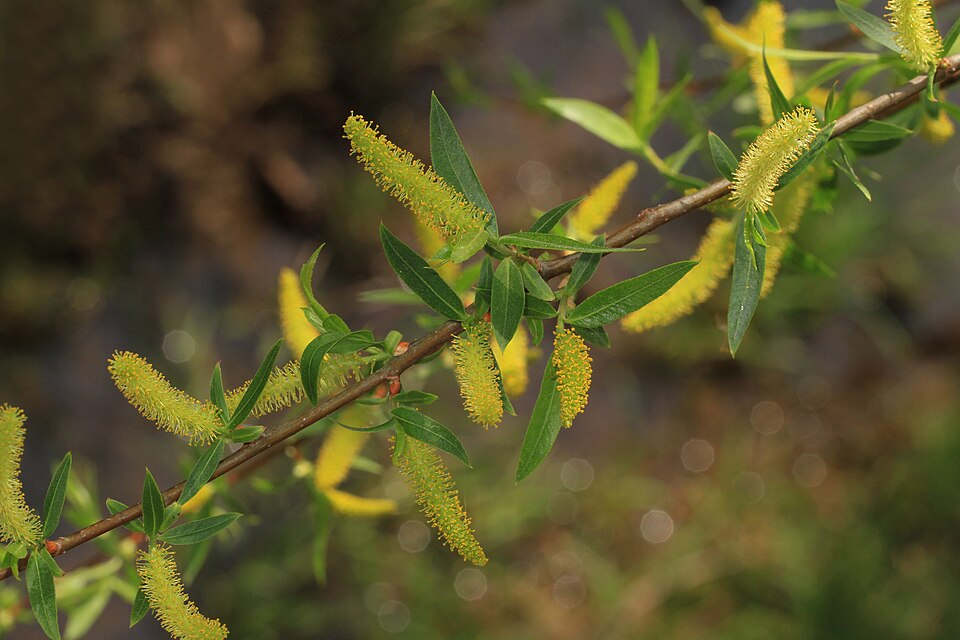
Black Willow along a stream corridor in Virginia — its natural habitat. Photo: Wikimedia Commons (CC BY 2.0) Salix nigra, the Black Willow, is the
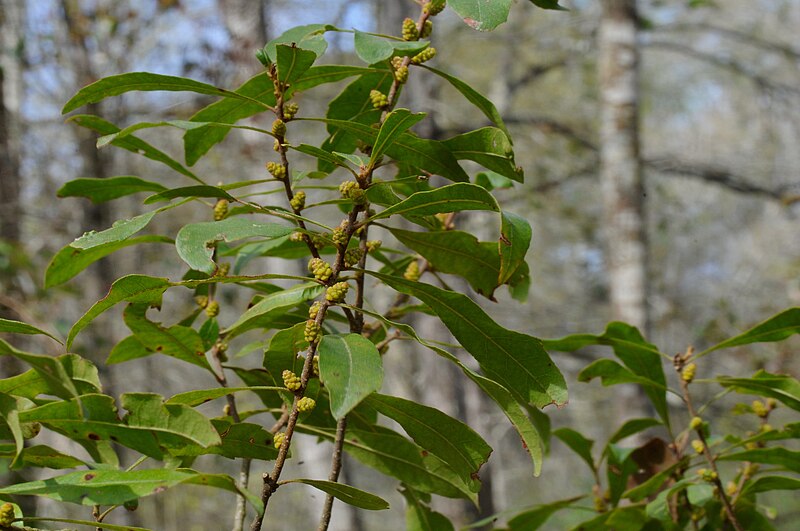
Wax Myrtle — one of the most versatile and ecologically valuable native evergreen shrubs of the southeastern coastal United States. Photo: Wikimedia Commons (CC BY
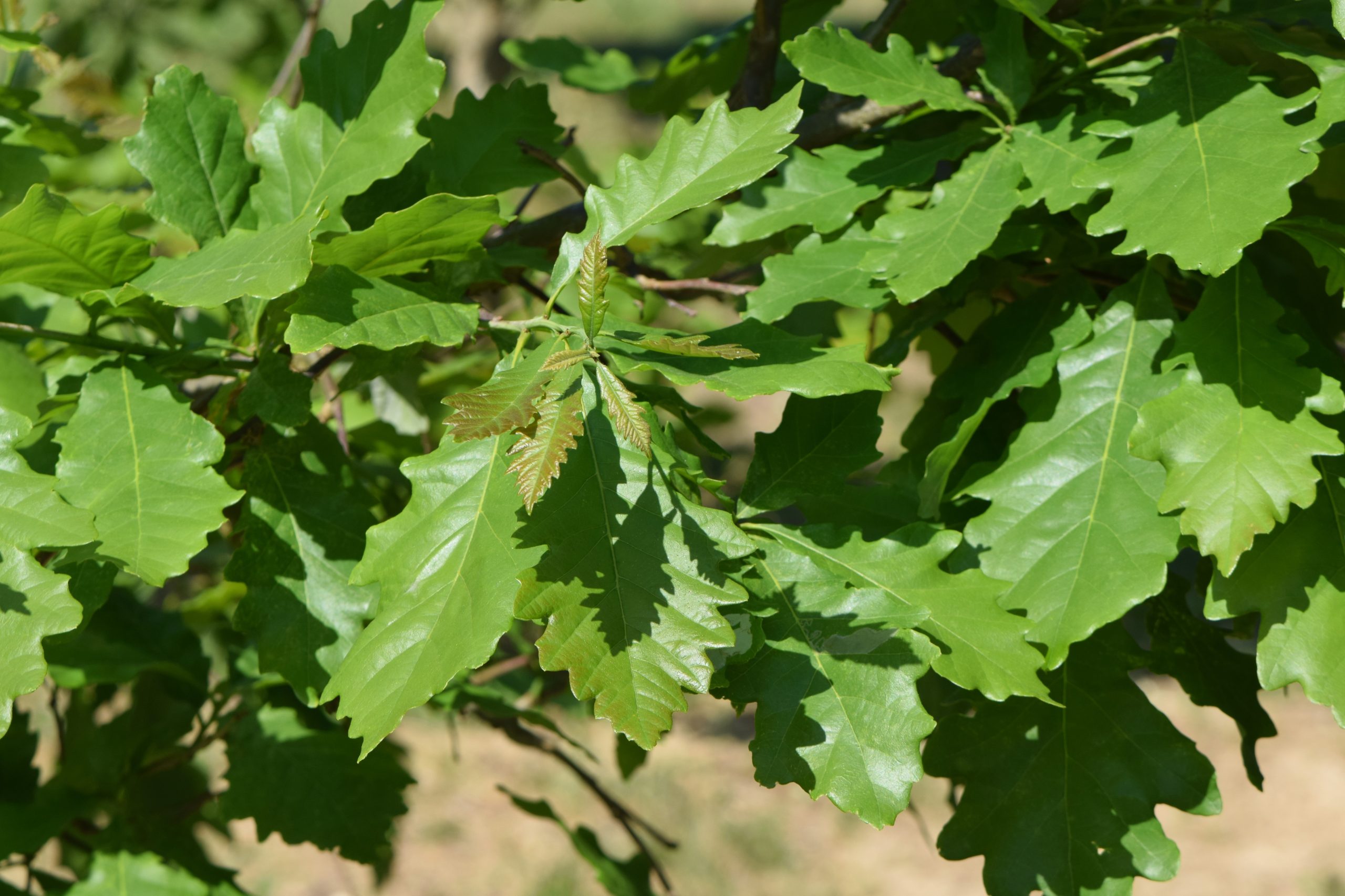
Swamp White Oak leaves display the striking two-toned coloration that gives the species its Latin name bicolor — dark glossy green above, pale white beneath.
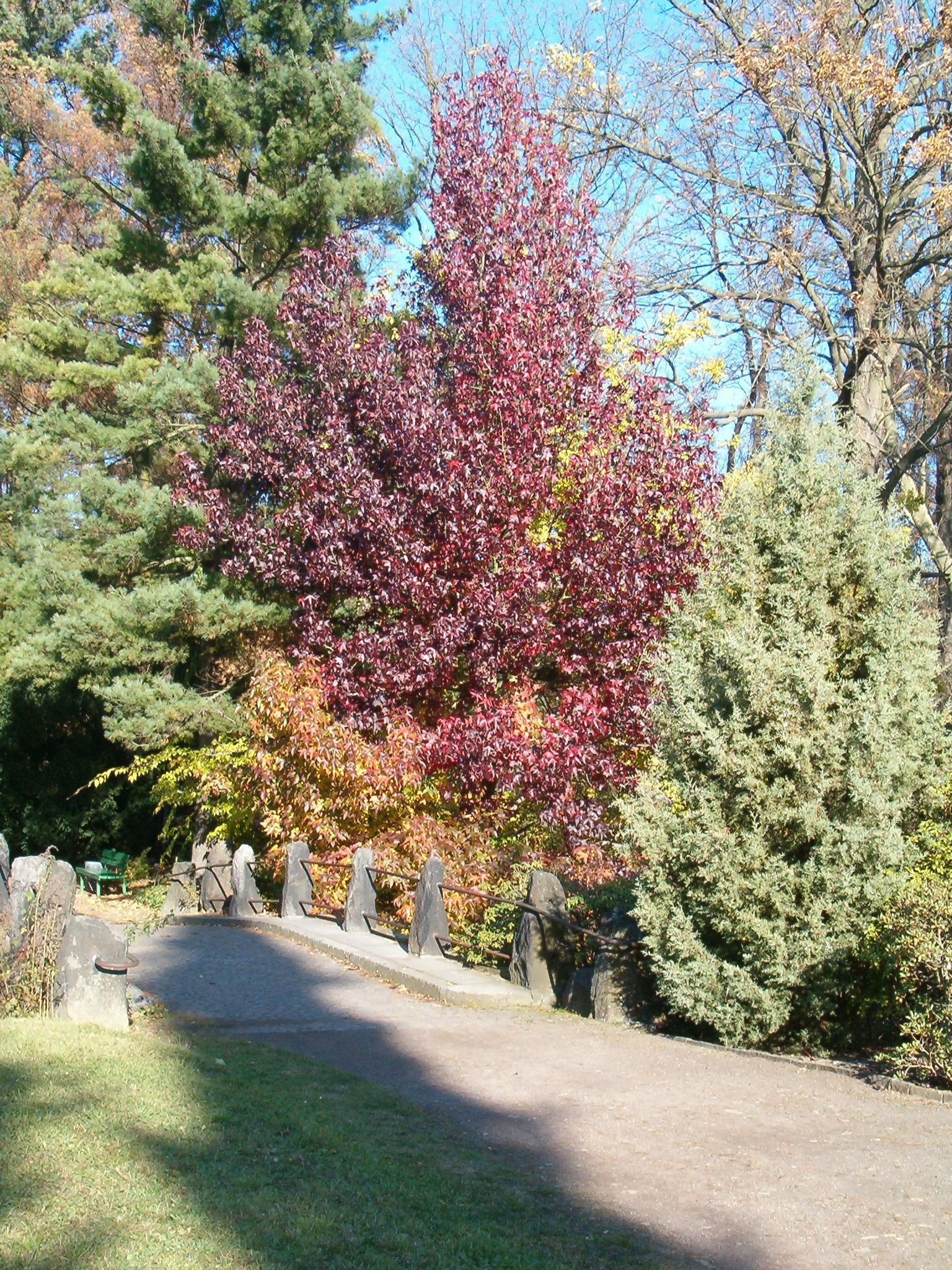
Sweetgum in full autumn display — a kaleidoscope of red, orange, and purple. Photo: Wikimedia Commons (CC BY-SA 3.0) Liquidambar styraciflua, the Sweetgum, is one
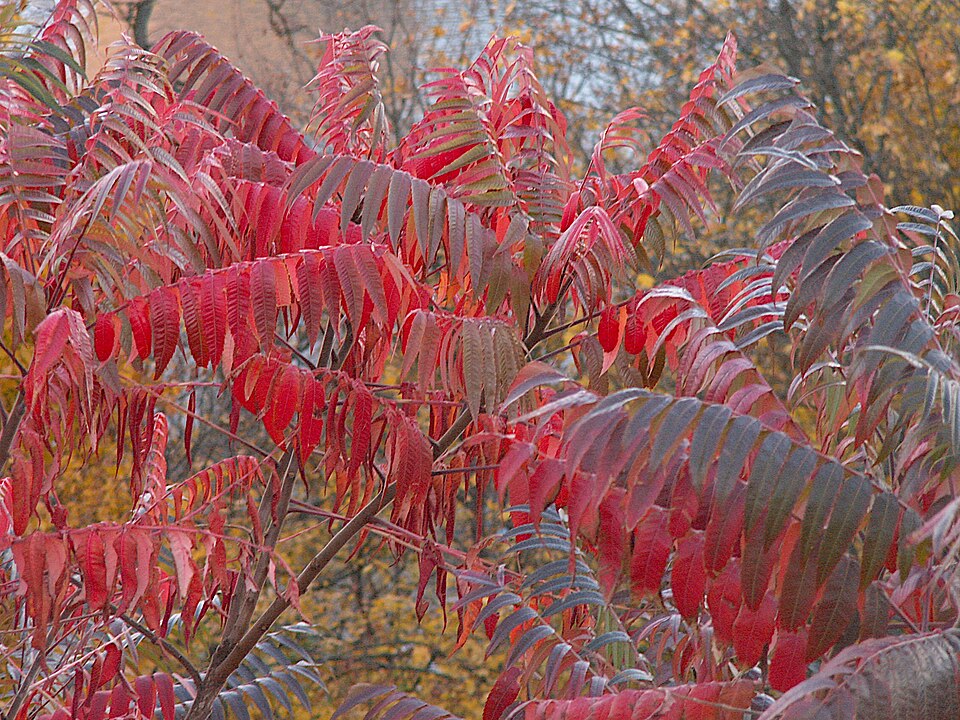
Staghorn Sumac in spectacular fall color — its scarlet foliage and upright red fruit clusters make it one of the most striking native shrubs in

Spring Beauty — one of the earliest and most delicate native wildflowers of eastern woodlands. Photo: Wikimedia Commons (CC0) Claytonia virginica, commonly known as Spring
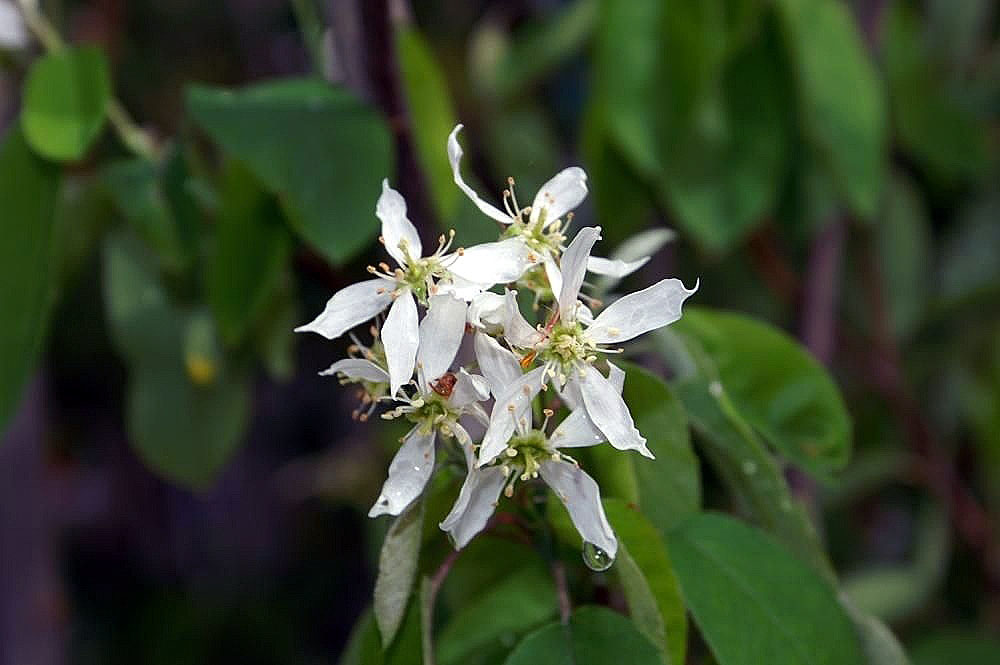
Shadblow in full bloom — among the first native shrubs or trees to flower each spring, its white blossoms appear while the landscape is still
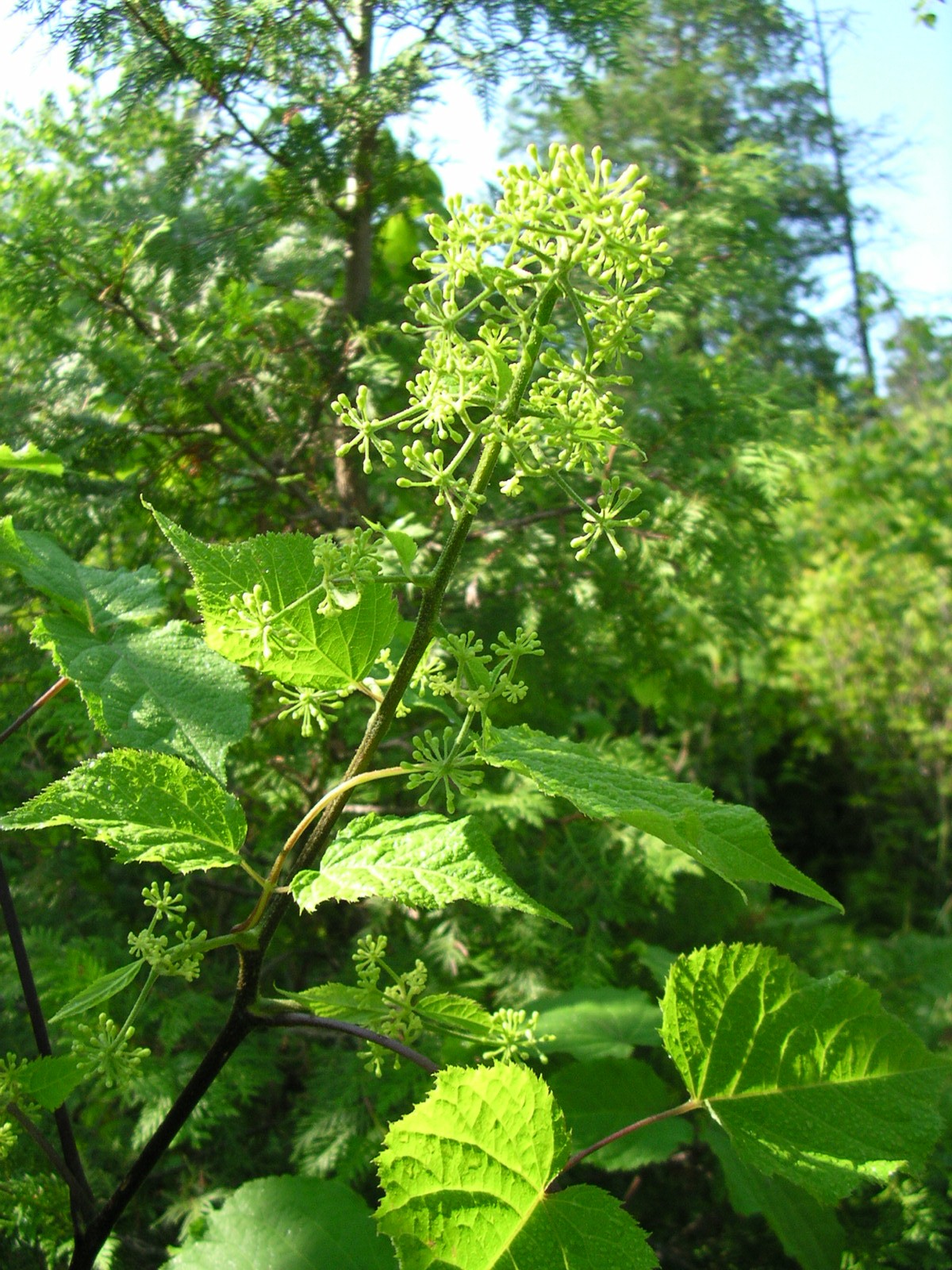
Spikenard’s bold, tropical-looking compound leaves create a lush, dramatic presence in the shaded garden. Photo: Wikimedia Commons (CC BY 2.0) Aralia racemosa, commonly known as
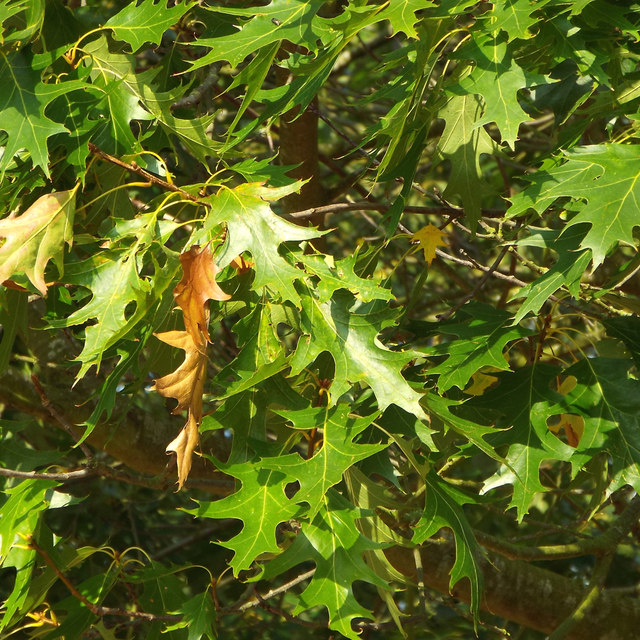
Scarlet Oak in spectacular fall display — among the most vivid reds in the eastern forest. Photo: Wikimedia Commons (CC BY-SA 2.0) Quercus coccinea, the
View More