River Birch (Betula nigra)
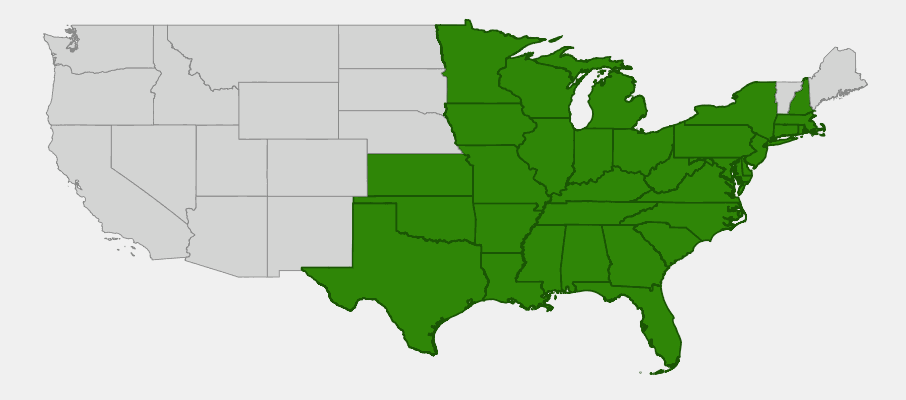
Betula nigra, commonly known as River Birch, Black Birch, or Red Birch, stands as one of North America’s most distinctive and ecologically valuable native trees. This remarkable member of the Betulaceae (birch) family has earned its place as a cornerstone species throughout the eastern United States, where its characteristic diamond-shaped, exfoliating bark and graceful form make it instantly recognizable along riverbanks, floodplains, and moist woodlands from southern Maine to northern Florida, and west to Kansas and eastern Texas.
Unlike most birches, River Birch thrives in warm, humid climates and demonstrates exceptional heat tolerance, making it the only birch species naturally occurring in the southeastern United States. Its ability to grow in both full sun and partial shade, coupled with its tolerance of seasonal flooding and various soil conditions, has made it increasingly popular in landscape design and urban forestry throughout its native range and beyond. The tree’s rapid growth rate, reaching 40 to 70 feet at maturity, creates valuable habitat structure while providing exceptional wildlife benefits.
River Birch holds particular significance in riparian ecosystems, where it often forms extensive groves along stream corridors and serves as a pioneer species in flood-disturbed areas. Its fibrous root system excels at erosion control, while its seeds provide crucial food resources for numerous bird species, particularly goldfinches, redpolls, and siskins. The modest yellow fall color adds seasonal interest, though it is the tree’s year-round architectural beauty and ecological contributions that make it truly invaluable for native plant enthusiasts and restoration practitioners.
Identification
River Birch is easily distinguished from other native trees by its distinctive bark, growth habit, and leaf characteristics. Mature trees typically reach 40 to 70 feet in height with a 40 to 60-foot spread, though exceptional specimens can exceed 90 feet. The species commonly develops multiple trunks or a strongly buttressed single trunk, creating an irregular, open crown that is wider than it is tall.
Bark
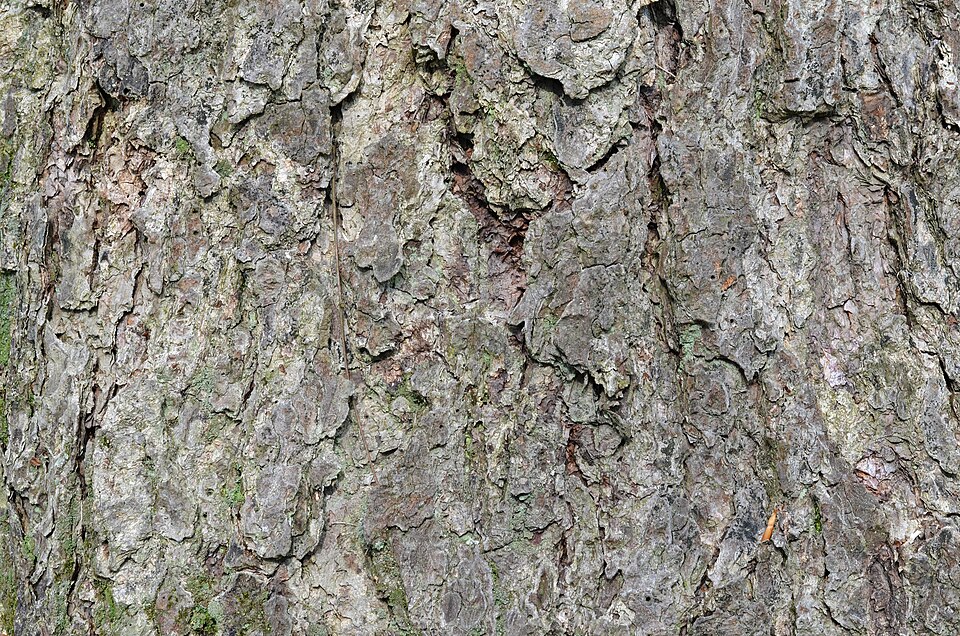
The bark is River Birch’s most memorable feature and changes dramatically with age. Young trees display smooth, reddish-brown to salmon-pink bark that begins peeling in paper-thin sheets by age 8 to 10 years. On mature trees, the bark becomes thick and deeply furrowed at the base, while the upper trunk and major branches maintain the characteristic exfoliating habit. The papery bark strips curl away from the trunk in irregular sheets, revealing inner bark ranging from salmon-pink to creamy white, creating a distinctive mottled appearance that provides year-round visual interest.
Leaves
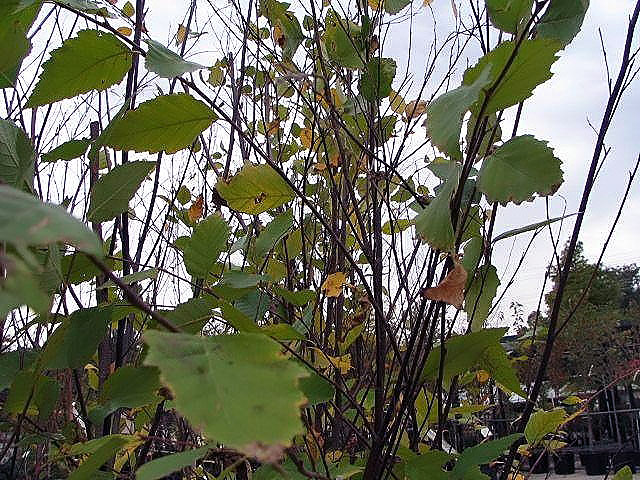
The leaves are alternate, simple, and ovate to diamond-shaped, measuring 1½ to 3½ inches long and 1 to 2½ inches wide. Each leaf displays a distinctive double-serrated margin with prominent veining, creating a textured appearance. The upper surface is dark green and somewhat glossy, while the underside is pale gray-green to whitish, often with fine hairs (tomentose) when young. Leaf stems (petioles) are short, typically ½ to ¾ inch long, and may be slightly hairy. The foliage emerges relatively late in spring, often after other deciduous trees have leafed out.
Flowers & Fruit
River Birch is monoecious, producing separate male and female flowers on the same tree. Male catkins (aments) are pendulous, 2 to 4 inches long, and appear at the ends of twigs during winter, becoming conspicuous as they lengthen and mature in early spring before leaf emergence. Female catkins are much smaller, about ½ to 1½ inches long, and appear upright near the tips of branchlets.
The fruit consists of small, cone-like catkins containing numerous tiny, winged seeds (samaras). These mature from May through July, with seeds dispersing throughout the growing season rather than all at once like many other birches. The seeds are extremely small, measuring about ⅛ inch long including the wings, and are light brown to reddish-brown in color. This extended seed dispersal period enhances the species’ colonization success in suitable habitats.
Quick Facts
| Scientific Name | Betula nigra |
| Family | Betulaceae (Birch) |
| Plant Type | Deciduous Tree |
| Mature Height | 40–70 ft |
| Sun Exposure | Full Sun |
| Water Needs | Moderate to High |
| Bloom Time | March – April |
| Flower Color | Yellow-green catkins |
| USDA Hardiness Zones | 4–9 |
Native Range
River Birch enjoys the distinction of being the most widely distributed birch species in North America, with a native range extending from southern Maine and southern New Hampshire southwest to northern Florida, and west through much of the eastern United States to southeastern Minnesota, eastern Kansas, and eastern Texas. This extensive distribution reflects the species’ remarkable adaptability to diverse climatic conditions, from the cool, humid regions of New England to the hot, humid environments of the Gulf Coast states.
The species reaches its greatest abundance and largest size in the rich alluvial soils of major river valleys, including the Mississippi River bottomlands, where it forms extensive, nearly pure stands. River Birch is particularly common throughout the southeastern Coastal Plain, the Piedmont region, and the Ohio River Valley, where it serves as a dominant component of riparian forest communities. The tree’s ability to tolerate both drought and flooding makes it invaluable in areas subject to seasonal water level fluctuations.
Within its native range, River Birch typically occurs at elevations below 2,000 feet, though scattered populations exist at higher elevations in the Appalachian Mountains. The species demonstrates remarkable ecological flexibility, thriving in environments ranging from permanently wet swamplands to relatively dry upland sites, though it consistently performs best in moist, well-drained soils with consistent moisture availability throughout the growing season.
📋 Regional plant lists featuring River Birch: North Carolina & South Carolina
Growing & Care Guide
River Birch ranks among the most adaptable and low-maintenance native trees for cultivation, making it an excellent choice for both experienced gardeners and beginners. Its tolerance of urban conditions, rapid growth rate, and minimal pest problems have made it increasingly popular in residential and commercial landscapes throughout its hardiness range.
Light
While River Birch performs best in full sun, it demonstrates remarkable tolerance for partial shade conditions. Trees grown in full sun develop denser, more symmetrical crowns and exhibit more vigorous growth rates, typically adding 2 to 3 feet per year during their first two decades. In partial shade, growth slows somewhat, but the trees remain healthy and develop an attractive, open canopy. Avoid deep shade locations, as this can lead to sparse foliage and increased susceptibility to fungal diseases.
Soil & Water
The species thrives in consistently moist, well-drained soils but demonstrates surprising tolerance for both temporary flooding and moderate drought once established. River Birch performs best in slightly acidic to neutral soils (pH 5.0–7.0) with good organic matter content. The tree readily adapts to clay, loam, or sandy soils, though it may struggle in extremely heavy clay that stays waterlogged for extended periods.
Regular irrigation during the first two growing seasons encourages rapid establishment and strong root development. Once established, mature trees can tolerate brief drought periods, though consistent moisture availability promotes optimal growth and helps prevent premature leaf drop during hot summer weather. Mulching with 2 to 4 inches of organic material helps maintain soil moisture and suppress competing vegetation.
Planting Tips
Plant River Birch in fall or early spring for best establishment results. Choose a location with adequate space for the mature canopy spread, keeping trees at least 20 to 30 feet from structures and power lines. The species transplants easily from container stock and typically establishes quickly when planted properly. Dig planting holes two to three times wider than the root ball but no deeper than the original soil level.
When planting multiple trees, space them 25 to 40 feet apart for individual specimen development, or 15 to 20 feet apart for a naturalistic grove effect. River Birch can also be grown as a large multi-stemmed shrub by encouraging low branching through selective pruning during the first few years.
Pruning & Maintenance
River Birch requires minimal pruning beyond removal of dead, damaged, or crossing branches. The best time for pruning is late fall through early winter when the tree is dormant and sap flow is minimal. Avoid pruning during spring sap flow period (March through May) as this can result in excessive bleeding, though it rarely harms the tree’s health.
Young trees may benefit from structural pruning to establish strong scaffold branching, but mature trees develop naturally attractive forms with minimal intervention. Remove suckers that emerge from the base if a single-trunk form is desired, though many gardeners prefer the natural multi-stem growth habit that enhances the species’ distinctive character.
Landscape Uses
River Birch’s versatility makes it valuable in numerous landscape applications:
- Specimen tree — showcasing distinctive bark and graceful form
- Shade tree — rapid growth provides relatively quick canopy development
- Riparian restoration — excellent for stream bank stabilization and wetland edges
- Wildlife habitat — seeds attract numerous songbird species
- Urban forestry — tolerates air pollution and compacted soils
- Naturalistic plantings — combines well with other native species in woodland gardens
- Erosion control — fibrous root system stabilizes slopes and banks
- Seasonal interest — attractive bark provides year-round appeal
Wildlife & Ecological Value
River Birch provides exceptional wildlife habitat and ecological services throughout its range, supporting complex food webs and serving critical ecosystem functions. As a pioneer species in disturbed riparian areas, it helps initiate forest succession while providing immediate benefits to wildlife populations.
For Birds
The tiny seeds produced abundantly by River Birch serve as crucial food resources for numerous finch species, including American Goldfinch, Purple Finch, and Pine Siskin. Redpolls, when present during winter irruptions, also rely heavily on birch seeds. Game birds such as Ruffed Grouse, Wild Turkey, and Northern Bobwhite consume both seeds and catkins, while many woodpecker species, including Downy, Hairy, and Pileated Woodpeckers, forage for insects in the bark crevices.
The dense branching structure and relatively open canopy make River Birch attractive for nesting songbirds. Species commonly nesting in River Birch include American Robin, Eastern Kingbird, Yellow Warbler, and Baltimore Oriole. The tree’s tendency to develop multiple trunks creates diverse nesting opportunities at various heights, accommodating species with different habitat preferences.
For Mammals
White-tailed deer browse River Birch foliage, particularly new growth and saplings, though mature trees are generally not heavily damaged. Beavers occasionally use River Birch for food and construction material, though they typically prefer softer woods like cottonwood and willow when available. Small mammals including squirrels and chipmunks collect and cache the seeds, inadvertently contributing to seed dispersal.
For Pollinators
Although River Birch is wind-pollinated, the early spring catkins provide valuable pollen resources for native bees when few other food sources are available. Honeybees and various native bee species collect birch pollen, particularly during poor weather when other flowers are less productive. The extended flowering period, lasting several weeks in early spring, makes River Birch a reliable resource during this critical period.
Ecosystem Role
River Birch plays crucial roles in riparian ecosystem stability and function. Its extensive fibrous root system effectively controls soil erosion along stream banks and helps filter runoff, improving water quality in adjacent waterways. The species’ tolerance of flooding and rapid regrowth after disturbance make it valuable for natural flood control and stream channel stabilization.
As leaf litter decomposes relatively quickly compared to many other tree species, River Birch contributes significant organic matter to soil development in riparian zones. This enriched soil supports diverse understory plant communities and provides habitat for numerous invertebrate species that form the base of complex food webs. The tree’s role as a pioneer species facilitates establishment of longer-lived forest species, contributing to overall ecosystem resilience and succession.
Cultural & Historical Uses
River Birch holds a rich history of human use stretching back thousands of years to Indigenous peoples throughout its native range. Native American tribes utilized virtually every part of the tree, demonstrating the species’ remarkable versatility and value to human communities long before European settlement.
The Cherokee, Creek, and other southeastern tribes traditionally used River Birch bark to create containers, canoe coverings, and roofing materials. Unlike the paper birch of northern regions, River Birch bark was typically harvested in smaller sheets and often woven or sewn together for larger applications. The bark’s natural oils provided water resistance, making it valuable for food storage containers and temporary shelters. Archaeological evidence suggests that River Birch bark was also used to create torches, as the oils burn slowly and produce steady light.
Indigenous peoples throughout the tree’s range recognized the medicinal properties of River Birch. The inner bark was traditionally prepared as teas to treat digestive ailments, respiratory conditions, and various inflammatory disorders. The Cherokee specifically used River Birch preparations for treating dysentery and other gastrointestinal problems. Poultices made from the bark were applied to wounds and skin conditions, taking advantage of the bark’s anti-inflammatory and antimicrobial compounds.
European settlers quickly adopted many Indigenous uses for River Birch while developing additional applications. The wood, though not as durable as many hardwoods, was used for furniture, tool handles, and interior finishing where its attractive grain pattern was prized. Early American furniture makers particularly valued River Birch for its workability and finishing characteristics, though the wood’s tendency to warp limited its use in larger applications.
During the 18th and 19th centuries, River Birch bark became commercially important for tanning leather. The bark contains high levels of betulin and other tannins that were essential for leather production, particularly in the southeastern states where other tannin sources were less abundant. This commercial harvesting, combined with land clearing for agriculture, significantly reduced River Birch populations in some areas, though the species’ rapid growth and prolific seed production allowed relatively quick recovery when harvesting pressure decreased.
In modern times, River Birch has gained recognition primarily as an ornamental and restoration species rather than for utilitarian purposes. However, contemporary herbalists continue to explore traditional medicinal uses, and the species plays important roles in modern ecological restoration projects throughout its range. The tree’s rapid growth, erosion control capabilities, and wildlife benefits have made it a cornerstone species for riparian restoration and urban forestry initiatives across the eastern United States.
Frequently Asked Questions
How fast does River Birch grow?
River Birch is considered a fast-growing tree, typically adding 2 to 3 feet in height per year during its first 15 to 20 years. Growth rate depends on growing conditions, with trees in moist, fertile soils and full sun achieving maximum growth rates. After reaching maturity, growth slows considerably, but the tree continues to increase in canopy spread and trunk diameter.
Is River Birch messy?
River Birch does drop seeds periodically throughout the growing season, and the exfoliating bark creates some debris. However, most gardeners find the cleanup minimal compared to the tree’s aesthetic and ecological benefits. The seeds are tiny and inconspicuous, while the bark strips are lightweight and decompose relatively quickly when left in place.
Can River Birch be planted near foundations or septic systems?
While River Birch has an extensive root system, it’s generally less aggressive than many other fast-growing trees. However, it’s still advisable to plant trees at least 20 to 30 feet from foundations and septic drain fields. The species’ love of moisture means roots will seek out water sources, potentially causing problems if planted too close to infrastructure.
Does River Birch attract bronze birch borer?
River Birch is significantly more resistant to bronze birch borer than most other birch species, particularly Paper Birch and Gray Birch. While borers can occasionally attack stressed River Birch trees, healthy specimens in appropriate growing conditions rarely experience serious infestations. This resistance is one reason for the species’ increasing popularity in landscape applications.
What’s the difference between River Birch and Paper Birch?
River Birch and Paper Birch differ significantly in bark color, climate adaptation, and growing requirements. River Birch has salmon-pink to reddish-brown exfoliating bark, thrives in warm climates (zones 4-9), and prefers moist soils. Paper Birch has white bark with dark horizontal markings, requires cool climates (zones 2-6), and is much more susceptible to heat stress and bronze birch borer attacks.

Looking for a nursery that carries River Birch?
Browse our native plant nursery directory: North Carolina · South Carolina