White Wood Aster (Aster divaricatus)
Aster divaricatus, commonly known as White Wood Aster, is a delicate perennial wildflower native to eastern North America’s deciduous and mixed forests. This charming member of the Asteraceae (sunflower) family creates clouds of tiny white star-shaped flowers in late summer and fall, lighting up shaded woodland areas when most other wildflowers have finished blooming. The species name “divaricatus” refers to its widely spreading, somewhat zigzagging branching pattern that gives the plant an airy, graceful appearance.
Growing 1 to 3 feet tall with a spread of 2 to 4 feet, White Wood Aster forms loose colonies through underground rhizomes, creating naturalistic drifts that look particularly stunning when backlit by autumn sunlight filtering through the forest canopy. Its heart-shaped basal leaves and smaller stem leaves provide attractive foliage throughout the growing season, while the profuse late-season flowers provide critical nectar for migrating butterflies and other pollinators preparing for winter.
This adaptable native is an excellent choice for shade gardens, woodland edges, and naturalized areas. Unlike many asters that prefer full sun, White Wood Aster thrives in partial to full shade, making it invaluable for brightening up darker corners of the landscape. Its tolerance for dry conditions once established, combined with its ability to spread naturally, makes it perfect for low-maintenance native plantings and restoration projects throughout its range.
Identification
White Wood Aster is a perennial herb that typically grows 1 to 3 feet tall, spreading 2 to 4 feet wide through underground rhizomes. The plant has a distinctive growth form with widely spreading, somewhat zigzagging branches that create an open, airy appearance. The main stems are smooth and often take on a purplish or reddish color, especially in fall.
Leaves
The basal leaves are heart-shaped (cordate) with long petioles, measuring 2 to 6 inches long and nearly as wide. These lower leaves are the most prominent feature during spring and early summer. The stem leaves become progressively smaller as they ascend the plant, eventually becoming sessile (without petioles) and more lance-shaped near the top. All leaves have serrated margins and are somewhat rough to the touch. The foliage typically turns yellow in fall before dying back.
Flowers
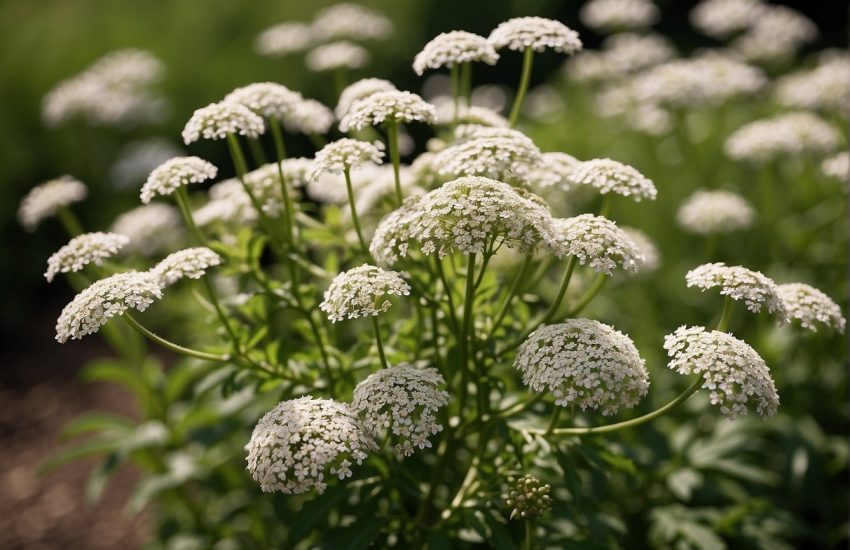
The flowers appear in late summer to early fall (August through October) in loose, spreading clusters called panicles. Each flower head is small, about ½ inch across, with 8 to 20 narrow white ray petals (actually ray flowers) surrounding a small yellow center of disc flowers. The abundance of these small flower heads creates the characteristic cloud-like effect that makes this species so attractive. Individual flowers are excellent for close examination, showing the classic daisy-family structure.
Seeds & Fruit
The seeds are small achenes topped with white, fluffy pappus (similar to dandelion seeds) that aid in wind dispersal. The seeds mature in late fall and are an important food source for goldfinches and other small songbirds. The dried seed heads can persist into winter, adding subtle texture to the dormant landscape.
Quick Facts
| Scientific Name | Aster divaricatus |
| Family | Asteraceae (Sunflower) |
| Plant Type | Perennial Wildflower |
| Mature Height | 1–3 ft |
| Sun Exposure | Part Shade to Full Shade |
| Water Needs | Moderate |
| Bloom Time | August – October |
| Flower Color | White with yellow centers |
| USDA Hardiness Zones | 4–8 |
Native Range
White Wood Aster has a broad native range across eastern North America, extending from southern Canada south to Georgia and west to Saskatchewan, Minnesota, and eastern Kansas. The species is most abundant in the deciduous and mixed forests of the Appalachian Mountains, the Great Lakes region, and the northeastern United States. It grows from sea level to moderate elevations in the mountains, typically found in the understory of mature forests.
This adaptable wildflower thrives in a variety of forest types, including oak-hickory forests, maple-beech-birch forests, and mixed hardwood-conifer stands. It shows a particular affinity for sites with rich, well-drained soils and dappled sunlight, though it can tolerate quite dry conditions once established. White Wood Aster often grows alongside other shade-tolerant wildflowers like Wild Ginger, Mayapple, and various ferns.
The species’ ability to spread through rhizomes allows it to form extensive colonies in suitable habitat, creating the spectacular late-season displays for which it is known. Climate change and forest fragmentation have affected some populations, but the species remains common and stable throughout most of its range, particularly in protected forest areas.
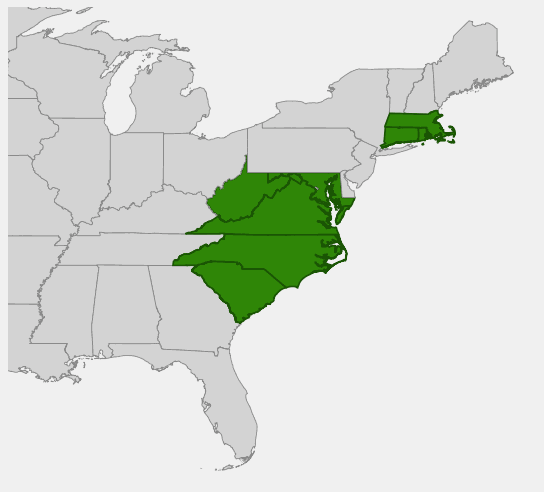
📋 Regional plant lists featuring White Wood Aster: North Carolina & South Carolina
Growing & Care Guide
White Wood Aster is one of the easiest native wildflowers to grow, particularly for gardeners dealing with challenging shady conditions. This adaptable perennial thrives with minimal care once established and will reward you with years of late-season blooms that attract butterflies and beneficial insects when most other flowers have finished.
Light
Unlike most members of the sunflower family, White Wood Aster actually prefers partial to full shade. It will grow in full sun but performs best with morning sun and afternoon shade, or dappled light throughout the day. In too much sun, the foliage may appear stressed and the plant will require more frequent watering. This shade tolerance makes it invaluable for woodland gardens and areas under mature trees.
Soil & Water
White Wood Aster is quite adaptable to different soil conditions but performs best in rich, well-drained soil with adequate organic matter. It tolerates both slightly acidic and neutral soils (pH 6.0-7.5) and can handle occasional drought once established, though it looks best with consistent moisture during the growing season. Good drainage is important to prevent root rot in heavy clay soils.
Planting Tips
Plant in spring or fall, spacing plants 18-24 inches apart to allow for natural spreading. White Wood Aster spreads by underground rhizomes, so give it room to form colonies if desired, or plant it where the spreading can be controlled by mulched paths or lawn edges. It pairs beautifully with other shade-loving natives like Wild Ginger, Coral Bells, and ferns.
Maintenance
This is truly a low-maintenance plant. Cut back spent flower stems in late fall or leave them for winter interest and bird food. The plant will self-sow moderately, and unwanted seedlings are easy to pull. Divide clumps every 3-4 years in spring if they become too large or to propagate new plants. No fertilizer is typically needed in woodland settings.
Landscape Uses
White Wood Aster excels in shade gardens, woodland borders, rain gardens, and naturalized areas. It’s perfect for lighting up dark corners and creating a meadow-like effect in shaded areas. The late bloom time makes it essential for supporting migrating butterflies and other pollinators in fall.
Wildlife & Ecological Value
White Wood Aster provides exceptional wildlife value, particularly for pollinators and birds during the critical late-season period when many other food sources are becoming scarce.
For Pollinators
The late summer and fall blooms of White Wood Aster are crucial for butterflies preparing for migration or overwintering. Monarch butterflies, skippers, and various fritillaries rely heavily on fall-blooming asters for nectar. Native bees, including bumblebees and solitary bees, also visit the flowers extensively. The long bloom period provides a reliable nectar source when most other wildflowers have finished blooming.
For Birds
The fluffy seeds are eagerly consumed by American Goldfinches, Pine Siskins, and other small songbirds throughout fall and winter. The dried seed heads persist well into winter, providing food during the harshest months. The plant’s spreading growth habit also creates shelter for ground-foraging birds and small mammals.
For Other Wildlife
The foliage serves as host plant for several butterfly and moth caterpillars, including the Pearl Crescent and various skipper species. Small mammals like chipmunks and mice also consume the seeds, while the rhizomatous root system helps prevent soil erosion in woodland areas.
Ecosystem Role
As a late-season bloomer in shaded environments, White Wood Aster fills an important ecological niche. It extends the pollinator season in forest understory areas and helps support the complex web of insects that form the base of woodland food chains. Its ability to spread and colonize disturbed areas also makes it valuable for forest restoration.
Cultural & Historical Uses
White Wood Aster holds a modest but meaningful place in North American ethnobotany and folk tradition. Indigenous peoples of the eastern woodlands recognized and utilized this late-blooming wildflower for both practical and ceremonial purposes, though it was never as prominent as some other native plants in traditional medicine.
Several Native American tribes, including the Cherokee and Iroquois, used various aster species medicinally, though specific documentation of White Wood Aster use is limited. The Cherokee are recorded as using aster root preparations for fever and stomach troubles, while other tribes incorporated asters into ceremonies related to fall harvest and preparation for winter. The plant’s ability to bloom so late in the season made it symbolically important as one of the last gifts of the growing season.
In folk medicine traditions brought by European settlers, White Wood Aster and related species were sometimes used in poultices for wounds and skin conditions, though these uses were not as well-developed as with other native plants. The flowers were occasionally used to make yellow dyes for textiles, though the color was not particularly fast or vibrant compared to other dye plants.
Today, White Wood Aster is primarily valued for its ecological and ornamental qualities rather than any practical uses. Its greatest contribution to human culture may be its role in supporting the pollinators that are essential for food production, and its beauty in late-season gardens when most other flowers have faded. The species has become increasingly important in native plant gardening and restoration ecology as people recognize the value of supporting native ecosystems.
Frequently Asked Questions
Is White Wood Aster the same as aromatic aster or fall-blooming aster?
White Wood Aster is sometimes confused with other fall-blooming asters, but it has distinctive heart-shaped basal leaves and a more open, spreading growth habit. Aromatic Aster (Symphyotrichum oblongifolium) has smaller, more numerous leaves and typically grows in sunnier locations.
Will White Wood Aster take over my garden?
White Wood Aster spreads by rhizomes but is not aggressively invasive. It forms loose colonies that can be easily controlled by pulling unwanted plants or creating barriers. In most garden settings, its spreading nature is considered beneficial for creating naturalistic drifts.
Why isn’t my White Wood Aster blooming?
The most common cause is too much shade or competition from other plants. While shade-tolerant, the plant needs some light to bloom well. Also ensure the plant is mature enough – young plants may not bloom in their first year. Too much fertilizer can also promote leaf growth at the expense of flowers.
When should I cut back White Wood Aster?
You can cut it back in late fall after the seeds have dispersed, or leave the stems for winter interest and bird food, cutting them back in early spring before new growth emerges. Many gardeners prefer to leave some stems standing for wildlife value.
Can I grow White Wood Aster from seed?
Yes, but the seeds require cold stratification (a cold, moist period) to germinate. Collect ripe seeds in fall and either sow them directly in the garden or store them in slightly moist sand in the refrigerator for 30-60 days before spring sowing. Division of established plants is easier and more reliable.

Looking for a nursery that carries White Wood Aster?
Browse our native plant nursery directory: North Carolina · South Carolina