Oregon Crab Apple (Malus fusca)
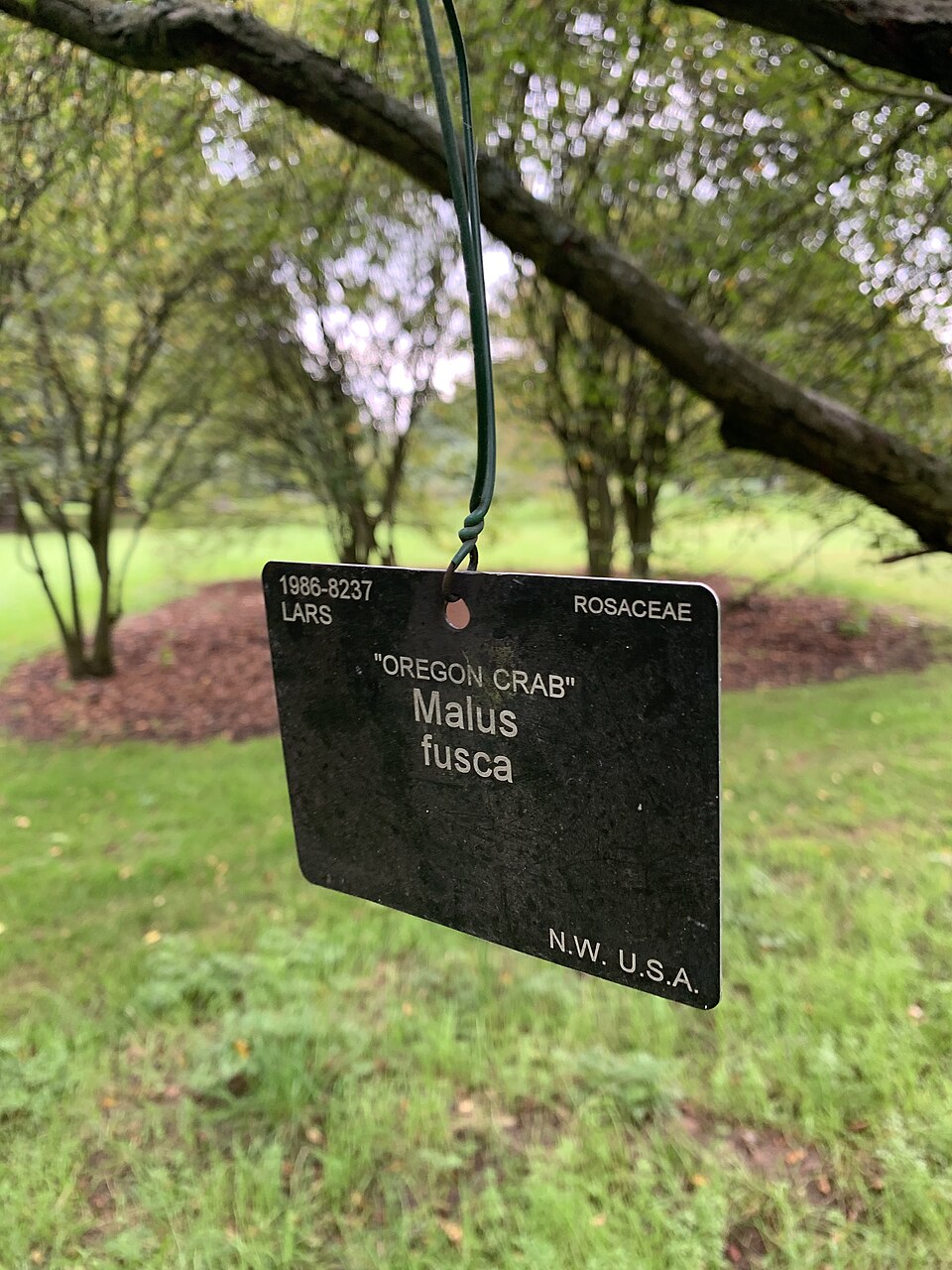
Malus fusca, commonly known as Oregon Crab Apple or Pacific Crab Apple, stands as the Pacific Northwest’s only native apple species and one of its most ecologically valuable small trees. This hardy deciduous tree creates stunning seasonal displays with delicate white to pale pink spring blossoms, small colorful fruits that persist into winter, and brilliant orange to red autumn foliage. Native to the coastal temperate rainforests and moist valleys from Alaska to northern California, Oregon Crab Apple has adapted to thrive in the region’s wet winters and relatively dry summers, making it an excellent choice for both restoration projects and wildlife-friendly gardens.
Quick Facts
| Scientific Name | Malus fusca (Raf.) C.K. Schneid. |
| Plant Type | Deciduous tree/large shrub |
| Height | 15–35 ft |
| Sun Exposure | Full sun to partial shade |
| Water Needs | Moderate to high |
| Soil Type | Adaptable; tolerates clay and wet soils |
| Soil pH | Slightly acidic to neutral (6.0-7.5) |
| Bloom Time | April to May |
| Flower Color | White to pale pink |
| USDA Hardiness Zones | 4-9 |
Identification
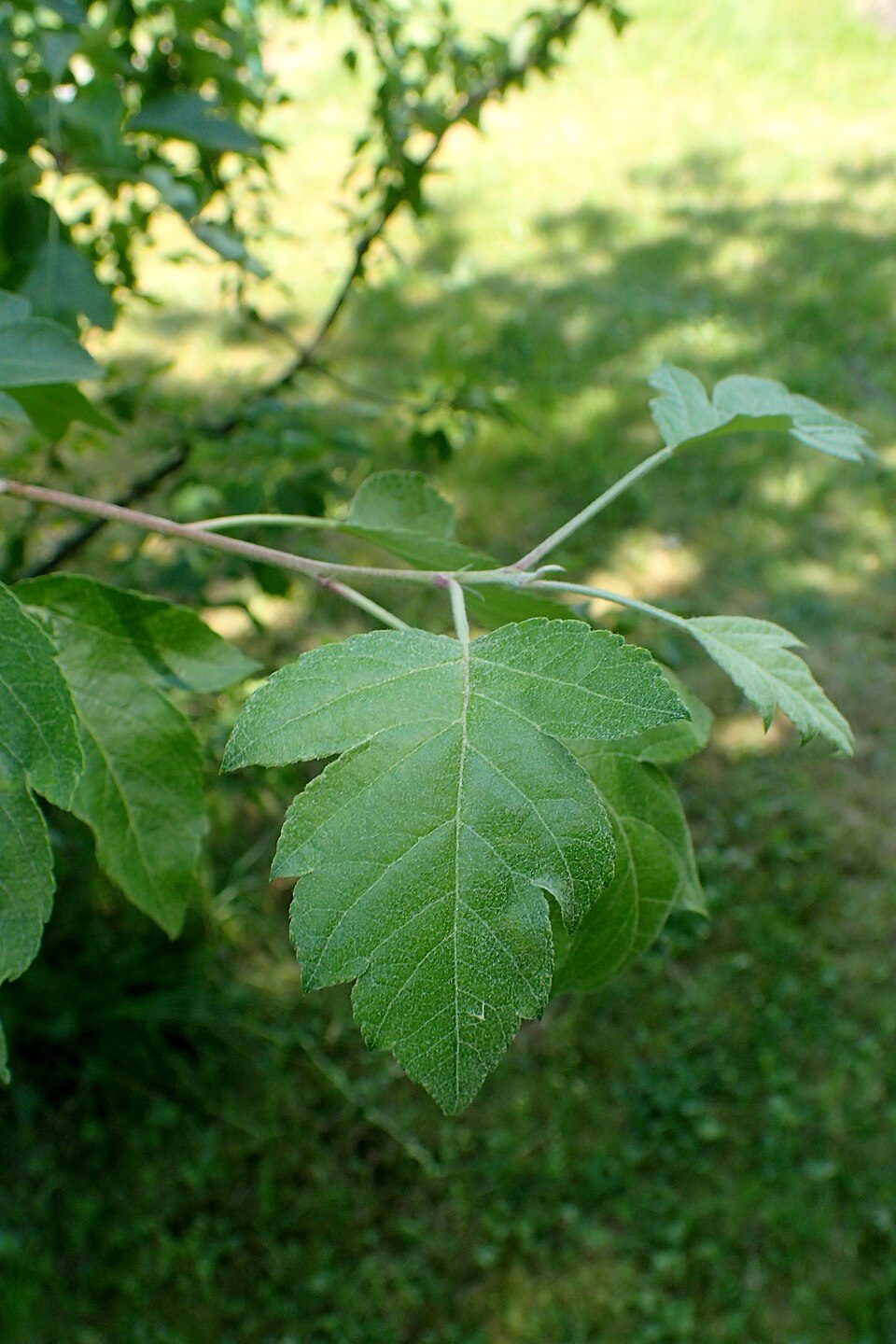
Oregon Crab Apple is easily recognized by its distinctive combination of simple, serrated leaves, abundant spring flowers, and small apple-like fruits. As a member of the rose family (Rosaceae), it shares many characteristics with its cultivated apple relatives while maintaining the hardiness and adaptability of a true native species.
Growth Form
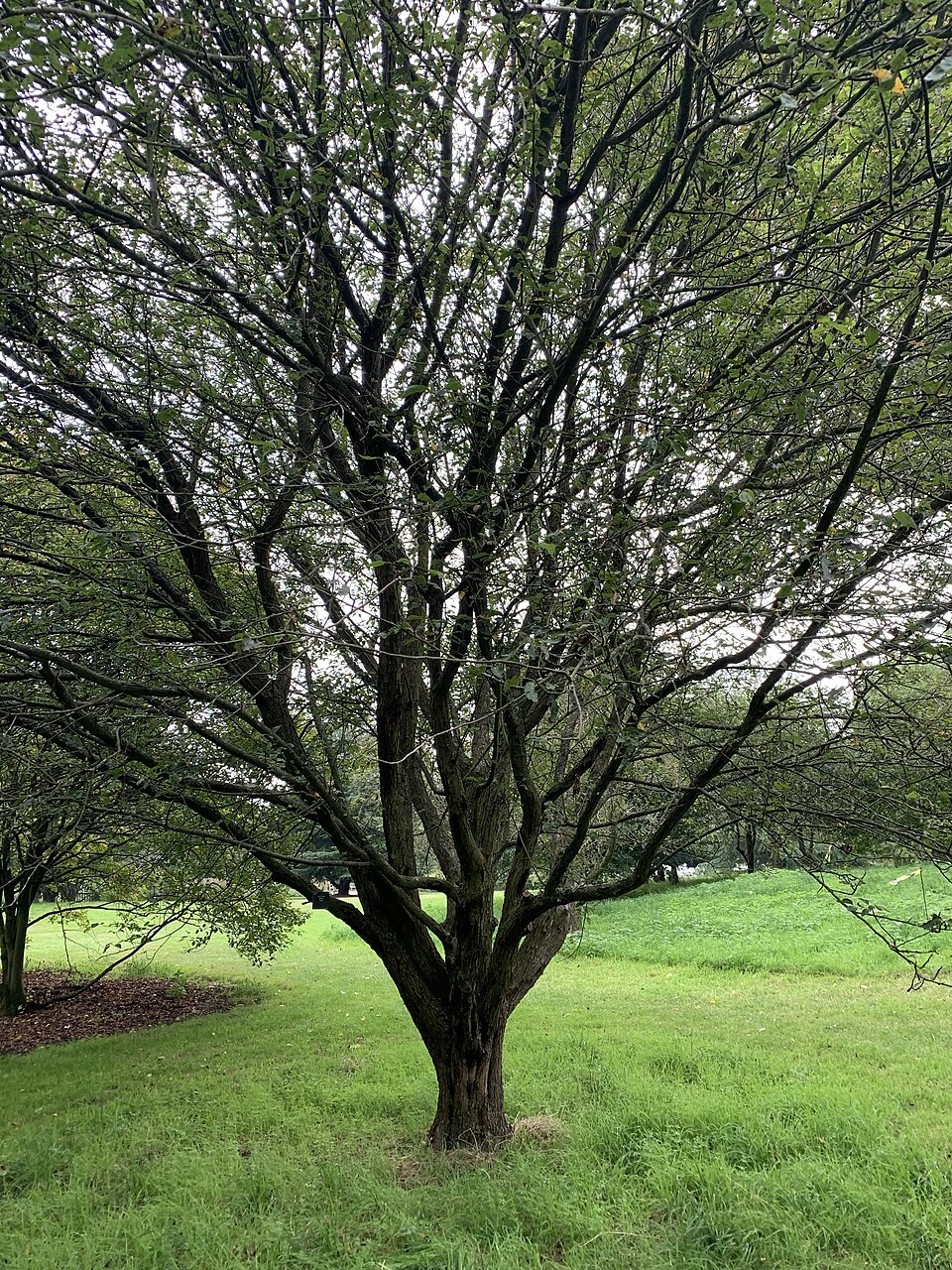
In optimal conditions, Oregon Crab Apple develops into a small to medium-sized tree reaching 25-40 feet tall with a spread of 15-25 feet. However, its growth form varies significantly with site conditions. In exposed coastal locations or areas with poor drainage, it may remain shrubby, forming dense thickets 6-15 feet tall. The species often develops multiple trunks, creating an attractive multi-stemmed specimen that works well in both naturalistic and formal landscape settings.
The bark is smooth and gray when young, developing shallow furrows and a slightly scaly texture with age. Branch structure tends to be somewhat irregular, contributing to the tree’s naturalistic appearance that fits seamlessly into Pacific Northwest landscapes.
Leaves
The leaves are simple, alternate, and deciduous, measuring 2-4 inches long and 1.5-2.5 inches wide. They are broadly oval to oblong with finely serrated margins that give them a delicately textured appearance. Leaf surfaces are dark green above and paler beneath, often with a slightly fuzzy texture when young that becomes smooth with maturity.
One of Oregon Crab Apple’s most spectacular features is its autumn color display. Beginning in October, the leaves transform into brilliant shades of orange, red, and yellow, creating one of the most reliable and striking fall color displays of any Pacific Northwest native tree. The intensity and duration of fall color make this species particularly valuable for seasonal garden interest.
Flowers
The abundant spring flowers appear in April to May, typically just as the new leaves are emerging or slightly before. Flowers are arranged in small clusters (corymbs) of 6-12 individual blossoms, each measuring about 0.5 inches across. The five-petaled flowers open white or pale pink, with numerous prominent stamens creating a delicate, frothy appearance when the tree is in full bloom.
Individual flowers exhibit the classic rose family structure with five rounded petals surrounding a center of 15-20 pink-anthered stamens. The flowers produce a subtle, sweet fragrance that attracts numerous pollinators, particularly native bees and flies. The blooming period typically lasts 2-3 weeks, providing an extended period of ornamental value and pollinator resources.
Fruits
The small fruits (technically pomes) are one of Oregon Crab Apple’s most distinctive features. Measuring 0.5-0.75 inches in diameter, they ripen from green through yellow to various shades of red, orange, and deep purple, often with multiple colors present on the same tree. The fruits have the characteristic apple shape, complete with a small depression at the blossom end and persistent sepals.
Fruit production is typically abundant, with mature trees producing hundreds of small apples that create spectacular displays from late summer through winter. The fruits are edible but very tart and astringent, requiring processing to be palatable. They remain on the tree well into winter, providing crucial food resources for wildlife during the lean months and extending the tree’s ornamental value throughout the dormant season.
Native Range
Oregon Crab Apple enjoys one of the most extensive north-south distributions of any Pacific Northwest native tree, reflecting its remarkable adaptability to diverse climatic conditions. The species naturally occurs along the entire Pacific coast from southeastern Alaska through British Columbia, Washington, Oregon, and into northwestern California, with the southernmost populations found in Humboldt and Mendocino counties.
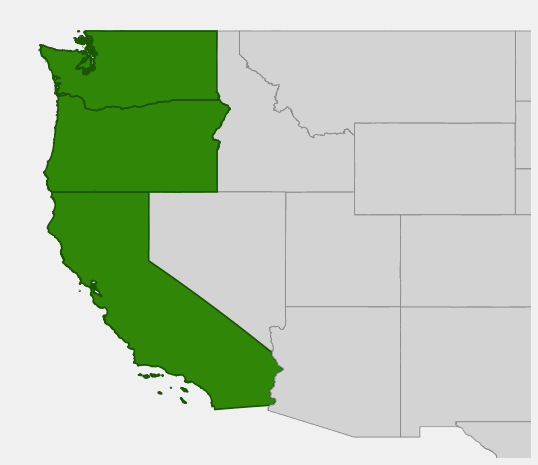
The species demonstrates remarkable ecological flexibility, occurring from sea level coastal forests to montane valleys at elevations up to 2,500 feet. This broad elevational tolerance reflects Oregon Crab Apple’s ability to adapt to varying temperature and precipitation regimes while maintaining its preference for areas with reliable moisture availability.
Throughout its range, Oregon Crab Apple typically inhabits riparian zones, wet meadows, forest edges, and other areas where soils remain moist through much of the year. The species shows particular affinity for alluvial soils along streams and rivers, where its extensive root system helps stabilize banks while benefiting from the rich, well-aerated growing medium.
In coastal areas, Oregon Crab Apple often forms extensive thickets in areas disturbed by storms, landslides, or human activity. These dense stands serve important ecological functions, providing wildlife habitat and erosion control while creating conditions suitable for the eventual establishment of coniferous forest species.
The species’ northern limit in Alaska corresponds roughly with the extent of the temperate rainforest climate, while its southern limit in California reflects the transition to Mediterranean climate conditions where summer drought becomes too severe for the species’ moisture requirements.
📋 Regional plant lists featuring Oregon Crab Apple: Western Oregon & Western Washington
Growing & Care Guide
Oregon Crab Apple proves surprisingly adaptable in cultivation, tolerating a wider range of growing conditions than many Pacific Northwest natives. Success depends primarily on providing adequate moisture and understanding the species’ preference for cool, humid conditions that mimic its native habitat.
Site Selection
Choose locations with morning sun and afternoon shade in warmer inland areas, or full sun in cooler coastal locations. Oregon Crab Apple tolerates various exposures but performs best where it receives at least 6 hours of direct sunlight daily during the growing season. In hot summer areas, afternoon shade helps prevent stress and maintains better overall plant health.
The species adapts well to both level and sloping sites, though it shows particular vigor when planted near water features, rain gardens, or other areas with consistent moisture availability. Avoid planting in areas that experience hot, drying winds, which can cause leaf scorch and stress even when soil moisture is adequate.
Soil Requirements
One of Oregon Crab Apple’s greatest assets is its soil adaptability. Unlike many fruit trees, it thrives in heavy clay soils and tolerates periods of seasonal flooding, making it excellent for rain gardens, bioswales, and areas with drainage challenges. The species also grows well in sandy loams and rich alluvial soils, though it may require more frequent irrigation in fast-draining locations.
Soil pH tolerance ranges from slightly acidic to slightly alkaline (6.0-7.5), with optimal growth occurring in neutral to slightly acidic conditions. The species shows good salt tolerance, making it suitable for coastal plantings where salt spray and occasional storm surge may affect growing conditions.
While Oregon Crab Apple tolerates poor drainage better than most trees, it still requires adequate soil aeration around the root zone. In areas with extremely heavy clay or compacted soils, consider creating raised planting areas or incorporating organic matter to improve soil structure.
Water Management
Consistent moisture proves essential for optimal growth and fruit production, particularly during the active growing season from spring through early fall. In its native range, Oregon Crab Apple benefits from the Pacific Northwest’s wet winters and relies on stored soil moisture and summer fog to survive the drier summer months.
Newly planted trees require regular irrigation through their first 2-3 years while establishing extensive root systems. Once established, mature trees show good drought tolerance but perform best with supplemental water during extended dry periods. Deep, infrequent watering encourages robust root development and better long-term drought resistance.
Mulching around trees helps conserve soil moisture while suppressing competing vegetation. Apply 2-4 inches of organic mulch in a ring extending to the drip line, keeping mulch several inches away from the trunk to prevent moisture-related diseases and rodent damage.
Planting and Establishment
Oregon Crab Apple can be established from seed, though most gardeners prefer nursery-grown plants for faster results and more predictable characteristics. When selecting nursery stock, choose plants with well-developed root systems and healthy, disease-free foliage.
Plant in early spring before bud break or in fall after leaf drop, avoiding hot summer months when establishment stress is highest. Dig planting holes twice as wide as the root ball but no deeper, ensuring the root crown sits at or slightly above the surrounding soil level.
For seed propagation, collect fully ripe fruits in fall and extract seeds by mashing and washing away pulp. Seeds require 90-120 days of cold, moist stratification for reliable germination. Plant stratified seeds in spring in prepared nursery beds or directly in permanent locations.
Pruning and Maintenance
Oregon Crab Apple requires minimal pruning once established, though selective pruning can enhance form and flowering. Prune in late winter or early spring before bud break to remove dead, damaged, or crossing branches and to open the canopy for better air circulation.
Young trees benefit from training to develop strong scaffold branches and an open center that reduces disease pressure and storm damage. Remove suckers and water sprouts regularly to maintain desired form and prevent the development of dense thickets.
Unlike hybrid crabapples, Oregon Crab Apple shows excellent natural disease resistance and rarely requires chemical treatments. However, providing good air circulation through proper spacing and pruning helps prevent the occasional occurrence of fungal diseases during exceptionally wet conditions.
Wildlife & Ecological Value
Oregon Crab Apple ranks among the most ecologically valuable native trees in the Pacific Northwest, providing four-season resources for diverse wildlife communities while serving important ecological functions in riparian and edge habitats. Its combination of flowers, fruits, nesting sites, and cover makes it indispensable for wildlife-friendly gardens and restoration projects.
Pollinators and Beneficial Insects
The abundant spring flowers attract an impressive diversity of native pollinators during the critical early season period when few other woody plants are blooming. Native bees, including various sweat bees (Halictus species), mining bees (Andrena species), and leafcutter bees (Megachile species), visit flowers extensively for both nectar and pollen resources.
Hover flies (Syrphidae) represent particularly important Oregon Crab Apple pollinators, with adults feeding on nectar while their larvae provide biological pest control by consuming aphids and other soft-bodied insects. The flowers’ open structure and accessible nectar make them ideal for these beneficial insects.
Various native beetles and beneficial wasps also utilize the flowers, contributing to pollination while providing ecosystem services such as pest control and organic matter decomposition. The extended 2-3 week blooming period ensures sustained pollinator resources during the spring activity peak.
Birds
Oregon Crab Apple fruits provide crucial food resources for numerous bird species, particularly during fall migration and winter months when other food sources become scarce. The small size and soft texture of the fruits make them accessible to birds ranging from tiny kinglets to large grouse.
American Robins, Cedar Waxwings, and various thrush species consume the fruits extensively, often gathering in large flocks during peak ripening periods. These birds serve as important seed dispersers, helping establish new Oregon Crab Apple populations in suitable habitats throughout the region.
Game birds including Ruffed Grouse and Blue Grouse rely heavily on the fruits during winter months, when the persistent fruits provide reliable nutrition during harsh weather periods. The fruits’ high sugar content provides essential energy for maintaining body temperature and supporting winter survival.
Many songbird species utilize Oregon Crab Apple trees for nesting, attracted by the dense branching structure and thorny twigs that provide protection from predators. The trees often support multiple nests simultaneously, creating small bird communities that enhance garden wildlife diversity.
Mammals
Black bears represent the most significant mammalian consumers of Oregon Crab Apple fruits, often traveling considerable distances to reach productive trees during late summer and fall. The fruits provide important pre-hibernation nutrition, with their high sugar content helping bears build essential fat reserves.
Various small mammals including chipmunks, squirrels, and mice also consume the fruits and disperse seeds, though they tend to be less effective dispersers than birds due to their more limited travel distances. Deer occasionally browse young shoots and foliage, though mature trees typically grow beyond browsing height.
The dense branching structure and potential for forming thickets makes Oregon Crab Apple valuable for small mammal cover and nesting sites. Various rodent species create nests within the protected interior branches, while larger mammals use established groves for shelter during harsh weather.
Ecosystem Services
Oregon Crab Apple provides numerous ecosystem services beyond direct wildlife support. Its extensive, fibrous root system excels at stabilizing streambanks and slopes while improving soil structure through root channels and organic matter contributions. The species is frequently used in riparian restoration projects for these soil stabilization qualities.
The trees serve as effective windbreaks and privacy screens while providing cooling through evapotranspiration and shade. In urban settings, mature Oregon Crab Apple trees help moderate local climate conditions and reduce energy costs for nearby buildings.
The species’ tolerance for pollution and disturbed soils makes it valuable for environmental remediation projects, where it can establish on marginal sites while creating improved conditions for other native species. Over time, Oregon Crab Apple groves often serve as nurse habitats for forest succession, protecting and supporting the establishment of shade-tolerant conifers.
Cultural and Historical Significance
Oregon Crab Apple holds profound cultural significance for indigenous peoples of the Pacific Northwest, who have utilized every part of the plant for thousands of years. Traditional ecological knowledge recognizes the species as both an important food source and versatile material for tools, medicine, and cultural objects.
Traditional Food Uses
The fruits, while tart and astringent when fresh, become important traditional foods when properly processed. Indigenous groups developed sophisticated techniques for preparing the fruits, including drying, cooking, and fermentation methods that reduced astringency while concentrating nutrients and extending storage life.
Fresh fruits were often cooked into sauces and preserves, mixed with salmon oil or other fats to create nutritious, high-energy foods suitable for winter storage. The high pectin content made the fruits particularly valuable for creating preserved foods that would maintain quality through the winter months.
Some groups fermented the fruits into mildly alcoholic beverages consumed during ceremonial occasions, while others dried them into leather-like sheets that could be stored for years without spoilage. These traditional processing methods demonstrate sophisticated understanding of food chemistry and preservation techniques.
Material Culture
The dense, fine-grained wood proved excellent for creating small tools and implements requiring durability and precision. Traditional craftspeople carved Oregon Crab Apple wood into fishing hooks, needles, combs, and various ceremonial objects valued for their smooth finish and attractive grain patterns.
The inner bark provided fiber for cordage and basketry, while the outer bark was processed for various medicinal preparations. The straight, flexible branches were valued for creating snowshoe frames, fishing implements, and other items requiring strength combined with flexibility.
Medicinal Applications
Traditional medicine utilized various parts of Oregon Crab Apple for treating numerous ailments. Bark preparations were commonly used for digestive disorders, with the astringent properties helping treat diarrhea and stomach complaints. Fruit preparations served similar purposes while providing important vitamins during winter months when fresh plant foods were unavailable.
External applications included bark poultices for treating wounds, skin conditions, and eye infections. The astringent and antimicrobial properties of various plant compounds likely contributed to the effectiveness of these traditional treatments, though modern users should consult healthcare professionals rather than attempting to self-medicate with plant preparations.
Landscape Design and Companion Planting
Oregon Crab Apple excels in naturalistic landscape designs that emphasize seasonal interest and wildlife value. Its moderate size and attractive form make it suitable for both residential gardens and larger landscape installations, while its ecological value enhances any native plant community.
Design Applications
As a specimen tree, Oregon Crab Apple provides four-season interest with spring flowers, summer foliage, fall color, and winter fruit display. The irregular branching pattern and naturalistic form work particularly well in cottage gardens, wildlife gardens, and other informal landscape styles.
For privacy screening and windbreak applications, plant Oregon Crab Apple in small groves or mixed with other native trees to create effective barriers while supporting diverse wildlife communities. The species’ tolerance for wet soils makes it excellent for rain gardens, bioswales, and other sustainable stormwater management systems.
In restoration plantings, Oregon Crab Apple serves as an excellent pioneer species that improves site conditions while providing immediate wildlife habitat. Its rapid establishment and tolerance for difficult growing conditions make it valuable for stabilizing disturbed soils while nurse trees and shrubs become established.
Companion Plants
Native understory shrubs that pair well with Oregon Crab Apple include Red-flowering Currant (Ribes sanguineum), Serviceberry (Amelanchier alnifolia), and Oregon Grape (Mahonia aquifolium). These combinations create diverse habitat layers that support broader wildlife communities while providing extended seasonal interest.
Herbaceous companions might include native sedges, wild ginger (Asarum caudatum), and various native ferns that thrive in the partial shade created by mature Oregon Crab Apple trees. These groundcover plants help suppress weeds while creating naturalistic plant communities reminiscent of native forest edge habitats.
For larger installations, combine Oregon Crab Apple with other native trees such as Red Alder (Alnus rubra), Bigleaf Maple (Acer macrophyllum), and various native conifers to create diverse forest communities that provide habitat for the full spectrum of Pacific Northwest wildlife species.
Common Problems and Solutions
Oregon Crab Apple demonstrates remarkable disease resistance and pest tolerance compared to hybrid crabapples, though occasional problems may arise under certain growing conditions. Understanding these potential issues and their management helps ensure long-term plant success.
Fire Blight
While less susceptible than domestic apples, Oregon Crab Apple can occasionally develop fire blight infections during warm, humid spring conditions. Symptoms include blackened, wilted branch tips that appear as if burned by fire, along with cankers on branches and trunk.
Prevention through proper plant spacing, avoiding overhead irrigation, and maintaining good air circulation proves more effective than treatment. If fire blight appears, prune affected branches immediately, cutting at least 12 inches below visible symptoms and sterilizing tools between cuts.
Aphids
Various aphid species occasionally infest Oregon Crab Apple foliage, particularly during cool, moist spring conditions. While rarely causing serious damage, heavy infestations can reduce plant vigor and create unsightly honeydew deposits on leaves and branches.
Encourage natural predators including ladybugs, lacewings, and parasitic wasps through diverse plantings and avoiding broad-spectrum insecticides. If intervention becomes necessary, insecticidal soap or horticultural oil applications provide effective, environmentally friendly control.
Scale Insects
Soft scale insects occasionally establish on Oregon Crab Apple branches, appearing as small, brown or white bumps that excrete sticky honeydew. While typically not fatal, heavy infestations can weaken trees and attract sooty mold fungus that blackens foliage.
Dormant season applications of horticultural oil effectively control overwintering scale populations, while beneficial insects often provide adequate biological control during the growing season. Avoid excessive nitrogen fertilization, which can promote soft, succulent growth attractive to scale insects.
Oregon Crab Apple represents an ideal choice for Pacific Northwest gardeners seeking a beautiful, low-maintenance native tree that provides exceptional wildlife value while adapting to diverse growing conditions. Its combination of ornamental appeal and ecological function makes it indispensable for sustainable landscape designs that celebrate the region’s natural heritage while supporting biodiversity and environmental health.
Frequently Asked Questions
How fast does Oregon Crab Apple grow?
Oregon Crab Apple has a moderate growth rate under optimal conditions. Growth varies depending on soil moisture, light levels, and climate conditions. In favorable sites with adequate water and appropriate light, you can expect steady annual growth that will establish a mature specimen within several years.
Is Oregon Crab Apple deer resistant?
Like most native plants, Oregon Crab Apple may be browsed by deer, especially during winter months when other food sources are scarce. However, established plants are generally resilient to occasional browsing. Consider using physical barriers for young plants in areas with heavy deer pressure.
When is the best time to plant Oregon Crab Apple?
Fall planting is ideal for Oregon Crab Apple, as it allows the root system to establish during the cool, moist winter months before the stress of summer heat. Early spring planting is also successful if you can provide consistent watering through the first growing season.
Does Oregon Crab Apple need special soil conditions?
Oregon Crab Apple performs best in conditions that mimic its natural habitat. While adaptable to various soil types, it thrives in well-drained soil with adequate organic matter. Match the moisture and pH conditions of its native range for optimal health and growth.
Can Oregon Crab Apple be grown in containers?
Young Oregon Crab Apple plants can be successfully grown in containers for a time, making them suitable for patios, decks, or as temporary plantings. However, for long-term health and full development, transplanting to the ground is recommended once the plant reaches maturity.

Looking for a nursery that carries Oregon Crab Apple?
Browse our native plant nursery directory: Oregon · Washington