
Organic Pest Control for Oregano: Effective Methods to Protect Your Herb Garden
Last updated: September 5, 2026
Organic pest control for oregano leans on natural methods, skipping the harsh chemicals. The best results usually come from mixing physical barriers, helpful bugs, and natural sprays like neem oil or insecticidal soap.
This approach keeps oregano healthy, plus it protects the soil and nearby plants.
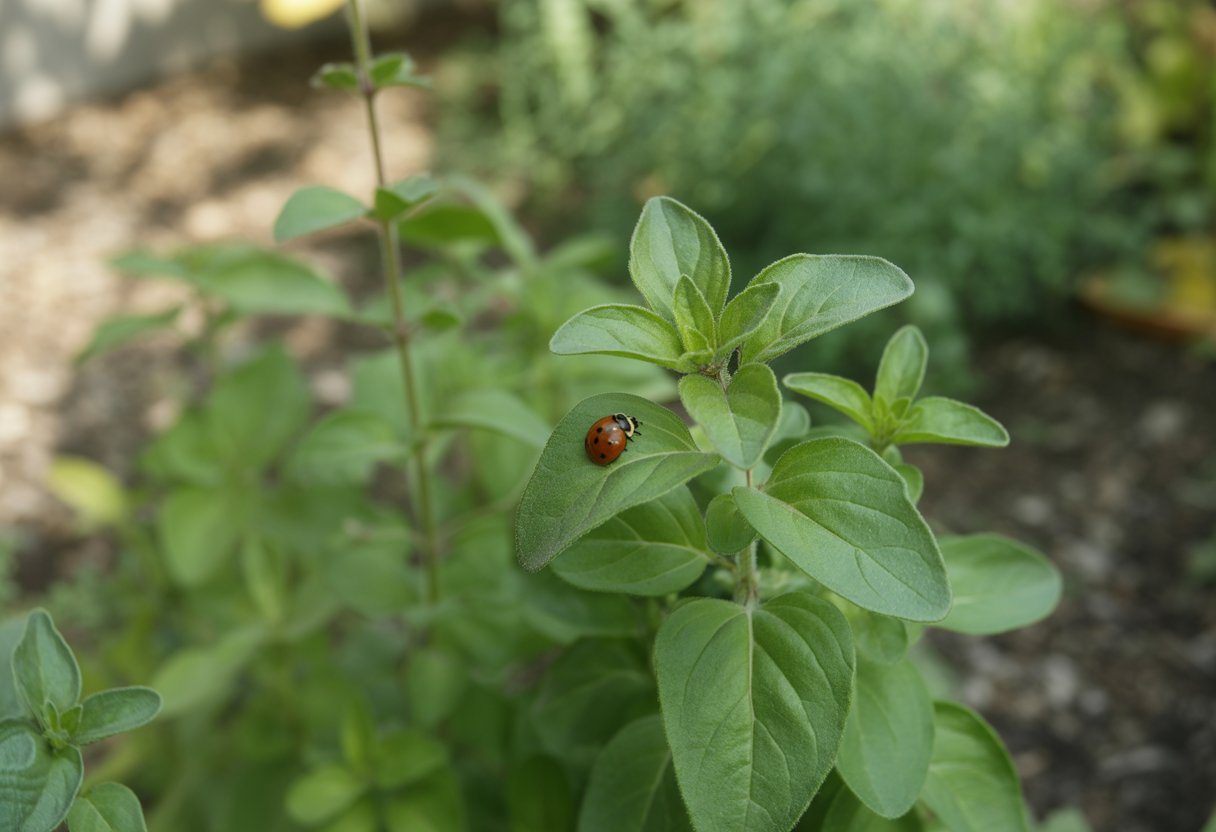
Oregano often deals with pests like aphids, spider mites, and whiteflies. These can really mess up your crop fast.
If you get to know how these pests work and use targeted organic fixes, you can knock down infestations before they get out of hand.
Choosing organic pest control keeps your garden chemical-free and supports healthier plants in the long run. It also means you get to harvest oregano that’s clean and full of flavor—without the guilt of harming the environment.
Understanding Pests That Affect Oregano
Oregano plants attract a variety of pests that can weaken growth and dull the flavor. Spotting problems early and knowing what to look for gives you a real shot at stopping damage before it spreads.
Common Pests of Oregano
Aphids, spider mites, and whiteflies top the list of oregano’s most frequent pests. Aphids crowd around fresh shoots, sucking out sap and leaving leaves curled and yellow.
Spider mites spin fine webs and cause speckled, faded leaves as they feed. Whiteflies, tiny and quick, hang out under the leaves, sucking sap and leaving sticky honeydew that leads to mold.
Every now and then, caterpillars or leaf miners show up, chewing or burrowing through leaves. Each pest has its favorite conditions—spider mites love it dry and warm, while whiteflies go for humidity.
Recognizing Signs of Infestations
Infestations usually start with small hints: yellowing, curling, or spotty leaves. If you see sticky residue, that’s probably aphids or whiteflies at work.
Webbing points to spider mites. Tiny holes? Think caterpillars. Winding trails inside leaves? Leaf miners.
If your oregano suddenly wilts or stops growing, check for a serious pest problem. Always peek under the leaves—most pests hide there.
Discoloration, dropped leaves, or twisted new shoots should make you take a closer look.
Impact of Pests on Oregano Health
When pests attack, they damage leaves and steal nutrients, making it tough for oregano to photosynthesize. That means slower growth and smaller harvests.
Sap-suckers like aphids and whiteflies can spread viruses and leave honeydew that invites mold. If you don’t catch an infestation early, the plant might lose all its leaves or even die.
Oregano’s signature aroma and flavor come from its essential oils, but pest stress drains the plant’s energy. That means less flavor and medicinal punch.
Organic Pest Control Methods for Oregano
If you want to keep pests off oregano, start with hand removal, physical barriers, and companion planting. Natural sprays can help, and bringing in beneficial insects helps keep pests away long-term.
Manual Removal and Physical Barriers
Manual removal means checking your oregano often for aphids, spider mites, or caterpillars. Just pick them off or use a gentle spray of water to knock off the small ones.
Physical barriers like row covers or mesh can block flying insects. If slugs or snails are a problem, try copper tape around pots or beds.
You’ll need to check these barriers now and then—pests are persistent and can squeeze through gaps.
Regular effort keeps pest numbers low and doesn’t harm the plant or its neighbors.
Companion Planting Strategies
Plant oregano near basil, marigold, or nasturtium to cut down on aphids and whiteflies. Some companion plants repel pests, while others attract good bugs that eat the bad ones.
Herbs like rosemary and thyme, with their strong scents, also help keep pests away. Tucking oregano among them builds a natural defense.
Mixing up your plantings makes the whole garden tougher and means you won’t need to intervene as often. It shakes up pest routines and draws in pest-eating insects.
Natural Sprays and Solutions
Neem oil mixed with water works as a solid insect repellent, knocking back aphids, mites, and scale. A 2% neem oil spray every week or so usually does the trick.
Insecticidal soaps can break down soft-bodied pests on contact, but you’ve got to cover all the leaves. Homemade sprays with garlic or chili pepper also chase off pests, though you’ll need to reapply after rain or heavy dew.
Encouraging Beneficial Insects
Ladybugs, lacewings, and parasitic wasps love to snack on oregano pests like aphids and caterpillars. If you can attract or introduce these insects, you’ll see fewer problems.
Planting nectar-rich flowers like yarrow or dill nearby brings in the good bugs. Skip broad-spectrum insecticides—they wipe out helpful insects along with the pests.
If you make your garden a welcoming spot for beneficial insects, you won’t need to reach for sprays as often.
Maintaining a Healthy Oregano Garden
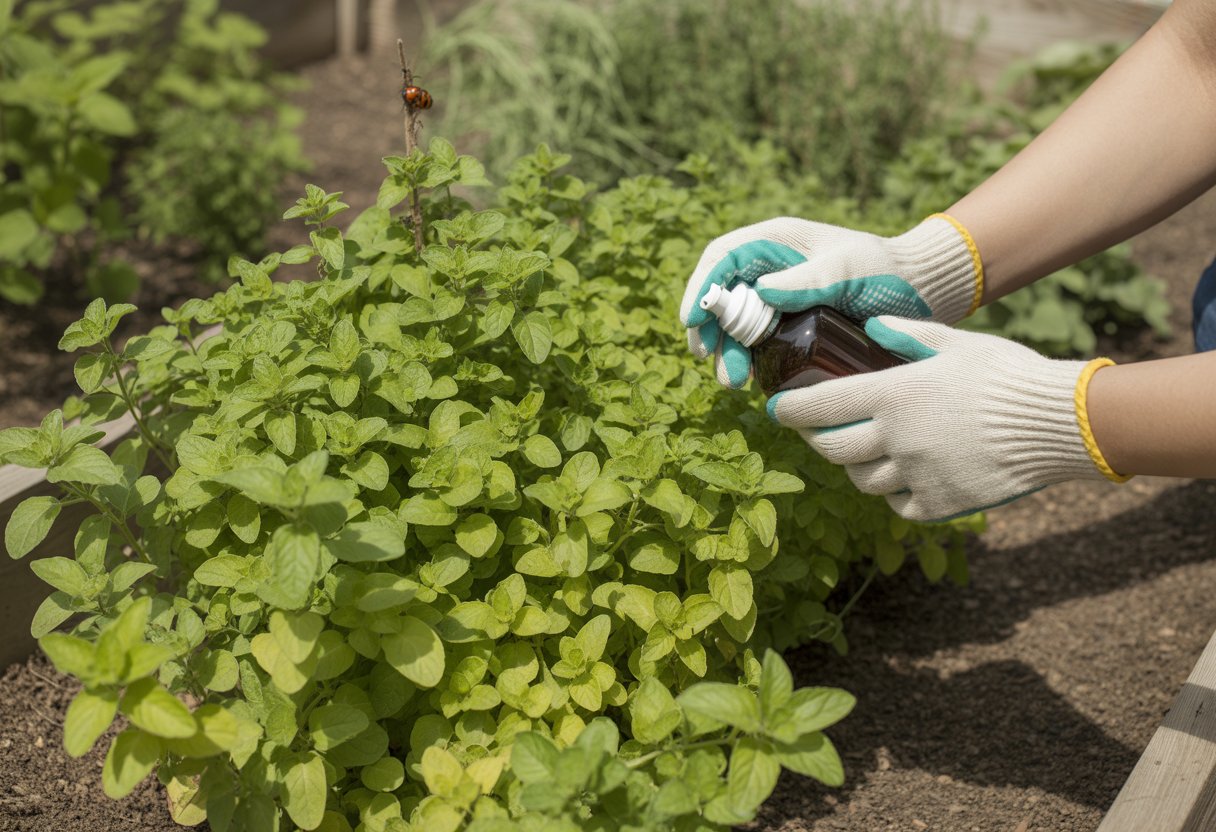
A healthy oregano garden starts with balanced soil, steady watering, and a bit of TLC. These basics help your plants grow strong and naturally fend off pests.
Soil Health and Cultivation Practices
Oregano likes soil that drains well—sandy or loamy is best—with a slightly alkaline pH, somewhere around 6.0 to 8.0. Mixing in compost makes the soil richer and helps roots thrive.
Loosen the soil around your plants every so often. Roots need air, and compacted soil just doesn’t cut it.
Mulch with straw or wood chips to keep moisture in and weeds out. Crop rotation and companion planting with basil or rosemary can help break pest cycles.
Go easy on the fertilizer—oregano does better in moderately fertile soil.
Proper Watering and Fertilization
Oregano needs water, but not too much. Keep the soil moist, not soggy. Overwatering invites root rot and fungus.
Try to water early in the day so leaves dry off before night. Fertilize once a month during the growing season, but don’t overdo it.
Too much nitrogen means lots of leaves but weaker flavor and less pest resistance. Use a moisture meter or just stick your finger in the soil to check if it’s time to water.
Regular Monitoring and Maintenance
Check your oregano plants every week for pests like aphids or spider mites. Spotting problems early lets you use organic fixes, like neem oil or insecticidal soap, before things get out of hand.
Trim off spent flowers and dead leaves to help the plants grow bushier. This also cuts down on places where pests might hide.
Clear away any debris around your oregano to stop fungal infections and help air move through. If you notice yellowing leaves or the plants just aren’t growing right, tweak your care routine—maybe it’s a nutrient thing, or maybe pests are back.
I work at a garden center and customers ask about this all the time. Good resource to share.
Thank you for reading, Amy! Happy planting! -Plant Native Team