
Top Greenhouse Heaters for Cold Climates: 5 Efficient Options for 2026
We independently select all products and services. If you click through links we provide, Plant Native may earn a commission with no extra cost to you.
Last updated: November 14, 2026
Greenhouse heaters are essential for maintaining optimal growing conditions in cold climates. These devices ensure plants thrive by providing consistent warmth, even when outdoor temperatures drop.
A well-chosen heater can extend the growing season, protect delicate plants from frost, and create a more hospitable environment for a wider variety of crops.
Selecting the right greenhouse heater involves considering several factors.
Heat output, energy efficiency, and safety features are crucial elements to evaluate. The size of your greenhouse, local climate, and types of plants you’re growing will also influence your choice.
It’s important to find a balance between sufficient heating capacity and energy consumption to keep costs manageable.
We researched and tested numerous greenhouse heaters to identify the top performers for cold climate use. Our goal was to find reliable, efficient options that provide consistent heat distribution and user-friendly operation.
Top Greenhouse Heaters for Cold Climates
We’ve researched and tested the best greenhouse heaters designed for harsh winter conditions. Our carefully curated list includes reliable options to keep your plants thriving even in freezing temperatures. These heaters offer efficient heating and safety features tailored for greenhouse environments.
Our top pick
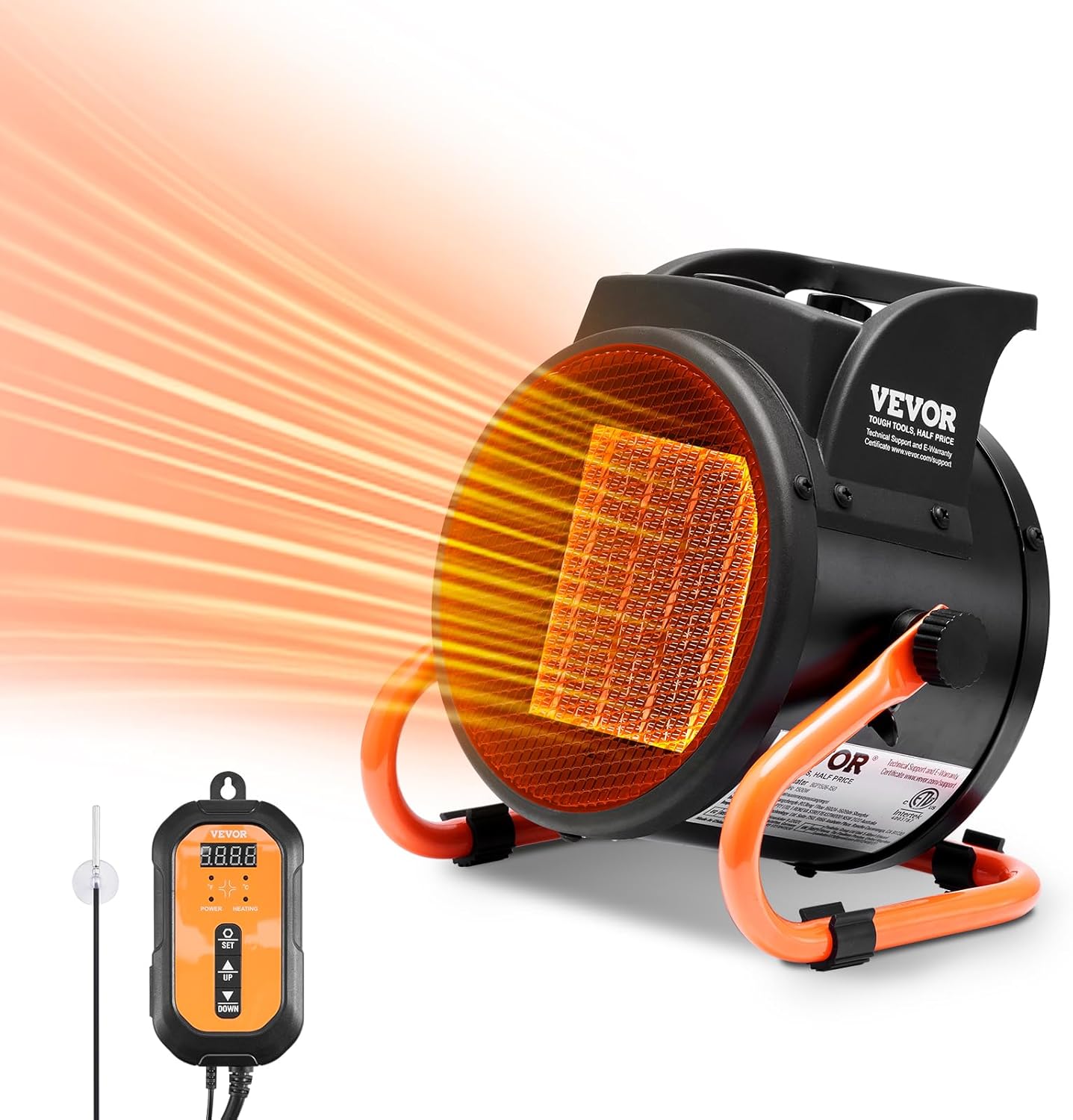
- Separate digital thermostat included
- Three-level knob plus a fan-only mode for summer airflow
- ETL listed with overheat protection
Cons
- IP20 rating, so keep it away from water spray
- Best suited to small and mid-size greenhouses
- Electric only, so you need an outlet in the greenhouse
The VEVOR pairs a 1500W PTC heater with its own plug-in thermostat, which is the combination most small greenhouses need to keep nights above freezing without running the heater all the time. When you weigh all the factors, this one rises above the rest.
Best propane option
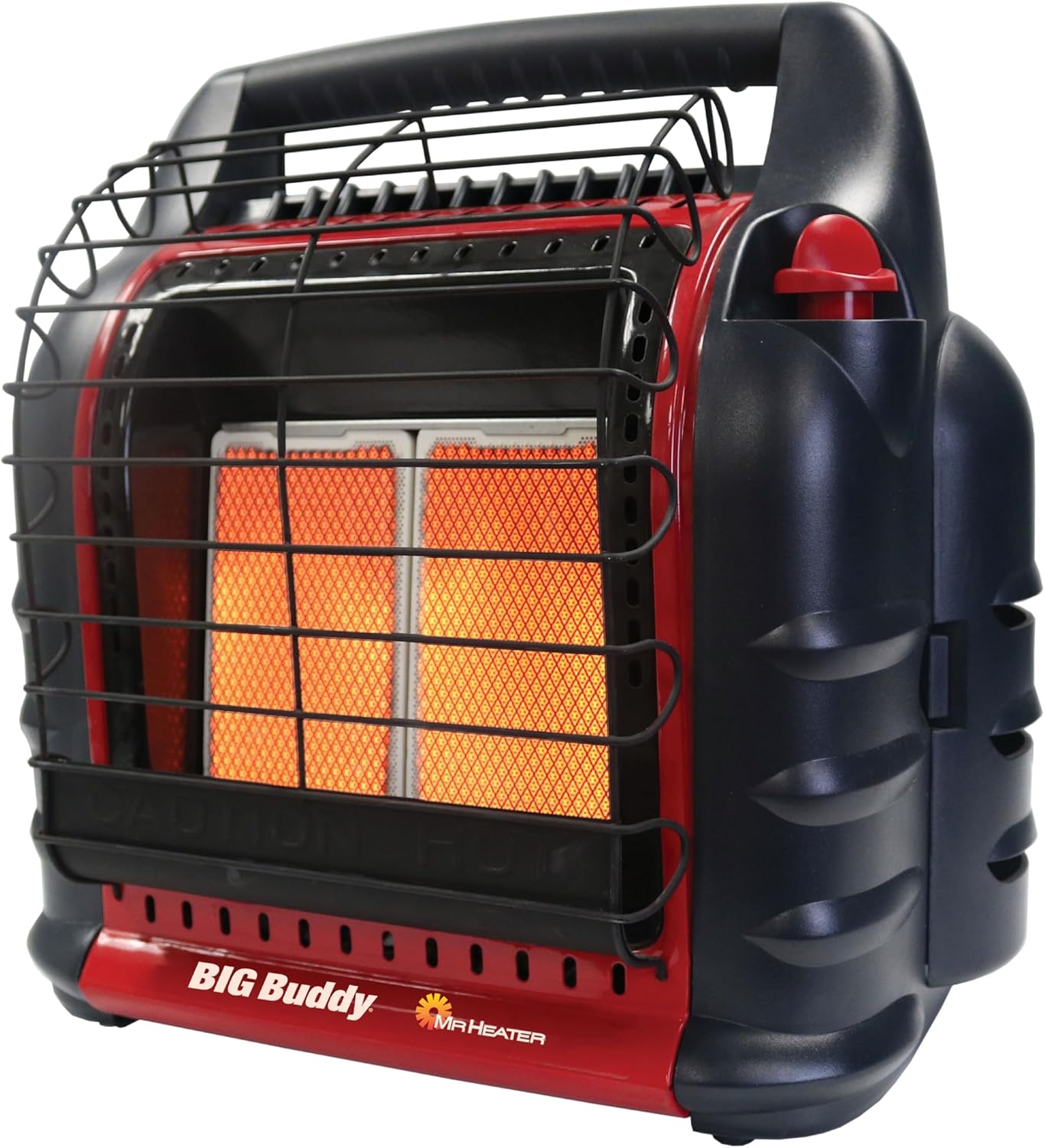
- Runs without electricity
- Three heat settings up to 18,000 BTU/hr
- Low-oxygen shutoff and tip-over protection
Cons
- Needs propane cylinders and fuel storage
- Requires ventilation when used in a closed greenhouse
- Pricier than small electric heaters
The Big Buddy heats up to about 450 square feet on propane, so it suits larger greenhouses or a small greenhouse without a power supply, and its low-oxygen and tip-over shutoffs make it suitable for unattended operation.
Best wide option
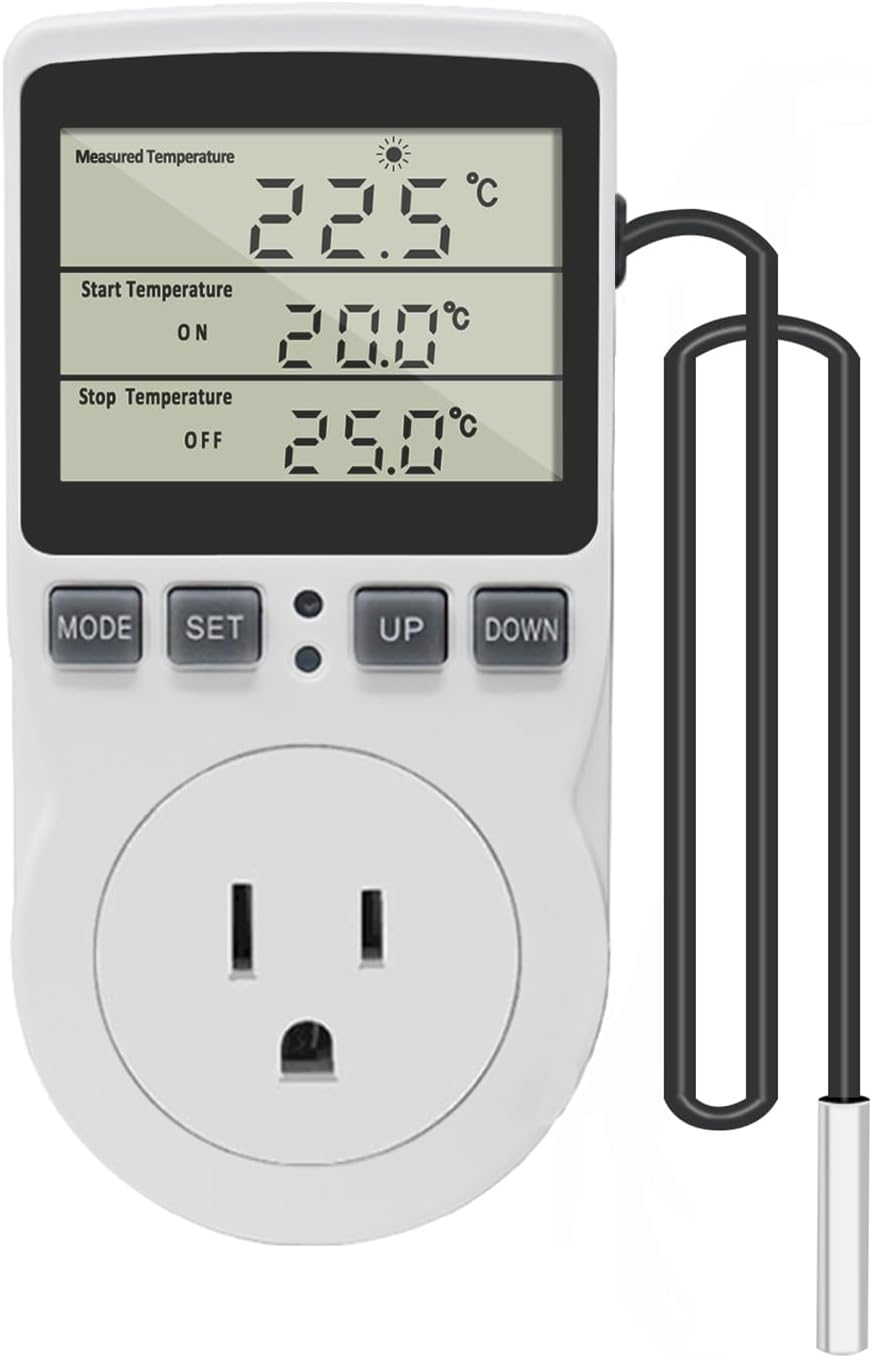
- Wide temperature range (-40°F to 248°F)
- 15A rating handles a 1500W heater
- Heating and cooling modes plus cycle and countdown timers
Cons
- Controls a heater or fan but does not produce heat itself
- Start/stop temperature setup takes a read of the manual
- Single outlet
The KETOTEK turns any plug-in heater into a thermostat-controlled one: set a start and stop temperature, place the 9.8 ft probe at plant level, and it switches the heater on and off to hold your target. It earns its spot by excelling exactly where it matters most.
Best metal option
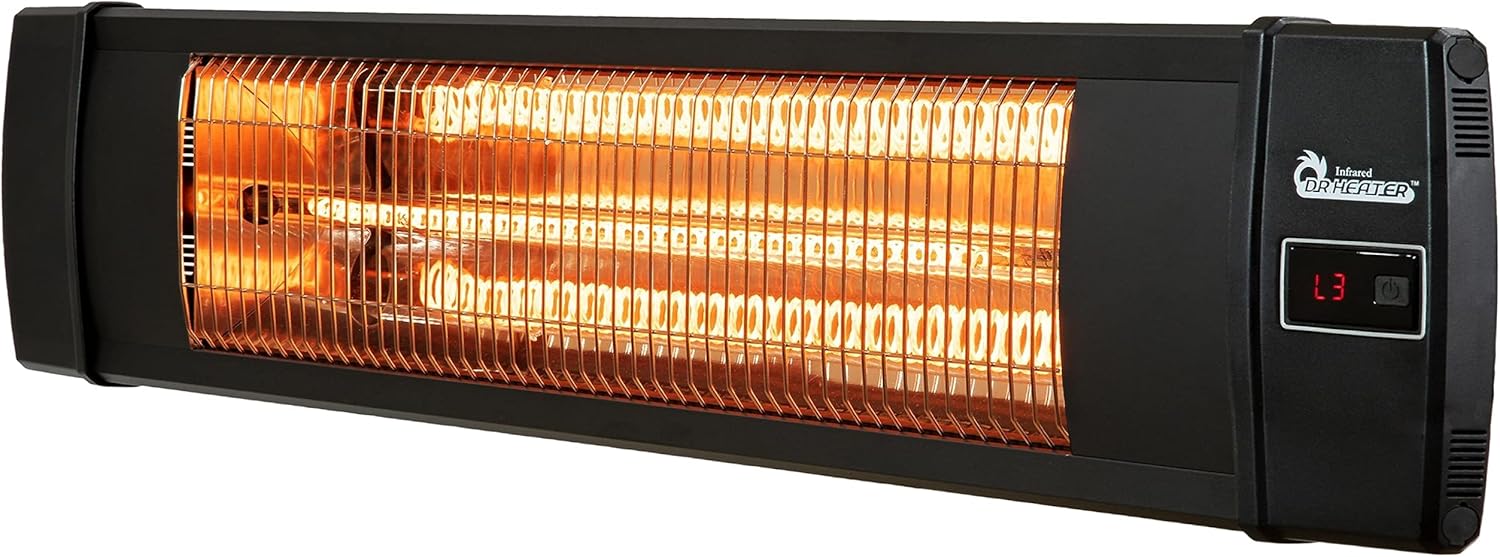
- Durable, weatherproof aluminum housing
- IP55 rated for damp locations
- Wall or ceiling mounting keeps benches clear
Cons
- No built-in thermostat
- Infrared heats surfaces in its path rather than circulating air
- Needs a 120V outlet near the mounting spot
The Dr. Infrared is an all-aluminum, IP55-rated heater that mounts overhead on a wall or ceiling, putting radiant heat on plants and benches without taking up floor space. Pair it with a thermostat for automatic control. For this particular need, it’s the clear winner.
Best ceramic option
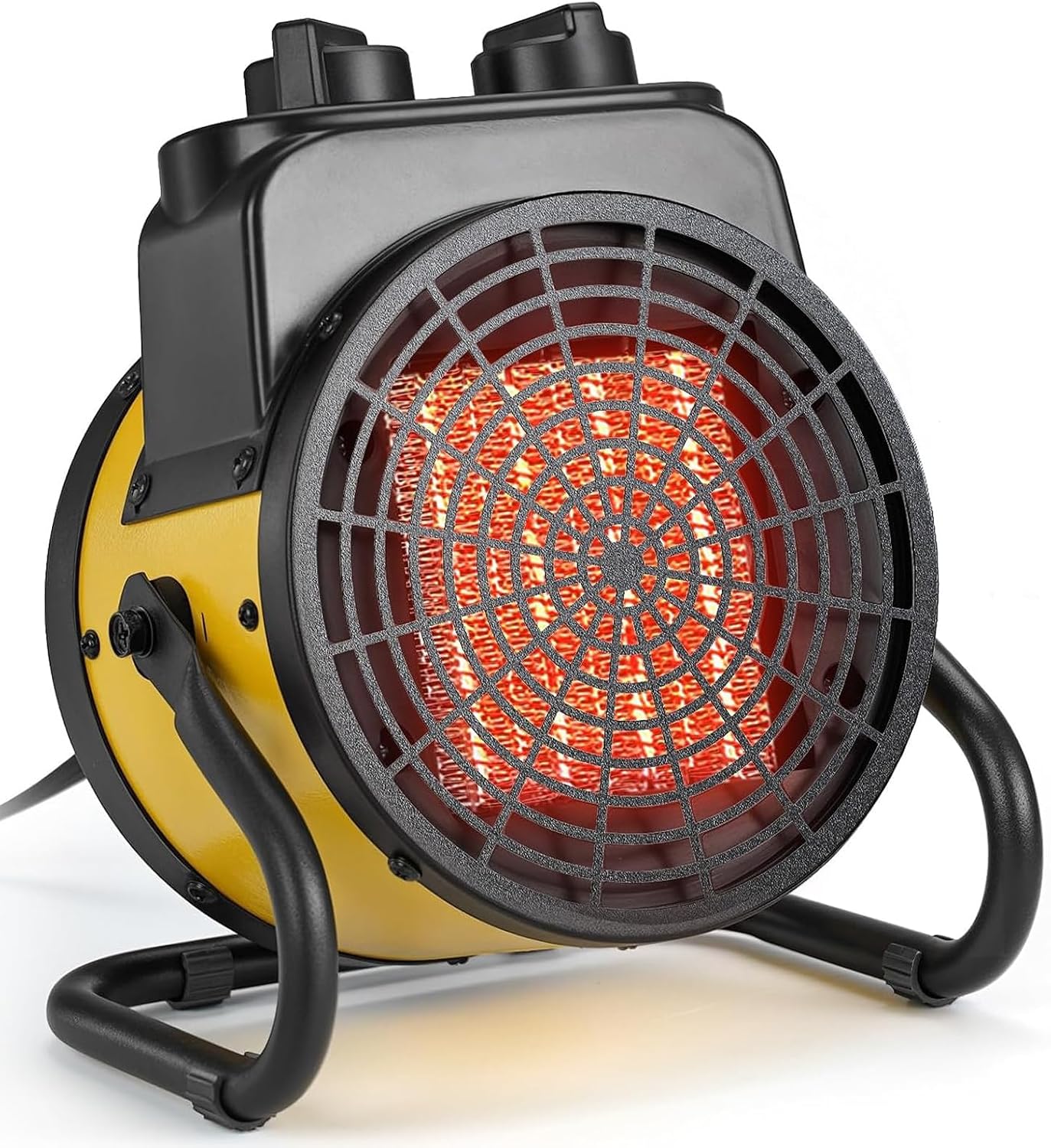
- Fast PTC ceramic heating
- Light 2.5 lb build with a carry handle
- ETL certified with overheat protection
Cons
- Limited coverage area (about 150 sq ft)
- No digital thermostat display
- Requires electricity to operate
The Trustech uses a 1500W PTC ceramic element with Low mode for overnight frost protection and a tilting head to aim heat at seedling trays. It’s best suited to smaller greenhouses up to about 150 square feet, so we recommend choosing a model with enough power to maintain your desired temperature, even on the coldest nights.
Buying Guide
When selecting a greenhouse heater for cold climates, several key factors should be considered. Let’s explore the most important features to look for:
Heat Output
The heater’s BTU (British Thermal Unit) rating is crucial. We recommend choosing a model with enough power to maintain your desired temperature, even on the coldest nights.
Fuel Type
Heaters typically use electricity, propane, or natural gas. Each has pros and cons:
| Fuel Type | Advantages | Disadvantages |
|---|---|---|
| Electric | Clean, quiet | Higher operating costs |
| Propane | Portable, efficient | Requires fuel storage |
| Natural Gas | Cost-effective | Fixed installation |
Safety Features
Look for heaters with tip-over protection, automatic shut-off, and oxygen depletion sensors. These features help prevent accidents and ensure safe operation.
Size and Portability
Consider the dimensions of your greenhouse and choose a heater that fits comfortably. If you need to move the heater, opt for a lightweight, portable model.
Thermostat Control
A built-in thermostat allows for precise temperature regulation, saving energy and protecting plants from temperature fluctuations.
Durability
Cold climates can be harsh on equipment. We suggest selecting a heater with corrosion-resistant materials and a robust build quality to ensure longevity.
By carefully evaluating these factors, you can choose a greenhouse heater that effectively maintains optimal growing conditions in cold climates.
We independently select all products and services. If you click through links we provide, Plant Native may earn a commission with no extra cost to you. As an Amazon Associate I earn from qualifying purchases.

Wish I’d found this before I made some mistakes last season. Live and learn I guess!
Appreciate this.
We appreciate that, Susan! Happy gardening! 🌿 -Plant Native Team
My neighbor has been doing this for years and her yard looks amazing. Time for me to give it a shot.