Top Lawn Aerators to Revitalize Compacted Soil: Expert Picks for 2025
We independently select all products and services. If you click through links we provide, Plant Native may earn a commission with no extra cost to you.
Last updated: November 14, 2026
Lawn aeration is a crucial process for maintaining a healthy, vibrant lawn. It involves creating small holes in the soil to allow air, water, and nutrients to penetrate deeper into the root zone. This technique helps alleviate soil compaction, which can occur due to foot traffic, heavy equipment, or natural settling over time.
A well-aerated lawn promotes stronger root growth, improves drainage, and enhances overall turf health.
Lawn aerators come in various types, including spike aerators, core aerators, and liquid aerators. Core aerators, also known as plug aerators, are widely considered the most effective. These machines remove small plugs of soil from the lawn, creating channels for resources to reach the roots.
The choice between manual, tow-behind, or self-propelled aerators depends on the size of your lawn and your physical capabilities.
When selecting a lawn aerator, consider factors such as the type of soil in your yard, the size of your lawn, and the frequency of use. The depth of penetration, number of tines, and width of the aerator are important features to evaluate.
Additionally, pay attention to the durability of the machine, as it will be subject to significant stress during operation.
Best Lawn Aerators for Soil Revitalization
We’ve compiled a list of the top lawn aerators to help rejuvenate compacted soil. These tools are essential for maintaining a healthy lawn, allowing air, water, and nutrients to penetrate deep into the root zone. Our selection includes both manual and mechanical options to suit various lawn sizes and needs.
Our top pick

- Treats up to 16,000 sq ft per gallon
- Humic and fulvic acids, kelp extract and beneficial microbes
- For all grass types; safe for kids and pets when used as directed
Cons
- Must be mixed (4 oz per gallon) and sprayed evenly
- May need repeat applications every 3-4 weeks
- Highest price of the liquid picks here
Bottom line: GS Plant Foods Soft Soil is a hose-end or pump-sprayer concentrate aimed at lawns with puddles, hard ground and thin grass. Mix 4 oz per gallon of water (set a dial sprayer to 4 oz); each gallon of mix covers about 500 sq ft, so the 1-gallon jug treats up to 16,000 sq ft. Repeat every 3-4 weeks as needed for improved soil structure, a convenient alternative to renting heavy equipment.
Best runner-up

- Covers a large area (30,000 sq ft)
- Improves water uptake and drainage
- 30-day money-back guarantee
Cons
- May require multiple applications for best results
- Not as immediate as core aeration
- Effectiveness can vary based on soil type
Bottom line: LawnStar’s hyper-concentrated soil loosener treats up to 30,000 sq ft from a 32 oz bottle, which LawnStar puts at under a dollar per thousand square feet. It is meant to increase water uptake and drainage in compacted soil as an alternative to core aeration, and works best applied consistently as part of a regular lawn care routine. LawnStar backs it with a 30-day no-questions-asked refund.
Best manual spike aerator
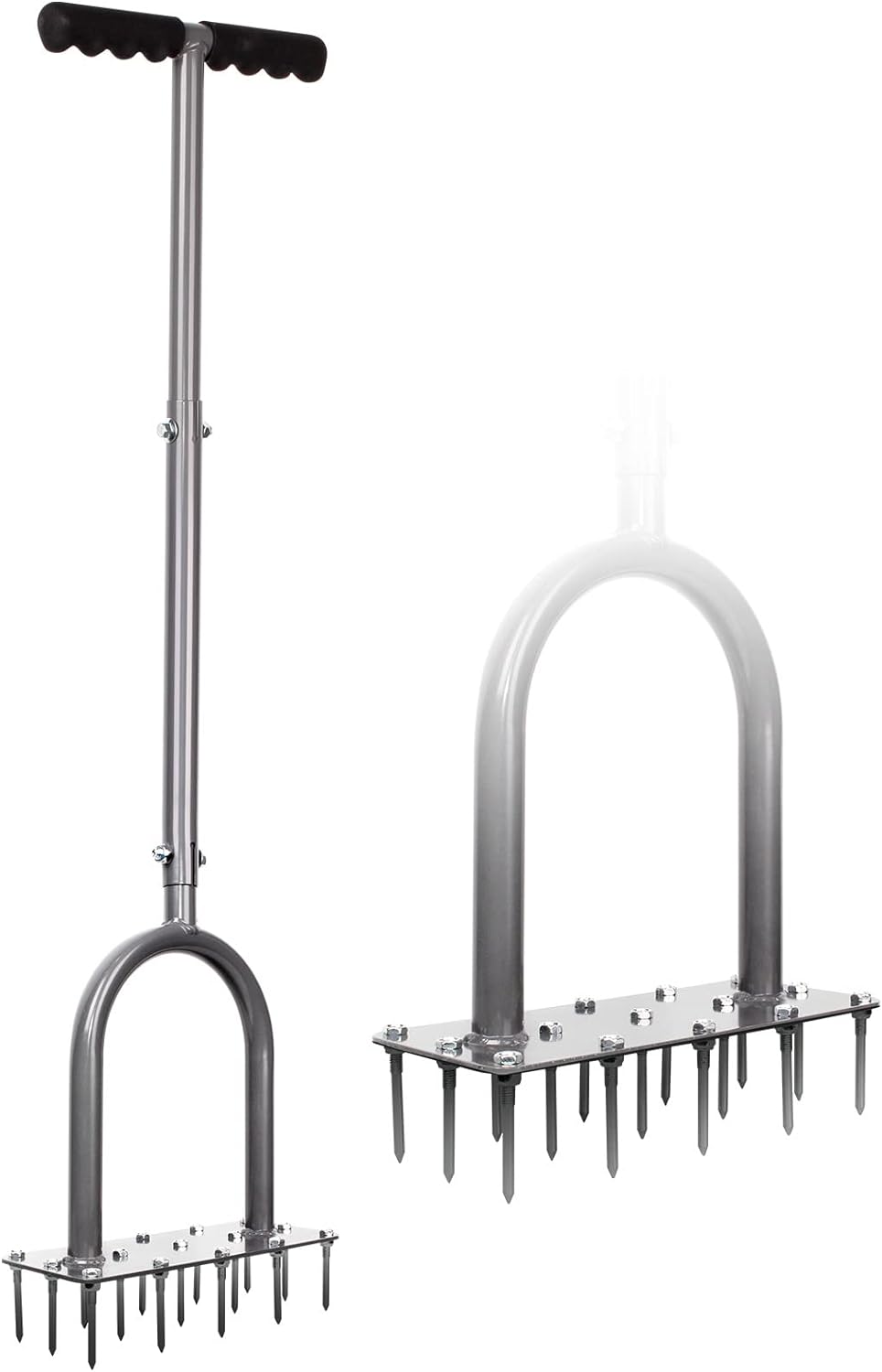
- 15 spikes in 3 rows cover more ground per step
- Cushioned T-handle, foot pedal and 34.6-inch handle reduce bending
- Powder-coated iron; detaches for storage
Cons
- Manual work, best for small areas and spot aeration
- Not recommended for sticky clay or rocky ground
- Hard, dry soil should be watered first
Bottom line: The Walensee aerator is a simple, low-cost way to spike bare spots, lawn edges and lightly compacted patches before seeding or fertilizing. The listing recommends watering hard or dry ground first and says it is not meant for heavy clay, rocky soil or large-scale jobs; for those, a liquid aerator or powered core aerator is a better fit.
Best coverage per bottle
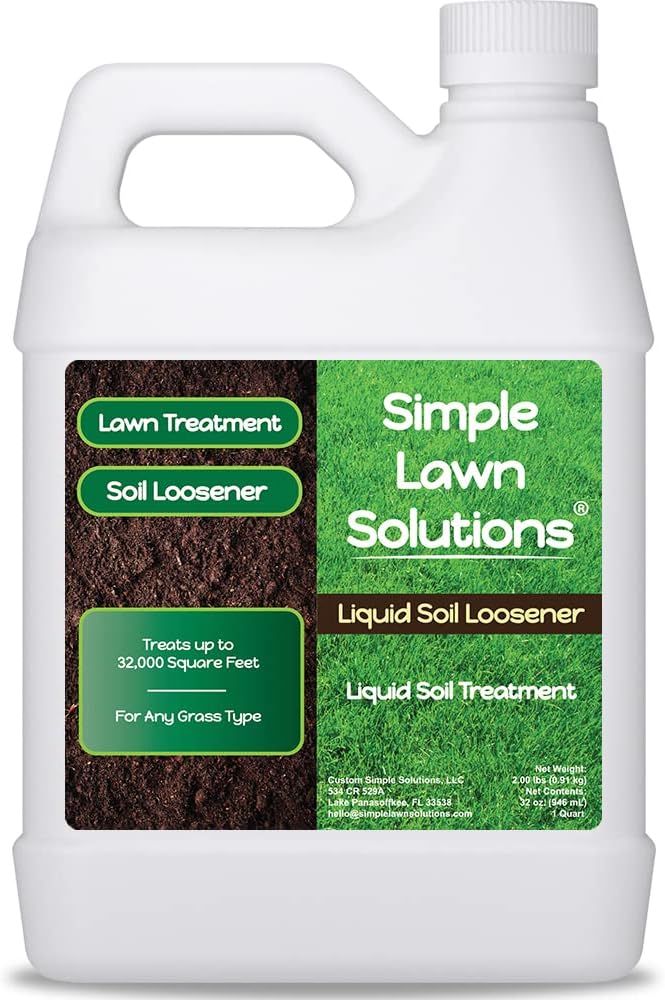
- 32 oz bottle covers up to 32,000 sq ft
- Helps with standing water and poor drainage
- Works on all grass types, from Bermuda to fescue
Cons
- Results build gradually, not overnight
- Concentrate needs a sprayer to apply
- Not a replacement for core aeration on severely compacted ground
Bottom line: Simple Lawn Solutions’ soil loosener is made in the USA and covers up to 32,000 sq ft from one 32 oz bottle, the most coverage of the liquid picks here. Apply it with a hose-end sprayer on its own or after mechanical aeration, and pair it with any regular turf fertilizer program.
Also great
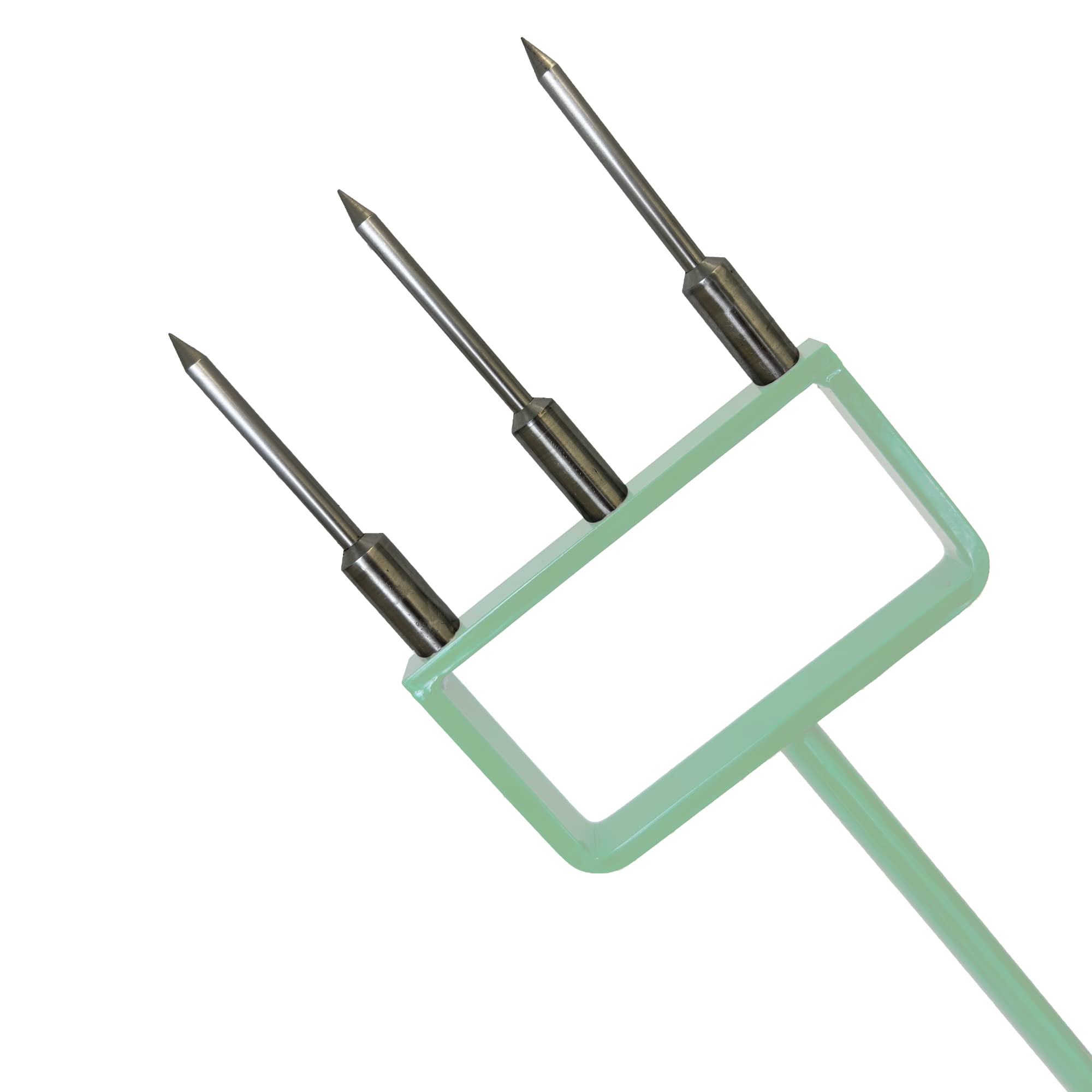
- Solid stainless steel spikes
- Penetrate hard, dry soil without pulling plugs
- Simple screw-in replacement on Landzie aerators
Cons
- Replacement part: requires the Landzie fork aerator
- Manual operation can be labor-intensive
- Best suited to smaller lawn care areas
Bottom line: These Landzie tines are an upgrade for owners of the Landzie fork aerator rather than a standalone tool. Unscrew the old tines, screw in the three solid spikes, and the fork pushes into hard, dry ground without removing soil plugs. They make sense for small lawns or targeted problem areas; for large properties, a powered aerator saves effort.
Buying Guide
Selecting the right lawn aerator involves considering several key factors. We’ll explore the main features to evaluate when making your choice.
Type of Aerator
Lawn aerators come in three main types:
- Spike aerators
- Plug aerators
- Slicing aerators
Plug aerators are generally most effective for heavily compacted soil. They remove small cores of soil, allowing for better air and water penetration.
Manual vs. Powered
Manual aerators are suitable for small lawns and offer precise control. Powered options, including tow-behind models for riding mowers, work well for larger areas.
Tine Material and Durability
Look for aerators with sturdy tines made of high-quality materials like heat-treated steel. This ensures longevity and effectiveness on various soil types.
Weight and Maneuverability
Consider the aerator’s weight, especially for manual models. A heavier unit can penetrate soil more deeply but may be harder to maneuver.
Tine Spacing and Depth
Optimal tine spacing is typically 2-3 inches apart. Depth adjustability allows customization based on your lawn’s specific needs.
Additional Features
Some aerators offer extra features like seed boxes or dethatching capabilities. These can enhance versatility but may increase cost.
By carefully evaluating these aspects, we can choose an aerator that best suits our lawn care needs and ensures optimal soil health.
We independently select all products and services. If you click through links we provide, Plant Native may earn a commission with no extra cost to you. As an Amazon Associate I earn from qualifying purchases.