
Vegetable Planting Guide Maine: Expert Tips for Successful Growing Seasons
Last updated: August 22, 2026
Vegetable gardening in Maine asks you to pay close attention to the region’s climate and growing season. The trick is really about picking crops that can handle Maine’s shorter, cooler summers.
A practical vegetable planting guide for Maine leans heavily on cool-season crops and getting the timing right, so you can actually harvest before that first fall frost sneaks up.
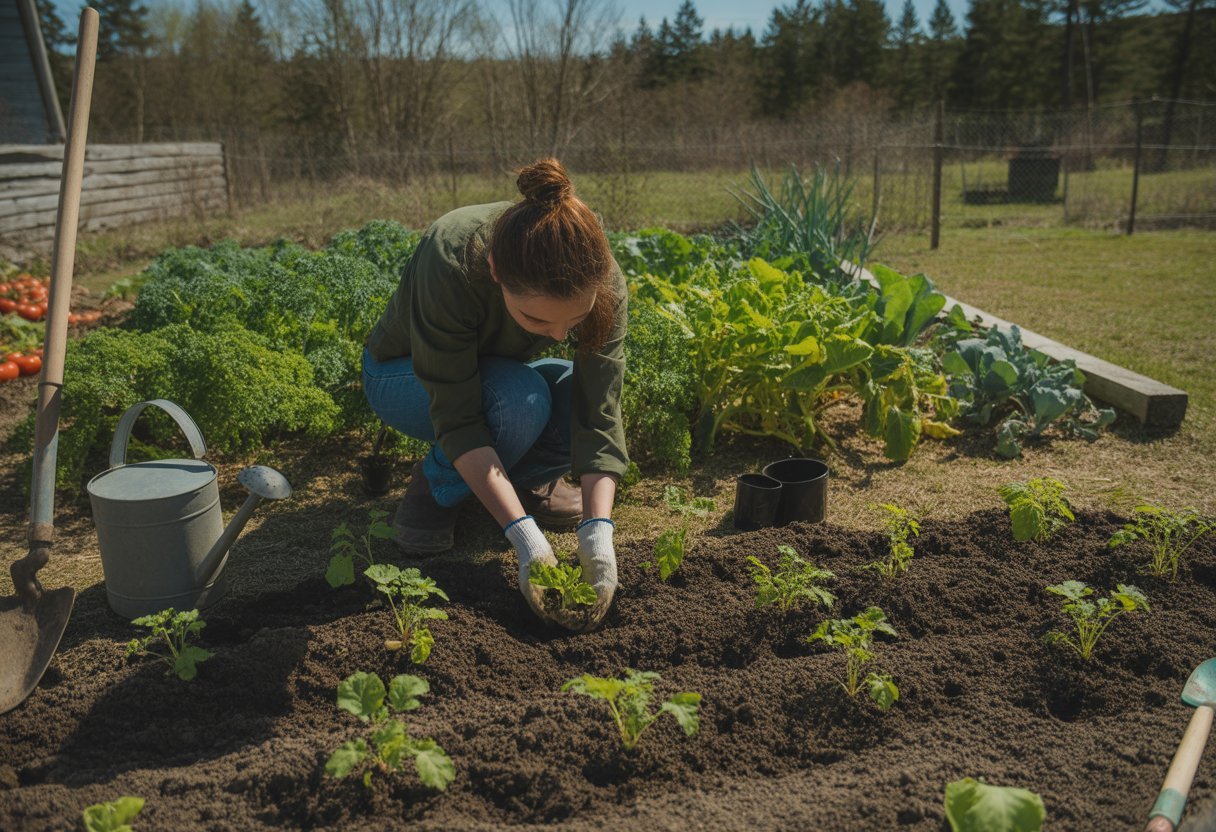
Gardeners here usually go for things like kale, lettuce, peas, and root veggies—stuff that doesn’t mind a chill. If you want tomatoes or peppers, you’ll have to start them indoors or buy transplants, since summer just isn’t long enough otherwise.
Knowing when to plant each type can save you a lot of headaches. Timing really matters in Maine gardening.
Essential Planting Information for Maine
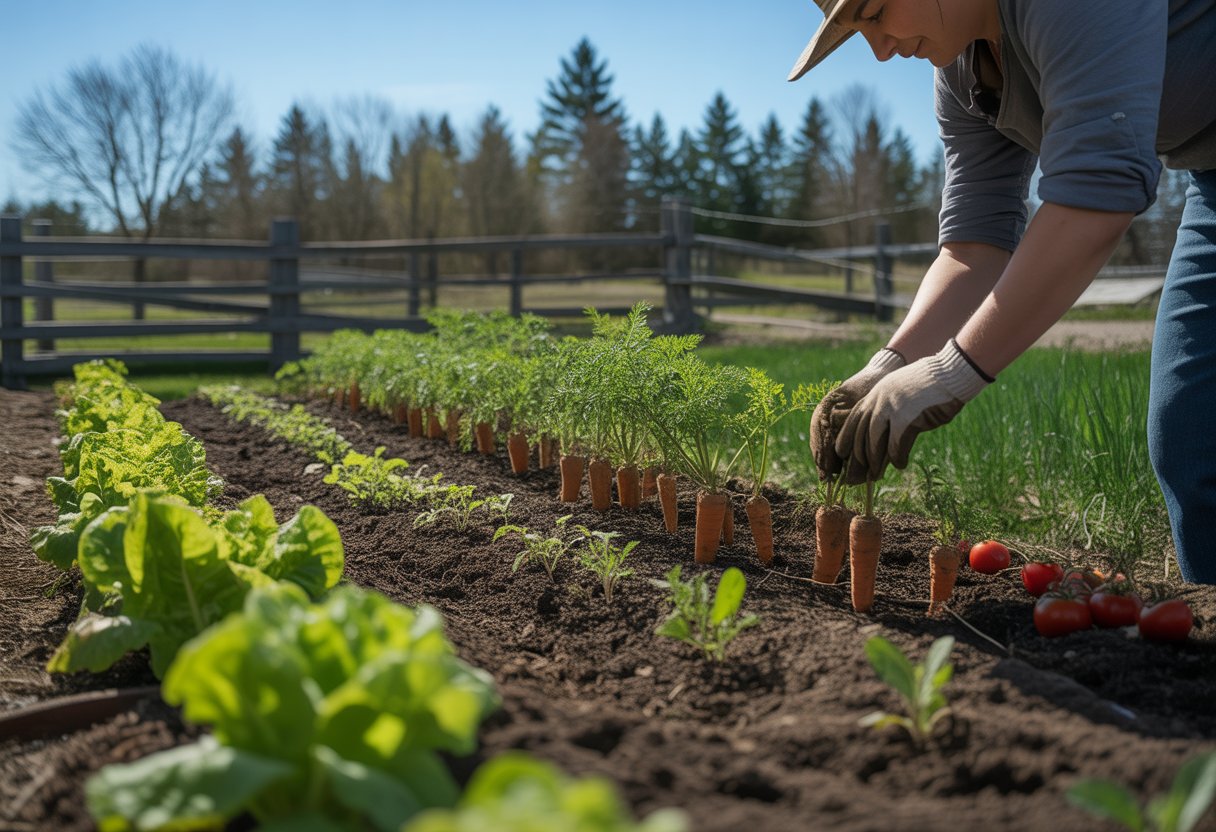
Maine’s growing season changes a lot depending on where you live. If you want your vegetable garden to do well, you need to match your planting plans to your local weather.
Understanding Maine’s Hardiness Zones
Maine covers USDA hardiness zones 3 to 6. Coastal spots are a bit warmer (zones 5–6), while the north and inland areas can be downright chilly (zones 3–4).
These zones give you a sense of which vegetables can handle the winter if you try to overwinter them. It’s smart to check a hardiness zone map before picking your crops.
Cold-hardy plants like kale and carrots do fine in zone 3. Tomatoes and peppers? They’re happier in zones 5 and 6.
Knowing your zone helps you plan when to plant, and maybe avoid a total flop.
Determining Last Frost Date and Its Impact
The last frost date in Maine can be all over the place. In the south, it’s usually late April, but up north, you might wait until mid-May or even June.
This date is your green light for moving frost-sensitive seedlings outside and for direct seeding most vegetables. You can find local frost dates from extension services or online guides made for Maine.
Some plants, like peas and spinach, don’t mind going in before the last frost. Tomatoes and peppers, though, should wait until you’re sure the cold is gone.
If you get the timing wrong, frost can wipe out your hard work.
Preparing Your Vegetable Garden
Start prepping in early spring. Test your soil pH and check fertility so roots can take off.
Maine soils often need a little help—lime to bump up the pH, or compost for better structure and nutrients. Raised beds or well-drained rows help with Maine’s unpredictable moisture and temperatures.
A planting schedule based on your hardiness zone and frost dates keeps things organized. Crop rotation and companion planting are kind of a must if you want healthy soil and fewer pests.
Optimal Vegetable Planting Schedules
Timing is everything in Maine’s short, cool growing season. If you want your crops to actually mature before frost, you’ve got to plan carefully between direct seeding and starting transplants.
Direct Sowing Versus Transplanting
Direct sowing means you put seeds right into the garden soil. This works best for cold-hardy crops—think carrots, peas, and radishes.
It’s less work and you don’t have to worry about transplant shock. Starting seeds indoors and transplanting later is better for warm-season veggies like tomatoes, peppers, and eggplants.
You’ll need to start those 4–6 weeks before the last frost. This gives them a head start, which is pretty much necessary in Maine.
Keep an eye on soil temps and weather forecasts. Peas can go in as early as late April, but tomatoes should wait until after mid-May, once the soil’s warmed above 60°F.
30 Days Planting Windows for Key Crops
A lot of Maine gardeners break the season into 30-day planting windows. Early April to early May is best for cool-season crops like lettuce, spinach, and broccoli.
Direct seeding or early transplants both work here. Mid-May to mid-June is your window for warm-season crops.
Transplant or seed tomatoes, peppers, and cucumbers after the frost risk is gone. Late June to late July? That’s your shot for quick growers like beans and zucchini.
Sticking to these windows helps you dodge frost and make the most of Maine’s daylight.
| Crop | Planting Method | Ideal Planting Window |
|---|---|---|
| Peas | Direct sowing | Late April – Early May |
| Lettuce | Direct sowing or transplant | Early April – Early May |
| Tomatoes | Transplant | Mid-May – Mid-June |
| Beans | Direct sowing | Late June – Late July |
| Cucumbers | Transplant | Mid-May – Mid-June |
Popular Vegetables to Grow in Maine
Maine’s short, cool growing season really shapes what you can grow well. Picking the right vegetables makes a huge difference for yield and plant health.
Cool-Season Crops
Cool-season veggies are the backbone of spring and fall gardens in Maine. Lettuce, spinach, and peas shoot up fast and don’t mind a light frost, so they’re always popular.
Root crops like carrots, beets, and kohlrabi get sweeter in cool soil. Brassicas—broccoli, cabbage, cauliflower, and kale—handle cold just fine and can finish before the first frost.
Leafy greens such as mustard and collard greens keep things interesting and stretch out your harvest. Onions do best when you get them in early, so they have time to size up before it gets cold.
Warm-Season Crops
Warm-season veggies need all the heat Maine can offer. Start them inside or wait until after the last frost.
Tomatoes, peppers, and eggplants want at least 60 frost-free days with good sun. Squash, cucumbers, and okra also wait for warm soil in late spring.
Sweet corn and watermelon can work in the warmest spots, but they need careful timing and a bit of luck with the weather. If you’re on top of it, these crops can still give you a decent harvest even with Maine’s short summer.
Extending the Season and Additional Crops
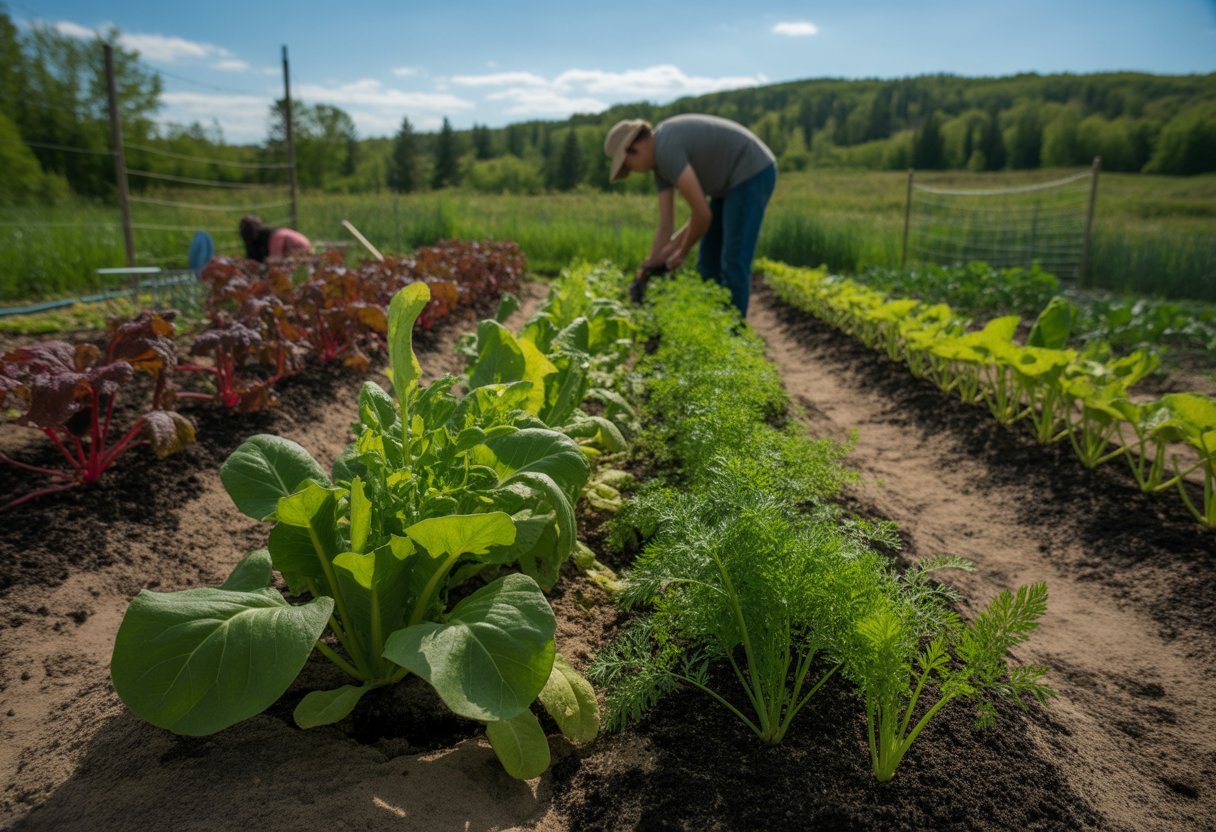
You can squeeze more out of Maine’s season by using cold frames, row covers, and picking crops that don’t mind a chill. Some folks go beyond the basics, adding less common veggies to keep things interesting and harvest longer.
Perennial Fruits for Maine Gardens
Perennial fruits like blueberries and blackberries fit Maine’s climate surprisingly well. Blueberries especially love acidic, well-drained soils and need plenty of sun.
They handle cold winters without much fuss, so local gardeners can count on them most years. Blackberries prefer slightly warmer spots, but you can make them work if you give them some winter protection.
As these plants mature over several years, their yield and flavor really take off. Growing perennials means you don’t have to replant every year, and you’ll get a steady supply of fresh fruit from late summer right into fall.
Some of this might be region-specific. What works in the south doesn’t always apply up north.
Do any of the vegetables in this Maine guide need deer protection? They keep getting into my beds.
Deer can definitely be a challenge! Look into deer-resistant varieties for your area. Fencing also helps if it’s a serious problem. -Plant Native Team