
Which Natural Weed Killers Work Best? Top 4 Eco-Friendly Solutions for Your Garden
We independently select all products and services. If you click through links we provide, Plant Native may earn a commission with no extra cost to you.
Last updated: November 7, 2026
Natural weed control methods have gained popularity as more gardeners seek eco-friendly alternatives to synthetic herbicides. These natural solutions offer effective ways to manage unwanted plants without introducing harsh chemicals into the environment.
From vinegar-based sprays to corn gluten meal, natural weed killers come in various forms and target different types of weeds.
When choosing a natural weed killer, consider factors like the types of weeds you’re dealing with, the size of the area to be treated, and the potential impact on desired plants.
Some natural solutions work best on young, annual weeds, while others are more effective against established perennials. It’s also important to think about application methods and frequency, as natural weed killers often require more frequent use than their synthetic counterparts.
We tested numerous natural weed killers in various garden settings to determine which ones offer the best combination of effectiveness, ease of use, and environmental safety. Our goal was to find solutions that provide reliable weed control without compromising the health of beneficial plants or soil ecosystems.
Best Natural Weed Killers
We’ve researched and tested various eco-friendly options to bring you the most effective natural weed killers. Our list includes products that are safe for pets, children, and the environment while still providing powerful results against unwanted plants in your garden or lawn.
Our top pick
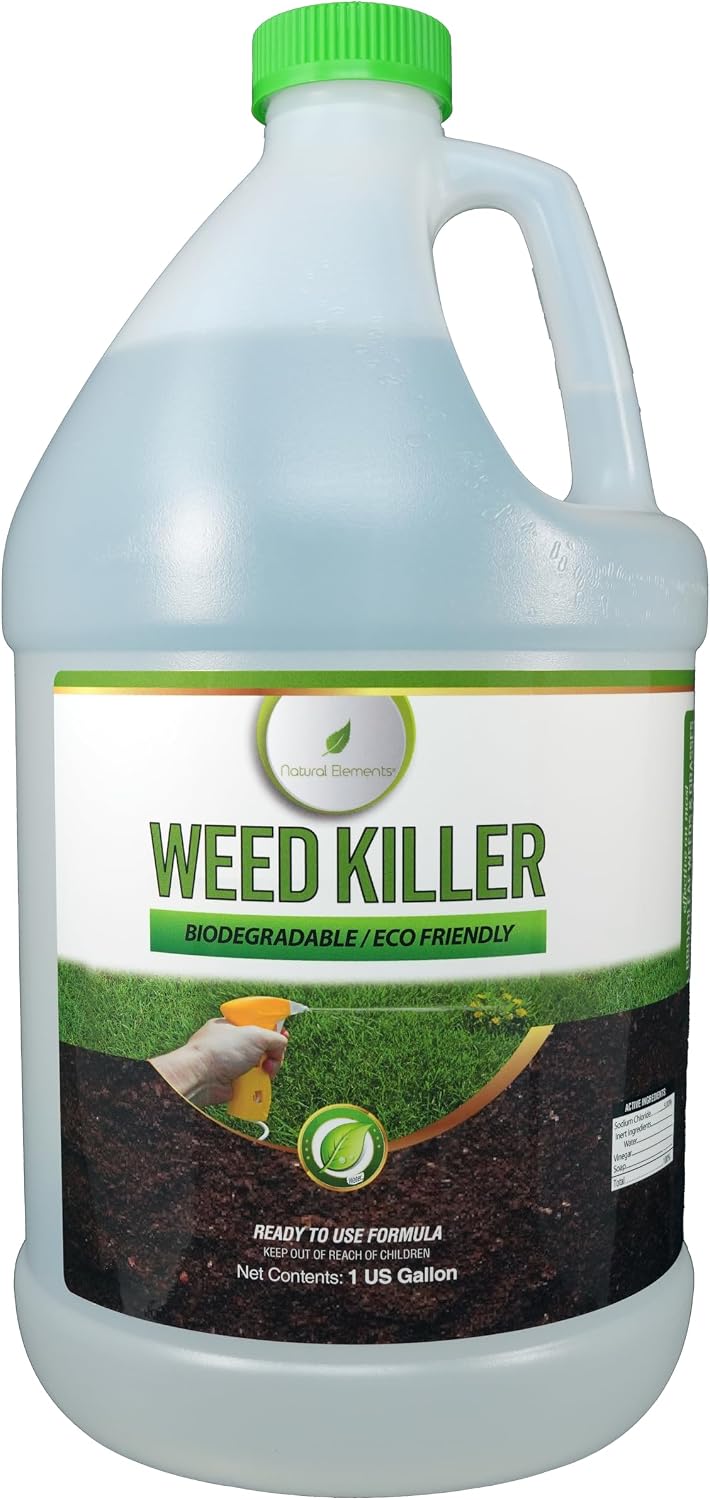
- Marketed as safe for families and pets
- Ready-to-use formula with no mixing
- Works on most broadleaf weeds and grasses
Cons
- Strong vinegar smell
- May require multiple applications
- Kills grass, so keep it off lawns
The 1-gallon jug is a good size for gravel driveways, patios, rock beds and mulched areas: spray weeds until wet and they wilt as the vinegar-and-salt formula dries them out. All things considered, it’s the standout choice in this category.
Best natural option
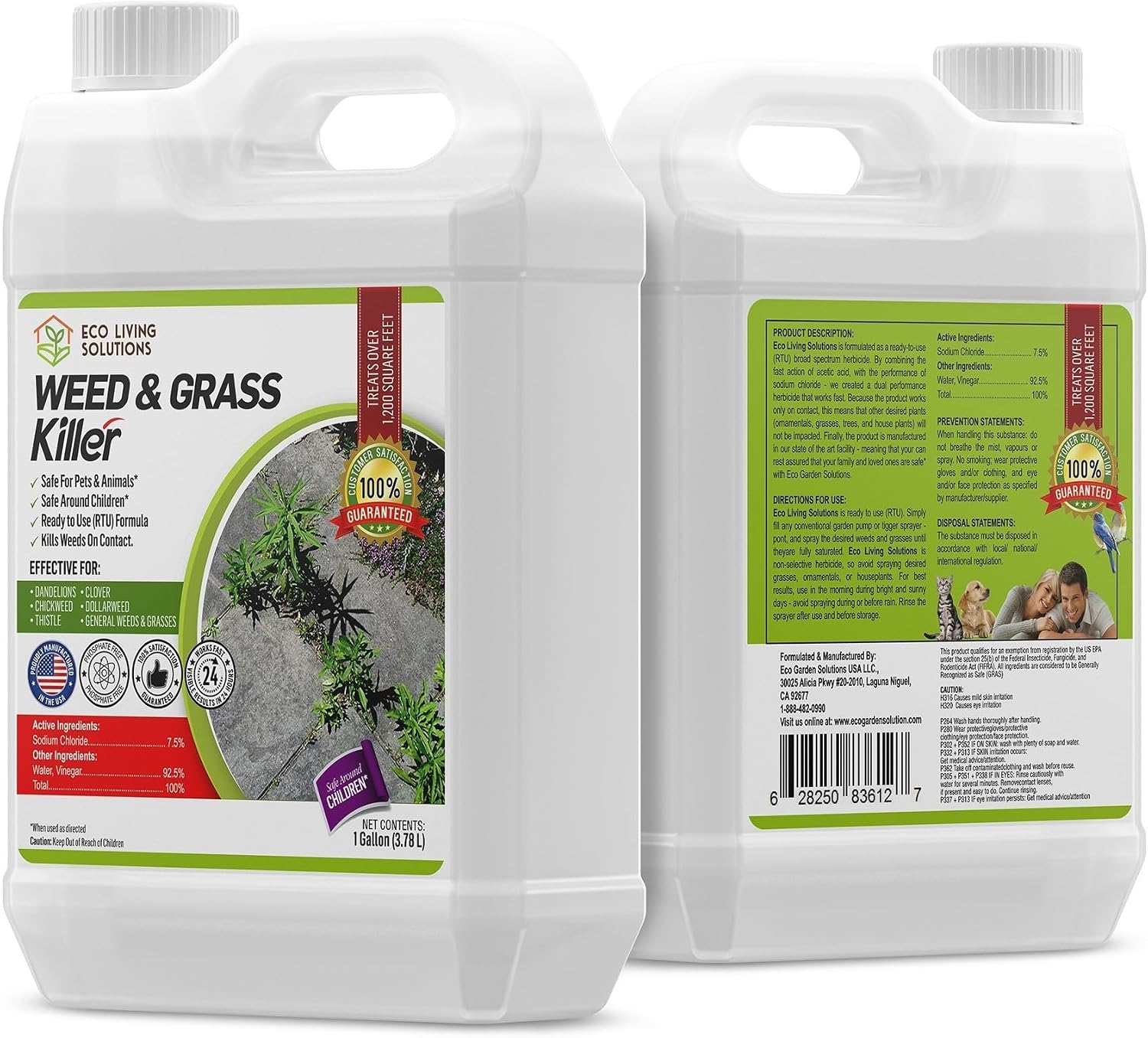
- Brand states visible results within 24 hours
- Marketed as safe for people, pets, bees and livestock
- Ready to spray with no mixing; biodegradable and phosphate free
Cons
- Non-selective, so it will kill grass and garden plants it touches
- May require multiple applications for stubborn weeds
- More expensive than DIY alternatives
This product offers peace of mind around children and pets, making it a good fit for high-traffic areas like driveways, sidewalks, patios and mulch beds. It targets dandelions, clover, chickweed, crabgrass, thistle and moss.
Best organic choice
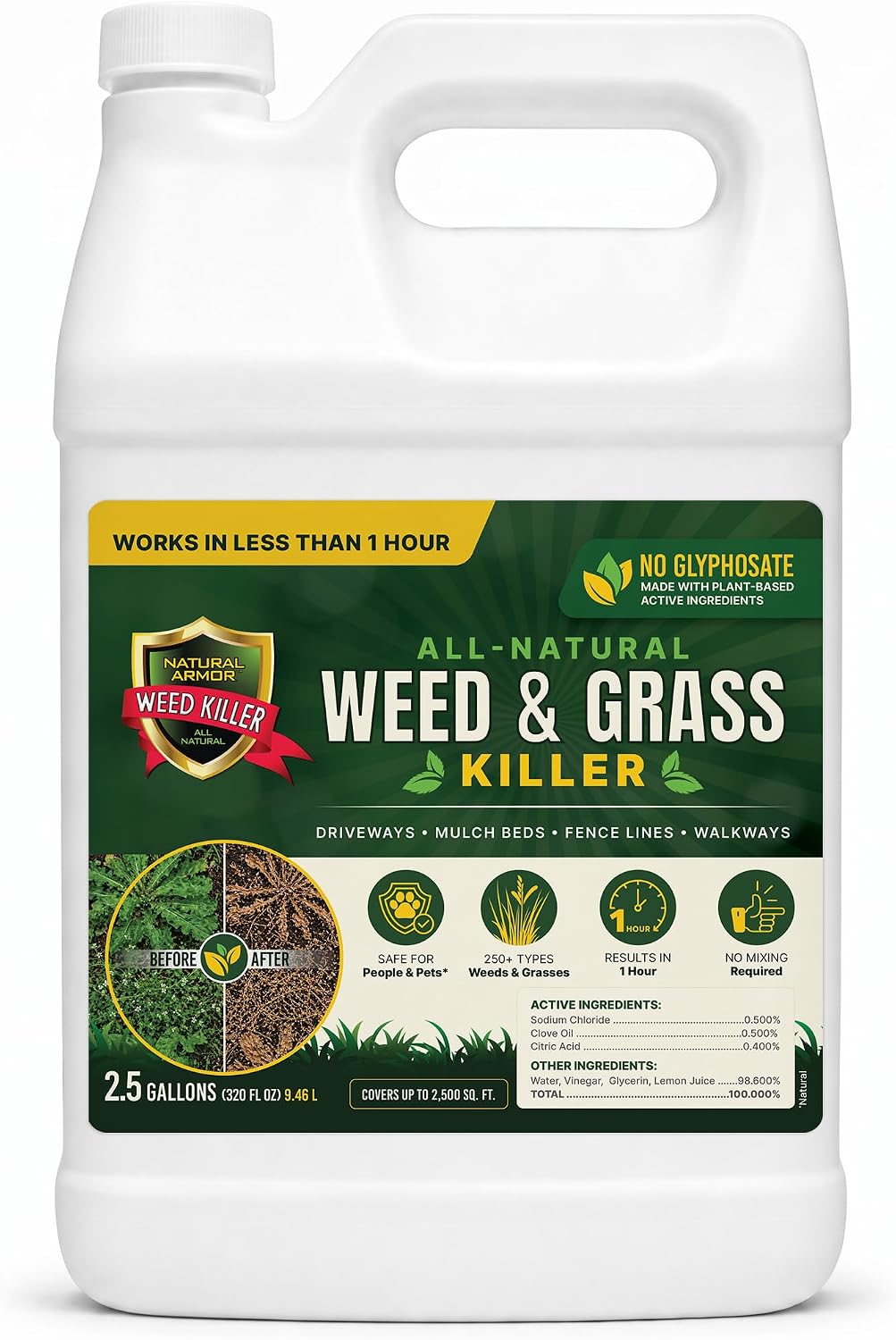
- Marketed as people- and pet-friendly
- Brand states visible results within an hour
- Ready to use around driveways, fence lines, gravel, mulch beds and patios
Cons
- Strong vinegar odor
- May require multiple applications
- Higher price point than chemical alternatives
The formula comes in a generous 2.5-gallon (320 oz) container, making it practical for tackling larger areas. It is free from glyphosate, relying instead on vinegar and other plant-based ingredients, which makes it a reasonable choice for yards where pets roam.
Best for edibles
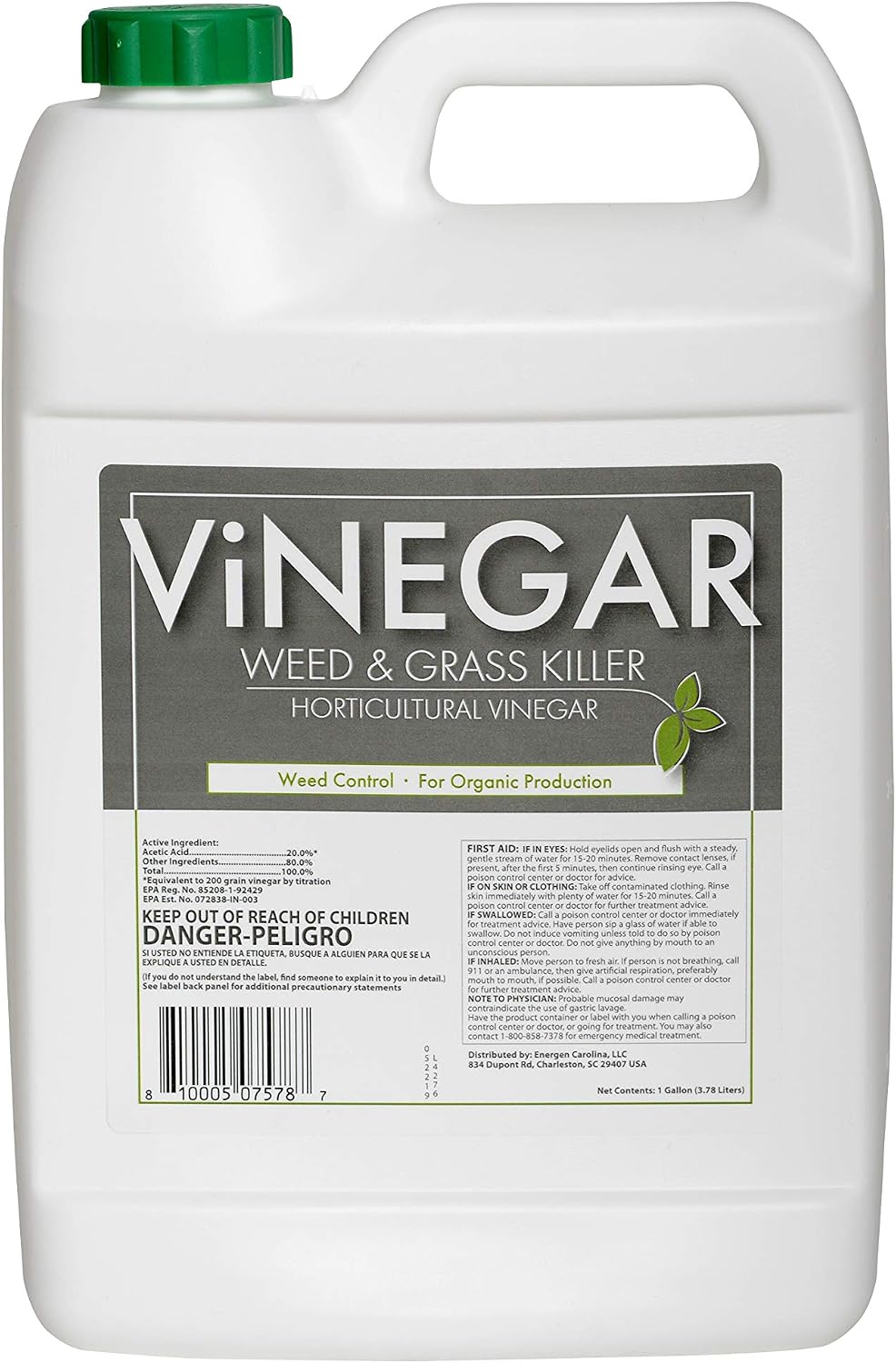
- Fast-acting contact herbicide on young weeds
- Pets and children can use treated areas once dry
- Approved for organic production; glyphosate free
Cons
- May require multiple applications
- Less effective on mature weeds
- Can harm desirable plants if not carefully applied
Acetic acid dries out foliage quickly, making it a good fit for crabgrass, clover, dandelions and ground ivy around beds and hardscape. Determine if you need a broad-spectrum weed killer or one that targets specific weed types.
Buying Guide
When selecting a natural weed killer, we recommend considering several key factors.
Effectiveness is paramount – look for products with proven results against common weed types in your area.
Safety should be a top priority. Check that the ingredients are non-toxic to humans, pets, and beneficial insects. Natural weed killers often use vinegar, salt, or essential oils as active ingredients.
Application Method
Consider how you’ll apply the product:
- Ready-to-use sprays
- Concentrates (require dilution)
- Granular formulations
Choose based on the size of your treatment area and personal preference.
Environmental Impact
We suggest opting for biodegradable formulations that won’t harm soil health or contaminate waterways. Products made from sustainable or renewable resources are ideal.
Cost-Effectiveness
Compare the price per application across different options. While some natural weed killers may cost more upfront, they often require fewer treatments over time.
Speed of Action
Natural weed killers vary in how quickly they work. Some show results within hours, while others may take several days. Choose based on your urgency and expectations.
Selectivity
Determine if you need a broad-spectrum weed killer or one that targets specific weed types.
Some natural options are more selective than others.
By weighing these factors, we can choose the most suitable natural weed killer for our specific needs and environmental concerns.
We independently select all products and services. If you click through links we provide, Plant Native may earn a commission with no extra cost to you. As an Amazon Associate I earn from qualifying purchases.

vinegar-based sprays and corn gluten meal in one list shows how different natural weed killers can be.
Appreciate that, Tim! If you have any questions down the road, don’t hesitate to ask. Happy gardening!
natural killers working best on young annual weeds matched what i saw last spring.
i found natural killers needed repeat applications more often than i’d like.
Appreciate the honest feedback, Cynthia. Gardening is definitely more nuanced than any single article can cover. Local conditions play a huge role. -Plant Native Team