5 Best Citrus Trees To Grow In Las Vegas
Last updated: August 28, 2026
If you’d like to grow a citrus tree, Las Vegas is the place to do it. There are a few different types of these plants, including ultra-dwarf varieties, dwarf, and semi-dwarf varieties, and standard trees that are 18-30 feet tall.
While most citrus trees are hardy and low maintenance, there are a few special considerations for growing these plants. If you’re new to gardening, citrus trees are an excellent choice.
While you’ll find citrus trees growing in Nevada’s high desert climate, it’s important to remember that they’ll need to be grown in pots and moved indoors during the winter months.
Avocados are hardy, but they don’t do well in Southern Nevada, where temperatures can dip below zero. Tomatoes also don’t grow well here.
They require shade, which prevents them from producing fruit. The most popular fruit trees in Las Vegas include the peach tree, which can produce delicious, high-quality fruits. Other citrus fruits to consider are grapefruit, lemons, and peaches.
Because the Las Vegas climate is so hot, citrus trees in pots are best. Since some species require constant warmth, these plants can’t thrive in a cold area.
In addition, they can be vulnerable to pests. Wasps and bees love citrus fruits, which can attract pests that can kill them. If you’re looking for a tropical fruit tree in Las Vegas, consider choosing one of these. However, be sure to keep the following tips in mind:
Yosemite Gold Mandarin Tree
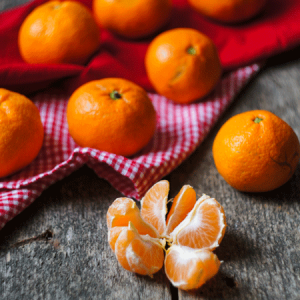
Chinese sounds like “luck” in Mandarin. The orange-golden color of the fruit symbolizes a prosperous and happy new year.
However, there are many other reasons why Yosemite Gold Mandarin is a good choice for your yard, and even inside, as a container plant.
Enjoy the flavour and size of this wonderful mandarin tree. Mammoths are called such by California because they weigh a dense 6 ounces!
The mature trees produce a bumper crop of 80-150 pounds of fruit – although they alternate years of heavy and light production.
There is a 42% juice content in Yosemite’s and a rich sweetness that is superior to many others.
They’ll stay fresh and sweet for up to 30 days when stored in the refrigerator.
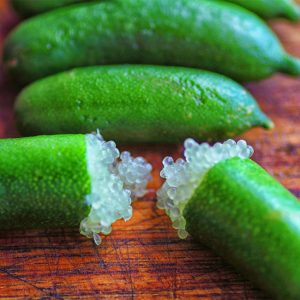
The compact, bush-like tree grows well in a variety of areas and produces fruit with flavorful crystals and a unique taste.
The Australian Finger Lime Tree grows vigorously in a wide range of climate conditions and is highly productive.
In addition, its ease of production makes it a good choice for gardening enthusiasts.
The Finger Lime, a rare gourmet lime from Australia, is a specimen of citrus that produces without much effort.
The limes that grow on it are long and slender, unlike anything else you have ever seen.
The rugged skin protecting the pulp can be sliced open to reveal the pulp within. As tiny, spherical crystals, the tender vesicles inside are plump, juicy, and full of citrus flavor.
Buddha’s Hand Citron
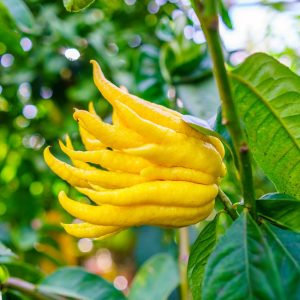
Additionally, this tree produces delicious fruits, delicious flavour, and a delightful fragrance that refreshes the air in the house.
One exotic favorite is the Buddha’s Hand Citron Tree because it has deep green leaves and can stand upright.
As you look at your tree, you’ll see long, finger-like structures curl outward from each fruit, looking like bright yellow fingers.
There are plenty of wonderful uses for the Buddha’s Hand fruit even though it contains no pulp or juice.
Persian ‘Bearss’ Lime Tree – USDA Organic
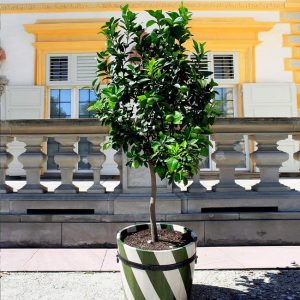
An exquisite, seedless fruit with a distinctive flavor. A staple of organic agriculture, the Persian lime tree is well deserving of recognition.
As well as being a great patio plant that produces indoors, with large limes nearly the size of lemons, it’s also a hardy plant that’s drought-tolerant and pest-resistant.
It is known that the Persian Lime Tree produces lime green fruit which is infused with a strong citrus taste and which can be found season after season on its branches.
There is something savory and delicious about Persian Limes, a blend of key limes and lemons without their seeds, acidity or bitterness.
When this tree reaches its full size, it yields a huge harvest of delectable fruit — an abundance that’s simply unbeatable.
Nules Clementine Tree

One of the best-loved fruits by us is the Nules Clementine because it is sweet, juicy, and easy to peel.
Clementine Tree gives you the convenience of having these delicious treats at home, so you don’t have to go out and find them.
In addition to their delicious growth, this tree’s fruit is virtually seedless, making the fruit a delightful addition to the garden.
As well as making tasty fruit, it’s got a very easy to grow plant to match its easy growth.
It is best to place the Nules Clementine Tree on your patio – if you live in a cold climate, you may simply bring it inside during the winter months.
When sun soaked areas are present, it produces abundantly in an organic fashion, whether it is indoors or outdoors.
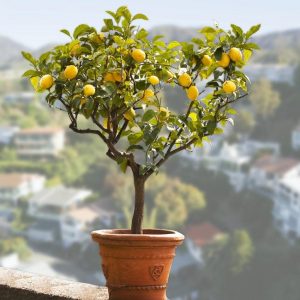
Genua Lemon Trees are well suited to any climate, and you can expect them to bear fruit in any season.
Do you live in a cold region of the country but dream of living under the Tuscan sun?
If you are hoping to satisfy your Mediterranean dream, the cold-hardy Genoa Lemon Tree is the ideal choice.
It is able to withstand a cooler climate than most other Italian Lemon Trees that can grow in this area.
During the Spring, this citrus tree’s white blossoms appear, which is a sign that a new crop of lemons is just around the corner!
Following these simple steps will help you achieve the maximum results from your lemon harves .We would have to say that when you see a lemon tree planted in a pot on your deck, in your kitchen, or even planted in your yard, then it is a real show-stopper.
Green foliage that frames the white blossoms and bright golden yellow fruits. Unlike many lemon trees, Genoa Lemon trees are shrub-like and spread wide, so it is easy to pluck a lemon from the branches whenever you feel like it. All you have to do is leave the lemons on the vine to ripen before you pick them.
Growing Conditions for Citrus in Las Vegas
Las Vegas sits in USDA Hardiness Zone 9b/10a, which is technically warm enough for citrus year-round — but the Mojave Desert’s low humidity, alkaline soil, and occasional hard freezes create unique challenges that differ from citrus-growing in California or Florida. Here’s what successful Las Vegas citrus growers know:
The Challenge of Las Vegas Winters
Las Vegas averages only 2-3 hard freezes per winter, with temperatures occasionally dipping to the high 20s°F. Most established citrus trees handle brief dips to 28°F-30°F if they’re healthy. However, young trees and cold-sensitive varieties need protection during these events. Keep containers mobile and watch the forecast during December through February.
Soil Preparation
Las Vegas soils are highly alkaline (pH 7.5-8.5) and often caliche-laden. Citrus prefers slightly acidic to neutral soil (pH 6.0-7.0). Strategies for success:
- Use raised beds or large containers filled with high-quality acidic potting mix
- Amend in-ground planting holes deeply with sulfur and organic matter
- Apply acidifying fertilizers (ammonium sulfate) rather than alkaline-forming products
- Yellow leaves with green veins (iron chlorosis) indicate alkaline stress — treat with chelated iron
- Mulch heavily to moderate soil temperature and preserve moisture
Water Management in the Desert
Las Vegas receives only about 4 inches of rain per year. Citrus trees have substantial water needs, especially during summer heat. Key watering practices:
- Young trees need deep watering 2-3 times per week in summer
- Established trees need deep watering weekly during hot months (June-September)
- Drip irrigation at the tree’s drip line (not near the trunk) is most efficient
- Water deeply and infrequently to encourage deep root growth
- Avoid shallow, frequent watering that creates shallow roots vulnerable to heat stress
Container Growing — The Las Vegas Secret Weapon
Many of the most successful Las Vegas citrus growers use large containers. Benefits include:
- Move trees indoors or to sheltered spots during hard freezes
- Better control over soil pH and drainage
- Can be positioned for optimal sun exposure year-round
- Use 20-30 gallon containers minimum — small pots stress the roots and dry out too fast in Las Vegas heat
Best Citrus Varieties Ranked for Las Vegas
Beyond the trees highlighted above, these varieties consistently perform well in the Las Vegas climate:
- Eureka Lemon: The standard grocery store lemon — productive year-round in warm climates. Slightly less cold-hardy than Meyer Lemon but produces classic tart lemon flavor and juice. One of the easiest citrus for Las Vegas.
- Washington Navel Orange: The most popular sweet orange variety. Excellent flavor, easy to peel, seedless. Needs more summer heat than coastal California — Las Vegas’s hot summers are actually ideal for developing sweetness.
- Blood Orange (Moro): Produces spectacular red-fleshed fruit with raspberry undertones. The red color develops best with warm days and cool nights — Las Vegas’s fall weather is ideal for color development.
- Satsuma Mandarin: The most cold-hardy mandarin variety — tolerates temperatures to 15°F-20°F when mature. Ripens in fall when Las Vegas temperatures moderate. Great for container growing.
- Kumquat: Highly cold-hardy (to 15°F) and one of the few true evergreen citrus that stays attractive as a landscape plant. Eat the sweet skin and tart flesh together. Excellent container plant.
Key Takeaways
- Las Vegas’s heat is actually excellent for citrus flavor development — better than coastal California in some ways
- The main challenges are alkaline soil, low humidity, occasional hard freezes, and intense summer heat
- Container growing gives you flexibility to protect trees during freezes and control soil conditions
- Always plant in raised beds or amend soil heavily to address alkalinity
- Deep, infrequent irrigation is better than frequent shallow watering
- Most established citrus handles brief dips to 28°F — have frost cloth ready for cold snaps
Frequently Asked Questions
Can lemon trees survive Las Vegas winters?
Yes, with some care. Meyer Lemon is the most cold-tolerant and can handle brief dips to around 22°F-24°F when established. Standard Eureka Lemon is slightly less cold-hardy, tolerating temperatures to about 28°F. During Las Vegas’s occasional hard freeze nights (usually 2-5 nights per winter), throw a frost cloth over the tree or move containers to a garage. Established trees 5+ years old handle cold much better than young nursery transplants.
When do citrus trees produce fruit in Las Vegas?
Harvest timing depends on variety. Navel oranges and satsuma mandarins typically ripen October through December — the timing is excellent in Las Vegas, when temperatures moderate for comfortable outdoor harvesting. Lemons produce nearly year-round. Blood oranges develop their red color and flavor in Las Vegas’s cool fall nights. Most citrus takes 6-12 months from flower to ripe fruit.
How much sun do citrus trees need in Las Vegas?
Citrus needs minimum 6-8 hours of direct sun daily. In Las Vegas, more sun is generally better for fruit production and sweetness. However, intense summer afternoon sun (past 2 PM) can sunburn the trunk of young trees — wrap the trunk with white tree paint or burlap to prevent this. As the tree matures and develops a full canopy, sunburn becomes less of an issue.
Explore more fruit tree options: citrus trees for the Bay Area, citrus trees for Houston, and peach trees for Southern California.

Looking for a nursery that carries native fruit trees?
Browse our native plant nursery directory