
5 Best Raised Garden Bed Kits for Easy Assembly: Top Choices for 2026
We independently select all products and services. If you click through links we provide, Plant Native may earn a commission with no extra cost to you.
Last updated: November 14, 2026
Raised garden beds offer a convenient and efficient way to grow plants, vegetables, and herbs. They provide better soil drainage, improved accessibility, and can be placed on various surfaces including patios and balconies. Raised beds also help prevent soil compaction and reduce weed growth, making gardening easier and more enjoyable.
For those looking to start their own raised bed garden, kits offer a practical solution. These kits come with pre-cut materials and hardware, simplifying the assembly process. They eliminate the need for power tools or carpentry skills, making them ideal for beginners and experienced gardeners alike.
When choosing a raised garden bed kit, consider the material, size, and durability. The bed’s material affects its longevity and appearance in your outdoor space. Size is crucial for accommodating your desired plants and fitting your available area. Durability ensures your investment lasts through multiple growing seasons. We tested numerous raised garden bed kits to find the best options that combine easy assembly with quality construction.
Best Raised Garden Bed Kits for Easy Assembly
We’ve carefully selected the top raised garden bed kits that combine quality materials with straightforward assembly. These kits offer gardeners of all skill levels a convenient way to start growing their own vegetables, herbs, and flowers without the hassle of complex construction.
Our top pick
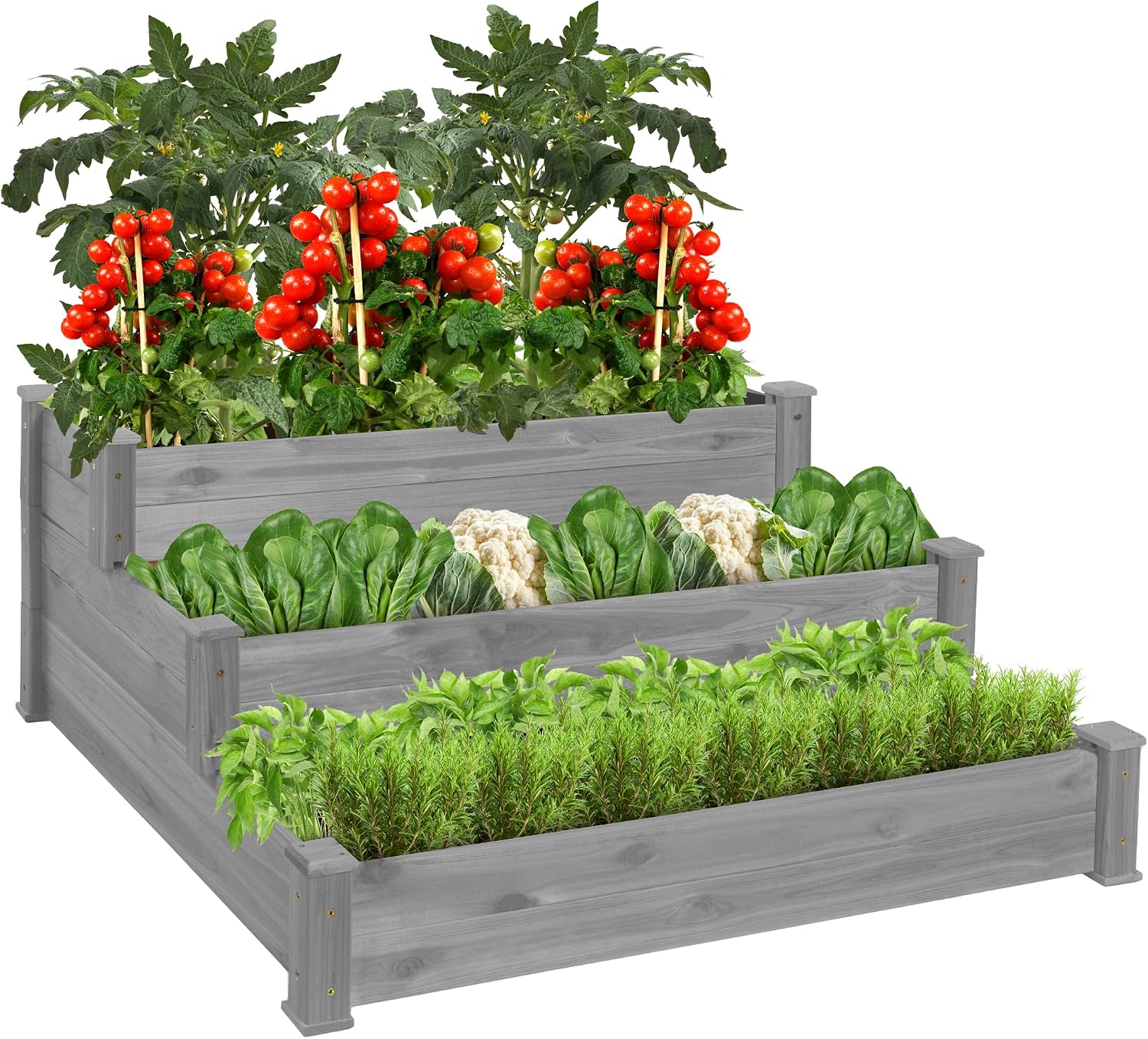
- Customizable tiered design with three soil depths
- No tools required for assembly
- Spacious 4×4 foot size
Cons
- Fir wood is less rot-resistant than cedar
- Lower buyer rating than other picks here
- Potential drainage issues between tiers
The ability to arrange it as a 3-tier stacked planter or lay it out flat as three separate beds makes it easy to fit different crops and spaces, and the slide-in panels need no tools. Hard to argue with the flexibility here.
Most versatile

- Lockable wheels for easy relocation
- Comfortable 32-inch standing height
- Built-in storage shelf and included liner
Cons
- Wheels may sink on soft surfaces
- Limited 100 lb weight capacity
- Shallower soil depth than ground-level beds
The 32-inch height means no bending or kneeling during long gardening sessions, and the locking wheels let you move the planter to follow sun and shade through the day. The liner keeps soil off the fir wood to extend its life.
Best for raised beds
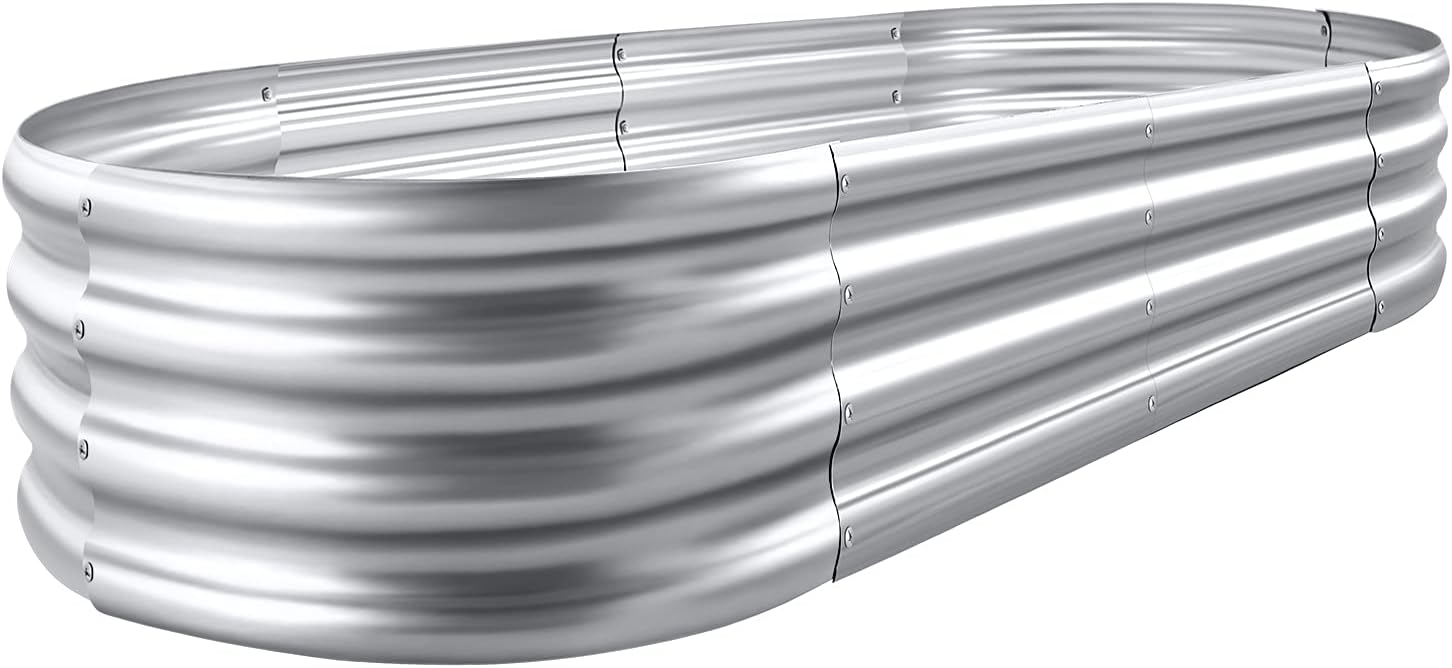
- Durable double-layer galvanized steel construction
- Assembles in about 5 minutes
- Spacious 6×3 foot planting area
Cons
- Limited height at 12 inches
- No bottom panel included
- Metal edges can be sharp during assembly
The open-bottom design promotes drainage and lets roots grow deeper into the soil below, and the oval shape strengthens the joints. With thousands of ratings, it is a proven, budget-friendly metal bed.
Best metal option
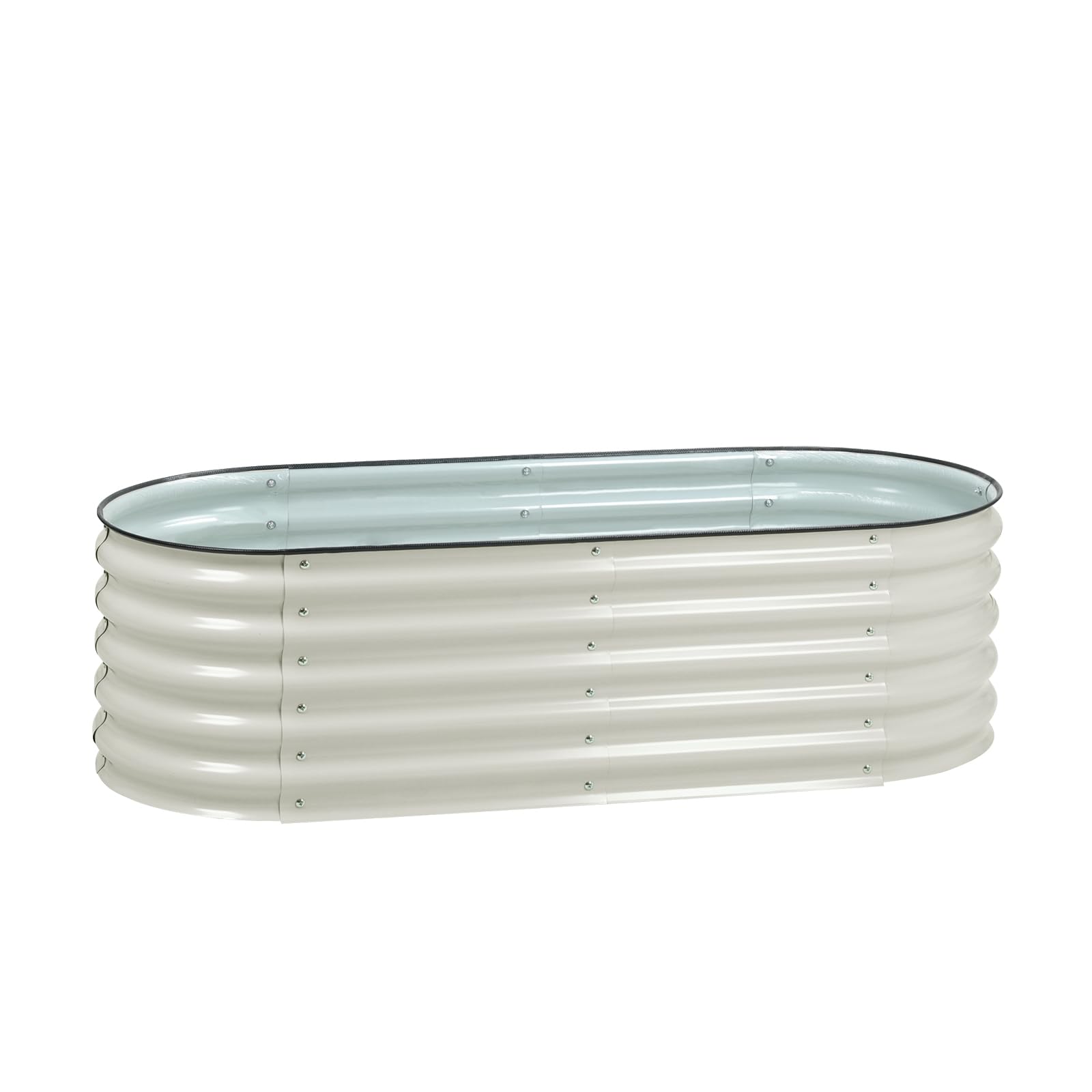
- Durable galvanized steel construction
- Generous 60″ x 24″ x 17″ size
- Quick and simple assembly
Cons
- May require two people for setup
- Limited color options
- Deep bed needs a lot of soil to fill
The 17-inch depth holds plenty of soil for deep-rooted vegetables and reduces how often you water, making it a good fit for a dedicated space such as an herb or vegetable garden. It fills its role exceptionally well, and that’s exactly what you want.
Best wood option
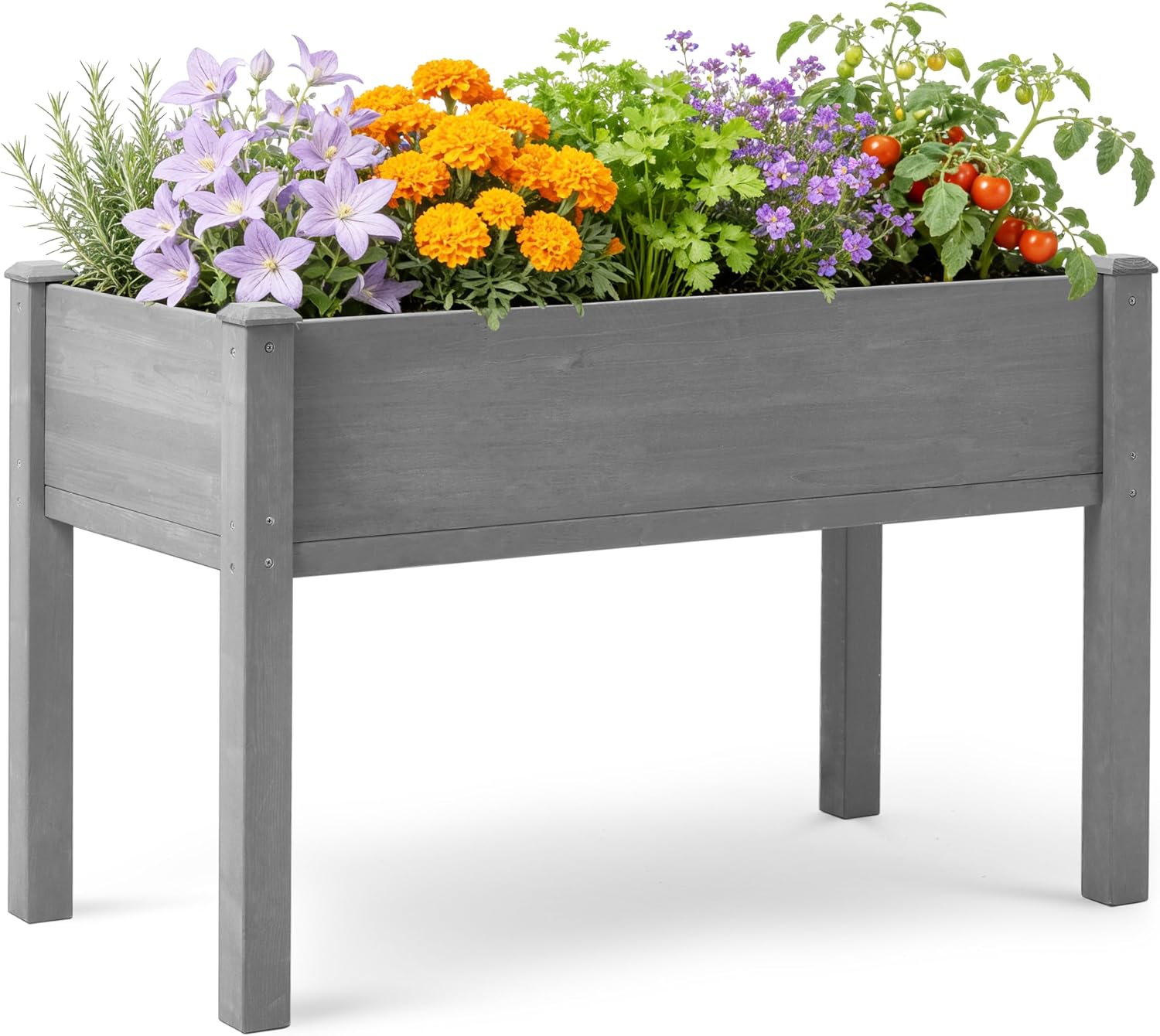
- Cedar wood with protective finish
- Pre-drilled holes for simple assembly
- Elevated 30-inch height reduces strain on back and knees
Cons
- Shallower soil depth than ground-level beds
- Wood will weather over time outdoors
- Gray finish may not suit every patio
The SoliWood suits patios, balconies and small yards where a waist-high bed makes planting and harvesting easier. Its 300 lb capacity and included liner make it a practical wooden choice.
Buying Guide
When selecting a raised garden bed kit, there are several key factors to consider:
Materials
We recommend looking at the durability and longevity of the materials used. Common options include:
- Wood (cedar, pine)
- Metal (galvanized steel, aluminum)
- Composite (recycled plastic)
- Food-grade plastic
Each material has its pros and cons in terms of cost, weight, and weather resistance.
Size and Depth
Consider the available space in your yard and the types of plants you want to grow. Deeper beds (at least 12 inches) are ideal for root vegetables and larger plants.
Ease of Assembly
Look for kits with clear instructions and pre-drilled holes. Some require no tools at all, while others may need basic hand tools.
Soil Capacity
Calculate how much soil you’ll need to fill the bed. This affects both cost and the effort required for setup.
Additional Features
Some kits come with extras that can enhance your gardening experience:
- Built-in irrigation systems
- Pest protection (like included netting)
- Extendable or modular designs
- Trellises for climbing plants
Climate Considerations
Choose materials suited to your local weather conditions. UV-resistant plastics work well in sunny areas. Meanwhile, rust-resistant metals are better for humid climates.
We can select a raised garden bed kit that meets our specific needs and gardening goals by weighing these factors.
We independently select all products and services. If you click through links we provide, Plant Native may earn a commission with no extra cost to you. As an Amazon Associate I earn from qualifying purchases.

This was exactly what I needed.
Thanks Hank! Let us know how it goes. -Plant Native Team
Does anyone know if this works well in zone 3? I’m in Nebraska and our winters are pretty harsh.