Plants That Look Like Lamb’s Ear: A Comprehensive Guide
Last updated: October 5, 2026
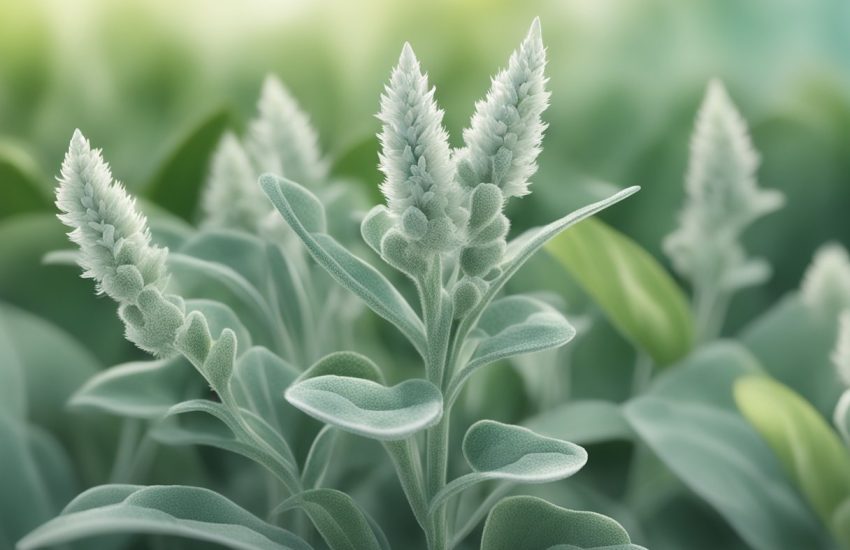
Plants are a great way to add texture and visual interest to any garden or landscape. One plant that has gained popularity in recent years is the lamb’s ear (Stachys byzantina). With its soft, fuzzy leaves and low-growing habit, it’s easy to see why this plant is a favorite among gardeners. However, not everyone has the space or growing conditions to accommodate lamb’s ear. Luckily, there are several other plants that have similar foliage and texture to lamb’s ear.

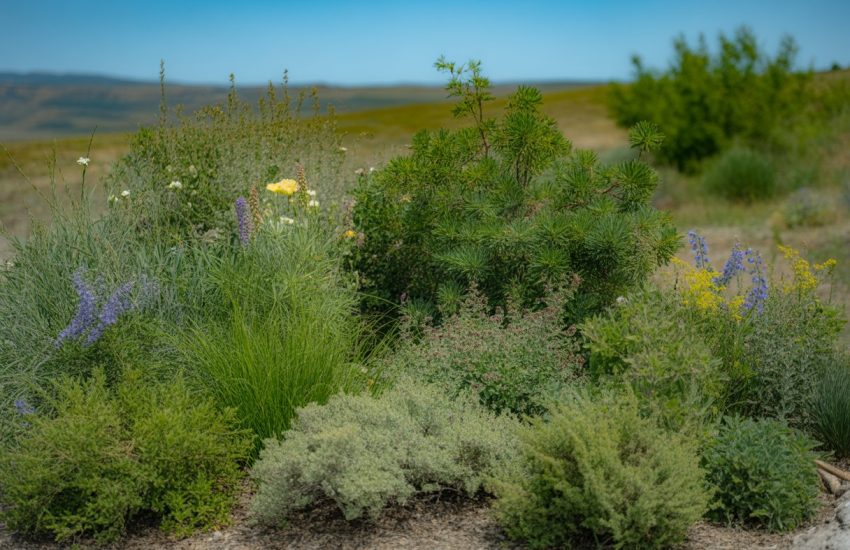
These lamb’s ear look-alikes can be a great addition to any garden or landscape design. Some of these plants include betony, sage, angel wings, hedge nettle, and lavender. Each of these plants has its own unique features that make it a great alternative to lamb’s ear. For example, betony has flowers that resemble lamb’s ear, while sage has leaves and flowers that look like those of lamb’s ear. Angel wings and hedge nettle both have leaves and flowers that resemble those of lamb’s ear, and lavender has furry stems and flowers that remind one of lamb’s ear.
Characteristics and Cultivation

Physical Attributes
Plants that look like Lamb’s Ear are herbaceous perennials with a silvery appearance and velvety foliage. They are known for their spreading habit and are easy to grow, making them a popular choice for gardeners. These plants can grow up to 12-18 inches in height and spread up to 24 inches. They produce beautiful flowers in shades of pink, purple, and white that bloom in the summer.
Growing Requirements
Plants that look like Lamb’s Ear prefer full sun to partial shade and well-drained soil that is not too rich in nutrients. They can tolerate average soil and are drought-tolerant once established. These plants are hardy in USDA hardiness zones 4-8 and can withstand temperatures down to -30°F. They are also heat-tolerant and can grow well in hot and humid conditions.
Propagation and Maintenance
Plants that look like Lamb’s Ear can be propagated through division, seeds, or cuttings. Division is the easiest and most common method of propagation. It is best to divide the plants in the spring or fall. Deadheading the flowers can encourage more blooms and prevent self-seeding. Pruning can be done in the spring to remove any dead or damaged foliage. These plants do not require much fertilizer but can benefit from a light application of compost or mulch in the spring. They are low-maintenance and can be left alone for the most part.
In summary, plants that look like Lamb’s Ear are beautiful and easy to grow herbaceous perennials that can add a touch of silver and velvety texture to any garden. They prefer well-drained soil and full sun to partial shade. They are hardy and can tolerate both heat and drought. Propagation can be done through division, seeds, or cuttings, and maintenance is minimal.
Landscape and Ecological Impact
Garden and Landscape Use
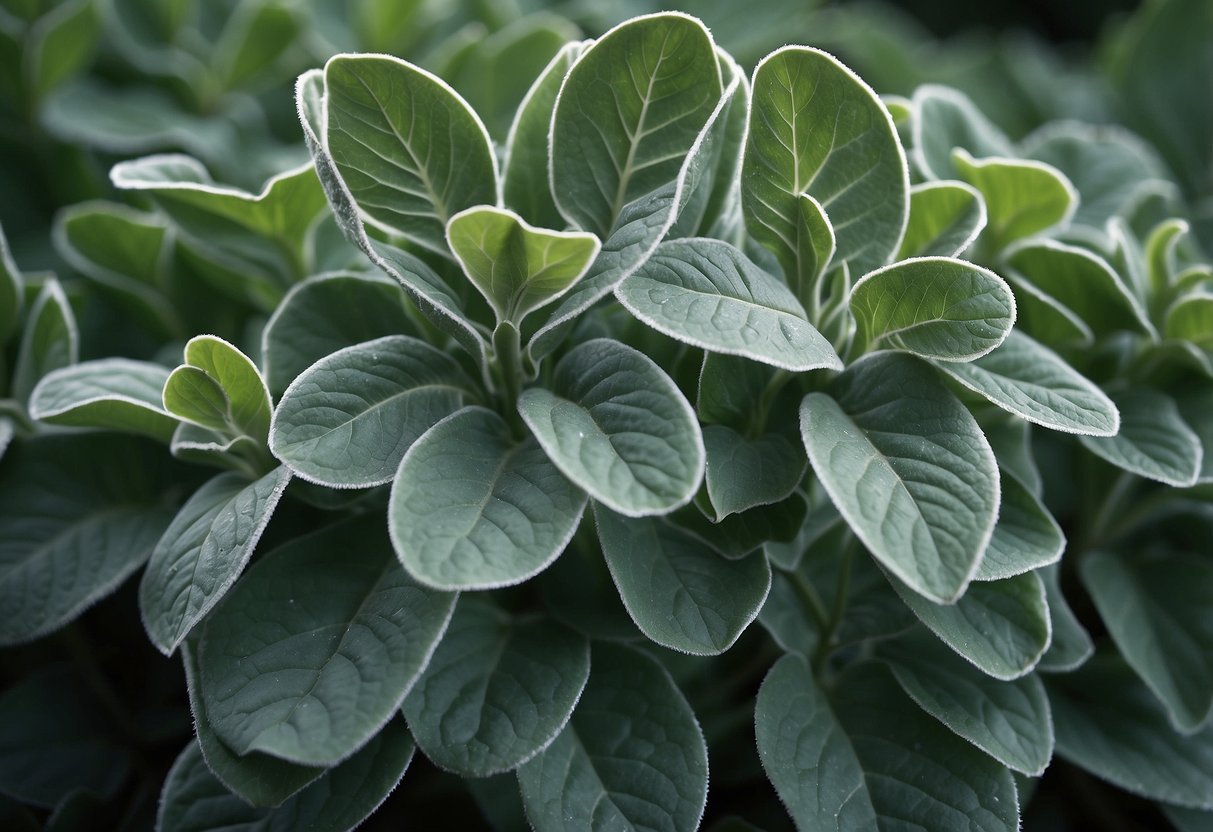
Plants that look like lamb’s ear are popular choices for gardeners and landscapers alike. Their soft, fuzzy leaves and low-growing habit make them ideal for use as ground cover, especially in rock gardens and cottage gardens. They are also suitable for use in sensory gardens, where their texture can be appreciated through touch.
Some of the most popular plants that resemble lamb’s ear include evergreen, mullein, betony, sage, lavender, daylilies, big ears, and silver carpet. These plants vary in their bloom time and the color of their blooms, making them versatile choices for gardeners looking to add interest to their garden beds.
Plants that look like lamb’s ear are also ideal for use in containers, where their low-growing habit can be appreciated up close. They are also drought-resistant, making them suitable for xeriscaping and poor soil conditions.
Environmental Considerations
While plants that look like lamb’s ear are generally considered to be benign, they can become invasive in some areas. Gardeners should be careful to choose plants that are suitable for their climate and soil conditions to avoid unintentionally introducing an invasive species.
Plants that look like lamb’s ear are also attractive to pollinators such as bees and butterflies, making them a valuable addition to any garden. They are also resistant to pests and humidity, making them a low-maintenance choice for gardeners looking to reduce their use of pesticides and water.
In conclusion, plants that look like lamb’s ear are versatile, attractive, and easy to care for. They can be used in a variety of garden settings and are suitable for a range of soil and climate conditions. Gardeners should be mindful of their potential to become invasive and choose plants that are appropriate for their local environment.