Flowers That Look Like Candy Corn: A Guide to Identifying and Growing Them
Last updated: October 4, 2026
Flowers that look like candy corn are a unique and fun addition to any garden. With their vibrant colors and distinctive shape, these flowers are sure to catch the eye of anyone passing by. Whether you’re looking to add some festive flair to your Halloween decorations or simply want to add some color to your garden, candy corn flowers are a great choice.
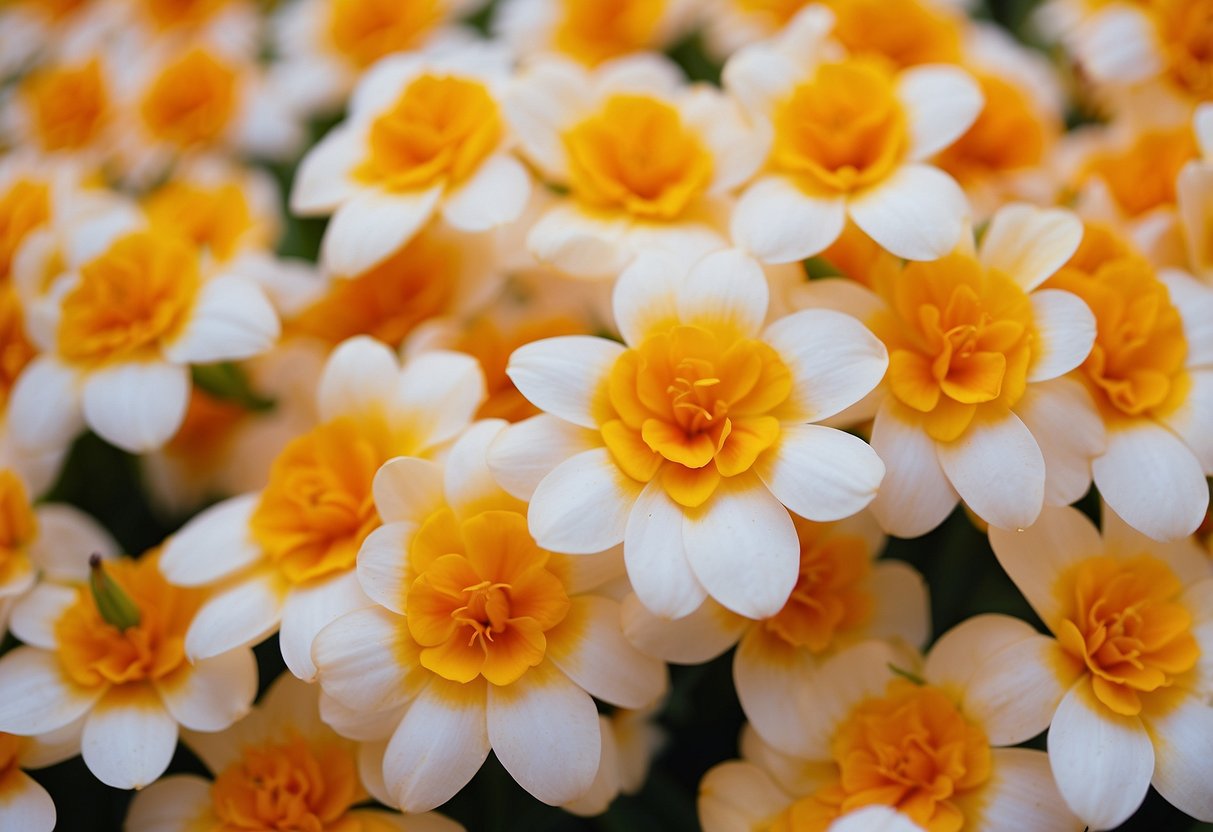
There are several different types of flowers that resemble candy corn, each with its own unique characteristics. Some, like the Cuphea micropetala, have blooms that look almost identical to the popular Halloween candy. Others, like the Manettia luteorubra, have leaves that display candy corn hues of red, orange, and yellow. No matter which type of candy corn flower you choose, you’re sure to enjoy the playful and whimsical touch they bring to your garden.
Candy Corn-Like Flowers Overview
Candy corn flowers are a group of vibrant flowers that resemble the popular Halloween candy. These flowers come in a variety of species and varieties, each with their own distinctive characteristics.
Distinctive Characteristics of Candy Corn Flowers
The candy corn plant (Manettia bicolor) and candy corn vine (Manettia luteorubra) are two popular species that are known for their candy corn-like flowers. The flowers of these plants are typically tubular in shape and range in size from 1 to 3 inches long. They are usually bright orange and yellow, with some species featuring red or pink hues as well.
Another popular species is the firecracker vine (Cigar Plant or Cigar Flower) (Cuphea ignea), which produces bright red and orange flowers that resemble candy corn. The flowers of this plant are tubular and grow up to 1 inch long.
Popular Varieties and Species
The Manettia genus includes several species of candy corn-like flowers, including Manettia bicolor, Manettia inflata, and Manettia luteorubra. Cuphea micropetala is another popular species that produces candy corn-like flowers.
Each of these species has its own unique characteristics, such as size, color, and shape of the flowers. For example, Cuphea micropetala produces flowers that are slightly smaller than those of the Manettia species, but they are still tubular and feature the same orange and yellow hues.
Overall, candy corn flowers are a colorful and unique addition to any garden or landscape. Their distinctive appearance and vibrant colors make them a popular choice for those looking to add a touch of whimsy to their outdoor space.
Cultivation and Care
Planting and Propagation
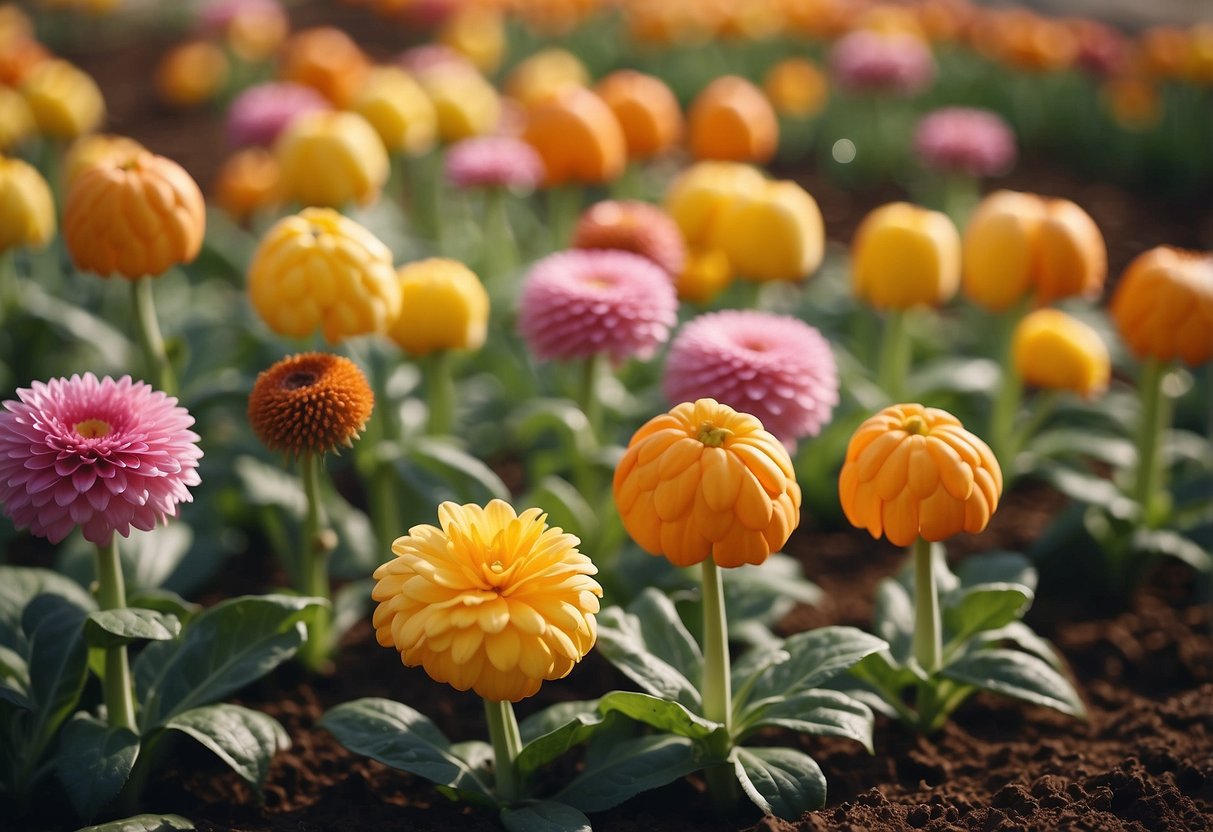
Flowers that look like candy corn can be easily grown from seed or cuttings. To propagate from cuttings, take a 4-inch cutting from a non-blooming softwood stem in the spring and insert it into a small pot filled with moist potting soil. Keep the pot in a partially shady location and constantly moist until roots develop, which usually takes about six weeks. Once the small plants have struck root and have started to grow, move them to small pots of well-drained soil. These plants will soon be 12-20 inches tall.
Optimal Growing Conditions
Most varieties of flowers that look like candy corn thrive in full to partial sun, except in midsummer when they prefer partial shade. When choosing a spot for these plants, select an area with full to partial sun and well-drained soil. These plants like plenty of sunlight, but they can struggle to get enough if they are not in the right location. Flowers that look like candy corn grow best in USDA hardiness zones 8 to 9.
Maintenance and Care Tips
To care for flowers that look like candy corn, water them regularly and fertilize them every two weeks during the growing season. Pinch back the tips of the stems to encourage bushier growth and more flowers. These plants can be trained to climb a trellis or other support structure. They can also be grown in hanging baskets or containers. Deadhead spent flowers to encourage more blooming.
Pests and Problems
Flowers that look like candy corn are generally not susceptible to many pests or diseases. However, they can be affected by aphids, which can be controlled with insecticidal soap or neem oil. Ensure that the soil is well-drained and that the container or pot has drainage holes to prevent root rot. If the soil is too heavy, add compost or peat moss to improve drainage. If the plant is not blooming, it may not be getting enough sunlight. Move it to a sunnier location to encourage blooming.