
Palm Trees for Zone 7: Choosing the Right Varieties for Your Climate
Last updated: August 31, 2026
Palm trees are a beautiful addition to any landscape, but not all species can thrive in every climate. Zone 7, which includes areas with average annual minimum temperatures between 0 and 10 degrees Fahrenheit, presents a challenge for palm tree enthusiasts. However, there are several cold-hardy palm tree species that can withstand the harsh winter conditions of this zone.
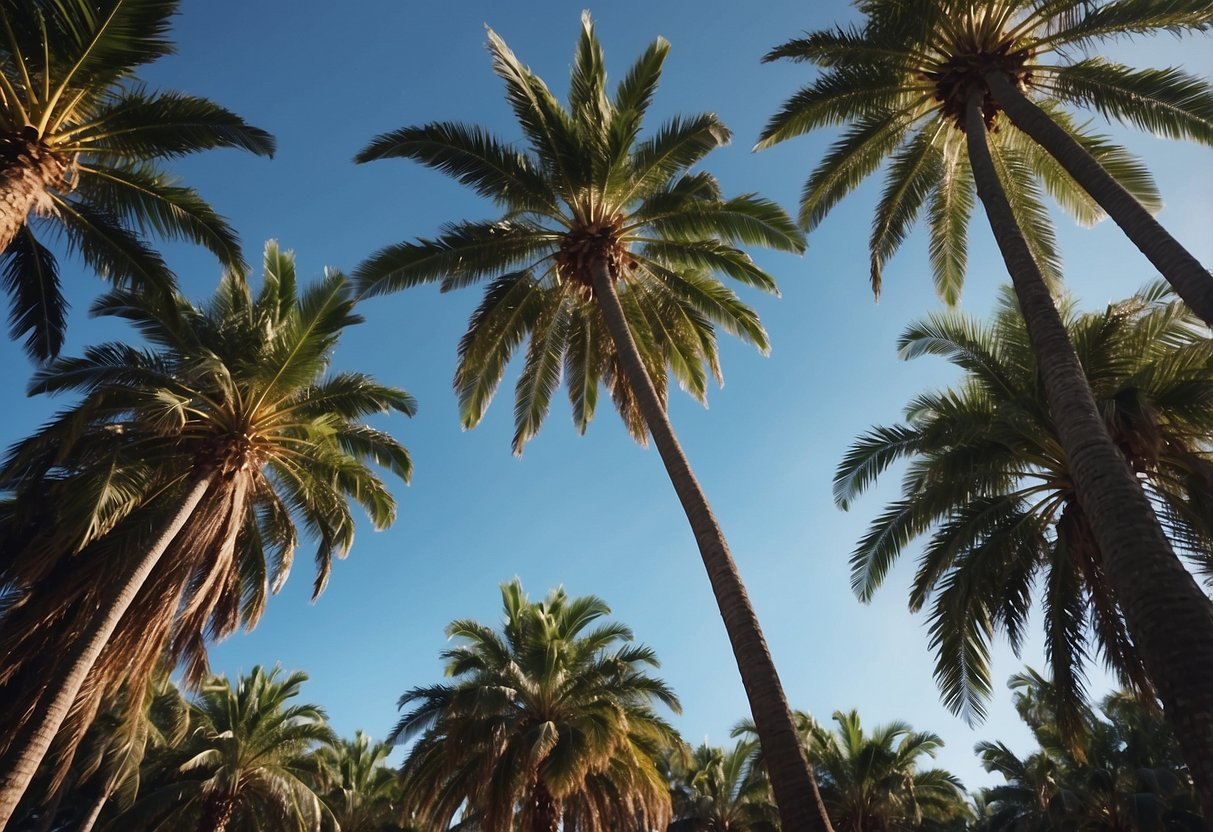
Care Tips for Zone 7 Palm Trees
Growing palm trees in Zone 7 requires some extra attention compared to warmer climates, but with the right approach, you can have a thriving tropical-looking garden even in the Mid-Atlantic or upper South.
Winter Protection Strategies
The key to Zone 7 palm success is protecting young trees during their first few winters until they develop cold hardiness. Here’s a proven winter care routine:
- Tie up fronds in late November: Bundle the leaves together and secure loosely with twine to protect the growing point (heart) from frost damage
- Wrap with burlap on nights below 15°F: Wrap the entire crown loosely, not tight enough to trap moisture
- Mulch heavily: Apply 6–8 inches of wood chip mulch over the root zone extending to the drip line — this insulates roots from soil freezing
- Avoid tarps and plastic: These trap moisture and can cause rot — use breathable materials only
After the third or fourth year, established Needle and Windmill Palms in Zone 7 rarely need wrapping except during exceptional cold snaps below 5°F.
Soil and Drainage Requirements
No factor is more important for Zone 7 palm survival than drainage. Wet roots combined with cold temperatures is the number one killer of zone-pushing palms. If your soil holds water, amend it heavily with coarse sand and pea gravel before planting, or build a raised berm. The planting hole should drain completely within 1 hour of filling with water.
Best Locations in Zone 7 for Palms
Choose the most thermally protected spot in your yard:
- South or southeast-facing walls that absorb heat during the day and radiate it overnight
- Urban heat island locations (courtyards, downtown areas, near pavement)
- Sheltered from north and northwest winds, which dramatically increase wind chill
- Under overhangs that prevent frost from settling directly on the foliage
Zone 7 Palm Species Guide
Here’s a more detailed look at each cold-hardy species and how to use them in Zone 7 landscapes:
Needle Palm (Rhapidophyllum hystrix)
The cold-hardiest palm in the world, Needle Palm can survive temperatures down to -20°F — far beyond Zone 7 requirements. It’s a clumping, stemless palm that rarely exceeds 6–8 feet tall, making it ideal for small gardens. The name comes from the sharp, 6-inch needle-like spines at the base of each frond. Plant it where you don’t need to walk nearby. Native to the southeastern U.S., it’s comfortable in Zone 7 and thrives in partial shade.
Windmill Palm (Trachycarpus fortunei)
The Windmill Palm is the most widely planted Zone 7 palm, known for its elegant form with a slender, fibrous trunk and fan-shaped leaves. It can reach 20–40 feet tall over many decades and is hardy to about 5°F. It performs best in full sun to light shade, tolerates a range of soils, and is one of the fastest-growing cold-hardy palms. Available at many nurseries as a medium-sized specimen, it establishes quickly.
Dwarf Palmetto (Sabal minor)
A native of the U.S. Southeast, Dwarf Palmetto is nearly stemless (trunk usually stays underground) and grows 3–6 feet tall. It’s extremely adaptable, tolerating wet conditions, shade, and cold down to 0°F. An excellent choice for naturalistic plantings, rain gardens, or shaded areas where other palms won’t survive. Pairs beautifully with native ferns and understory plants. See how other southeastern palms are used in landscapes.
Frequently Asked Questions: Palm Trees in Zone 7
Q: Can Windmill Palms survive Virginia winters?
Yes — Windmill Palms are reliably hardy in Zone 7b (0–5°F), which covers much of central and eastern Virginia including the Richmond and Virginia Beach areas. Northern Virginia (Zone 7a, down to -5°F) is marginal for unprotected Windmill Palms, but with south-wall protection and winter wrapping, many gardeners successfully grow them there. Check local gardening groups for reports from your specific microclimate.
Q: Do zone 7 palms produce fruit or seeds?
Yes — mature Windmill Palms produce clusters of small blue-black fruits in fall, and Needle Palms produce reddish-black dates that ripen in late summer. The fruits are not palatable to humans but are eaten by birds and small mammals. Sabal palms produce hard, pea-sized black fruits that drop in autumn. None of these are invasive in Zone 7 — seed germination rates in cool climates are minimal.
Q: How long do zone 7 palms take to establish?
Most cold-hardy palms have a slow establishment period — plan for 2–3 years before the tree shows significant growth. During this time, the palm is putting energy into root development. Provide supplemental water during dry spells, avoid fertilizing heavily the first year, and protect from cold during the establishment winters. Once established (typically after year 3), Zone 7 palms become significantly more cold-tolerant and require less care.
Key Takeaways: Cold-Hardy Palm Trees for Zone 7
- Zone 7 (0–10°F minimum) includes Virginia, Tennessee, North Carolina, Georgia, Arkansas, and parts of the Pacific Northwest
- Hardiest palms for Zone 7: Needle Palm (to -20°F), Windmill Palm (to 5°F), Dwarf Palmetto (to 0°F)
- Site selection is critical — plant near south-facing walls or large structures that radiate heat overnight
- Young palms are more cold-sensitive than established ones — protect for the first 3 winters with burlap or frost cloth
- Well-drained soil is non-negotiable — wet roots in winter are far more damaging than cold air temperature
- All Zone 7 palms grow slowly — expect 6–12 inches of height gain per year under ideal conditions
When choosing palm trees for zone 7, it is important to consider their hardiness level. Hardiness refers to a plant’s ability to survive in a specific climate and is measured by the USDA Hardiness Zone Map. The hardiness zone map is divided into 13 zones based on the average annual minimum temperature. Palm trees that are cold hardy and can survive in zone 7 include the Needle Palm, Windmill Palm, Dwarf Palmetto, and Chinese Windmill Palm.
The Needle Palm is the most cold-hardy palm tree around and can survive temperatures as low as -10 degrees Fahrenheit. The Windmill Palm is the hardiest of the trunked palm varieties and can grow in temperatures as low as 5 degrees Fahrenheit. The Dwarf Palmetto is native to the southeastern US and can handle temperatures as low as 0 degrees Fahrenheit. The Chinese Windmill Palm is one of the world’s hardiest palms and can grow in regions as low as zone 6, making it an excellent choice for zone 7.
Selecting the Right Palm Trees for Zone 7
Understanding Zone 7 Climate
Zone 7 is characterized by cold winters with average minimum temperatures ranging from 0°F to 10°F (-17°C to -12°C). The growing season is typically from late April to early October. When selecting palm trees for Zone 7, it is important to choose cold hardy varieties that can withstand freezing temperatures and frost.
Top Cold Hardy Palms for Zone 7
There are several cold hardy palm trees that can thrive in Zone 7. The following are some of the top choices:
- Windmill Palm (Trachycarpus fortunei): This is one of the hardiest palm trees in the world and can grow in regions as low as Zone 6. It can tolerate temperatures as low as -5°F (-21°C) with some leaf damage starting at 5°F (-15°C).
- Needle Palm (Rhapidophyllum hystrix): Considered the cold hardiest palm tree in the world, the Needle palm can tolerate freezing temperatures down to -10°F (-23°C) and has been known to withstand temperatures down to -15°F (-26°C).
- Cabbage Palm (Sabal palmetto): Native to the southeastern United States, this palm tree can tolerate temperatures as low as 5°F (-15°C) and can grow up to 80 feet tall.
- European Fan Palm (Chamaerops humilis): This palm tree is drought tolerant and can tolerate temperatures as low as 5°F (-15°C). It is a slow grower and can reach a height of 10 feet.
Planting and Care Considerations
When planting palm trees in Zone 7, it is important to choose a location that provides full sun and well-draining soil. Microclimates, such as those created by buildings and walls, can also provide additional protection from the cold. Watering and pruning requirements vary depending on the species of palm tree. It is important to research the specific needs of the palm tree before planting.
Protection and Maintenance of Palms in Cold Climates
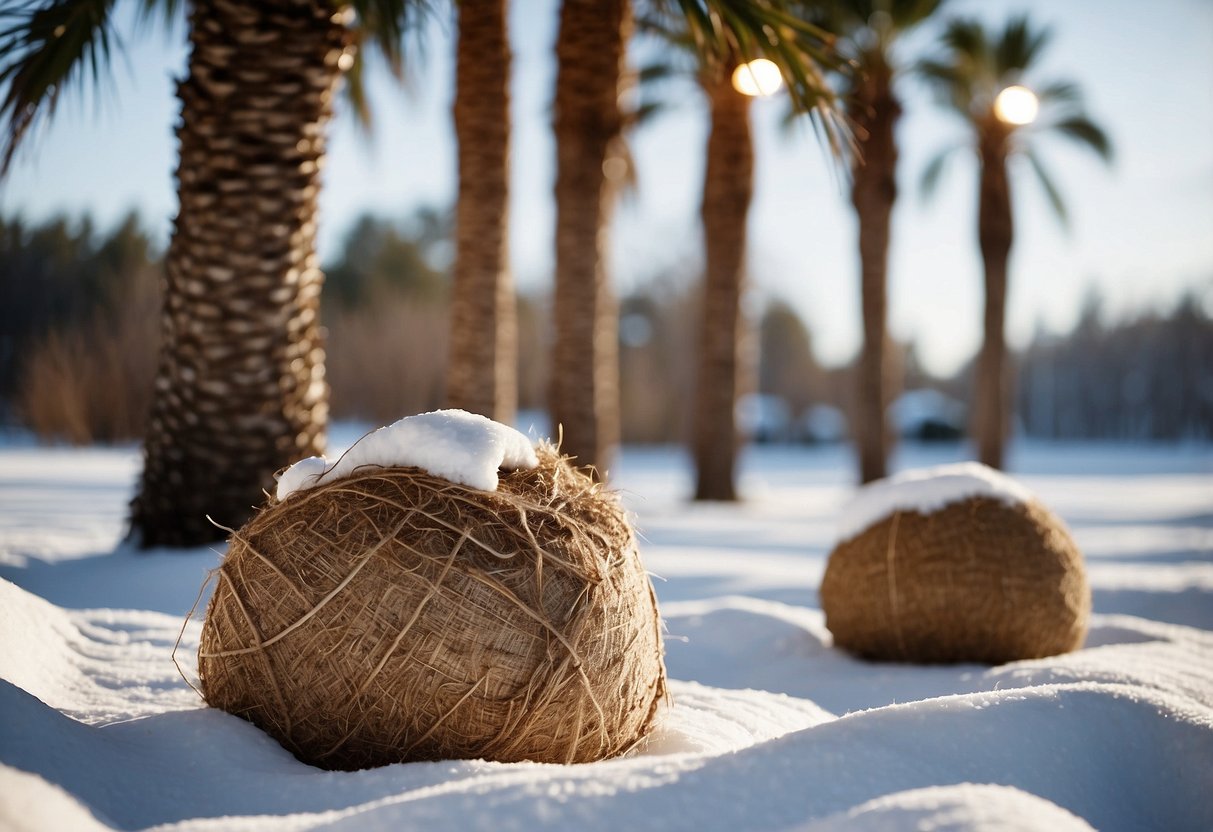
Preventing and Managing Frost Damage
Palms are generally not cold-hardy plants and can suffer from frost damage. When temperatures drop below freezing, the leaves of the palm can turn brown or black, and the plant may even die. To prevent frost damage, gardeners in cold climates should take certain measures.
One way to protect palms from frost damage is to cover them with a blanket or tarp when temperatures drop below freezing. This will help to trap heat and prevent the plant from freezing. Gardeners can also use a special frost cloth, which is made of lightweight material and allows air and moisture to circulate while still providing protection from the cold.
Another way to prevent frost damage is to create a microclimate around the palm. This can be done by planting the palm near a wall or fence, which can provide protection from the wind and trap heat. Gardeners can also create a windbreak by planting other plants around the palm.
Creating Optimal Growing Conditions
To keep palms healthy in cold climates, gardeners should ensure that they are planted in well-draining soil and that the soil is kept moist but not waterlogged. Palms should be watered deeply and infrequently, rather than frequently and shallowly.
Gardeners can also provide additional protection for palms by planting them in containers that can be moved indoors during periods of freezing weather. When planting palms in containers, it is important to choose a pot that is large enough to accommodate the root system and to use a well-draining soil mix.
In addition to these measures, gardeners should also take steps to ensure that their palms are healthy and well-maintained. This includes regular pruning to remove dead or damaged leaves, fertilizing with a balanced fertilizer, and monitoring for pests and diseases.
By taking these steps, gardeners can help to protect their palms from frost damage and create optimal growing conditions for these beautiful plants in cold climates.
 Looking for a nursery that carries native trees?
Browse our native plant nursery directory
Nice one.